 Easy Travel in Japan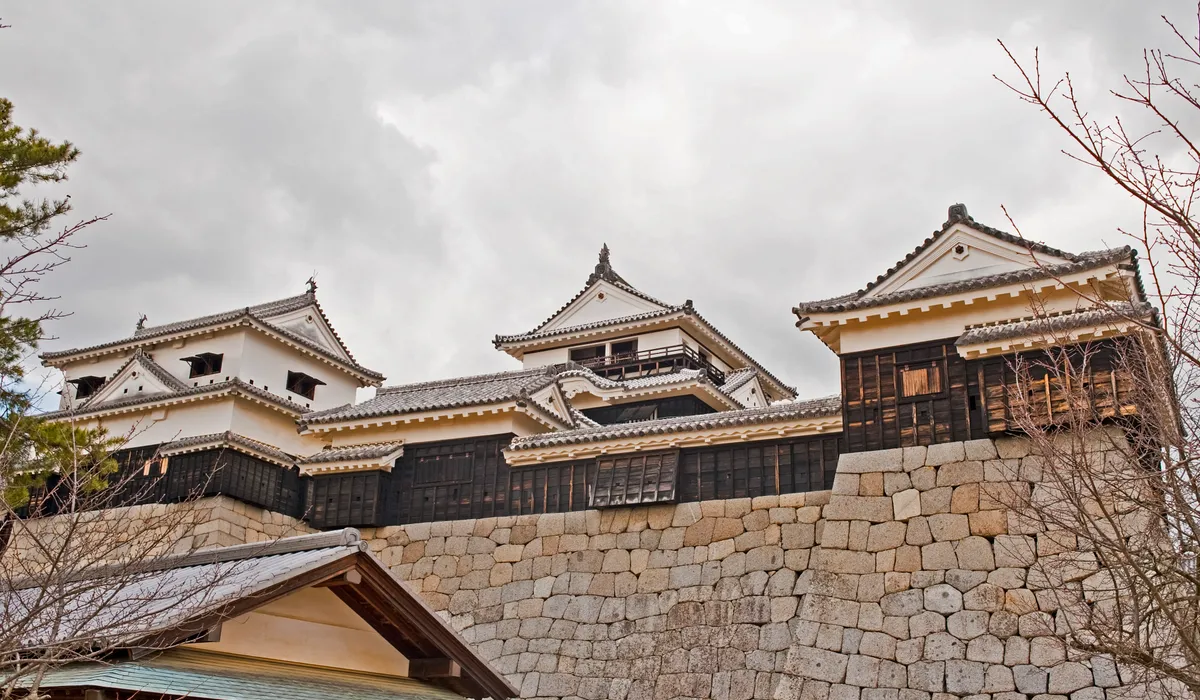
Matsuyama
Shikoku's largest city — an original castle, one of Japan's oldest hot springs, and the setting of a beloved novel.
Matsuyama is the largest city on Shikoku and the capital of Ehime Prefecture. It’s known in literature as the setting of Natsume Soseki’s 1906 novel “Botchan,” which draws on Soseki’s own time teaching in the city in 1895 and remains part of Japan’s school curriculum today — the tram line running from Matsuyama Station to Dogo Onsen is even named the Botchan Ressha after the novel. Matsuyama is also the birthplace of Masaoka Shiki, the poet credited with modernizing haiku, and the city still celebrates that literary heritage alongside its castle and hot-spring traditions.
Highlights & things to do
Matsuyama Castle, begun in 1602 by Kato Yoshiaki, is one of only twelve Japanese castles that survive with their original, non-reconstructed keep — its main tower was rebuilt after being struck by lightning in 1784, but the current structure still predates the modern era. It sits on a hilltop with views over the city and out to the Seto Inland Sea, reached by ropeway or chairlift.
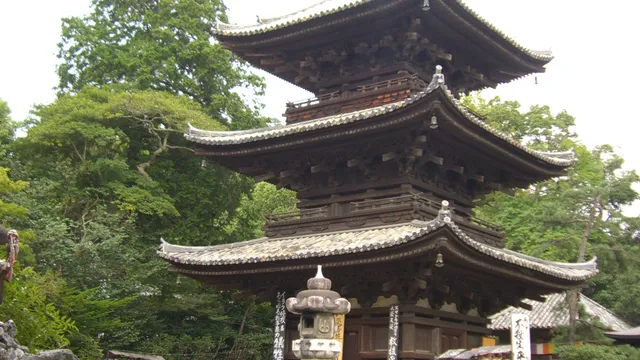
Dogo Onsen, on the city’s northeastern edge, claims a history of roughly 3,000 years and is widely considered one of Japan’s oldest hot springs. Its centerpiece, the Dogo Onsen Honkan, a wooden bathhouse built in 1894 and designated an Important Cultural Property, reopened in July 2024 after six years of preservation work. Soseki and Shiki are said to have shared a room on its third floor in 1895, later nicknamed the “Botchan Room.” Ishite-ji Temple, one of the 88 temples on the Shikoku pilgrimage circuit, adds a quieter religious counterpoint nearby.
Food & local cuisine
Ehime Prefecture is one of Japan’s leading citrus-growing regions, and mikan oranges appear throughout local food and sweets. Taruto, a sweet rolled cake filled with red bean paste, and Botchan dango, a three-colored skewered dumpling named after the novel, are the city’s best-known confections.
Culture & traditions
Matsuyama takes its haiku heritage seriously as the birthplace of Masaoka Shiki, who is credited with reviving and modernizing the haiku form in the late 19th century; the city hosts haiku-related events and monuments throughout its streets. The literary pairing of Soseki’s “Botchan” and Dogo Onsen has become inseparable from the city’s identity, commemorated in the bathhouse’s preserved third-floor room and the retro Botchan Ressha tram.
Nature & scenery
From Matsuyama Castle’s hilltop position, views extend across the city to the Seto Inland Sea. The castle grounds and surrounding park offer a green space at the center of the city.
Seasonal travel
Spring brings cherry blossoms to the castle grounds. Autumn foliage is a quieter seasonal draw around the city’s parks and temple grounds.
Recommended experiences
Bathe at Dogo Onsen, now freshly restored. Ride the ropeway or chairlift up to Matsuyama Castle. Visit Ishite-ji Temple as part of Shikoku’s pilgrimage circuit. Use Matsuyama as a base for day trips to the smaller nearby towns of Uchiko, Ozu, and Uwajima.
Getting there & practical info
Matsuyama Airport connects the city by air to major Japanese hubs, with tram and bus links to JR Matsuyama Station for onward travel by train or bus across Shikoku.
Who this suits
Suits history and castle enthusiasts drawn to one of Japan’s few original keeps, onsen travelers visiting one of the country’s oldest hot springs, and literature fans interested in Soseki and Shiki’s connections to the city.
A closer look at Matsuyama
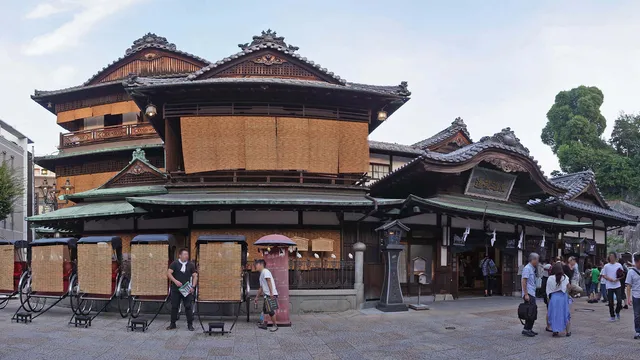
10 Best Things to Do in Matsuyama
A quick, friendly rundown of one of Japan's twelve original castle keeps, a 3,000-year-old hot spring freshly restored, a retro steam train and mechanical clock straight out of a novel, and the sea bream rice and fried fish cake that make Shikoku's largest city worth more than a rushed stopover.
The Perfect 1-Day Matsuyama Itinerary
A well-paced day linking the city's two halves: Matsuyama Castle and its ropeway in the morning, a ride on the retro Botchan Ressha out to Ishite-ji Temple and the Shiki Memorial Museum, then an afternoon and evening built around Dogo Onsen — its mechanical clock, its freshly restored bathhouse, and the dango and taruto sold along its shopping arcade.
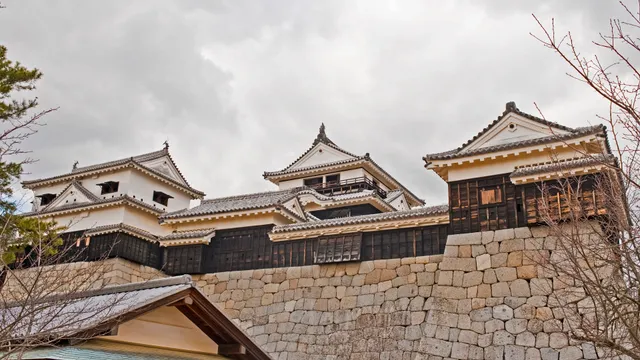
The Ultimate Matsuyama Travel Guide
Shikoku's largest city, built around one of Japan's twelve original castle keeps and a hot spring with roughly 3,000 years of history behind it — plus the literary heritage of Natsume Soseki's 'Botchan,' a festival that turns the streets into a shrine-smashing contest every October, and the sea bream rice and fried fish cake that make Matsuyama worth a full day, not just a stopover.
Related destinations
Useful services for this trip
Train Tickets
Book shinkansen and local rail tickets in advance and skip the station ticket-counter queue.
Explore Train Tickets
Bus Tickets
Book highway, overnight, and tour buses across Japan — an affordable way to reach cities and sights that trains skip.
Explore Bus Tickets
Airport Transfers
Book a fixed-price transfer from Haneda or Narita so arrival day is one less thing to figure out.
Explore Airport Transfers