Skip to content
Easy Travel in Japan
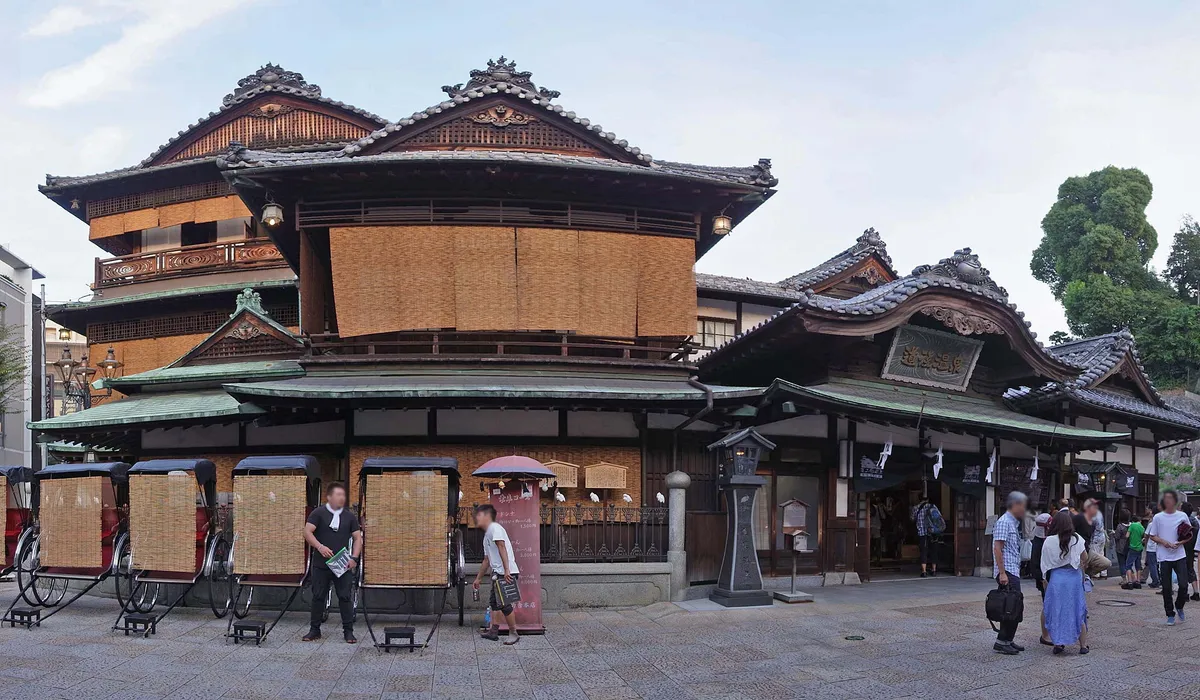
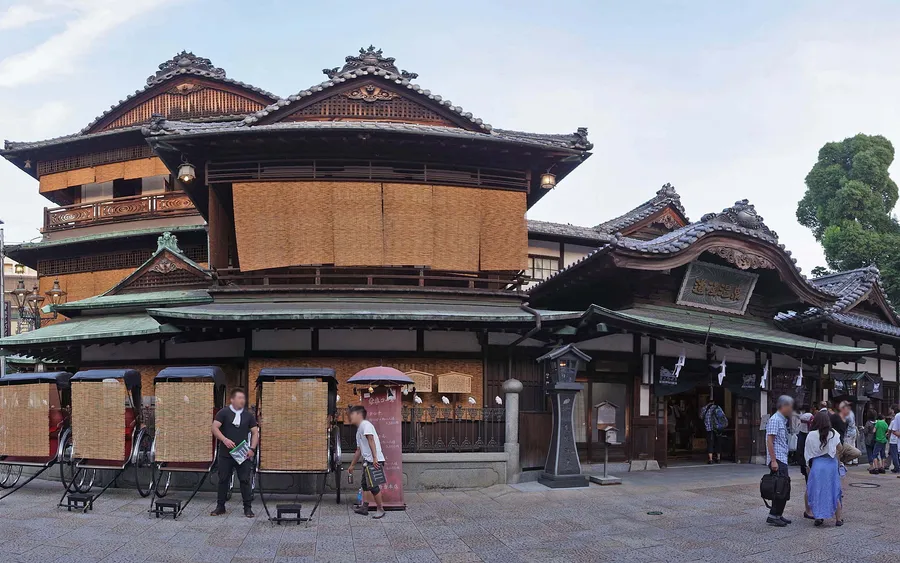
Dogo Onsen Honkan main building

10 Best Things to Do in Matsuyama

Matsuyama packs a surprising amount into Shikoku’s largest city: one of Japan’s twelve original castle keeps, a hot spring with roughly 3,000 years of history behind it, and a literary heritage running from Natsume Soseki’s “Botchan” to the haiku poet Masaoka Shiki, all tied together by a retro steam train and a mechanical clock that performs on the hour. Ten things worth building a visit around, from the castle hill to the sea bream rice and fish cakes that make lunch here worth planning for.

  1. Matsuyama Castle1

    Climb to Matsuyama Castle

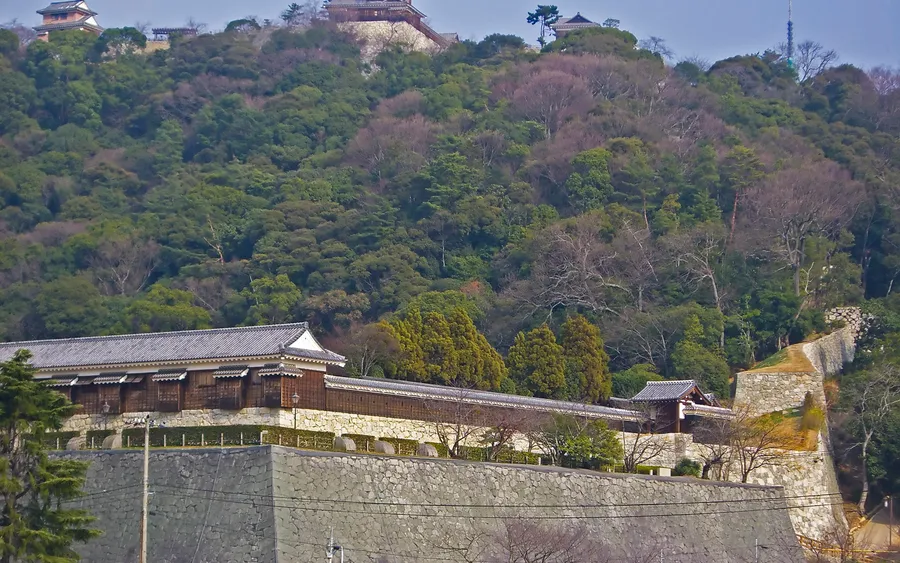
    Begun in 1602 by the daimyo Kato Yoshiaki and completed under his successors, Matsuyama Castle is one of only twelve Japanese castles that still stand with a keep dating from the Edo period or earlier, rather than a postwar concrete rebuild. The current three-story main tower is itself a reconstruction, raised in 1820 after lightning destroyed the original, but it still predates the modern era by more than 200 years. Perched at 132 meters on Mount Katsuyama, the castle looks out over the city to the Seto Inland Sea, and most visitors reach it by a three-minute ropeway or a slower, single-rider chairlift, both departing from the Shinonome gate at the base.

    9:00 AM – 5:00 PM (varies seasonally), last admission 30 min before close; ¥510 adult keep admission; ropeway/chairlift ¥5101 Marunouchi, Matsuyama, Ehime 790-0008
  2. Dogo Onsen Honkan main building2

    Soak at Dogo Onsen Honkan

    Dogo Onsen claims a history of roughly 3,000 years and is widely considered one of Japan's oldest hot springs, and its centerpiece, the Honkan, is a three-story wooden bathhouse built in 1894 and designated an Important Cultural Property. The building fully reopened in July 2024 after six years of conservation work, its ornate wooden facade and rooftop heron statue — a nod to the legend of an injured white heron that discovered the spring's healing waters — restored to their original detail. On the third floor, a small tatami room known as the 'Botchan Room' preserves the space where the novelist Natsume Soseki and the poet Masaoka Shiki are said to have talked together in 1895, decorated today with photographs and a bust of Soseki.

    6:00 AM – 10:00 PM daily; bathing ¥410–¥1,550 depending on floor and course5-6 Dogoyunomachi, Matsuyama 790-0842
  3. Ishite-ji Temple, Matsuyama3

    Visit Ishite-ji Temple

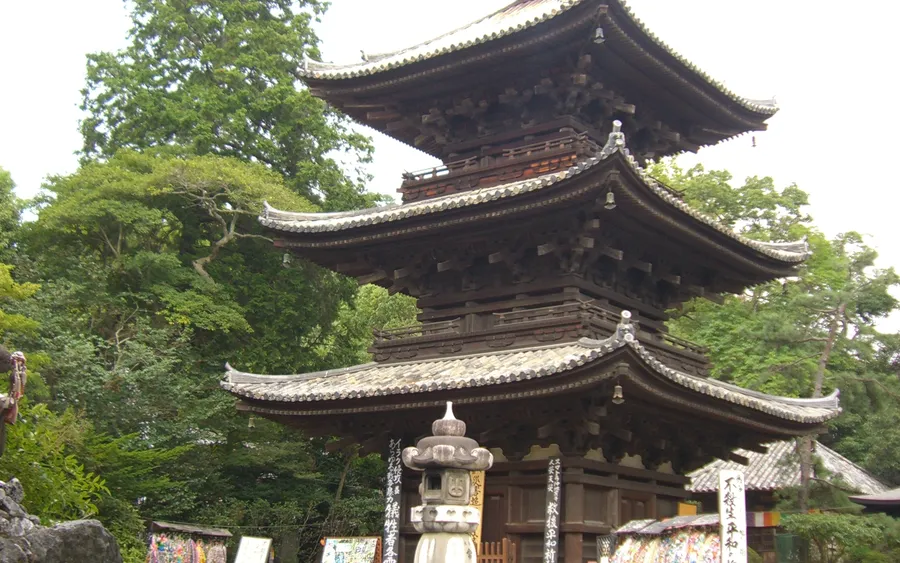
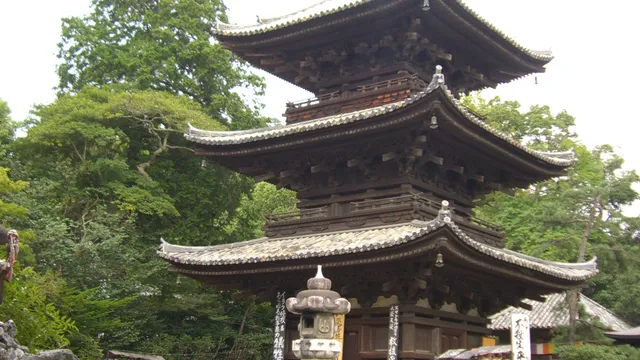
    Temple 51 of the 88-temple Shikoku pilgrimage, Ishite-ji was founded in 729 and became a Shingon temple in 813 after the monk Kukai, later known as Kobo Daishi, trained here; it was renamed in 892 after a local legend in which a wealthy man is reborn clutching a stone in his infant hand. The Niomon gate, built in 1318, is a National Treasure, and the main hall, three-story pagoda, and belfry are all designated Important Cultural Properties, making the temple one of the most architecturally significant stops on the entire pilgrimage route. Behind the main grounds, a dim tunnel lined with hundreds of small stone Buddhist statues leads to an unexpected cave shrine, a quieter, stranger counterpart to the temple's formal halls.

    Grounds: 7:00 AM – 5:00 PM; treasure house & caves: 8:00 AM – 5:00 PM2-9-21 Ishite, Matsuyama 790-0852
  4. Botchan Karakuri Clock, Dogo Onsen4

    Watch the Botchan Karakuri Clock

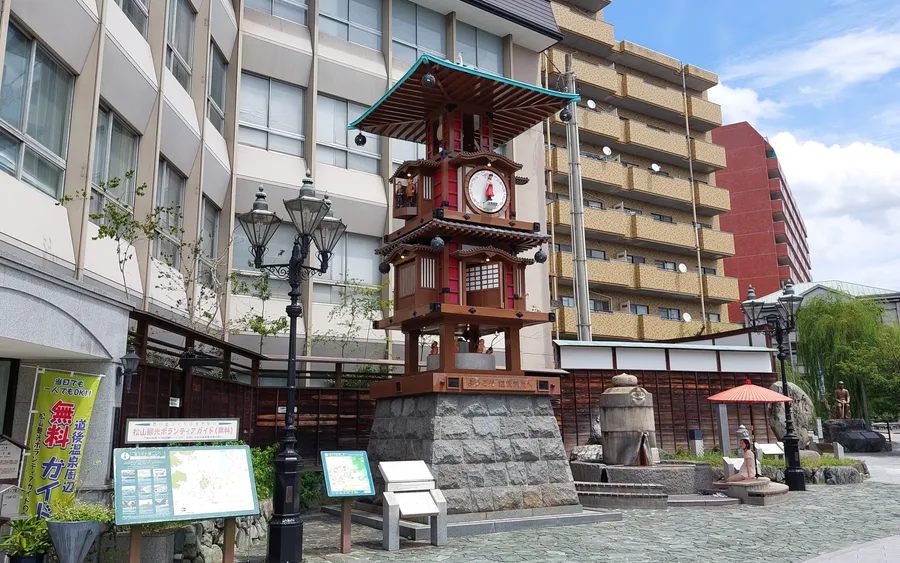
    Installed outside Dogo Onsen Station in 1994 to mark the Honkan's 100th anniversary, this mechanical clock is modeled on the bathhouse's distinctive Shirasagi tower and rises on the hour to send out figures from Natsume Soseki's novel 'Botchan' as different melodies play through the day. It performs every hour from 8 a.m. to 10 p.m., and every 30 minutes during weekends, holidays, and peak seasons, lighting up after dark for a different look than its daytime shows. A free foot bath sits right beside it, making the plaza a natural spot to sit, soak tired feet, and wait for the next performance.

    Performs hourly, 8:00 AM – 10:00 PM; every 30 min on weekends, holidays & peak seasons
  5. Botchan Ressha train, Dogo Onsen Station5

    Ride the Botchan Ressha

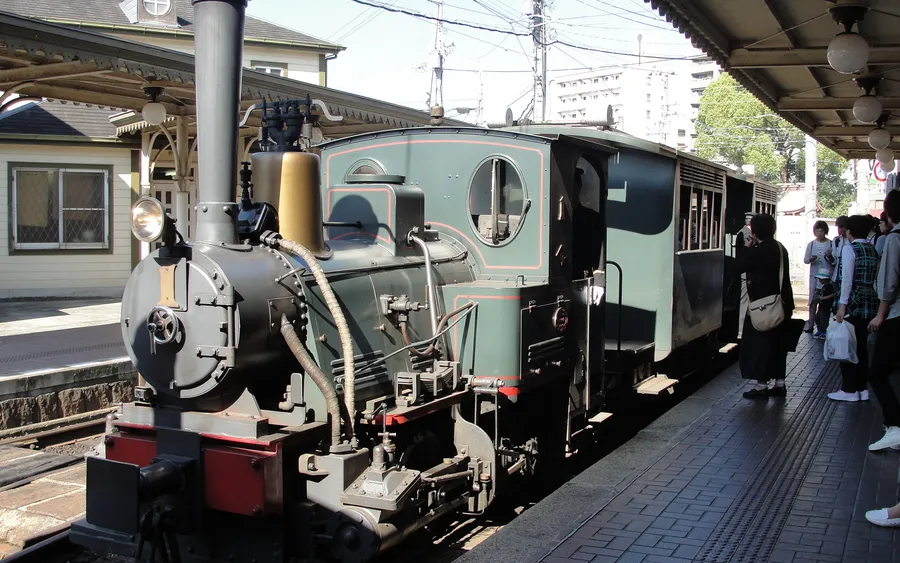
    A diesel-powered replica of the narrow-gauge steam locomotives that ran on Shikoku's first railway when it opened in 1888, Botchan Ressha takes its name from the train Natsume Soseki's schoolteacher protagonist rides in 'Botchan,' and it still whistles and puffs an odorless smoke effect as it trundles along two routes linking Dogo Onsen with Matsuyama-shi and JR Matsuyama stations. Only eight to ten runs are scheduled a day and seats sell out quickly, so it's worth timing a ride early; a combination ticket bundles a single ride with the Matsuyama Castle ropeway and keep admission for a modest discount over paying separately.

    8–10 runs daily; combo ticket with castle ropeway & keep: ¥1,700
  6. Shiki Memorial Museum, Matsuyama6

    Learn About Masaoka Shiki's Haiku Legacy

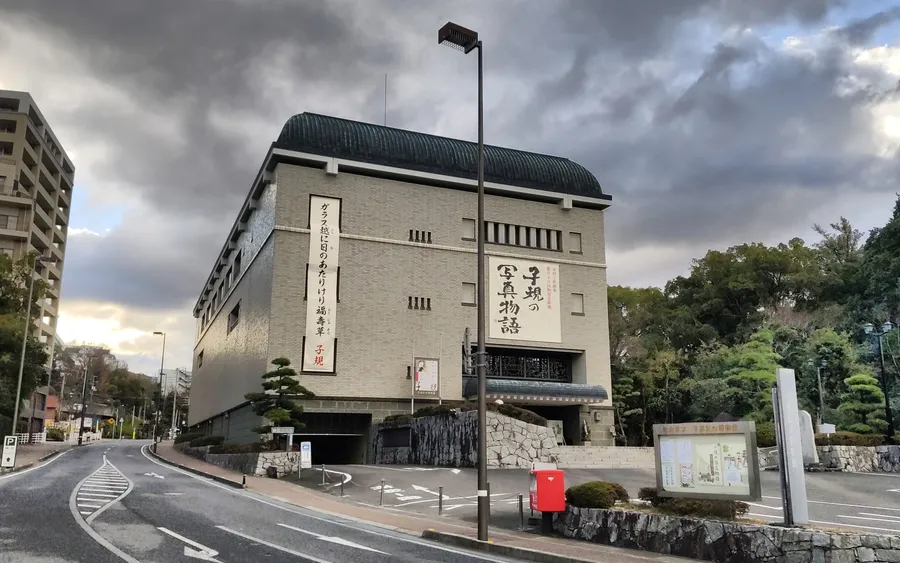
    Masaoka Shiki, born in Matsuyama in 1867, is credited with modernizing haiku and tanka poetry before his death from tuberculosis at just 35, and the Matsuyama City Shiki Memorial Museum near Dogo Park holds around 70,000 of his manuscripts, letters, and personal items, with roughly 300 on rotating display. The city's devotion to haiku predates Shiki, too — Matsuyama's Edo-period lords were poetry patrons, and today about 90 haiku post boxes, each in a different design, are scattered around the city for anyone to drop in a poem of their own. Every month, a Shiki haiku chosen by public vote is displayed on the museum's exterior wall, keeping the poet's work in public view rather than shut inside a gallery.

    9:00 AM – 6:00 PM (May–Oct), 9:00 AM – 5:00 PM (Nov–Apr), last admission 30 min before close; closed Tuesdays; ¥500 adult admission1-30 Dogo Koen, Matsuyama 790-0857
  7. Mikoshi carriers, Matsuyama Autumn Festival7

    Witness the Aki Matsuri Shrine Clashes

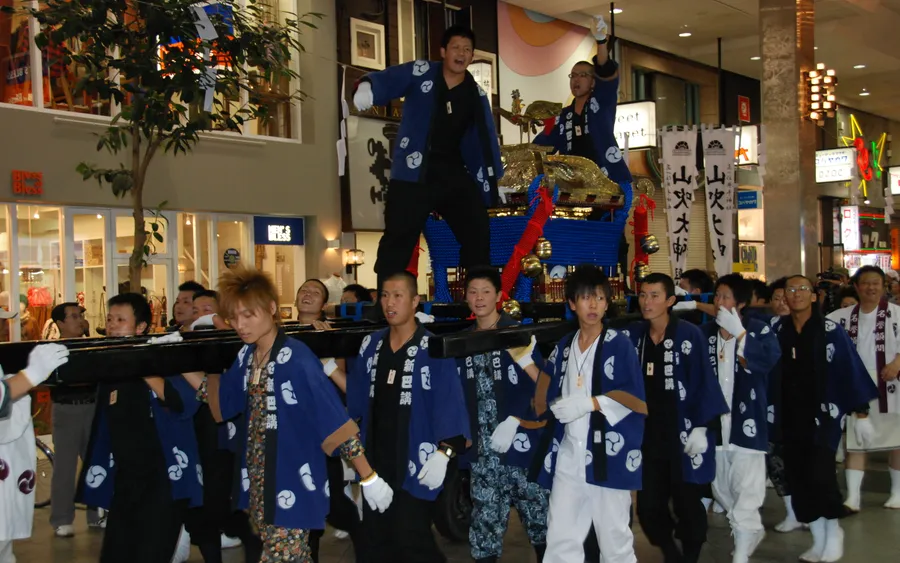
    Held every October 5–7, Matsuyama's autumn festival centers on hachiawase, or 'shrine-butting' — eight large mikoshi from different neighborhoods are deliberately smashed together, again and again, while teams of young men chant 'motekoi, motekoi' and shove their shrine forward with everything they have. The most famous clashes happen at Itsukushima Shrine and in front of Dogo Onsen Station, where battles start as early as 6:30 a.m. on the final day and each of the eight shrines fights twice, praying for a good harvest and a safe, prosperous year ahead. A gentler counterpart runs each spring around March 19–23, when the Dogo Onsen Festival fills the same streets with a costumed parade and a mikoshi procession carried by women instead.

    October 5–7; main hachiawase clashes from around 6:30 AM on Oct 7
  8. Taimeshi (sea bream rice)8

    Eat Taimeshi

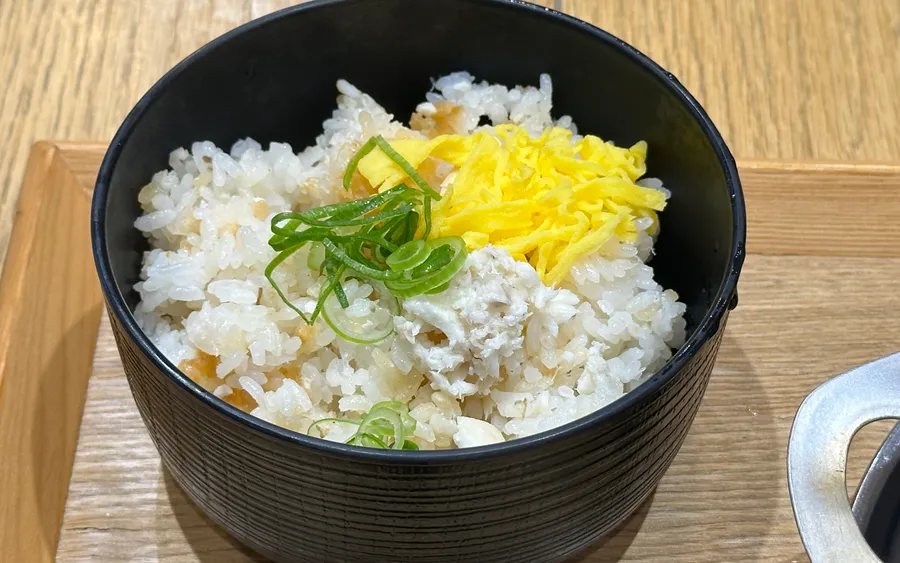
    Matsuyama's version of taimeshi, known locally as Hojo taimeshi, cooks a whole sea bream directly with the rice and kelp dashi in one pot, letting the fish's flavor work all the way through the grains rather than serving it separately — a different approach from the raw, egg-topped taimeshi found further south in Uwajima. Ehime Prefecture farms more sea bream than anywhere else in Japan, so the fish itself is reliably fresh, and the dish appears on menus across the city from casual set-meal restaurants to more formal kaiseki spots. It's traditionally served at celebrations, since tai is a homophone for 'medetai,' the Japanese word for auspicious.

  9. Jakoten (fried fish cake), Dogo9

    Try Jakoten

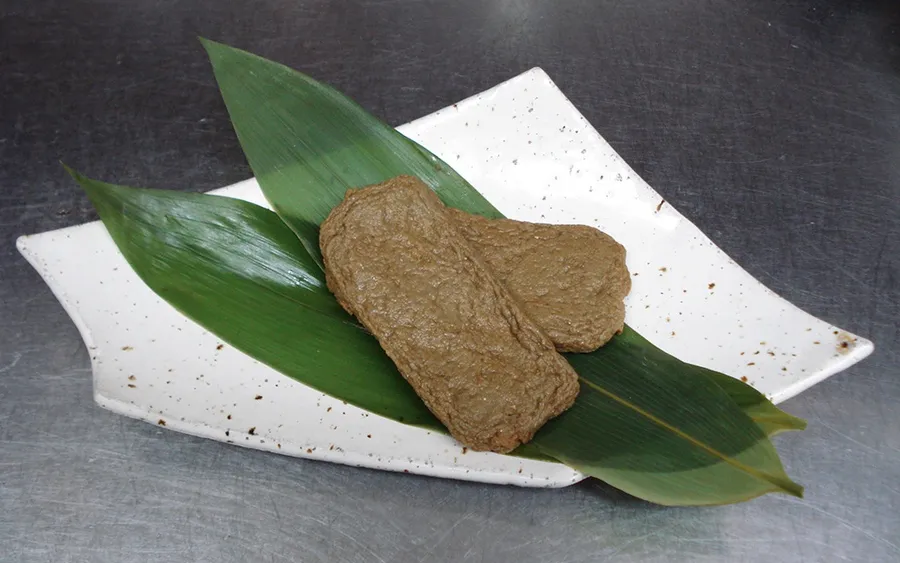
    Jakoten is Ehime's answer to fish cake, made by grinding whole small fish — bones, skin, and all — into a paste, seasoning it, and deep-frying it into thick, chewy patties with a distinctly crunchy edge. It's sold hot from stalls around Dogo Onsen as an easy walking snack, and also turns up sliced into udon or grilled at home, with the whole-fish preparation giving it a richer, more mineral flavor than the fish cakes found elsewhere in Japan. Vendors near the Honkan often fry it to order, so a fresh, still-warm piece is one of the easiest good things to eat between a soak and the next sight.

  10. Botchan dango, Matsuyama10

    Snack on Botchan Dango

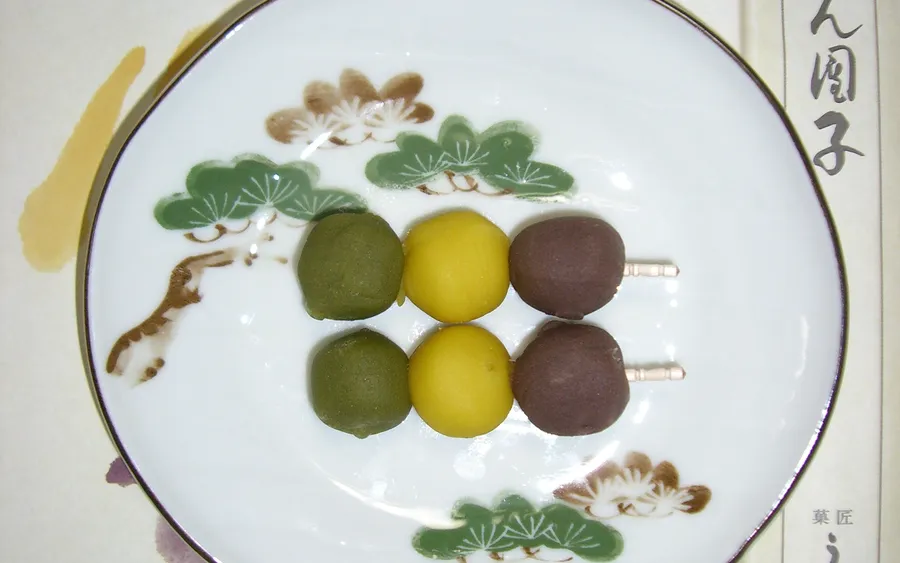
    Named after Natsume Soseki's novel, Botchan dango skewers three small mochi balls, each in a different color and flavor — usually egg-yellow, red bean, and matcha green — and the treat is sold all over Dogo Onsen, often at shops with a direct view of the Honkan. It's less about complexity than presentation: three simple, sweet bites meant to be eaten quickly between bath sessions, which is exactly how most visitors still encounter it, snacking their way along the shopping arcade in a yukata.

Keep reading

More guides you might like

Nearby

Related destinations

Continue

Related services

Easy Travel in Japan