 Easy Travel in Japan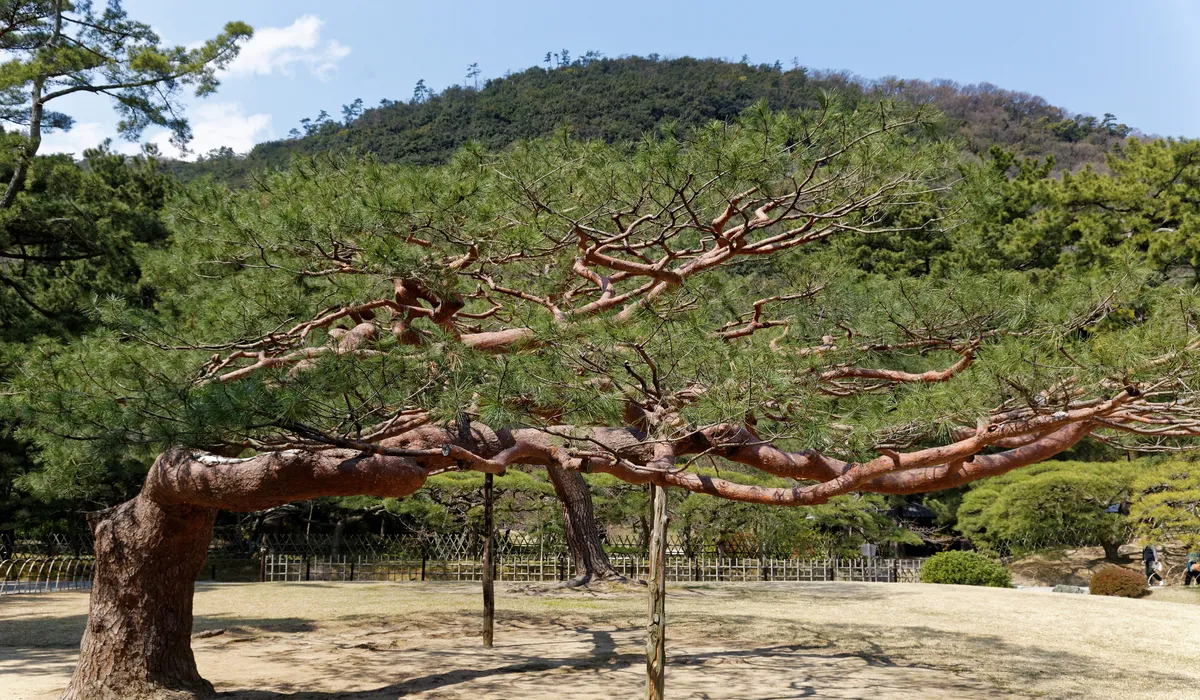
Takamatsu
Shikoku's gateway city — one of Japan's most celebrated gardens and easy access to the art islands of the Seto Inland Sea.
Takamatsu is the capital of Kagawa, Japan’s smallest prefecture, and served as a major Seto Inland Sea port for centuries before the Seto Ohashi Bridge connected Shikoku to Honshu by rail and road in 1988. The city’s garden and castle grew up together from 1625, when the local lord began building his residence and grounds, work that passed to the Matsudaira clan — relatives of the Tokugawa — from 1645 and continued for a century. That legacy, paired with the city’s role as the main ferry gateway to the Seto Inland Sea’s art islands, gives Takamatsu a dual identity as both a historic castle town and a contemporary art hub.
Highlights & things to do
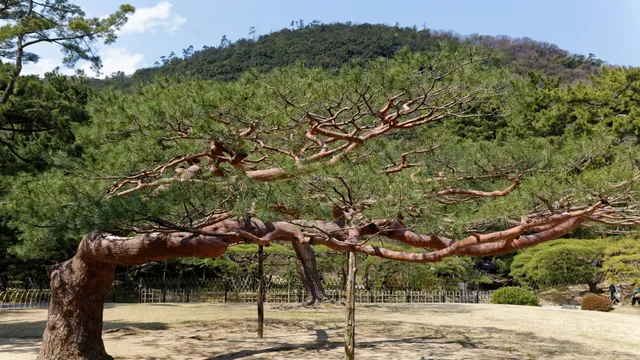
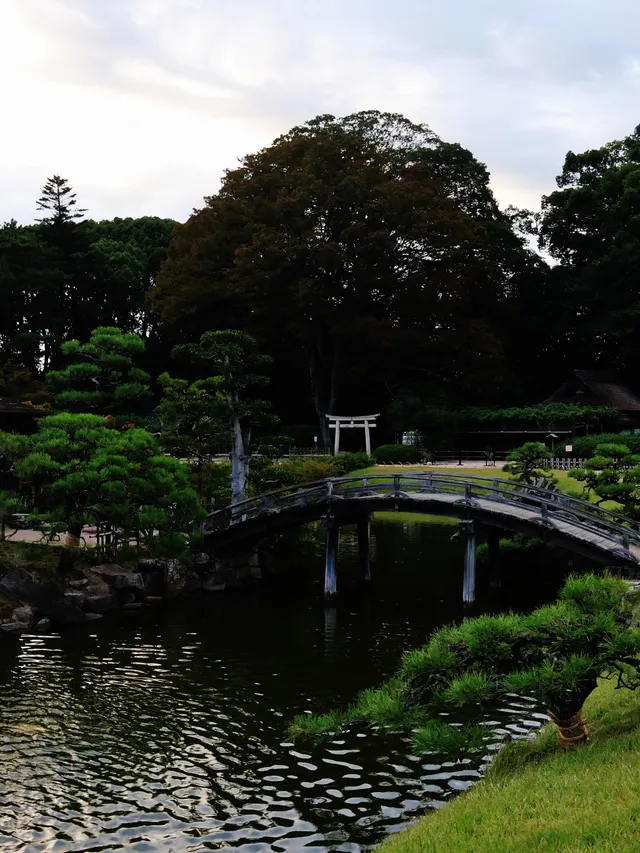
Ritsurin Garden, begun in 1625 and completed by successive Matsudaira lords over a century, covers around 75 hectares and holds three stars in the Michelin Green Guide Japan, designated a National Treasure-level Place of Scenic Beauty. Takamatsu Castle’s seaside ruins, one of only a few Japanese castles built with moats drawing directly from the sea, sit near the harbor. Yashima, a flat-topped mountain overlooking the city, was the site of a decisive 12th-century battle and today offers views over the Seto Inland Sea.
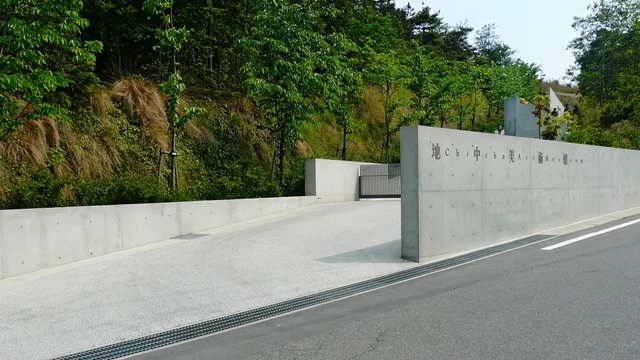
Takamatsu’s ferry terminal connects to Naoshima and Teshima, islands transformed since the 1990s into open-air centers for contemporary art under the Benesse Art Site project, home to works by artists like Yayoi Kusama alongside museums such as the Chichu Art Museum. Every three years, the wider Setouchi Triennale art festival spreads installations across a dozen islands in the Seto Inland Sea, first held in 2010 and now running across three seasons.
Food & local cuisine
Sanuki udon takes its name from Sanuki Province, Kagawa’s name before 1871, and is one of Japan’s most famous regional noodle styles — tradition credits the 9th-century monk Kukai, born in Sanuki, with bringing the noodle-making method back from China. Udon shops are ubiquitous across the city and prefecture, ranging from simple self-serve counters to sit-down restaurants.
Culture & traditions
The Setouchi Triennale has become one of the defining cultural events of the region since 2010, drawing international visitors to see contemporary art installed directly into the Seto Inland Sea’s small island communities, alongside the older, quieter tradition of Ritsurin Garden’s Edo-period landscaping.
Nature & scenery
Ritsurin Garden’s ponds, hills, and pine trees were designed as a circuit garden meant to be walked through in a specific sequence, with views borrowed from Mount Shiun behind it. Yashima’s flat summit and the wider Seto Inland Sea, dotted with small islands, define the coastal scenery around the city.
Seasonal travel
Spring cherry blossoms bloom around Ritsurin Garden. Autumn brings foliage to the garden’s maples. The Setouchi Triennale runs across spring, summer, and autumn sessions in its exhibition years, drawing the largest crowds to the art islands.
Recommended experiences
Walk the full circuit of Ritsurin Garden. Take the ferry out to Naoshima or Teshima for a day of contemporary art. Try Sanuki udon at a local shop, ideally more than once.
Getting there & practical info
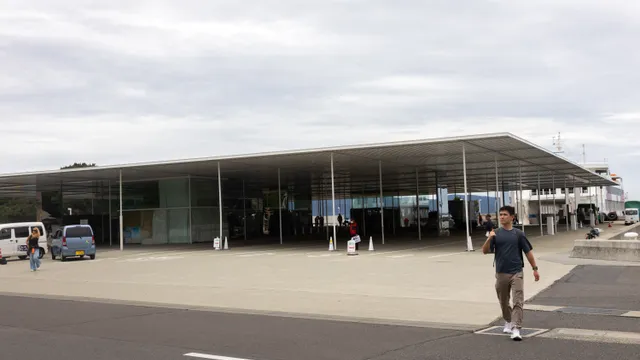
Takamatsu is reached by JR train from Okayama across the Seto-Ohashi Bridge, and by direct flights into Takamatsu Airport. The city’s ferry terminal, a short walk from Takamatsu Station, is the main departure point for Naoshima, Teshima, and the other Seto Inland Sea art islands.
Who this suits
A good fit for garden lovers, contemporary art travelers heading to the Seto Inland Sea islands, food lovers chasing Sanuki udon, and anyone using Takamatsu as a base for island-hopping.
A closer look at Takamatsu
10 Best Things to Do in Takamatsu
A quick, friendly rundown of a Michelin three-star garden, a castle with a moat drawn straight from the sea, the underground museum and island art house project that made Naoshima famous, and the udon that gave Kagawa its nickname — a good starting point for a first visit to Shikoku's gateway city.
The Perfect 2-Day Takamatsu Itinerary
Two well-paced days: Ritsurin Garden, the seaside ruins of Takamatsu Castle, Yashima, and Sanuki udon and honetsuki-dori on day one, then a full day out on Naoshima for the Chichu Art Museum, Benesse House, and the Art House Project in Honmura.
The Ultimate Takamatsu Travel Guide
Shikoku's gateway city, built around a Michelin three-star garden and the seaside ruins of a castle with a moat drawn straight from the ocean — and, a short ferry ride away, Naoshima and Teshima, two small islands turned into some of the most concentrated open-air contemporary art destinations in Japan, plus the udon Kagawa is quietly obsessed with.
Related destinations
Useful services for this trip
Train Tickets
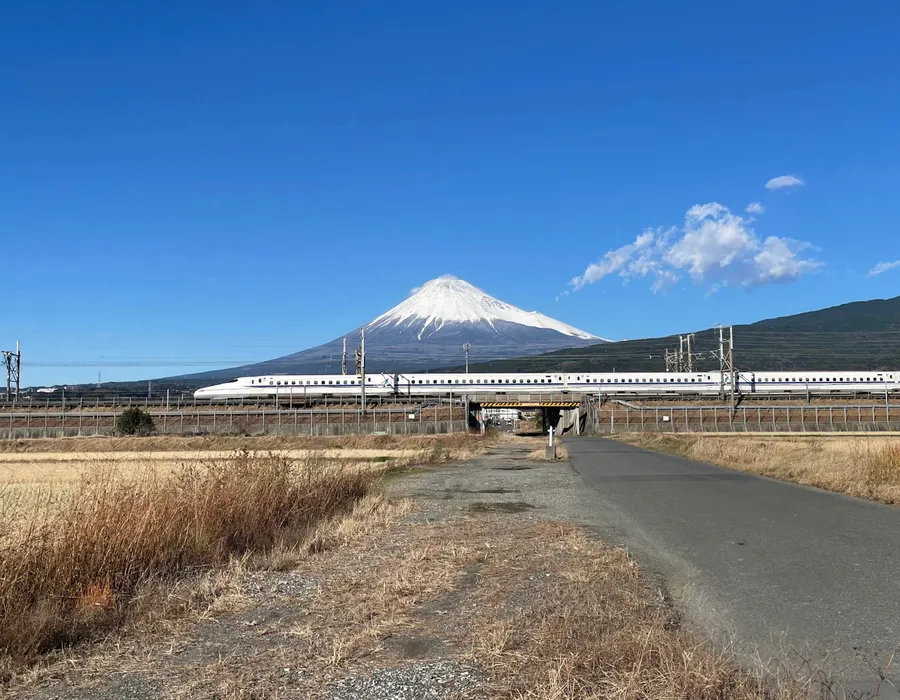
Book shinkansen and local rail tickets in advance and skip the station ticket-counter queue.
Explore Train Tickets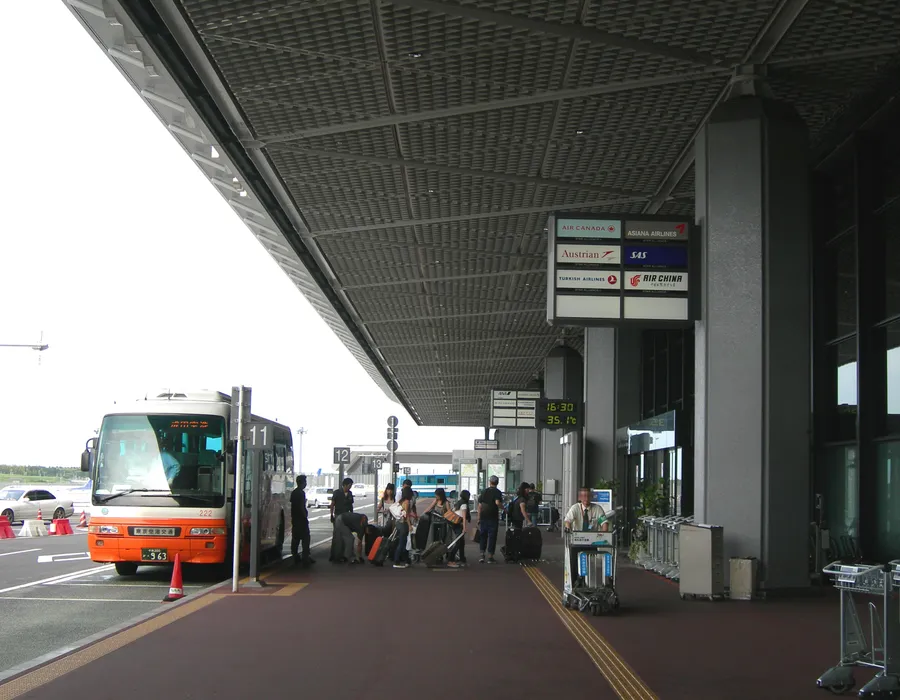
Airport Transfers
Book a fixed-price transfer from Haneda or Narita so arrival day is one less thing to figure out.
Explore Airport Transfers
eSIM & Wi-Fi
Stay connected in Japan with an eSIM or pocket Wi-Fi, without hunting for a local SIM shop.
Explore eSIM & Wi-Fi