Skip to content
Easy Travel in Japan
Chichu Art Museum, Naoshima

10 Best Things to Do in Takamatsu

Takamatsu packs a rare double identity into a single Shikoku gateway city: a historic core built around a Michelin three-star garden and the seaside ruins of a castle, and, a short ferry ride away, Naoshima and Teshima, two small islands that have quietly become one of the world’s more unlikely centers of contemporary art. Ten things worth building a visit around, from the underground museums of the Seto Inland Sea to the udon that gave Kagawa its nickname.

  1. Ritsurin Garden, Takamatsu1

    Walk Ritsurin Garden

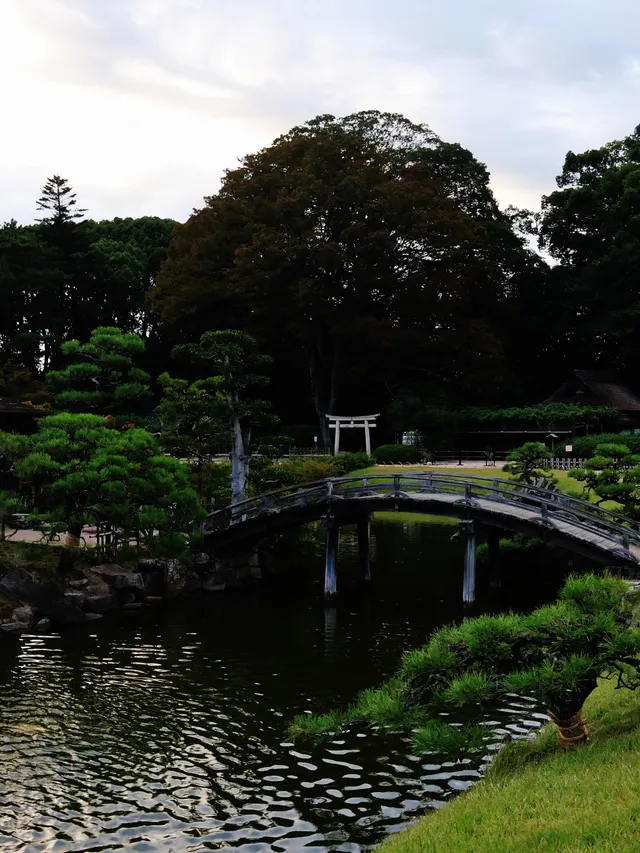
    Begun in 1625 and expanded by successive lords of the Matsudaira clan over the next century, Ritsurin Garden covers around 75 hectares and holds the top rating of three stars in the Michelin Green Guide Japan, one of only a handful of gardens in the country to earn it. Six ponds and thirteen artificial hills are arranged as a circuit garden meant to be walked in sequence, with Mount Shiun rising behind it as borrowed scenery, producing what's often described as a different view with every step. It's the largest garden of its kind built by a single feudal domain still surviving in Japan, and a boat ride across South Lake Pond, poled by a boatman in traditional dress, is one of the more memorable ways to see it.

    Sunrise to sunset, hours vary by month; ¥410 adult admission1-20-16 Ritsurin-cho, Takamatsu 760-0073
  2. Takamatsu Castle ruins, Tamamo Park2

    Explore Takamatsu Castle's Ruins

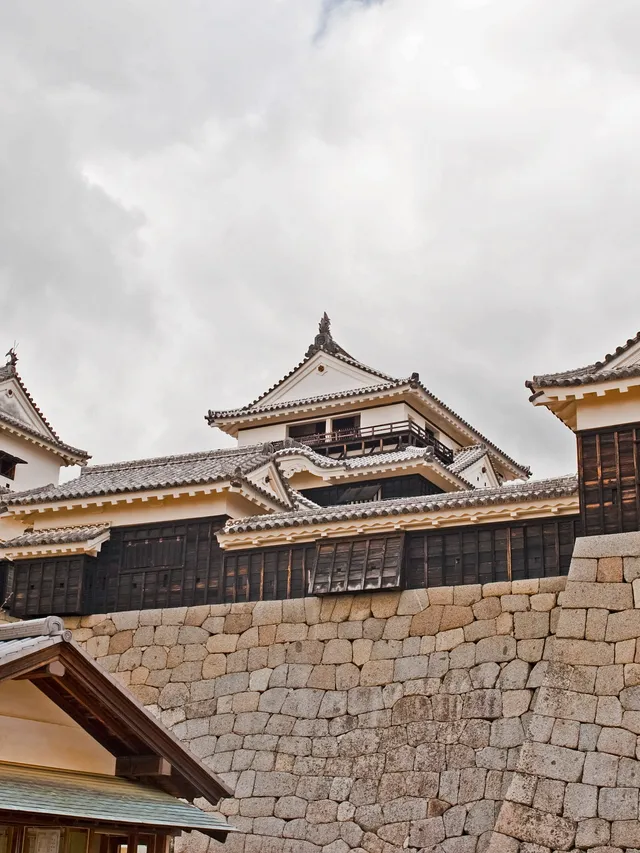
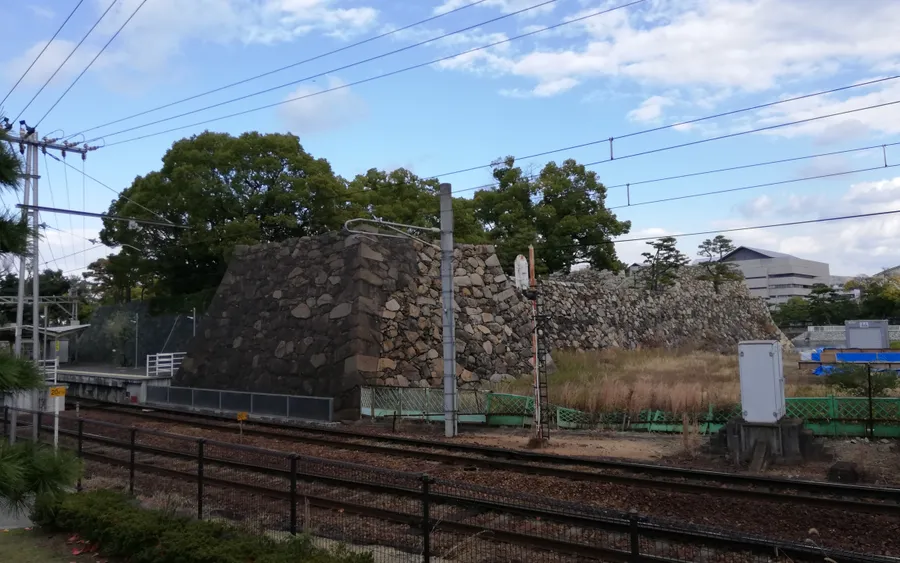
    Built starting in 1588 by the daimyo Ikoma Chikamasa, Takamatsu Castle was one of only three Japanese castles constructed with moats that draw seawater directly from the ocean rather than a river or well, a design that let ocean fish swim visibly through the water surrounding its walls. Most of the castle's original structures were dismantled after the Meiji Restoration and its main keep was lost, but the grounds, now known as Tamamo Park, still hold two surviving corner turrets and a restored moon-viewing turret, along with the reconstructed Hiunkaku, a guesthouse used by the Matsudaira lords. A five-minute walk from JR Takamatsu Station, it's an easy stop for anyone with even an hour to spare between trains or ferries.

    Hours vary seasonally, roughly 5:30 AM – 7:00 PM (summer) to 7:00 AM – 5:00 PM (winter); ¥200 adult admission2-1 Tamamocho, Takamatsu 760-0030
  3. Battle of Yashima site, Takamatsu3

    Take in the View from Yashima

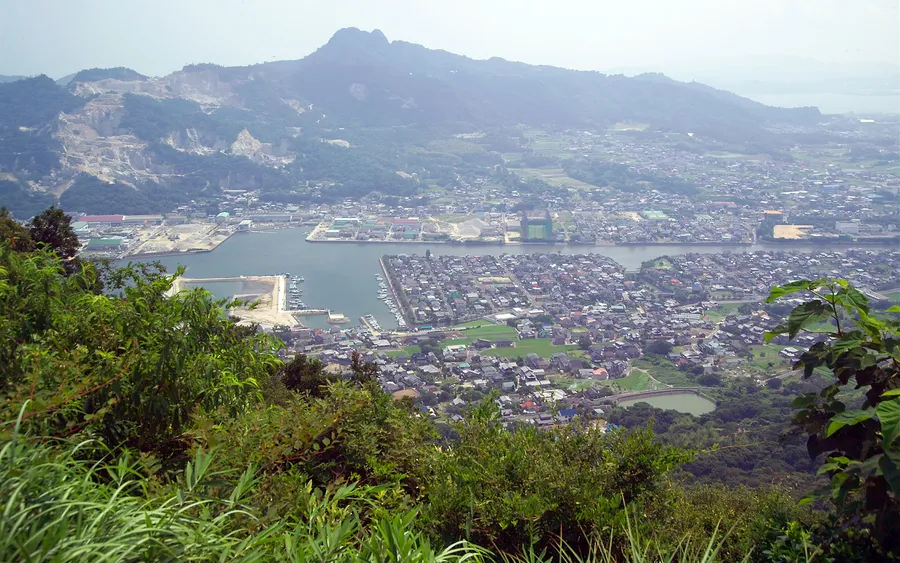
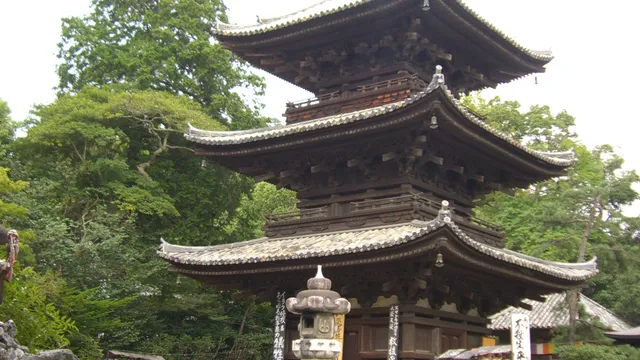
    A flat-topped mesa overlooking Takamatsu from across the bay, Yashima was where the Taira clan made their last stand before their final defeat in the Genpei War, ambushed here in 1185 by Minamoto Yoshitsune in a battle that effectively ended their bid for power. Today a ropeway climbs to the plateau, where an observation deck looks out over the city, the Seto Inland Sea, and its scattering of small islands, including several visited by the Setouchi Triennale. The temple Yashima-ji, number 84 on the Shikoku pilgrimage, sits on the plateau as well, making it possible to combine a battlefield, a temple, and one of the best views in the city into a single stop.

  4. Chichu Art Museum, Naoshima4

    See the Chichu Art Museum on Naoshima

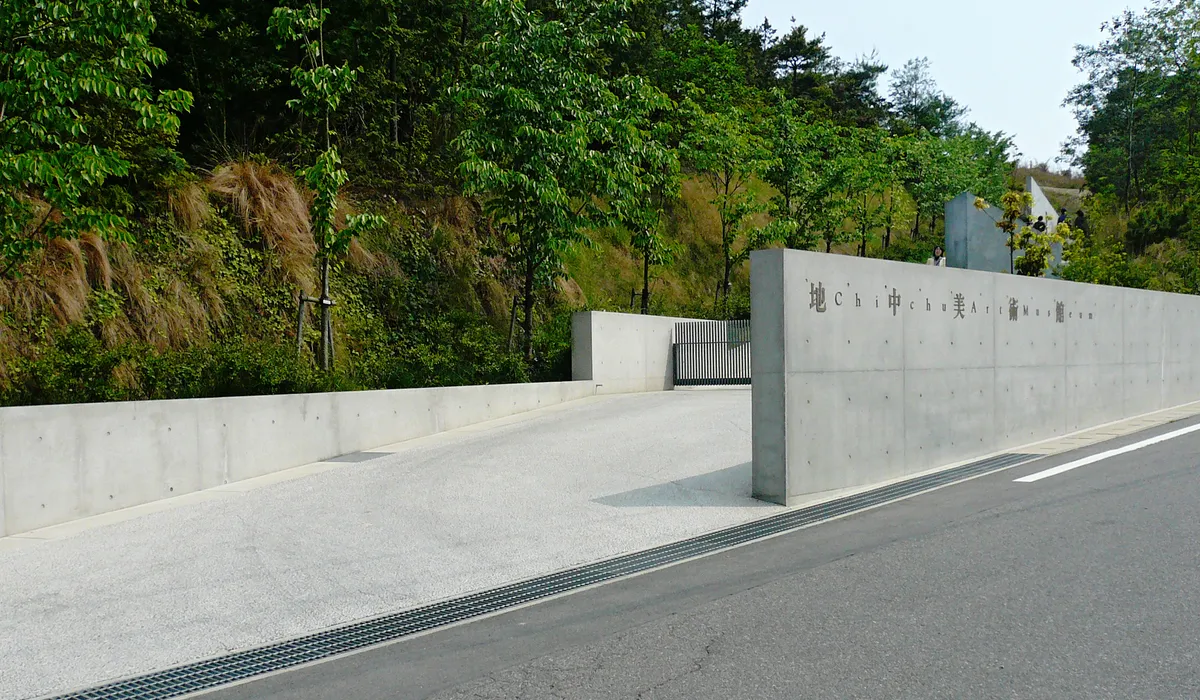
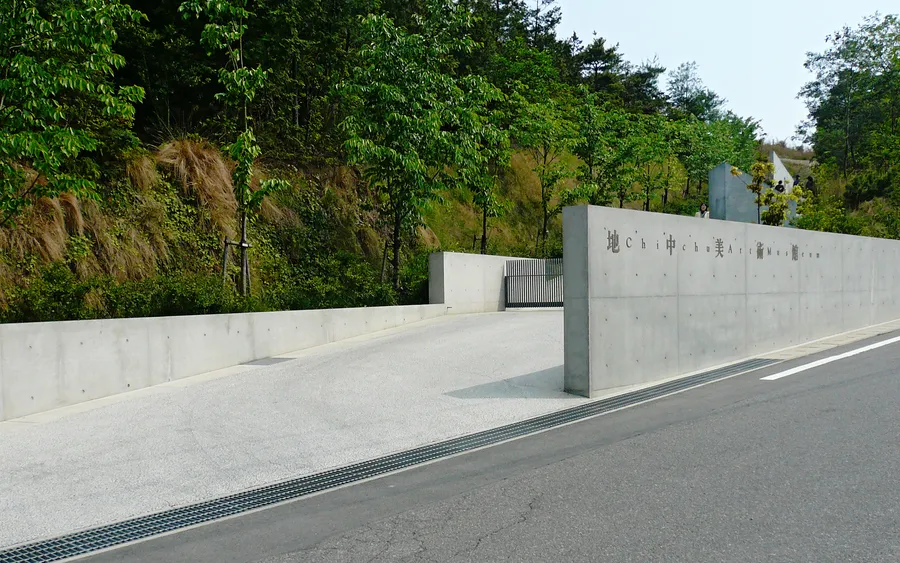
    Naoshima, a short ferry ride from Takamatsu Port, has been transformed since the 1990s from a quiet fishing island into one of the world's most concentrated open-air centers for contemporary art, largely through the Benesse Art Site project and the architect Tadao Ando. The Chichu Art Museum is built almost entirely underground, using only natural light to illuminate permanent installations by Claude Monet, James Turrell, and Walter De Maria, while Benesse House combines a museum, hotel, and outdoor sculpture park along the shoreline nearby. Two of Yayoi Kusama's polka-dotted pumpkin sculptures have become the island's unofficial mascots — the yellow pumpkin on its pier, swept away by a typhoon in 2021 and rebuilt with a sturdier structure by October 2022, and a red pumpkin near Miyanoura port, both essential photo stops for most visitors.

    10:00 AM – 6:00 PM (Mar–Sep), 10:00 AM – 5:00 PM (Oct–Feb), last entry 1 hr before close; closed Mondays; timed tickets must be booked online in advance3449-1 Naoshima, Kagawa-gun 761-3110
  5. Art House Project, Honmura, Naoshima5

    Wander Naoshima's Art House Project

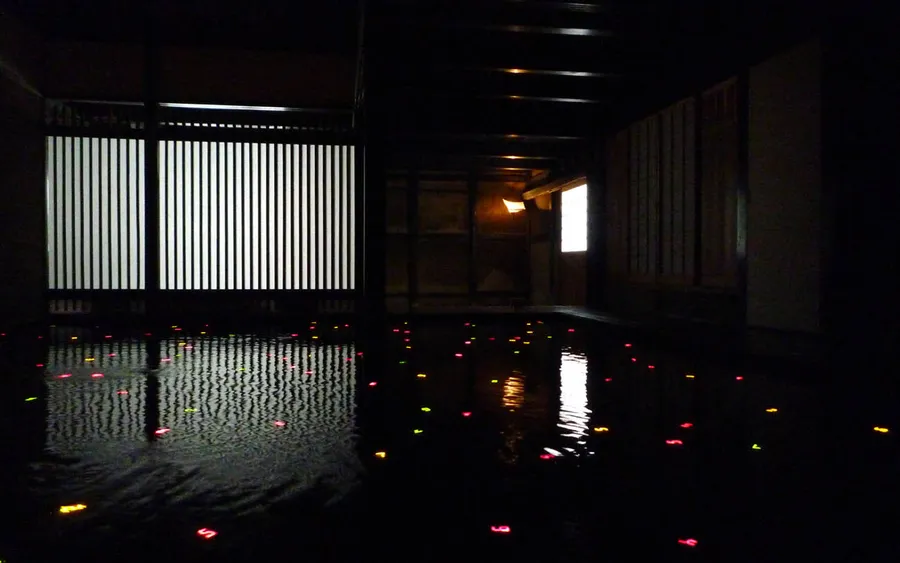
    In the older village of Honmura, on Naoshima's east side, the Art House Project has been transforming ordinary abandoned houses into individual artworks since 1998, with each building given over entirely to a different artist. Minamidera, built inside a structure designed by Tadao Ando, holds a pitch-black room where James Turrell's light installation only reveals itself after several minutes of the eyes adjusting, while Kadoya, the project's first house, is filled with illuminated LED counters submerged in a pool of water, timed to numbers chosen by Honmura's own residents. It's a quieter, more residential counterpart to Naoshima's museum-scale institutions, best explored on foot with a single combined ticket covering most of the houses.

  6. Teshima Art Museum6

    Visit the Teshima Art Museum

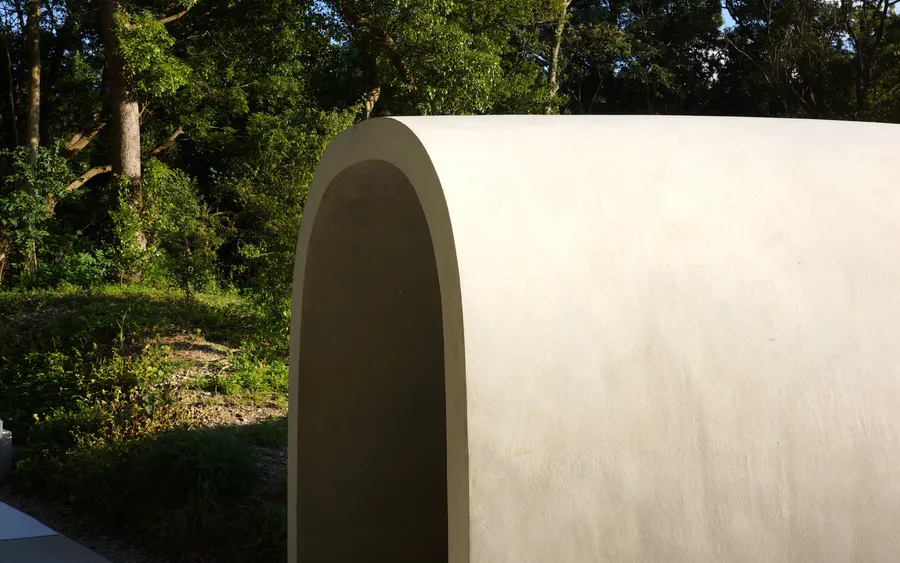
    On the smaller island of Teshima, a 35-minute high-speed ferry from Takamatsu, the Teshima Art Museum is less a gallery than a single sculptural building — a concrete shell shaped like a water droplet at the moment it lands, with no interior pillars, set into the corner of a restored rice terrace overlooking the Seto Inland Sea. Inside, the artist Rei Naito's installation 'Matrix' consists of nothing but water, which trickles up from tiny holes in the floor throughout the day and slowly gathers into small pools that shift with air currents from two oval openings in the roof. It's a quiet, almost meditative counterpart to Naoshima's denser collection of museums, and worth building a half-day around on its own.

    10:00 AM – 5:00 PM (Mar–Oct), 10:00 AM – 4:00 PM (Nov–Feb); closed Tuesdays; ¥1,570 adult admission
  7. Setouchi Triennale outdoor installation, Shamijima7

    Time a Visit to the Setouchi Triennale

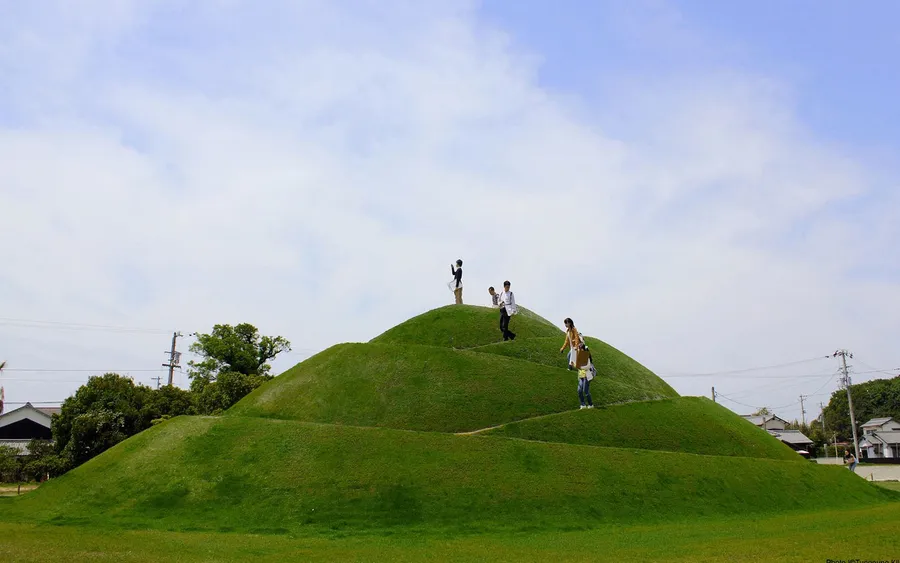
    Held once every three years since 2010, the Setouchi Triennale spreads contemporary art installations across a dozen-plus islands and coastal ports of the Seto Inland Sea, including Naoshima, Teshima, Megijima, Ogijima, and Shodoshima, turning traditional houses, abandoned schools, and empty lots into gallery spaces for the festival's run. Each edition unfolds across three separate seasonal sessions — spring, summer, and autumn — adding up to around 100 exhibition days total, so visitors can catch different works and different island atmospheres depending on when they go. The most recent edition ran through 2025, and the next full Triennale is scheduled for 2028, though a number of permanent installations from past editions remain on view on the islands year-round in between.

    Every three years (next edition: 2028); spring, summer & autumn sessions, roughly 100 exhibition days total
  8. Kama-age sanuki udon, Takamatsu8

    Eat Sanuki Udon

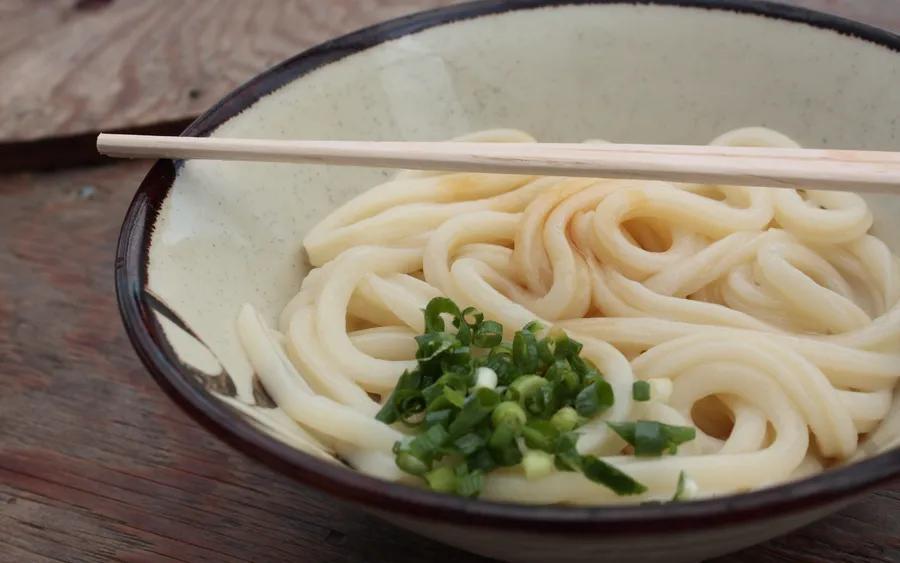
    Kagawa was known as Sanuki Province until 1871, and its udon — thick, chewy wheat noodles served in a light dashi broth — is famous enough that the prefecture is sometimes only half-jokingly called 'Udon Prefecture.' Tradition credits the 9th-century monk Kukai, born in Sanuki and later known as Kobo Daishi, with bringing the noodle-making technique back from Tang-dynasty China, though the style as it's eaten today only became a defined regional brand in the 1960s and 70s. Shops range from self-serve counters where you scoop your own noodles and toppings to sit-down restaurants, and it's entirely normal, even expected, to eat udon more than once in a single day here.

  9. Honetsuki-dori, Marugame9

    Try Honetsuki-dori

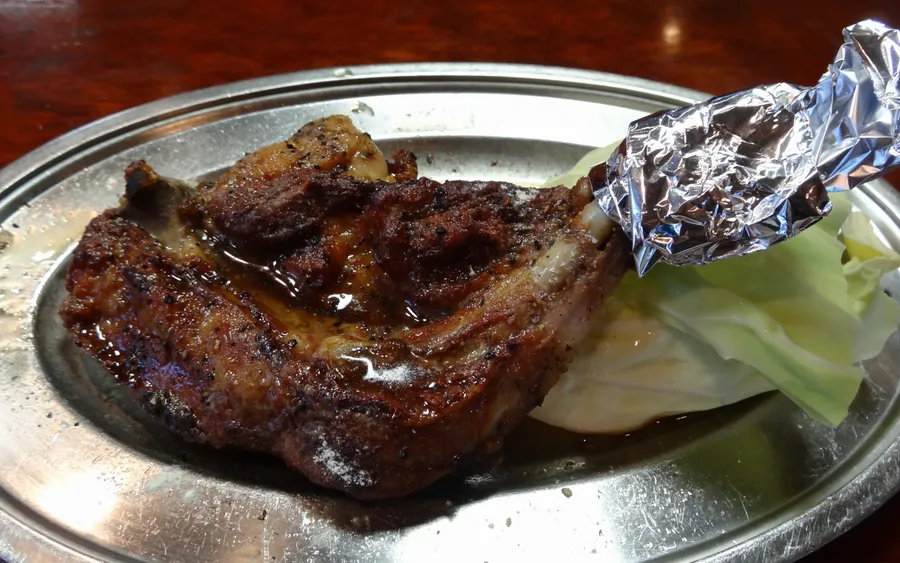
    Honetsuki-dori is Kagawa's other signature dish after udon: a bone-in chicken thigh, seasoned heavily with salt, pepper, and garlic, then grilled hot and fast until the skin is deeply charred and crisp while the meat inside stays juicy. It originated in Marugame, west of Takamatsu, and most specialty restaurants offer a choice between hina-dori, a younger, more tender bird, and oya-dori, an older bird with a chewier texture and stronger flavor. It's traditionally eaten with your hands, torn straight off the bone, alongside a simple side of raw cabbage and a rice ball to cut the richness.

  10. Shodoshima Olive Park, Shodo Island10

    Taste Olive-Fed Beef & Pork

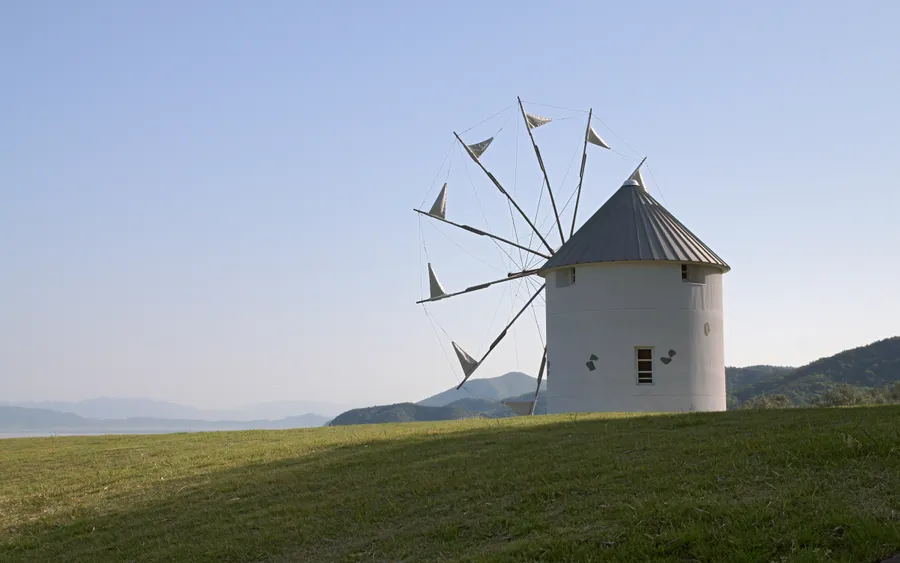
    The olive tree has been Kagawa's official prefectural tree since Japan's first successful olive cultivation took root on nearby Shodoshima in 1908, and the prefecture has since built an entire premium food brand around it: Olive Beef, Olive Yume Pork, and Olive Hamachi are all raised on feed mixed with pressed olive pulp left over from oil production, which producers say gives the meat and fish a slightly sweeter, more delicate flavor. Restaurants across Takamatsu serve one or more of these olive-branded proteins, often at a premium over standard cuts, and the Shodoshima olive groves themselves — reachable by ferry from Takamatsu — are a scenic day trip in their own right for anyone curious where the branding started.

Keep reading

More guides you might like

Nearby

Related destinations

Continue

Related services

Easy Travel in Japan