Easy Travel in Japan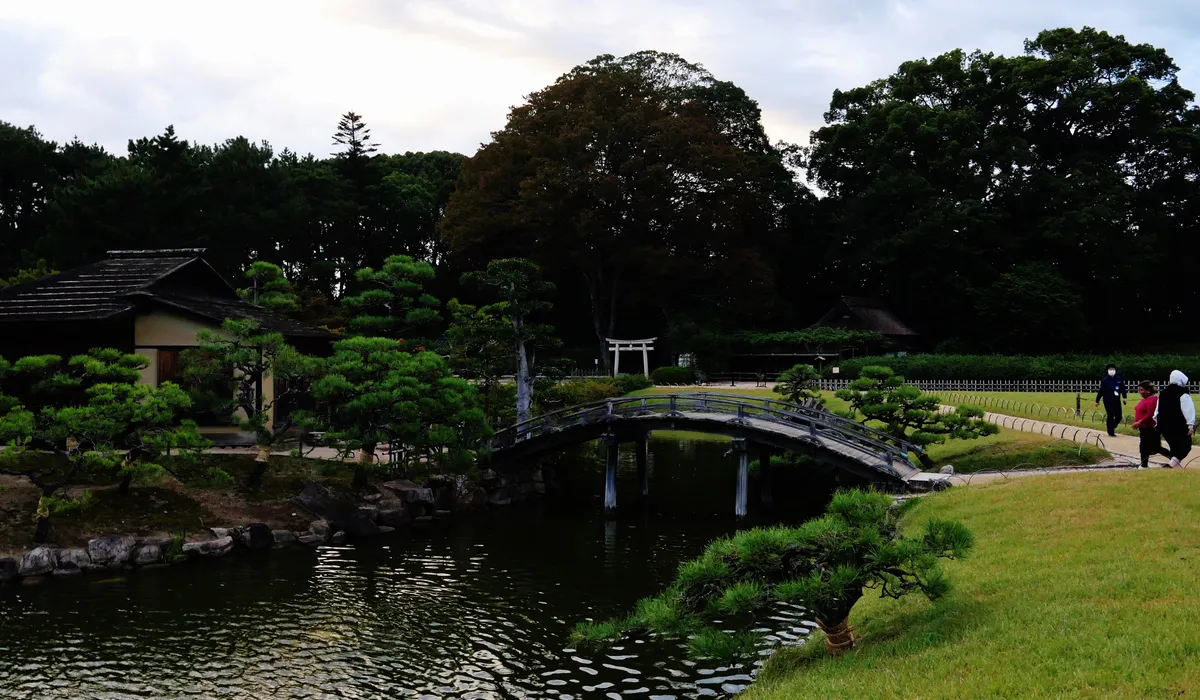
Okayama
Home to Korakuen, one of Japan's three best gardens, and a short ride from the historic canals of Kurashiki.
Okayama is the capital of Okayama Prefecture and the largest city in the Chugoku region after Hiroshima. It’s closely associated with the folk tale of Momotaro, the Peach Boy — a legend widely believed to have grown out of a local story about Prince Kibitsuhiko, sent by the Yamato court to subdue a tyrannical figure in the ancient Kibi Kingdom that once covered this area. That layered local history, combined with one of Japan’s most celebrated gardens, makes Okayama a worthwhile stop in its own right rather than just a transit point.
Highlights & things to do
Korakuen Garden, built over 14 years starting in 1687 for the Okayama domain’s second lord and opened to the public in 1884, is ranked alongside Kanazawa’s Kenroku-en and Mito’s Kairaku-en as one of Japan’s three great gardens. It sits directly across the river from Okayama Castle, nicknamed “Crow Castle” for its black exterior, a postwar concrete reconstruction after the original was destroyed in WWII air raids. The Kibi Plain cycling road, running roughly 17 to 25 kilometers between Bizen-Ichinomiya and Soja stations, threads through countryside dotted with temples and shrines connected to the Momotaro legend. A short train ride away, the Kurashiki Bikan historical quarter preserves a canal-lined merchant district from the Edo period, a popular half-day trip from Okayama.
Food & local cuisine
Okayama Prefecture is known for high-quality fruit, particularly white peaches and muscat grapes grown in the region’s mild climate. Barazushi, a scattered sushi topped with a colorful mix of seafood and vegetables, is a well-known local specialty. Kibi dango, a soft, sweet dumpling, is directly tied to the Momotaro legend, in which the hero shares the dumplings with the animal companions who join his quest.
Culture & traditions
Momotaro’s presence is woven through the city, from statues near the station to the Kibi Plain’s temples associated with the older Kibitsuhiko legend that likely inspired the tale. The story was officially recognized as part of Japan’s heritage folklore in 2018.
Nature & scenery
Korakuen Garden’s central pond and surrounding lawns are designed to be viewed from Okayama Castle across the river, a deliberate borrowed-scenery relationship between the two. The Kibi Plain’s rice fields and rural temples offer a quieter, slower-paced landscape than the city center.
Seasonal travel
Spring brings cherry blossoms to Korakuen and the castle moat. Autumn colors the garden’s maples. The Kibi Plain cycling route is most comfortable in spring and autumn, avoiding summer heat and humidity.
Recommended experiences
Cycle the Kibi Plain route past its Momotaro-linked temples and shrines. Walk Korakuen Garden with views back toward the castle. Spend a half-day in Kurashiki’s canal district.
Getting there & practical info
Okayama sits on the Sanyo Shinkansen, connected to Hiroshima and Osaka. It’s also Japan’s rail gateway to Shikoku — Okayama is where the Sanyo Shinkansen meets the only rail line crossing the Seto-Ohashi Bridge to Takamatsu, making it a practical stop between the Kansai/Chugoku region and Shikoku.
Who this suits
Suits garden lovers drawn to one of Japan’s three great gardens, cyclists wanting an easy countryside route, and stopover travelers connecting Honshu to Shikoku or pairing a visit with Kurashiki.
A closer look at Okayama
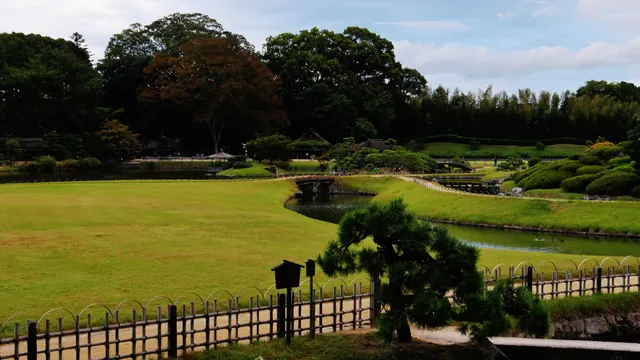
10 Best Things to Do in Okayama
A quick, friendly rundown of Korakuen, one of Japan's three great gardens, a black-and-gold castle built to be viewed alongside it, a countryside cycling route tied to the Momotaro legend, a 500-year-old winter festival, and the demi-glace pork bowl and scattered sushi that make Okayama worth more than a rushed stopover.
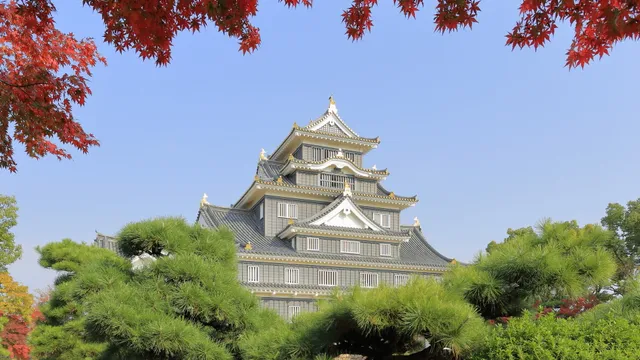
The Perfect 2-Day Okayama Itinerary
Two well-paced days: Okayama Castle, Korakuen Garden, Bizen ware, and demi-katsudon and barazushi on day one, then a countryside bike ride across the Kibi Plain and an afternoon in Kurashiki's canal district and Ohara Museum of Art on day two.
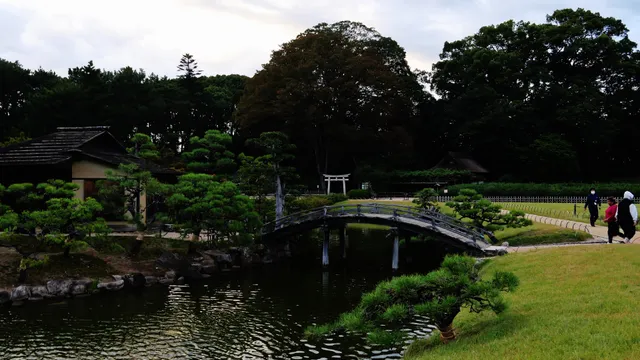
The Ultimate Okayama Travel Guide
Korakuen, one of Japan's three great gardens, a black-and-gold castle built to be viewed alongside it, a countryside cycling route tied to the Momotaro legend, and a calendar of festivals — from a 500-year-old winter ritual to illuminated summer nights at the garden and castle — that give Okayama a genuine identity beyond its usual role as a stopover.