 Easy Travel in Japan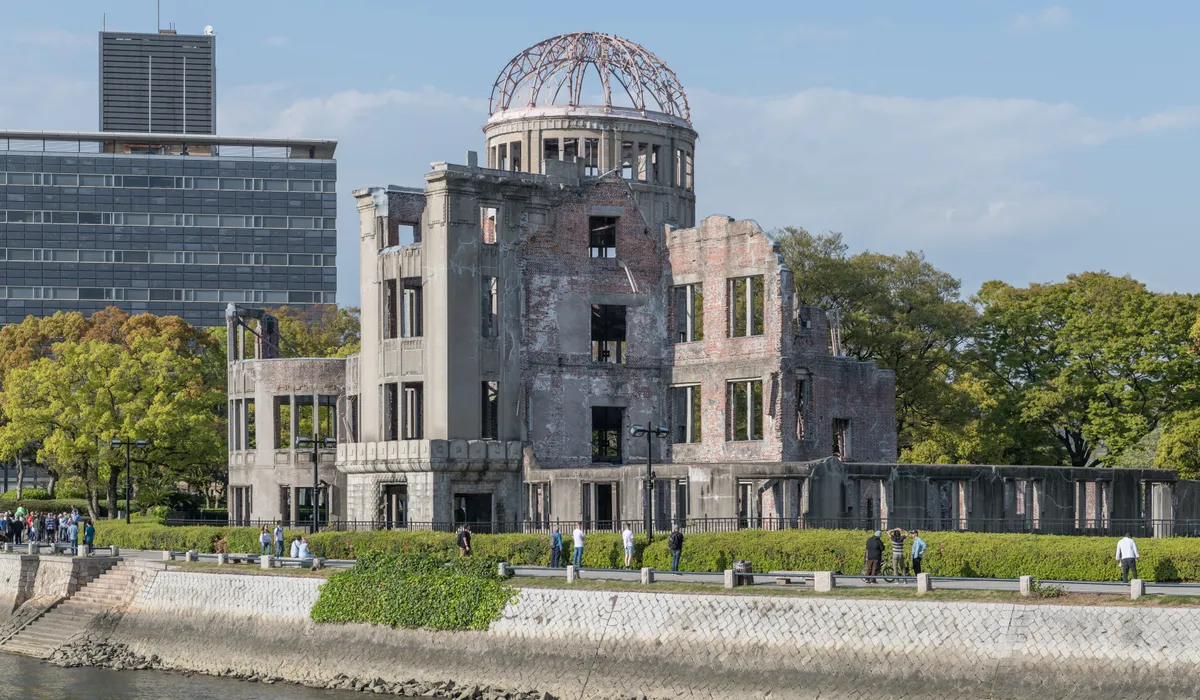
Hiroshima
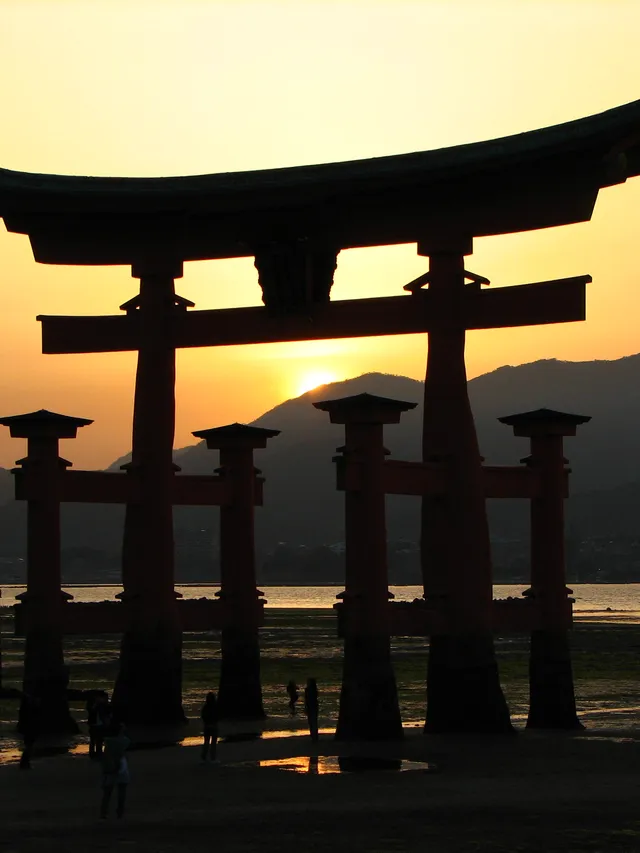
The Peace Memorial Park, and a short ferry ride from Miyajima's floating torii gate.
Hiroshima was struck by the world’s first wartime atomic bomb on August 6, 1945, an event that killed tens of thousands of people immediately and many more in the months and years that followed. Rather than move away from that history, the rebuilt city placed it at its center: the Peace Memorial Park and Museum stand near the bomb’s hypocenter, and the skeletal ruin of the former Prefectural Promotion Hall — now known as the Atomic Bomb Dome — has been preserved since the city decided in 1966 to keep it standing indefinitely. Hiroshima today is a modern, livable city that has rebuilt itself as a global symbol of peace, and it remains one of the most meaningful places to visit in Japan.
Highlights & things to do
The Atomic Bomb Dome, inscribed as a UNESCO World Heritage Site in 1996, is the first thing most visitors see on approaching the Peace Memorial Park across the Motoyasu River. The park itself brings together the Peace Memorial Museum, the Atomic Bomb Memorial Mound, the Children’s Peace Monument, and numerous other sculptures and cenotaphs in a single, contemplative space. Away from this history, Hiroshima Castle, a postwar concrete reconstruction of the 16th-century original, and Shukkeien Garden, a traditional landscape garden dating to the 1620s, offer a quieter counterpoint nearby.
Food & local cuisine
Hiroshima-style okonomiyaki, often called Hiroshima-yaki, is built by layering batter, cabbage, meat, and noodles on the griddle rather than mixing them together as in the Osaka style. Hiroshima Prefecture produces around 60% of Japan’s oysters, served raw, grilled, steamed, or fried and often nicknamed “sea milk” for their rich texture. Momiji manju, a maple-leaf-shaped cake usually filled with red bean paste, originated on nearby Miyajima and is closely associated with the wider Hiroshima area.
Culture & traditions
Hiroshima holds a Peace Memorial Ceremony every August 6, marking the anniversary of the bombing with a moment of silence at the exact time of the blast. The city’s tram network, one of Japan’s most extensive, has itself become a quiet symbol of continuity — some of its prewar streetcars survived the bombing and remained in service for decades afterward.
Nature & scenery
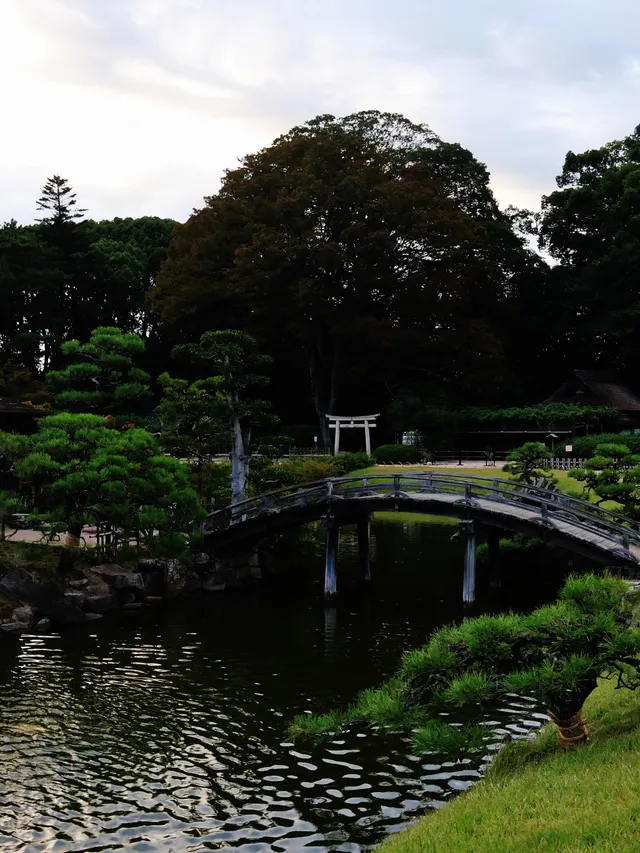
Shukkeien Garden, built around a central pond in the traditional strolling-garden style, offers a green, contemplative space close to the city center. The Ota River delta, on which Hiroshima sits, shapes the city’s layout of bridges and waterways.
Seasonal travel
Spring brings cherry blossoms to the Peace Memorial Park and the moat around Hiroshima Castle. Summer centers on the solemn Peace Memorial Ceremony on August 6. Autumn foliage colors Shukkeien Garden into a quieter seasonal draw than the city’s historical sites.
Recommended experiences
Walk the Peace Memorial Park and Museum at an unhurried pace. Ride Hiroshima’s historic tram network between sights. Pair a Hiroshima visit with the short ferry crossing to Miyajima.
Getting there & practical info
Hiroshima sits directly on the Sanyo Shinkansen line, reachable from Osaka or Kyoto as a straightforward day trip or stopover, and connects onward to Miyajima via a short train or tram ride to Miyajimaguchi followed by a ferry. Hiroshima Airport also serves the city directly. A half-day comfortably covers the Peace Park and castle, with extra time worth setting aside for Miyajima.
Who this suits
Essential for history-minded travelers and anyone wanting to understand modern Japan’s relationship with peace and reconstruction, and a natural stopover for food lovers and first-time visitors moving between Osaka/Kyoto and western Japan.
A closer look at Hiroshima
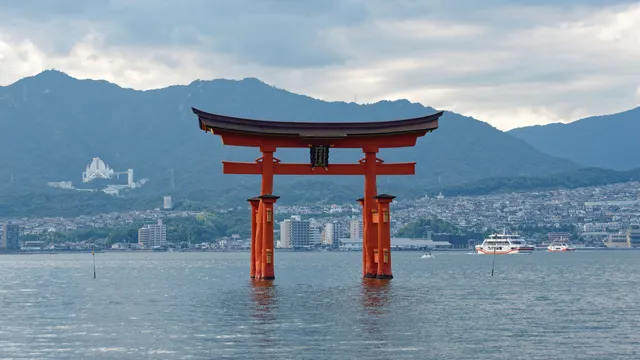
10 Best Things to Do in Hiroshima
A quick, friendly rundown of the Atomic Bomb Dome and Peace Memorial Park, a reconstructed castle, a historic tram network, and the short ferry ride to Miyajima's floating torii gate — a good starting point for a first visit to this modern city built around its own history.
12 Best Things to Do in Japan
From Nara's bowing deer and Miyajima's floating torii to snow monkeys soaking in a Nagano hot spring, twelve unforgettable Japan experiences — and what to know before you visit each one.
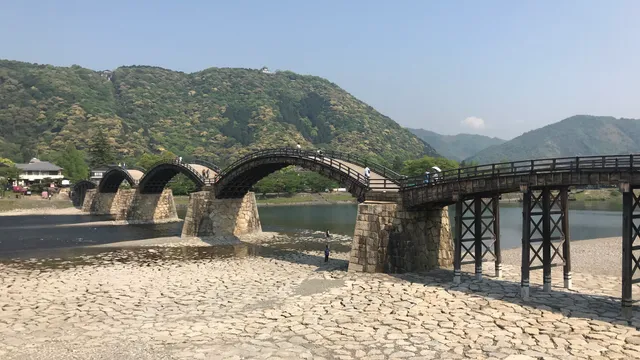
The Perfect 3-Day Hiroshima Itinerary
A well-paced three days: Hiroshima's Peace Memorial Park, castle, and garden on day one, a full day on Miyajima for Itsukushima Shrine and Mount Misen on day two, then a day trip to Iwakuni's Kintaikyo Bridge and hilltop castle on day three.
Related destinations
Useful services for this trip
Train Tickets
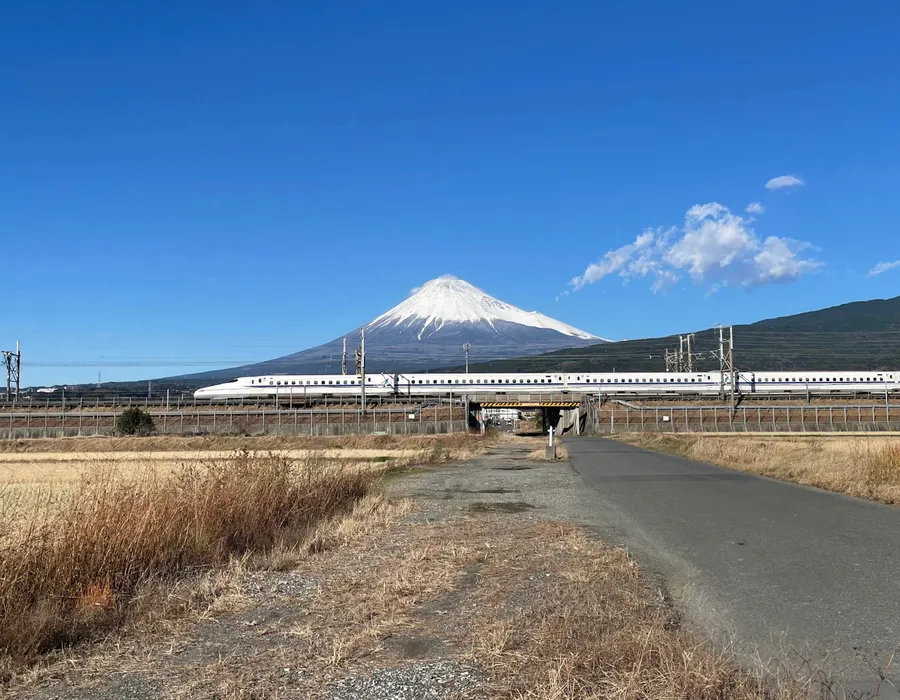
Book shinkansen and local rail tickets in advance and skip the station ticket-counter queue.
Explore Train Tickets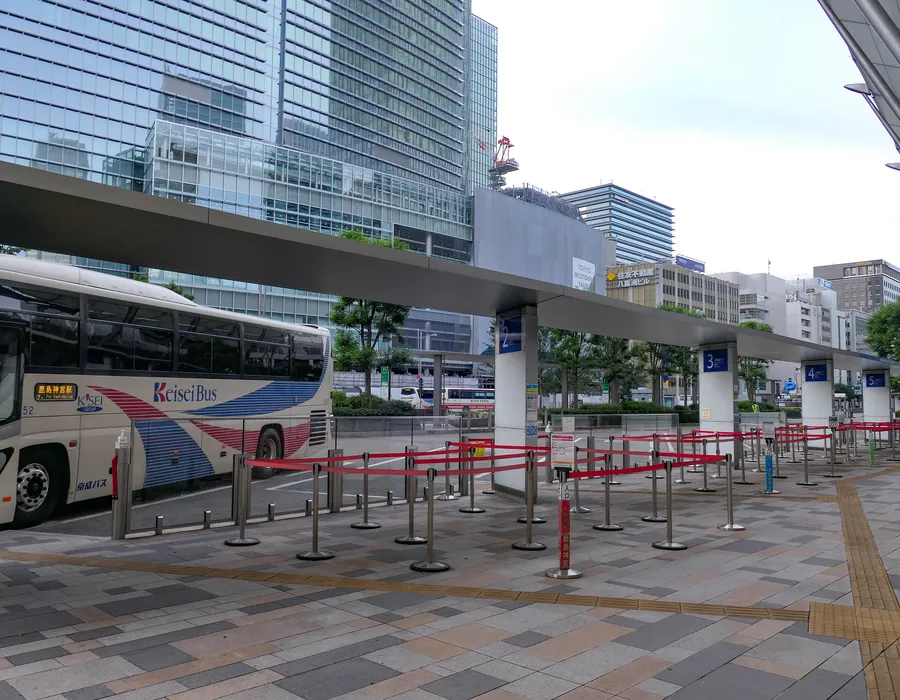
Bus Tickets
Book highway, overnight, and tour buses across Japan — an affordable way to reach cities and sights that trains skip.
Explore Bus Tickets
eSIM & Wi-Fi
Stay connected in Japan with an eSIM or pocket Wi-Fi, without hunting for a local SIM shop.
Explore eSIM & Wi-Fi