Skip to content
Easy Travel in Japan
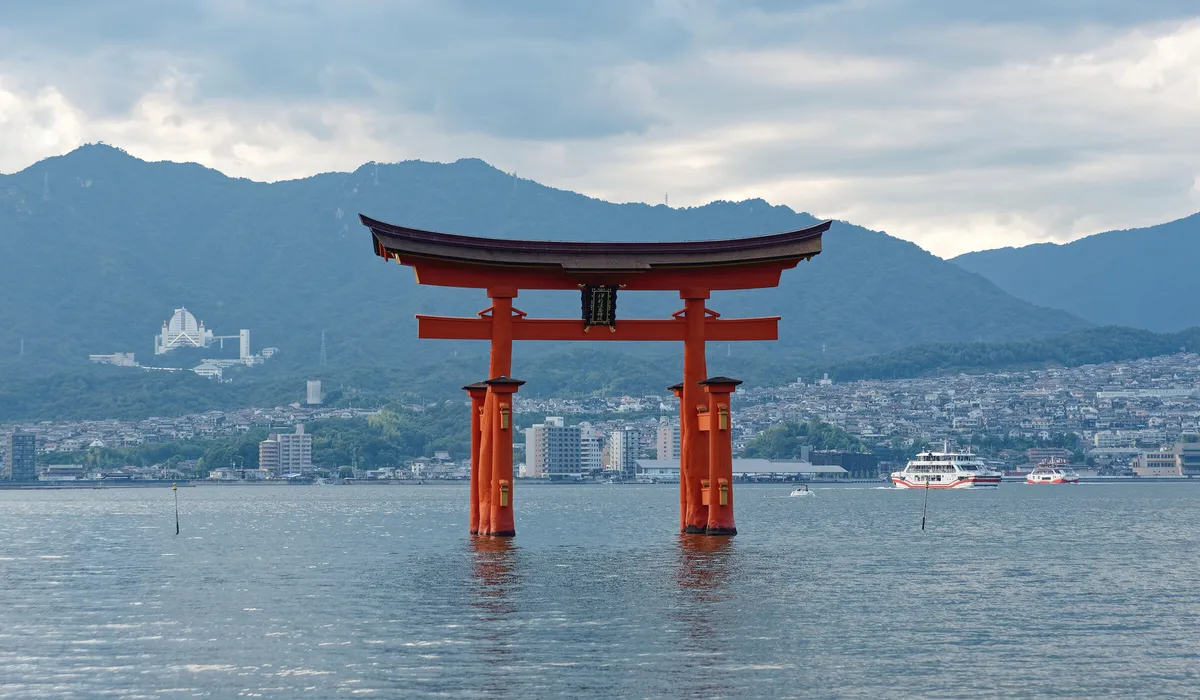
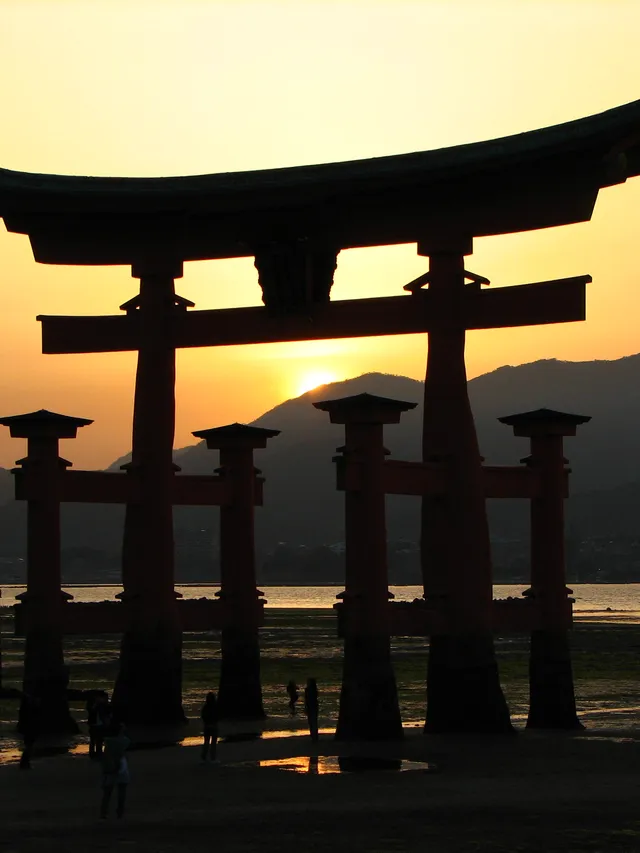
Itsukushima Shrine floating torii, Miyajima

10 Best Things to Do in Hiroshima

Hiroshima is a city most visitors approach expecting one thing — the Peace Memorial Park — and leave having found a lot more: a reconstructed castle, an Edo-period garden, a lively covered shopping arcade, and a short ferry ride to one of Japan’s most photographed shrines. Ten things worth building a visit around, from the history at the city’s center to the oysters and okonomiyaki that define its table.

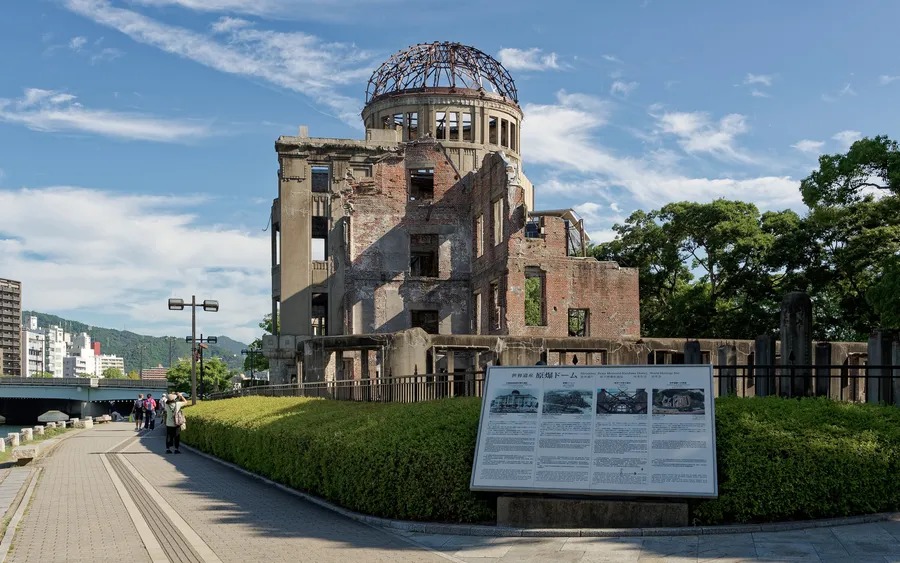
  1. Hiroshima Peace Memorial (Atomic Bomb Dome)1

    See the Atomic Bomb Dome

    The skeletal ruin of the former Hiroshima Prefectural Industrial Promotion Hall stands almost exactly where the atomic bomb detonated on August 6, 1945, one of the only structures left standing near the hypocenter. Hiroshima decided in 1966 to preserve the ruin indefinitely rather than rebuild it, and UNESCO inscribed it as a World Heritage Site in 1996. It's usually the first thing visitors see on approaching Peace Memorial Park across the Motoyasu River, and the sight of its exposed dome frame against the modern skyline is one of the most quietly affecting views in Japan.

    Viewable from outside only, 24 hours; interior closed to visitors1-10 Otemachi, Naka-ku, Hiroshima 730-0811
  2. Hiroshima Peace Memorial Museum2

    Walk Peace Memorial Park & Museum

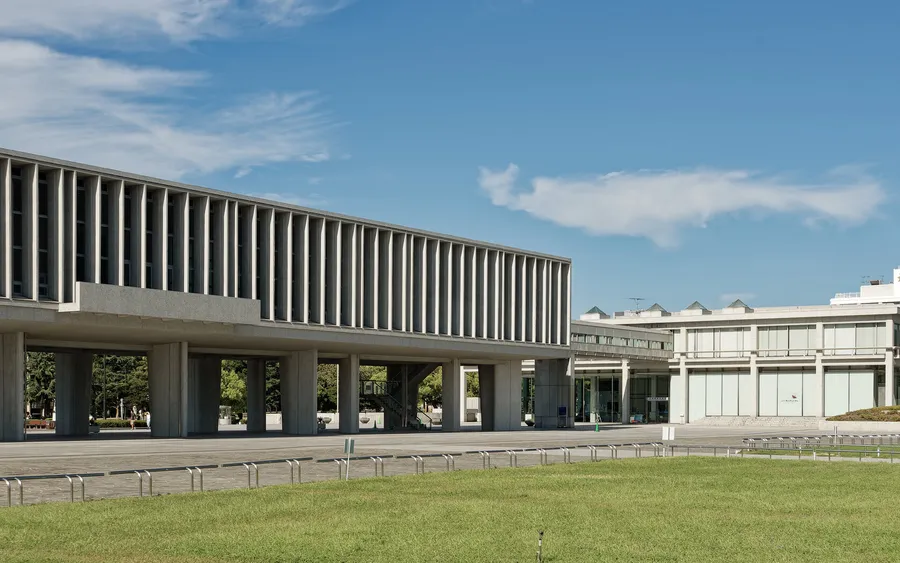
    The park brings together the Peace Memorial Museum, the Atomic Bomb Memorial Mound, the Children's Peace Monument and its ropes of folded paper cranes, and the Cenotaph, positioned so a visitor standing before it can see straight through to the Dome across the river. The museum's exhibits, built around personal belongings and survivor testimony, are unflinching about what happened here — expect an unhurried hour or two, and book an online ticket in advance during the first week of August.

    7:30 AM – 6:00 PM (Dec–Feb), extending to 7:00 PM most other months and 8:00 PM in August; last admission 30 min before close1-2 Nakajima-cho, Naka-ku, Hiroshima 730-0811
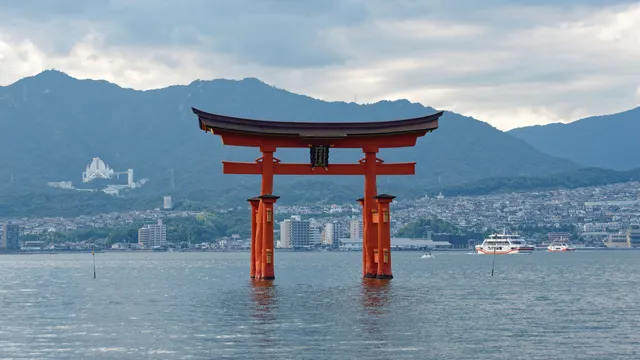
  3. Itsukushima Shrine floating torii, Miyajima3

    Cross to Miyajima for Itsukushima Shrine

    A roughly 45-minute tram-and-ferry ride from central Hiroshima, Miyajima is home to Itsukushima Shrine and its famous vermilion torii gate, which appears to float on the water at high tide — regarded as one of Japan's three most scenic views, alongside Amanohashidate and Matsushima. The island is also home to hundreds of free-roaming deer and the wooded slopes of Mount Misen, making it easy to turn a shrine visit into a full day away from the city.

    6:30 AM – 6:00 PM (Mar–Oct 14), 6:30 AM – 5:30 PM (Oct 15–Nov), 6:30 AM – 5:00 PM (Dec–Feb)1-1 Miyajima-cho, Hatsukaichi, Hiroshima 739-0588
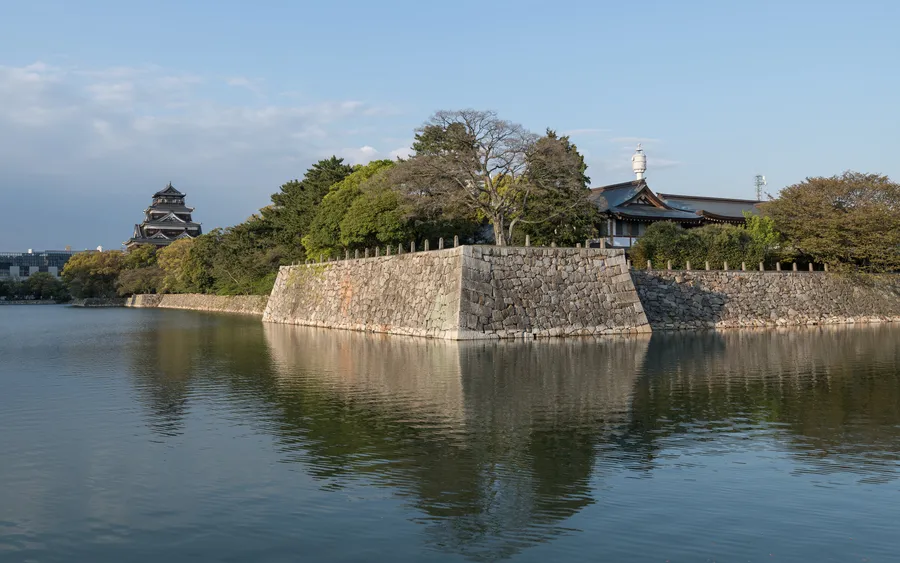
  4. Hiroshima Castle and moat4

    Visit Hiroshima Castle

    The original 16th-century castle was destroyed in the atomic bombing; the black, five-story keep standing today is a concrete reconstruction completed in 1958, now serving as a history museum with samurai armor and displays on the city's feudal past. The keep's interior is closed for renovation from March 2026, but the grounds, the reflective moat, and the neighboring Gokoku Shrine remain open and are worth the walk regardless.

    9:00 AM – 6:00 PM (Mar–Nov), 9:00 AM – 5:00 PM (Dec–Feb); keep interior closed for renovation from March 202621-1 Motomachi, Naka-ku, Hiroshima 730-0011
  5. Shukkeien Garden, Hiroshima5

    Relax in Shukkeien Garden

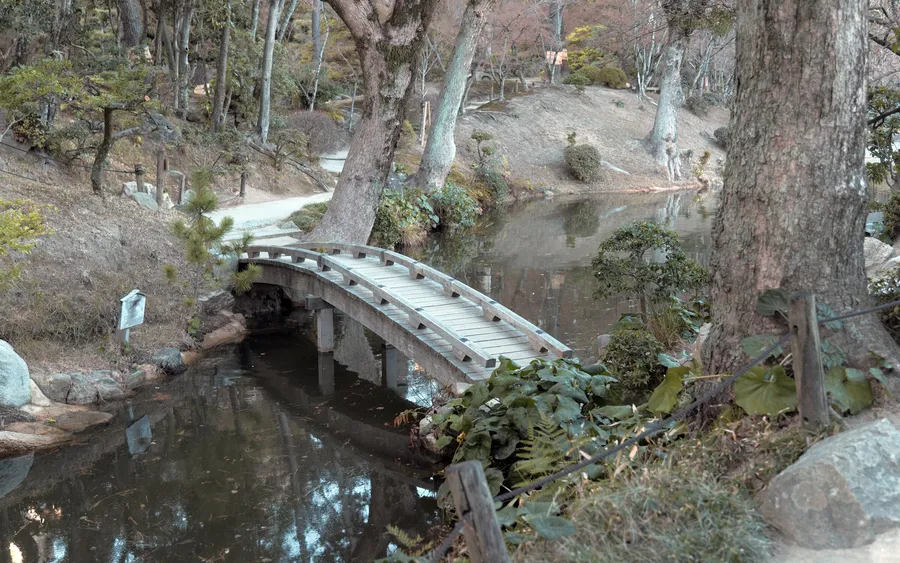
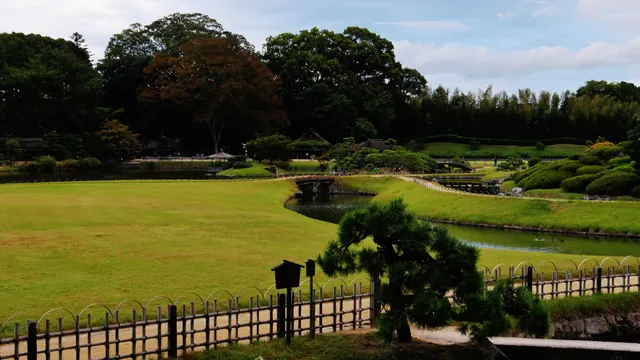
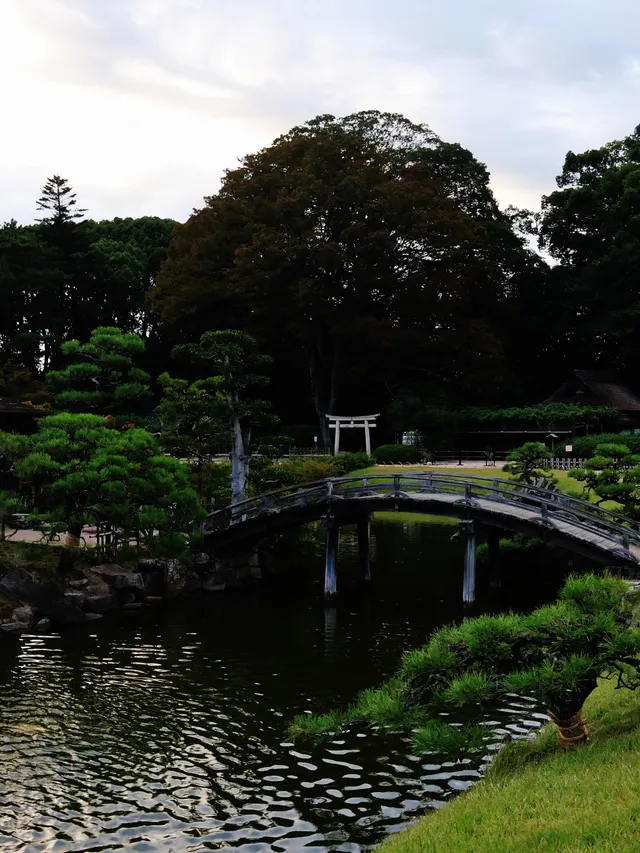
    Laid out in the 1620s around a central pond in the traditional strolling-garden style, Shukkeien survived close to the hypocenter and reopened to the public in 1951 after briefly sheltering bombing victims in the aftermath. Arched bridges, a teahouse, and borrowed views from the neighboring art museum make it a quiet, contemplative counterpoint to the Peace Memorial Park a short walk away.

    9:00 AM – 6:00 PM (Apr–Sep), 9:00 AM – 5:00 PM (Oct–Mar), last admission 30 min before close2-11 Kamihatchobori-cho, Naka-ku, Hiroshima 730-0014
  6. Hondori shopping arcade, Hiroshima6

    Shop Hondori Arcade

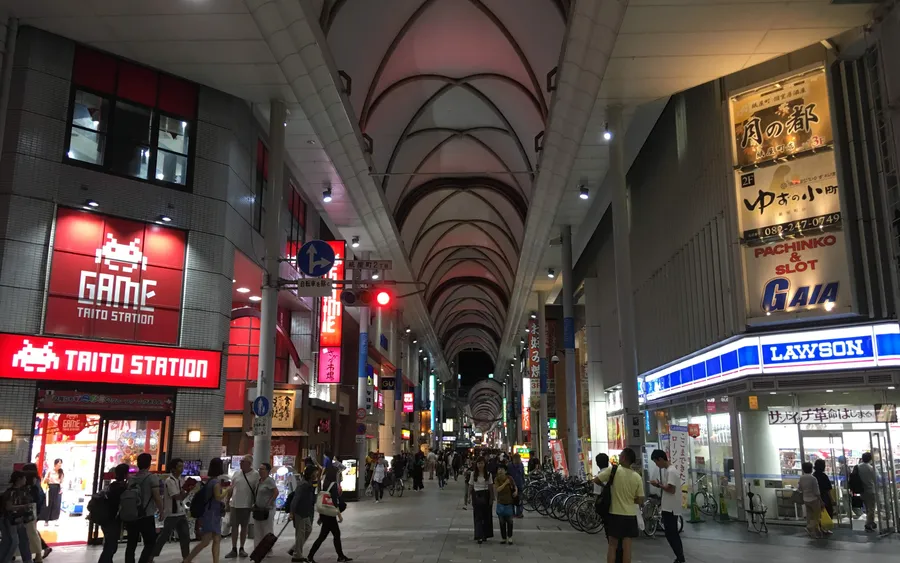
    A 577-meter covered arcade running through the city center, Hondori was entirely destroyed in the 1945 bombing and rebuilt from scratch, with the current arcade completed in 1954. Today it's Hiroshima's main shopping street, drawing an estimated 100,000 visitors a day into its roughly 200 shops, cafés, and restaurants — an easy, unhurried way to feel the pulse of the modern city.

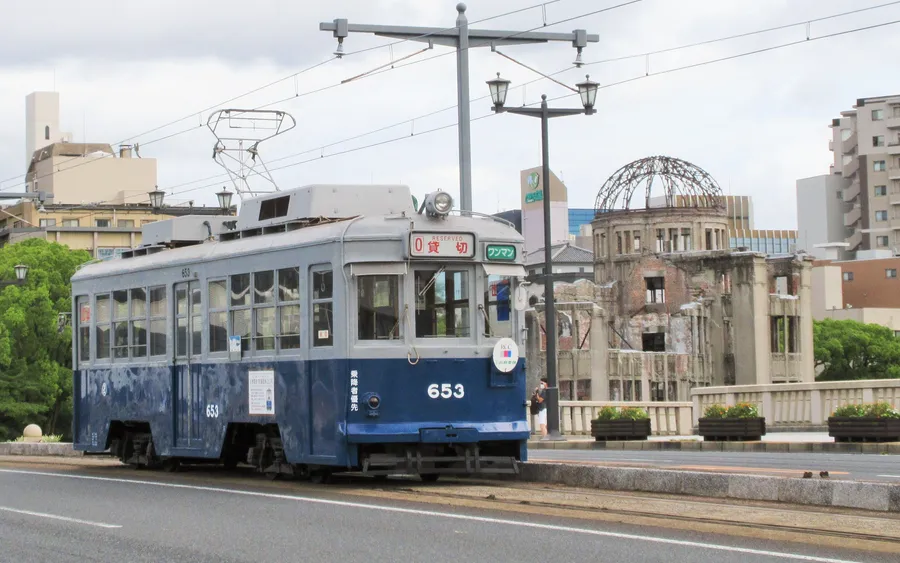
  7. Hiroden 650-series streetcar (one of the surviving hibaku densha) with the Atomic Bomb Dome behind7

    Ride Hiroshima's Historic Trams

    Hiroshima runs one of Japan's most extensive streetcar networks, and a handful of its cars carry a specific history: four prewar streetcars survived the atomic bombing and were repaired well enough to return to service within days, nicknamed hibaku densha, or 'A-bombed trains.' Several have since been restored and still run on the regular network alongside modern cars, so a routine tram ride between sights can double as a ride on a genuine piece of the city's recovery.

  8. Hiroshima-style okonomiyaki8

    Eat Hiroshima-Style Okonomiyaki

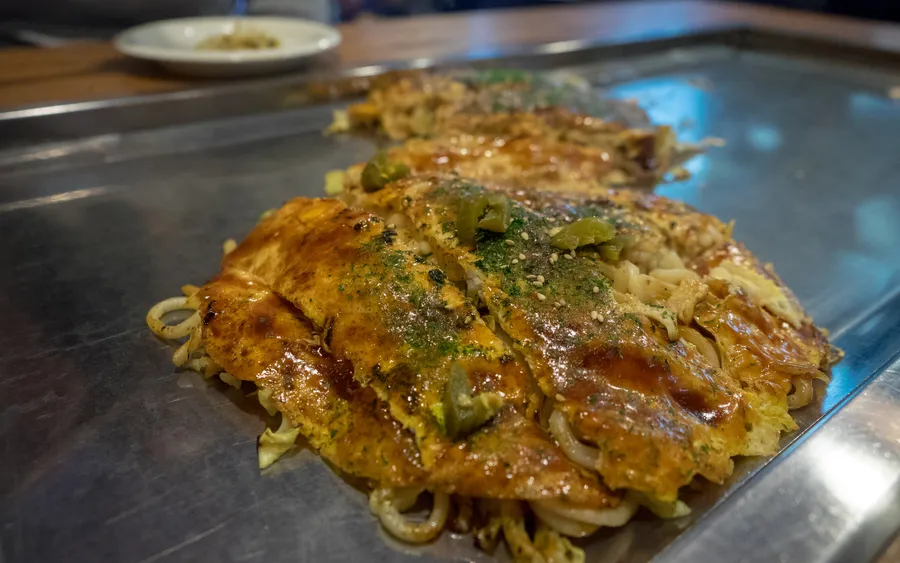
    Hiroshima-yaki builds its okonomiyaki in distinct layers on the griddle — batter, a generous mound of cabbage, meat, and a bed of yakisoba noodles — rather than mixing everything together as in the Osaka style. The layering technique reportedly grew out of postwar food shortages, when cooks stretched thin batter with as much cabbage as they could, and it's still cooked to order in front of you at teppan counters across the city.

  9. Grilled oysters, Miyajima9

    Try the Local Oysters

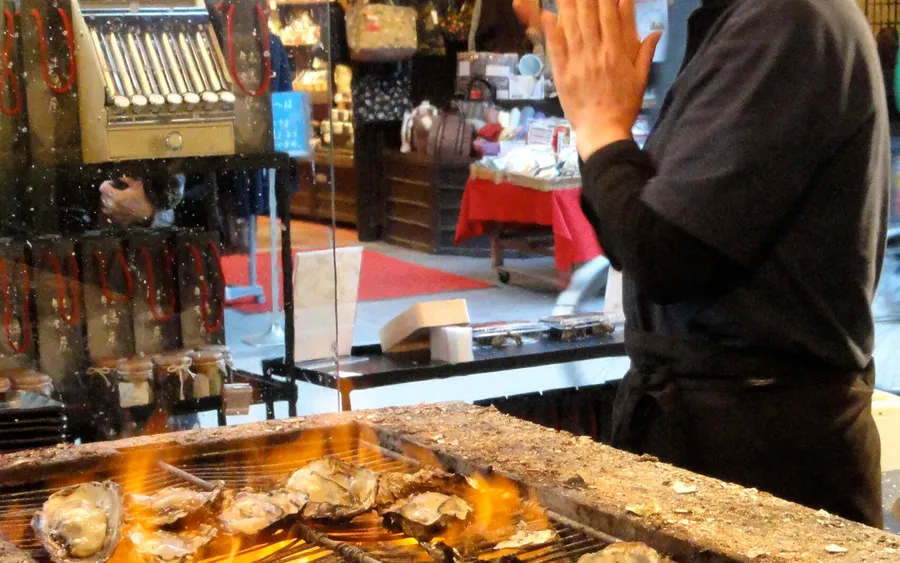
    Hiroshima Prefecture produces around 60% of Japan's oysters, farmed on ropes suspended in the calm waters of the Seto Inland Sea around Miyajima and the coast nearby. Served raw, grilled, steamed, or deep-fried, and often nicknamed 'sea milk' for their rich, creamy texture, they're in season roughly from autumn through winter — a grilled oyster stall on Miyajima is one of the easiest, most satisfying detours on the island.

  10. Momiji manju, Yamadaya10

    Pick Up Momiji Manju

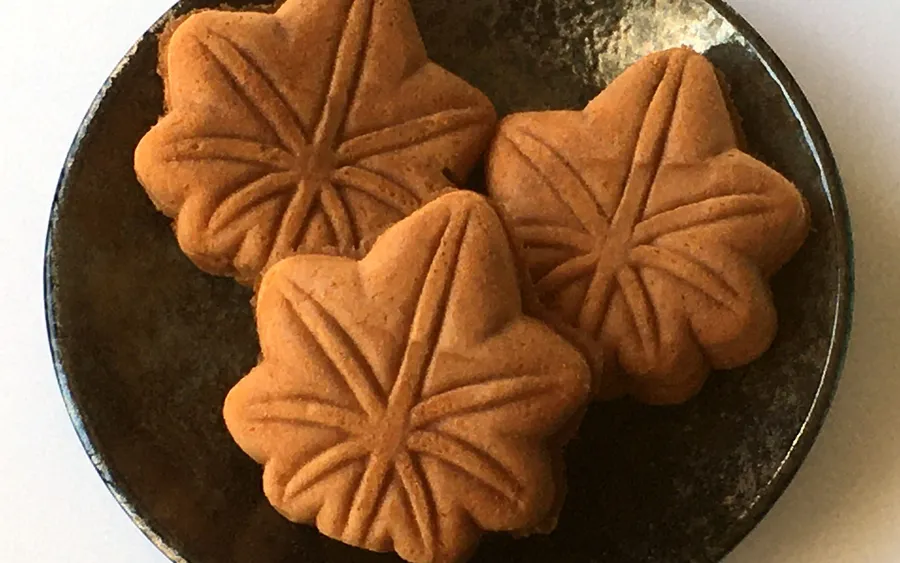
    Momiji manju is a small, maple-leaf-shaped cake usually filled with sweet red bean paste, invented on Miyajima in 1906 by the confectioner Takatsu Tsunesuke at the request of a local inn hoping for a distinctive tea sweet. It caught on well beyond the island and is now sold in bakeries and souvenir shops across greater Hiroshima, with variations filled with custard, chocolate, or cheese alongside the original red bean.

Keep reading

More guides you might like

Nearby

Related destinations

Continue

Related services

Easy Travel in Japan