Easy Travel in Japan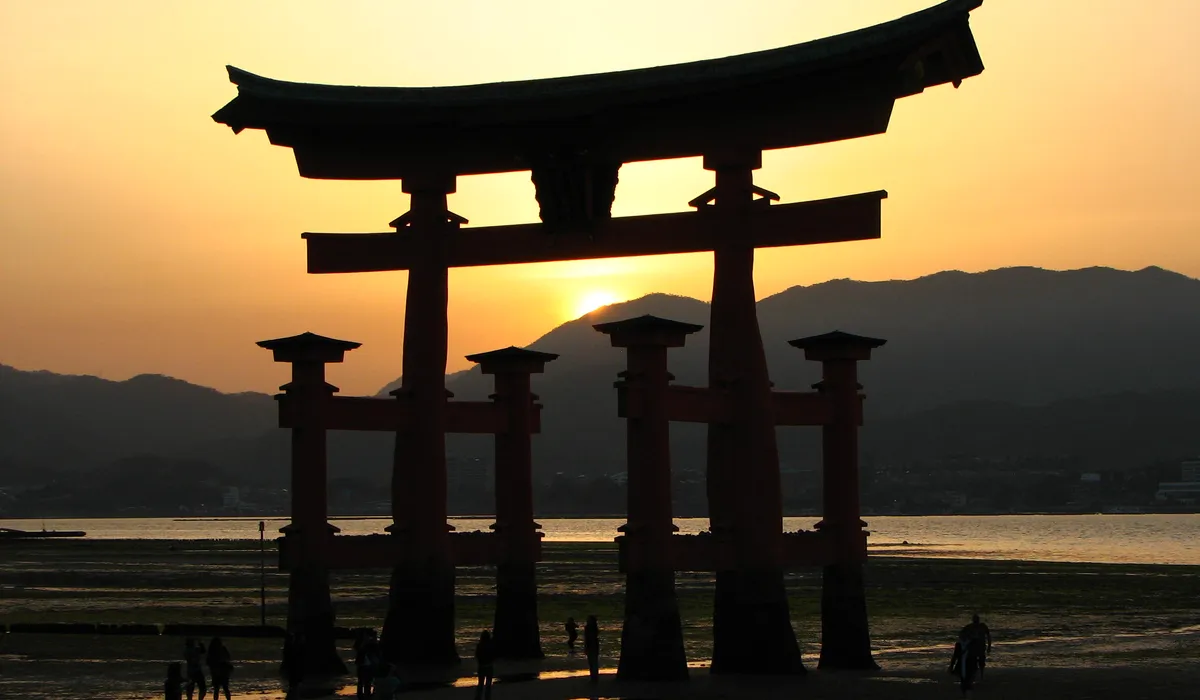
Miyajima
A sacred island shrine famous for its floating torii gate, a short ferry ride from Hiroshima.
Miyajima, officially Itsukushima, is a small island in Hiroshima Bay best known for the vermilion torii gate of Itsukushima Shrine, which appears to float on the water at high tide. The shrine is said to date to 593, but its current form — pavilions built out over the sea on stilts — was established in 1168 under the Heian-era warlord Taira no Kiyomori, who credited his military successes to the island’s guardian spirits. Together with the surrounding forested mountain of Misen, Itsukushima Shrine was inscribed as a UNESCO World Heritage Site in 1996, and the island has long been counted among Japan’s traditional “Three Views” — its most celebrated scenic landscapes.
Highlights & things to do
The floating torii gate, rebuilt in its current form in 1875 and standing about 16.6 meters tall, is not anchored into the seabed at all — its weight alone holds it in place. A major restoration between 2019 and 2022 reinforced the pillars against seawater and termite damage; the gate reopened fully restored in December 2022. The gate looks different depending on the tide: at high tide it appears to float, while at low tide visitors can walk out across the sand to its base.
Mount Misen, the island’s highest point, is considered sacred in Shingon Buddhism, traditionally linked to the monk Kobo Daishi; a ropeway carries visitors partway up, with a hiking trail covering the rest through old-growth forest. Daishoin Temple, on the mountain’s lower slopes, is one of the island’s most important Buddhist sites. Momijidani Park, a maple-filled valley near the ropeway’s base station, is one of Japan’s best-known autumn foliage spots. Like Nara, Miyajima has a population of wild deer that wander freely around the town and shrine approach, though they are managed differently and visitors are generally discouraged from feeding them.
Food & local cuisine
Momiji manju, a maple-leaf-shaped cake usually filled with red bean paste, is said to have originated on Miyajima and remains the island’s signature souvenir food, sold fresh from shops along the main street. Grilled oysters, reflecting Hiroshima Prefecture’s status as Japan’s leading producer, and anago (conger eel) rice are also well-known local specialties.
Culture & traditions
Itsukushima Shrine’s religious significance rests on its role as a symbol of the fusion between Shinto reverence for nature and Heian-period aristocratic aesthetics — UNESCO describes it as a masterpiece combining architecture and natural setting. The island was historically treated with such reverence that births and deaths were traditionally kept off it, out of respect for its sacred status. The Kangensai boat festival, held on the shrine’s waters, is one of the island’s major traditional events.
Nature & scenery
Mount Misen’s forest is one of the few primeval forests remaining in the region, and Momijidani Park’s maples make it one of the most photographed autumn spots in western Japan. The island’s setting within the Seto Inland Sea gives the shrine’s water-based architecture its dramatic backdrop.
Seasonal travel
Autumn foliage in Momijidani Park is Miyajima’s best-known seasonal draw, drawing crowds alongside the annual color change. Spring brings cherry blossoms around the shrine grounds. Summer centers on the Kangensai boat festival on the water.
Recommended experiences
Take the ropeway partway up Mount Misen, then hike the remaining trail to the summit. Visit Itsukushima Shrine at both high and low tide to see the torii gate’s two very different faces. Try a freshly made momiji manju from one of the shops near the ferry pier.
Getting there & practical info
From Hiroshima, take a JR or Hiroshima Electric Railway tram to Miyajimaguchi, then a short ferry crossing to the island — the whole trip takes under an hour and is easily done as a half-day or full-day excursion. Miyajima is almost always visited as a day trip from Hiroshima rather than as a standalone base.
Who this suits
A must for photographers and anyone drawn to Japan’s classic scenic landscapes, history and religious heritage travelers, and hikers wanting a forested mountain climb paired with a major shrine visit.
A closer look at Miyajima
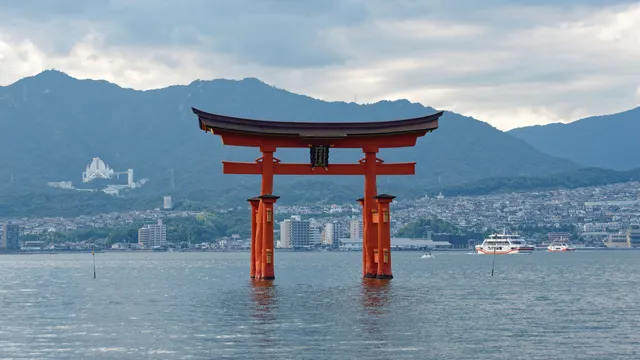
10 Best Things to Do in Miyajima
A quick, friendly rundown of the torii gate that floats at high tide and can be walked out to at low tide, an unfinished 16th-century hall the size of a thousand tatami mats, a mountain sacred to Shingon Buddhism, and the grilled oysters and conger eel rice that make lunch here worth planning for — a good starting point for a first visit to this small island in Hiroshima Bay.
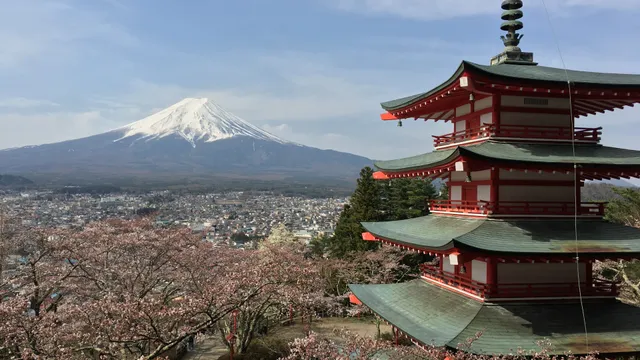
12 Best Things to Do in Japan
From Nara's bowing deer and Miyajima's floating torii to snow monkeys soaking in a Nagano hot spring, twelve unforgettable Japan experiences — and what to know before you visit each one.
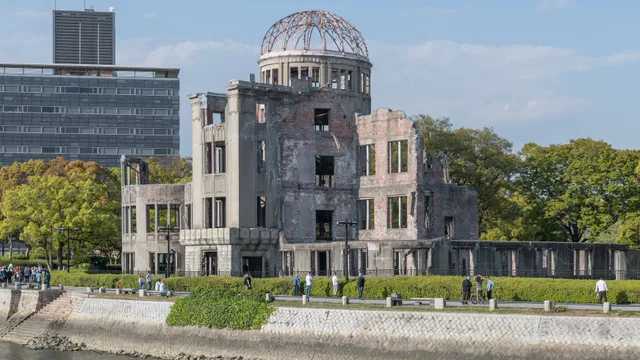
The Ultimate Hiroshima Travel Guide
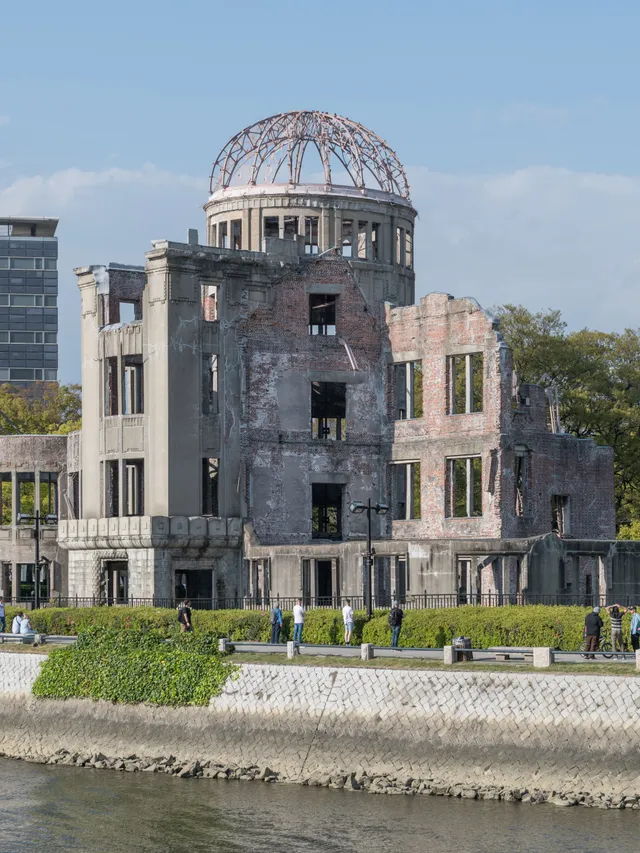
A modern, livable city rebuilt around its own history — the Atomic Bomb Dome and Peace Memorial Park, a reconstructed castle and Edo-period garden, a 500-meter covered shopping arcade, and the short ferry ride to Miyajima and its floating torii gate.