Skip to content
Easy Travel in Japan
Korakuen Garden, Okayama

The Ultimate Okayama Travel Guide

Okayama is the capital of Okayama Prefecture and the largest city in the Chugoku region after Hiroshima, built around a legend as much as a landmark: the folk tale of Momotaro, the Peach Boy, widely believed to have grown out of an older local story about Prince Kibitsuhiko defeating a tyrannical figure in the ancient Kibi Kingdom that once covered this area. That layered local history sits alongside Korakuen, one of Japan’s three great gardens, a striking black-and-gold castle, and a calendar of festivals — from a 500-year-old winter ritual to a summer weekend built around fireworks and dance — that give Okayama a genuine identity beyond its usual role as a stopover between Kansai and Shikoku. Here’s a closer look at the garden, the castle, Kurashiki’s canal district nearby, and the events and food worth timing a visit around.

Attractions

A garden ranked among Japan's three finest, a black-and-gold castle built to be viewed alongside it, a countryside cycling route tied to the Momotaro legend, and the canal district and museum that make Kurashiki an easy add-on.

  1. Korakuen Garden, Okayama1

    Korakuen Garden

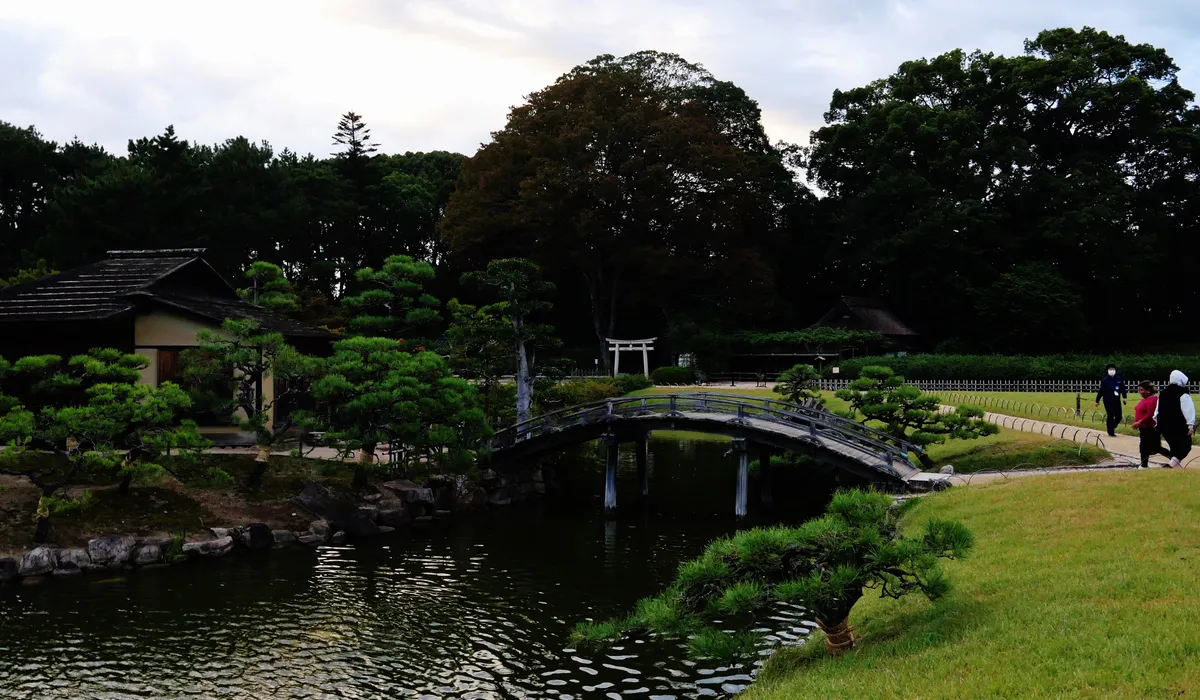
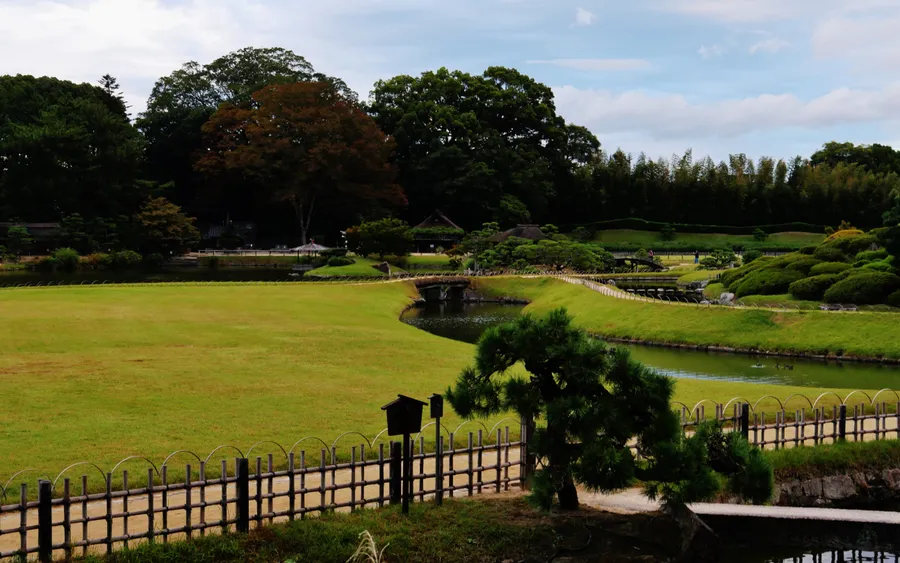
    Built over 14 years starting in 1687 for the Okayama domain's second lord, Ikeda Tsunamasa, and opened to the public in 1884, Korakuen is ranked alongside Kanazawa's Kenroku-en and Mito's Kairaku-en as one of Japan's three great gardens. Its design centers on a large pond and open lawns rather than the dense, winding paths of many Japanese gardens, laid out so that Okayama Castle's black keep, visible across the Asahi River, becomes part of the borrowed scenery. Cranes are still kept on the grounds today, a tradition dating back to the domain era, and the garden's tea fields, orchard, and rice paddy are all still cultivated much as they were in the Edo period.

    7:30 AM – 6:00 PM (Mar 20–Sep 30), 8:00 AM – 5:00 PM (Oct 1–Mar 19), last admission 15 min before close; ¥500 adult admission1-5 Korakuen, Kita-ku, Okayama 703-8257
  2. Okayama Castle ("Crow Castle")2

    Okayama Castle ('Crow Castle')

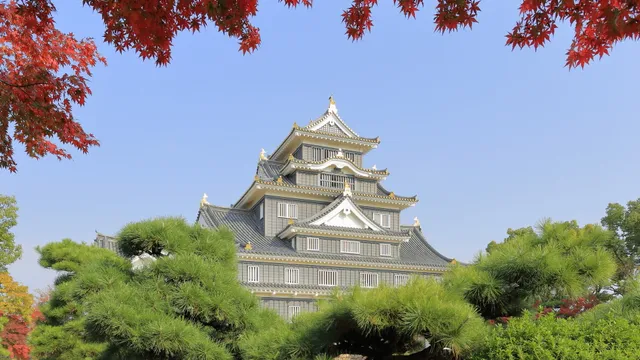
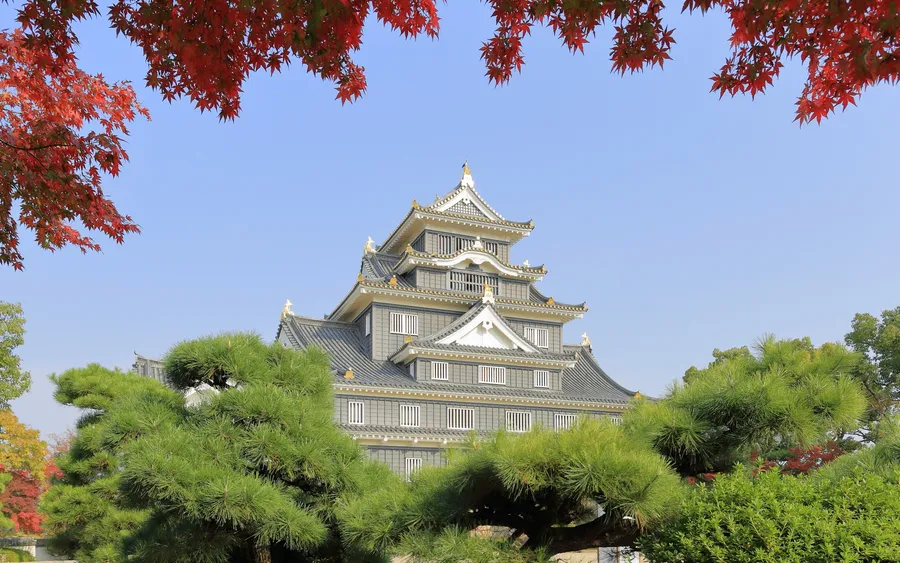
    Nicknamed Ujo, or Crow Castle, for the black lacquered boards covering its exterior, Okayama Castle's five-story keep was originally completed in 1597 and destroyed in American firebombing on June 29, 1945, along with much of central Okayama. The current concrete reconstruction dates to 1966, and its roof ornaments were gilded in 1996 to mark the castle's 400th anniversary, giving it a second nickname, Kin-Ujo, or Golden Crow Castle, for the gold leaf glinting against the black walls. A 16-month renovation completed in November 2022 added an elevator and reworked the exhibits inside, and the castle sits directly across the Asahi River from Korakuen, the two designed to be viewed together.

    9:00 AM – 5:30 PM daily, last admission 5:00 PM, closed Dec 29–31; ¥500 adult admission2-3-1 Marunouchi, Kita-ku, Okayama 700-0823
  3. Five-story pagoda, Bitchu Kokubunji, Kibi Plain3

    The Kibi Plain Cycling Road

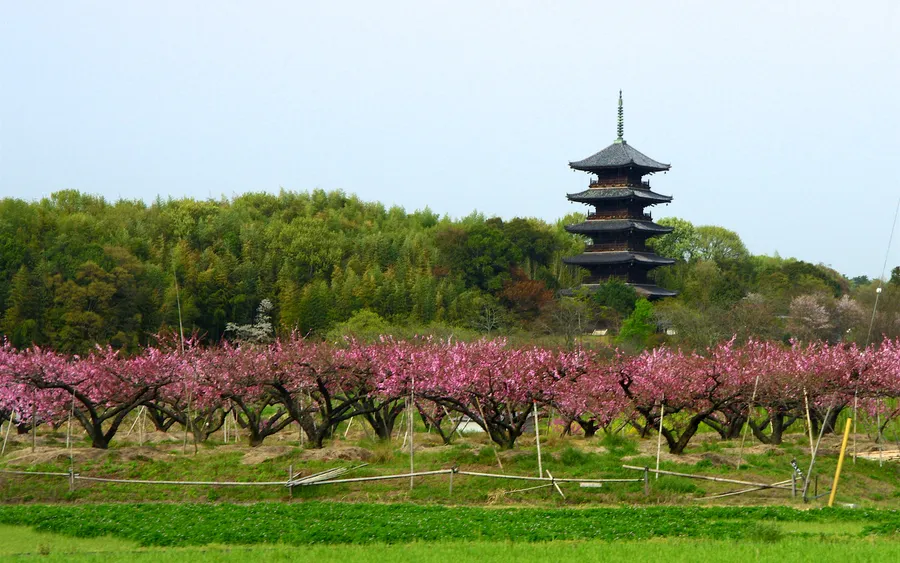
    Running around 17 kilometers between Bizen-Ichinomiya and Soja stations, the Kibi Plain cycling road threads through flat countryside dotted with burial mounds, rice paddies, and temples tied to the older Kibitsuhiko legend believed to have inspired the story of Momotaro. The clearest single landmark along the way is the vividly painted five-story pagoda at Bitchu Kokubunji, and Kibitsu Shrine, dedicated to Kibitsuhiko himself, sits close to the Bizen-Ichinomiya end of the route. Bicycles can be rented at either station or at a shop near Bitchu Kokubunji and dropped off at a different location for a small extra fee, making a one-way ride the easiest way to see the route without doubling back.

    Bicycle rental: 9:00 AM – 6:00 PM (Mar–Oct), 9:00 AM – 5:00 PM (Nov–Feb), pick-up until 3:30 PM
  4. Kurashiki Bikan Historical Quarter canal4

    Kurashiki Bikan Historical Quarter

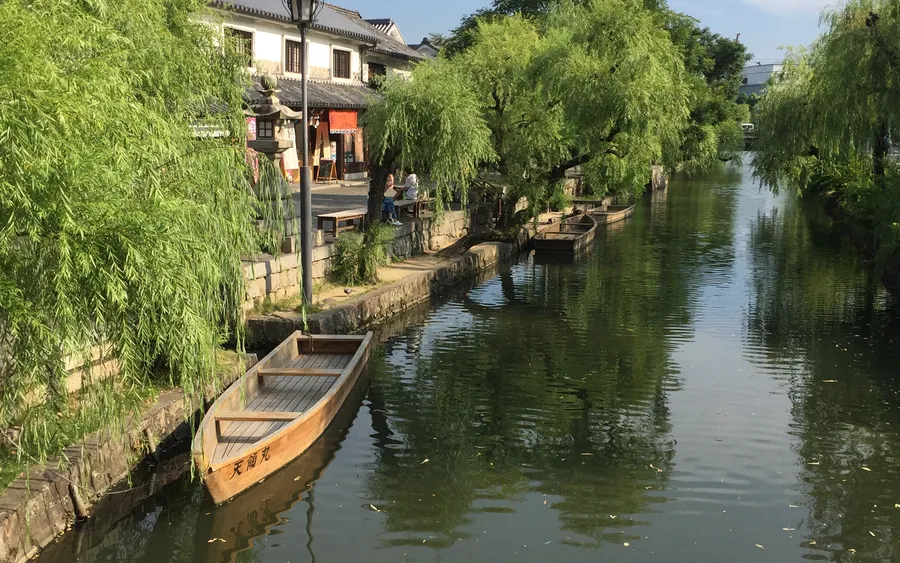
    A short train ride from Okayama, Kurashiki grew wealthy as a shogunate-controlled rice-trading port, and its old merchant quarter still lines a roughly 600-meter canal with white-walled kura storehouses, black tile roofs, and weeping willow trees trailing over the water. The city preserved the district by ordinance in 1969, and it was designated a National Important Preservation District for Groups of Traditional Buildings in 1979, making it one of the most intact Edo-period streetscapes left in Japan. Small boats still punt tourists along the canal, and the surrounding lanes hold cafes, craft shops, and several museums packed into a walkable half-day.

    Canal boat rides: roughly 9:00 AM – 5:00 PM, weather dependent
  5. Ohara Museum of Art, Kurashiki5

    Ohara Museum of Art

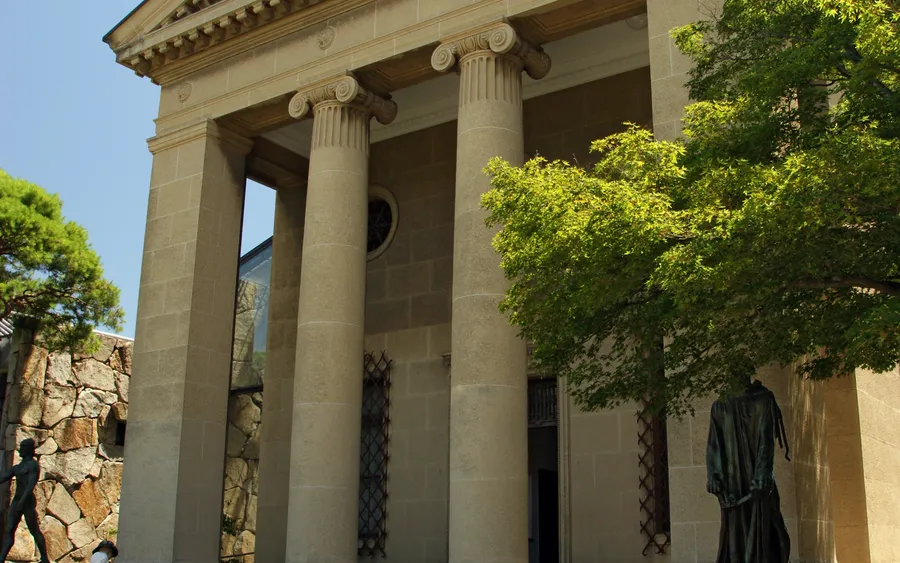
    Opened in 1930 by the industrialist Ohara Magosaburo in honor of his friend, the painter Kojima Torajiro, Ohara Museum of Art was Japan's first museum dedicated to Western art, and its Greek-temple-style facade is one of the most recognizable buildings in the Bikan Quarter. Inside, the collection runs from Monet and El Greco to Matisse and Picasso, alongside separate galleries of Japanese folk crafts and modern Asian art housed in converted rice warehouses nearby. It's an unexpectedly deep collection for a regional city, built almost entirely on one collector's eye and friendship with a single artist.

    9:00 AM – 5:00 PM (Mar–Nov), 9:00 AM – 3:00 PM (Dec–Feb), last admission 30 min before close; closed Mondays (except national holidays)1-1-15 Chuo, Kurashiki 710-8551
  6. Bizen-yaki pottery, Imbe, Bizen6

    Bizen Ware & the Imbe Pottery District

    Bizen ware is the oldest of Japan's Six Ancient Kilns, tracing back over 1,000 years to the Heian period, and it's still made without glaze or painted decoration — its earthy reds and grays come entirely from the local iron-rich clay, the position of a piece inside a wood-fired kiln, and up to ten days of continuous firing at temperatures above 1,200°C. The Imbe district of Bizen City, about 40 minutes from Okayama by train, is still the center of production, lined with kiln workshops and galleries, but Okayama city itself has several dedicated Bizen-yaki shops for anyone who'd rather not make the trip out. No two pieces come out of the kiln looking the same, which is generally treated as the whole point.

Events & Festivals

A 500-year-old festival where thousands fight for luck in the middle of winter, the city's biggest summer weekend, and the seasonal evenings when Korakuen and Okayama Castle light up after dark.

  1. Saidaiji Eyo (Naked Festival), Okayama1

    Saidaiji Eyo (The Naked Festival)

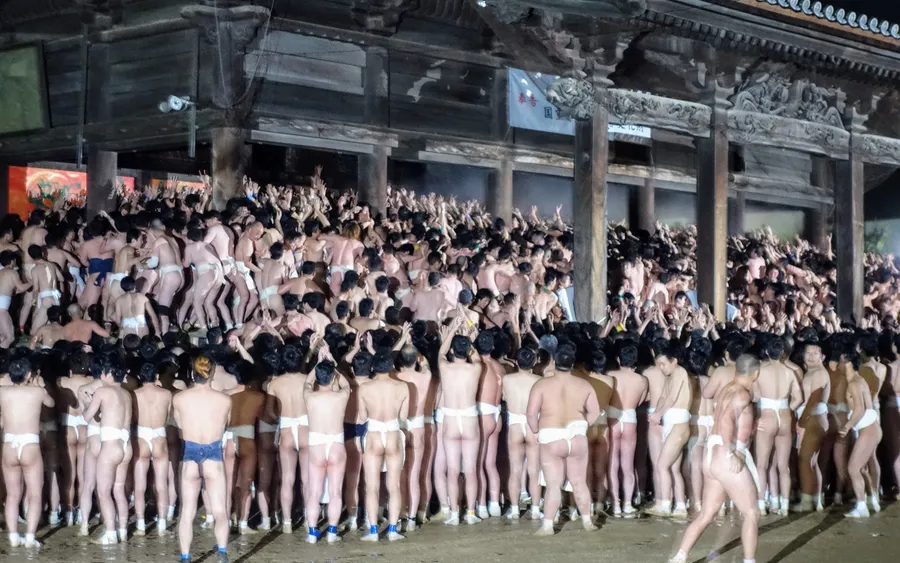
    Held every year on the third Saturday of February at Saidaiji Kannon-in Temple, Saidaiji Eyo — commonly called Hadaka Matsuri, or the Naked Festival — is one of Japan's most startling annual events: roughly 10,000 participants, dressed in nothing but a white loincloth and tabi socks in the middle of winter, cram into the temple's Main Hall to fight for two wooden sticks called shingi. At 10 p.m. the hall's lights are cut, a priest throws the shingi down from a window four meters up, and the crowd wrestles for close to two hours to drive one into a box of sacred rice, a feat believed to bring a full year of good luck. The ritual has run for more than 500 years, was designated a National Important Intangible Folk Cultural Property in 2016, and opened to women participants for the first time in 2024 — it's not a spectator event so much as something you watch happen around you, packed into the crowd at the temple.

    Third Saturday of February; main ritual around 10:00 PM3-8-8 Saidaijinaka, Higashi-ku, Okayama 704-8116
  2. Momotaro statue, Okayama Station2

    Uraja & the Momotaro Matsuri

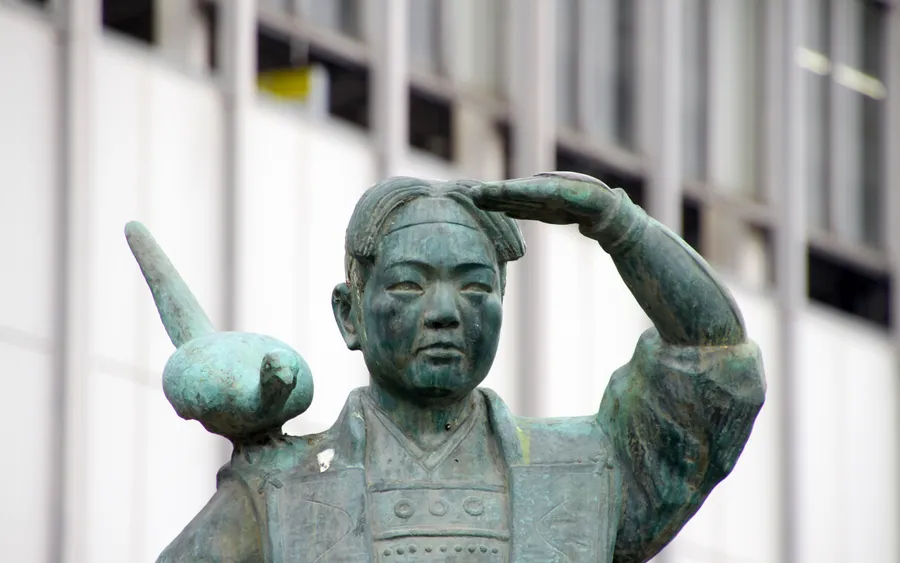
    Okayama's biggest annual event runs across a weekend in late August, opening with roughly 5,000 fireworks launched from the banks of the Asahi River and closing the next day with Uraja, a street-dance parade that's grown since it began in 1994 into one of the region's largest festivals, drawing well over half a million visitors. Every dancer paints their face like Ura, the demon Momotaro is said to have defeated in the local legend that gave the city its favorite folk hero, and the parade runs under the motto 'odoreba mina tomo' — if you dance, everyone's a friend — with routes open to any group willing to learn the steps. Momotaro's presence is felt in the city even outside festival weekend, most visibly in the bronze statue of the peach boy and his animal companions standing just outside Okayama Station.

    Late August, typically the fourth weekend of the month
  3. Korakuen Garden illuminated at night, Okayama3

    Korakuen's Genso-teien Illuminated Nights

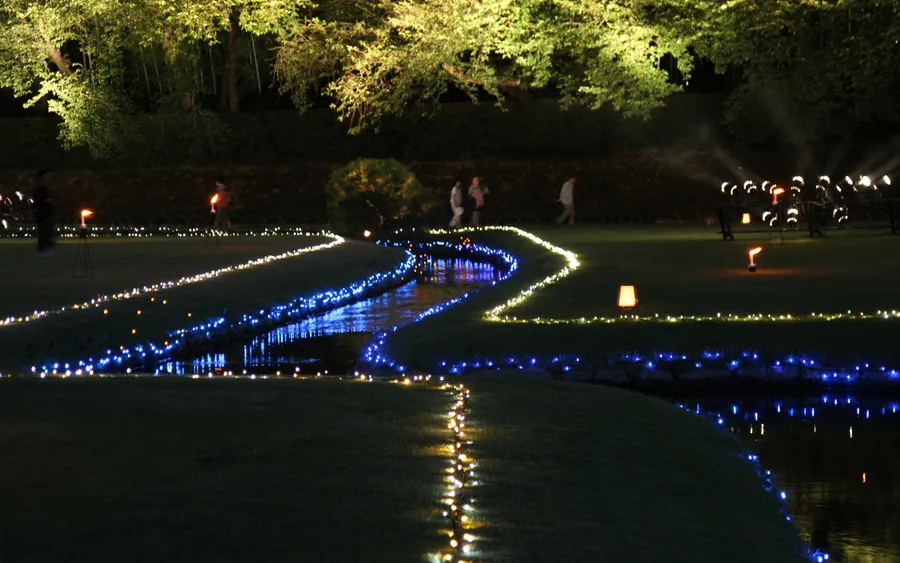
    A few times a year, Korakuen stays open after dark for Genso-teien, or 'Fantasy Garden,' special evening openings when the ponds, lawns, and trees are lit for a softer, more atmospheric version of the garden most visitors never see. The spring edition, timed to Golden Week in late April and early May, floats three giant illuminated koi streamers on the central pond alongside flower-craft workshops, and a second run of evening openings comes through summer paired with light music and food stalls on the lawns. The garden's Harvest Moon Viewing, held each year on the night of the mid-autumn full moon and running since 1956, adds a quieter counterpart to the two — lawns normally off-limits to walk on are opened up, and a koto concert plays at the Enyotei teahouse.

    Spring Genso-teien: late Apr–early May, 6:00 PM – 9:30 PM; ¥500 admission
  4. Okayama Castle Togenkyo summer light-up4

    Okayama Castle's Togenkyo Light-Up

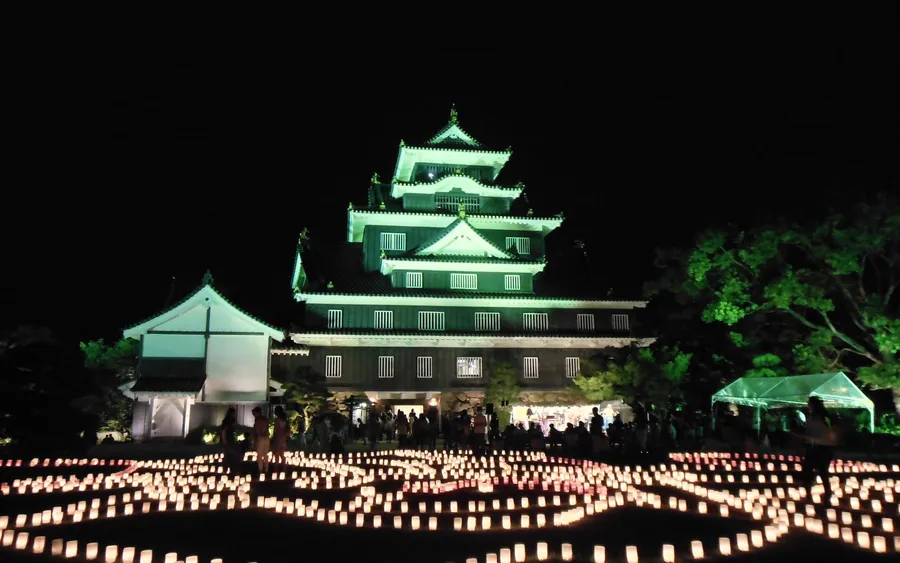
    Timed alongside Korakuen's own evening openings, Okayama Castle runs Ujo Togenkyo, a summer light-up that bathes the black-and-gold keep in colored light against the night sky, with the castle's reflection doubling in the moat below. A combined ticket covers both the castle and the garden on light-up nights, and the short walk between them along the Asahi River — itself lit by lanterns during the event — is as much a part of the experience as either site alone. It's a markedly different look at a castle most visitors only see by day, and one of the more low-key, purely photogenic events on Okayama's summer calendar.

    Summer light-up: typically late Jul–Aug evenings; check current dates before visiting

Food

Scattered sushi piled onto a single plate, a Momotaro-themed dumpling, a demi-glace pork bowl invented by one restaurant, and the peaches and grapes that make Okayama one of Japan's top fruit regions.

  1. Barazushi (scattered sushi)1

    Barazushi

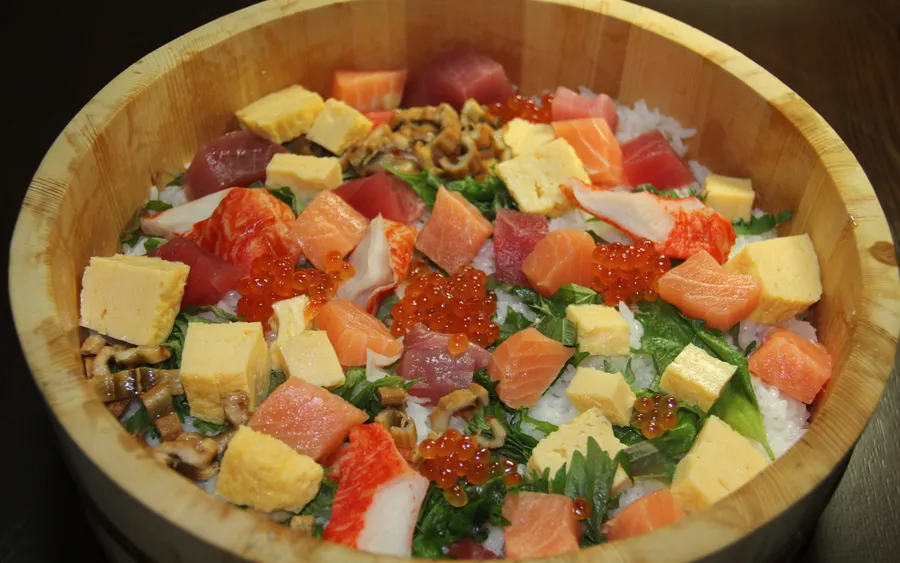
    Okayama's signature sushi scatters a colorful mix of seafood, vegetables, and sometimes egg over a bed of vinegared rice rather than rolling or pressing it, a style said to trace back to an Edo-period sumptuary law that restricted commoners to a single dish at mealtimes — piling everything onto one plate of rice was the local workaround. Ingredients vary by household and restaurant but commonly include conger eel, shrimp, and seasonal vegetables from the Seto Inland Sea region, arranged so the rice is barely visible underneath. It's the dish most associated with Okayama celebrations and New Year's tables, and most restaurants in the city serve some version of it year-round.

  2. Kibi dango2

    Kibi Dango

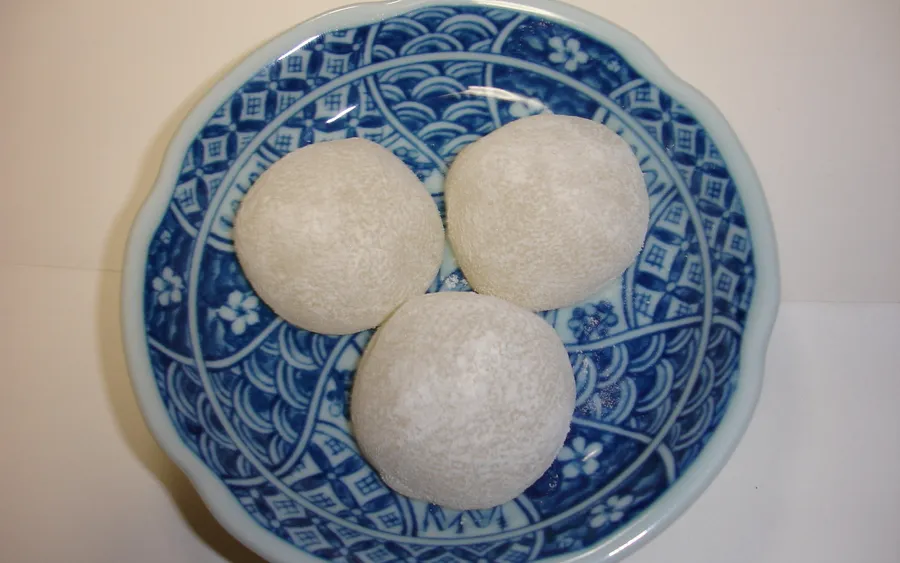
    Kibi dango are soft, mochi-like dumplings, traditionally made with millet and sold dusted in flour or with a thin sweetness inside, tied directly to the Momotaro legend in which the hero shares his dumplings with the dog, monkey, and pheasant who join his quest against the demon Ura. The name is a pun as much as a recipe — 'kibi' refers both to millet and to the old Kibi Kingdom that once covered this region — and the dumplings have been sold as a local specialty and souvenir since at least the Edo period. Shops around Okayama Station and along the Kibi Plain cycling route sell individually wrapped boxes that travel well as a snack or a gift to bring home.

  3. Demi-katsudon, Okayama3

    Demi-Katsudon

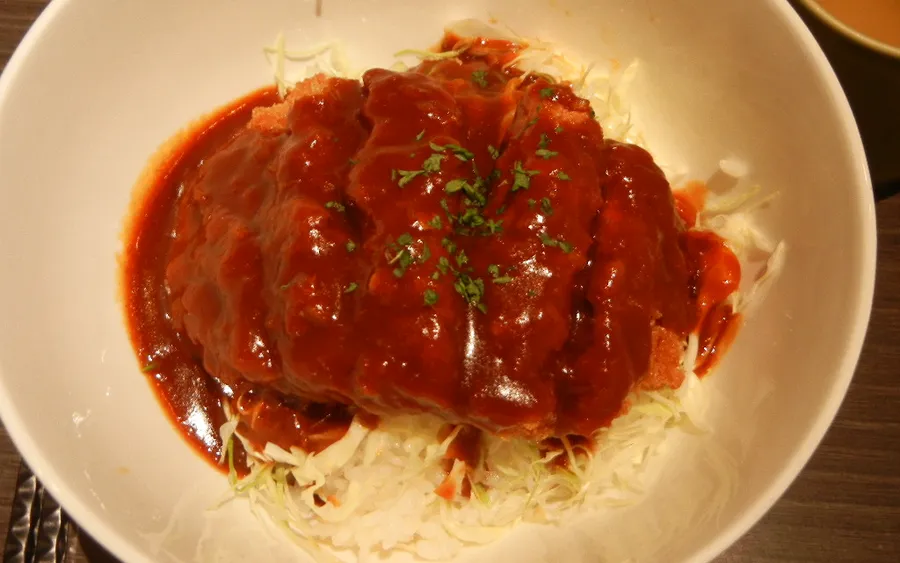
    Okayama's version of katsudon skips the usual egg-and-onion sauce for a rich, glossy demi-glace poured straight over a freshly fried pork cutlet and rice, a combination invented in 1931 at a long-running tonkatsu restaurant called Nomura, whose owner wanted to bring the demi-glace he'd tasted at Tokyo's Imperial Hotel to Okayama diners. Locally it's often just called 'domikatsu,' and most versions still follow the original formula of cutlet, sauce, and a bed of shredded cabbage to cut through the richness. It's become enough of a local institution that dedicated demi-katsudon shops and rankings are a genuine point of local pride, well beyond its origins as one restaurant's experiment.

  4. Shine Muscat grapes4

    White Peaches & Shine Muscat Grapes

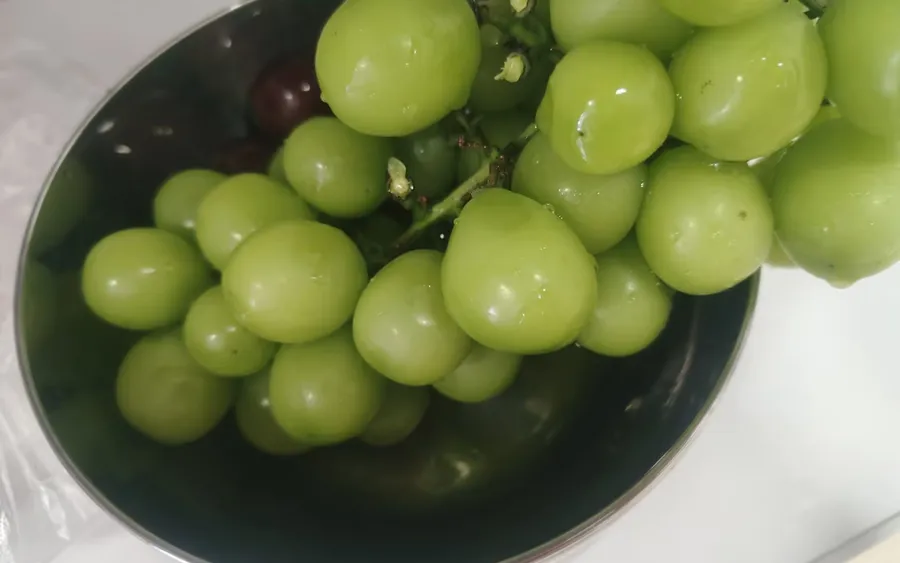
    Okayama Prefecture's mild climate and long growing season have made it one of Japan's leading fruit-growing regions, best known for hakuto white peaches — pale-skinned, intensely fragrant, and prized for a sweetness that needs no help from sugar — and Shine Muscat grapes, a seedless, thin-skinned variety eaten skin and all that was developed in Japan in the 1980s and has since become one of the country's most sought-after premium fruits. Both are grown in orchards across the prefecture and sold in season at markets, department store food halls, and roadside stands, often gift-wrapped in the elaborate packaging Japan reserves for its finest produce. Peaches peak from June through August, and Shine Muscat from late summer into autumn, making late summer the best single window to catch both at once.

Keep reading

More guides you might like

Nearby

Related destinations

Continue

Related services

Easy Travel in Japan