Skip to content
Easy Travel in Japan
Okayama Castle ("Crow Castle")

The Perfect 2-Day Okayama Itinerary

Okayama rewards two full days more generously than its reputation as a stopover city suggests. This itinerary spends day one in the castle-and-garden core of the city, with a detour into Bizen ware and two of Okayama’s signature dishes, then heads out on day two for a countryside bike ride across the Kibi Plain before finishing in Kurashiki’s preserved canal district. It’s built as a standalone two-day trip, but Okayama’s position on the Sanyo Shinkansen means either day works just as well tacked onto a longer Kansai or Chugoku itinerary.

Day 1: Okayama City & Korakuen

The castle, the garden, and the food that make central Okayama worth a full day on its own.

  1. Momotaro statue, Okayama Station1

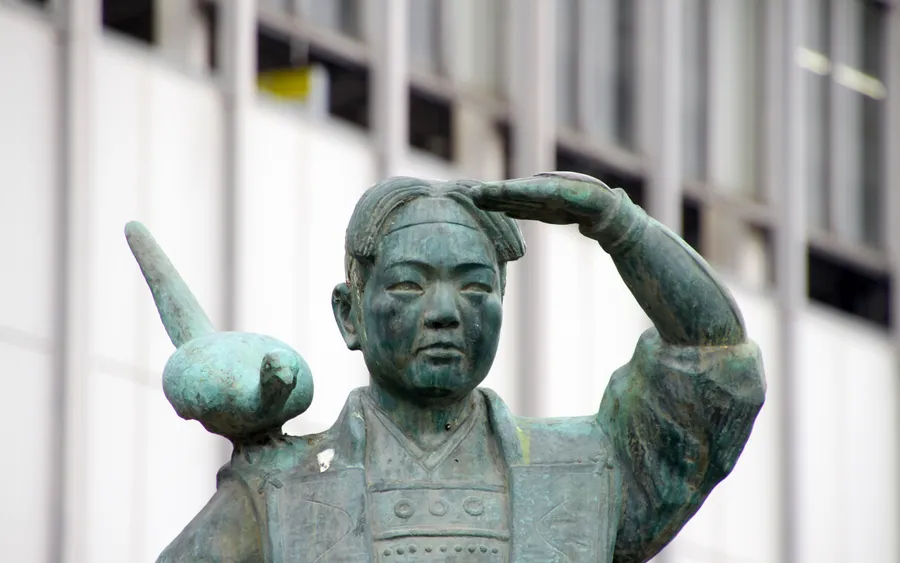
    9:00 AM — Momotaro Statue at Okayama Station

    Okayama sits directly on the Sanyo Shinkansen, about 45 minutes from Osaka or under an hour from Hiroshima, making a morning arrival easy. Just outside the station's east exit, a bronze statue of Momotaro and his three animal companions — dog, monkey, and pheasant — greets arrivals, a fitting first stop in a city that treats the Peach Boy legend as a genuine civic symbol rather than a marketing gimmick. From here it's a straightforward tram ride, or a 25-to-30-minute walk east, to the castle and garden.
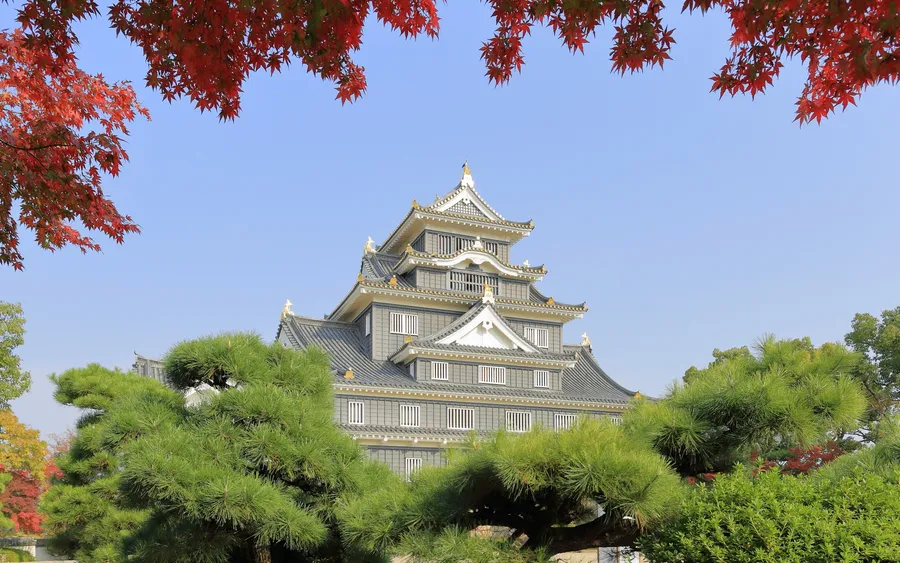
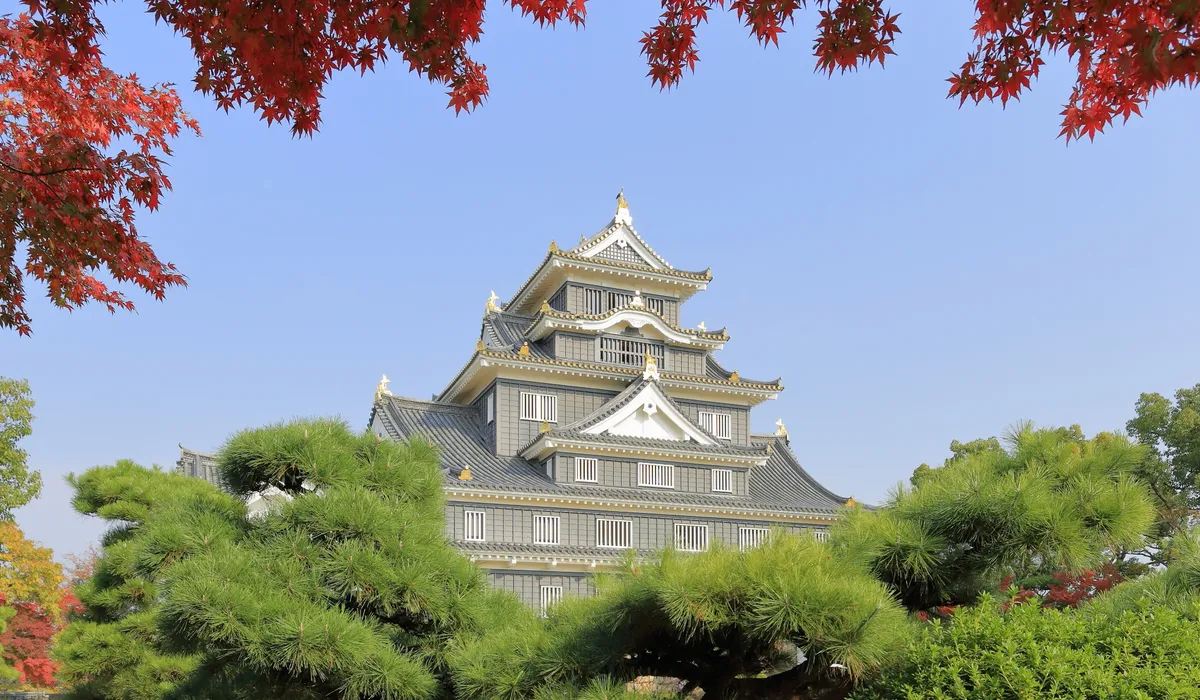
  2. Okayama Castle ("Crow Castle")2

    9:30 AM — Okayama Castle

    Take the Higashiyama Line tram to the Shiroshita stop, then walk the last 10 to 15 minutes to Okayama Castle, the black-lacquered 'Crow Castle' whose gilded roof ornaments have earned it a second nickname, Golden Crow Castle. The current keep is a 1966 reconstruction, refreshed by a 16-month renovation completed in November 2022 that added an elevator and reworked the exhibits inside — budget an hour to see the museum floors and climb to the top-floor observation deck before heading to the garden across the river.

    9:00 AM – 5:30 PM daily, last admission 5:00 PM; ¥500 adult admission2-3-1 Marunouchi, Kita-ku, Okayama 700-0823
  3. Korakuen Garden, Okayama3

    10:45 AM — Korakuen Garden

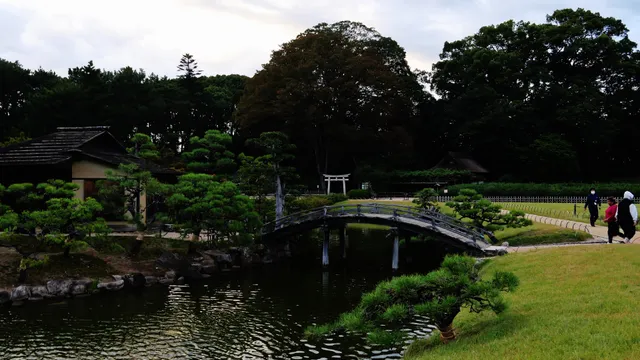
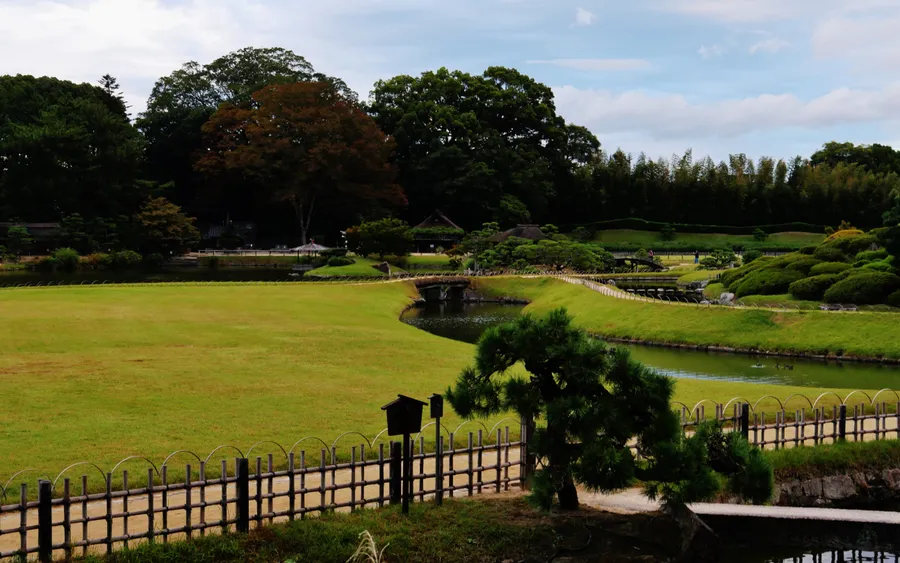
    A short walk across the Asahi River brings you to Korakuen, one of Japan's three great gardens and deliberately laid out so the castle's black keep forms part of the view across its central pond and open lawns. Give it a slow hour and a half — the garden rewards an unhurried pace more than most, and its cranes, tea fields, and working rice paddy make it feel less like a formal showpiece and more like a living piece of Edo-period estate life.

    7:30 AM – 6:00 PM (Mar 20–Sep 30), 8:00 AM – 5:00 PM (Oct 1–Mar 19); ¥500 adult admission1-5 Korakuen, Kita-ku, Okayama 703-8257
  4. Demi-katsudon, Okayama4

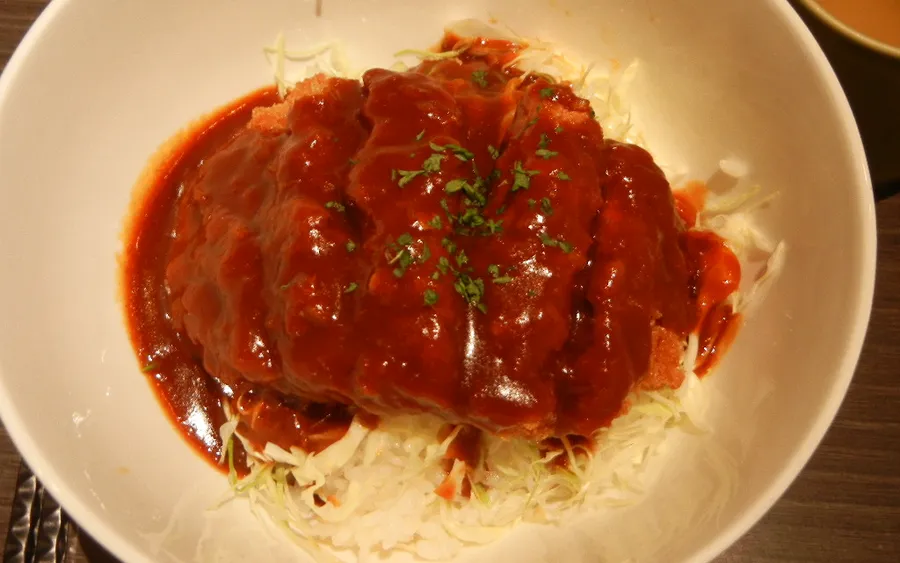
    12:30 PM — Demi-Katsudon Lunch

    Break for lunch with demi-katsudon, Okayama's take on the pork cutlet rice bowl, doused in a rich demi-glace sauce instead of the usual egg-and-onion topping — a combination invented in 1931 by a local restaurant called Nomura after its owner tasted the sauce at Tokyo's Imperial Hotel. Locally it's just called 'domikatsu,' and versions of it are easy to find at casual restaurants throughout the central city, usually served with a bed of shredded cabbage to balance the richness.

  5. Bizen-yaki pottery, Imbe, Bizen5

    2:00 PM — Bizen Ware Shopping

    Spend the afternoon browsing Bizen ware, the oldest of Japan's Six Ancient Kilns, fired without glaze so that its earthy reds and grays come entirely from the clay, the kiln placement, and up to ten days of continuous wood firing. Several dedicated galleries in central Okayama carry pieces from potters working in Imbe, the pottery district about 40 minutes away by train, so there's no need to make the trip out just to bring a piece home — though it's worth the detour on a future visit for anyone drawn to it.

  6. Barazushi (scattered sushi)6

    6:00 PM — Barazushi Dinner

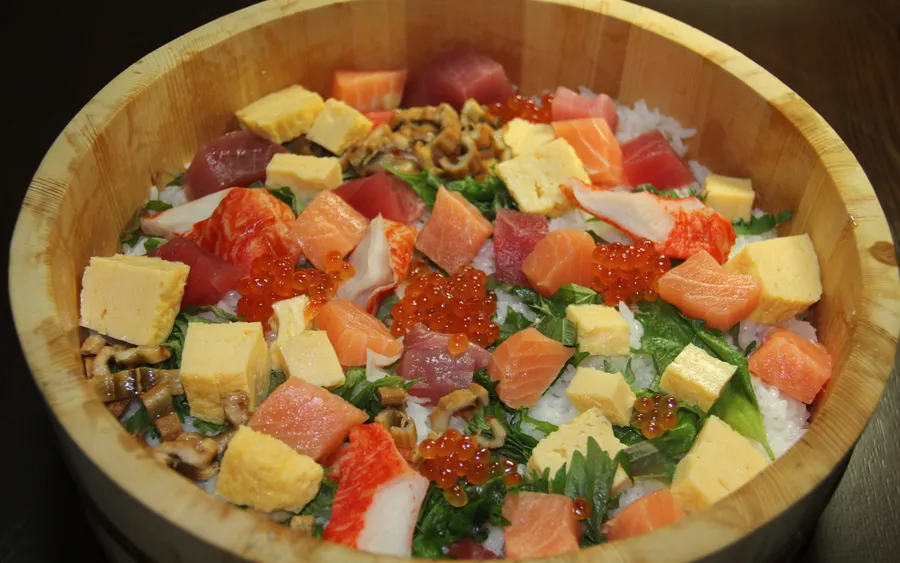
    Close out the day with barazushi, Okayama's answer to celebration sushi — a colorful scatter of seafood, vegetables, and sometimes egg piled over vinegared rice rather than rolled or pressed, said to have developed as a workaround to an Edo-period law limiting commoners to a single dish per meal. Most restaurants in central Okayama serve some version of it, an easy, unhurried way to close out a full first day.

Day 2: Kibi Plain & Kurashiki

A countryside cycling route past Momotaro's roots, then an afternoon in Kurashiki's canal district and its surprising art museum.

  1. Five-story pagoda, Bitchu Kokubunji, Kibi Plain1

    9:00 AM — Cycle the Kibi Plain

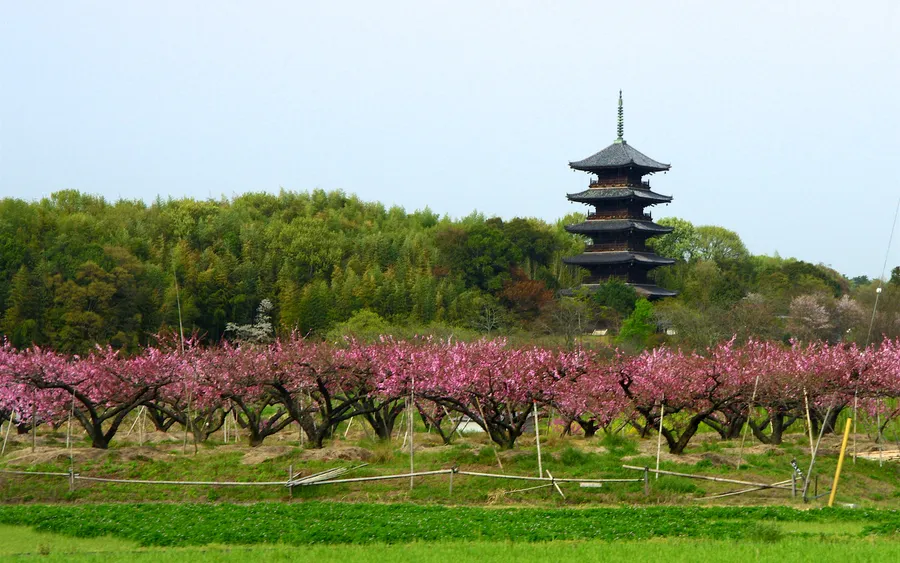
    Take the JR Kibi Line from Okayama Station to Bizen-Ichinomiya, about 10 minutes, and rent a bicycle right outside the station for the roughly 17-kilometer ride to Soja through flat countryside dotted with burial mounds and rice paddies. The route passes Kibitsu Shrine, tied to the older Kibitsuhiko legend believed to have inspired Momotaro, and the vividly painted five-story pagoda at Bitchu Kokubunji, the single most photographed landmark along the way — budget three to four hours at an easy pace, with stops.

    Bicycle rental: 9:00 AM – 6:00 PM (Mar–Oct), 9:00 AM – 5:00 PM (Nov–Feb)
  2. Kurashiki Bikan Historical Quarter canal2

    1:00 PM — Kurashiki Bikan Historical Quarter

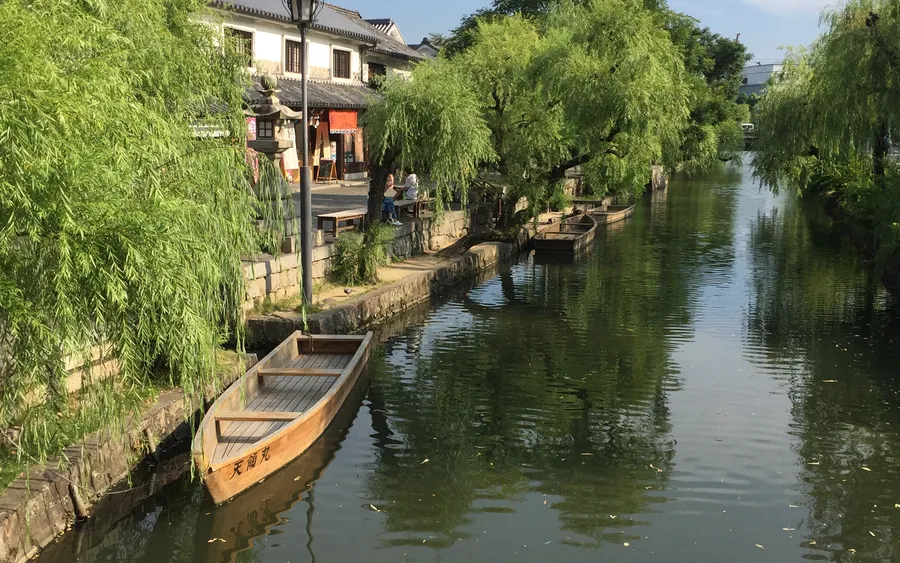
    From Soja, the JR Kibi Line runs back to Okayama in around 45 minutes; from there, the JR Sanyo Line reaches Kurashiki in about 15 minutes. The Bikan Historical Quarter's roughly 600-meter canal, lined with white-walled kura storehouses and trailing willow trees, is one of the best-preserved Edo-period streetscapes in Japan — walk its length, take a canal boat ride if the weather cooperates, and duck into the lanes on either side for cafes and craft shops.

  3. Ohara Museum of Art, Kurashiki3

    2:30 PM — Ohara Museum of Art

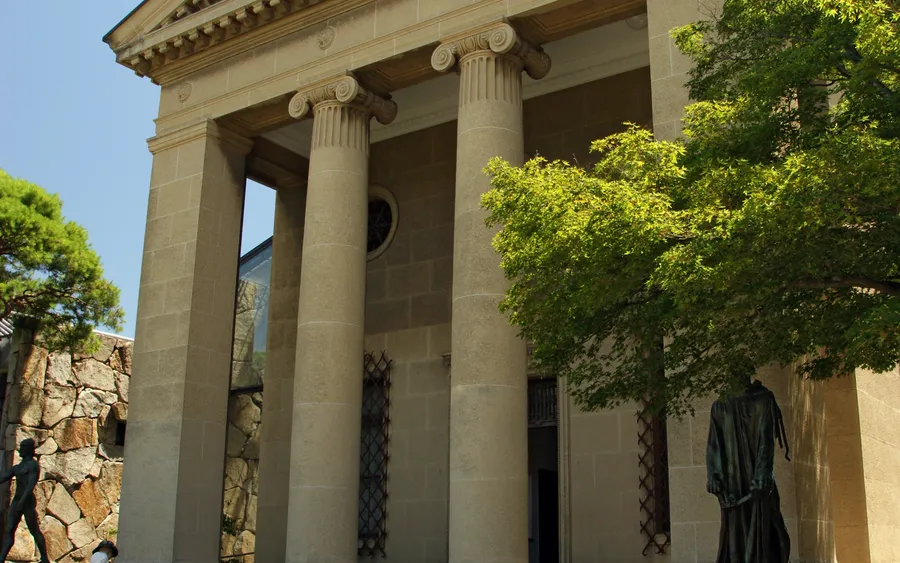
    Japan's first museum dedicated to Western art, Ohara Museum of Art has held Monets, an El Greco, and modern European and Asian art since industrialist Ohara Magosaburo opened it in 1930 in honor of his friend, the painter Kojima Torajiro. Its Greek-temple facade is one of the most photographed buildings in the quarter, and the collection is deep enough to justify an hour even for visitors who came to Kurashiki for the canal rather than the art.

    9:00 AM – 5:00 PM (Mar–Nov), 9:00 AM – 3:00 PM (Dec–Feb); closed Mondays1-1-15 Chuo, Kurashiki 710-8551
  4. Kibi dango4

    4:00 PM — Kibi Dango & the Trip Home

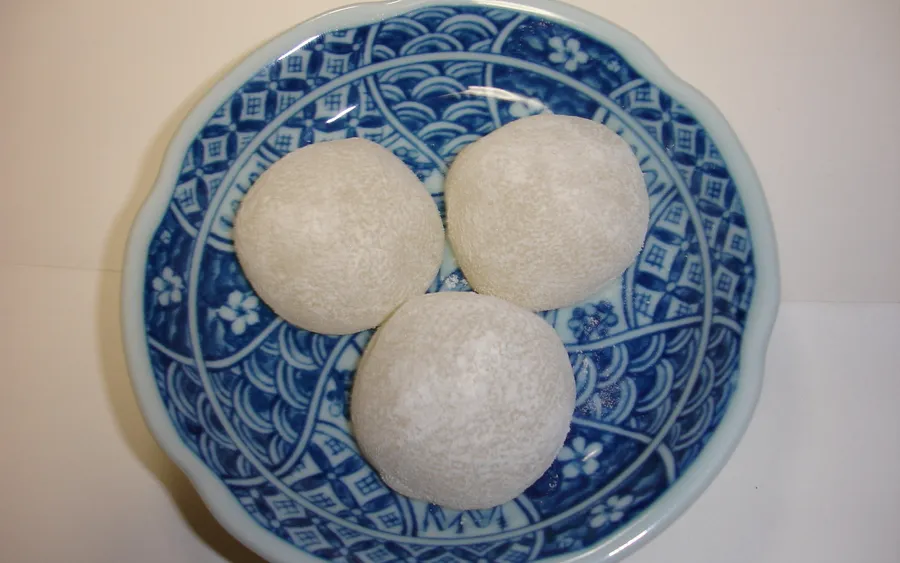
    Before heading back, pick up a box of kibi dango, the soft, mochi-like dumplings tied to the Momotaro legend, from one of the shops in the Bikan Quarter — they travel well and make an easy gift for anyone who missed the trip. From Kurashiki, trains return to Okayama in about 15 minutes, connecting onward to the Sanyo Shinkansen for Osaka, Hiroshima, or wherever the trip continues from here.

Keep reading

More guides you might like

Nearby

Related destinations

Continue

Related services

Easy Travel in Japan