Skip to content
Easy Travel in Japan
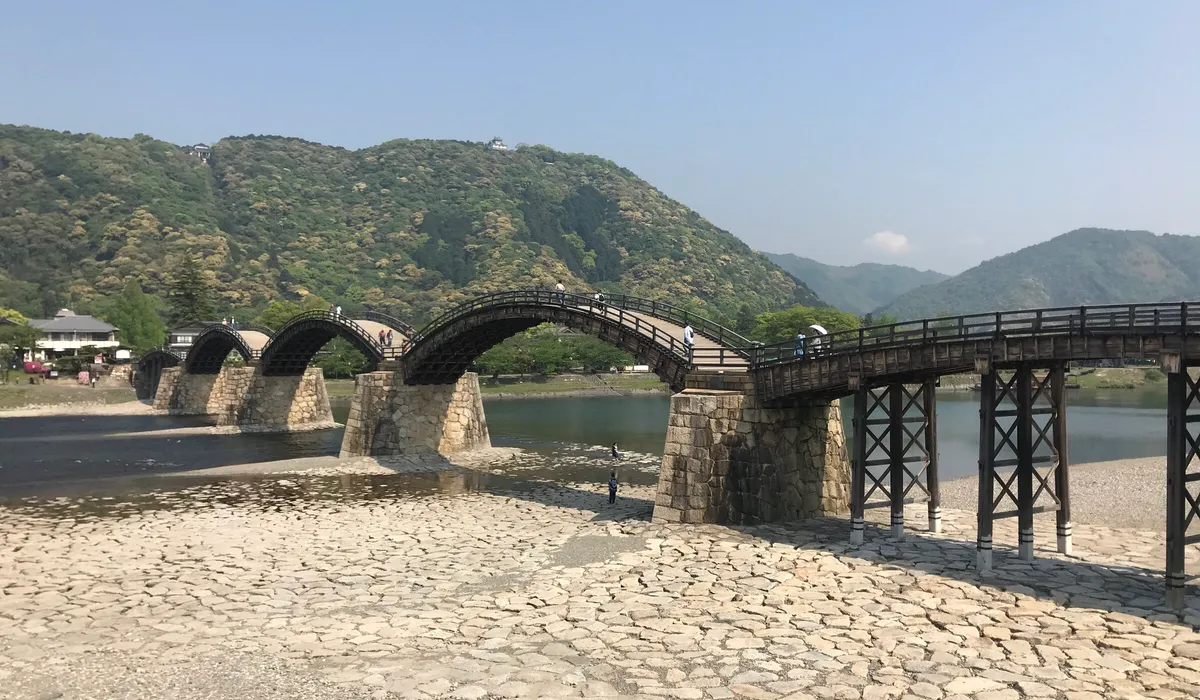
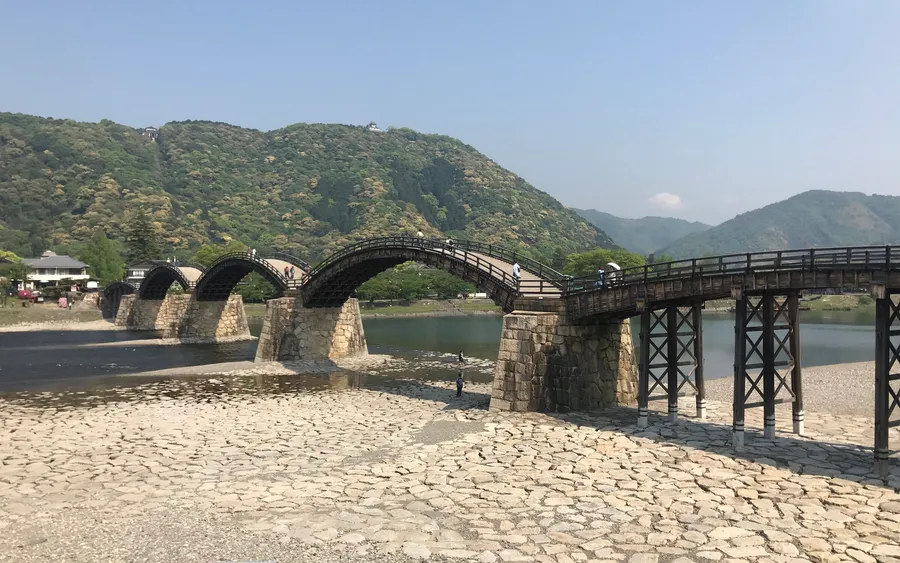
Kintaikyo Bridge with Iwakuni Castle above, Iwakuni

The Perfect 3-Day Hiroshima Itinerary

Three days gives Hiroshima room to be more than a single-issue destination. Day one covers the city itself — the Peace Memorial Park and Museum, the reconstructed castle, and Shukkeien Garden, ending with an okonomiyaki dinner off the Hondori arcade. Day two is a full day on Miyajima, timed around high tide at Itsukushima Shrine and rounded out with Daisho-in, a ropeway ride up Mount Misen, and fresh oysters. Day three heads into neighboring Yamaguchi Prefecture for Iwakuni’s Kintaikyo Bridge and hilltop castle, an easy day trip that rarely makes it onto a shorter visit.

Day 1: Hiroshima City & Peace Memorial Park

The Dome, the museum, the castle, and the garden — all reachable on foot or a short tram ride through central Hiroshima.

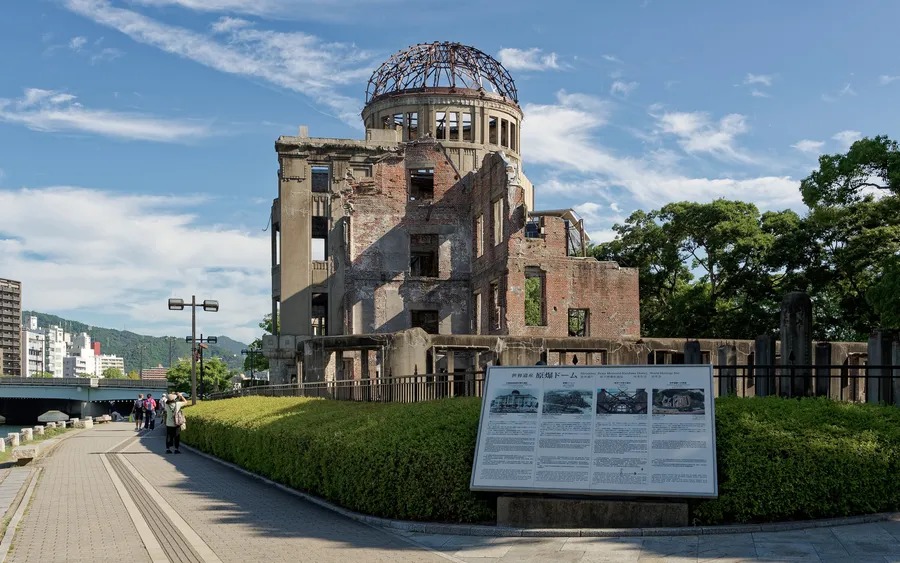
  1. Hiroshima Peace Memorial (Atomic Bomb Dome)1

    9:30 AM — Atomic Bomb Dome

    Hiroshima sits directly on the Sanyo Shinkansen line, around 1.5 hours from Osaka or 4 hours from Tokyo, making a morning arrival easy. From Hiroshima Station, a short tram ride brings you to the Atomic Bomb Dome, the skeletal ruin the city has preserved exactly as it stood since deciding in 1966 never to rebuild it. It's usually the first sight most visitors take in, best seen at an unhurried pace before crossing into the park proper.

    Viewable from outside only, 24 hours; interior closed to visitors1-10 Otemachi, Naka-ku, Hiroshima 730-0811
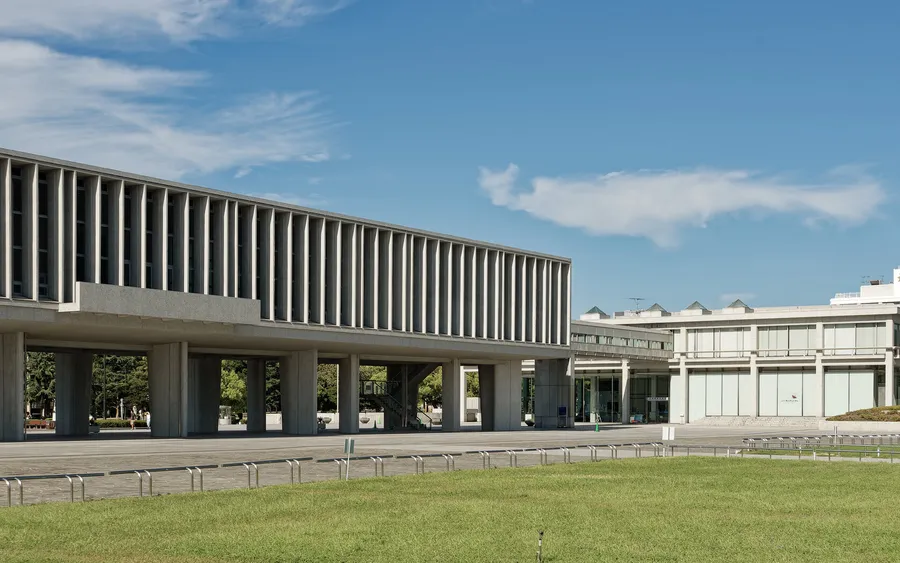
  2. Hiroshima Peace Memorial Museum2

    10:00 AM — Peace Memorial Park & Museum

    Cross the Motoyasu River into Peace Memorial Park, taking in the Cenotaph, the Children's Peace Monument, and the Atomic Bomb Memorial Mound before spending an unhurried hour or two in the Peace Memorial Museum itself. The museum's exhibits, built around personal belongings and survivor testimony, are unflinching — plan for a quiet, contemplative morning rather than rushing through.

    7:30 AM – 6:00 PM (Dec–Feb), extending to 7:00 PM most other months and 8:00 PM in August; last admission 30 min before close1-2 Nakajima-cho, Naka-ku, Hiroshima 730-0811
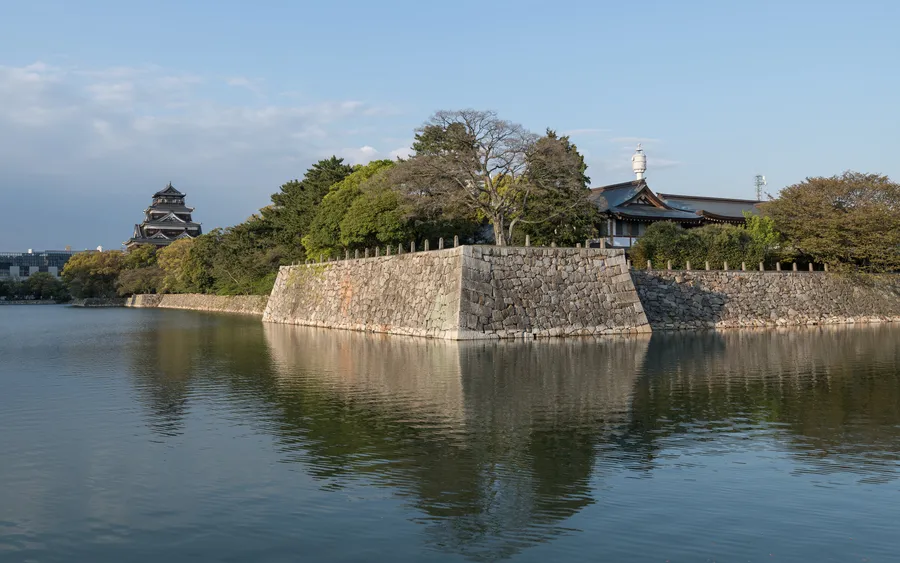
  3. Hiroshima Castle and moat3

    1:00 PM — Hiroshima Castle

    After lunch, head to Hiroshima Castle, a concrete reconstruction of the 16th-century original completed in 1958. The keep's interior is closed for renovation from March 2026, but the grounds, the reflective moat, and the neighboring Gokoku Shrine are still worth the walk, and the castle's black tower makes a striking contrast to the morning's more solemn sights.

    9:00 AM – 6:00 PM (Mar–Nov), 9:00 AM – 5:00 PM (Dec–Feb); keep interior closed for renovation from March 202621-1 Motomachi, Naka-ku, Hiroshima 730-0011
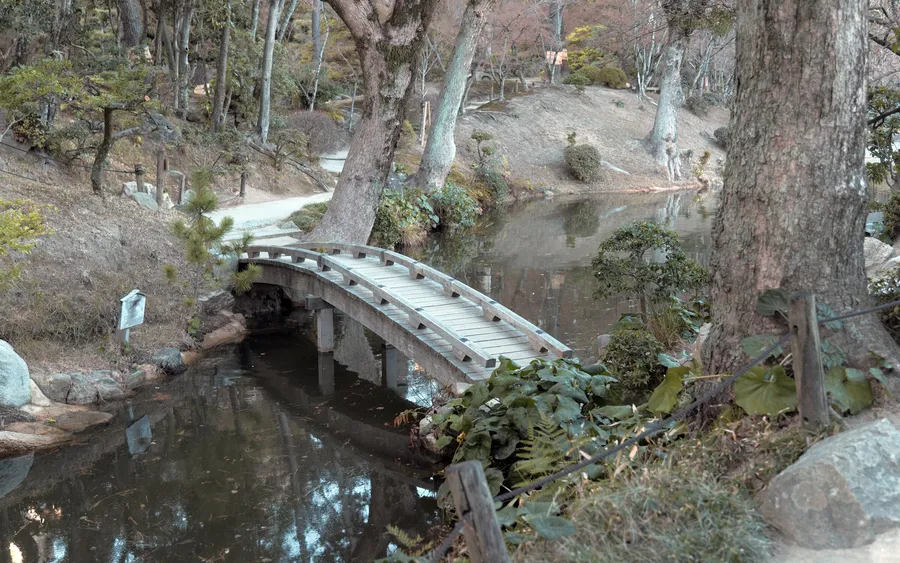
  4. Shukkeien Garden, Hiroshima4

    2:30 PM — Shukkeien Garden

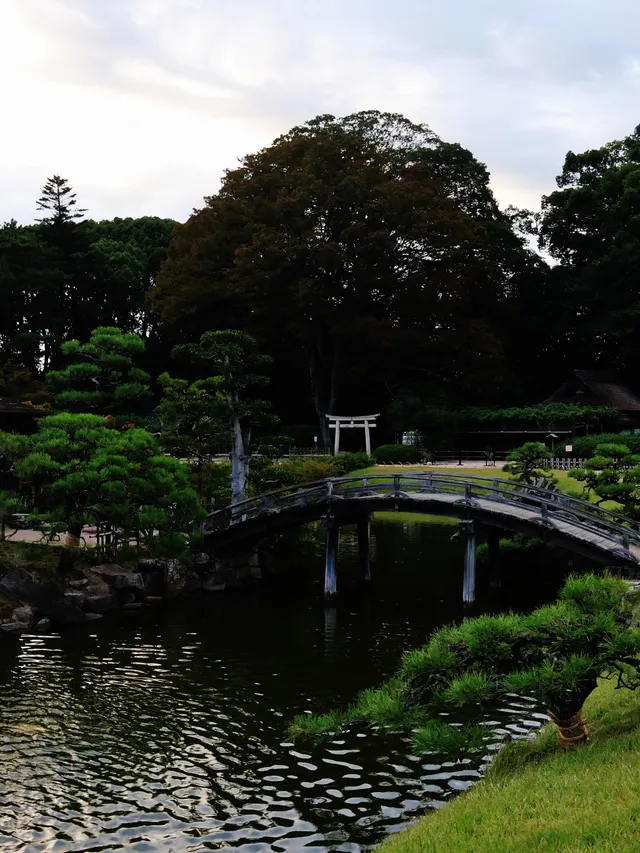
    A short walk from the castle, Shukkeien is a traditional strolling garden dating to the 1620s, built around a central pond with arched bridges and a teahouse. It survived close to the hypocenter and briefly sheltered bombing victims before reopening to the public in 1951 — a quiet, contemplative hour to close out the afternoon.

    9:00 AM – 6:00 PM (Apr–Sep), 9:00 AM – 5:00 PM (Oct–Mar), last admission 30 min before close2-11 Kamihatchobori-cho, Naka-ku, Hiroshima 730-0014
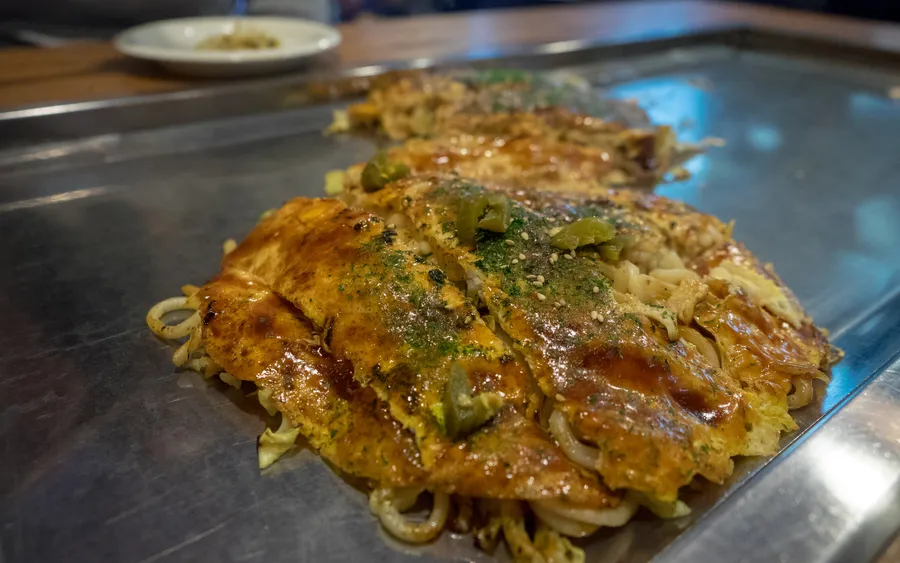
  5. Hiroshima-style okonomiyaki5

    5:00 PM — Hondori Arcade & Okonomiyaki Dinner

    Wind down the day at Hondori, the 577-meter covered arcade rebuilt after the 1945 bombing and now Hiroshima's main shopping street. Somewhere along or just off it, sit down for Hiroshima-style okonomiyaki, built in layers on the griddle — batter, cabbage, meat, and yakisoba noodles — rather than mixed together as in the Osaka style, and cooked to order right in front of you.

Day 2: Miyajima Island

A full day on the island: the floating torii at high tide, a mountain temple, a ropeway ride, and fresh oysters for lunch.

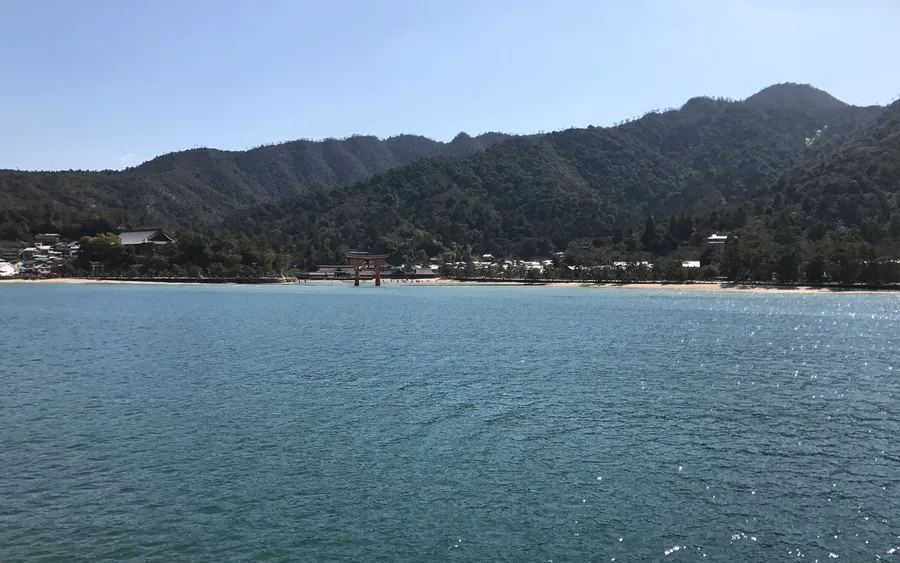
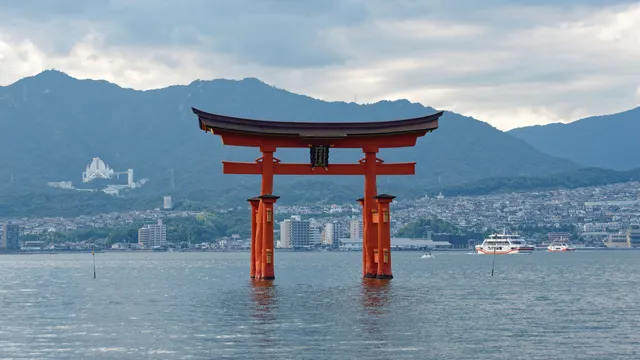
  1. Itsukushima torii seen from the JR Miyajima Ferry1

    8:00 AM — Ferry to Miyajima

    Take the tram or JR train to Miyajimaguchi, then the JR ferry across to the island, a crossing of about 10 minutes with departures roughly every 15 minutes. Between 9:10 a.m. and 4:10 p.m., the JR ferry follows the Great Torii Route, swinging close to Itsukushima Shrine's floating gate at no extra charge — a good first look before you've even landed.

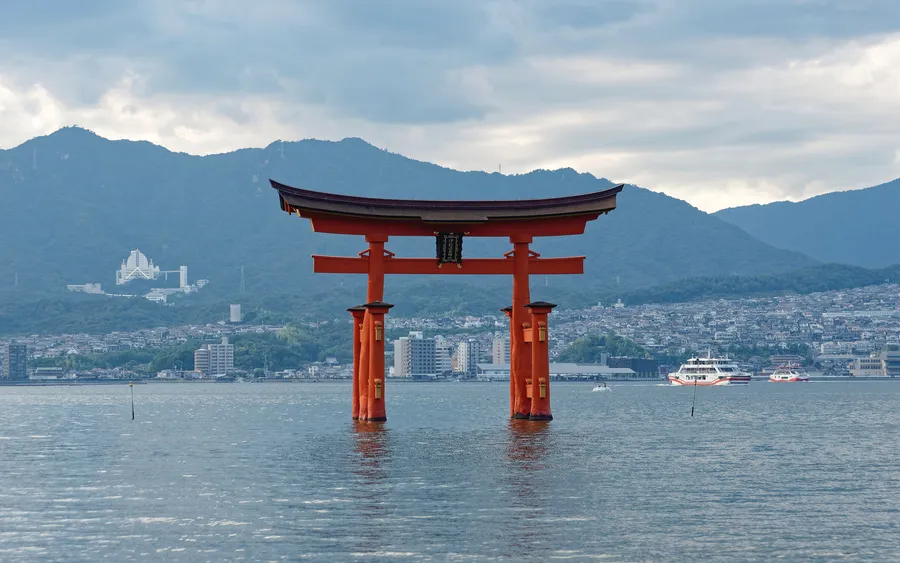
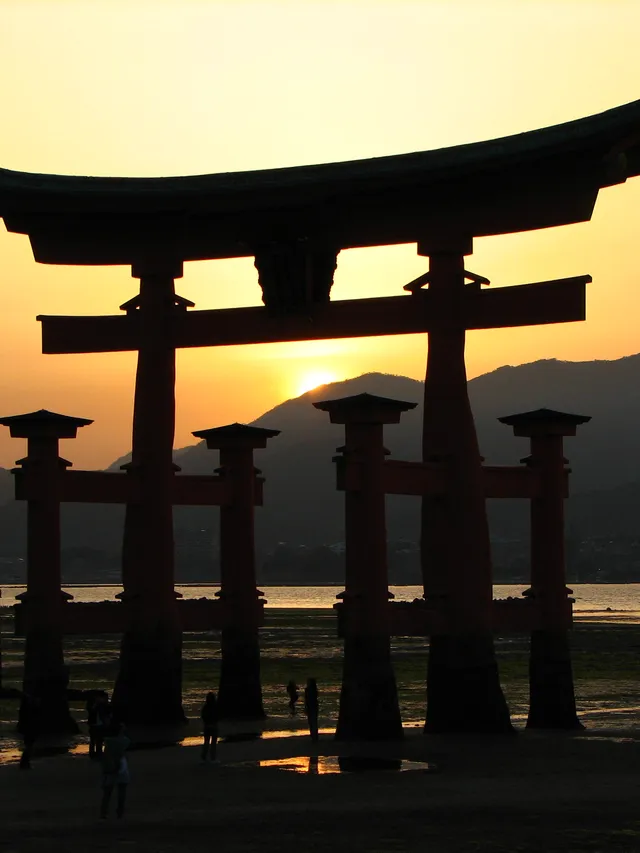
  2. Itsukushima Shrine floating torii, Miyajima2

    8:30 AM — Itsukushima Shrine at High Tide

    A ten-minute walk from the ferry pier, Itsukushima Shrine and its vermilion torii gate appear to float on the water when the tide is high, one of Japan's three most celebrated views. Tides shift by roughly 50 minutes each day, so check the current tide table before you go and time your morning around it rather than the other way around.

    6:30 AM – 6:00 PM (Mar–Oct 14), 6:30 AM – 5:30 PM (Oct 15–Nov), 6:30 AM – 5:00 PM (Dec–Feb)1-1 Miyajima-cho, Hatsukaichi, Hiroshima 739-0588
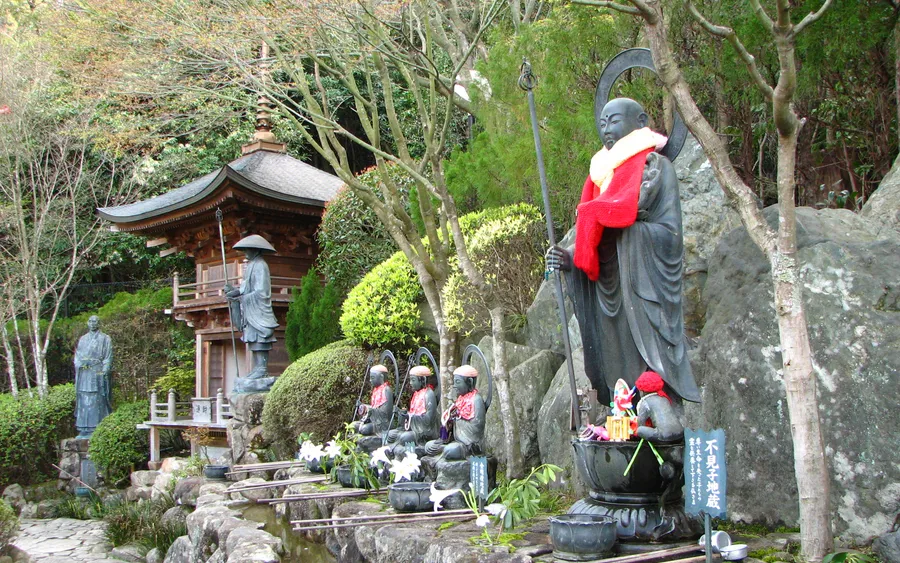
  3. Daisho-in temple, Miyajima3

    10:00 AM — Daisho-in Temple

    A short walk from the shrine, at the base of Mount Misen, Daisho-in is a Buddhist temple complex known for the hundreds of small Jizo statues lining its paths, many dressed in knitted caps and bibs left by visitors, each with a distinct expression. Admission is free, and it's an easy, atmospheric detour before the ropeway ride up the mountain.

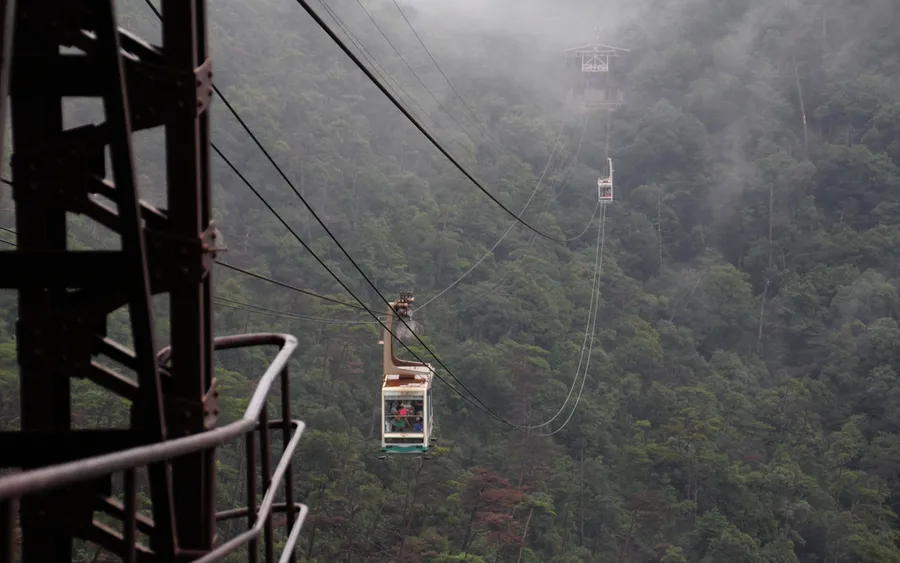
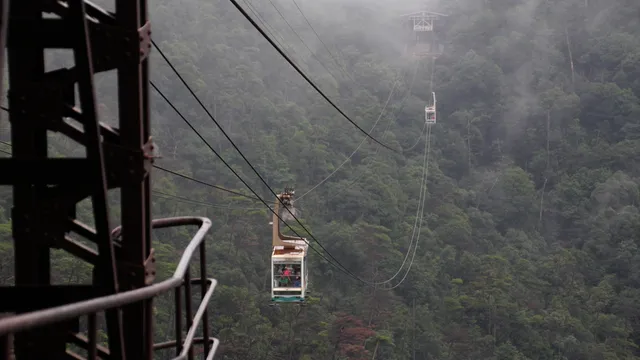
  4. Miyajima Ropeway ascending Mount Misen4

    11:30 AM — Mount Misen by Ropeway

    The Miyajima Ropeway climbs in two stages from Momijidani Station to the Shishiiwa Observatory near the summit, about 14 minutes total, with panoramic views over the Seto Inland Sea on a clear day. From the upper station it's roughly another 30-minute walk to the true summit of Mount Misen, 535 meters up, for anyone with the time and energy to push on.

    Ropeway: 9:00 AM – 4:00 PM up, last descent 4:30 PM; hours shift seasonally
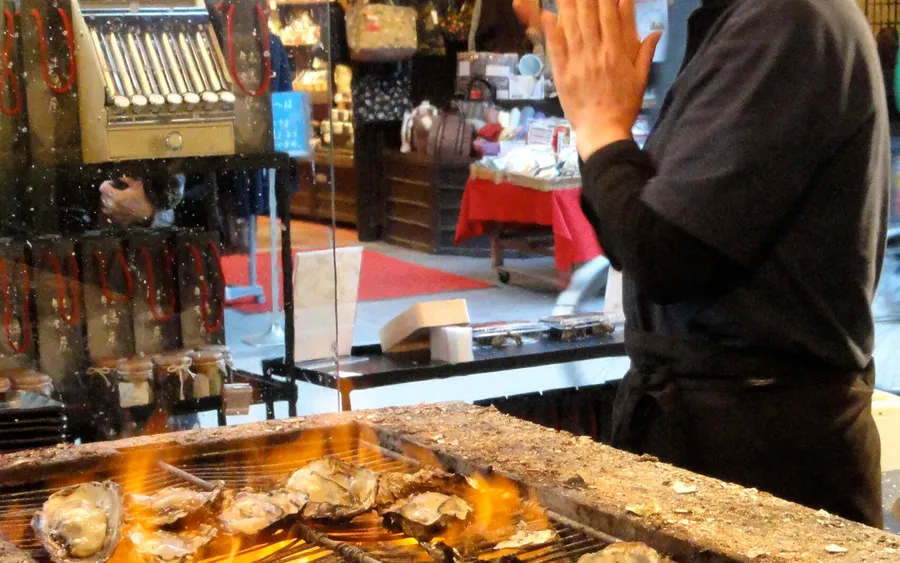
  5. Grilled oysters, Miyajima5

    2:00 PM — Oyster Lunch on Miyajima

    Back down near the ferry pier, close out the day with Miyajima's other specialty: oysters, farmed on ropes in the calm waters around the island and served raw, grilled, or fried at stalls and restaurants all along the main approach street. It's an easy, informal way to end a full day of walking before the ferry back to Miyajimaguchi and the tram or train back into Hiroshima for the night.

Day 3: Iwakuni Day Trip

A short train ride into neighboring Yamaguchi Prefecture for one of Japan's most distinctive bridges and a hilltop castle.

  1. Kintaikyo Bridge with Iwakuni Castle above, Iwakuni1

    9:00 AM — Train to Iwakuni & Kintaikyo Bridge

    From Hiroshima Station, the JR Sanyo Main Line reaches Iwakuni Station in about 50 minutes, or the Sanyo Shinkansen's Kodama service reaches Shin-Iwakuni in about 15 minutes for a higher fare. Either way, head straight for Kintaikyo Bridge, a five-arched wooden bridge first built in 1673, destroyed and rebuilt more than once since, and still considered one of Japan's three most famous bridges — a striking sight spanning the Nishiki River regardless of which side you approach from.

    Bridge toll booth: 8:00 AM – 5:00 PM, later in tourist season and summer; ¥310 adult toll
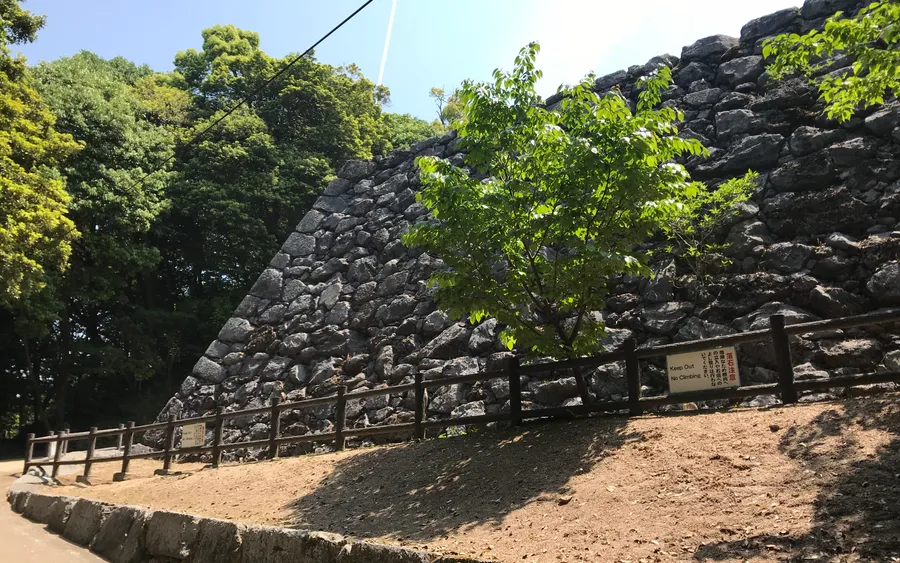
  2. Stone base of Iwakuni Castle keep2

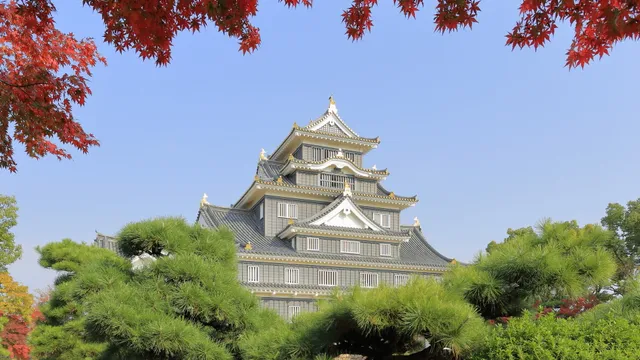
    11:00 AM — Iwakuni Castle by Ropeway

    From the far side of Kintaikyo, a short ropeway climbs to Iwakuni Castle, a reconstructed keep offering wide views back over the bridge, the Nishiki River, and the city below. The ropeway's lower station is a five-minute walk from the bridge, and the castle itself another five minutes on from the upper station — an easy, scenic couple of hours before heading back.

    Ropeway: 9:00 AM – 4:45 PM, last entry 4:30 PM; irregular closures for maintenance3 Yokoyama, Iwakuni, Yamaguchi 741-0081
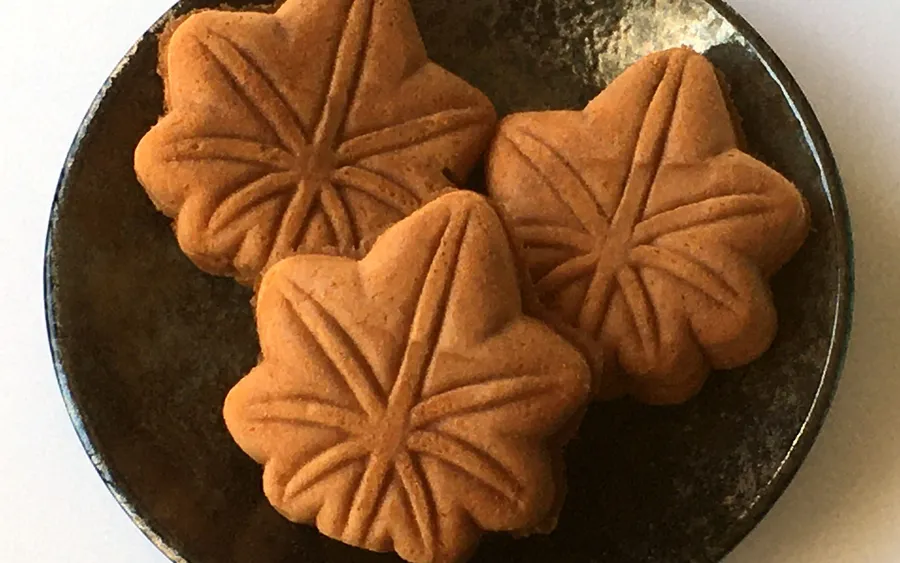
  3. Momiji manju, Yamadaya3

    1:30 PM — Momiji Manju & Return to Hiroshima

    Before heading back, pick up a last box of momiji manju, the maple-leaf cake invented on Miyajima in 1906, from one of the shops near the bridge — a fitting way to close out three days that started at the Dome and ended at a 17th-century bridge in the next prefecture over. From Iwakuni or Shin-Iwakuni, the return to Hiroshima retraces the morning's route, with plenty of afternoon left for onward travel.

Keep reading

More guides you might like

Nearby

Related destinations

Continue

Related services

Easy Travel in Japan