Skip to content
Easy Travel in Japan
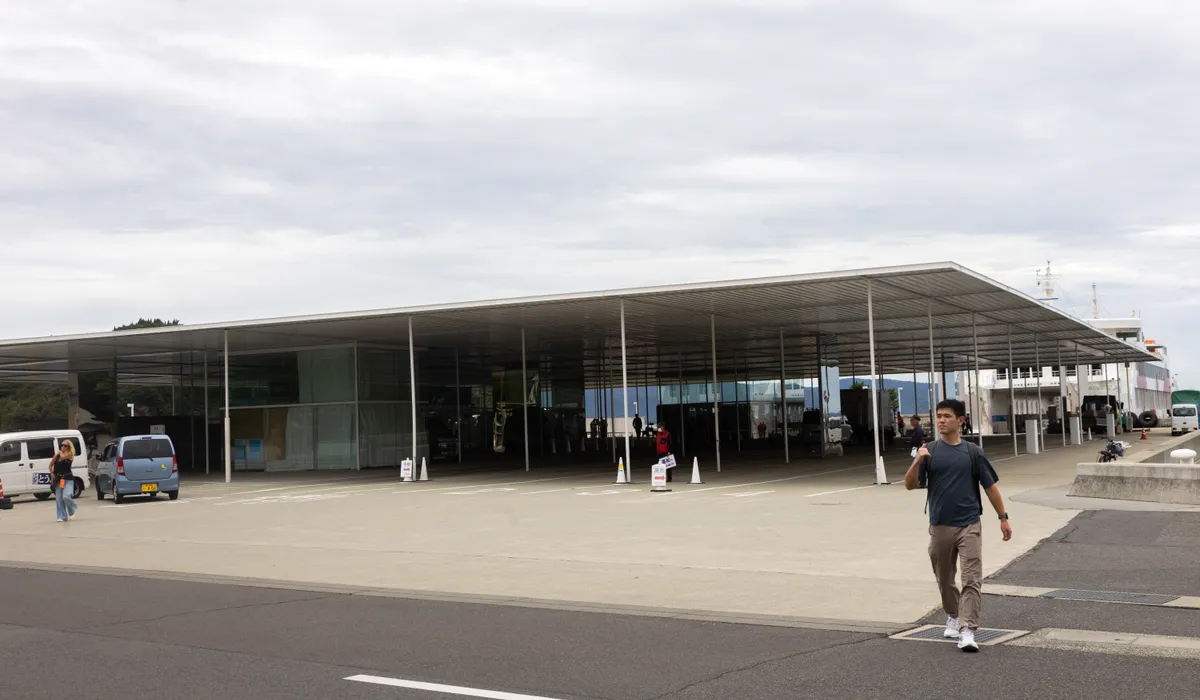
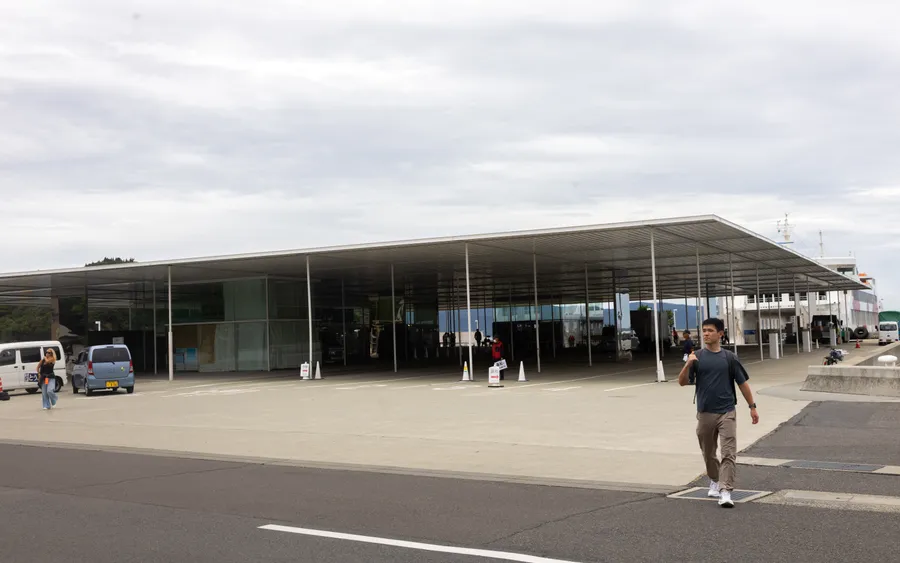
Naoshima Ferry Terminal, Miyanoura (SANAA)

The Perfect 2-Day Takamatsu Itinerary

Takamatsu splits neatly into two very different days: a historic city core built around Ritsurin Garden and the seaside ruins of Takamatsu Castle, and a full day out on Naoshima, the small island that’s turned itself into one of the more unlikely centers of contemporary art anywhere in Japan. It’s built as a standalone two-day trip, but Takamatsu’s position as Shikoku’s rail and ferry gateway means either day works just as well tacked onto a longer Chugoku or Shikoku itinerary — and Teshima, a further ferry ride beyond Naoshima, is worth a third day for anyone with more time to spend on the water.

Day 1: Takamatsu City

The garden, the castle, and the food that make central Takamatsu worth a full day on its own.

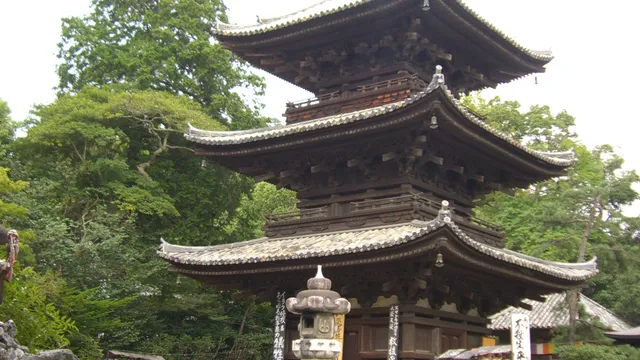
  1. Ritsurin Garden, Takamatsu1

    9:00 AM — Ritsurin Garden

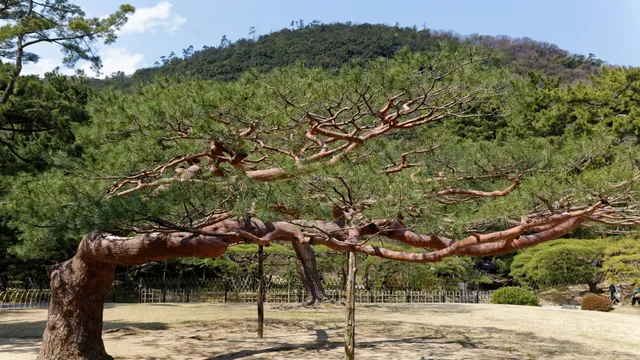
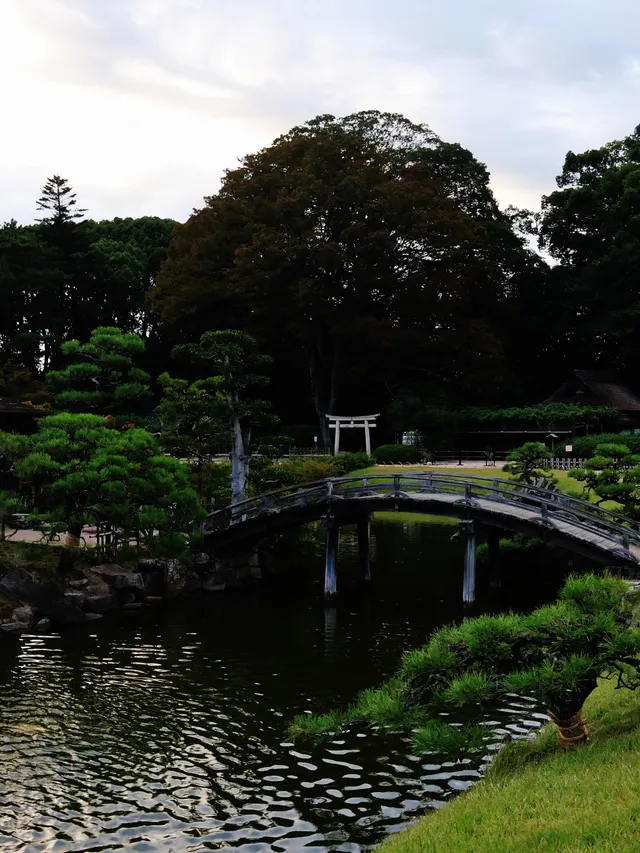
    Start at Ritsurin Garden, a 75-hectare circuit garden begun in 1625 and rated three stars in the Michelin Green Guide Japan — the top rating a garden can earn. Give it a slow 90 minutes to walk its ponds and hills as intended, in sequence, with Mount Shiun rising behind it as borrowed scenery; a boat ride across South Lake Pond, poled by a boatman in traditional dress, is worth the extra time if you have it.

    Sunrise to sunset, hours vary by month; ¥410 adult admission1-20-16 Ritsurin-cho, Takamatsu 760-0073
  2. Takamatsu Castle ruins, Tamamo Park2

    11:00 AM — Takamatsu Castle Ruins (Tamamo Park)

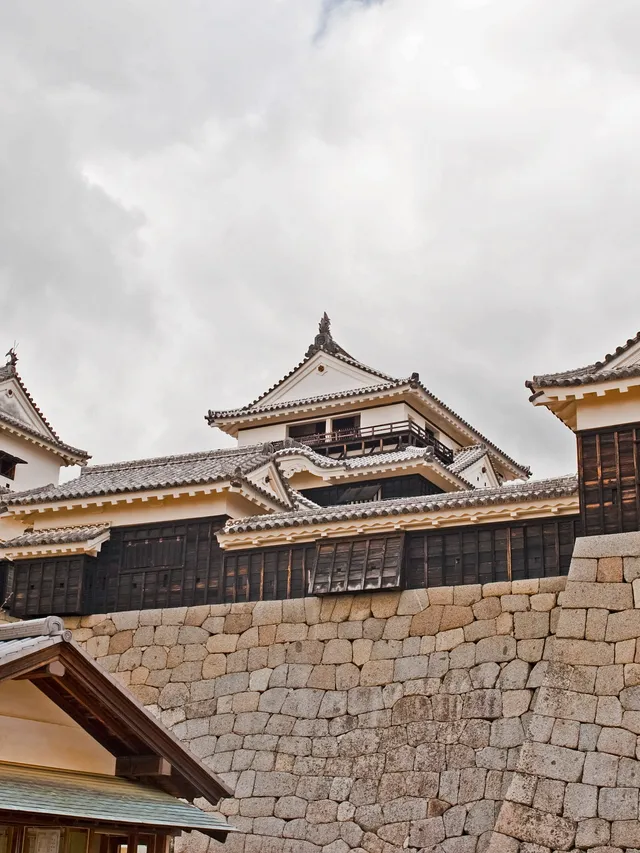
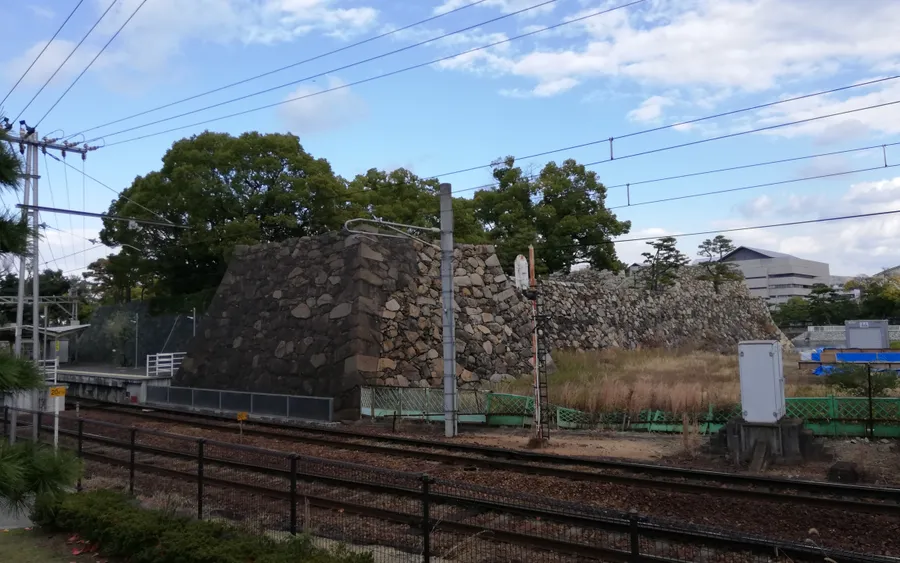
    A short bus or tram ride back toward the station brings you to Tamamo Park, the seaside ruins of Takamatsu Castle, one of only three Japanese castles built with a moat that draws seawater directly from the ocean. The main keep is long gone, but two surviving corner turrets, a restored moon-viewing turret, and the reconstructed Hiunkaku guesthouse are enough to fill an easy 45 minutes to an hour.

    Hours vary seasonally; ¥200 adult admission2-1 Tamamocho, Takamatsu 760-0030
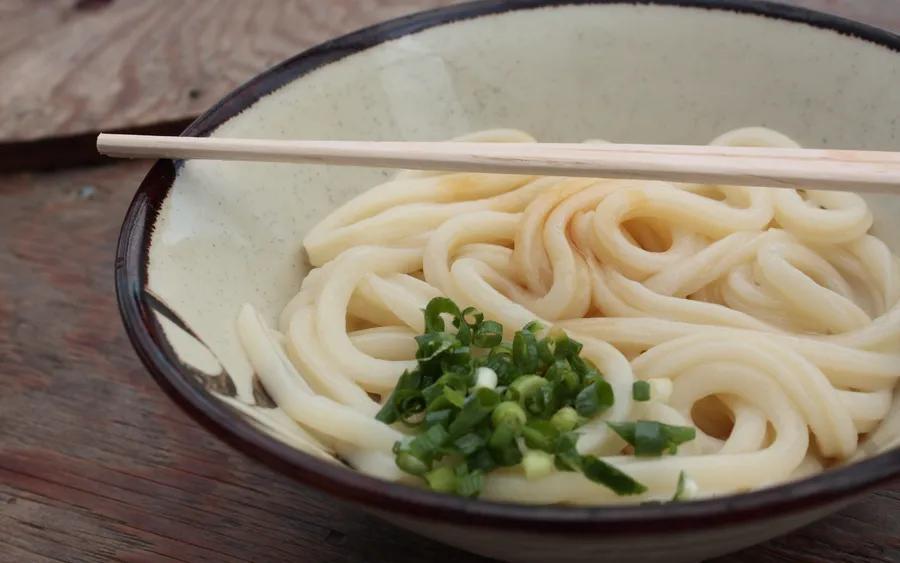
  3. Kama-age sanuki udon, Takamatsu3

    12:30 PM — Sanuki Udon Lunch

    Break for Sanuki udon, the thick, chewy noodle Kagawa is named for and quietly obsessed with — self-serve shops near the station let you scoop your own noodles and toppings for a fast, cheap lunch, while sit-down restaurants offer a slower version of the same bowl. Tradition credits the monk Kukai, born in Sanuki, with bringing the noodle technique back from China in the 9th century, though the udon-as-brand identity is really a 20th-century invention.

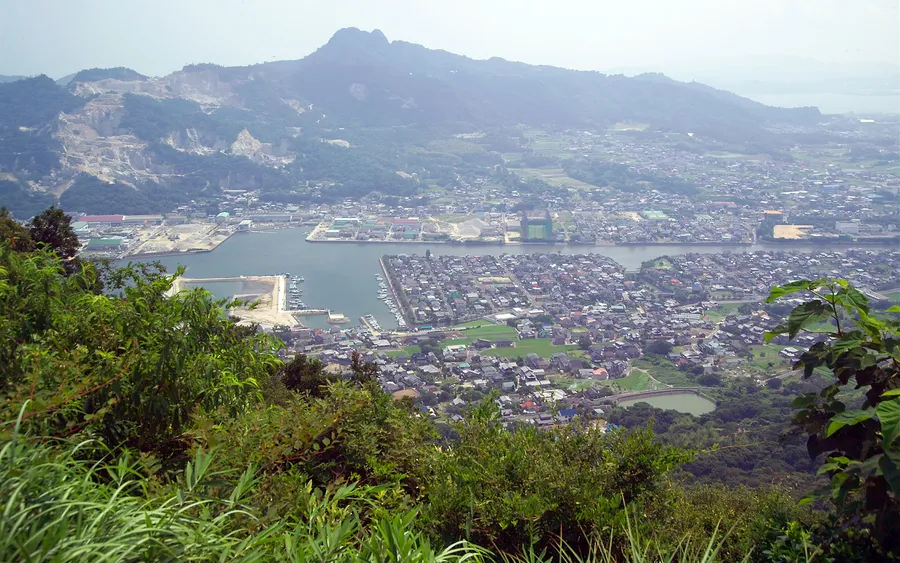
  4. Battle of Yashima site, Takamatsu4

    2:00 PM — Yashima

    Take a bus or short taxi ride out to Yashima, the flat-topped mesa where the Taira clan made their last stand before their final defeat in the Genpei War in 1185. A ropeway climbs to the plateau, where an observation deck looks out over Takamatsu, the Seto Inland Sea, and the islands you'll be visiting tomorrow — a good way to preview the geography before the ferry crossing.

  5. Honetsuki-dori, Marugame5

    6:00 PM — Honetsuki-dori Dinner

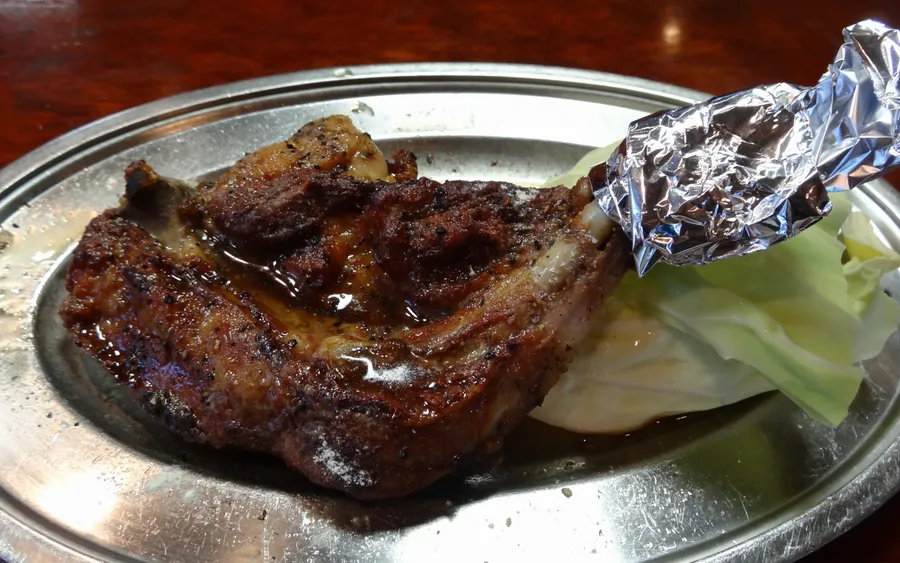
    Close out the day with honetsuki-dori, Kagawa's other signature dish — a bone-in chicken thigh grilled hot and fast until the skin is charred and crisp, torn straight off the bone and eaten with a side of raw cabbage and a rice ball. Most specialty restaurants let you choose between hina-dori, a younger, more tender bird, and oya-dori, an older bird with a chewier, stronger-flavored bite.

Day 2: Naoshima Art Island

A full day out on the Seto Inland Sea, built around the museums and installations that turned a quiet fishing island into a global art destination.

  1. Naoshima Ferry Terminal, Miyanoura (SANAA)1

    8:00 AM — Ferry to Naoshima

    From Takamatsu Port, a short walk from the station, high-speed boats and slower ferries cross to Naoshima's Miyanoura Port in roughly 25 to 60 minutes depending on the boat. Miyanoura's own ferry terminal, a glass-and-steel canopy designed by the architecture firm SANAA, is worth a look on arrival — it's as much a piece of the island's art identity as anything you'll see later in the day.

  2. Chichu Art Museum, Naoshima2

    9:00 AM — Chichu Art Museum & Benesse House

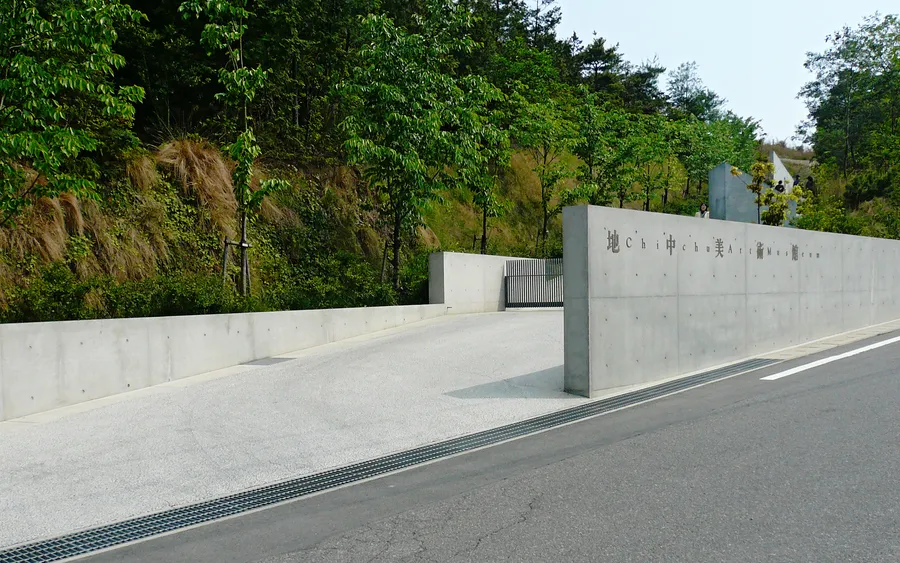
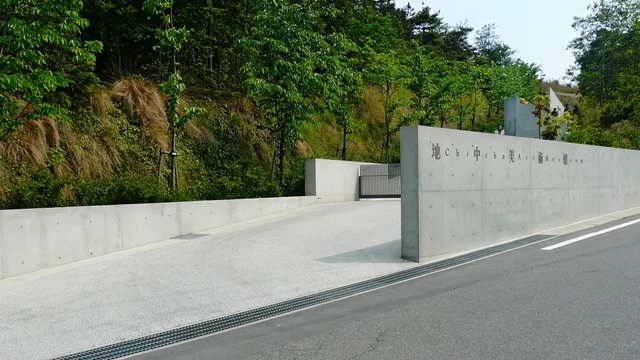
    From Miyanoura, a bus covers the 10 minutes to the Benesse House area, where the Chichu Art Museum sits almost entirely underground, lit only by natural light, with permanent installations by Claude Monet, James Turrell, and Walter De Maria. Book timed tickets online well in advance — they routinely sell out — and budget at least two hours between the museum, the Benesse House sculpture park along the shoreline, and Yayoi Kusama's yellow pumpkin sculpture nearby.

    10:00 AM – 6:00 PM (Mar–Sep), 10:00 AM – 5:00 PM (Oct–Feb); closed Mondays; tickets must be booked online in advance3449-1 Naoshima, Kagawa-gun 761-3110
  3. Shodoshima Olive Park, Shodo Island3

    1:00 PM — Olive-Fed Beef Lunch

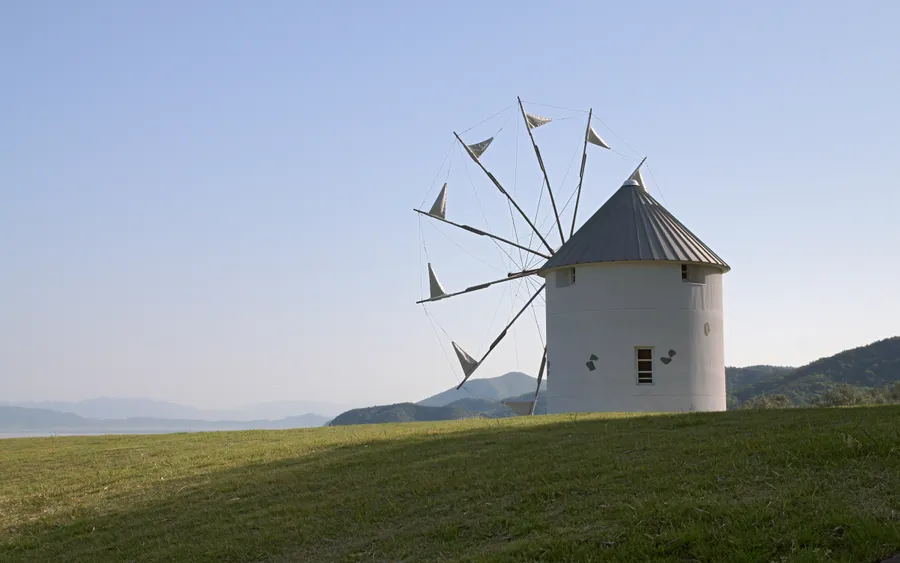
    Break for lunch at one of the cafes near Benesse House or back in Miyanoura, and look for Olive Beef or Olive Hamachi on the menu — Kagawa's branded, olive-fed proteins, raised on feed mixed with the pressed olive pulp left over from oil production on nearby Shodoshima. It's a small taste of the wider olive-growing tradition that gives the prefecture its official tree, even from an island better known for art than agriculture.

  4. Art House Project, Honmura, Naoshima4

    2:30 PM — Honmura's Art House Project

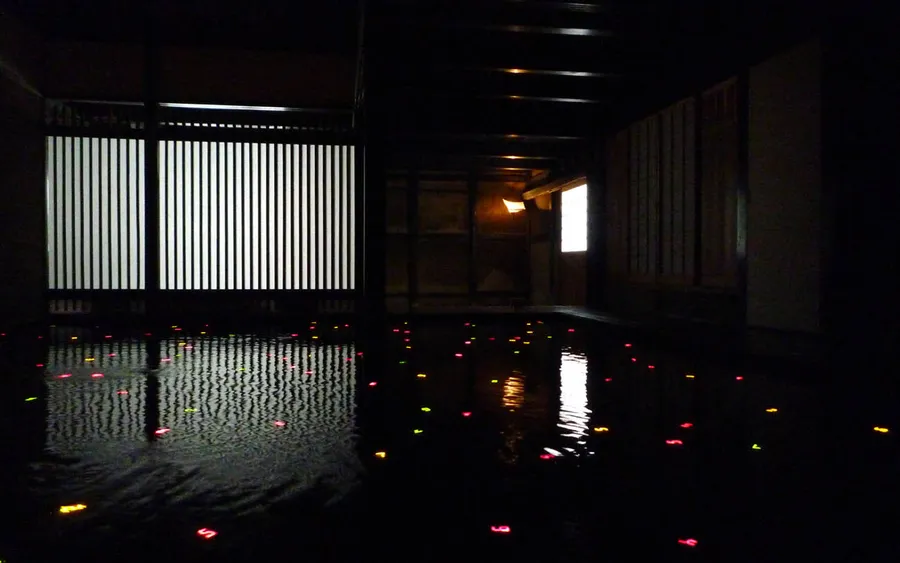
    Take the bus or a bike to Honmura, on the island's east side, where the Art House Project has turned ordinary abandoned houses into individual artworks since 1998. A single combined ticket covers most of the houses, including Minamidera's pitch-black James Turrell installation and Kadoya's pool of illuminated LED counters — a quieter, more residential note to end the day on before the ferry back to Takamatsu.

Keep reading

More guides you might like

Nearby

Related destinations

Continue

Related services

Easy Travel in Japan