 Easy Travel in Japan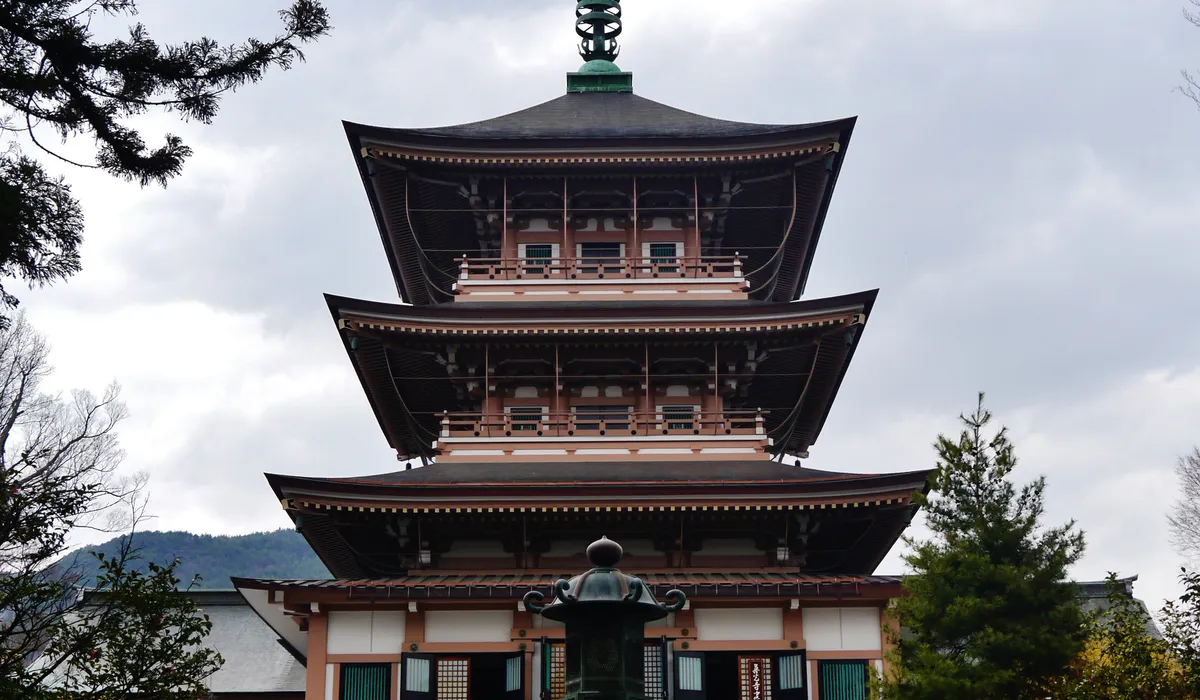
Nagano
A pilgrimage temple town and former Winter Olympic host, and the closest base for the Jigokudani snow monkeys.
Nagano is the capital of Nagano Prefecture, sitting at over 370 meters elevation in a mountain basin that makes it the highest-altitude prefectural capital in Japan. The city grew up as a temple town around Zenko-ji, founded in the 7th century, and gained a very different kind of fame in 1998, when it hosted the Winter Olympic and Paralympic Games — an event that brought the Hokuriku Shinkansen link to Tokyo and left venues still in use around the city today. That combination of a major living pilgrimage site and a genuine Olympic legacy, plus easy access to the Japan Alps and the famous Jigokudani snow monkeys, gives Nagano a distinct role as both a spiritual destination and a gateway to mountain Japan.
Highlights & things to do
Zenko-ji is a National Treasure temple with roughly 1,400 years of pilgrimage history, jointly run by Buddhist priests from two different sects and historically open to all pilgrims regardless of background. Its central Buddhist statue, said to be the first ever brought to Japan, has been hidden from public view — even from the temple’s own chief priest — for over a thousand years. Beneath the altar, visitors can descend into a completely dark corridor and feel along the wall for a metal key believed to connect them to the hidden statue and grant a promise of salvation. The adjoining Nagano Prefectural Shinano Art Museum holds a wing dedicated to landscape painter Higashiyama Kaii, who donated around 950 of his works.
Nagano’s 1998 Olympic legacy remains visible at M-Wave, Japan’s first indoor 400m speed-skating rink, and Big Hat, the ice hockey venue, both still used for sports and events. About 40–50 minutes from the city by bus, Jigokudani Monkey Park, in the separate town of Yamanouchi, is famous for wild Japanese macaques bathing in a hot spring — reaching the park itself requires a final walk of around 30 minutes through forest. Roughly 45–70 minutes away, the Togakushi area combines a mountain shrine complex honoring sacred Mount Togakushi, a well-known cedar-lined approach, and a local soba tradition.
Food & local cuisine
Nagano’s cool mountain climate and volcanic soil make it one of Japan’s most respected soba-growing regions, with Togakushi soba a particularly well-known local variety. Oyaki — dough wrapped around fillings like pickled greens, eggplant miso, or pumpkin, then roasted or steamed — is a genuine regional specialty. The prefecture is also a major apple-growing region and has the second-highest number of sake breweries of any prefecture in Japan.
Culture & traditions
Zenko-ji’s defining trait is its all-welcoming, non-denominational status, which has drawn pilgrims “at least once in a lifetime” for centuries. Roughly every six years, the temple holds its Gokaicho ceremony, publicly displaying a replica of the normally hidden statue; the most recent ran in 2022, with the next slated for 2027, drawing millions of visitors. In mid-to-late February, the Nagano Tomyo Lantern Festival lights the temple in Olympic-themed colors to commemorate the 1998 Games.
Nature & scenery
Nagano city is ringed by mountains and sits near the confluence of the Chikuma and Sai Rivers, reinforcing its role as a gateway to the Japan Alps. The Togakushi area adds forested mountain shrine scenery centered on the sacred peak, connected by trails between its sub-shrines.
Seasonal travel
Winter is when the Jigokudani monkeys are most reliably seen bathing in their hot spring, snow blanketing the valley, and the region’s ski heritage from the 1998 Olympics is still visible at nearby Hakuba and Shiga Kogen. Spring cherry blossoms typically arrive in early-to-mid April. Autumn, especially October, brings foliage around Zenko-ji and the Togakushi cedar avenue, alongside local food festivals.
Recommended experiences
Walk the pitch-dark Okaidan Meguri beneath Zenko-ji’s altar. Day-trip to see the wild snow monkeys at Jigokudani, ideally in winter. Hike the cedar-lined approach to Togakushi Shrine and try the local soba.
Getting there & practical info
The Hokuriku Shinkansen’s fastest Kagayaki service reaches Nagano from Tokyo in around 80 minutes. Nagano is the natural base for day trips to Jigokudani and Togakushi, and connects onward to Matsumoto by JR Limited Express Shinano in about 50 minutes.
Who this suits
Suits pilgrims and culturally curious travelers drawn to Zenko-ji, winter sports and Olympic history fans, wildlife travelers hoping to see the snow monkeys, and anyone looking for genuine regional soba and mountain food.
A closer look at Nagano
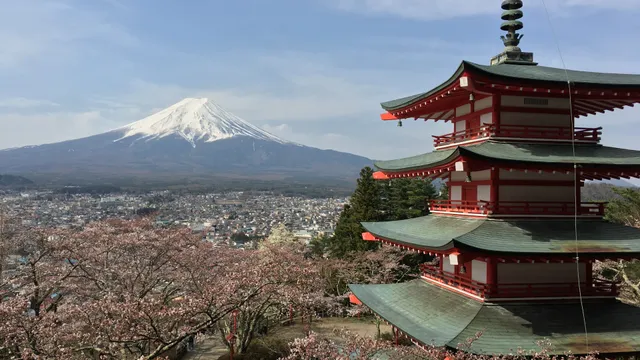
12 Best Things to Do in Japan
From Nara's bowing deer and Miyajima's floating torii to snow monkeys soaking in a Nagano hot spring, twelve unforgettable Japan experiences — and what to know before you visit each one.
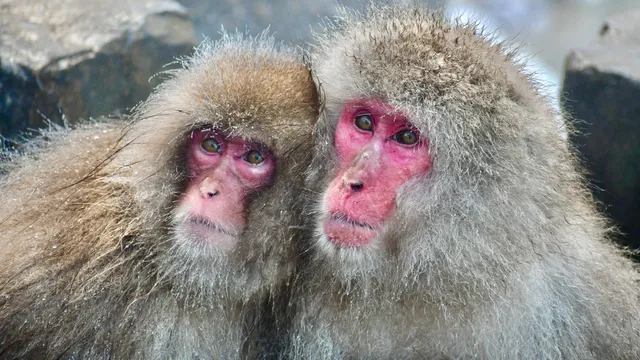
8 Best Things to Do in Nagano
A quick, friendly rundown of Nagano's biggest highlights — from a 1,400-year-old temple with a pitch-dark pilgrimage tunnel to wild snow monkeys soaking in a hot spring — a good starting point for a first visit to this temple town.
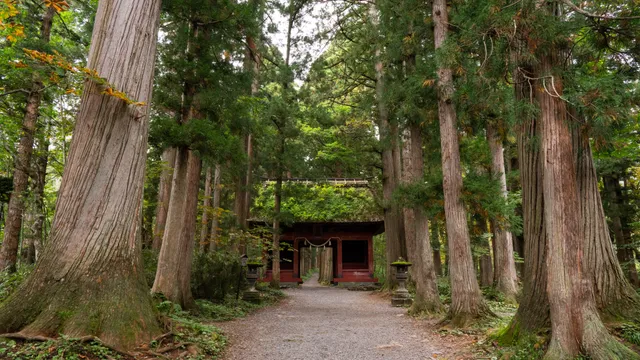
The Perfect 2-Day Nagano Itinerary
A well-paced two days through Nagano: the temple and Olympic city on day one, then a mountain shrine and its own soba tradition on day two — everything you need for a proper visit, with the snow monkeys as an easy swap if wildlife matters more to you than the shrine.
Related destinations
Useful services for this trip
Train Tickets
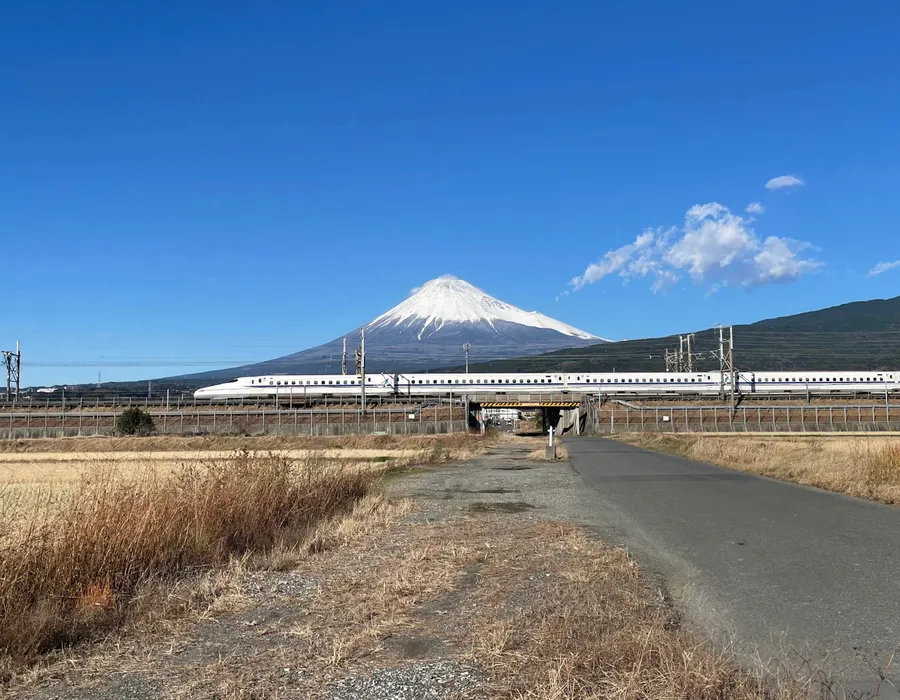
Book shinkansen and local rail tickets in advance and skip the station ticket-counter queue.
Explore Train Tickets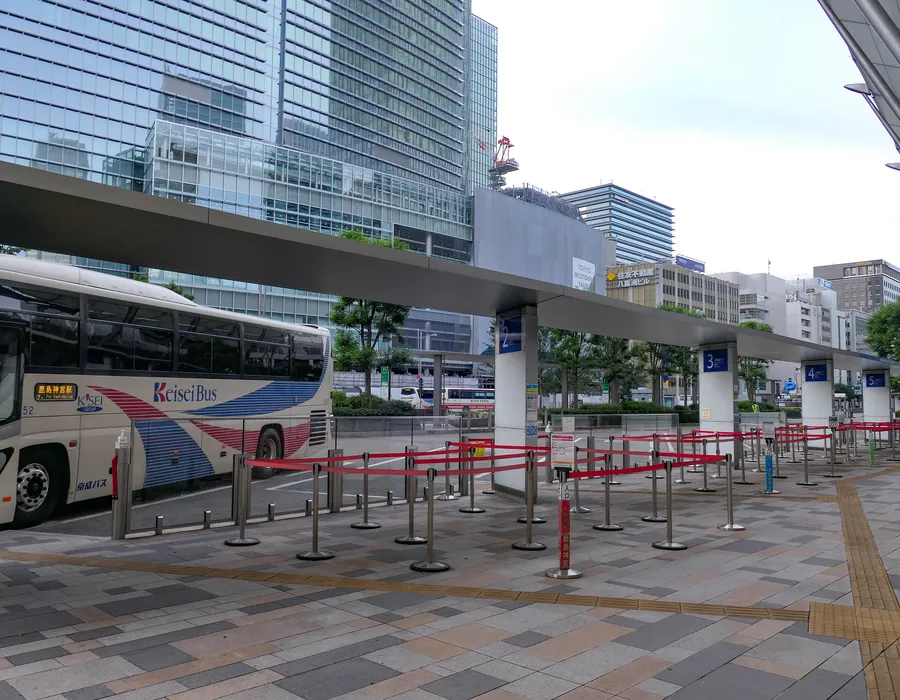
Bus Tickets
Book highway, overnight, and tour buses across Japan — an affordable way to reach cities and sights that trains skip.
Explore Bus Tickets
eSIM & Wi-Fi
Stay connected in Japan with an eSIM or pocket Wi-Fi, without hunting for a local SIM shop.
Explore eSIM & Wi-Fi