 Easy Travel in Japan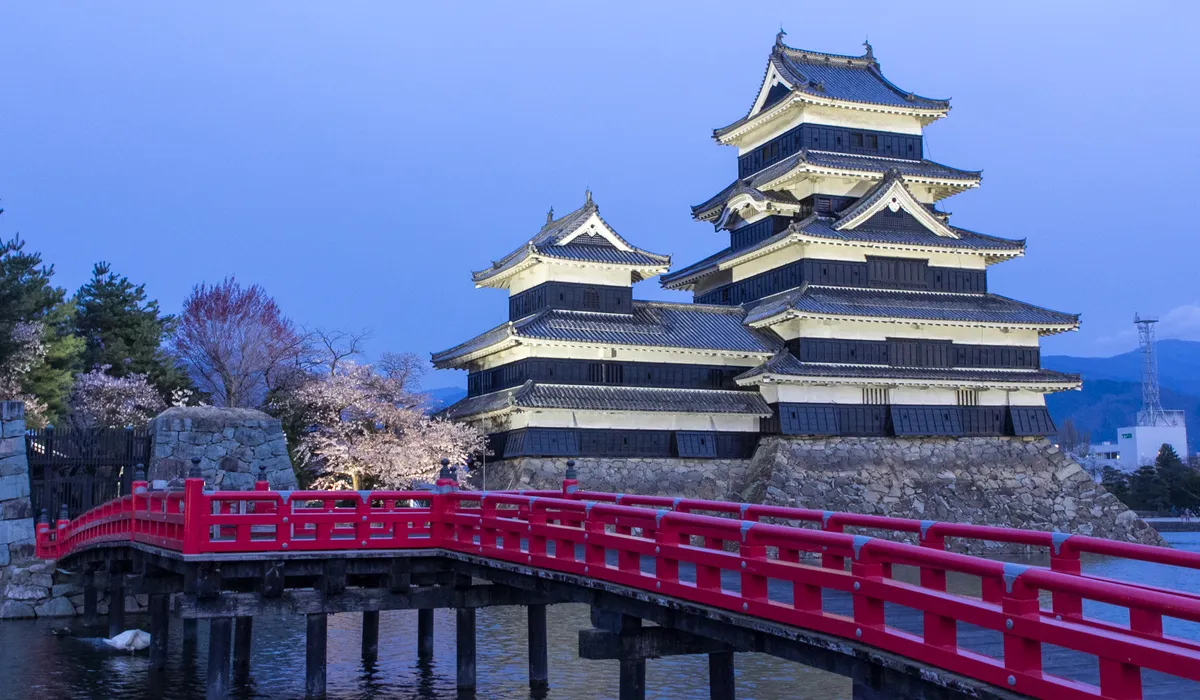
Matsumoto
A castle town in the Japan Alps, home to one of the country's few original wooden castle keeps.
Matsumoto is Nagano Prefecture’s second-largest city, built around one of Japan’s most striking original castles and positioned as a natural gateway to the Japan Alps. Construction of Matsumoto Castle began around 1590 under the Ishikawa clan, replacing an earlier fortification on the same site, and its keep — one of only twelve in Japan that survive in original, non-reconstructed form — has stood for roughly 400 years. That mix of a rare historic castle with direct access to alpine scenery like Kamikochi gives Matsumoto a different character from Japan’s larger castle towns: compact, walkable, and mountain-facing.
Highlights & things to do
Matsumoto Castle, nicknamed the “Crow Castle” for its black lower walls set against white upper plaster, is a National Treasure — its five-tiered, six-story main keep (with one hidden floor) is one of the very few in Japan never rebuilt in concrete. Visitors climb the original steep wooden staircases past displays of armor and weaponry to an observation floor looking out toward the Northern Alps.
Nakamachi Street, once home to sake brewers and kimono wholesalers, preserves a row of white-and-black plastered kura storehouses now filled with craft shops and cafés. A short walk away, Nawate Street — nicknamed “Frog Street” for the frogs once common along its riverside — runs between a small frog shrine and the Metoba River, lined with dozens of small shops. The Matsumoto City Museum of Art holds a significant collection connected to Yayoi Kusama, who was born in the city, including a large outdoor sculpture and a recreated studio installation.
Just north of the city, Azumino is home to Daio Wasabi Farm, Japan’s largest wasabi farm, a popular half-day trip. Further afield, the highland valley of Kamikochi, roughly 1,500m in elevation, is one of the most-visited spots in the Japan Alps, reached from Matsumoto by a combination of train, bus, or direct highway bus.
Food & local cuisine
Shinshu soba — buckwheat noodles made with a high proportion of buckwheat flour, often whole-grain — is a signature Nagano Prefecture specialty, and Matsumoto is a good base for trying it. Basashi, thinly sliced horse meat sashimi typically served with garlic and miso, is a genuine regional specialty here, with some restaurants in the city having served it for over a century.
Culture & traditions
Matsumoto Bon Bon, the largest summer festival in Nagano Prefecture, fills the streets between the station and the castle on the first Saturday of August, descended from an older Obon tradition of girls parading in yukata with lanterns. In the same month, Takigi Noh brings torch-lit outdoor Noh and Kyogen performances to the castle’s inner garden.
Nature & scenery
Matsumoto sits at the foot of the Japan Alps, and the view from the castle’s top floor stretches across the city to the peaks beyond. Kamikochi and the Norikura Highlands are both reachable by bus for hiking and mountain scenery, while the Utsukushigahara Highlands, a roughly 2,000m plateau east of the city, is one of Japan’s widest plateaus, with grazing cattle and views that can extend to Mount Fuji on a clear day.
Seasonal travel
Spring brings around 300 cherry trees into bloom around the castle and moat, typically in early April, with a night illumination event timed to the peak. Summer is when Kamikochi and Norikura are open and at their most accessible, alongside the Matsumoto Bon Bon festival in August. Autumn brings foliage to the surrounding highlands. Winter closes Kamikochi and Norikura to regular visitor transport (the valley’s official season runs roughly mid-April to mid-November) while the city itself can see mountain-influenced cold.
Recommended experiences
Climb the original wooden staircases inside Matsumoto Castle’s keep. Rent a kimono and stroll Nakamachi Street. Day-trip to Kamikochi or the Daio Wasabi Farm in Azumino. Catch the Takigi Noh performance in the castle grounds if visiting in August.
Getting there & practical info
The JR Limited Express Azusa runs directly from Shinjuku in Tokyo to Matsumoto in roughly 2.5 hours. From Nagano city, the Limited Express Shinano covers the distance in about 50 minutes, and continues on to Nagoya in around 2 hours. Matsumoto Bus Terminal, a short walk from the station, is the hub for buses into Kamikochi and Norikura, and also connects to Takayama by direct highway bus in about 2.5 hours.
Who this suits
Suits history and castle enthusiasts drawn to one of Japan’s few original keeps, mountain travelers using the city as a base for Kamikochi, and art lovers interested in the city’s Yayoi Kusama connection.
A closer look at Matsumoto
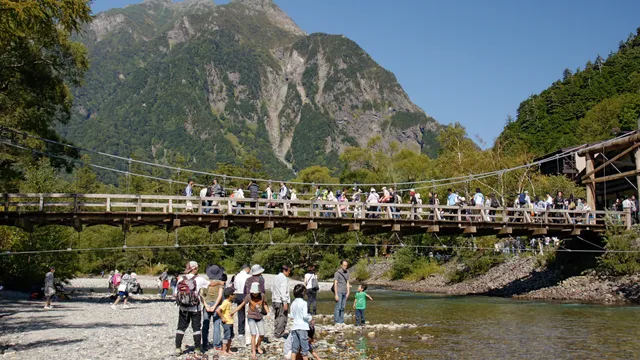
9 Best Things to Do in Matsumoto
A quick, friendly rundown of Matsumoto's biggest highlights — from one of Japan's few original castle keeps to a suspension bridge deep in the Northern Alps — a good starting point for a first visit to this castle town.
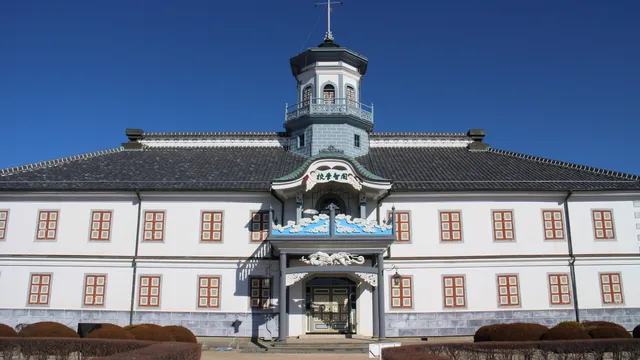
The Perfect 2-Day Matsumoto Itinerary
A well-paced two days through Matsumoto: the castle and old merchant streets on day one, then a full day up in the Japan Alps at Kamikochi — everything you need for a proper visit to this castle town and the mountain scenery just beyond it.
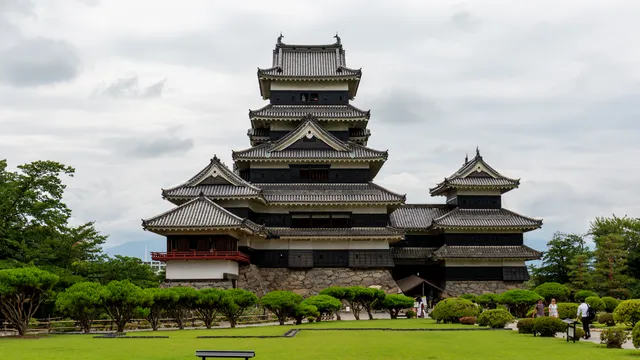
The Ultimate Matsumoto Travel Guide
A castle town at the foot of the Japan Alps, home to one of the country's few original wooden castle keeps and a natural gateway to the mountain scenery of Kamikochi. A friendly starting point for planning a visit.
Related destinations
Useful services for this trip
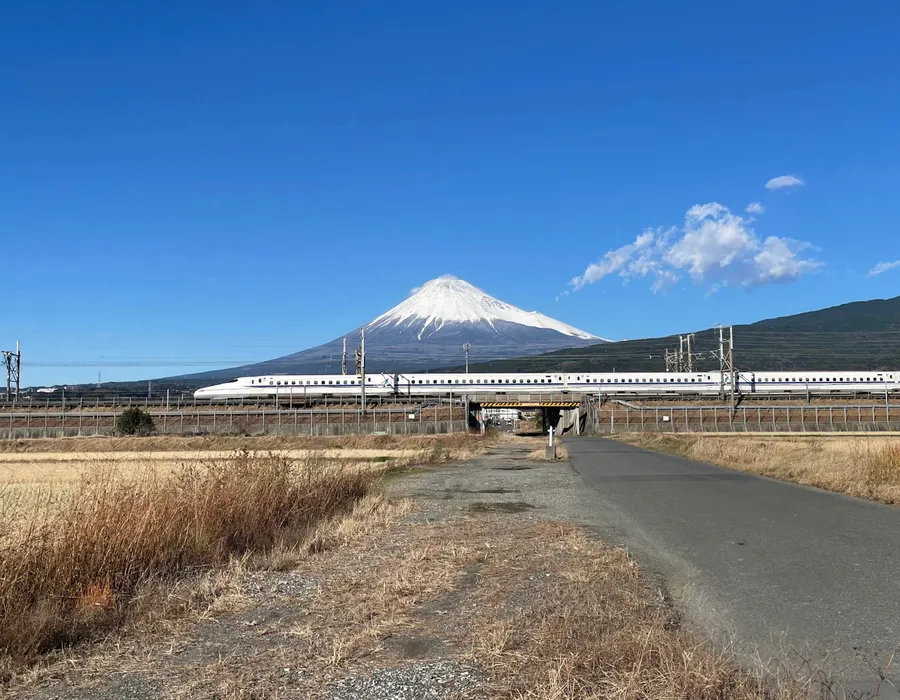
Train Tickets
Book shinkansen and local rail tickets in advance and skip the station ticket-counter queue.
Explore Train Tickets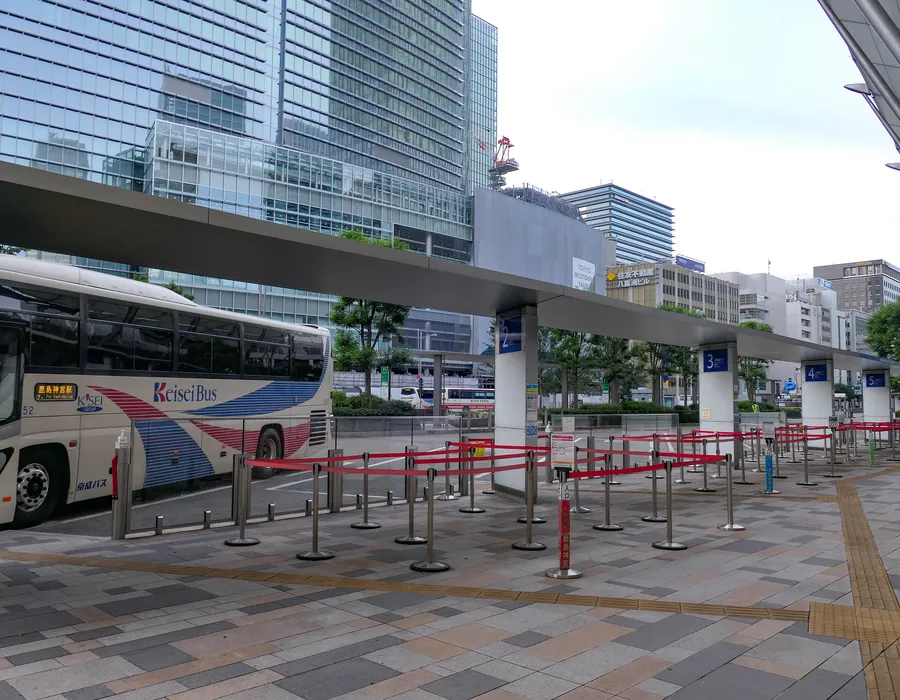
Bus Tickets
Book highway, overnight, and tour buses across Japan — an affordable way to reach cities and sights that trains skip.
Explore Bus Tickets
eSIM & Wi-Fi
Stay connected in Japan with an eSIM or pocket Wi-Fi, without hunting for a local SIM shop.
Explore eSIM & Wi-Fi