 Easy Travel in Japan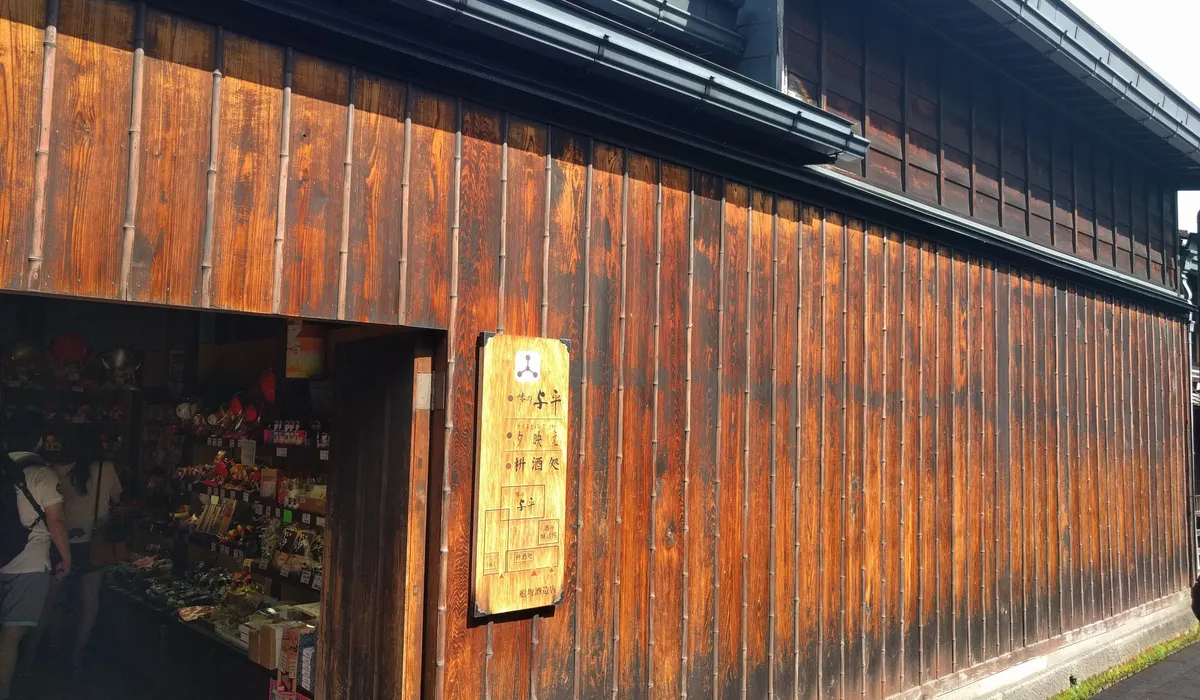
Takayama
A beautifully preserved mountain town in the Hida region, known for its old town and twice-yearly festival.
Takayama sits in the mountainous Hida region of northern Gifu Prefecture, in Japan’s largest municipality by land area, though most of that area is forested mountains rather than city. During the Edo period, Hida was placed under the shogunate’s direct control rather than a local feudal lord — a consequence of the region’s valuable timber, skilled carpenters, and mineral deposits — and a magistrate’s office administered the area from 1692 to 1871. That remoteness helped insulate Takayama from later wartime destruction and modern redevelopment, leaving it with one of Japan’s best-preserved Edo-period old towns, sometimes nicknamed “Little Kyoto” for the resemblance.
Highlights & things to do
The Old Town (Sanmachi Suji) preserves three parallel streets of dark-wood merchant houses with latticed windows and eaves-side water channels, officially protected as a “Preservation District for Groups of Traditional Buildings.” Takayama Jinya, the former Hida provincial government office used by shogunate magistrates from 1692 to 1871, is the only surviving building of its kind in Japan — roughly 60 such regional government offices once stood nationwide, and this is the last one standing. Two morning markets, Jinya-mae and Miyagawa, both trace back over a century and remain farmer-run affairs today.
The Hida Folk Village (Hida no Sato), an open-air museum established in 1971, relocated more than 30 traditional farmhouses from around the region, including steep-roofed gassho-zukuri houses with fireplaces lit each morning. The Higashiyama Walking Course threads through a temple town where more than a dozen temples and shrines were relocated in the 16th century to form a spiritual barrier east of the former castle, continuing into the wooded grounds of Shiroyama Park. The Takayama Festival Floats Exhibition Hall, beside Hachiman Shrine, is the only place to see the elaborately carved and gilded festival floats outside of the festivals themselves.
Food & local cuisine
Hida beef, a Kuroge Washu wagyu brand raised in Gifu Prefecture for at least 14 months, is prized for its fine marbling and tender texture. Sansai, foraged mountain vegetables like fiddlehead ferns and wild mushrooms, appear as tempura or dressed greens through spring and autumn. Hida soba and a distinctive soy-sauce-only (rather than sweetened) style of mitarashi dango are well-known street foods in the old town, where around seven historic sake breweries — some 300 to 400 years old — still operate and offer tastings, identifiable by the cedar-frond balls hung outside their doors.
Culture & traditions
The Takayama Festival is held twice yearly: the spring Sanno Matsuri on April 14–15, centered on Hie Shrine, and the autumn Hachiman Matsuri on October 9–10, centered on Sakurayama Hachimangu Shrine. Together the two festivals field 23 ornately carved and gilded floats, some carrying mechanical marionettes worked by puppeteers pulling dozens of strings, and the floats are recognized as Important Tangible Folk Cultural Properties. In 2016, the festival’s floats were included in a UNESCO Intangible Cultural Heritage listing covering 33 float festivals across Japan. The city’s carpentry tradition, known as Hida no Takumi, is directly tied to why the shogunate valued and controlled the region, and continues in Takayama’s woodworking culture today.
Nature & scenery
Takayama sits within the Hida Mountains, part of the Japanese Alps, and the Miyagawa River runs directly through the town center past the riverside morning market. The area is one of Japan’s heavier snowfall regions, and winters blanket the old town and surrounding mountains in white.
Seasonal travel
Spring brings the Sanno Matsuri in mid-April. Autumn foliage generally peaks from mid-to-late October into early November, earlier than in Tokyo or Kyoto given the elevation, alongside the Hachiman Matsuri festival. Winter, cold and snowy from mid-December to late February, pairs well with side trips to snow-covered Shirakawa-go and nearby Okuhida onsen villages.
Recommended experiences
Walk the old town sampling sake at several historic breweries. Browse the Miyagawa or Jinya-mae morning markets. Eat Hida beef at an old-town restaurant. Tour Takayama Jinya’s preserved government rooms. Time a visit around the spring or autumn Takayama Festival if the dates align.
Getting there & practical info
The JR Limited Express Hida runs directly from Nagoya in around 2 hours 20 minutes, roughly hourly, and is covered by the Japan Rail Pass. From Tokyo, most routes connect via Nagoya, for a total of around 4.5 hours, or a direct highway bus from Shinjuku takes about 5.5 hours. Takayama is also the primary gateway to Shirakawa-go, with hourly direct buses making it an easy day trip, and connects to Matsumoto by direct highway bus in around 2.5 hours through the Northern Alps.
Who this suits
A strong fit for history and architecture enthusiasts, festival and culture travelers able to time a visit around the Takayama Festival, food and sake travelers, and anyone using the town as a base for Shirakawa-go or the wider Hida region.
A closer look at Takayama
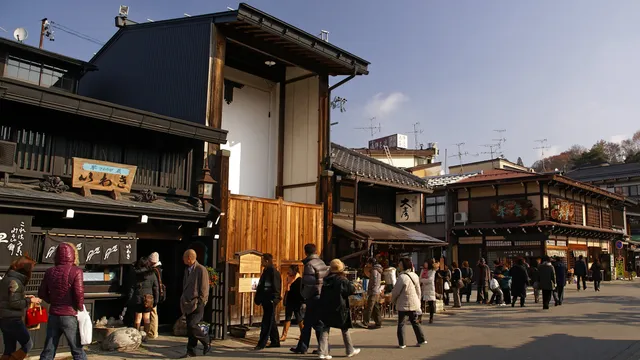
10 Best Things to Do in Takayama
A quick, friendly rundown of Takayama's best-preserved streets, historic government office, riverside markets, and Hida regional cooking — a good starting point for a first visit to this mountain town in the Japanese Alps.
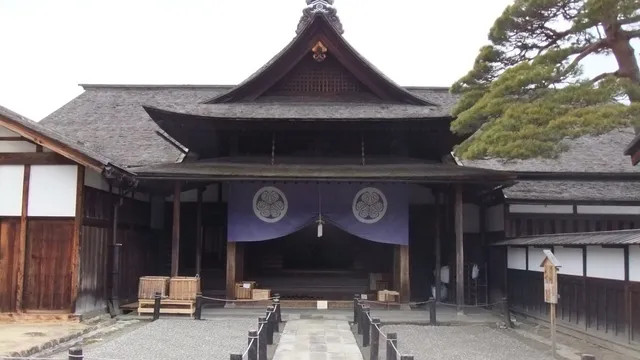
The Perfect 2-Day Takayama Itinerary
A well-paced two days through Takayama: the historic government office, old town, and sake breweries on day one, then the riverside morning market, festival shrine, and Hida Folk Village on day two — everything you need for a proper visit to this Hida mountain town.
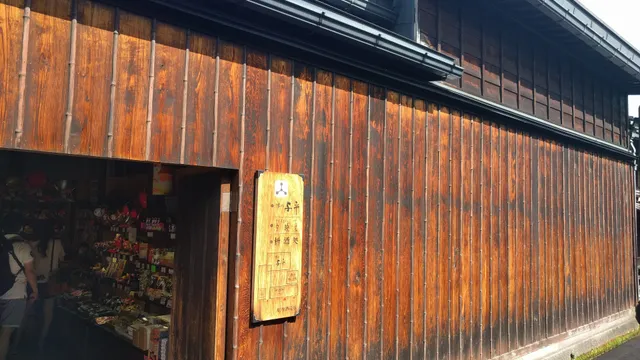
The Ultimate Takayama Travel Guide
A beautifully preserved Edo-period mountain town in the Hida region, sometimes nicknamed "Little Kyoto" — the old town, historic government office, riverside markets, festival culture, and regional cooking that make Takayama worth more than a passing stop on the way to Shirakawa-go.
Related destinations
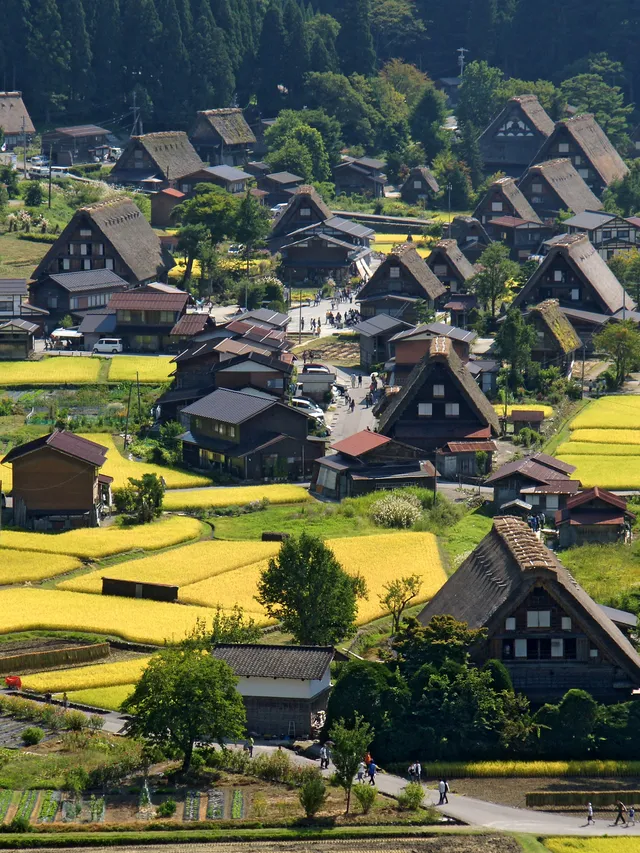
Shirakawa-go
A UNESCO-listed mountain village of steep thatched-roof farmhouses, best visited as a day trip from Takayama or Kanazawa.
Explore Shirakawa-go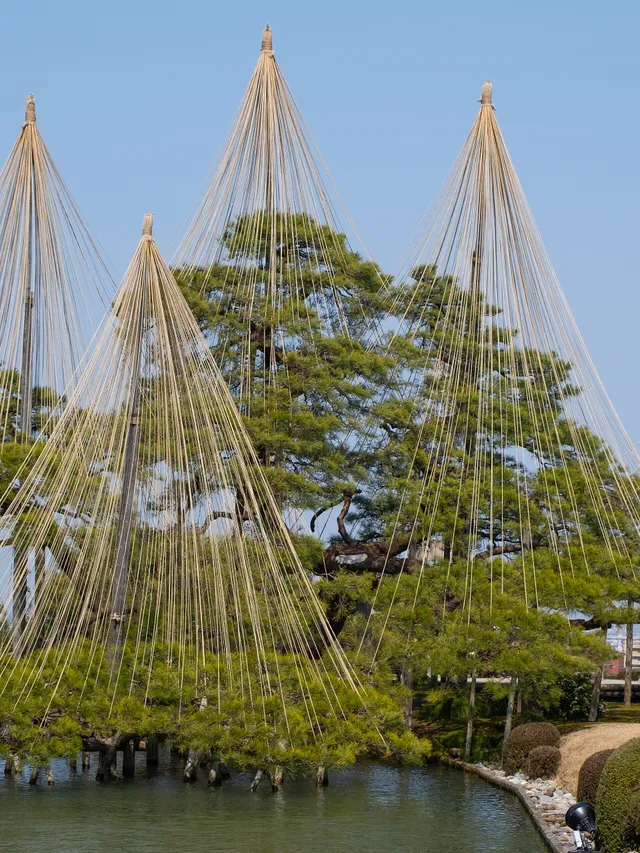
Kanazawa
A well-preserved castle town with Kenroku-en, one of Japan's three great gardens, and a historic geisha district.
Explore Kanazawa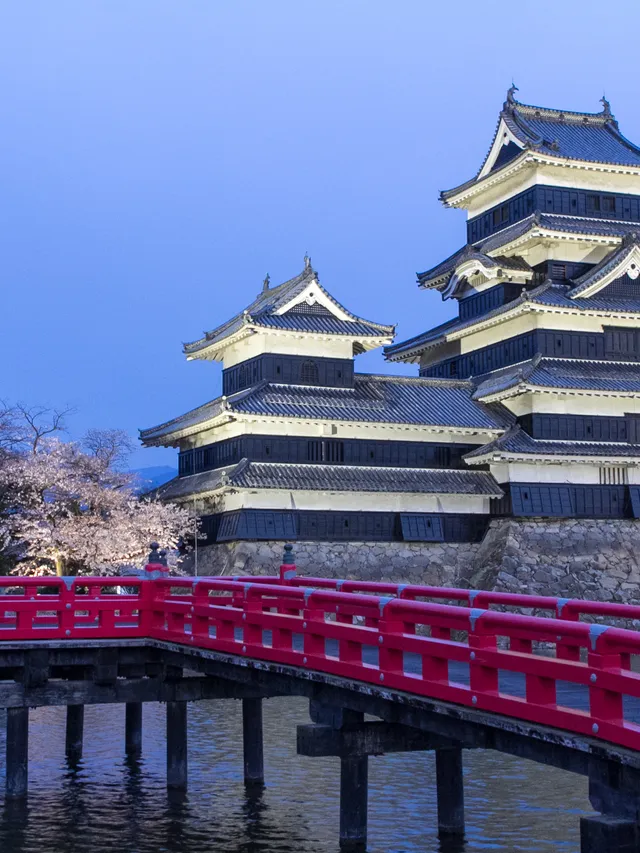
Matsumoto
A castle town in the Japan Alps, home to one of the country's few original wooden castle keeps.
Explore MatsumotoUseful services for this trip
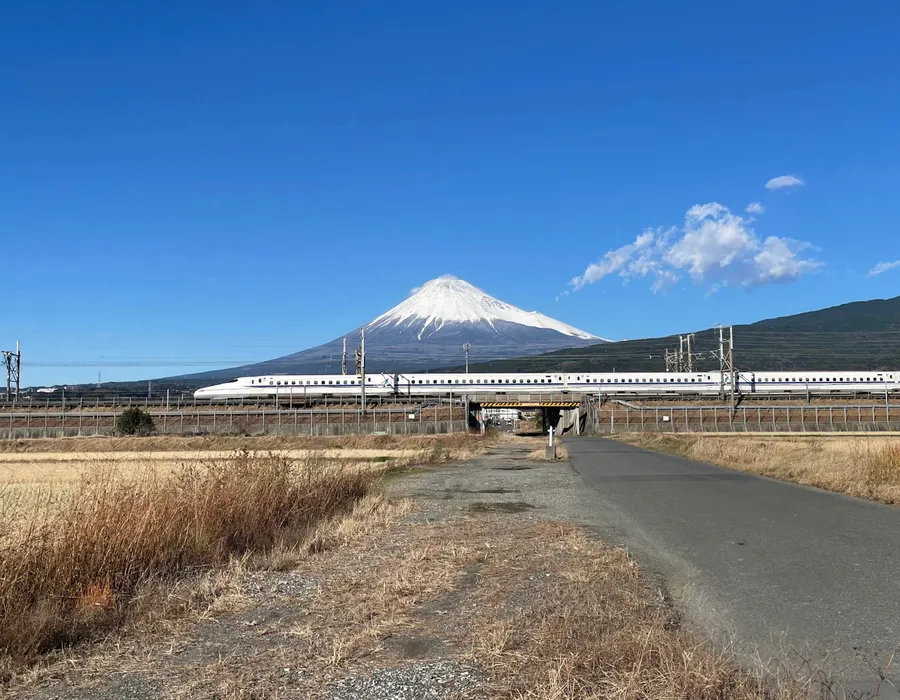
Train Tickets
Book shinkansen and local rail tickets in advance and skip the station ticket-counter queue.
Explore Train Tickets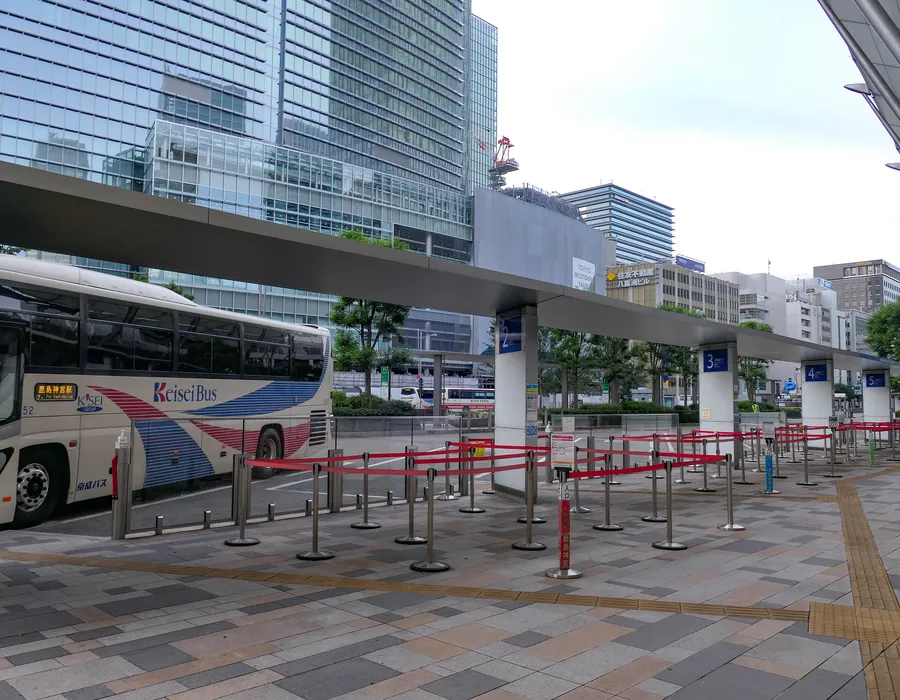
Bus Tickets
Book highway, overnight, and tour buses across Japan — an affordable way to reach cities and sights that trains skip.
Explore Bus Tickets
eSIM & Wi-Fi
Stay connected in Japan with an eSIM or pocket Wi-Fi, without hunting for a local SIM shop.
Explore eSIM & Wi-Fi