Skip to content
Easy Travel in Japan
Sanmachi Suji old town, Takayama

The Ultimate Takayama Travel Guide

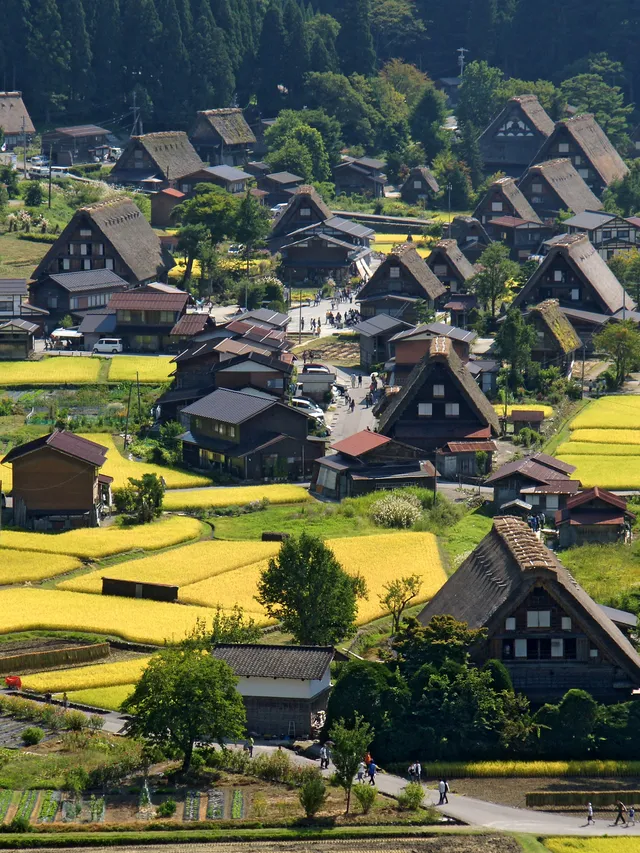
Takayama sits in the mountainous Hida region of northern Gifu Prefecture, its Edo-period old town so well preserved it’s sometimes nicknamed “Little Kyoto.” The JR Limited Express Hida runs directly from Nagoya in about 2 hours 20 minutes, and the town also serves as the main gateway to Shirakawa-go, with hourly direct buses making it an easy day trip. Here’s a closer look at the streets, government office, festival culture, and food that make Takayama worth a stop of its own rather than just a stopover.

Attractions

The preserved old town, government office, and markets that earned Takayama its 'Little Kyoto' nickname.

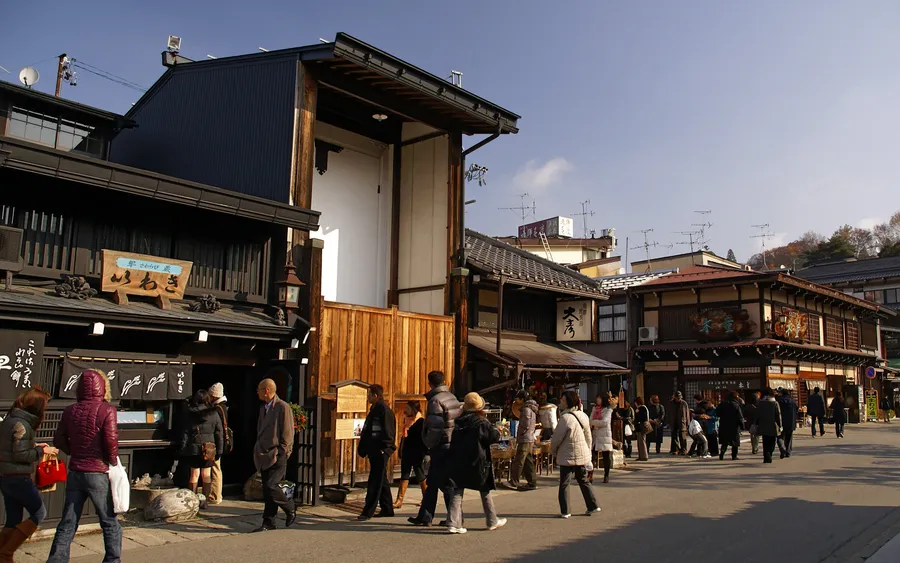
  1. Sanmachi Suji old town, Takayama1

    Sanmachi Suji (Old Town)

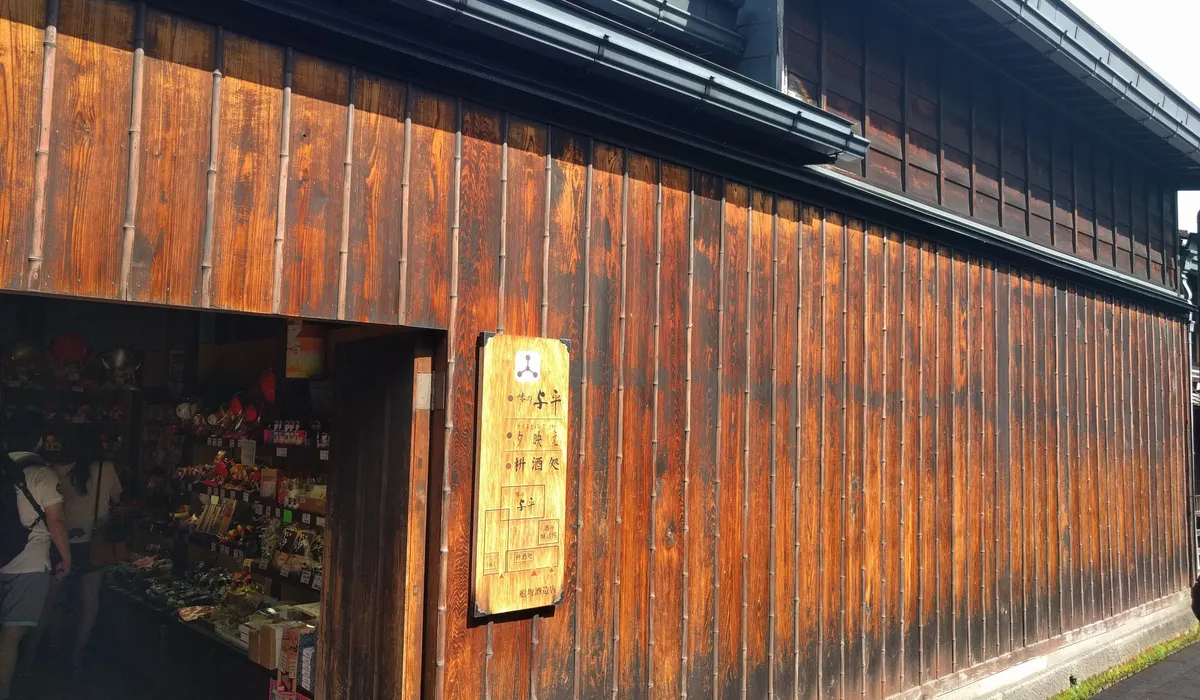
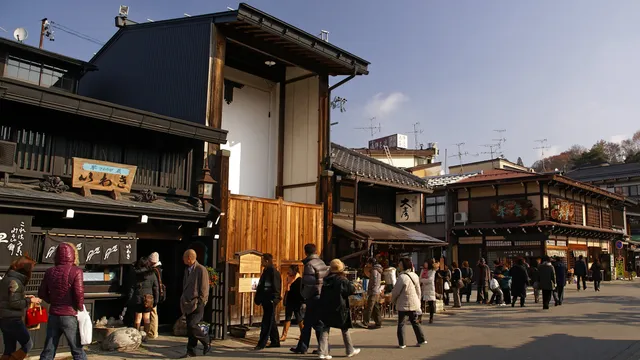
    Sanmachi Suji is three parallel streets of dark-wood Edo-period merchant houses, officially protected as a 'Preservation District for Groups of Traditional Buildings.' Takayama's remoteness under direct shogunate rule — a consequence of the region's valuable timber and mineral deposits — helped insulate the town from the wartime destruction and postwar redevelopment that reshaped so many Japanese cities, leaving one of the country's best-preserved old towns intact. Latticed windows, eaves-side water channels, and centuries-old sake shops line the streets, most of them still working businesses rather than museum pieces.
  2. Takayama Jinya2

    Takayama Jinya

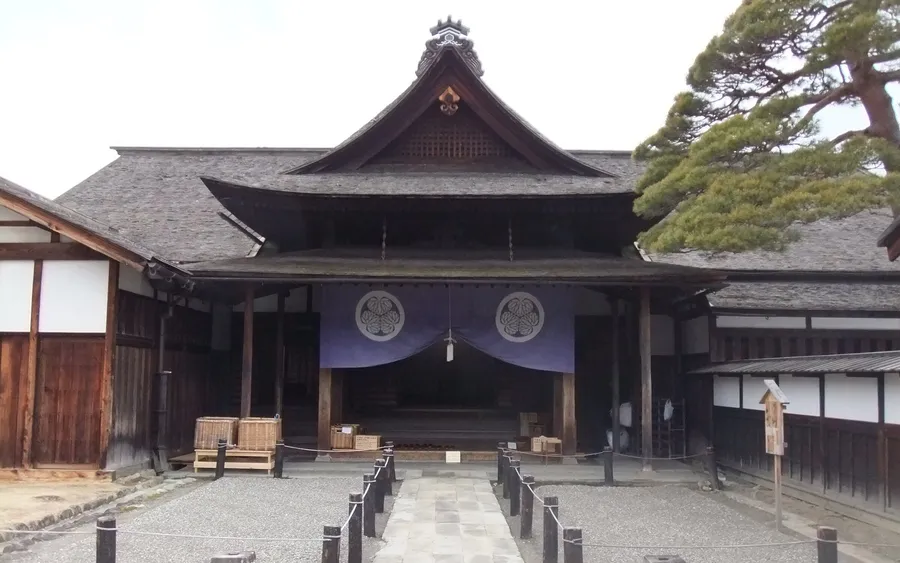
    Takayama Jinya is the former Hida provincial government office, used by shogunate-appointed magistrates from 1692 to 1871. Roughly 60 such regional government offices once stood across Japan; this is the only one still standing, preserving offices, a rice storehouse, and even a room used for interrogations. It's a rare, tangible window into Edo-period regional administration, about a 10-minute walk from Takayama Station.

    8:45 AM – 5:00 PM (Apr–Oct); 8:45 AM – 4:30 PM (Nov–Mar), last entry 30 min before close1-5 Hachiken-machi, Takayama, Gifu 506-0012
  3. Miyagawa Morning Market, Takayama3

    Miyagawa Morning Market

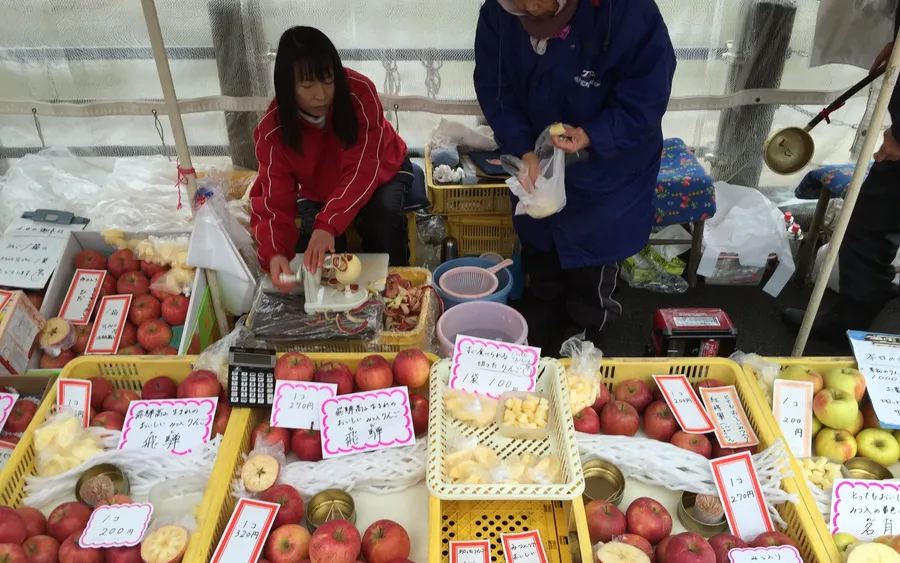
    Along a roughly 350-meter riverside stretch of the Miyagawa between Kajibashi and Yayoibashi bridges, around 60 farmer-run stalls sell fresh vegetables, pickles, and crafts each morning — one of Japan's three major morning markets, alongside Wajima in Ishikawa and Katsuura in Chiba. It traces back over a century as a genuine farmer-to-visitor market rather than a staged tourist stop, so going early, before the stalls wind down around midday, matters.

    7:00 AM – 12:00 PM (Apr–Nov); 8:00 AM – 12:00 PM (Dec–Mar)
  4. Street near Nakabashi Bridge, Takayama4

    Nakabashi Bridge

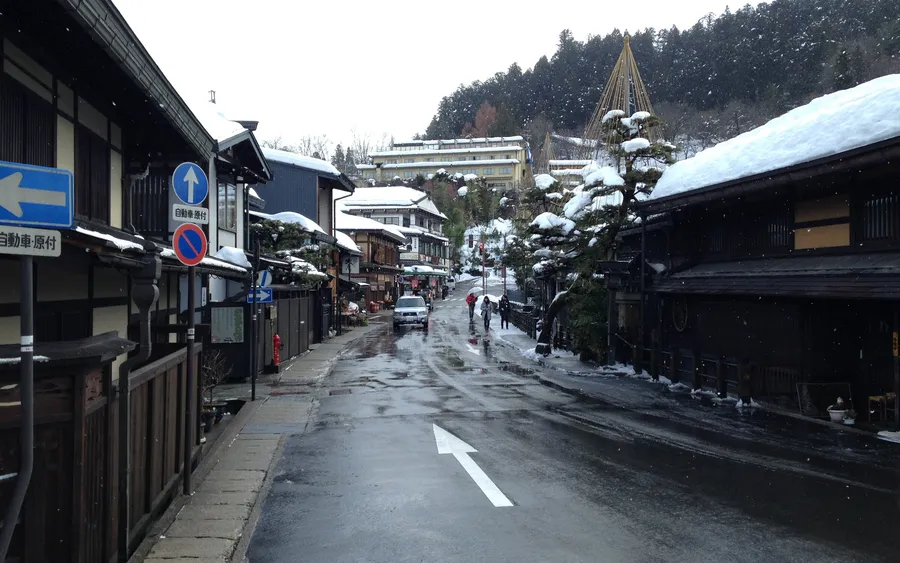
    Nakabashi, a red bridge over the Miyagawa River right at the edge of the old town, is one of Takayama's most photographed spots, especially in snow or against the old wooden storefronts lining the riverbank. It's a natural pivot point in a walk through town — the old town's merchant streets on one side, the riverside market district on the other.

  5. Hida no Sato (Hida Folk Village), Takayama5

    Hida no Sato (Hida Folk Village)

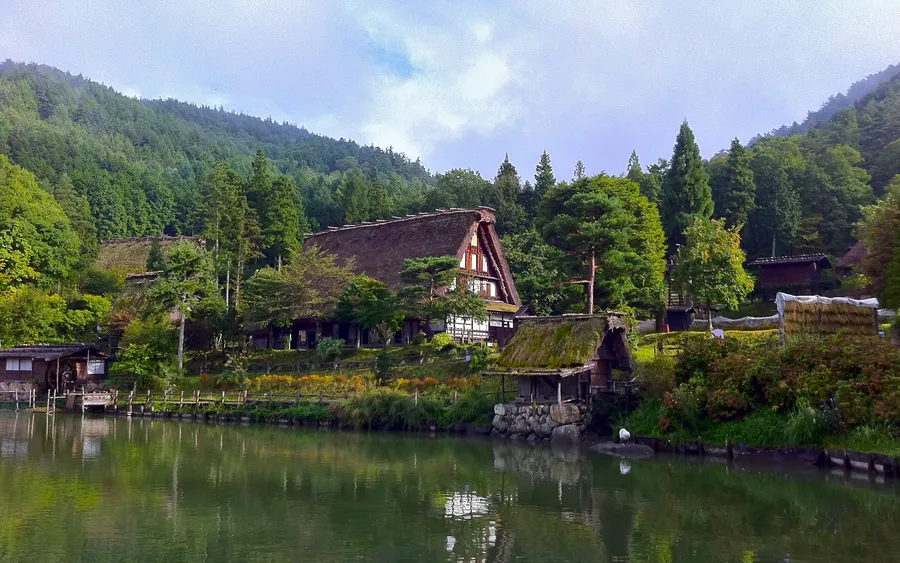
    Hida no Sato is an open-air museum that has relocated more than 30 traditional farmhouses from around the region since 1971, including steep-roofed gassho-zukuri houses with hearths lit each morning — a way to see the wider Hida region's rural architecture without leaving Takayama. Set on a hillside above a reflecting pond, the grounds are spread out enough to need a couple of unhurried hours, reachable by a short bus ride or roughly 30-minute walk from the old town.

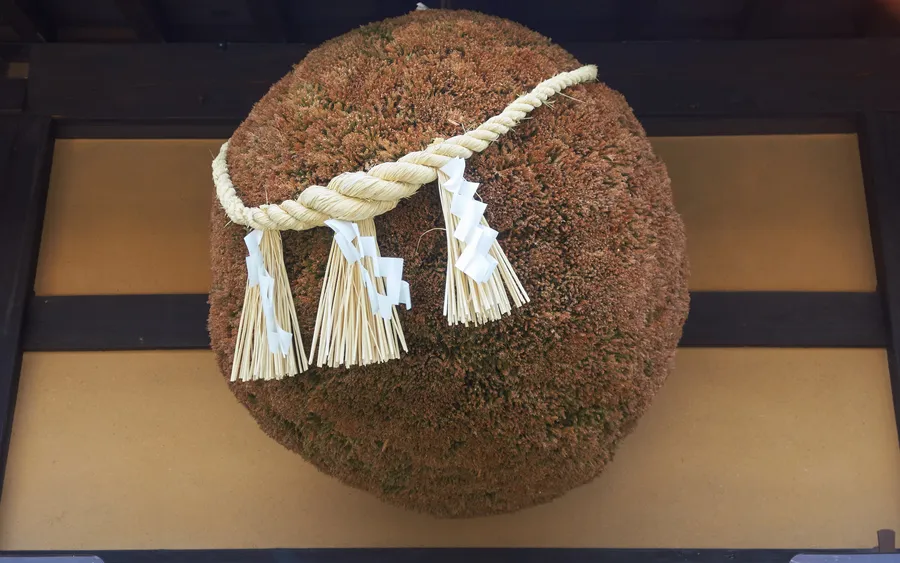
  6. Sugidama (cedar ball) outside a sake brewery, Takayama6

    Sake Brewery Hopping

    Around seven historic sake breweries, some 300 to 400 years old, still operate in and around the old town, each marked outside by a sugidama — a ball of cedar fronds that starts green when the new batch is fresh and slowly browns over the year. Several offer small tastings for a modest fee, and Hida's cold mountain water and long winters are part of why brewing took hold here in the first place.

Culture & Traditions

The shrine, floats, and craft traditions behind the twice-yearly Takayama Festival.

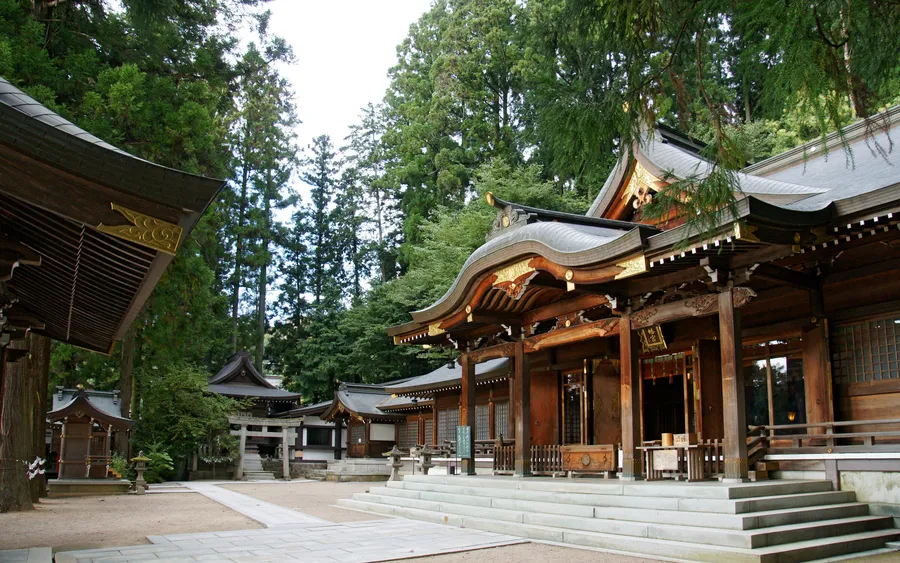
  1. Sakurayama Hachimangu Shrine, Takayama1

    Sakurayama Hachimangu Shrine

    Sakurayama Hachimangu Shrine, set among tall cedars, anchors the autumn Hachiman Matsuri held every October 9th and 10th — one of Takayama's two annual festivals, the other being the spring Sanno Matsuri on April 14th and 15th, centered on Hie Shrine. Together the two festivals field 23 ornately carved and gilded floats, recognized as Important Tangible Folk Cultural Properties and, since 2016, part of a UNESCO Intangible Cultural Heritage listing covering float festivals across Japan. The shrine grounds themselves are free and open year-round.

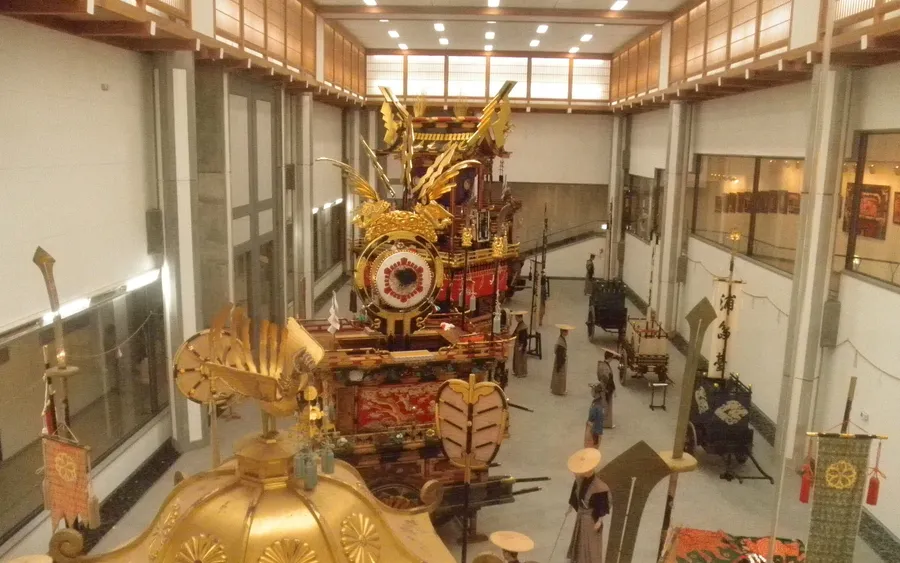
  2. Festival floats, Takayama Festival Floats Exhibition Hall2

    Takayama Festival Floats Exhibition Hall

    Beside Sakurayama Hachimangu Shrine, this hall is the only place to see the festival's floats up close outside the two festival dates a year — four of the 11 autumn-festival floats on display at a time, rotated three times annually. Some carry mechanical marionettes once worked by puppeteers pulling dozens of strings, a craft tradition tied to Hida no Takumi, the region's carpentry heritage that first drew shogunate attention to the area centuries ago.

    9:00 AM – 5:00 PM (Mar–Nov); 9:00 AM – 4:30 PM (Dec–Feb)178 Sakura-machi, Takayama, Gifu 506-0852

Food

Hida regional specialties, from wagyu beef to foraged mountain vegetables.

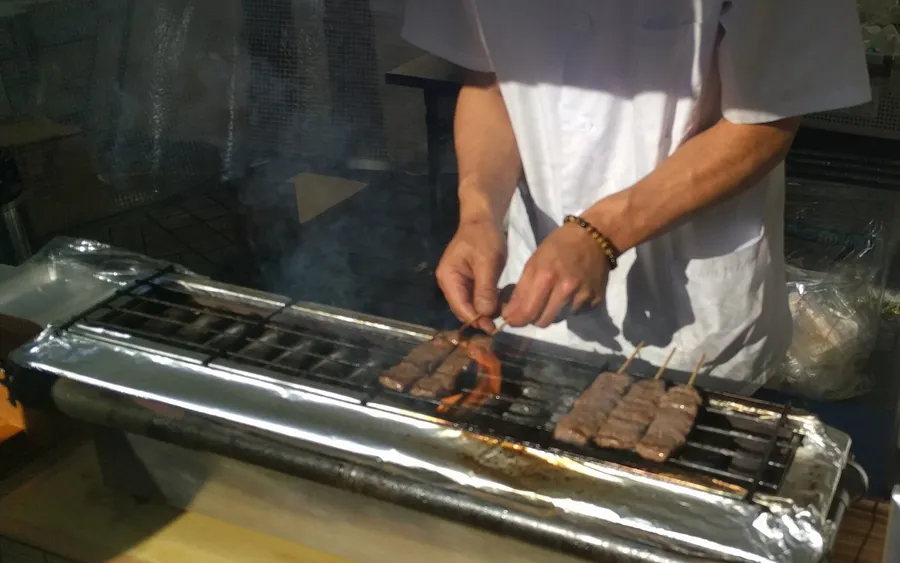
  1. Grilling Hida beef, Takayama street food1

    Hida Beef

    Hida beef is a Kuroge Washu wagyu brand raised in Gifu Prefecture for at least 14 months, prized for its fine marbling and tender texture. It appears all over the old town — as sushi, as steak sets, and most casually as grilled skewers cooked to order at streetside stalls, the easiest way to try it without a sit-down meal.

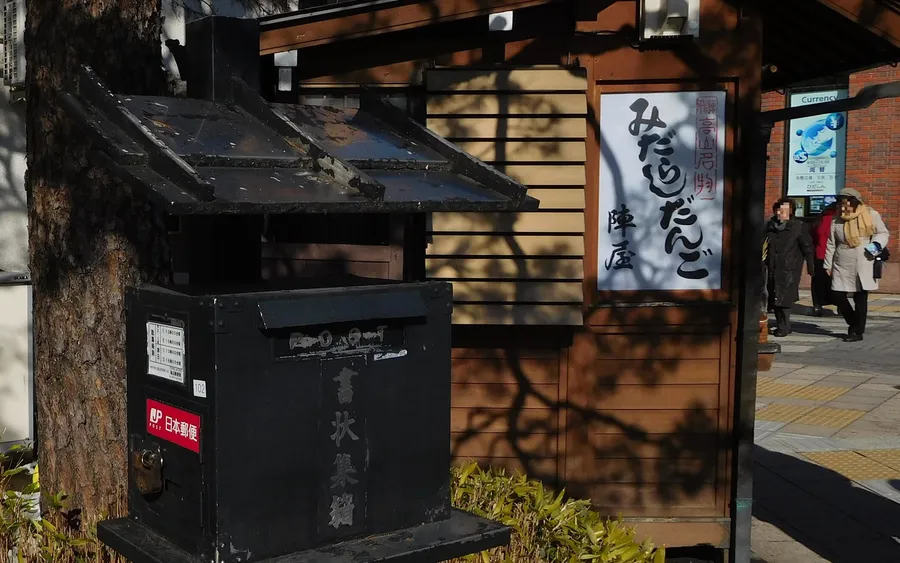
  2. Mitarashi dango shop, Takayama2

    Mitarashi Dango

    Takayama's version of mitarashi dango breaks from the sweetened glaze found elsewhere in Japan — here the grilled rice-flour dumplings are brushed with a soy-sauce-only sauce, savory rather than sweet, and eaten straight off the skewer while walking. Small shops near Takayama Jinya and through the old town grill them visibly out front.

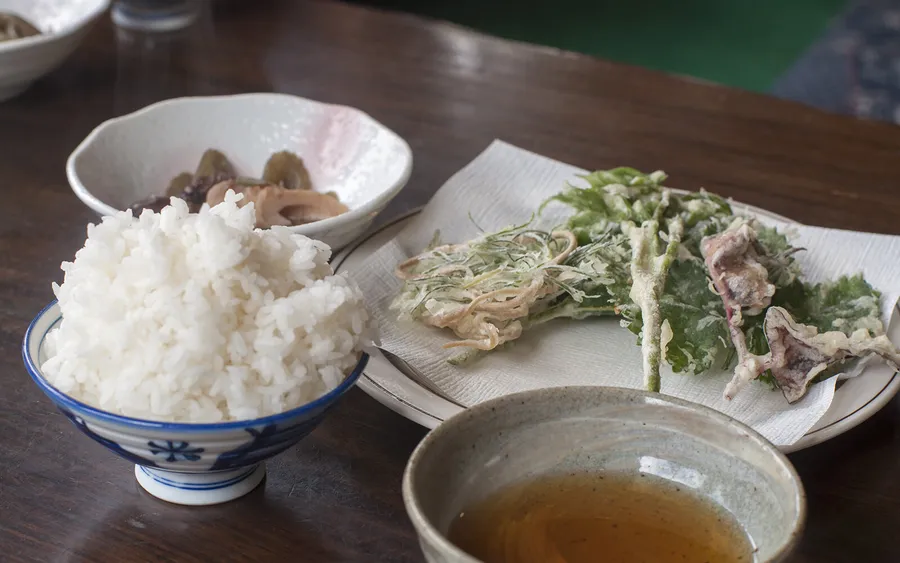
  3. Sansai tempura set meal3

    Sansai Tempura

    Sansai, foraged mountain vegetables like fiddlehead ferns, wild mushrooms, and edible shoots, appear on menus through spring and autumn, most often battered and fried as tempura. The flavors run more bitter and earthy than cultivated vegetables, a direct reflection of the mountainous terrain around Takayama.

Keep reading

More guides you might like

Nearby

Related destinations

Continue

Related services

Easy Travel in Japan