Skip to content
Easy Travel in Japan
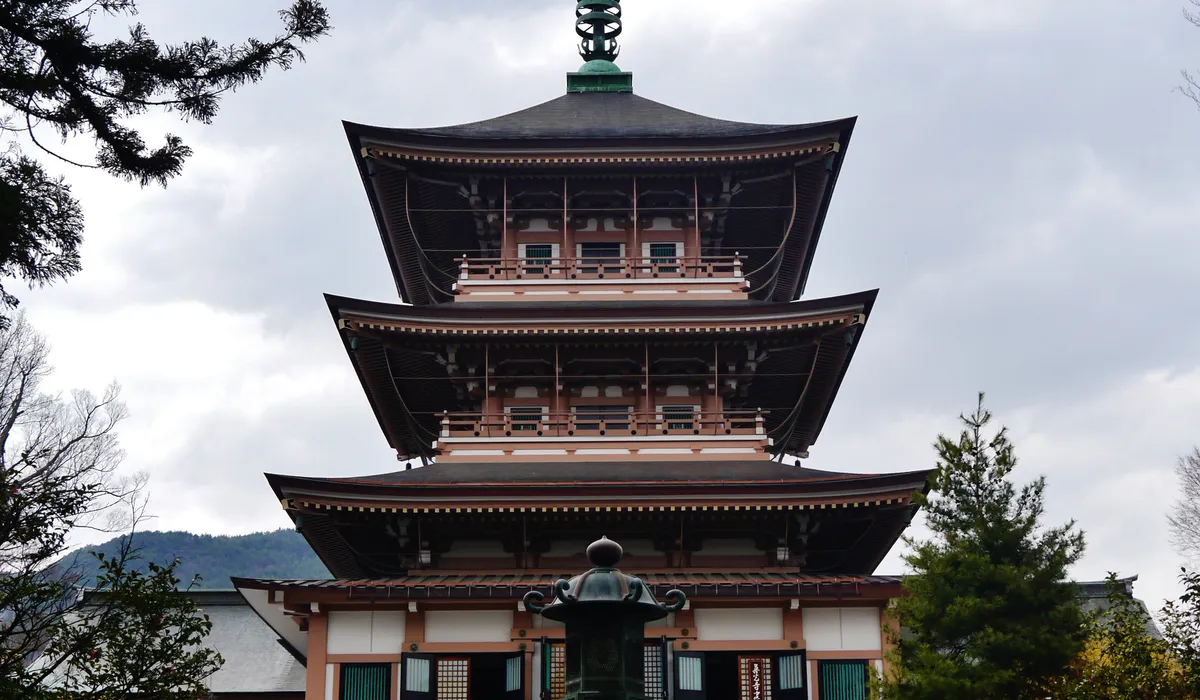
Zenko-ji pagoda, Nagano

The Ultimate Nagano Travel Guide

Nagano is the capital of Nagano Prefecture, a temple town built around Zenko-ji that gained a second identity in 1998 as host of the Winter Olympics. Here’s a closer look at the temple, Olympic venues, and mountain excursions that make it worth the trip, whether you’re here for the city alone or using it as a base for the snow monkeys or Togakushi.

Attractions

A National Treasure temple with 1,400 years of pilgrimage history, and the art museum beside it.

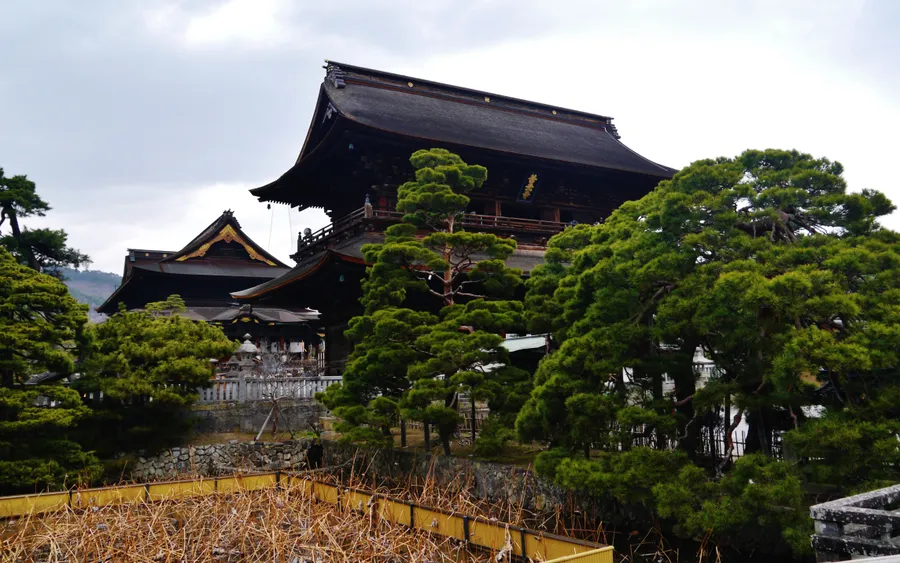
  1. San-mon Gate and Kondo, Zenko-ji, Nagano1

    Zenko-ji

    Zenko-ji is a National Treasure temple with roughly 1,400 years of pilgrimage history, jointly run by Buddhist priests from two different sects and historically open to all pilgrims regardless of background or affiliation. Its central Buddhist statue, said to be the first ever brought to Japan, has been hidden from public view — even from the temple's own chief priest — for over a thousand years. Beneath the altar, visitors can descend into the Okaidan Meguri, a completely dark corridor, and feel along the wall for a metal key believed to connect them to the hidden statue and grant a promise of salvation. Roughly every six years the temple publicly displays a replica of the statue during its Gokaicho ceremony, drawing millions of visitors — the most recent ran in 2022, with the next slated for 2027.
    Grounds free, roughly sunrise to 4:00–4:30 PM (varies by season); Okaidan Meguri & inner sanctuary ¥600491 Motoyoshi-cho, Nagano
  2. Nagano Prefectural Shinano Art Museum2

    Nagano Prefectural Shinano Art Museum

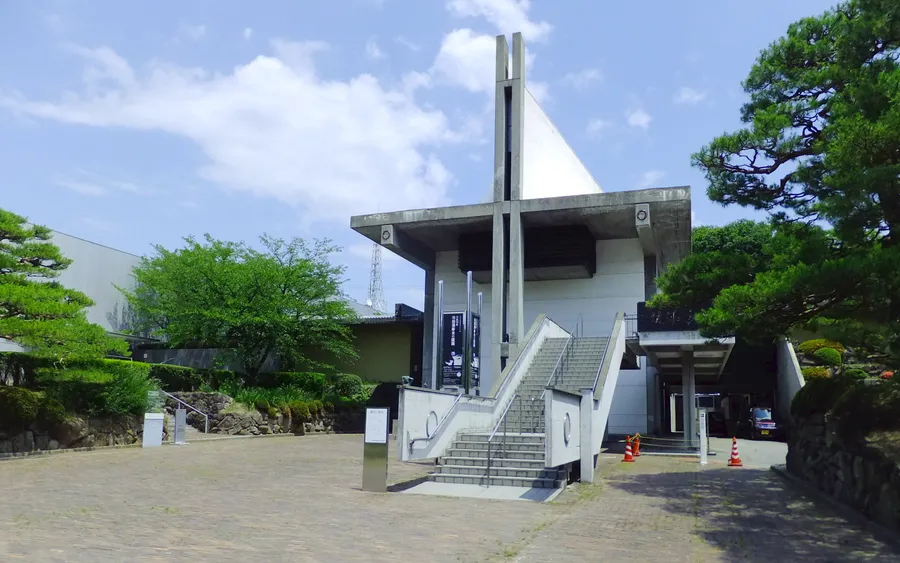
    The Nagano Prefectural Shinano Art Museum sits right beside Zenko-ji in Joyama Park, its striking angular concrete-and-glass building reopened in 2021 after a major renovation. A dedicated wing holds around 950 works donated by landscape painter Higashiyama Kaii, whose serene, atmospheric depictions of Japanese scenery made him one of the most celebrated artists of postwar Japan. Even visitors skipping the paid galleries can walk up to the free rooftop terrace for a view over the park and temple below.

    9:00 AM – 5:00 PM, exhibition rooms until 4:30 PM, closed Mondays1-4-4 Hakoshimizu, Nagano

Experiences

Two venues from the 1998 Winter Olympics, still in everyday use.

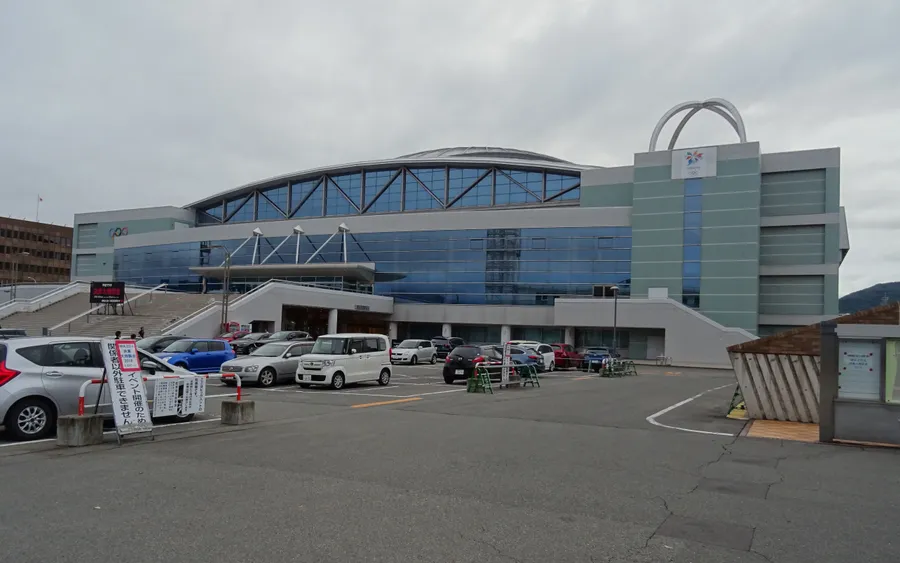
  1. M-Wave, Nagano 1998 Olympic speed skating venue1

    M-Wave

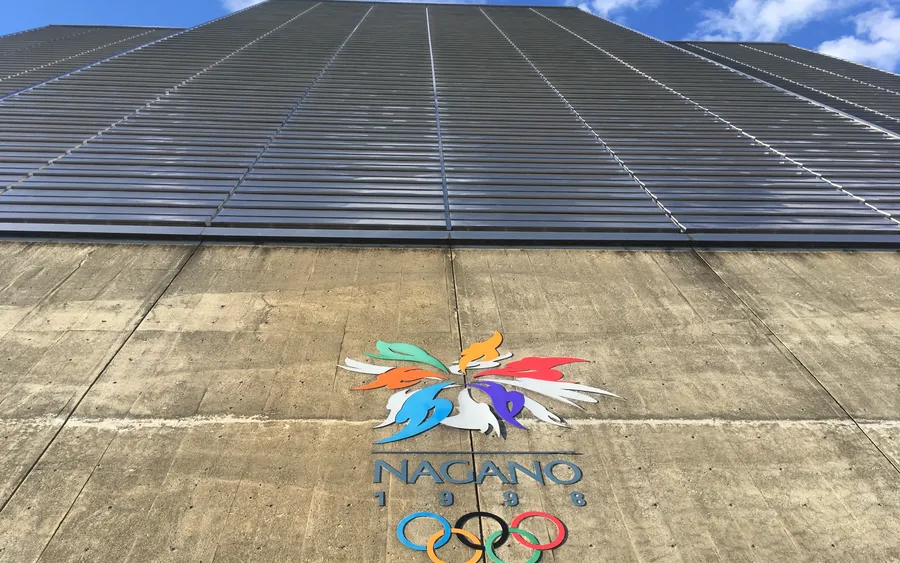
    M-Wave was Japan's first indoor 400-meter speed-skating rink, built for the 1998 Nagano Winter Olympics and still visible today with its Olympic rings and 1998 Games logo displayed on the exterior. Its distinctive curved wooden roof, inspired by Mount Fuji, was an engineering statement in its own right when it opened. It remains a working sports and events venue rather than a museum piece, so public access varies by what's scheduled inside on a given day.

  2. Big Hat, Nagano 1998 Olympic ice hockey venue2

    Big Hat

    Big Hat, the ice hockey venue from the 1998 Winter Olympics, sits a short distance from M-Wave and is still used for sports, concerts, and events today. Its name and rounded profile reference the shape of a traditional hat, a deliberately playful touch for an Olympic venue. Like M-Wave, it's best appreciated as a still-functioning piece of the city's Olympic legacy rather than a formal sightseeing stop with fixed visiting hours.

Nature

Wild snow monkeys and a cedar-lined mountain shrine, both a bus ride from the city.

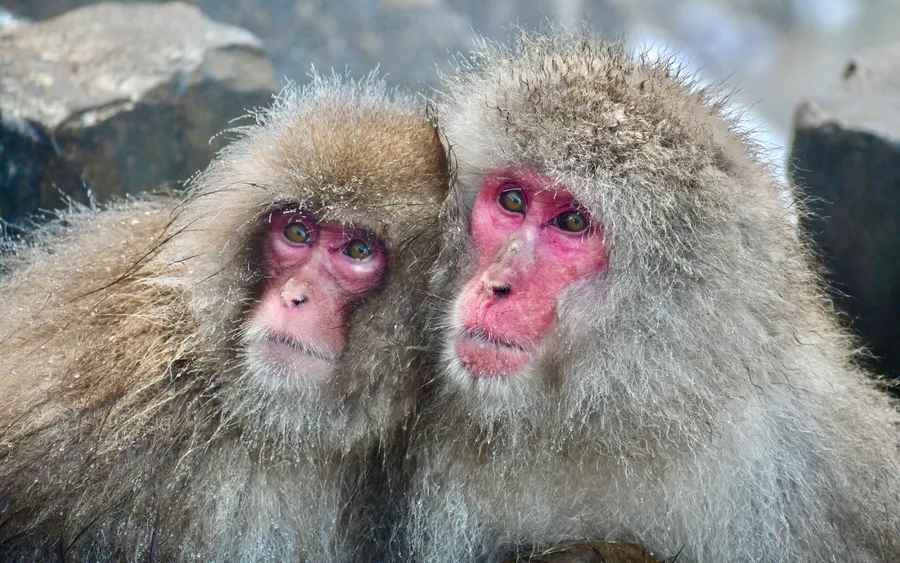
  1. Snow monkeys, Jigokudani Monkey Park1

    Jigokudani Monkey Park

    Jigokudani Monkey Park, in the separate town of Yamanouchi about 40 to 50 minutes from Nagano city by bus, is famous for wild Japanese macaques that bathe in a naturally heated hot spring pool built specifically for them. Reaching the park requires a final walk of around 30 minutes through forest, part of what keeps it feeling like a genuine wildlife encounter rather than a zoo. The monkeys are present year-round, but winter is when they're most reliably seen soaking, snow piled around the steaming pool.

    8:30 AM – 5:00 PM (Apr–Oct); 9:00 AM – 4:00 PM (Nov–Mar)6845 Hirao, Yamanouchi, Shimotakai District, Nagano 381-0401
  2. Cedar-lined approach, Togakushi Shrine2

    Togakushi Shrine

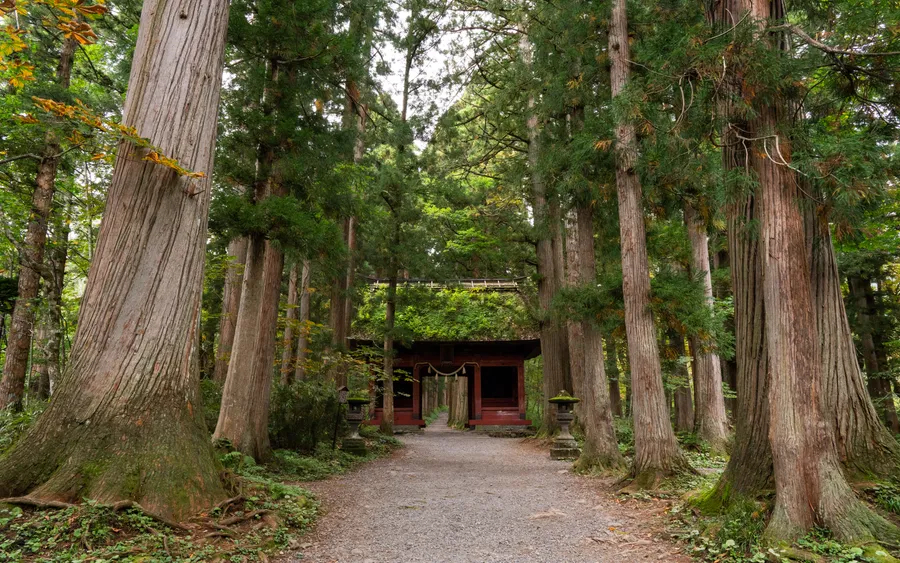
    Togakushi Shrine is a mountain shrine complex honoring sacred Mount Togakushi, split across several sub-shrines connected by trails through the forest. The approach to Okusha, the innermost shrine, runs for about two kilometers through a grove of centuries-old cedar trees, one of the more atmospheric shrine walks in the Nagano area. The wider Togakushi area is also known for its own soba tradition, distinct from the buckwheat grown elsewhere in the prefecture.

    Grounds always open, free; shrine office 9:00 AM – 5:00 PMTogakushi, Nagano 381-4101

Food

Two regional specialties, one a portable snack, one a serious noodle tradition.

  1. Oyaki1

    Oyaki

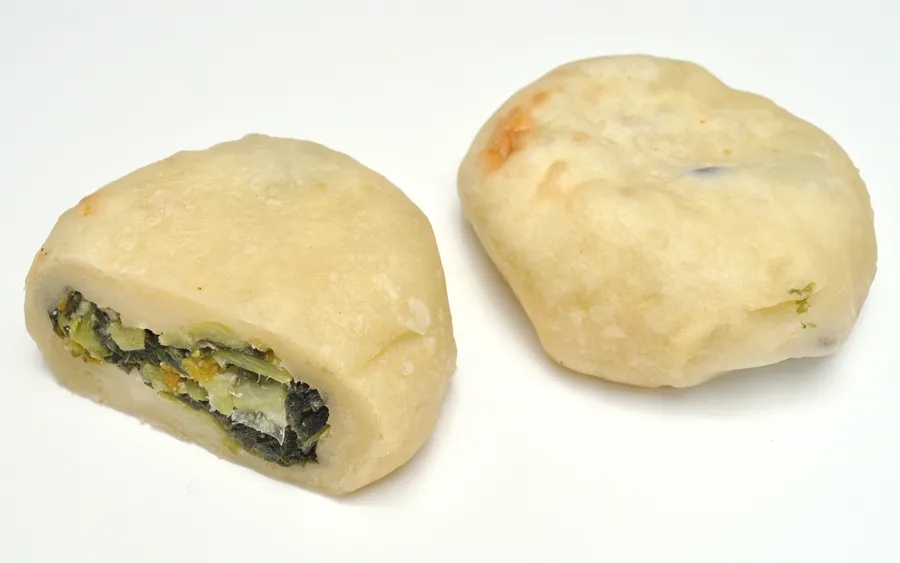
    Oyaki is dough wrapped around fillings like pickled greens, eggplant miso, or pumpkin, then roasted or steamed until the outside turns lightly crisp — a genuine Nagano regional specialty rather than a tourist invention. It developed as a way to make the prefecture's buckwheat and wheat flour go further in a mountain climate not well suited to rice farming. Sold at small shops throughout the city and countryside, it's an easy, portable snack to pick up between temple visits.

  2. Togakushi soba, Nagano2

    Togakushi Soba

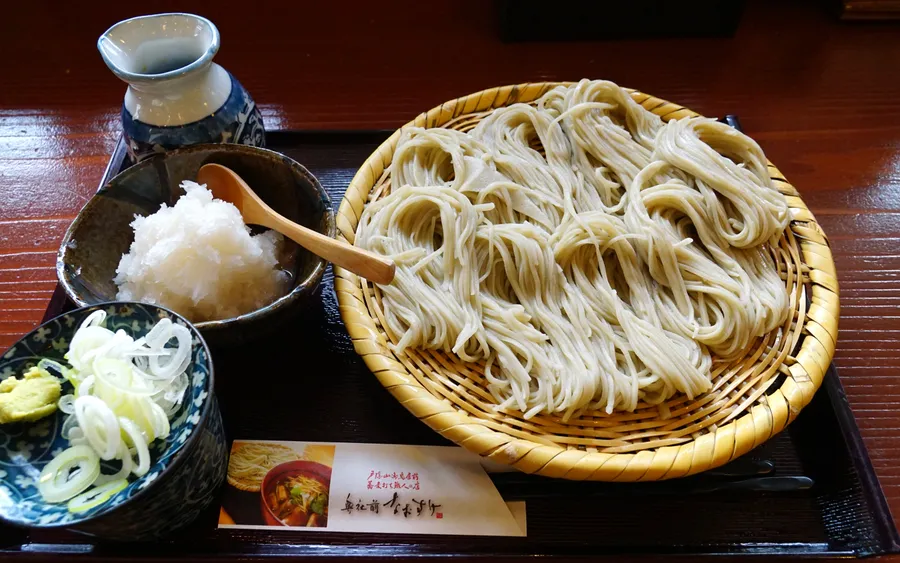
    Togakushi soba is Nagano's most respected regional buckwheat noodle, grown in the cool mountain climate and volcanic soil around Togakushi and traditionally served in small bundles arranged on a round bamboo tray called a boccha. Small family-run shops around the Togakushi shrine complex have served it for generations, some still making it entirely by hand. It's worth the trip out from the city center even if the shrine walk itself isn't the priority.

Keep reading

More guides you might like

Nearby

Related destinations

Continue

Related services

Easy Travel in Japan