Skip to content
Easy Travel in Japan
Kenroku-en Garden, Kanazawa

The Ultimate Kanazawa Travel Guide

Kanazawa is the capital of Ishikawa Prefecture, a former castle town that escaped WWII bombing and still has its historic samurai and geisha districts largely intact — a genuine claim to “Kyoto without the crowds.” Here’s a closer look at the garden, castle, and old quarters that make it one of the more rewarding stops in the Hokuriku region, whether you’re passing through or staying long enough to add a day trip to Shirakawa-go.

Attractions

The castle-town landmarks that earned Kanazawa its reputation as 'Kyoto without the crowds.'

  1. Oldest surviving fountain in Japan, Kenroku-en, Kanazawa1

    Kenroku-en

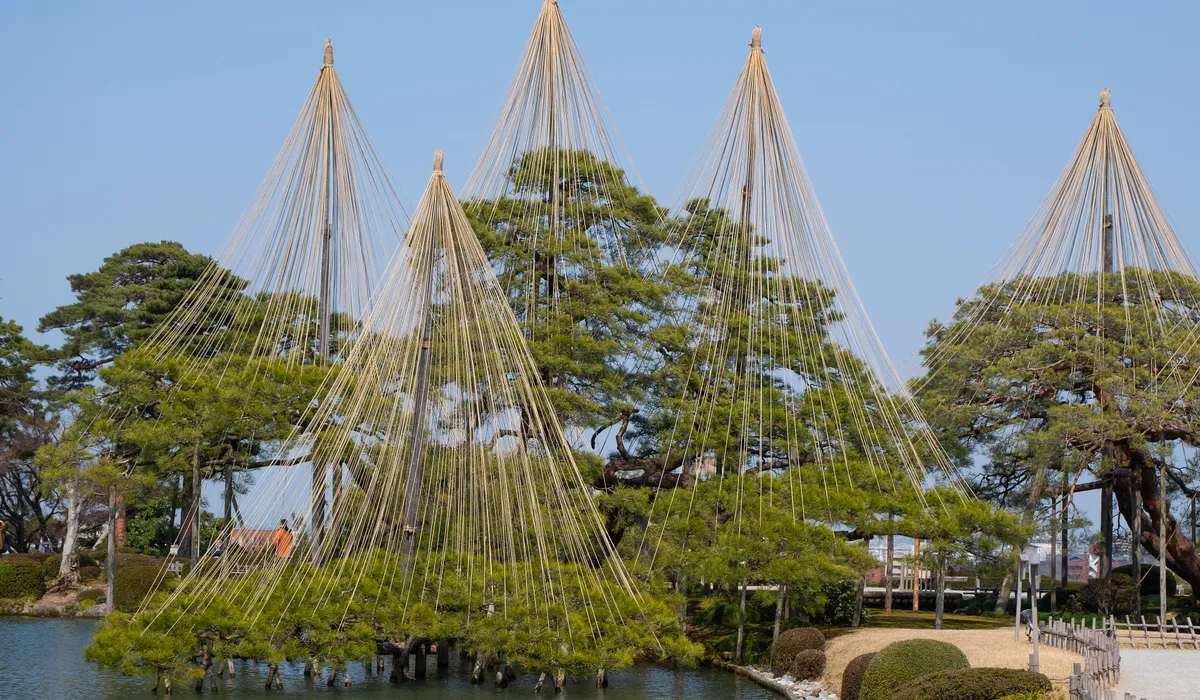
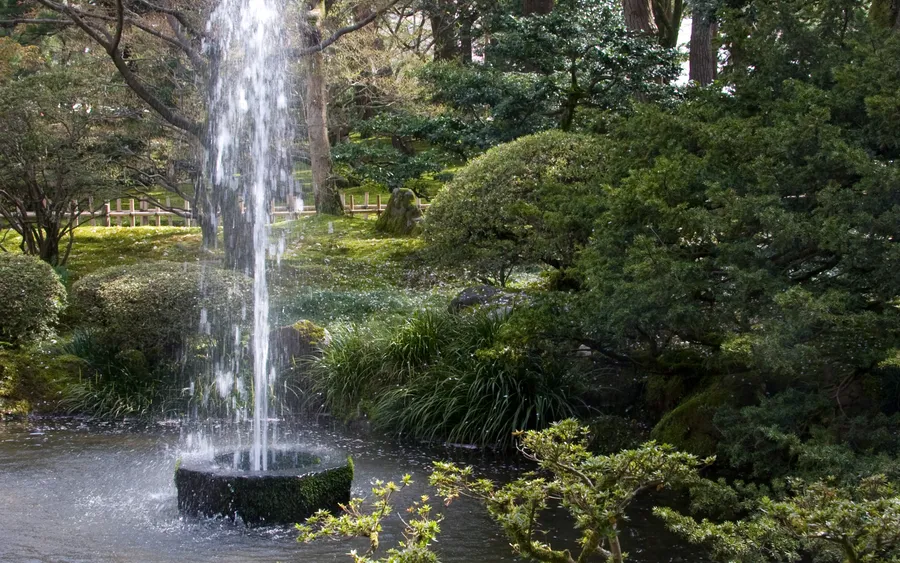
    Kenroku-en, begun in the 1620s and developed by generations of Maeda lords, is ranked among Japan's 'three great gardens' alongside Kairaku-en in Mito and Koraku-en in Okayama. Its name, roughly 'garden of six attributes,' refers to a set of contrasting qualities that classical Chinese garden theory held no single garden could combine, though Kenroku-en is said to manage all six. It holds Japan's oldest surviving fountain, powered by natural water pressure alone from a pond at a higher elevation, no pump required. Winter brings yukitsuri, cone-shaped rope supports strung from tall poles to protect the pine branches from snow — one of the garden's best-known seasonal sights.

    7:00 AM – 6:00 PM (Mar 1–Oct 15); 8:00 AM – 5:00 PM (Oct 16–end Feb)1 Kenroku-machi, Kanazawa, Ishikawa 920-0936
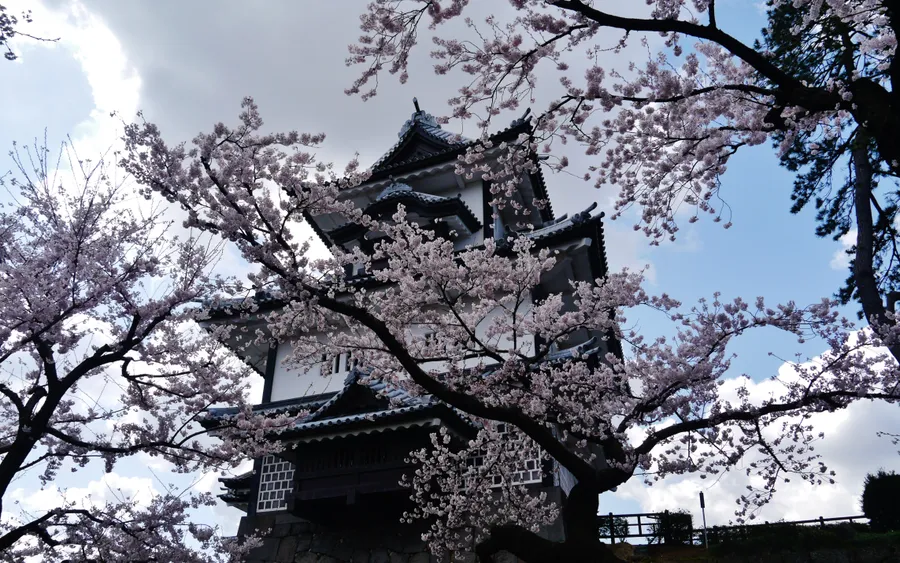
  2. Hishi Yagura, Kanazawa Castle, cherry blossom season2

    Kanazawa Castle

    Kanazawa Castle dates to 1583, when Maeda Toshiie made it the seat of what would become Japan's second-most-powerful feudal domain, though little of the original construction survives after a series of fires. Since 2001, several structures — including the distinctive Hishi Yagura watchtower, with its diamond-shaped floor plan — have been faithfully reconstructed using traditional joinery rather than modern methods. The park sits directly across from Kenroku-en, connected by a bridge, making the two an easy, natural pairing, especially in spring when cherry blossoms line the same paths and stone walls.

    Park grounds free, 7:00 AM – 6:00 PM (Mar 1–Oct 15) / 8:00 AM – 5:00 PM (Oct 16–Feb 28); paid structures 9:00 AM – 4:30 PM, last entry 4:00 PM1-1 Marunouchi, Kanazawa, Ishikawa
  3. Leandro Erlich's Swimming Pool, 21st Century Museum of Contemporary Art, Kanazawa3

    21st Century Museum of Contemporary Art

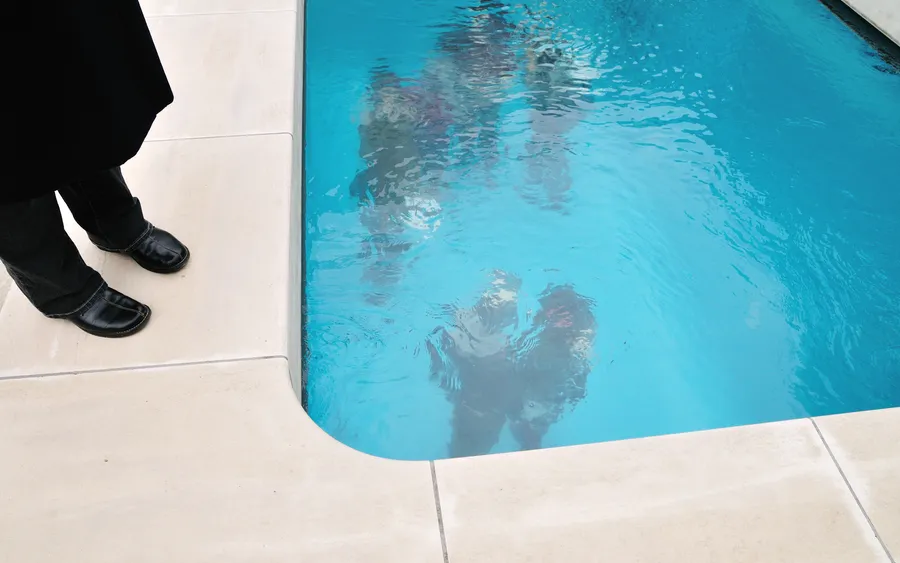
    Opened in 2004, the 21st Century Museum of Contemporary Art is a circular, glass-walled building designed to be entered from any direction, with no obvious front or back. Its best-known work, Leandro Erlich's 'Swimming Pool,' uses a layer of water over a glass ceiling so visitors above appear to stand at the bottom of a pool to those looking up from a dry room below — a genuinely popular photo spot that's become the museum's signature image. The building's public zone, including the Swimming Pool viewing area, is free; the ticketed exhibition zone changes regularly.

    Exhibition Zone: 10:00 AM – 6:00 PM (until 8:00 PM Fri & Sat), closed Mondays; Public Zone free, 9:00 AM – 10:00 PM (until 9:00 PM Fri & Sat)1-2-1 Hirosaka, Kanazawa
  4. Myoryuji (Ninja Temple), Kanazawa4

    Myoryuji (Ninja Temple)

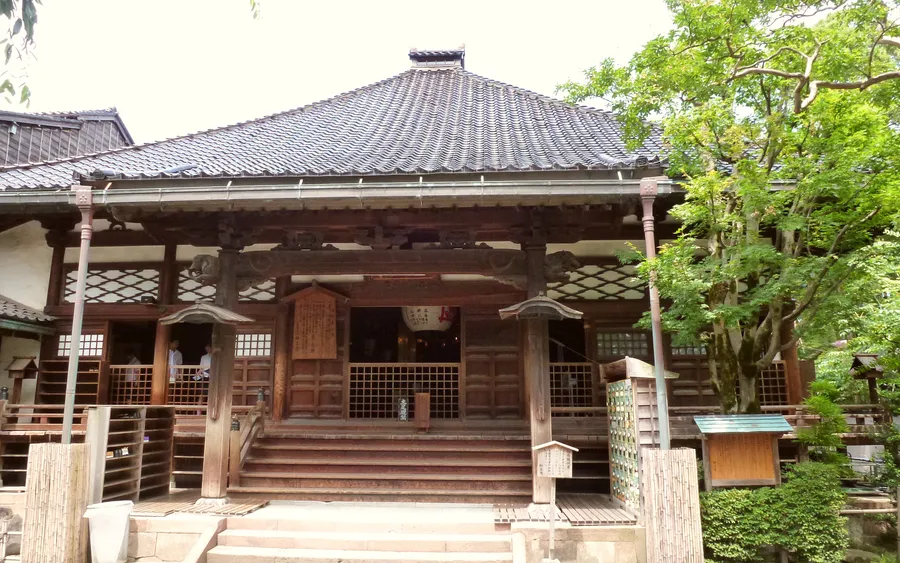
    Myoryuji, nicknamed the 'Ninja Temple' despite no actual ninja connection, was built in 1643 under a shogunate law restricting temples outside Kanazawa Castle's outer walls to a simple two-story facade — a restriction the Maeda clan worked around by building a structure that looks like two stories from outside but conceals four stories and 23 rooms inside, laced with hidden staircases, trick doors, and escape routes. Visits are by guided tour only, about 40 minutes long, and reservations by phone are required — same-day slots are sometimes available, but don't count on it. It's closer to walking through a puzzle box than a typical temple visit.

    9:00 AM – 4:30 PM (until 4:00 PM in winter), reservation required by phone1-2-12 Nomachi, Kanazawa, Ishikawa

Neighborhoods

Three historic quarters that survived WWII bombing almost entirely intact.

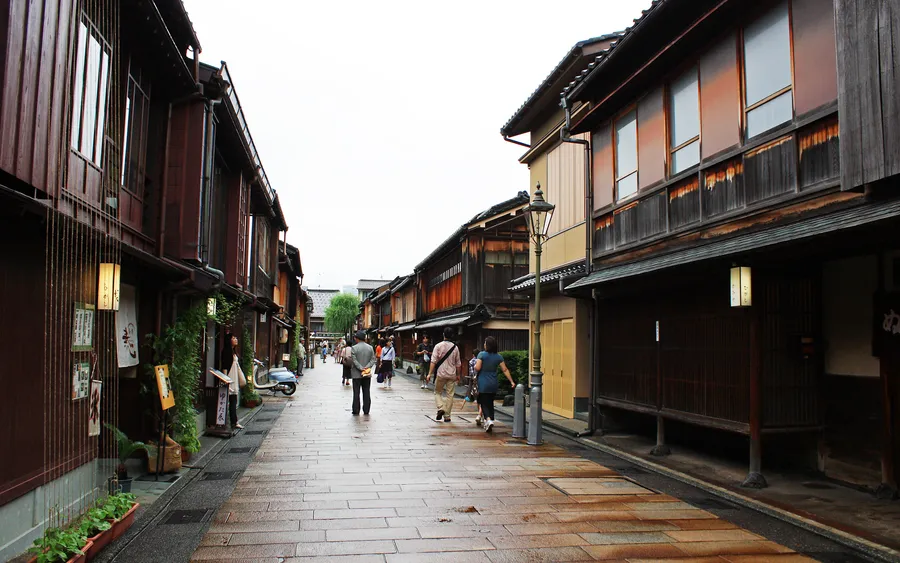
  1. Higashi Chaya district, Kanazawa1

    Higashi Chaya District

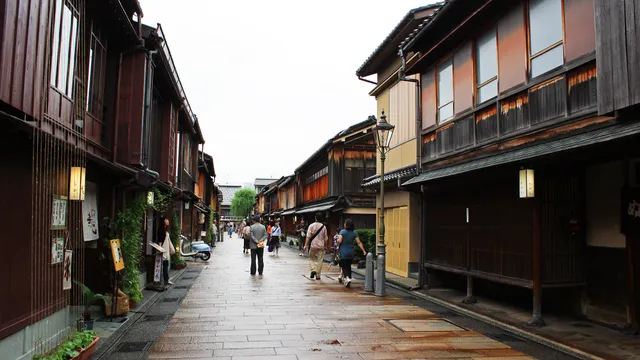
    The Higashi Chaya District was established in 1820, when the city's geisha houses were consolidated into one licensed quarter, and its wooden teahouses, still fronted by distinctive kimusuko lattice facades, line the streets much as they did two centuries ago. Some remain active teahouses; others have become cafes, gold-leaf shops, and small museums open to walk-in visitors during the day, since the evening entertainment houses themselves are generally by invitation only. It's the best-preserved of the city's three chaya districts and the one most geared toward daytime visitors.

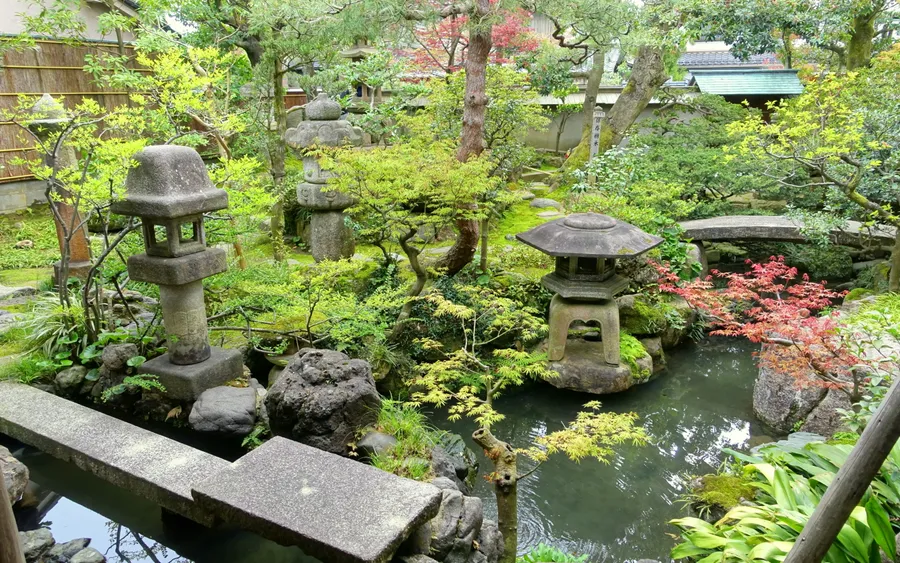
  2. Garden, Nomura Family Samurai Residence, Nagamachi, Kanazawa2

    Nagamachi & the Nomura Family Residence

    Nagamachi, the old samurai quarter, is lined with earthen walls and narrow lanes that have changed little since the Edo period, a rare survival given how few Japanese cities kept their samurai districts intact. The Nomura Family Residence, open to the public, centers on a garden with a stream, a small waterfall, and a bayberry tree said to be around 400 years old — rated among Japan's finest gardens by the Michelin Green Guide. It's compact enough to see in 30 to 45 minutes, making it an easy stop on a walk through the wider neighborhood.

    8:30 AM – 5:30 PM (Apr–Sep, last entry 5:00 PM); 8:30 AM – 4:30 PM (Oct–Mar, last entry 4:00 PM)1-3-32 Naga-machi, Kanazawa 920-0865
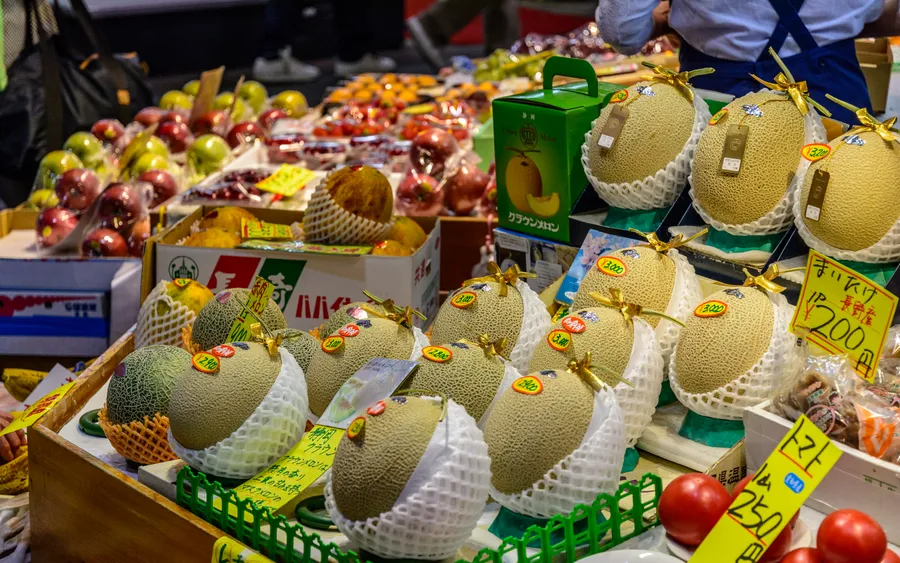
  3. Omicho Market, Kanazawa3

    Omicho Market

    Omicho Market, consolidated at its current site in 1721 and known locally as 'Kanazawa's Kitchen,' packs around 180 shops selling fresh Sea of Japan seafood, produce, and prepared food into a compact covered arcade. It's less a tourist market than a genuine neighborhood one, supplying restaurants and households alike, though a growing number of stalls now sell seafood rice bowls and skewers meant to be eaten on the spot. Go hungry and expect to graze rather than sit down for one big meal.

    Hours vary by shop; most retail roughly 9:00 AM – 5:00 PM, restaurants roughly 11:00 AM – 5:00 PM50 Kamiomicho, Kanazawa, Ishikawa 920-0905

Food

Kaga cuisine's signature stew, alongside the seafood that shows up on nearly every Kanazawa table.

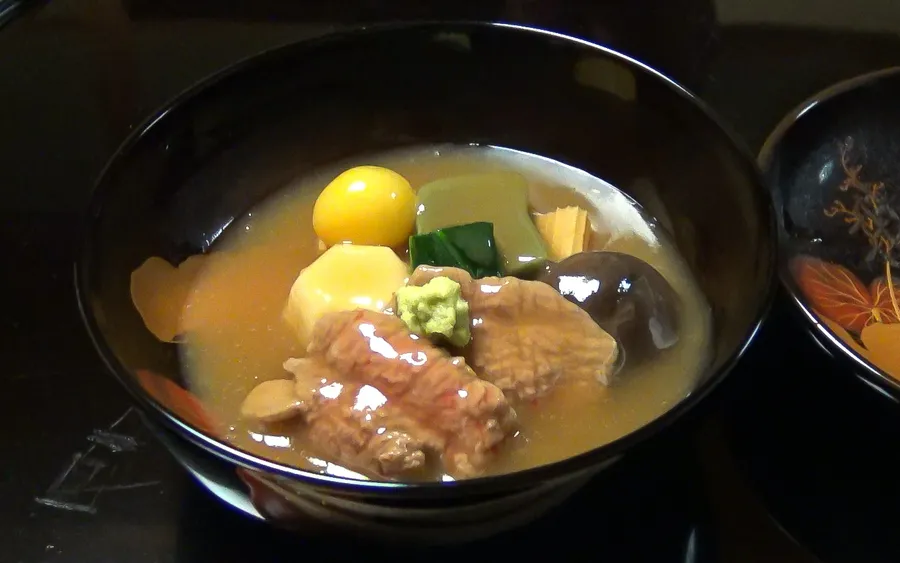
  1. Jibu-ni, Kaga cuisine1

    Jibu-ni

    Jibu-ni is Kanazawa's signature dish, a stew of flour-coated duck or chicken simmered with wheat gluten and seasonal vegetables in a thickened dashi that clings to the meat rather than running off it. It's a Kaga ryori dish through and through, reflecting the refined, courtly cooking that developed under Maeda cultural patronage rather than a rustic home-style stew. Most kaiseki-style restaurants in the city serve some version of it, usually as one course among several.

  2. Kaisendon, seafood rice bowl2

    Kaisendon

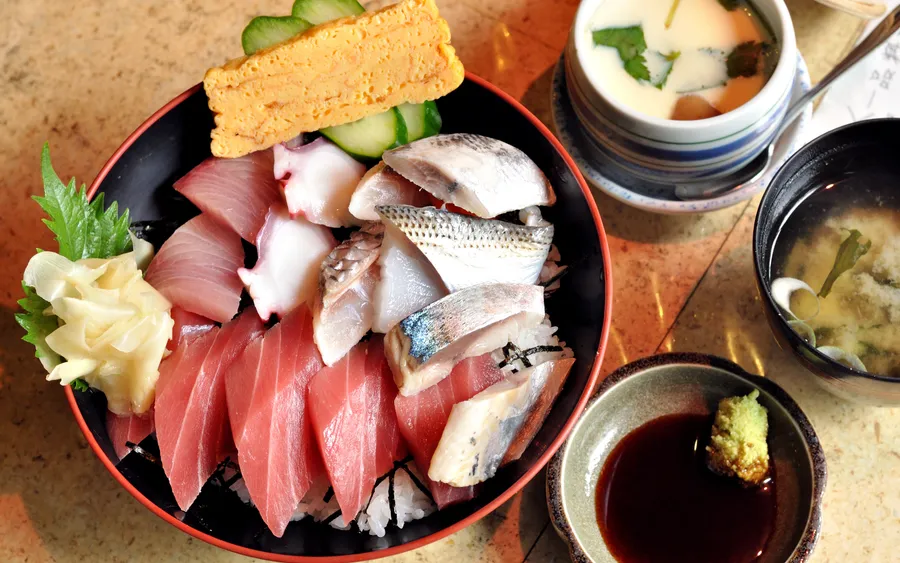
    A kaisendon at Omicho Market is the most direct way to taste why Kanazawa's seafood has the reputation it does — a bowl of rice piled with sashimi-grade cuts landed that morning from the Sea of Japan, from tuna and yellowtail to regional catches like nodoguro (blackthroat seaperch), prized for its rich, fatty flesh. Restaurants inside and around the market compete openly on freshness, and portions tend to be generous by Tokyo standards. It's the natural lunch stop on any Omicho Market visit.

Nature

The river that frames the old geisha district.

  1. Asano River, Kanazawa1

    Asano River

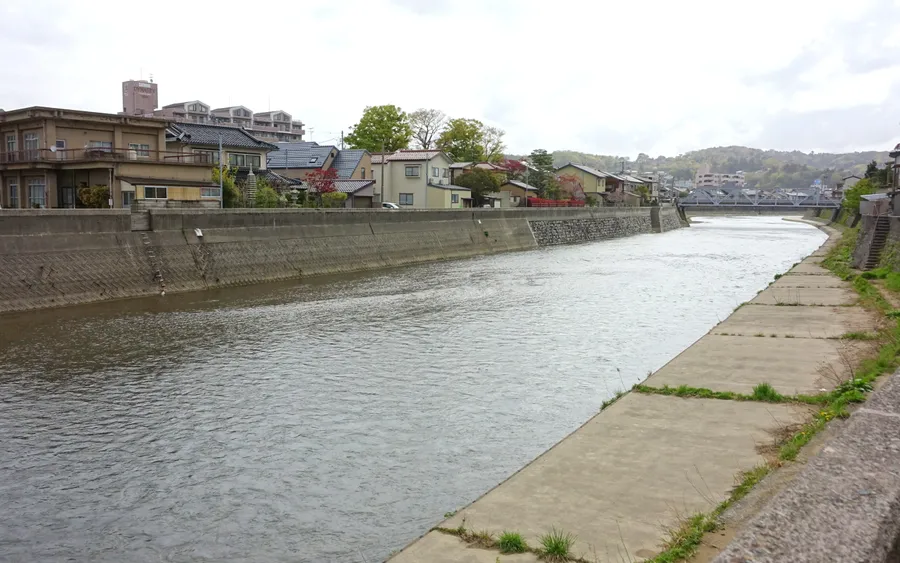
    The Asano River runs along the edge of the Higashi Chaya district, its banks lined with a row of centuries-old black pines that lean out over the water. Described locally as the 'gentler' of Kanazawa's two rivers — as opposed to the swifter Sai River on the castle's west side — it's a quiet, unhurried walk connecting Higashi Chaya to the smaller Kazue-machi chaya district just across one of its bridges. Early morning or early evening light on the water is the best time to see it.

Keep reading

More guides you might like

Nearby

Related destinations

Continue

Related services

Easy Travel in Japan