Easy Travel in Japan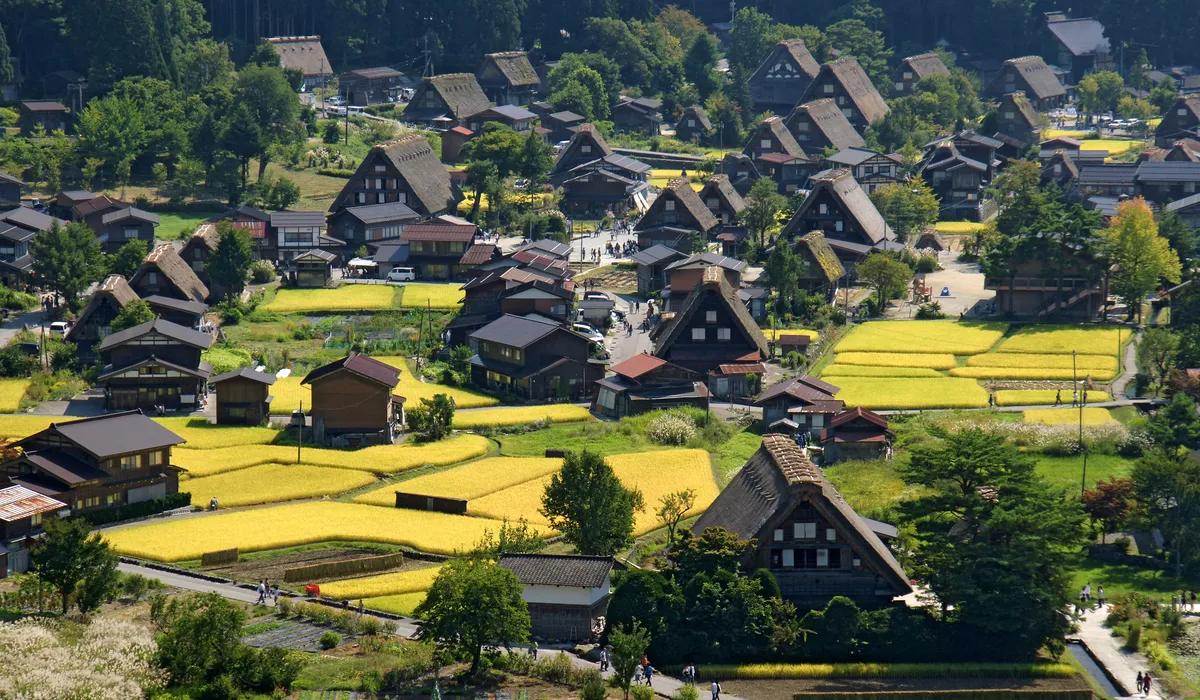
Shirakawa-go
A UNESCO-listed mountain village of steep thatched-roof farmhouses, best visited as a day trip from Takayama or Kanazawa.
Shirakawa-go is a mountain village in the Shogawa River valley of Gifu Prefecture, famous for its gassho-zukuri farmhouses — the name means “constructed like hands in prayer,” describing the steep, triangular thatched roofs that resemble a monk’s hands pressed together. That roof pitch, close to 60 degrees, developed to let heavy winter snow slide off rather than collapse the structure, and the large multi-level attic space it created was historically used to raise silkworms as part of the region’s silk-farming economy. Together with the Gokayama villages of Ainokura and Suganuma across the border in Toyama Prefecture, Shirakawa-go’s main village of Ogimachi was inscribed as a UNESCO World Cultural Heritage site in 1995, preserving a still-inhabited example of traditional Japanese mountain architecture rarely seen elsewhere.
Highlights & things to do
Ogimachi, the main preserved village, holds around 60 gassho-zukuri structures, some more than 250 years old, and functions as the region’s transport hub for buses arriving from Takayama, Kanazawa, and beyond. Wada House, an Important Cultural Property, is the largest gassho-zukuri farmhouse open to the public; other open houses include Kanda House and Nagase House, which displays historic medical and farming tools. The Shiroyama Viewpoint, reached by a short walking trail or shuttle bus above the village, gives the classic panoramic photograph of the thatched roofs against the mountains. The Gassho-zukuri Minka-en open-air museum reassembles farmhouses relocated from elsewhere in the region, some saved from destruction by dam construction, to preserve traditional rural architecture. On a handful of nights each winter, the village holds ticketed evening illumination events lighting the snow-covered roofs — these require advance reservation and sell out quickly.
Food & local cuisine
Hida beef appears locally as hoba-miso-yaki, grilled with miso on a dried magnolia leaf — a dish associated with the wider Hida region rather than unique to the village. Shirakawa-go’s own specialty is firm “stone tofu,” made with roughly twice the soybean content of standard tofu, often served as a set meal alongside seasonal sansai mountain vegetables.
Culture & traditions
Residents follow a community ethic of “don’t sell, don’t rent, don’t destroy” toward the gassho houses, underpinning the village’s preservation. Yui, a tradition of cooperative, community-wide re-thatching of the heavy roofs, reflects the mutual aid historically essential for survival in a village long isolated by heavy snow. Silk farming in the attics shaped the local economy — and the architecture itself — for generations.
Nature & scenery
The village sits in the Shogawa River valley, ringed by the Ryohaku mountains at the border of Gifu, Ishikawa, and Toyama prefectures. Rice paddies surround the houses; in late spring, before planting, flooded paddies can mirror the gassho roofs in a well-known photography scene.
Seasonal travel
Winter brings the village’s most iconic image — snow-blanketed thatched roofs — along with the reservation-only evening illumination nights in January and February. Spring cherry blossoms bloom around mid-April to early May, followed by the reflective flooded paddies of rice-planting season in late May and early June. Autumn, generally late October into early November, is often considered the most photogenic season, with foliage on the surrounding mountainsides and rice hung to dry on wooden poles.
Recommended experiences
Stay overnight in a gassho-zukuri minshuku, where more than a dozen farmhouses around Ogimachi offer tatami rooms, an open hearth common room, and home-cooked local meals — reservations are competitive and should be made well ahead. Walk up to the Shiroyama Viewpoint for the classic overview shot. Tour the Gassho-zukuri Minka-en open-air museum.
Getting there & practical info
There is no train access to Shirakawa-go — it’s reachable only by highway bus. From Takayama, the most popular route, the bus takes about 50 minutes; from Kanazawa, roughly 75 minutes to just over an hour; from Nagoya, around 2.5 hours direct. Because of this fixed bus-route network and limited overnight accommodation, most visitors see the village as a day trip from Takayama or as a stopover between Takayama and Kanazawa.
Who this suits
Best suited to architecture and heritage enthusiasts, photographers chasing the classic gassho-roof shot in any season, and travelers wanting an authentic rural overnight stay rather than a hotel.
A closer look at Shirakawa-go
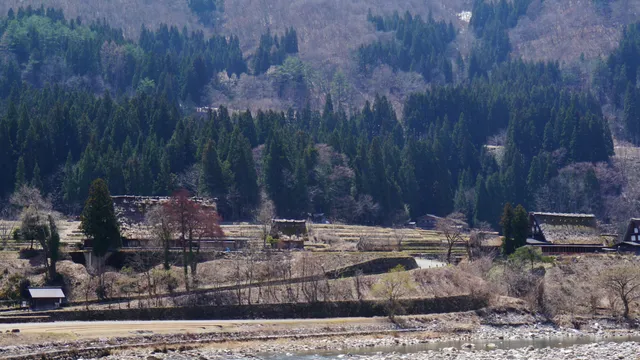
10 Best Things to Do in Shirakawa-go
A quick, friendly rundown of Shirakawa-go's best gassho-zukuri farmhouses, viewpoints, and local flavors — a good starting point for a day trip to this UNESCO-listed mountain village.
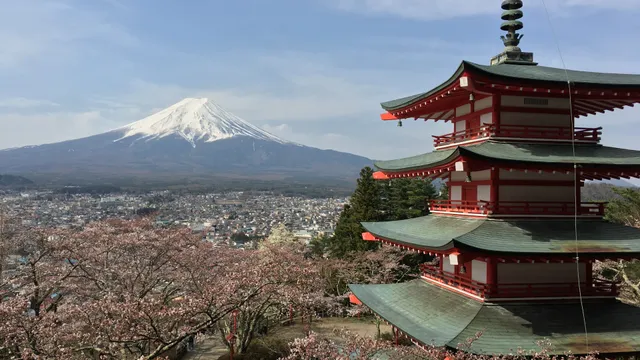
12 Best Things to Do in Japan
From Nara's bowing deer and Miyajima's floating torii to snow monkeys soaking in a Nagano hot spring, twelve unforgettable Japan experiences — and what to know before you visit each one.
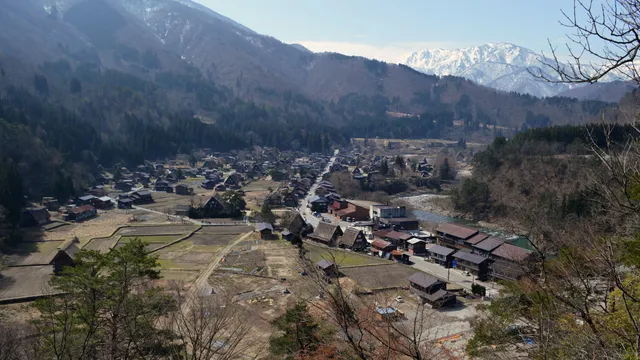
The Perfect 1-Day Shirakawa-go Itinerary
A well-paced day trip from Takayama through Shirakawa-go: the suspension bridge, a panoramic viewpoint, two historic farmhouses, a temple museum, hoba miso-yaki for lunch, and the open-air museum — everything you need for a proper visit before the last bus back.