Skip to content
Easy Travel in Japan
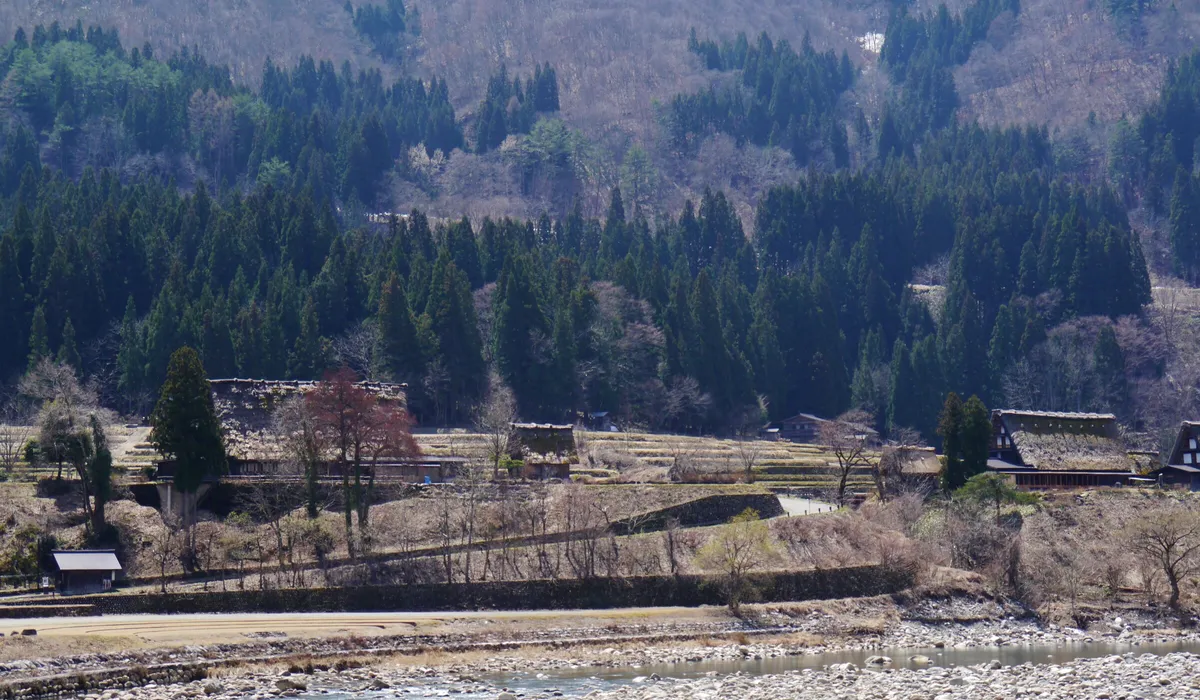
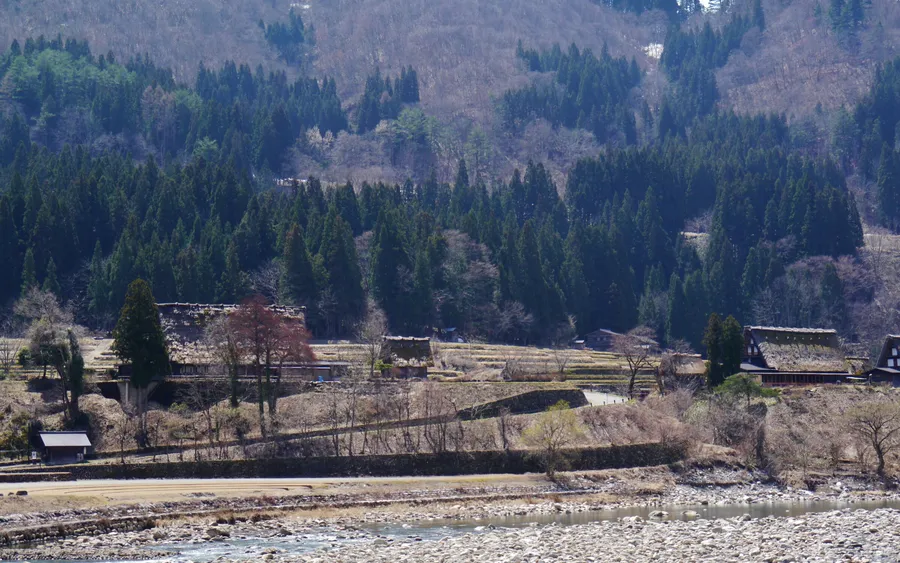
Ogimachi village and rice paddies, Shirakawa-go

10 Best Things to Do in Shirakawa-go

Shirakawa-go rewards even a few unhurried hours: a village small enough to cover on foot, but rich enough in preserved architecture, food, and local tradition to fill a full day trip from Takayama or Kanazawa. Here are ten places and experiences worth building your visit around.

  1. Ogimachi village and rice paddies, Shirakawa-go1

    Ogimachi

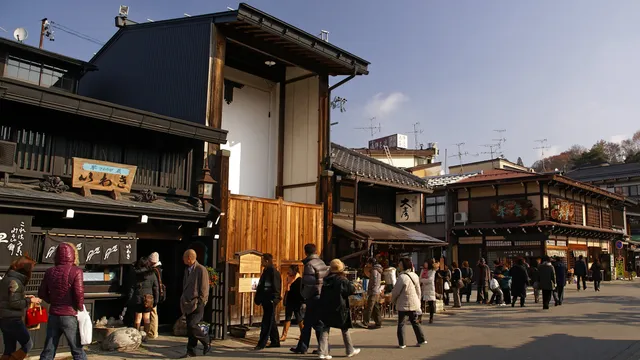
    Ogimachi is the living heart of Shirakawa-go, a UNESCO World Heritage cluster of around 60 gassho-zukuri farmhouses set against the Shogawa River and the Ryohaku mountains. Many of these steep, thatched-roof houses are still lived in today rather than preserved behind glass, which gives a walk through the village a different feel from a typical open-air museum. The name gassho-zukuri means 'constructed like hands in prayer,' a nod to the roof's sharp triangular pitch — close to 60 degrees — engineered to shed heavy mountain snow rather than collapse under it. Rice paddies ring the settlement, and in late spring, before planting, the flooded fields mirror the rooflines in one of the region's best-known photographs. Give yourself at least half a day here; the village is compact, but there's more to see inside the houses than the rooftops alone suggest.
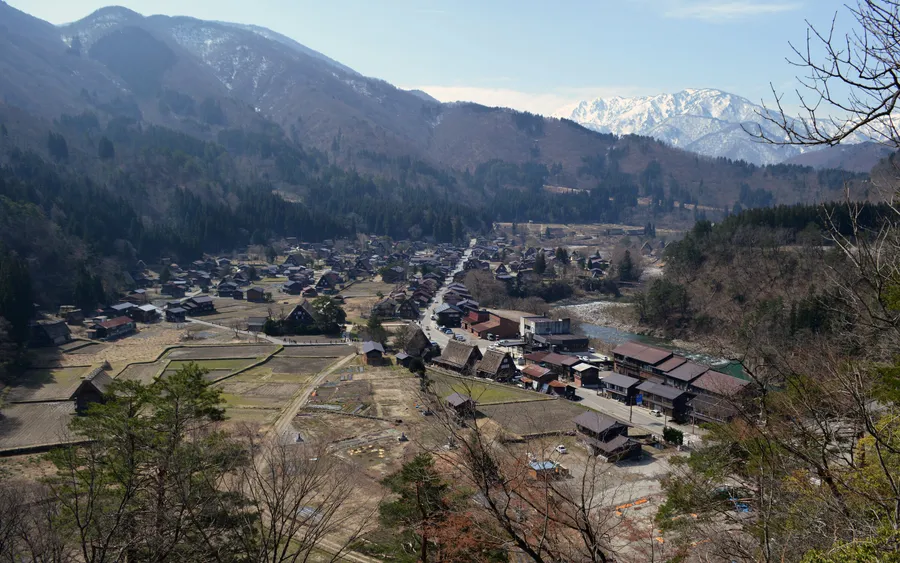
  2. View over Ogimachi from the Shiroyama observation deck, Shirakawa-go2

    Shiroyama Viewpoint

    The Shiroyama Viewpoint, on the site of a long-vanished castle above the village, gives the classic panoramic shot of Shirakawa-go: rows of thatched gassho roofs laid out along the Shogawa River valley, framed by the Ryohaku mountains behind. It's reachable by a shuttle bus from the village or a walking trail that takes roughly 20 to 30 minutes uphill, and both routes get busy with photographers around sunrise and sunset. Snow transforms the view completely in winter, when the roofs sit under a blanket of white against the dark tree line — the single most reproduced image of the village. Whichever time of day you go, it's worth the climb at least once.

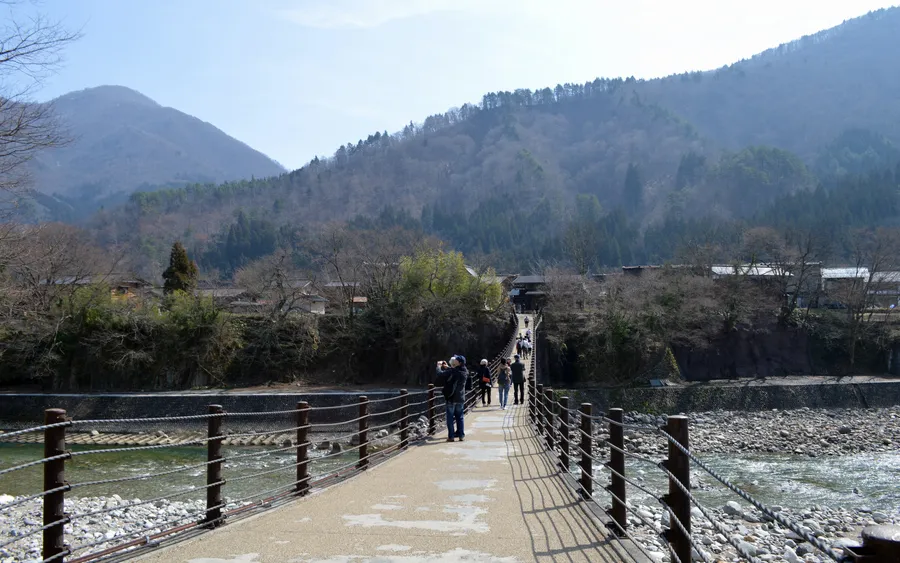
  3. Deai-bashi suspension bridge, Ogimachi, Shirakawa-go3

    Deai-bashi Suspension Bridge

    Most visitors' first steps into Shirakawa-go are across Deai-bashi, a 107-meter pedestrian suspension bridge over the Shogawa River linking the main parking area and bus terminal to the village itself. Its simple concrete-and-cable design, which won a Japan Society of Civil Engineers award in 2003, was built to blend into the landscape rather than compete with it, and it gives a slight sway underfoot when a few people cross at once. The view from the middle — thatched roofs on one side, the river running clear over stones below — is a fitting introduction before you've even set foot in the village proper. Crossing is free and takes only a couple of minutes, but it's worth pausing halfway for the photo.

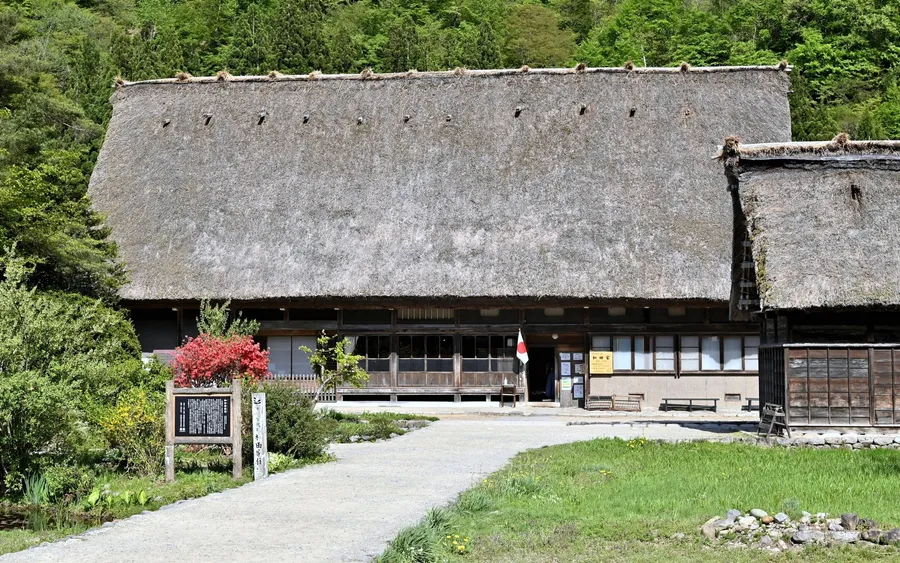
  4. Wada House, Ogimachi, Shirakawa-go4

    Wada House

    Wada House is the largest gassho-zukuri farmhouse open to the public in Shirakawa-go and a designated Important Cultural Property, having belonged to one of the village's most prosperous families for generations. Inside, multiple floors climb up through the steep roof space that once housed silkworm-raising operations, the historical backbone of the local economy alongside farming. Visitors can walk through the ground-floor living areas and see the tools, furniture, and layout of a working gassho household up close, rather than through a rope barrier. It's usually the first of the open houses that visitors reach walking in from Deai-bashi, making it a natural early stop.

    9:00 AM – 5:00 PM daily, irregular holidays997 Ogimachi, Shirakawa, Ono District, Gifu 501-5627
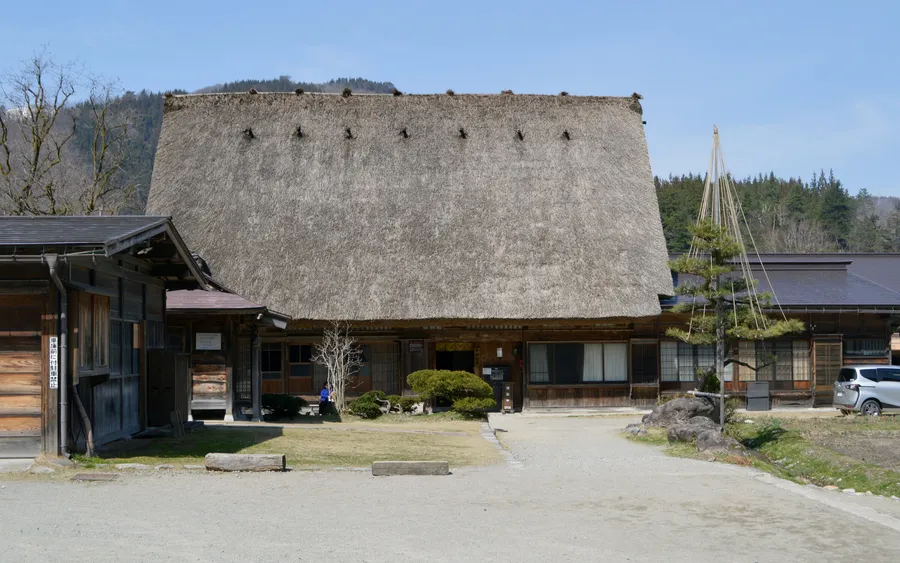
  5. Kanda House facade, Ogimachi, Shirakawa-go5

    Kanda House

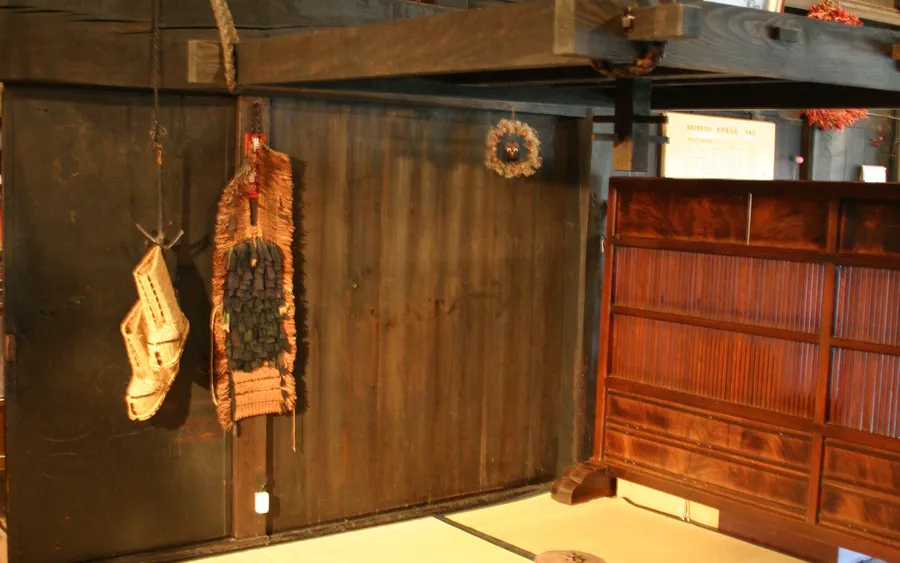
    Kanda House is a smaller, quieter alternative to Wada House for stepping inside a gassho-zukuri farmhouse, with an upper floor that opens onto views over the surrounding rooftops and rice fields. Like the other open houses in the village, its steep thatched roof conceals several stories historically used for sericulture, and the ground floor preserves the sunken hearth and daily-life layout of a working farmhouse. It draws a noticeably lighter crowd than Wada House, which makes it a good pick if you'd rather explore at your own pace.

    10:00 AM – 4:00 PM, closed Wednesdays796 Ogimachi, Shirakawa, Ono District, Gifu 501-5627
  6. Myozenji Temple Museum, Shirakawa-go6

    Myozenji Temple Museum

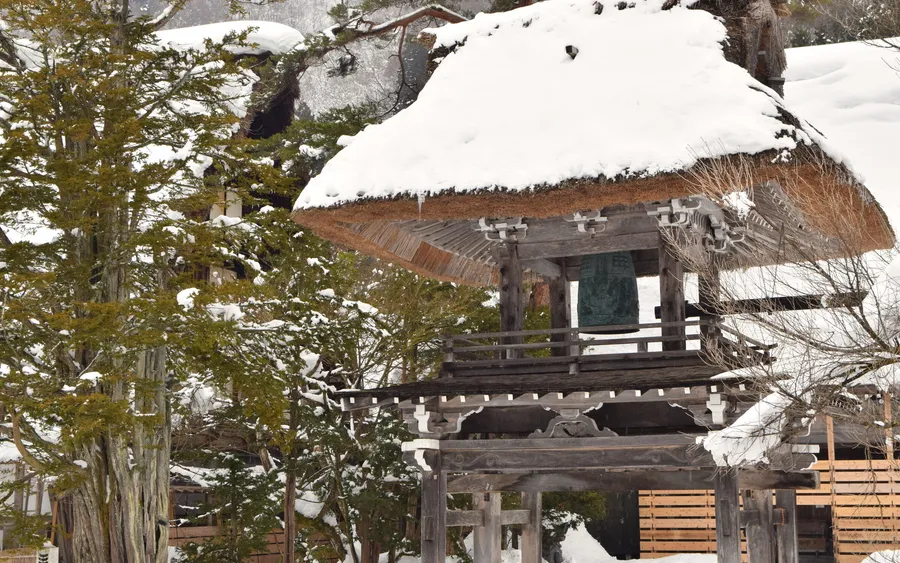
    Myozenji was founded in 1748 as a temple of the Jodo Shinshu school, but it's the kuri — the monks' residence next door, built in 1817 — that draws most visitors today. The five-story gassho-zukuri structure was raised entirely with wooden joinery, no nails or screws, using cypress and zelkova pillars, and its upper floors, like those of the farmhouses around it, were once given over to silkworm cultivation. Inside, the museum displays tools and artifacts tied to the region's farming and religious life, a more contemplative counterpart to the farmhouse visits nearby. The thick thatch covering both the main hall and the bell tower gate is worth studying up close on the way in.

    8:30 AM – 5:00 PM (Apr–Nov); 9:00 AM – 4:00 PM (Dec–Mar)679 Ogimachi, Shirakawa, Gifu 501-5627
  7. Entrance gate, Gassho-zukuri Minka-en open-air museum, Shirakawa-go7

    Gassho-zukuri Minka-en Open-Air Museum

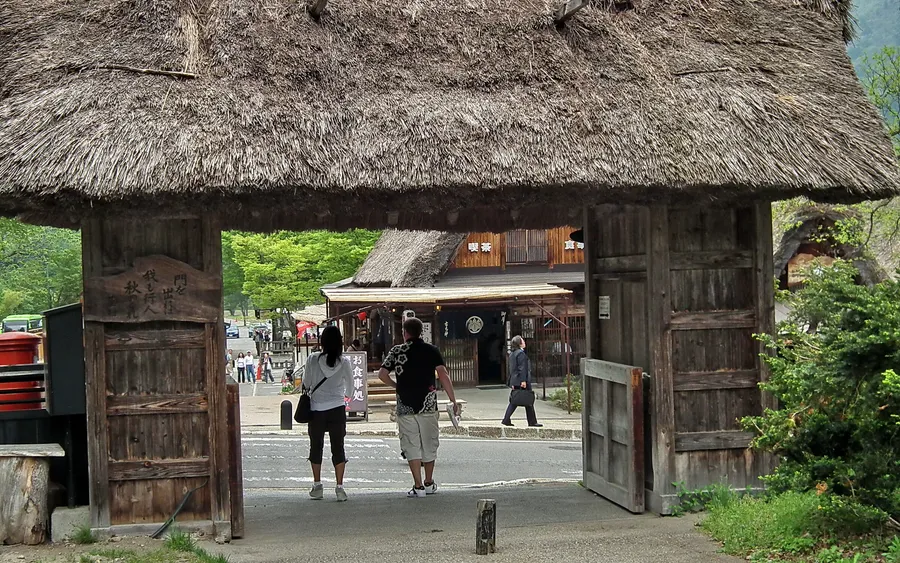
    A short walk or shuttle ride from the main village, the Gassho-zukuri Minka-en gathers more than two dozen gassho-zukuri buildings relocated here from around the region, some of them rescued from villages that were flooded by dam construction in the mid-20th century. Because the houses were brought from different eras and areas, walking through the grounds shows a wider range of gassho architecture than Ogimachi's single village alone. It's a quieter, more spread-out visit, with demonstrations of traditional crafts held in some of the buildings on certain days. Plan on an hour or so to see it properly.

    8:50 AM – 5:00 PM (Mar–Nov); 9:00 AM – 4:00 PM (Dec–Feb)2499 Ogimachi, Shirakawa, Ono District, Gifu
  8. Shirakawa Hachiman Shrine, Ogimachi, Shirakawa-go8

    Shirakawa Hachiman Shrine & the Doburoku Festival

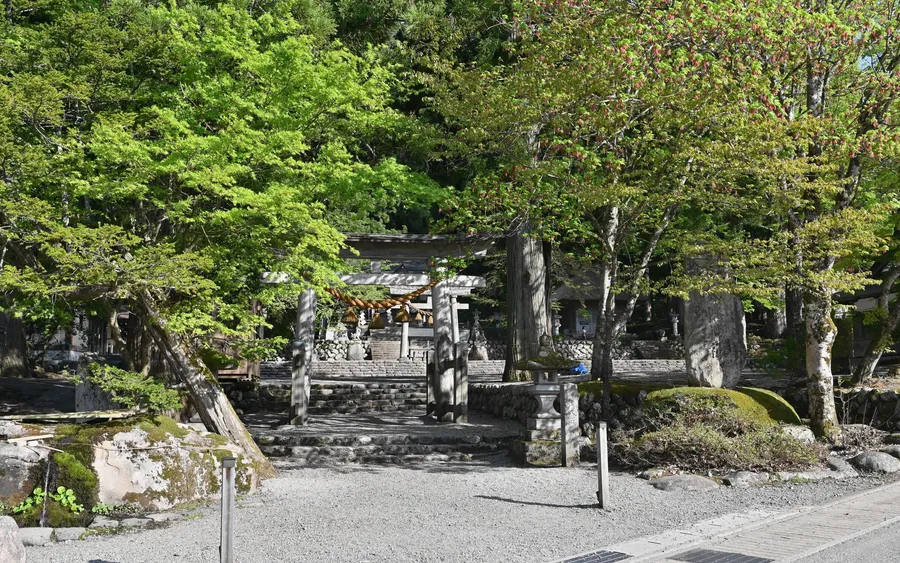
    Shirakawa Hachiman Shrine, the village's guardian shrine, is a quiet spot most of the year but becomes the center of Shirakawa-go's biggest annual event every October 14th and 15th: the Doburoku Festival. Doburoku, a milky, unrefined sake, is brewed each January in a storehouse on the shrine grounds and handed out to visitors during the festival alongside lion dances and folk performances, offered as thanks for the autumn harvest and prayers for the village's safety. Outside festival dates, the shrine grounds themselves are a calm, wooded stop worth a short detour from the busier parts of the village. If your trip happens to land in mid-October, it's worth timing your visit around the festival itself.

  9. Irori hearth inside a gassho-zukuri house, Shirakawa-go9

    Step Inside a Gassho House's Irori Hearth

    At the center of nearly every gassho-zukuri house's ground floor sits an irori, a sunken hearth where a fire has traditionally been kept burning for cooking, warmth through harsh mountain winters, and — less obviously — to help preserve the building itself, since the rising smoke dries out the thatch and roof timbers and helps keep insects away. Several of the open houses in the village still have theirs set up much as they were, with an iron kettle hanging above the coals on a wooden hook. It's a small detail, but it explains as much about how these houses have survived for centuries as the roof pitch does. Look for it on the ground floor of whichever house you visit first.

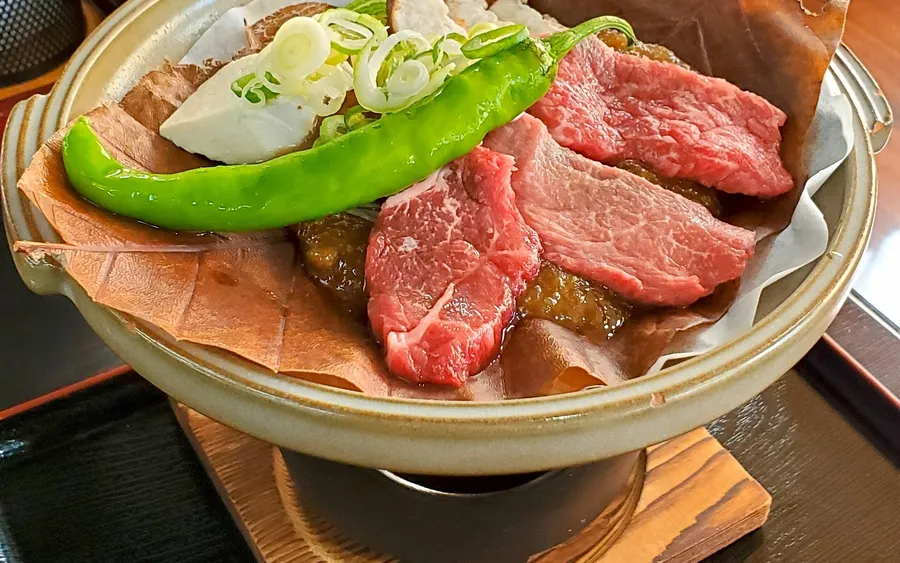
  10. Hida beef with hoba-miso10

    Hoba Miso-yaki

    Hoba miso-yaki isn't unique to Shirakawa-go — it's a specialty of the wider Hida region — but it's the dish most visitors end up eating here anyway: thin slices of Hida beef grilled at the table over a dried magnolia (hoba) leaf, topped with a dollop of sweet, savory miso that caramelizes slightly as it cooks. The leaf itself gives off a faint, woody aroma that a regular grill pan can't replicate, and restaurants around the village serve it as a set meal alongside rice and pickles. It's a satisfying, warming dish for a mountain village, especially after a cold climb up to the Shiroyama Viewpoint.

Keep reading

More guides you might like

Nearby

Related destinations

Continue

Related services

Easy Travel in Japan