 Easy Travel in Japan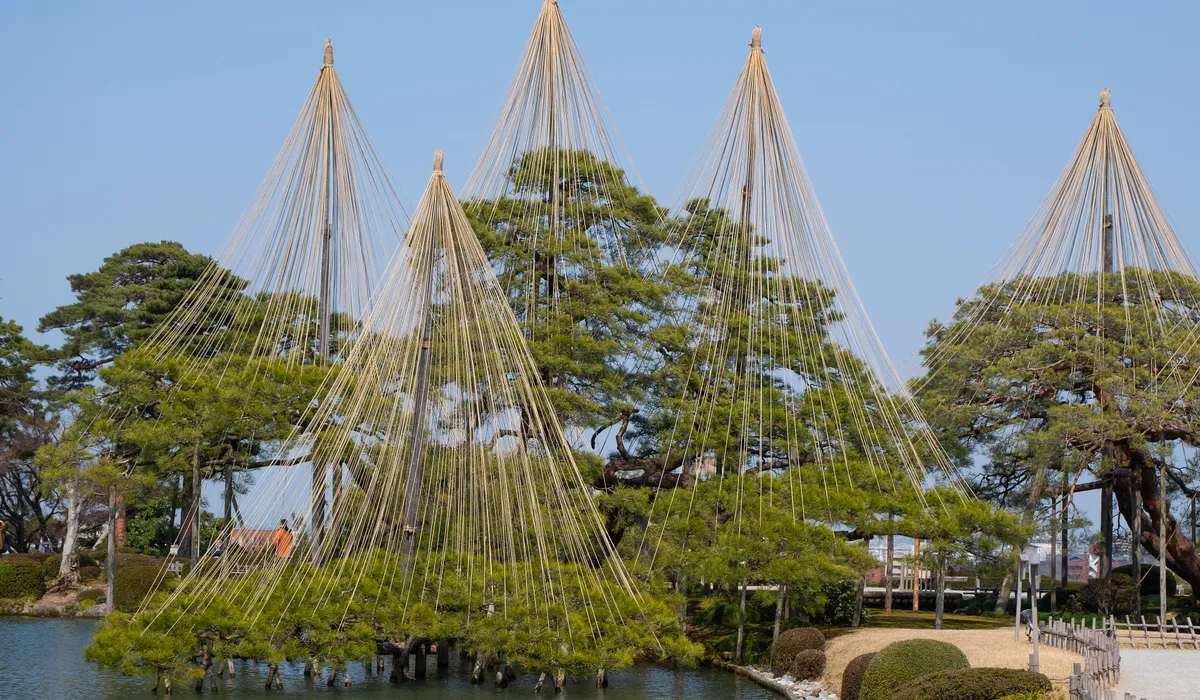
Kanazawa
A well-preserved castle town with Kenroku-en, one of Japan's three great gardens, and a historic geisha district.
Kanazawa is the capital of Ishikawa Prefecture, on the Sea of Japan coast in the Hokuriku region. From 1583, it was the seat of the Maeda clan, Japan’s second-most-powerful feudal family after the Tokugawa, who governed for fourteen generations until 1869. Rather than pursue military conflict, the Maeda invested their wealth in culture — funding scholarship, crafts, and the arts — making Kanazawa a major cultural center throughout the Edo period. It was also one of Japan’s few large cities to escape WWII bombing, so its historic samurai and geisha districts survive largely intact, giving it a claim to “Kyoto without the crowds.”
Highlights & things to do
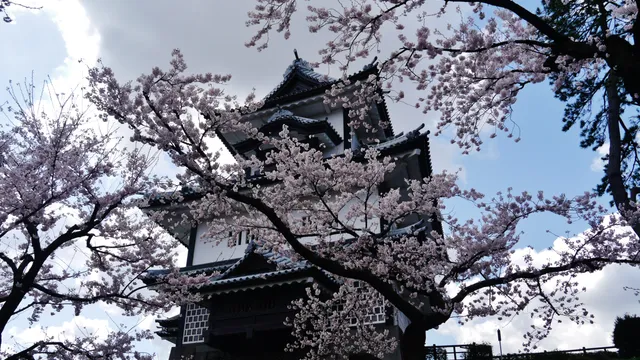
Kenroku-en, begun in the 1620s and developed by generations of Maeda lords, is ranked among Japan’s “three great gardens” alongside Kairaku-en and Koraku-en, and holds Japan’s oldest surviving fountain, powered by natural water pressure alone. Next door, Kanazawa Castle dates to 1583, though little of the original survives; since 2001 several structures, including the Hishi Yagura watchtower, have been reconstructed using traditional techniques.
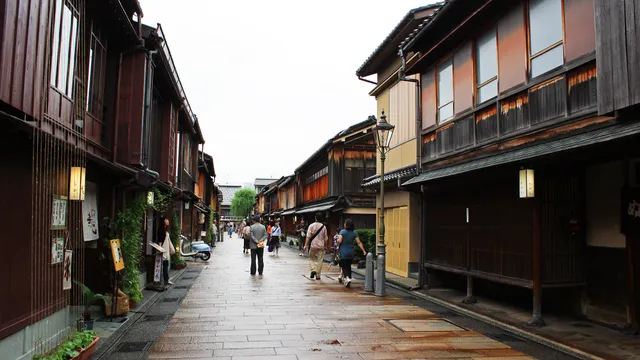
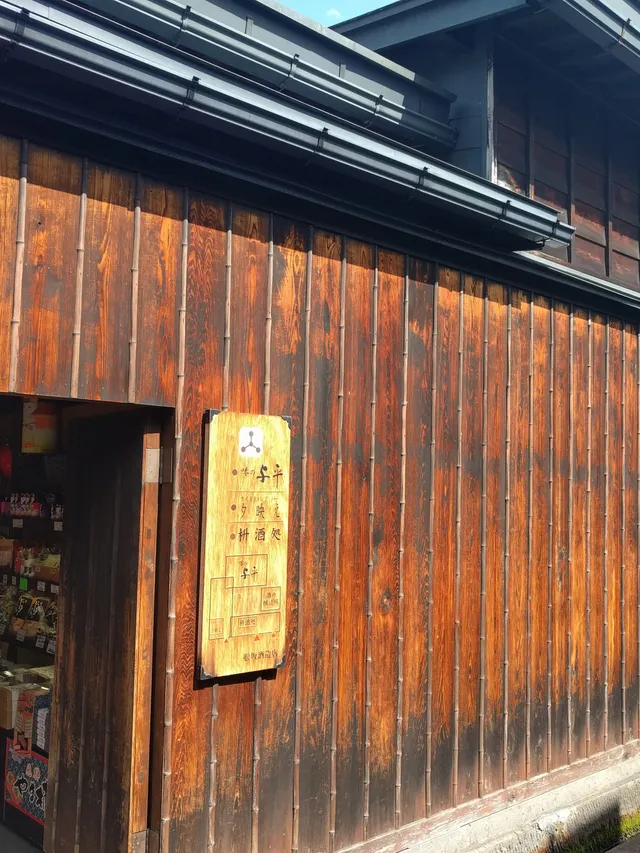
The Higashi Chaya District, established in 1820 when the city’s geisha houses were consolidated here, is lined with wooden teahouses behind distinctive lattice facades — some still active, others now cafés and gold-leaf shops. In the Nagamachi samurai district, the Nomura Family Residence’s garden, with its stream, waterfall, and 400-year-old bayberry tree, is rated among Japan’s finest by the Michelin Green Guide. The circular, glass-walled 21st Century Museum of Contemporary Art, opened in 2004, is best known for Leandro Erlich’s “Swimming Pool” installation. Omicho Market, consolidated at its current site in 1721 and known as “Kanazawa’s Kitchen,” has around 180 shops selling fresh Sea of Japan seafood. Myoryuji, nicknamed the “Ninja Temple” despite no actual ninja connection, was built in 1643 with hidden staircases, secret rooms, and escape routes disguised behind a facade restricted by shogunate law to look like a single two-story building.
Food & local cuisine
Kanazawa’s cuisine, known as Kaga ryori, reflects the Maeda clan’s cultural patronage. Jibu-ni, a stew of flour-coated duck or chicken with wheat gluten and seasonal vegetables in thickened dashi, is the signature dish. Fresh Sea of Japan seafood is central, showcased at Omicho Market through seafood rice bowls and dishes like salt-grilled nodoguro. Gold leaf, a Kanazawa specialty in its own right, is even used decoratively on food and drink, including gold-leaf-topped soft-serve ice cream.
Culture & traditions
Kanazawa produces around 99% of Japan’s gold leaf, a 400-year-old craft in which gold alloy is hammered to roughly 1/10,000th of a millimeter thick. Kaga Yuzen, a hand-painted silk-dyeing technique distinguished from Kyoto’s Kyo Yuzen by its absence of tie-dyeing or embroidery, traces to a Kyoto-trained dyer who settled in the city in the early 18th century. Living geiko (geisha) culture continues in the Higashi, Nishi, and Kazue-machi chaya districts — a rarity among Japanese cities. The Hyakumangoku Matsuri, Kanazawa’s largest annual festival on the first weekend of June, commemorates Maeda Toshiie’s 1583 arrival with a parade of over 2,000 costumed participants.
Nature & scenery
Two rivers frame the city: the gentler Asano River, lined by the Higashi Chaya district and a row of centuries-old black pines, and the swifter Sai River, which runs along the west side of the castle grounds. Kenroku-en itself is prized for beauty across all four seasons, particularly winter snow scenes.
Seasonal travel
Spring cherry blossoms typically bloom in Kanazawa in the last week of March through mid-April, with Kenroku-en waiving admission during peak bloom and offering evening illuminations. Winter brings the city’s best-known seasonal sight: yukitsuri, cone-shaped rope supports strung from tall poles to protect Kenroku-en’s pine branches from snow damage, installed each November and best seen under actual snowfall in January and February.
Recommended experiences
Apply real gold leaf to a small item of your choice at a workshop near Higashi Chaya. Try a Kaga Yuzen silk-dyeing session. Take a guided tour of Myoryuji’s hidden staircases and trick rooms. Eat a seafood rice bowl at Omicho Market. Walk the Nomura Family Residence’s Michelin-rated garden in Nagamachi.
Getting there & practical info
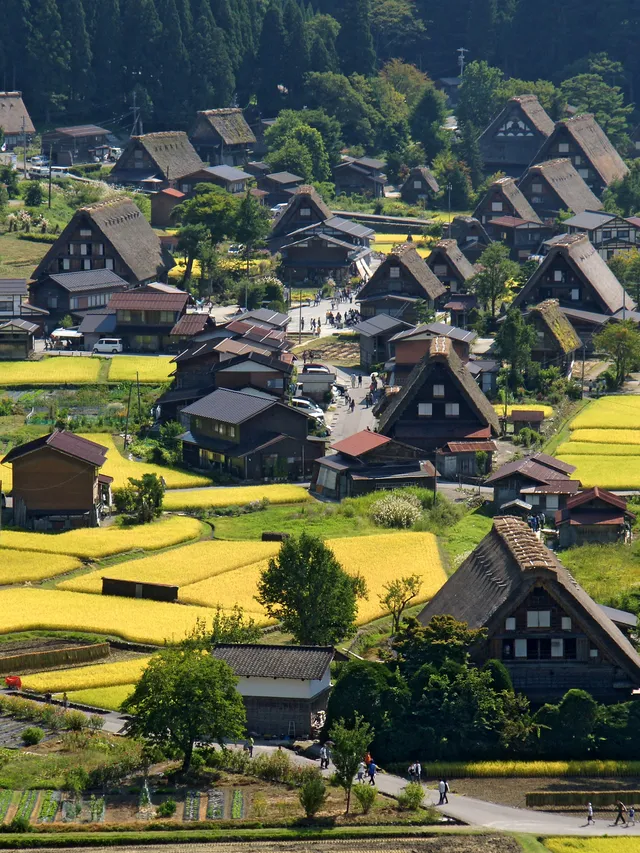
The Hokuriku Shinkansen’s fastest Kagayaki service reaches Kanazawa from Tokyo in around 2.5 hours with no transfers. Komatsu Airport, about 30km from the city, connects by limousine bus in around 45 minutes. Most visitors need at least a full day for Kenroku-en, the castle, and Omicho Market, with two days recommended to also take in the chaya districts and 21st Century Museum, or three if adding a day trip to Shirakawa-go.
Who this suits
Suits history and castle-town enthusiasts, garden lovers drawn to Kenroku-en, seafood-focused food travelers, and craft and art fans interested in gold leaf, Kaga Yuzen, and contemporary art side by side.
A closer look at Kanazawa
10 Best Things to Do in Kanazawa
A quick, friendly rundown of Kanazawa's biggest highlights — from one of Japan's three great gardens to a temple built to disguise its own hidden staircases — a good starting point for a first visit to this castle town.
The Perfect 2-Day Kanazawa Itinerary
A well-paced two days through Kanazawa: the garden, castle, and market on day one, then a ninja-tricked temple and the historic chaya and samurai quarters on day two — everything you need for a proper visit to this castle town, not just a rushed stopover.
The Ultimate Kanazawa Travel Guide
A castle town on the Sea of Japan coast with claims to being 'Kyoto without the crowds' — one of Japan's three great gardens, a preserved geisha district, and a ninja-tricked temple that isn't actually about ninjas.
Related destinations
Useful services for this trip
Train Tickets
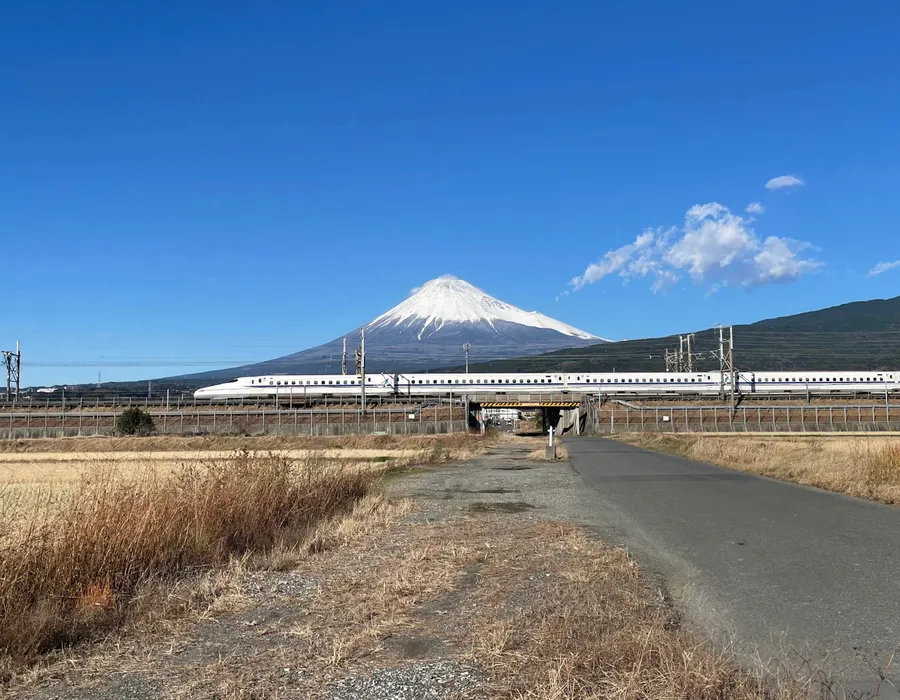
Book shinkansen and local rail tickets in advance and skip the station ticket-counter queue.
Explore Train Tickets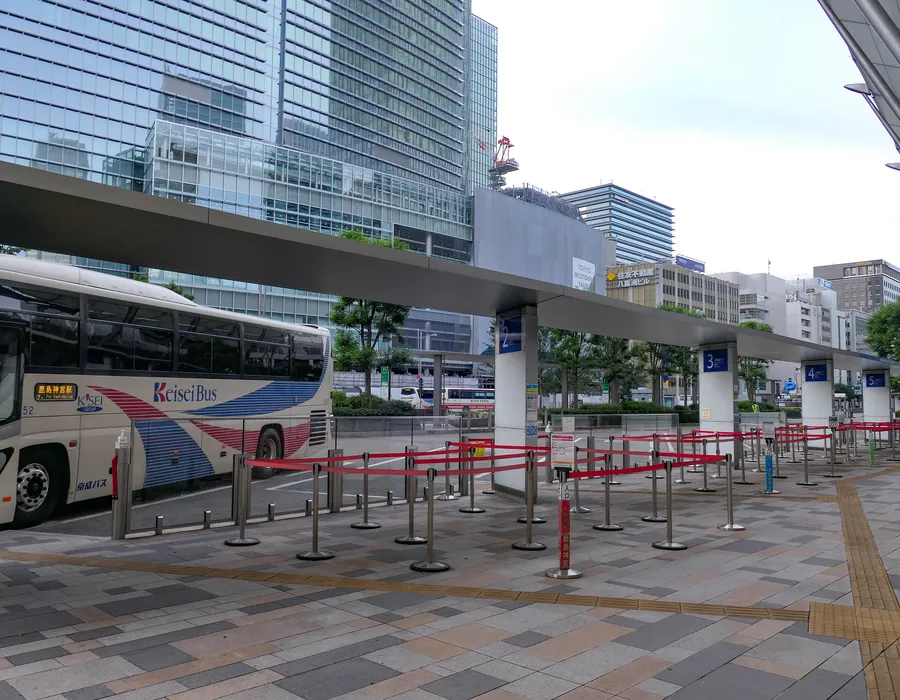
Bus Tickets
Book highway, overnight, and tour buses across Japan — an affordable way to reach cities and sights that trains skip.
Explore Bus Tickets
eSIM & Wi-Fi
Stay connected in Japan with an eSIM or pocket Wi-Fi, without hunting for a local SIM shop.
Explore eSIM & Wi-Fi