Skip to content
Easy Travel in Japan
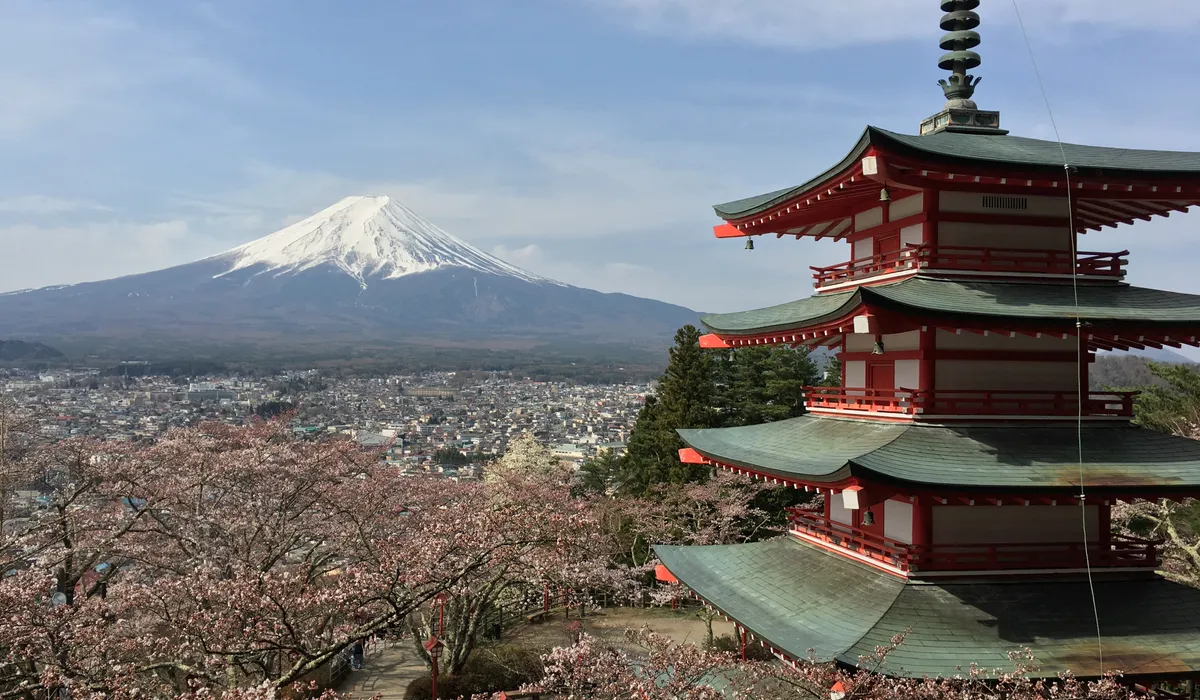
Chureito Pagoda and Mount Fuji, cherry blossoms

The Ultimate Mount Fuji & Fuji Five Lakes Travel Guide

Mount Fuji is Japan’s highest peak at 3,776 meters, and the Fuji Five Lakes on its northern side form the main base for visitors approaching from Tokyo — lakes, forests, and hot springs within Fuji-Hakone-Izu National Park, all built around some of the mountain’s most famous views. Here’s a closer look at the villages, viewpoints, and flavors that make it worth the trip, whether you’re here for a single clear-weather day or staying long enough to properly explore the lakes.

Attractions

The classic views and villages that define a first visit to the Fuji Five Lakes.

  1. Chureito Pagoda and Mount Fuji1

    Chureito Pagoda

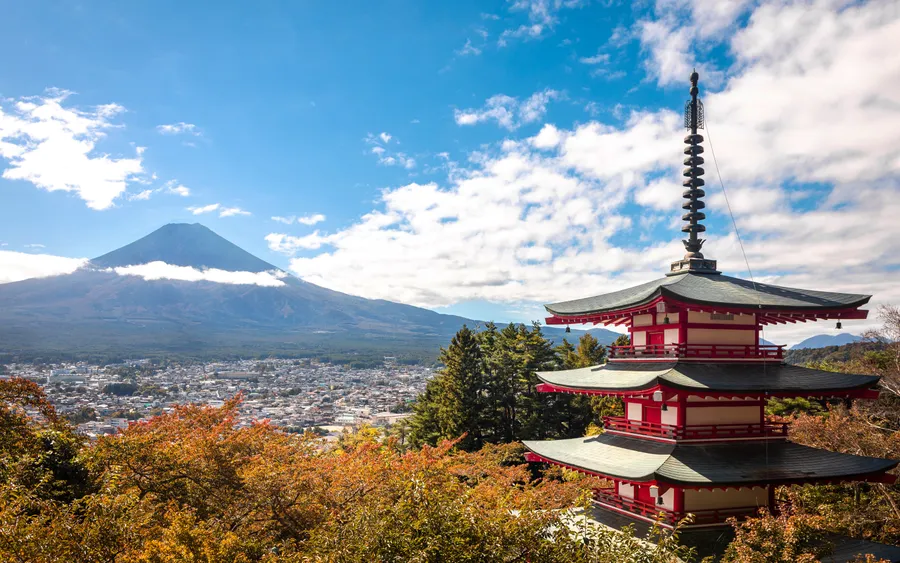
    The Chureito Pagoda, a five-story structure built in 1963 to commemorate Fujiyoshida residents who died in conflicts from the mid-19th century through WWII, sits within Arakurayama Sengen Park above the city. Reaching it means climbing 398 steps past the Arakura Sengen Shrine, but the reward at the top is one of Japan's most photographed views — the red pagoda framed directly against Mount Fuji, with cherry blossoms adding a pink foreground in spring. The observation deck gets crowded fast on clear mornings, so an early start pays off both for the view and for photos without a crowd in them.

    Park grounds always open, free; shrine 9:30 AM – 4:00 PM3353 Arakura, Fujiyoshida, Yamanashi
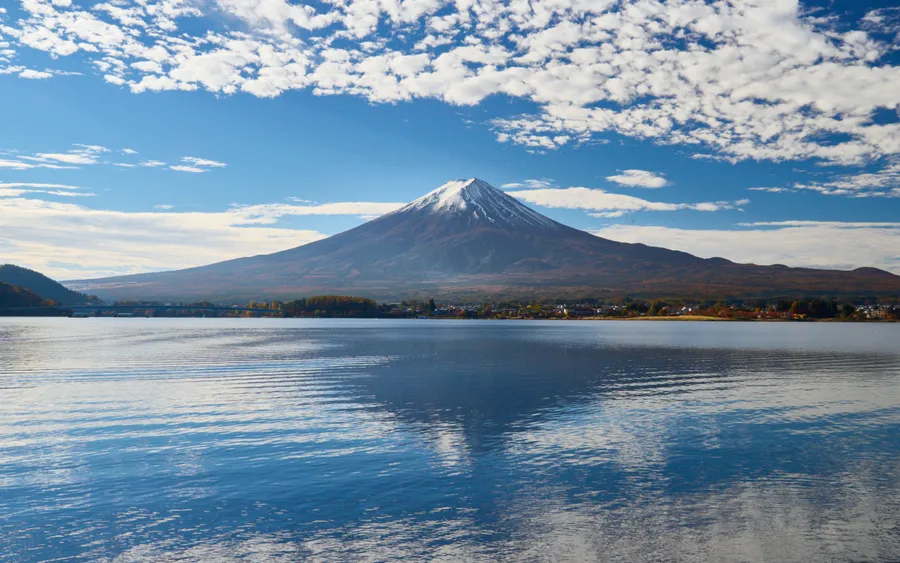
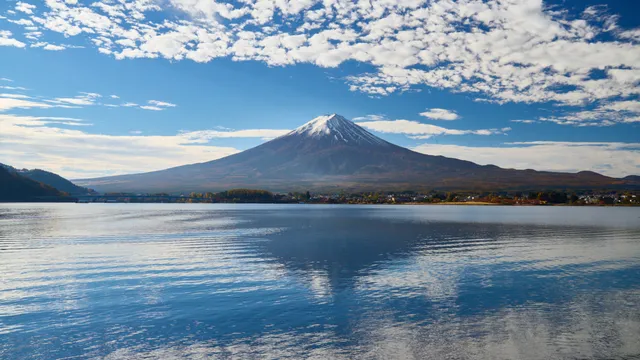
  2. Mount Fuji reflected in Lake Kawaguchiko2

    Lake Kawaguchiko

    Lake Kawaguchiko is the most accessible and developed of the Fuji Five Lakes, and the region's sightseeing hub, with a direct train connection from Tokyo and the best Fuji views from its northern shore. On calm, clear mornings, the mountain reflects almost perfectly in the water, one of the most reliable versions of the classic Fuji-and-lake shot without needing to hike anywhere. The lakeside is lined with ryokan, cafes, and museums, making it a comfortable base for exploring the wider area rather than just a viewpoint to pass through.

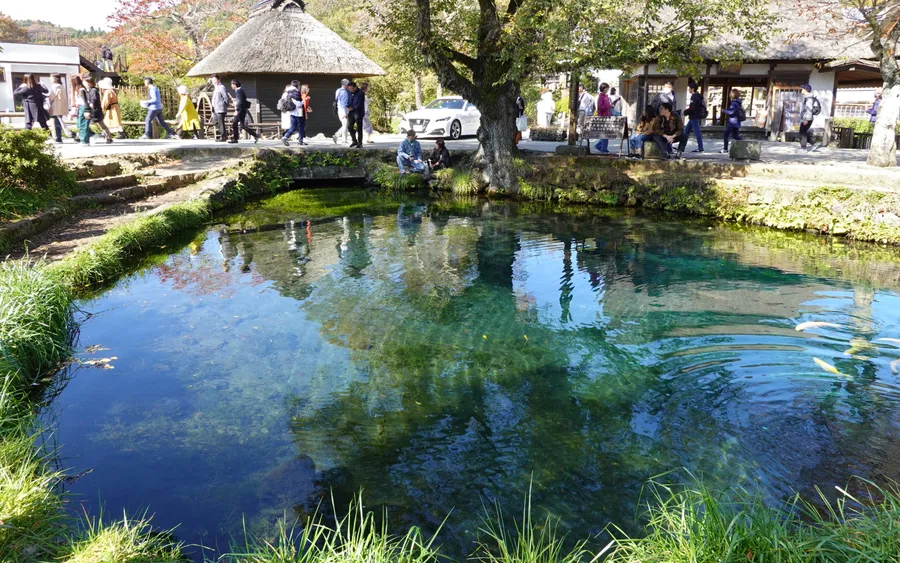
  3. Waku-ike spring pond, Oshino Hakkai3

    Oshino Hakkai

    Oshino Hakkai is a village between Kawaguchiko and Yamanakako built around eight spring-fed ponds, formed by Fuji's snowmelt filtering slowly through volcanic rock over roughly 20 years before emerging as startlingly clear water. Waku-ike, the most photographed of the eight, is genuinely transparent enough to see straight to the bottom, with koi and mountain trout visible from the surface. Traditional thatched-roof buildings around the ponds now house craft shops and food stalls, so it's an easy stop to combine sightseeing with a slow lunch.

Nature

A second lake view and a forest grown on hardened lava, both a step further off the main circuit.

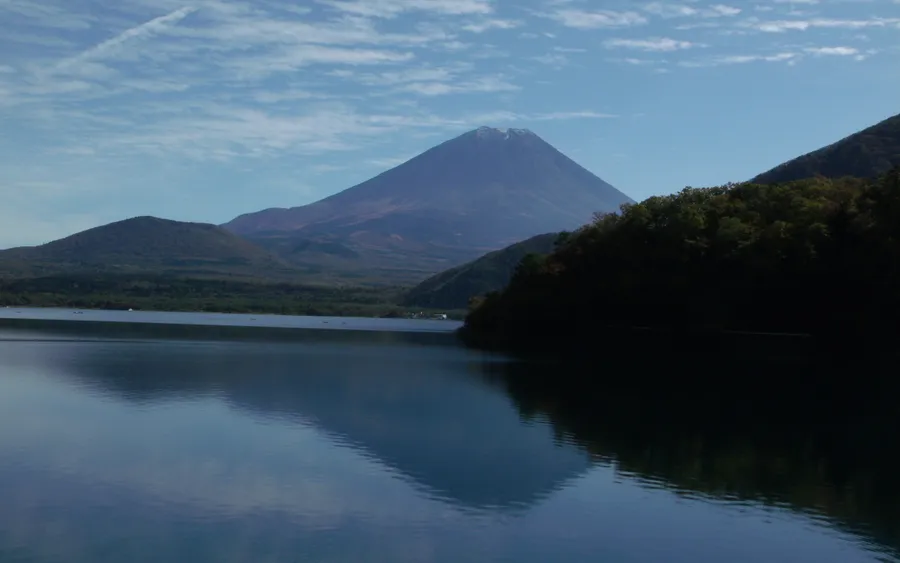
  1. Mount Fuji reflected in Lake Motosuko1

    Lake Motosuko

    Lake Motosuko, the deepest of the Fuji Five Lakes, is best known for the specific view of Mount Fuji once printed on Japan's old 1,000-yen note, taken from its northern shore. It's the quietest and least developed of the five, with none of Kawaguchiko's density of hotels and shops, which makes the water stiller and the reflections that much cleaner on a calm morning. Worth the extra travel time if a genuinely uncrowded Fuji view matters more than convenience.

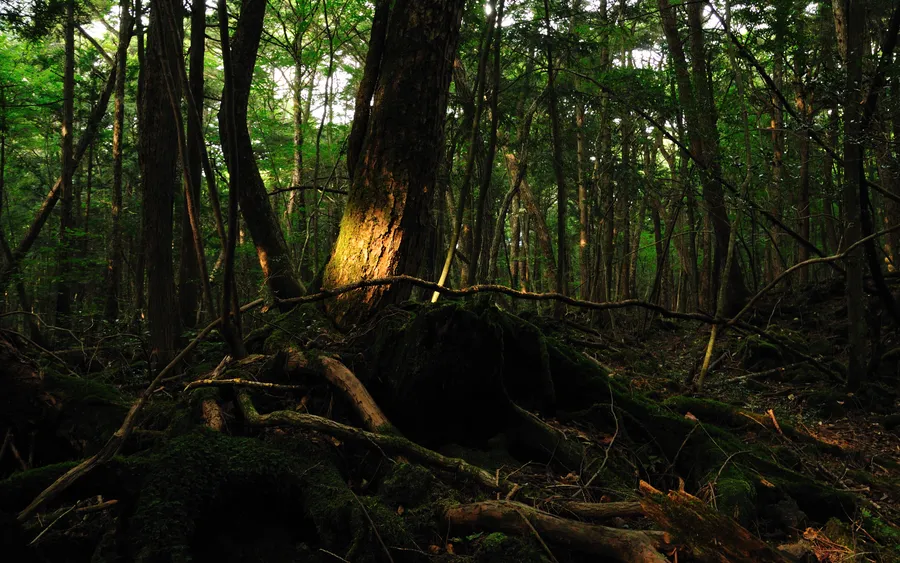
  2. Aokigahara forest floor2

    Aokigahara

    Aokigahara is a dense forest grown directly on hardened lava from a 9th-century eruption, its shallow tree roots and moss-covered volcanic rock giving it a genuinely different look and feel from typical Japanese woodland. Marked boardwalk trails keep visitors on a defined path through the forest, and nearby ice and wind caves — lava tubes that stay near freezing year-round — are open to walk through with a jacket on even in summer. The forest's reputation outside Japan tends to overshadow what it actually is: a striking, walkable example of how quickly life reclaims a lava field.

Experiences

A shrine tied to centuries of pilgrimage, an elevated view without the climb, and a mountain-facing amusement park.

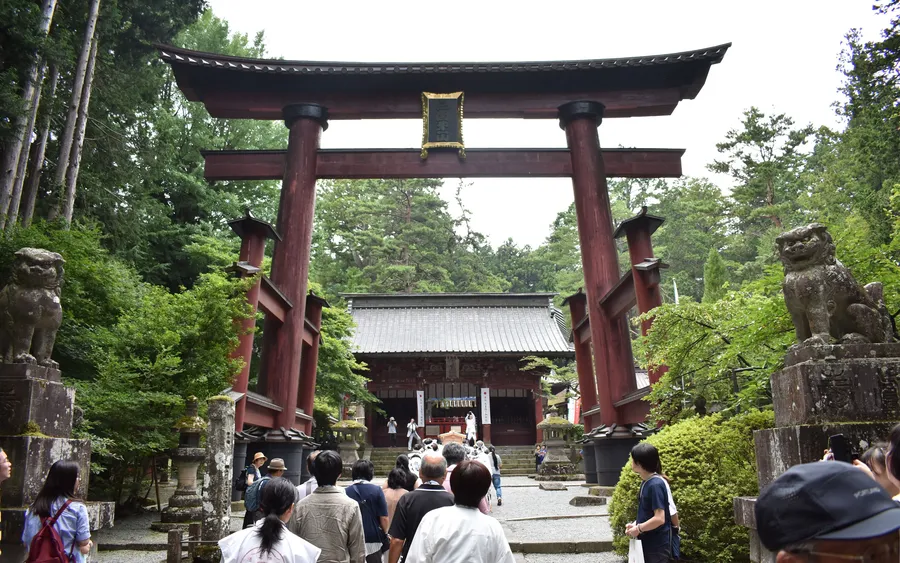
  1. Torii, Kitaguchi Hongu Fuji Sengen Shrine1

    Kitaguchi Hongu Fuji Sengen Shrine

    Kitaguchi Hongu Fuji Sengen Shrine is the traditional starting point of the north-side climbing route up Mount Fuji, and climbers have performed rituals here before setting out since the Edo period, when Fujiko pilgrimage confraternities turned the ascent into a religious rite. A large stone torii marks the entrance to a forested approach lined with cedar trees, some centuries old, leading to the shrine buildings themselves. Even for visitors with no plans to climb, it's a quiet, atmospheric stop and a reminder of just how long Fuji has been treated as sacred rather than merely scenic.

    Grounds always open, free
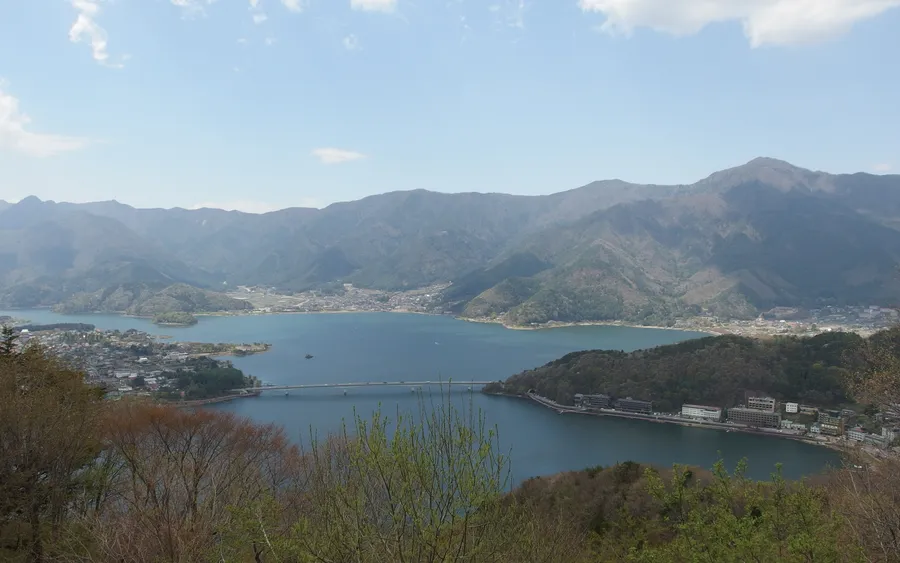
  2. Lake Kawaguchiko from the Kachikachi Ropeway, Mount Tenjo2

    Kachikachi Ropeway

    The Kachikachi Ropeway climbs Mount Tenjo in about three minutes, lifting visitors 1,075 meters above sea level for an elevated view over Lake Kawaguchiko and, on clear days, Mount Fuji rising beyond it. It's an easy 10 to 15 minute walk from Kawaguchiko Station to the base station, making it one of the simplest ways to get an elevated view without any real hiking. The top station has a short walking trail and statues referencing the folk tale the mountain and ropeway are named after.

    9:00 AM – 5:10 PM (9:30 AM – 4:40 PM Dec–Feb)1163 Azagawa, Fujikawaguchiko-machi, Minamitsuru-gun, Yamanashi 401-0303
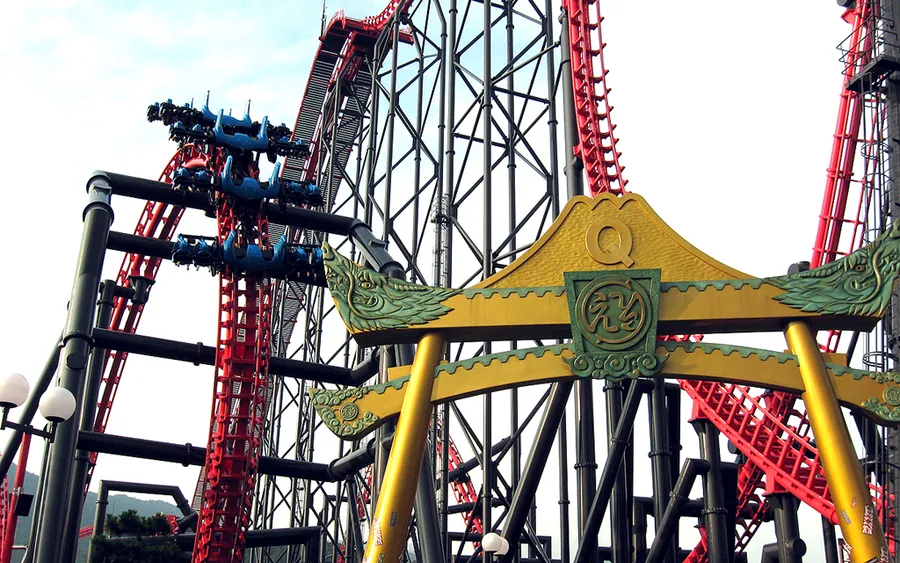
  3. Eejanaika coaster, Fuji-Q Highland3

    Fuji-Q Highland

    Fuji-Q Highland, a major amusement park at the base of the mountain, is known for a run of record-setting roller coasters, including Eejanaika, which combines height, speed, and seats that spin independently of the track. Mount Fuji is visible from several of the rides on clear days, an unusual backdrop for a theme park. It's a good full-day option for families or thrill-seekers looking for a break from temples and lake viewpoints.

    Typically 9:00 AM – 5:00 PM, varies by season and day — check the official schedule before visiting5-6-1 Shinnishihara, Fujiyoshida, Yamanashi 403-0017
Food

Two Yamanashi noodle dishes worth seeking out, one thick and stewed, one firm and chewy.

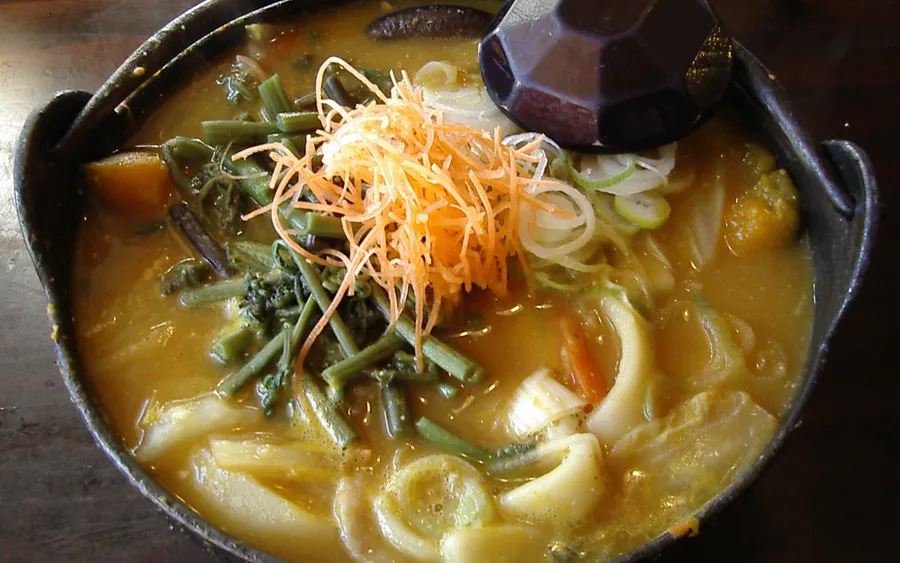
  1. Hoto, Yamanashi pumpkin miso noodle stew1

    Hoto

    Hoto is Yamanashi's signature dish, thick, flat hand-cut noodles simmered directly in a miso broth with seasonal vegetables like pumpkin, so the noodles themselves thicken the soup as they cook rather than being boiled separately. It's traditionally linked to the 16th-century warlord Takeda Shingen, said to have fed it to his troops as an efficient one-pot meal. Hearty and warming, it's a natural choice after a cold morning at a lake viewpoint or a day on the mountain.

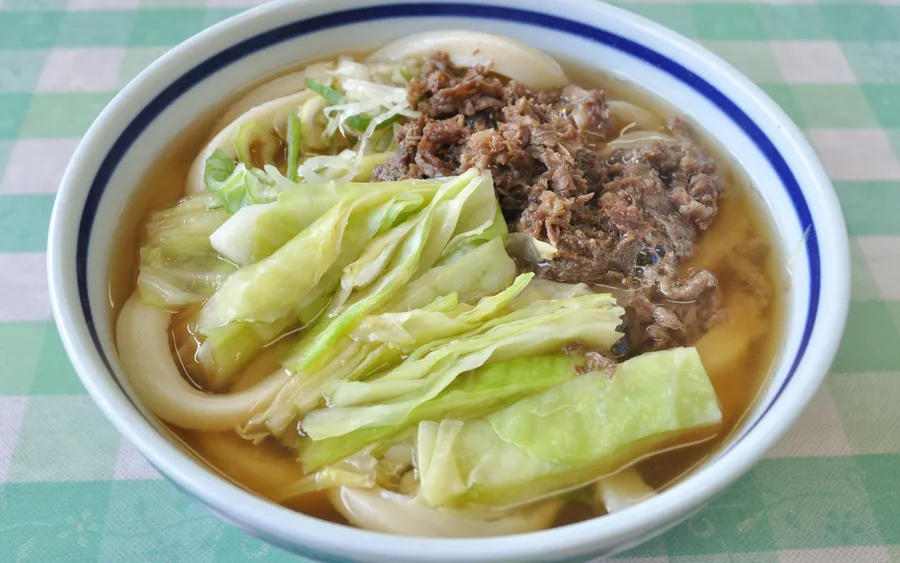
  2. Yoshida udon, Fujiyoshida2

    Yoshida Udon

    Yoshida udon, a specialty of nearby Fujiyoshida, is notably firmer and chewier than standard udon, made with a higher ratio of wheat to water. It's served in a soy-miso broth and typically topped with boiled cabbage and meat, a simple, working-class meal that's stayed largely unchanged for generations. Small, family-run shops around Fujiyoshida Station serve it cheaply and without ceremony — worth seeking out over anything aimed squarely at tourists.

Keep reading

More guides you might like

Nearby

Related destinations

Continue

Related services

Easy Travel in Japan