Easy Travel in Japan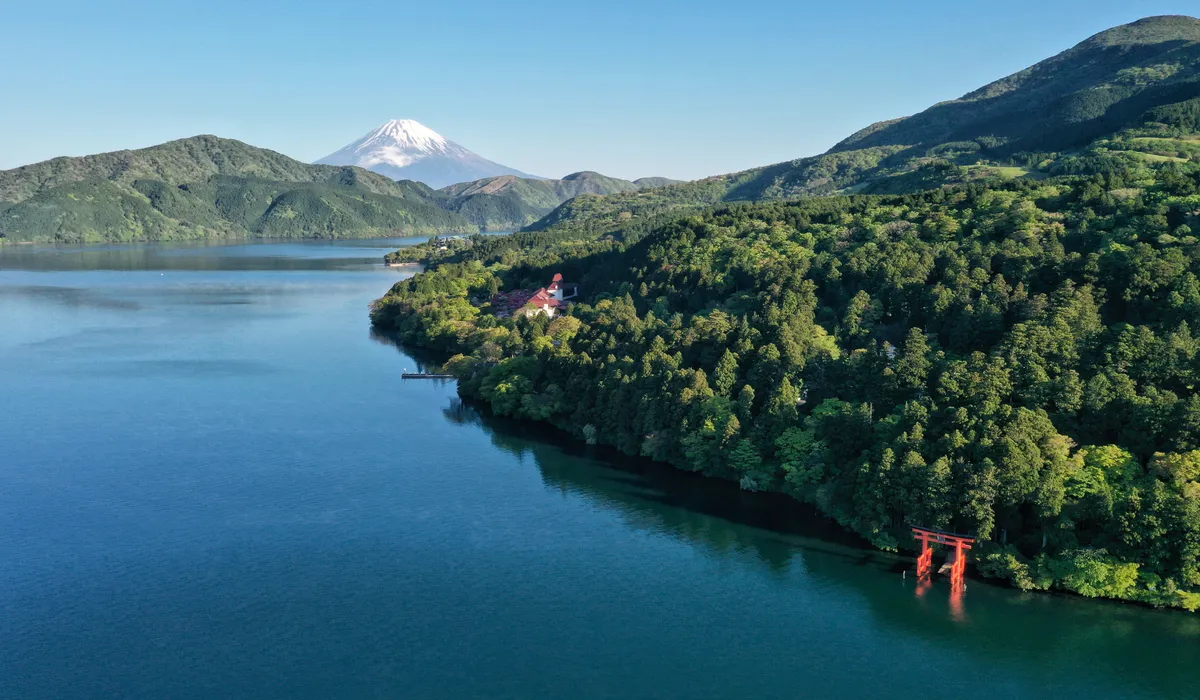
Hakone
A volcanic hot-spring resort near Mount Fuji, best explored by looping between train, cable car, ropeway, and boat.
Hakone is a small town in Kanagawa Prefecture, about 90 km southwest of Tokyo, set almost entirely within Fuji-Hakone-Izu National Park around the volcanic caldera lake Ashinoko. It has been a hot-spring destination for well over a thousand years — the area’s first recorded bathhouse dates to 738 — and during the Edo period it sat directly on the Tokaido, the shogunate road linking Edo and Kyoto, where the Hakone Checkpoint inspected travelers passing between the two. That mix of volcanic geology, historic onsen culture, and — on clear days — views of Mount Fuji across the lake has made it one of the most popular short escapes from Tokyo.
Highlights & things to do
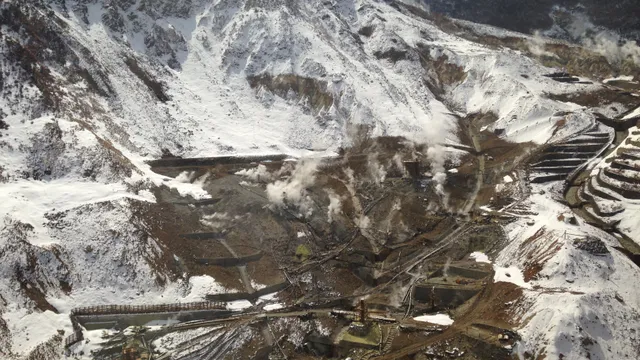
Owakudani, the “Great Boiling Valley,” is an active volcanic valley of sulfurous steam vents and hot streams formed around 3,000 years ago by Mount Hakone’s last major eruption; it’s reached by the Hakone Ropeway, a roughly 4-km gondola line that also passes close to Lake Ashi and, weather permitting, Mount Fuji. Lake Ashi itself is the centerpiece of the area, ringed by mountains and crossed by a sightseeing cruise on ships styled after 17th- and 18th-century European warships.
At the lake’s edge, Hakone Shrine dates back over 1,200 years and is best known for the red torii gate standing in the water, reached through a forest approach lined with cedar trees and lanterns. The Hakone Open-Air Museum, Japan’s first, opened in 1969 and displays sculpture by artists including Henry Moore and Joan Miro across its grounds, alongside a dedicated Picasso pavilion. Getting between sights is part of the appeal: the Hakone Tozan Railway, Japan’s oldest mountain railway, opened in 1919 and climbs steep gradients using switchbacks, running especially thick with hydrangeas in early summer.
Food & local cuisine
Kuro-tamago — eggs hard-boiled in Owakudani’s naturally hot, sulfurous spring water, which turns their shells black — are the area’s best-known food souvenir, sold at the valley itself. Local restaurants also serve soba made with Hakone’s mountain spring water, and yuba (tofu skin), a specialty prized here for its smooth texture.
Culture & traditions
Hakone’s onsen culture has developed continuously since the Nara period, drawing pilgrims, shogunate travelers on the Tokaido, and — by the Meiji era — a growing resort trade. The Hakone Checkpoint, once staffed to inspect travelers and control who left Edo, is now a reconstructed National Historic Site with a museum. In August, the Hakone Daimonji-yaki bonfire festival lights a giant character on the mountainside opposite Gora, and the town also marks the start of the famous Hakone Ekiden university relay race, held every January 2–3 between Tokyo and the shore of Lake Ashi.
Nature & scenery
Owakudani’s volcanic terrain and Lake Ashi’s caldera setting are Hakone’s defining landscapes, with elevation changes that shift the scenery from lakeside towns up to steaming mountain valleys within a short ropeway ride. Mount Fuji is visible from parts of Hakone on clear days, especially from the lake’s southeastern shore, though cloud cover — particularly in the afternoon — often hides it.
Seasonal travel
Autumn foliage runs roughly mid-October through early December, changing first in the higher elevations before reaching lower towns like Hakone-Yumoto; early-to-mid November is often cited as a good window. Winter, with its clear, dry air, is frequently considered the best season for Mount Fuji views, mornings tend to offer better visibility than afternoons. Early summer brings hydrangeas along the Hakone Tozan Railway tracks.
Recommended experiences
Do the “Hakone Loop”: Tozan Railway from Hakone-Yumoto to Gora, cable car up to Sowunzan, the ropeway over Owakudani to Togendai, then the pirate-ship cruise across Lake Ashi. Stay overnight in a ryokan with a private or communal onsen bath. Spend a half-day among the art museums clustered around Gora and Sengokuhara.
Getting there & practical info
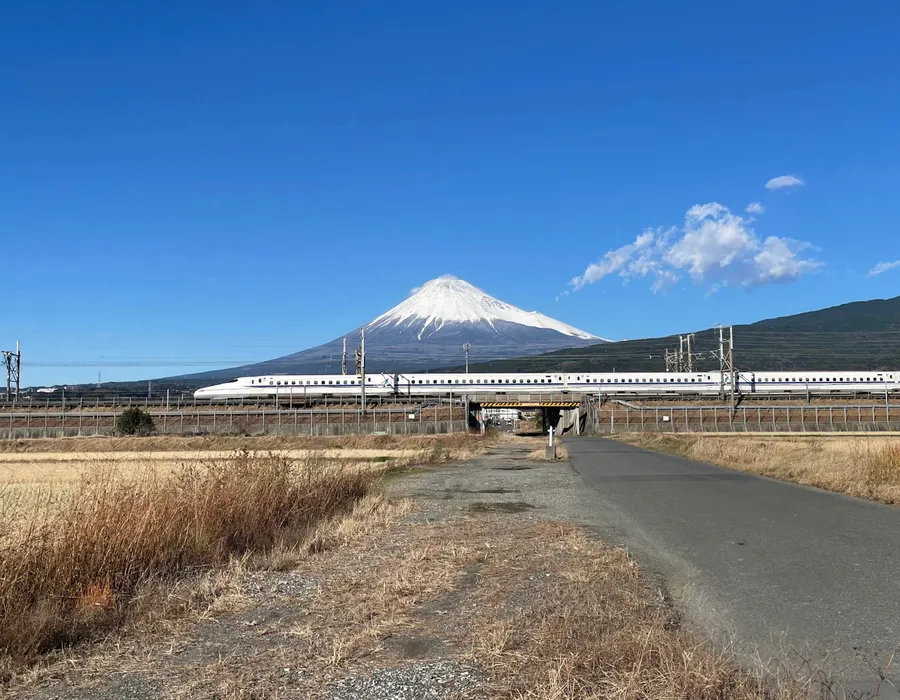
From Shinjuku, Odakyu’s Romancecar limited express runs directly to Hakone-Yumoto in around 80–90 minutes. Alternatively, the Tokaido Shinkansen reaches Odawara from Tokyo or Shinagawa in about 30 minutes, from where the Hakone Tozan Railway or a bus continues into the town. The Hakone Freepass, sold by Odakyu, covers unlimited use of the area’s trains, cable car, ropeway, boat, and buses. Hakone can be done as a long day trip from Tokyo, but most guides recommend staying overnight to enjoy a ryokan and complete the full loop without rushing.
Who this suits
Best suited to onsen and hot-spring travelers, couples and short-break visitors from Tokyo, and anyone chasing a view of Mount Fuji without climbing it.
A closer look at Hakone
10 Best Things to Do in Hakone
A quick, friendly rundown of Hakone's biggest highlights — from the steaming valley of Owakudani to a pirate-ship crossing of Lake Ashi — a good starting point for a first visit.
12 Best Things to Do in Japan
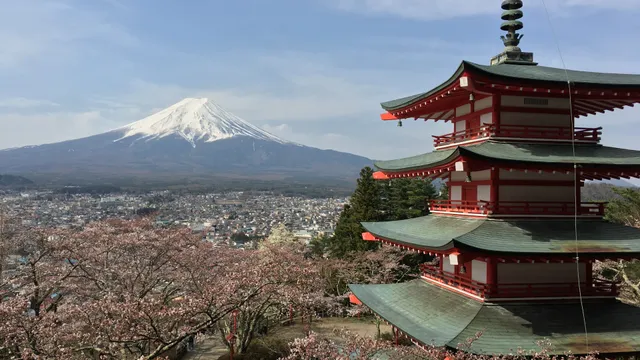
From Nara's bowing deer and Miyajima's floating torii to snow monkeys soaking in a Nagano hot spring, twelve unforgettable Japan experiences — and what to know before you visit each one.
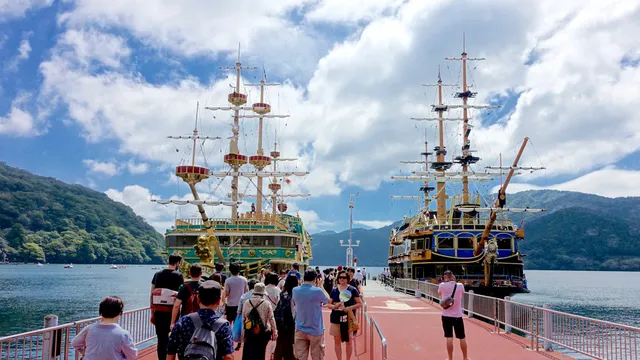
The Perfect 1-Day Hakone Itinerary
A single, well-paced loop through Hakone's volcanic valley, mountain railway, and lake — everything you need to do the classic Hakone Loop in one day from Tokyo.
Related destinations
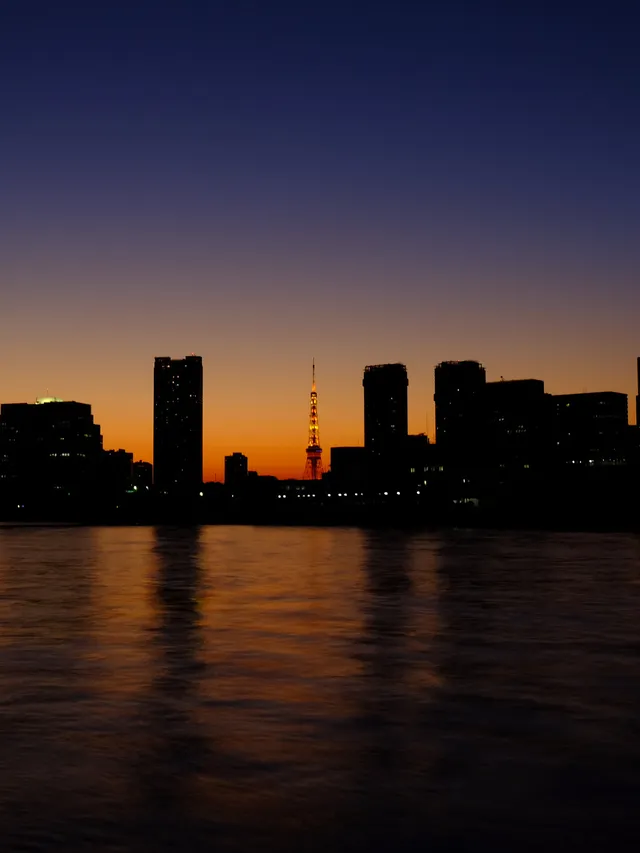
Tokyo
Japan's capital — a vast, walkable mix of neon districts, quiet shrines, and some of the best rail connections in the country.
Explore Tokyo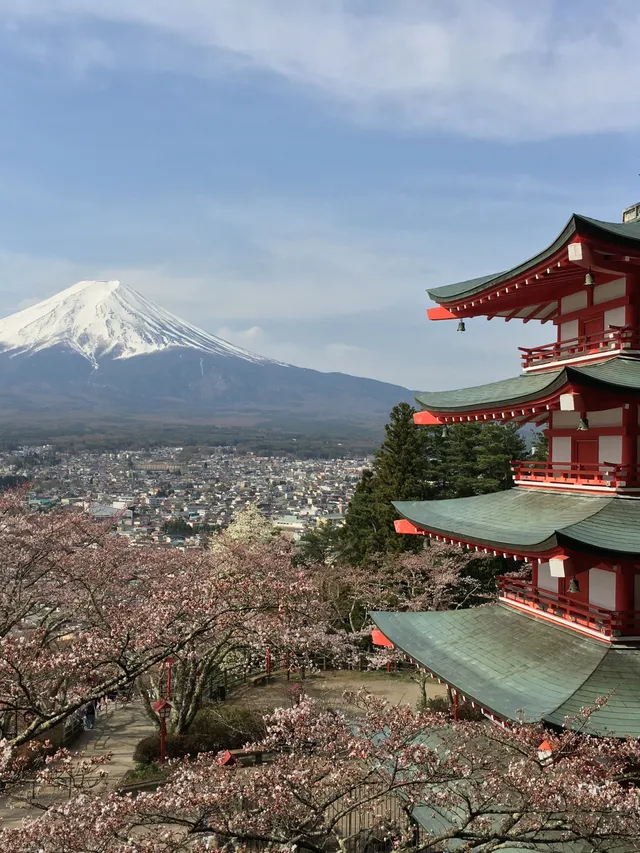
Mount Fuji & Fuji Five Lakes
Japan's iconic peak and the lakeside towns around it — the closest, most reliable place to see Fuji up close.
Explore Mount Fuji & Fuji Five Lakes