Skip to content
Easy Travel in Japan
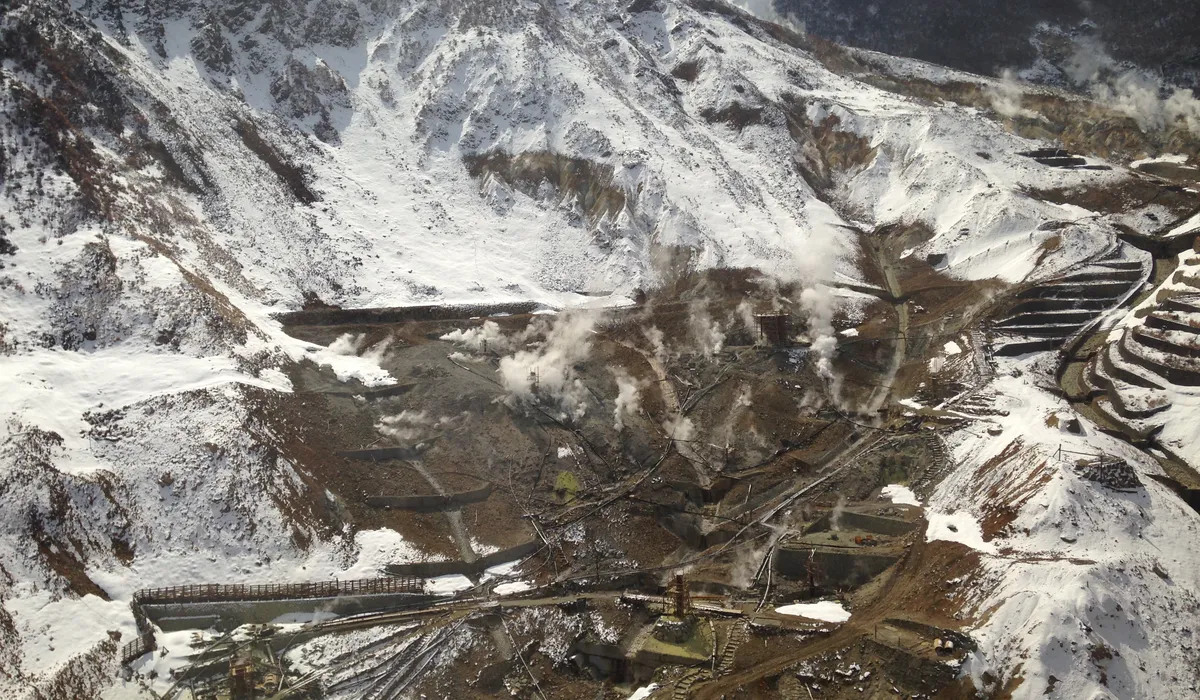
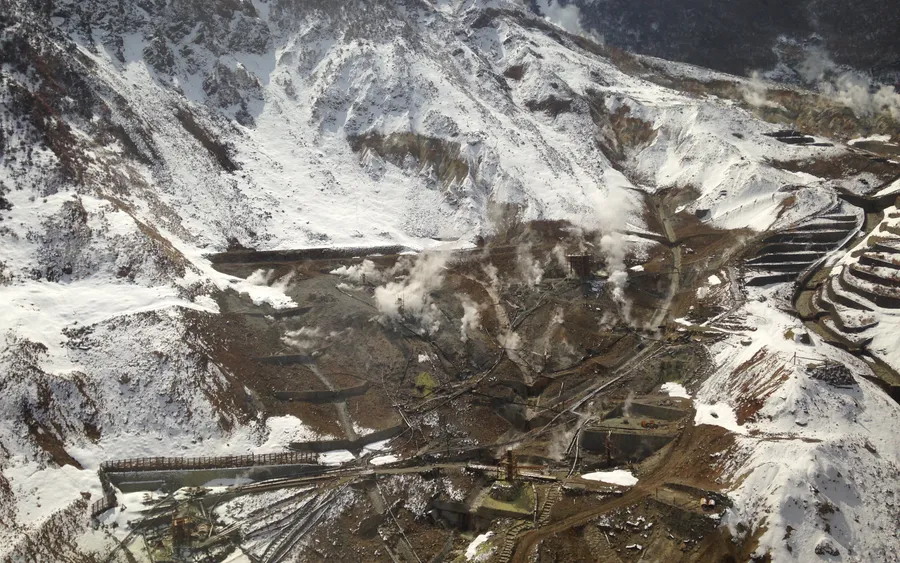
Owakudani valley from the Hakone Ropeway

10 Best Things to Do in Hakone

Short on time in Hakone? Here are ten places and experiences first-time visitors and repeat travelers both keep coming back to — a quick list to work from if you’d rather not plan every hour of your trip.

  1. Owakudani valley from the Hakone Ropeway1

    Owakudani

    Owakudani, the 'Great Boiling Valley,' is an active volcanic valley of sulfurous steam vents and hot streams formed roughly 3,000 years ago by Mount Hakone's last major eruption. The Hakone Ropeway glides directly over it, giving passengers a close-up view of the steaming, yellow-streaked hillside — and on a clear day, one of the better views of Mount Fuji in the whole Hakone area. It's also where the local kuro-tamago black eggs are boiled, so most visits combine the view with a quick snack stop.

    Ropeway: 9:00 AM – 4:45 PM (Feb–Nov); 9:00 AM – 4:15 PM (Dec–Jan)
  2. Lake Ashi pirate ship cruise, Hakone2

    Lake Ashi Pirate Ship Cruise

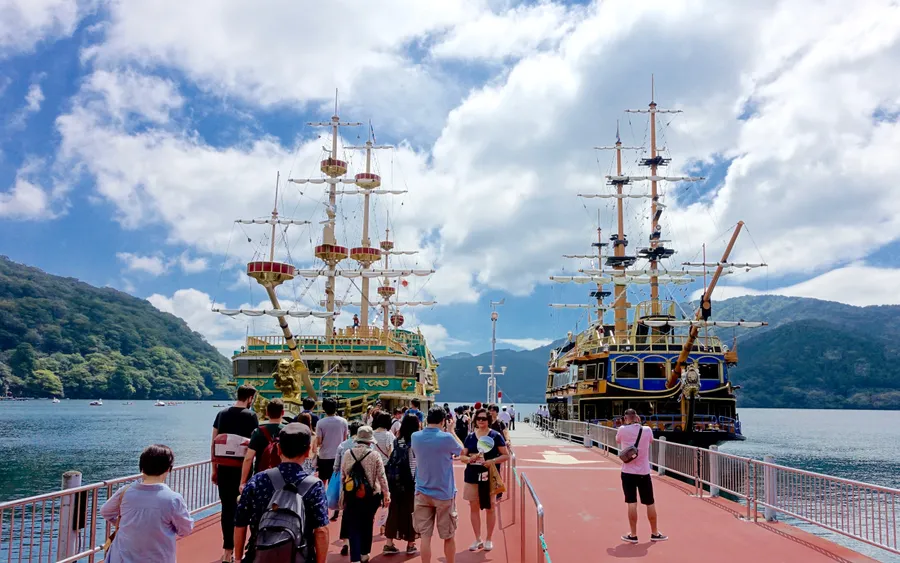
    Sightseeing cruises cross Lake Ashi aboard ships styled after 17th- and 18th-century European warships — a slightly odd but genuinely fun way to get between the Togendai ropeway station and the shrine and checkpoint sites around Moto-Hakone. On a clear day, Mount Fuji rises directly ahead across the water, making the crossing itself one of the highlights rather than just a way to get somewhere.

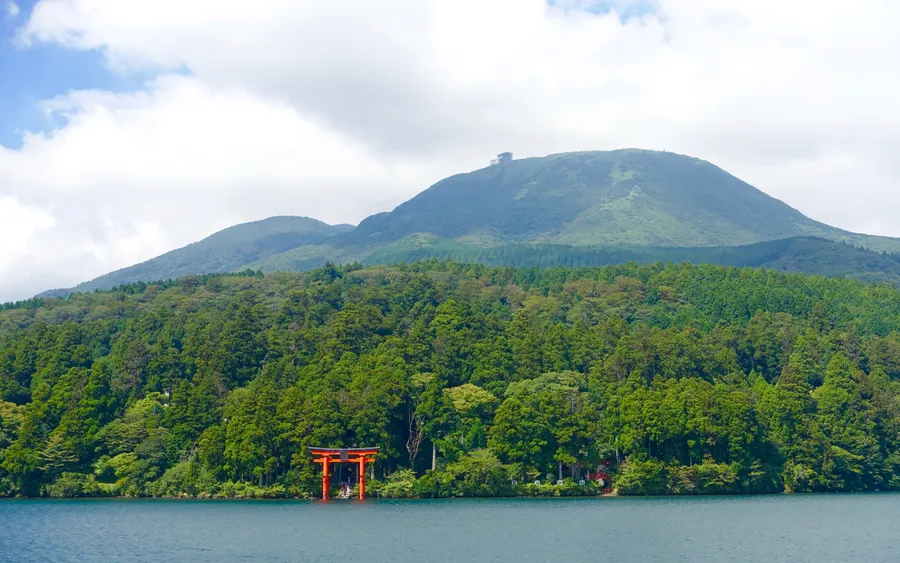
  3. Hakone Shrine torii, Lake Ashi3

    Hakone Shrine

    Hakone Shrine dates back over 1,200 years and is best known for the Heiwa no Torii, a red torii gate standing directly in the water of Lake Ashi, reached by a short forest approach lined with cedar trees and stone lanterns. It's one of the most photographed spots in the region, especially early in the morning before the day-trip crowds arrive from Tokyo. The shrine sits right by Moto-Hakone port, making it an easy add-on to a Lake Ashi cruise.

    Grounds always open; treasure hall 9:00 AM – 4:30 PM (last admission 4:00 PM)80-1 Motohakone, Hakone-machi
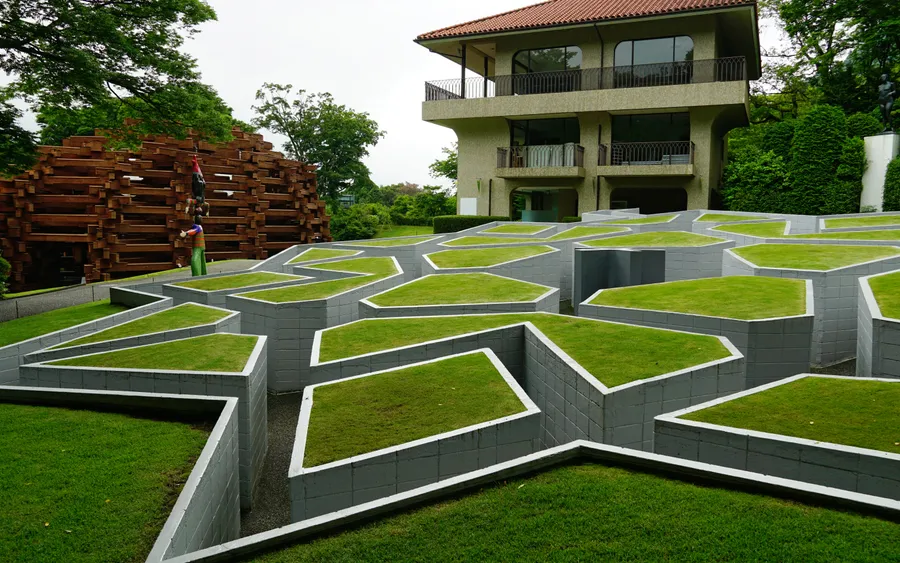
  4. Hakone Open-Air Museum4

    Hakone Open-Air Museum

    Opened in 1969 as Japan's first open-air museum, this sprawling sculpture park spreads more than 1,000 works across mountainside lawns with Hakone's hills as a backdrop rather than white gallery walls. Names like Henry Moore and Joan Miro sit alongside a dedicated Picasso pavilion, and a hot-spring foot bath partway through the grounds lets you rest mid-visit. It has its own station on the Hakone Tozan Railway, so it fits naturally into a loop.

    9:00 AM – 5:00 PM (last admission 4:30 PM), open year-roundNinotaira 1121, Hakone-machi
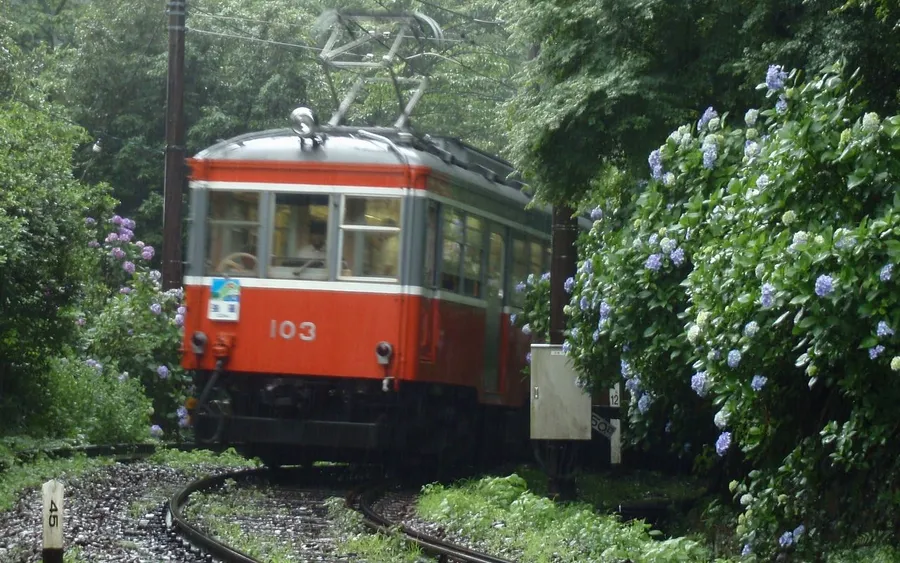
  5. Hakone Tozan Railway train with hydrangeas5

    Hakone Tozan Railway

    Japan's oldest mountain railway, opened in 1919, climbs from Hakone-Yumoto to Gora using switchbacks to manage the steep gradient — the train literally reverses direction a few times as it zigzags up the mountainside. It runs especially thick with hydrangeas in early summer, when the tracks are lined with blue and purple blooms for several weeks. It's as much a scenic ride as it is a way to get up the mountain.

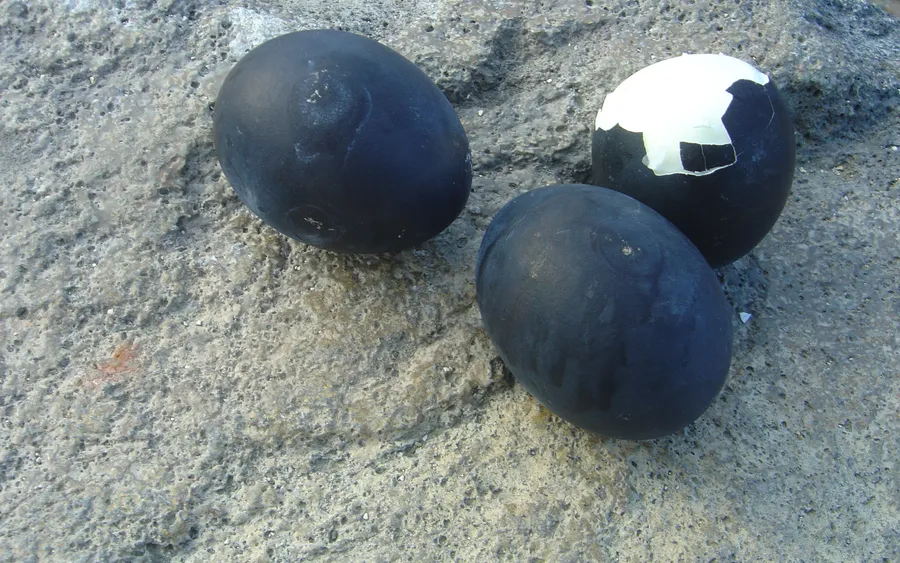
  6. Kuro-tamago (black eggs), Owakudani6

    Kuro-tamago

    Kuro-tamago, 'black eggs,' are ordinary hen's eggs hard-boiled in Owakudani's naturally hot, sulfurous spring water, which turns the shell a deep black while leaving the egg itself completely normal inside. Local legend holds that eating one adds seven years to your life. They're sold right at the valley in bags of five, still warm — one of the more memorable small food experiences in the area.

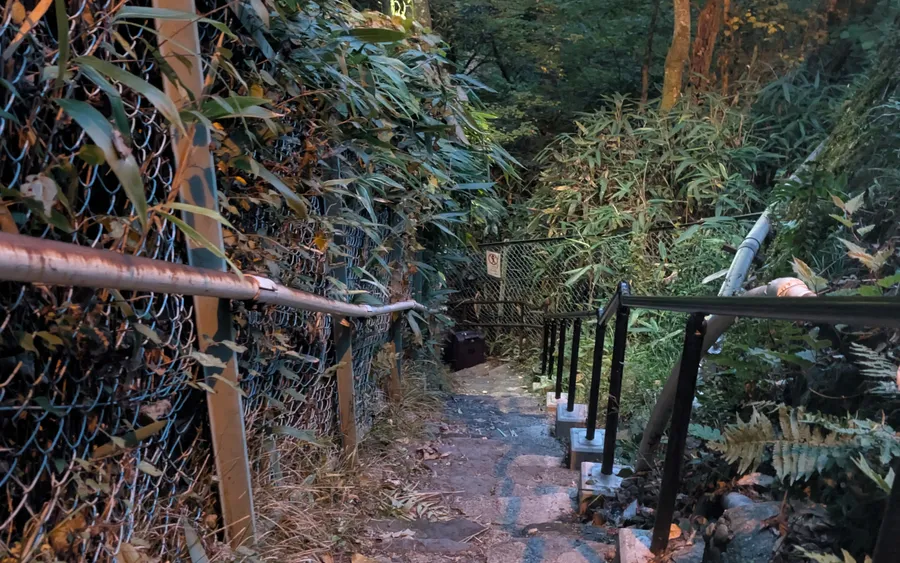
  7. Walking path in Gora town, Hakone7

    Gora

    Gora is the upper terminus of the Hakone Tozan Railway and the jumping-off point for the cable car up to Sounzan, but it's worth more than a quick transfer — a small, walkable mountain town with art museums, craft shops, and cafes along sloped streets. It sits at a noticeably higher, cooler elevation than the valley below, making it a pleasant place to break up a day of sightseeing.

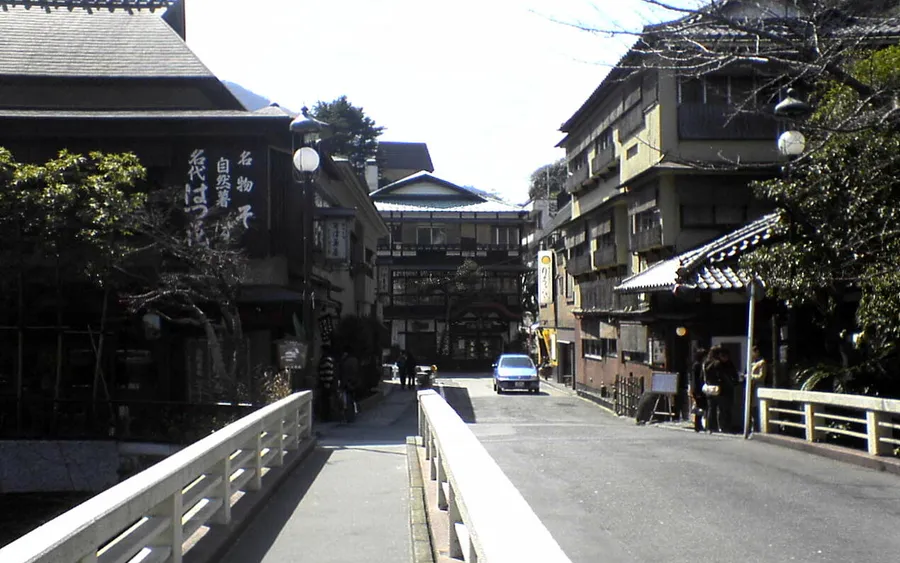
  8. Hakone-Yumoto Onsen Street8

    An Onsen Ryokan Stay

    Hakone's hot-spring culture goes back to at least 738, and staying in a ryokan here is the difference between seeing Hakone and actually experiencing it — a multi-course kaiseki dinner, a yukata robe, and a soak in mineral-rich water piped straight from the volcanic ground beneath the town. Hakone-Yumoto's onsen street is lined with ryokan ranging from simple family-run inns to elaborate resorts.

  9. Hakone Checkpoint (Sekisho)9

    Hakone Checkpoint

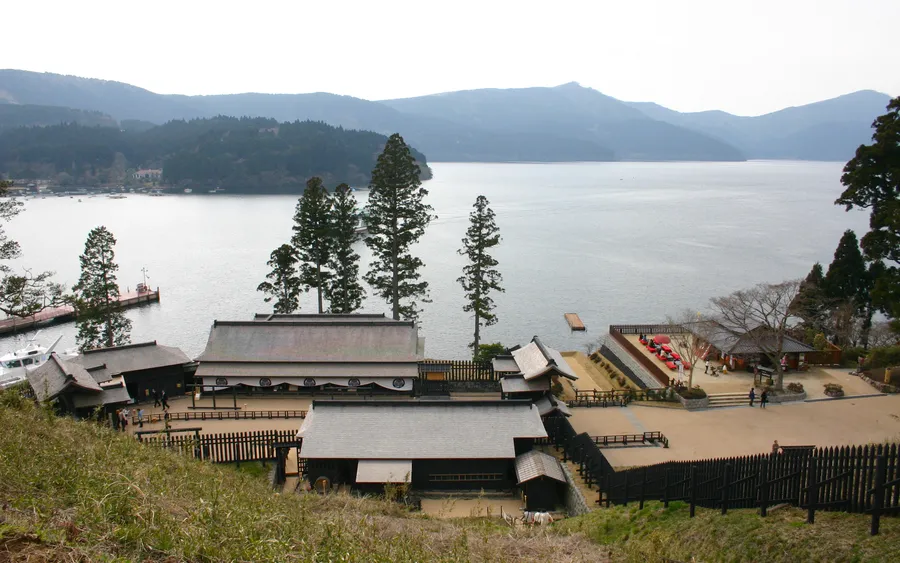
    During the Edo period, Hakone sat directly on the Tokaido, the shogunate road linking Edo and Kyoto, and the Hakone Checkpoint inspected travelers passing between the two, watching especially for women leaving Edo and weapons entering it. The reconstructed checkpoint, now a National Historic Site with a museum, sits right on Lake Ashi's shore and gives a good sense of just how tightly movement was controlled along the old highway.

    9:00 AM – 5:00 PM (Dec–Feb); 9:00 AM – 7:00 PM (Mar–Nov), last admission 30 min before close1 Hakone, Hakone-machi
  10. Zaru soba (cold soba noodles)10

    Hakone Soba & Yuba

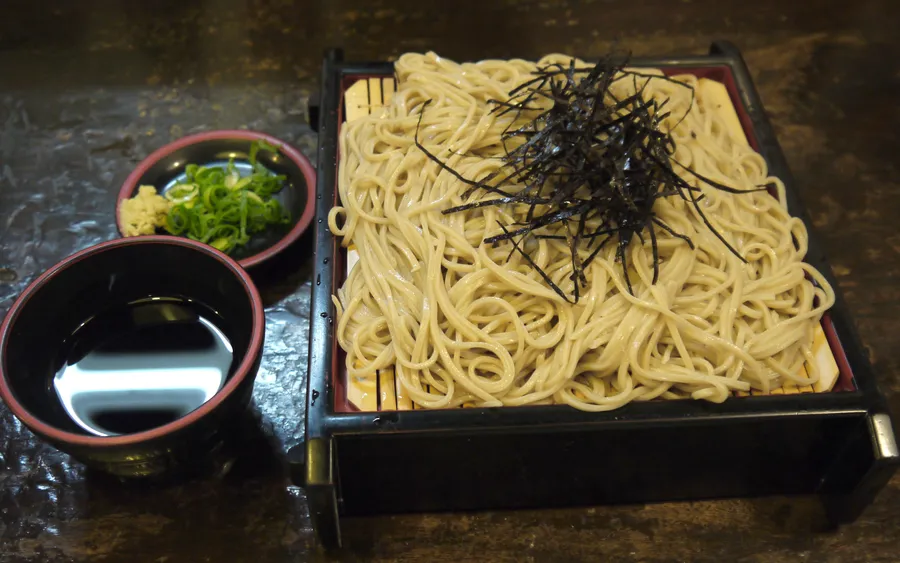
    Hakone's mountain spring water shows up across the area's menus, most notably in soba noodles made with it and in yuba, the delicate tofu skin skimmed from simmering soy milk, prized here for its smooth texture. Small soba shops along the old Tokaido road and around Yumoto make a good, lighter lunch stop between sightseeing.

Keep reading

More guides you might like

Nearby

Related destinations

Continue

Related services

Easy Travel in Japan