Skip to content
Easy Travel in Japan
Enoden train near Kamakurakoko-mae Station

The Perfect 1-Day Kamakura Itinerary

This is a full but unhurried day through Kamakura’s west side and center: the Great Buddha and Hasedera near the coast, a shirasu-don lunch and a stop at the beach, then Komachi-dori, Tsurugaoka Hachimangu, and a bamboo grove tea house before heading back. Every leg is short — the farthest transfers are a seven-minute train ride and a 20-minute bus — so it’s easy to slow down anywhere that catches you, or trim a stop if the day is running long.

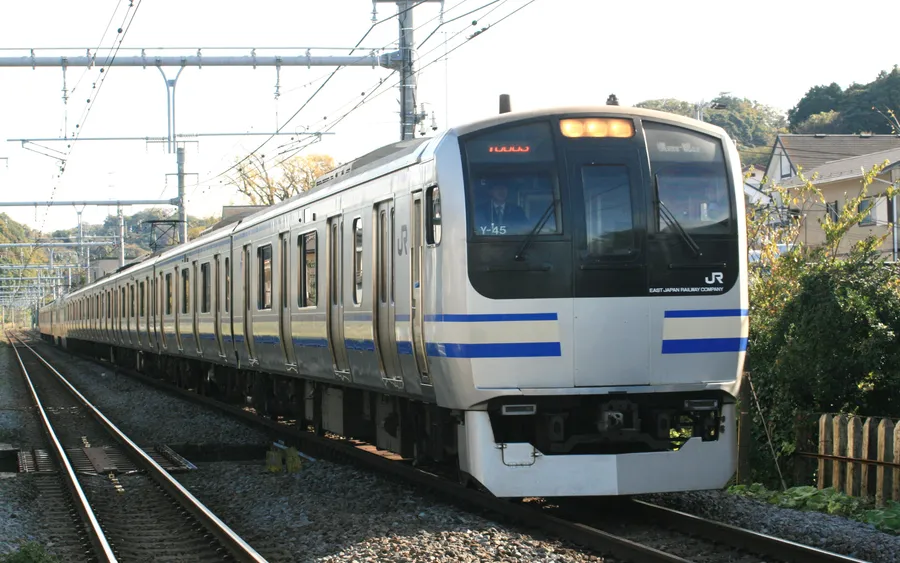
  1. JR East E217 Series, Yokosuka Line1

    8:30 AM — Tokyo Station to Kamakura

    The JR Yokosuka Line runs directly from Tokyo Station to Kamakura in just under an hour, with several trains an hour and no transfer needed — no reserved seat required, so there's no need to book ahead. If you're staying near Shinjuku or Shibuya instead, the Shonan-Shinjuku Line covers the same route without a change of trains. Either way, an early start buys you a quieter first stop at the Great Buddha before the day-trip crowds from Tokyo arrive.
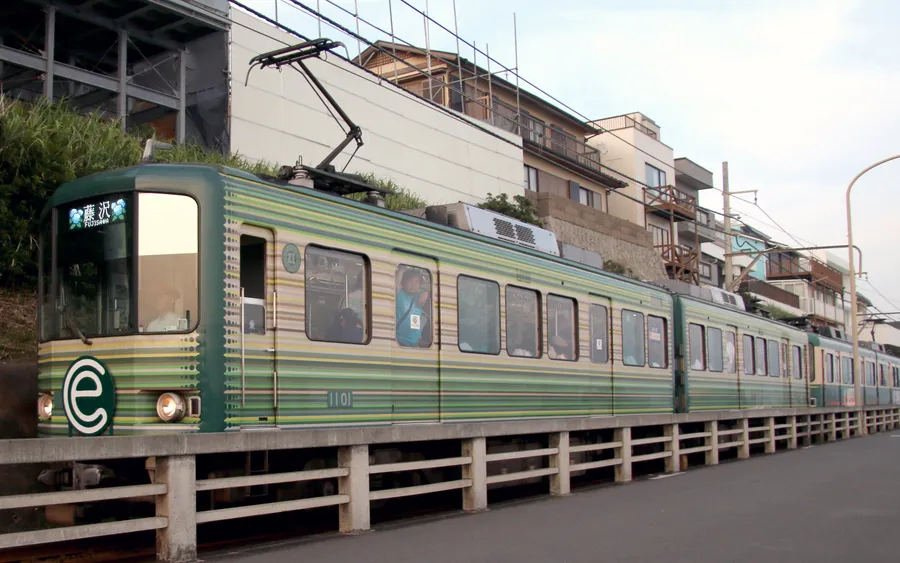
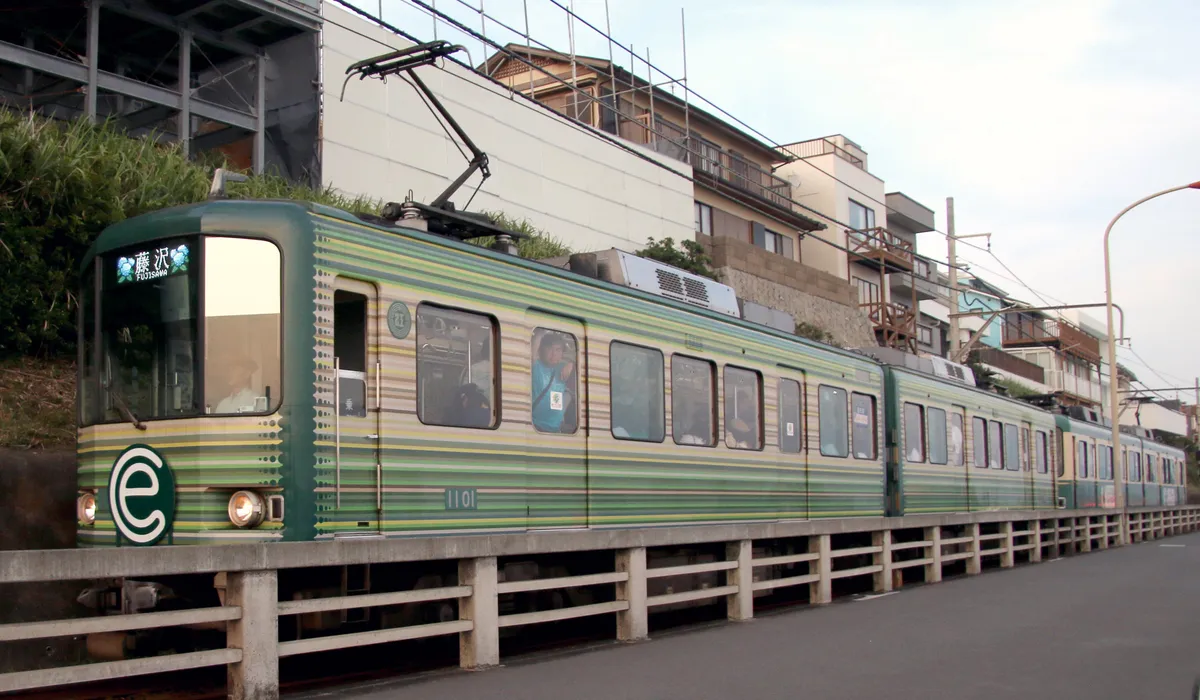
  2. Enoden train near Kamakurakoko-mae Station2

    9:30 AM — Enoden to Hase

    From Kamakura Station, transfer to the Enoden at the adjacent Enoshima Electric Railway platform for the short ride to Hase Station, about four stops and seven minutes away. It's worth picking up a one-day Enoden pass here if you plan to use the line again later — you'll be back on it more than once today. The single-car trains are small and can fill up fast in the morning, so don't be surprised if the first one leaves without you.

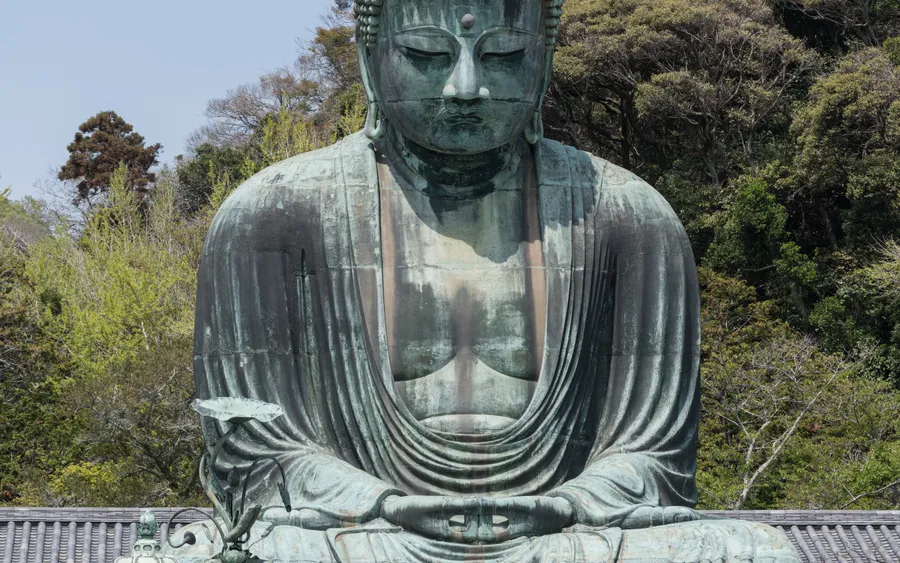
  3. Great Buddha of Kotoku-in, Kamakura3

    9:45 AM — Great Buddha at Kotoku-in

    From Hase Station, it's about a seven-minute walk to Kotoku-in and the Great Buddha, a seated bronze Amida Buddha roughly 11.3 meters tall that has stood in the open air since the hall sheltering it was destroyed by a typhoon and later an earthquake. Give yourself 30 to 45 minutes here, and consider the small extra fee to step inside the hollow statue and see the casting seams from within. Arriving close to opening keeps the photos crowd-free before the tour groups build up later in the morning.

    8:00 AM – 5:30 PM (Apr–Sep); 8:00 AM – 5:00 PM (Oct–Mar), last entry 15 min before close4-2-28 Hase, Kamakura, Kanagawa 248-0016
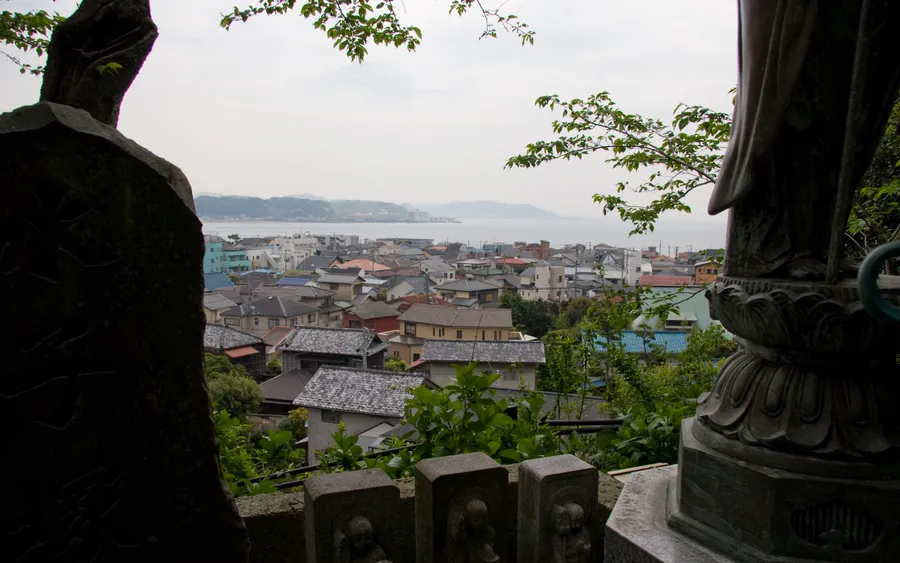
  4. View over Kamakura from Hasedera4

    11:00 AM — Hasedera

    A short walk back toward Hase Station brings you to Hasedera, home to an 11-headed wooden Kannon statue said to be the tallest wooden statue in Japan. Climb past the rows of small Jizo statues to the terrace above the main hall for a view over Kamakura's rooftops toward Yuigahama beach — one of the better free views in the city, and a good reason to budget close to an hour here rather than rushing through.

    8:00 AM – 5:00 PM (Mar–Sep); 8:00 AM – 4:30 PM (Oct–Feb), last admission 30 min before close3-11-2 Hase, Kamakura, Kanagawa 248-0016
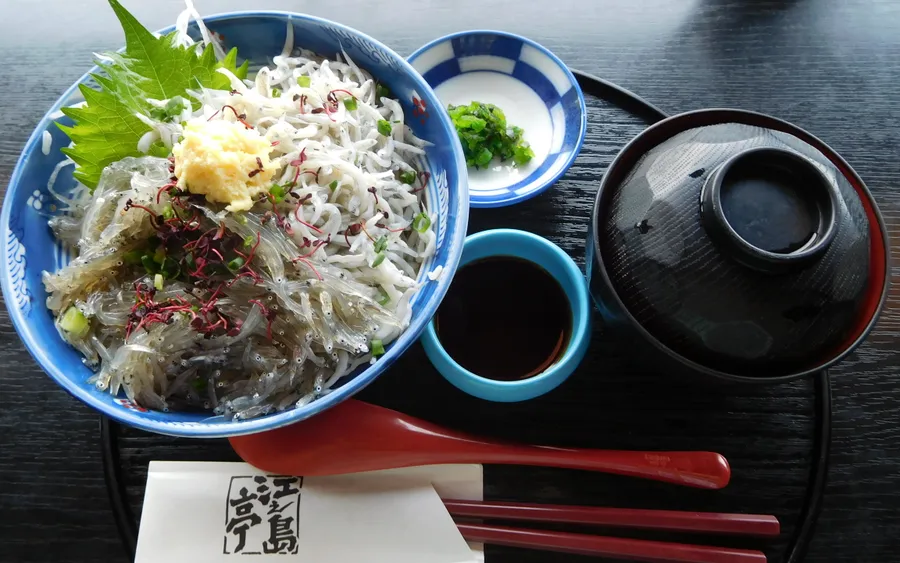
  5. Shirasu-don, whitebait rice bowl5

    12:15 PM — Lunch: Shirasu-don Near Yuigahama

    From Hasedera, it's a 10 to 15 minute walk down toward the coast to Yuigahama, where several small restaurants serve shirasu-don — a bowl of rice topped with tiny whitebait caught that morning in Sagami Bay, either raw or lightly boiled. It's a light, fast lunch that suits a day spent mostly on foot, and eating it this close to where it was landed is part of the point.

  6. Yuigahama Beach, Kamakura6

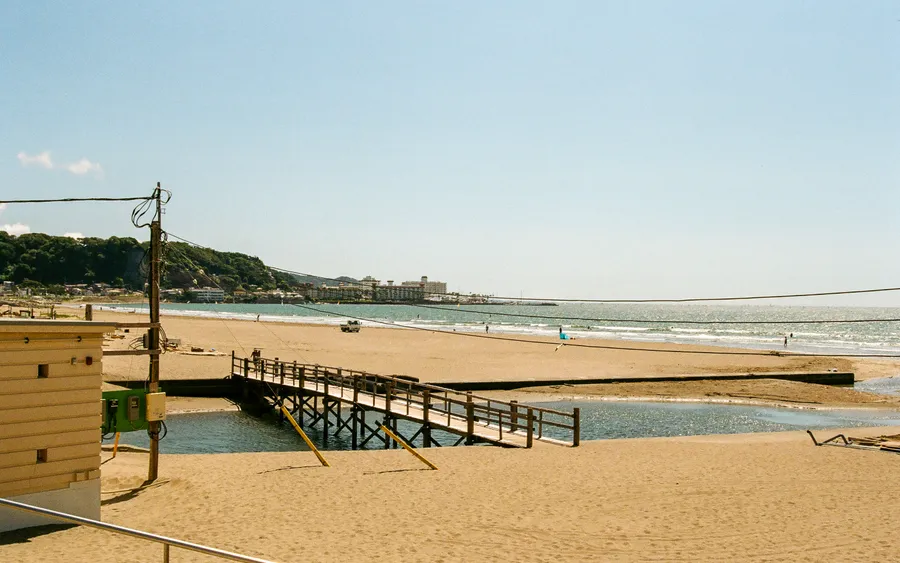
    1:15 PM — Yuigahama Beach

    After lunch, walk the last few minutes down to Yuigahama Beach itself, a roughly 900-meter stretch of sand with views out toward Enoshima and, on a clear day, Mount Fuji beyond it. It's a strange and pleasant contrast after a morning of temples — 20 to 30 minutes at the water's edge is enough to reset before the afternoon's sightseeing picks back up.

  7. Komachi-dori shopping street, Kamakura7

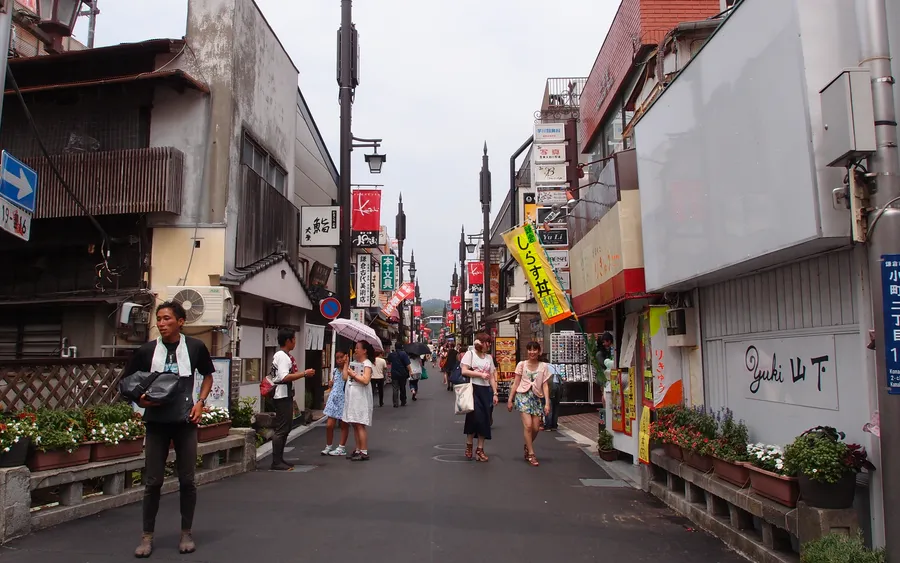
    2:00 PM — Komachi-dori

    Catch the Enoden back to Kamakura Station, where Komachi-dori, a pedestrian lane packed with roughly 250 small restaurants and craft shops, runs from just outside the station toward Tsurugaoka Hachimangu. It's an easy place to pick up a snack or browse for Kamakura-bori lacquerware on the way through, without needing to carve out separate time for shopping later.

  8. Tsurugaoka Hachimangu main hall, Kamakura8

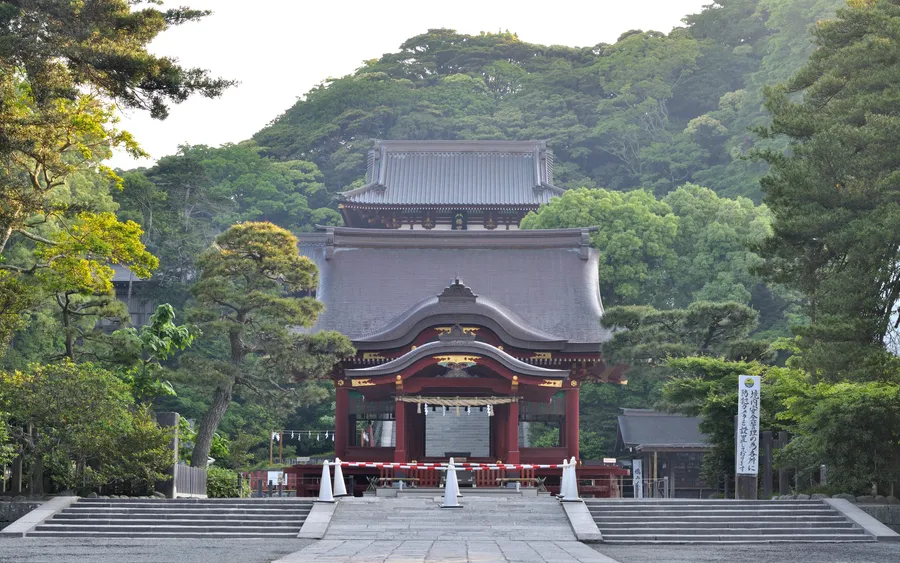
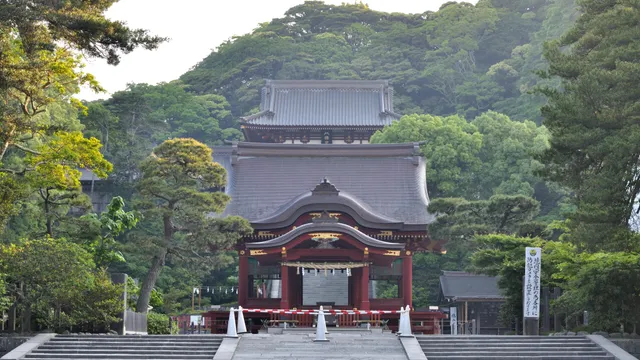
    3:00 PM — Tsurugaoka Hachimangu

    Komachi-dori leads almost directly to Tsurugaoka Hachimangu, Kamakura's most important Shinto shrine, moved to this site in 1180 by Minamoto no Yoritomo, founder of the Kamakura shogunate. Walk the cherry-lined approach up to the vermilion dance platform and the main hall on its raised terrace behind — a good half hour, longer if the treasure hall is open and of interest.

    5:00 AM – 9:00 PM (Apr–Sep); 6:00 AM – 9:00 PM (Oct–Mar), grounds free to enter2-1-31 Yukinoshita, Kamakura, Kanagawa 248-8588
  9. Hokokuji bamboo forest, Kamakura9

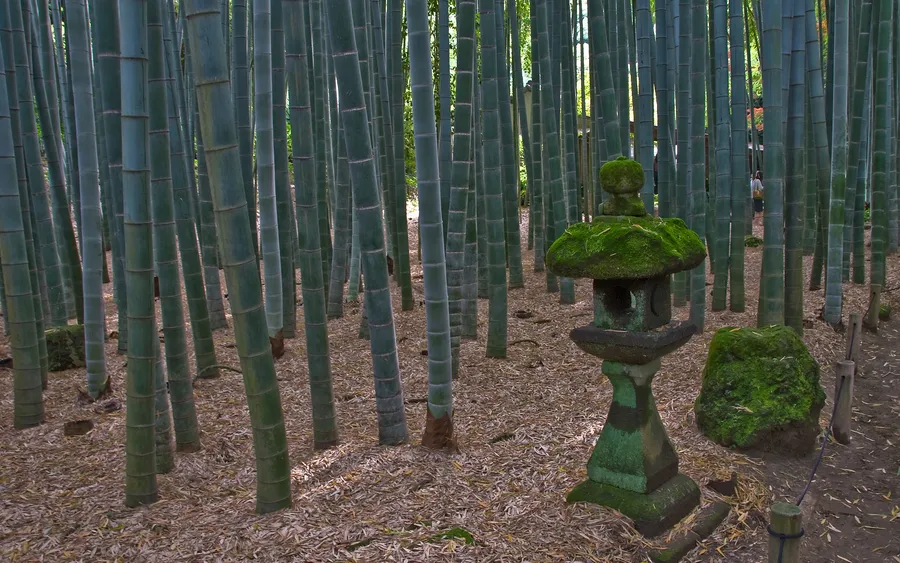
    4:00 PM — Hokokuji Bamboo Grove & Matcha

    From Kamakura Station, a bus bound for Jomyoji (numbers 23, 24, or 36) takes about 15 to 20 minutes to Hokokuji, the 'bamboo temple,' known for the roughly 2,000 bamboo stalks growing behind its main hall. Walk the narrow paths through the grove to the small tea house at the far end and, for a modest additional fee, sit with a bowl of matcha looking out into the bamboo — a quiet, unhurried close to the day's sightseeing.

    9:00 AM – 4:00 PM, daily (closed Dec 29 – Jan 3)2-7-4 Jomyoji, Kamakura, Kanagawa 248-0003
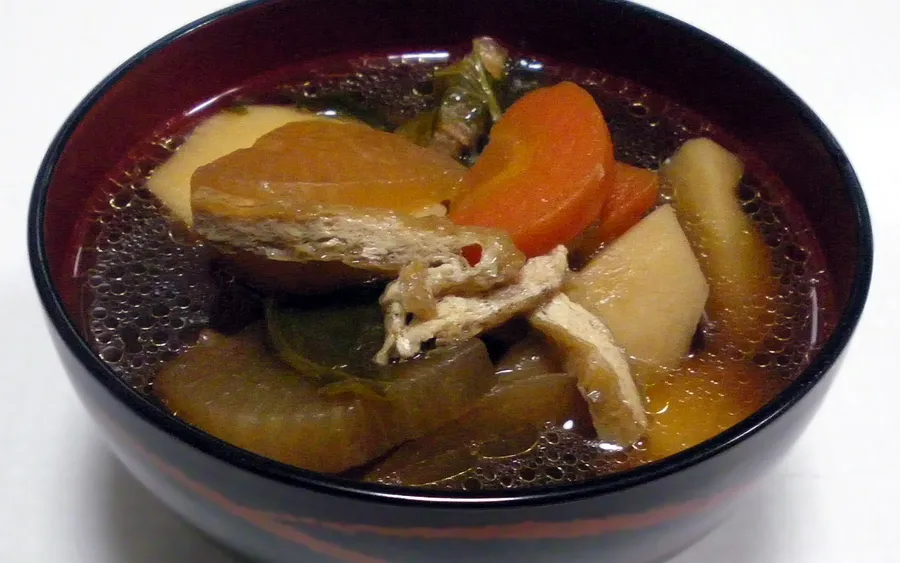
  10. Kenchin-jiru, tofu and root vegetable soup10

    5:30 PM — Kenchin-jiru & Back to Tokyo

    Take the bus back to Kamakura Station, and if the day has turned cool, look for kenchin-jiru — a clear, soy-flavored soup of tofu and root vegetables with roots in Kamakura's Zen temple cooking — at one of the small restaurants near the station before heading home. The JR Yokosuka Line runs back to Tokyo Station in just under an hour, putting you back in the city in time for a normal evening.

Keep reading

More guides you might like

Nearby

Related destinations

Continue

Related services

Easy Travel in Japan