Easy Travel in Japan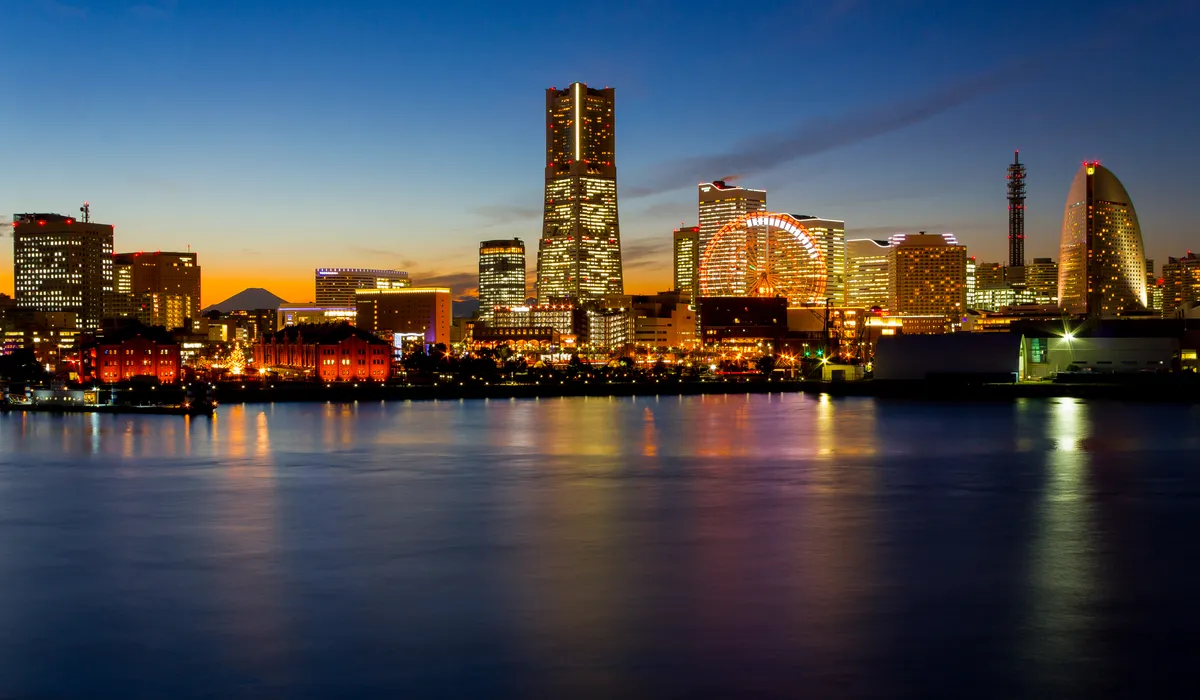
Yokohama
Japan's second-largest city — the modern Minato Mirai waterfront and the country's largest Chinatown.
Yokohama is the capital of Kanagawa Prefecture, on Tokyo Bay just south of Tokyo, and Japan’s second-largest city by population. Before 1859 it was a small fishing village of a few hundred people; that year, the Port of Yokohama opened to foreign trade under treaties signed after Commodore Perry’s missions, and the city grew rapidly as Japan’s main gateway for raw silk and tea exports. That history is still visible in its former foreign-settlement districts, and it gives Yokohama a more cosmopolitan, port-city identity than nearby Tokyo — a compact, walkable city that works well as a half-day trip or a base of its own.
Highlights & things to do
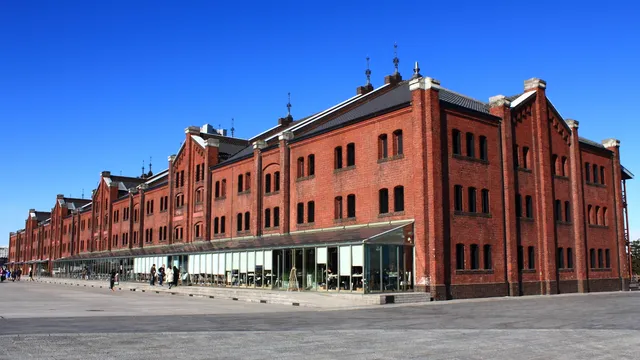
Minato Mirai 21 (“harbor of the future”) is the planned waterfront district built up since the 1980s, home to the Yokohama Museum of Art, the Red Brick Warehouse — a pair of early-1900s customs warehouses converted into shops and event space in 2002 — and Rinko Park’s harborside green space. A short walk away, Yokohama Chinatown, Japan’s largest, traces back to Chinese merchants who settled near the newly opened port in 1859 and today holds several hundred restaurants and shops around its ceremonial Zenrinmon Gate.
Sankeien Garden, created by silk trader Tomitaro Hara in the early 1900s, brings together 17 historic buildings relocated from around Japan — including a pagoda dating to 1457 — within a traditional Japanese landscape garden; the Hara family donated it to the city in 1953. At the waterfront, Yamashita Park permanently moors the retired 1930 ocean liner Hikawa Maru, now a museum ship. The hillside Yamate district, once the foreign residential quarter, still has several preserved Western-style houses open to visitors, and leads down to Motomachi, a boutique shopping street that grew up as the commuting route between Yamate and the old business district.
Families and design fans have plenty to choose from too: the CUPNOODLES MUSEUM in Minato Mirai lets visitors design and cook their own instant noodles, and commemorates Nissin Foods founder Momofuku Ando, inventor of the world’s first instant ramen (the museum honors him here, though the noodle itself was developed in Osaka Prefecture). The Yokohama Air Cabin, a short urban ropeway opened in 2021, links Sakuragicho Station to the Minato Mirai waterfront. For nightlife with a local feel, Noge, near Sakuragicho Station, packs a dense cluster of small izakaya, bars, and jazz clubs into a few narrow alleyways.
Food & local cuisine
Yokohama Chinatown is the city’s signature food destination — both authentic and Japanese-adapted Chinese cooking, from steamed buns and street snacks to full restaurant meals. The CUPNOODLES MUSEUM’s presence in the city ties Yokohama to the story of instant ramen, even though the dish itself originated elsewhere in Japan.
Culture & traditions
Chinatown holds an annual Chinese Spring Festival around Lunar New Year, with lion dances, a costumed parade, and lantern displays. In summer, the Minato Mirai Smart Festival fills the sky over the waterfront with a large synchronized fireworks display, usually on the first Monday of August. The city’s Meiji- and Taisho-era foreign-settlement architecture — in Yamate, Motomachi, and the Red Brick Warehouse — is itself a form of living cultural heritage, distinct from the temple- and shrine-centered traditions found elsewhere in Japan.
Nature & scenery
Yokohama’s scenery is largely waterfront-oriented: Yamashita Park along the harbor, the rooftop plaza of Osanbashi Pier’s passenger terminal, and Rinko Park in Minato Mirai. Sankeien Garden is the exception, offering a traditional pond-and-garden landscape with several hundred cherry trees inland from the bay.
Seasonal travel
Spring brings cherry blossoms to Yamashita Park’s small seafront grove and to Sankeien Garden, which extends its hours for illuminated evening viewing. Winter is when Chinatown’s Lunar New Year festival takes place, alongside a citywide illumination season that includes light displays around Minato Mirai and a Christmas market at the Red Brick Warehouse. Summer centers on the Minato Mirai Smart Festival fireworks. Yokohama is generally treated as a year-round destination, with spring and autumn offering the most comfortable weather for walking the waterfront.
Recommended experiences
Eat a meal in Chinatown. Ride the Yokohama Air Cabin for aerial views of the harbor. Build your own cup of noodles at the CUPNOODLES MUSEUM. Walk Sankeien Garden’s historic buildings and pond, or board the museum ship Hikawa Maru at Yamashita Park.
Getting there & practical info
Yokohama Station is under 30 minutes from central Tokyo on several JR lines (Tokaido, Yokosuka, or Shonan-Shinjuku Line) or the Toyoko Line, making it one of the easiest day trips from the capital. It’s also directly reachable from Haneda Airport via the Keikyu Line in around 30 minutes. Most visitors treat Yokohama as a half-day or full-day trip, often paired with Kamakura, which sits about 30 minutes further down the same rail line.
Who this suits
A good fit for travelers who want an easy, low-commitment day trip from Tokyo, families drawn to its hands-on museums and aquariums, and anyone interested in Japan’s 19th-century port-city history.
A closer look at Yokohama
10 Best Things to Do in Yokohama
A quick, friendly rundown of Yokohama's biggest highlights — from a red-brick former customs warehouse to the largest Chinatown in Japan — a good starting point for an easy day trip from Tokyo.
The Perfect 1-Day Yokohama Itinerary
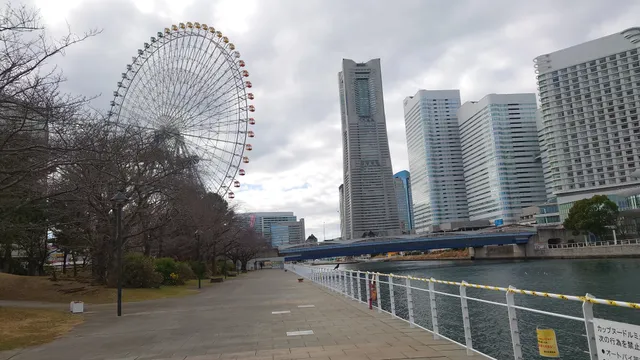
A well-paced day through Yokohama's waterfront, museums, and Chinatown — everything you need to see the highlights of Japan's second-largest city in a single easy day trip from Tokyo.
The Ultimate Yokohama Travel Guide
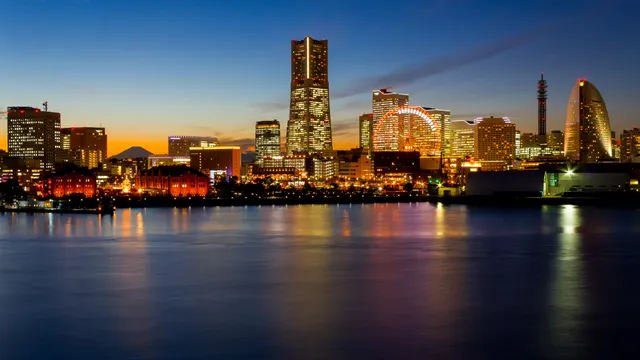
Japan's second-largest city, under 30 minutes from Tokyo — a former treaty port with a red-brick waterfront, the country's largest Chinatown, and a Ferris wheel with a clock built into it. A friendly starting point for an easy day trip.