 Easy Travel in Japan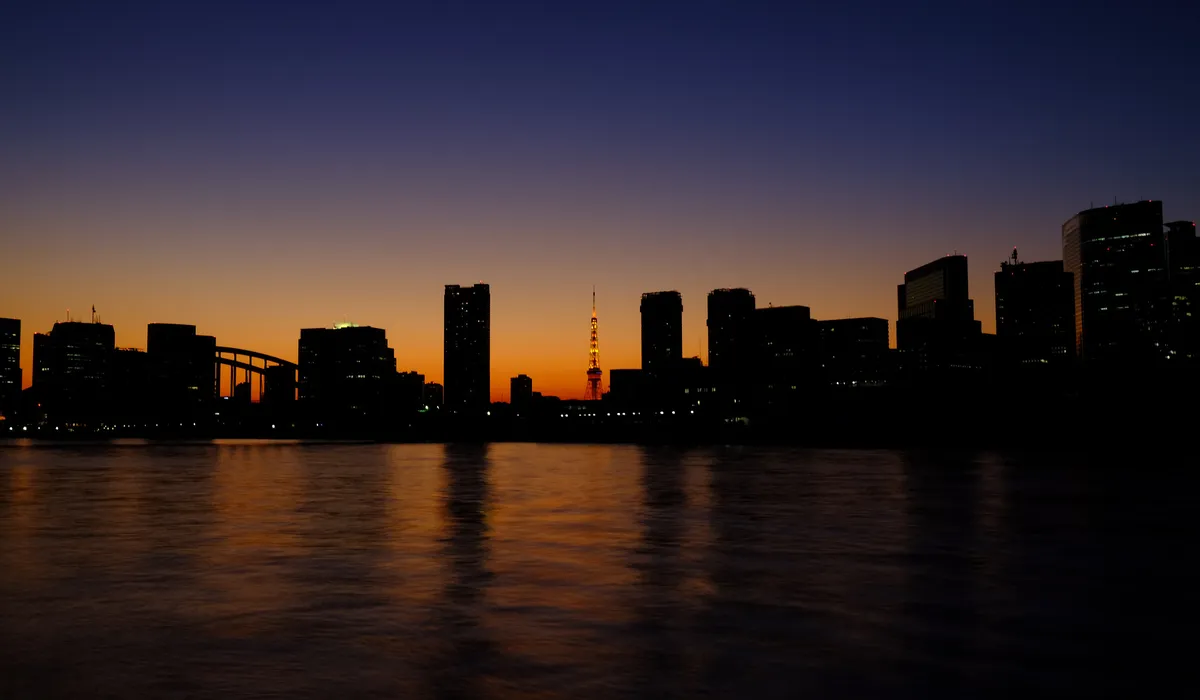
Tokyo
Japan's capital — a vast, walkable mix of neon districts, quiet shrines, and some of the best rail connections in the country.
Tokyo is Japan’s capital, a metropolis of roughly 14 million people on Tokyo Bay in the Kanto region. It grew from a small castle town called Edo into the seat of the Tokugawa shogunate in 1603, and became the imperial capital in 1868 after the Meiji Restoration, when it was renamed Tokyo — “Eastern Capital.” Rebuilt twice in the 20th century, after the 1923 Great Kanto Earthquake and again after WWII bombing, the city that stands today mixes centuries-old shrines and temples with some of the densest, most modern urban districts in the world. For most travelers it’s also the practical entry point to Japan, served by two international airports and the country’s busiest rail network.
Highlights & things to do
Senso-ji, Tokyo’s oldest Buddhist temple, anchors the Asakusa district; its approach street, Nakamise-dori, is lined with shops selling traditional crafts and snacks. Meiji Jingu sits inside an artificial forest of about 100,000 trees donated from across Japan when the shrine was built in the 1910s. For a sense of scale, the Imperial Palace East Gardens occupy part of the former Edo Castle grounds and are free to enter, while Shibuya Scramble Crossing and the surrounding district show Tokyo’s high-density, high-energy side.
Museums and observation points add different vantage points on the city: Tokyo Skytree rises 634 meters over Sumida, with decks at 350m and 450m; the Mori Art Museum sits atop Roppongi Hills, paired with the Tokyo City View deck; and immersive digital-art spaces like teamLab Planets (Toyosu) and teamLab Borderless (Azabudai Hills) are a distinctly modern Tokyo experience. Akihabara grew from a postwar electronics market into the center of anime, manga, and gaming culture, while the Ghibli Museum in nearby Mitaka celebrates Studio Ghibli’s animation.
For a quieter pace, Yanaka is an old shitamachi neighborhood that largely survived the WWII bombing and still has Edo-era streets and a lively local shopping lane, Yanaka Ginza. Tsukiji Outer Market remains a destination for fresh seafood and sushi breakfasts even though the wholesale auctions moved to the newer Toyosu Market in 2018. In the evenings, Shinjuku’s Omoide Yokocho and Golden Gai — dense alleys of tiny yakitori stalls and bars dating to the postwar and 1960s eras — offer a different, lived-in side of the city.
Food & local cuisine
Tokyo has more Michelin-starred restaurants than any other city in the world, spanning everything from inexpensive standing sushi counters to high-end omakase. Ginza and the area around the old and new fish markets are well-known destinations for sushi specifically. Tsukishima, a short walk from Ginza, is closely associated with monjayaki, a looser, self-cooked relative of okonomiyaki that diners griddle at their own table.
Culture & traditions
Sanja Matsuri, held over the third weekend of May at Asakusa Shrine, is one of Tokyo’s largest Shinto festivals, with around 100 portable shrines carried through the streets. Kabuki is performed at Kabukiza Theatre in Ginza, Japan’s only theater dedicated to the art form, on a site with a history back to 1889. Tokyo also hosts three of Japan’s six annual Grand Sumo tournaments at Ryogoku Kokugikan, in January, May, and September. Traditional crafts persist too — Edo Kiriko cut glass, first produced in 1834, is one of 42 crafts officially recognized as Traditional Crafts of Tokyo.
Nature & scenery
Central Tokyo has more green space than its skyline suggests. Shinjuku Gyoen blends Japanese, French formal, and English landscape garden styles around a former Edo-period estate. Ueno Park, dating to 1873, combines museums, a zoo, and over a thousand cherry trees. Chidorigafuchi, a moat of the former Edo Castle, is one of the city’s best-known cherry blossom spots, with rowboat rentals in season. For an actual mountain escape without leaving the greater Tokyo area, Mount Takao is rated three stars in the Michelin Green Guide and reachable by train from Shinjuku in under an hour.
Seasonal travel
Spring brings cherry blossoms to Ueno Park, Shinjuku Gyoen, and the Imperial Palace moats, typically peaking around late March to early April. Summer is hot and humid, marked by the Sumida River Fireworks Festival, traditionally held on the last Saturday of July. Autumn cools things down, with golden ginkgo trees along Meiji Jingu Gaien and maples at gardens like Rikugien, generally into November. Winter is cold and dry, with illuminations running from around mid-November to mid-February, including Marunouchi’s LED-lit Naka-dori avenue, and New Year temple visits (hatsumode) drawing large crowds in early January.
Recommended experiences
Walk from Senso-ji down Nakamise-dori, then on toward the Sumida River and Skytree. Have a sushi or seafood breakfast at Tsukiji Outer Market. Spend an evening bar-hopping through Golden Gai or Omoide Yokocho. Day-hike Mount Takao via the Keio Line from Shinjuku. Catch a kabuki performance at Kabukiza, or a sumo tournament at Ryogoku Kokugikan if the dates line up.
Getting there & practical info
Tokyo is served by two main airports, Narita and Haneda, both connected to the city center by direct train lines. Tokyo Station is also the hub for the Tokaido Shinkansen toward Kyoto and Osaka. Within the city, the JR and subway network makes most sightseeing areas easy to reach without a car. Many first-time visitors spend around 4–7 days in Tokyo alone, though it also works well as a base for day trips across the wider Kanto region.
Who this suits
Tokyo works equally well as a first stop for newcomers to Japan, a food destination in its own right, and a base for pop-culture fans, shoppers, and history lovers alike — its sheer size means almost any travel style finds something here.
A closer look at Tokyo
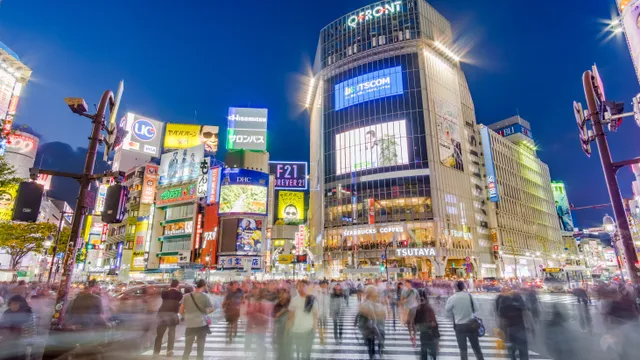
10 Best Things to Do in Tokyo
A quick, friendly rundown of Tokyo's biggest highlights — from a 1,400-year-old temple to a skyline view from the tallest tower in Japan — a good starting point for a first visit to Japan's capital.
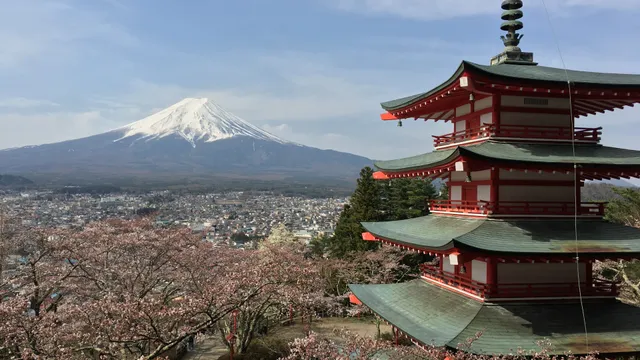
12 Best Things to Do in Japan
From Nara's bowing deer and Miyajima's floating torii to snow monkeys soaking in a Nagano hot spring, twelve unforgettable Japan experiences — and what to know before you visit each one.
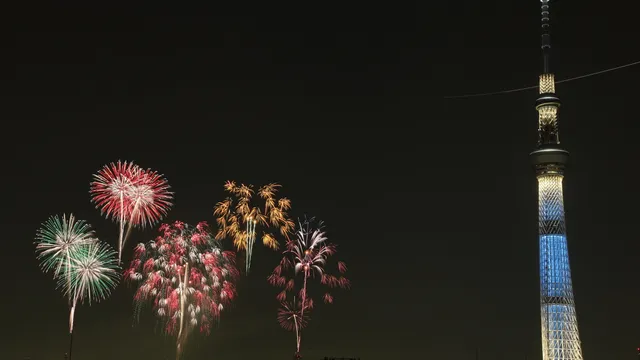
Best Fireworks Festivals in Japan
Japan's hanabi season runs roughly June through September, with some of the country's oldest and largest firework displays lighting up rivers, lakes, and coastlines nationwide. Here's where to see them and roughly when.
Related destinations
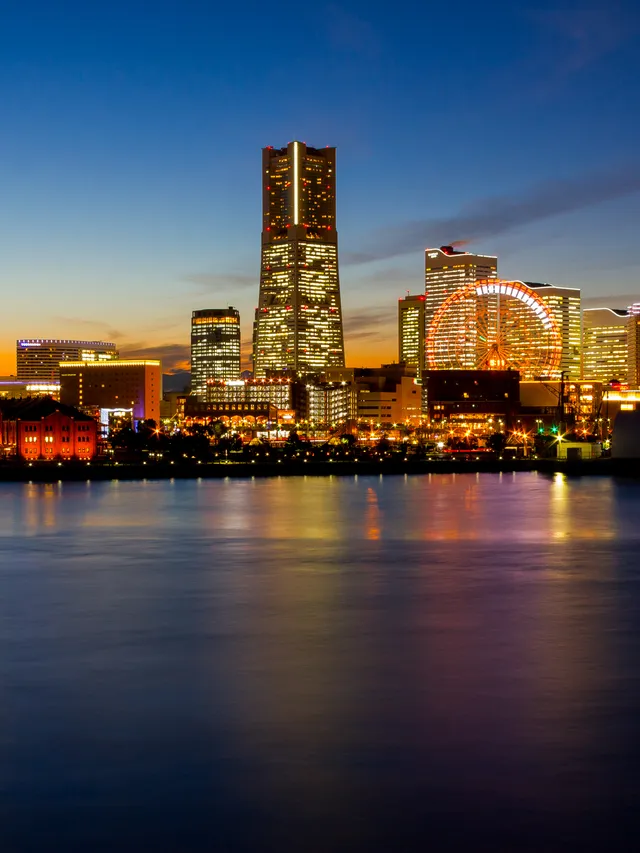
Yokohama
Japan's second-largest city — the modern Minato Mirai waterfront and the country's largest Chinatown.
Explore Yokohama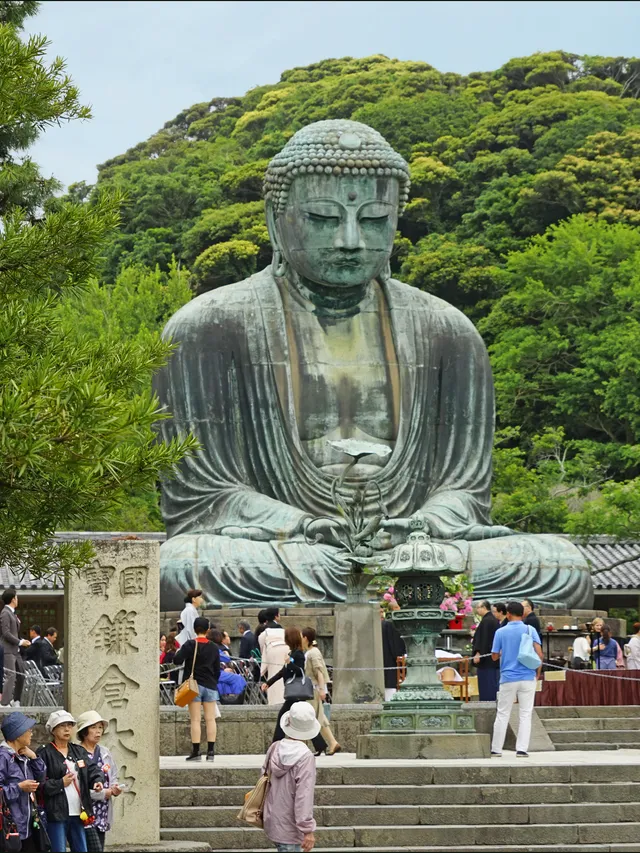
Kamakura
A coastal temple town near Tokyo, sometimes called "the Kyoto of eastern Japan."
Explore Kamakura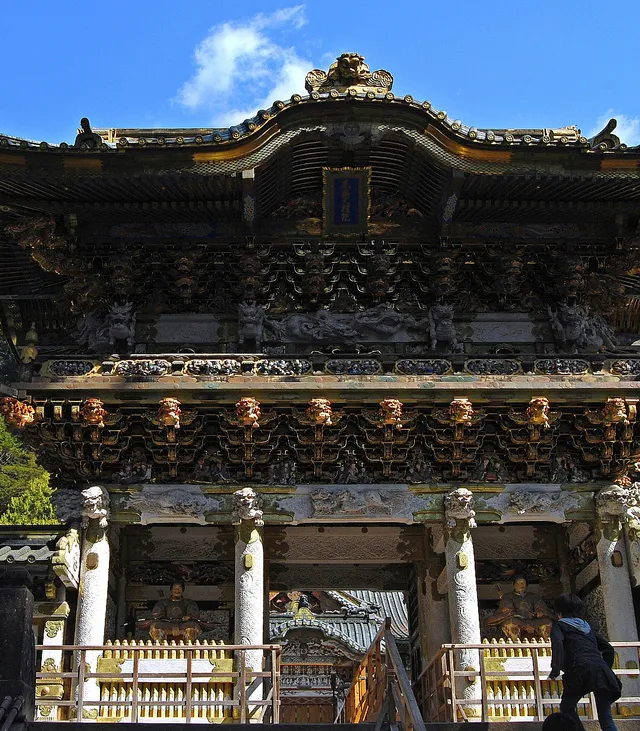
Nikko
A UNESCO shrine complex in the mountains north of Tokyo, paired with the lakes and waterfalls of Nikko National Park.
Explore NikkoUseful services for this trip
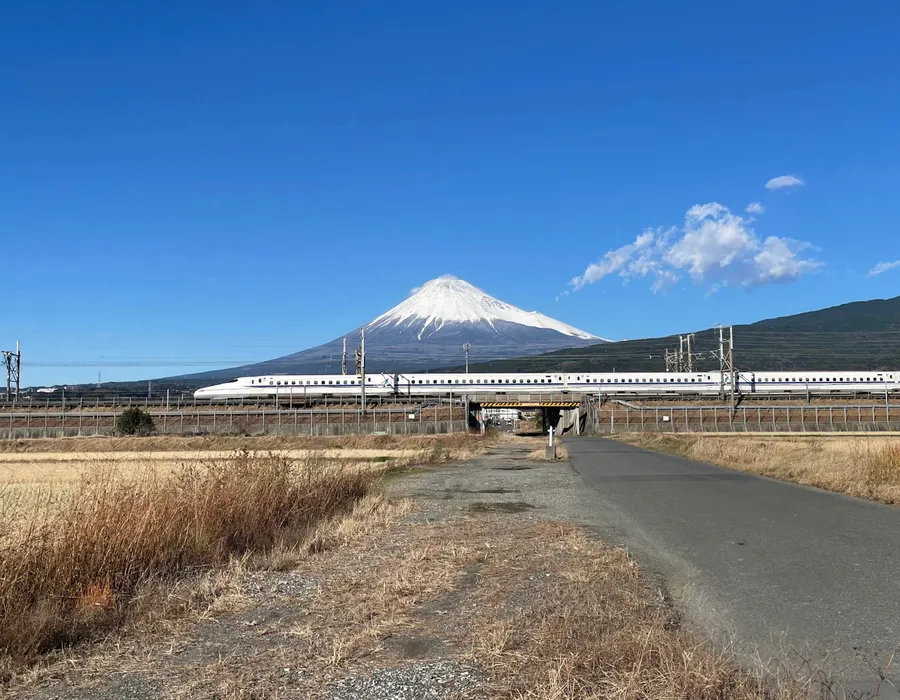
Train Tickets
Book shinkansen and local rail tickets in advance and skip the station ticket-counter queue.
Explore Train Tickets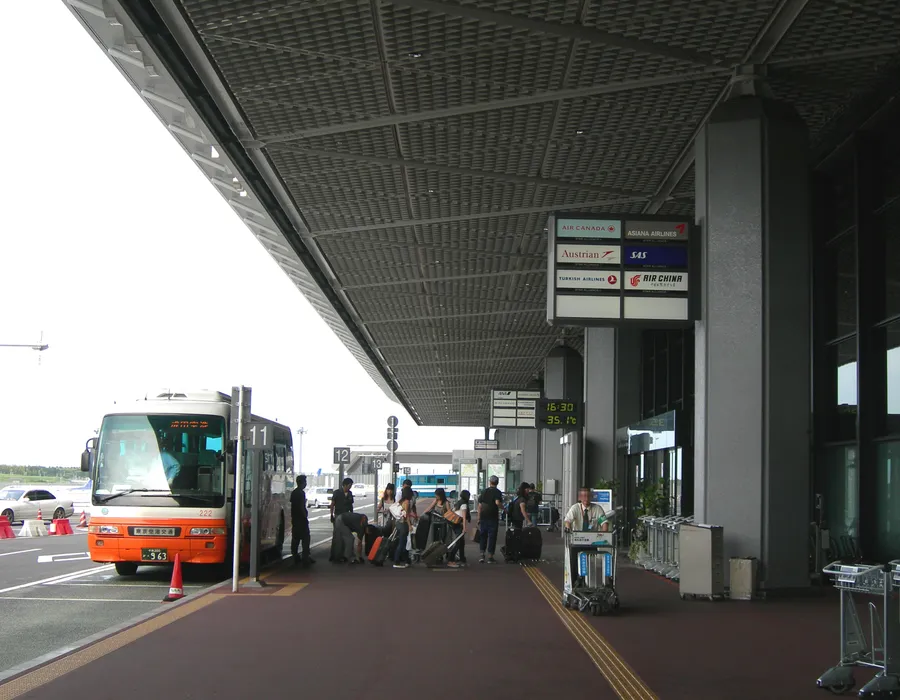
Airport Transfers
Book a fixed-price transfer from Haneda or Narita so arrival day is one less thing to figure out.
Explore Airport Transfers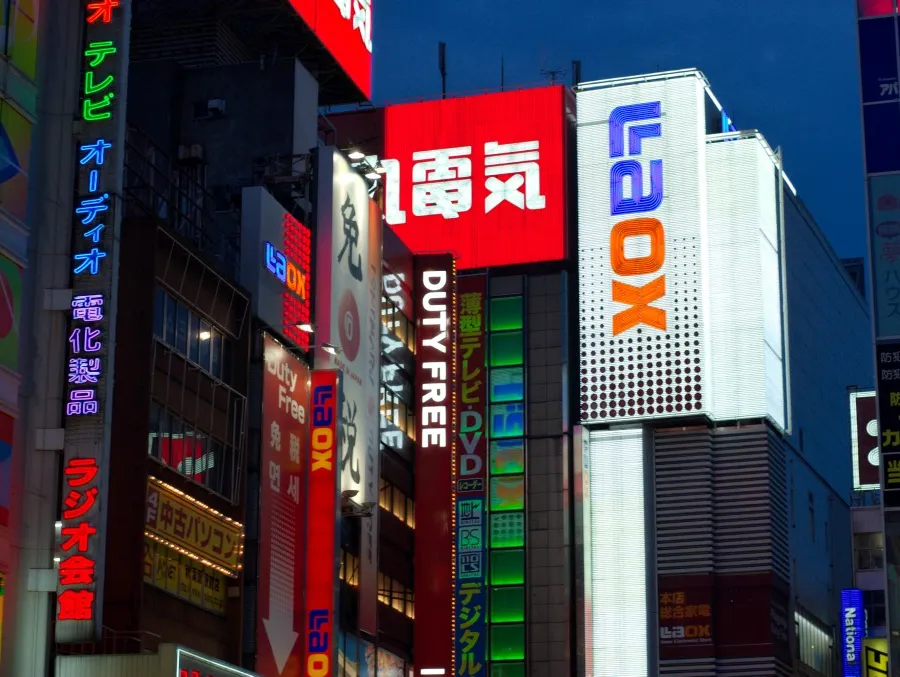
eSIM & Wi-Fi
Stay connected in Japan with an eSIM or pocket Wi-Fi, without hunting for a local SIM shop.
Explore eSIM & Wi-Fi