Skip to content
Easy Travel in Japan
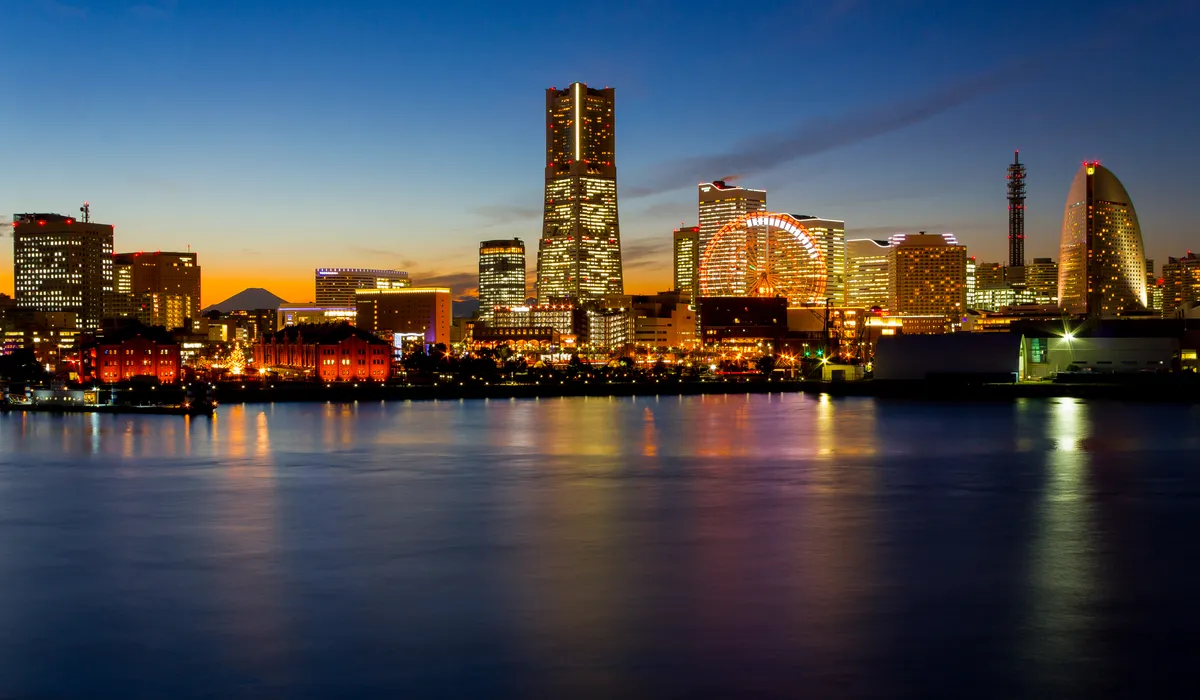
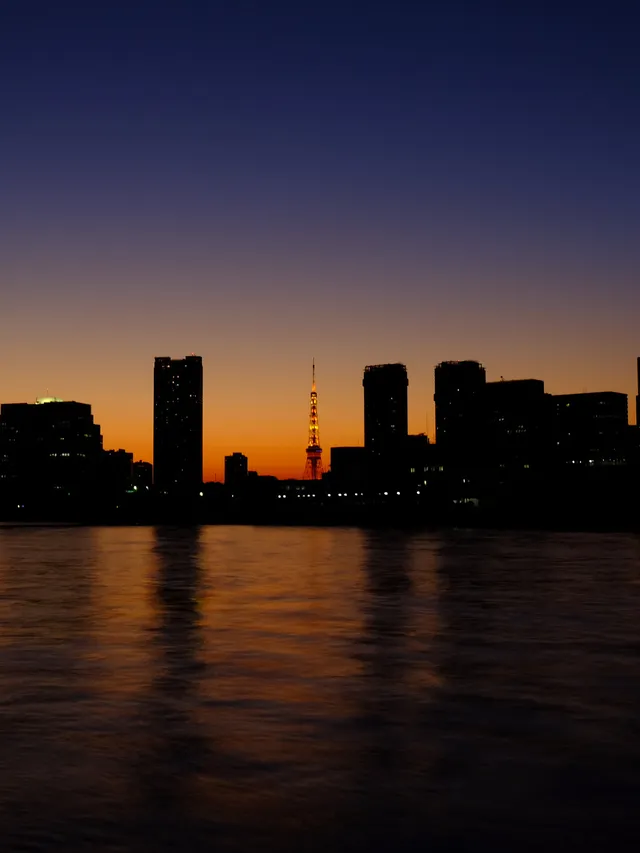
Minato Mirai skyline at night, Yokohama

The Ultimate Yokohama Travel Guide

Yokohama is the capital of Kanagawa Prefecture and Japan’s second-largest city, a former treaty port on Tokyo Bay that opened to foreign trade in 1859 and grew into a more cosmopolitan, port-city counterpart to nearby Tokyo. Here’s a closer look at the waterfront, historic quarters, and Chinatown that make it one of the easiest and most rewarding day trips in the Kanto region.

Attractions

The port-city landmarks that give Yokohama its own identity, distinct from nearby Tokyo.

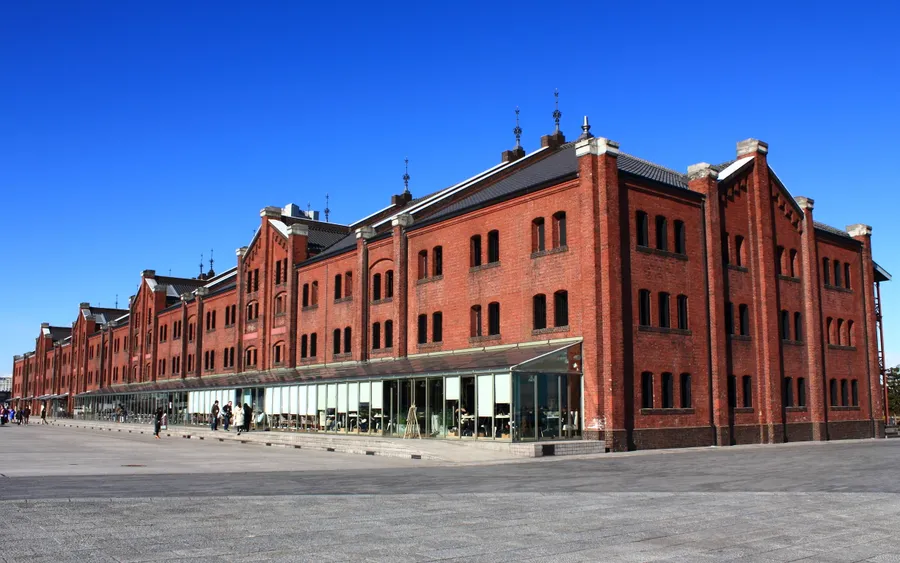
  1. Yokohama Red Brick Warehouse1

    Red Brick Warehouse

    A pair of early-1900s customs warehouses in Minato Mirai, converted into shops, restaurants, and event space in 2002. Built between 1911 and 1913 as Yokohama's first Western-style brick customs facility, the two buildings survived the 1923 Great Kanto Earthquake and WWII bombing largely intact — unusual for structures this old this close to the water. Warehouse No. 1 leans toward galleries and event space, while No. 2 holds most of the shops and restaurants, and the plaza between them hosts markets and events through the year.

    Warehouse No. 1: 10:00 AM – 7:00 PM; Warehouse No. 2: 11:00 AM – 8:00 PM; free to enter1-1 Shinko, Naka Ward, Yokohama, Kanagawa 231-0001
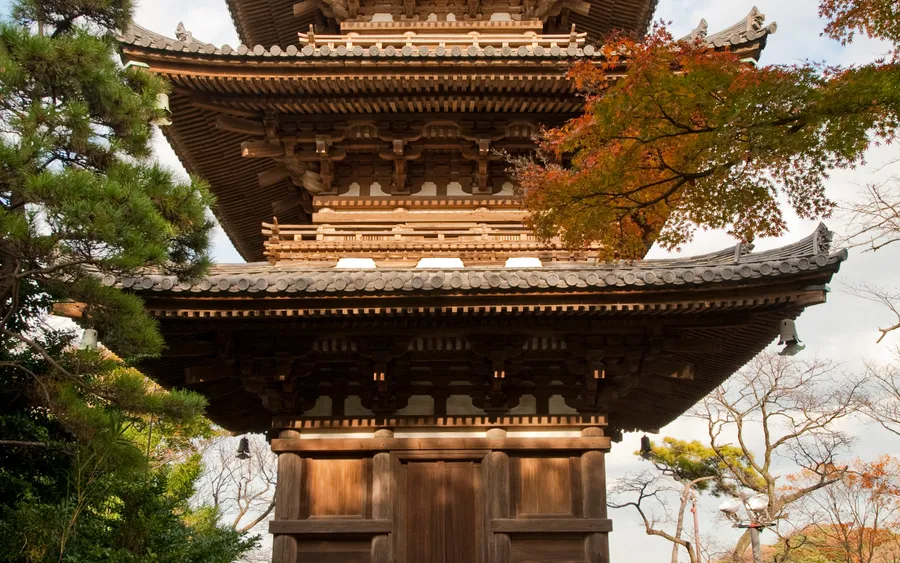
  2. Sanjunoto pagoda, Sankeien Garden, Yokohama2

    Sankeien Garden

    Sankeien is a traditional Japanese landscape garden created by silk trader Tomitaro Hara in the early 1900s, who relocated 17 historic buildings from around Japan onto the grounds, including a three-story pagoda dating to 1457. The Hara family donated the garden to the city in 1953, and it remains one of the more overlooked sights in Yokohama, a genuine break from the waterfront crowds elsewhere in the city. Several hundred cherry trees make spring the most popular season, with extended hours for illuminated evening viewing during that stretch. It sits a little further out than most other Yokohama sights, so budget extra travel time to reach it.

    9:00 AM – 5:00 PM, last entry 4:30 PM (closed Dec 29–31)58-1 Honmokusannotani, Naka Ward, Yokohama, Kanagawa 231-0824
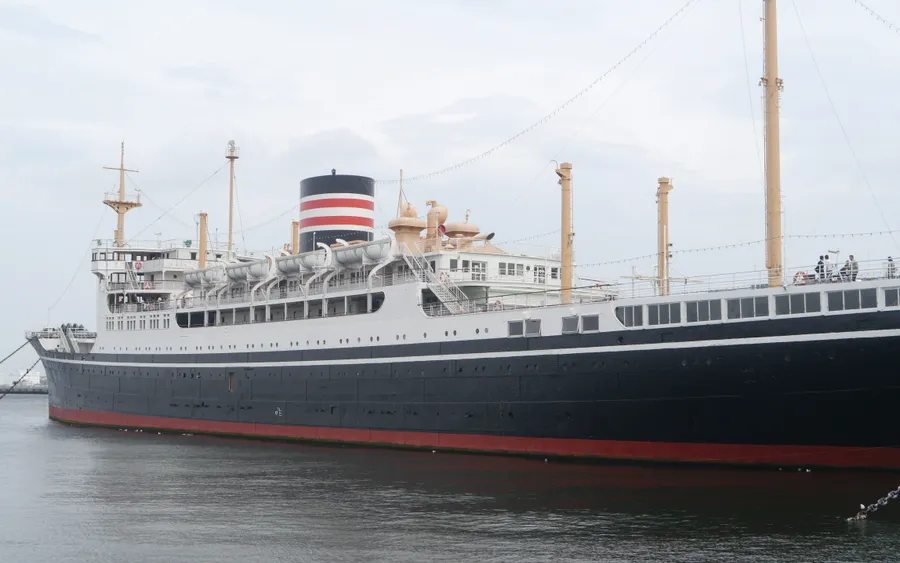
  3. Hikawa Maru museum ship, Yamashita Park, Yokohama3

    Yamashita Park & the Hikawa Maru

    Yamashita Park runs along Yokohama's harbor front, permanently mooring the Hikawa Maru, a 1930 ocean liner that once carried passengers between Yokohama and Vancouver and Seattle before being converted into a museum ship. Its 1930s interiors, including first-class cabins and a smoking room, are preserved largely as they were, giving a genuine sense of prewar transpacific travel rather than a recreation. The park itself is one of the most pleasant places in the city for a waterfront walk, especially around sunset, and its small seafront cherry blossom grove is a quieter spring option than the bigger parks elsewhere in Yokohama.

    9:00 AM – 5:00 PM, last entry 4:30 PM (closed Mondays)279 Yamashita-cho, Naka Ward, Yokohama, Kanagawa 231-0023
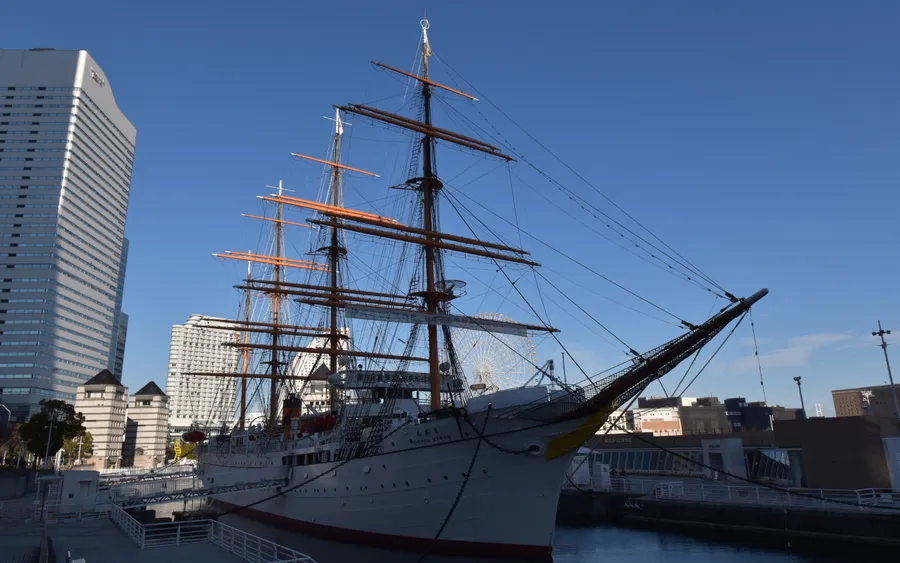
  4. Sail Training Ship Nippon Maru, Minato Mirai, Yokohama4

    Nippon Maru

    The Nippon Maru is a four-masted sail training ship built in 1930, nicknamed the 'Swan of the Pacific' for the elegant profile it cut under full sail while training generations of merchant marine cadets. Retired in 1984 and donated to the city, it's now permanently moored in Minato Mirai and was designated a national Important Cultural Property in 2017. Visitors can walk the deck and below-deck quarters, and the adjoining Yokohama Port Museum covers the city's maritime history in more depth for anyone who wants to stay longer.

    10:00 AM – 5:00 PM, last entry 4:30 PM (closed Mondays)2-1-1 Minato Mirai, Nishi-ku, Yokohama

Neighborhoods

Three very different historic quarters, from a hillside foreign settlement to the largest Chinatown in Japan.

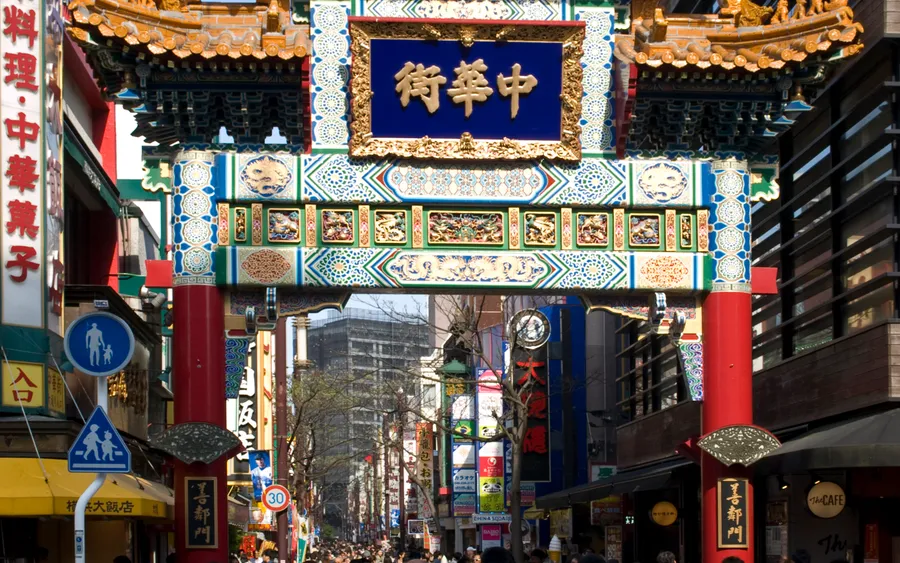
  1. Zenrinmon Gate, Yokohama Chinatown1

    Yokohama Chinatown

    Yokohama Chinatown, Japan's largest, traces back to Chinese merchants who settled near the newly opened port in 1859 and today holds several hundred restaurants and shops packed into a compact grid of streets. Zenrinmon, one of several ornate gates marking entrances to the district, is the most photographed of them, brightly painted and topped with dragon carvings. It's less a single attraction than a place to wander and eat your way through, and it's genuinely busy most of the year rather than only on weekends.

  2. Berrick Hall, Yamate, Yokohama2

    Yamate

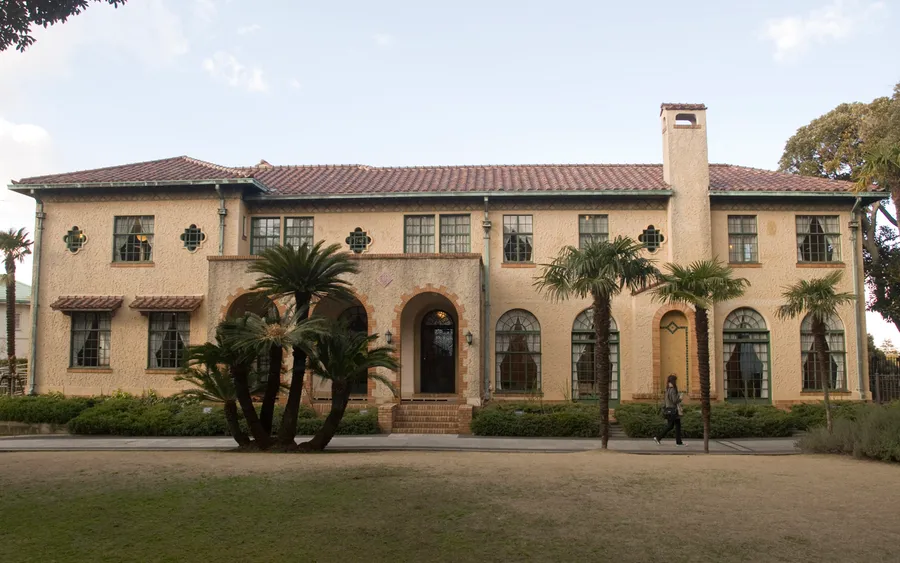
    Yamate, on the hillside above the harbor, was Yokohama's foreign residential quarter after the port opened in 1859, and it still has several preserved Western-style houses open to visitors, including Berrick Hall, a 1930 residence built for a British trader. The area's mix of church spires, a foreign cemetery, and period architecture gives it a genuinely different feel from anywhere else in the city. It leads down toward Motomachi, making the two easy to combine into one walking route.

  3. Motomachi shopping street, Yokohama3

    Motomachi

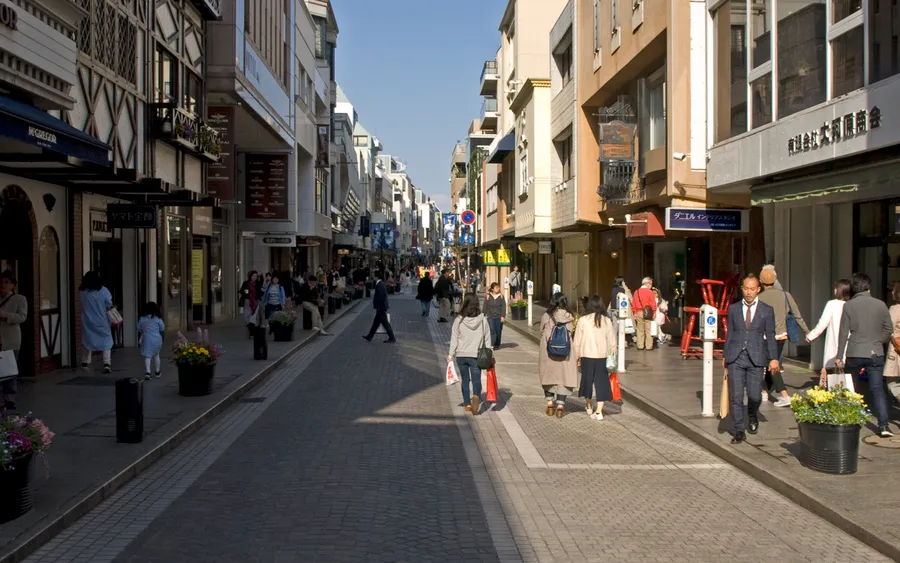
    Motomachi grew up as the commuting route between the Yamate foreign quarter and the old business district below, and it's kept a boutique, slightly upscale character ever since, distinct from Chinatown's density just a few minutes away. It's a good stop for browsing rather than major sightseeing, lined with independent shops and cafes rather than chain stores. The street runs roughly parallel to the hillside of Yamate, so combining the two into a single downhill walk is the natural way to see both.

Experiences

A Ferris wheel with a clock built in and a museum where you design your own instant noodles.

  1. Cosmo Clock 21 & Landmark Tower, Yokohama1

    Cosmo Clock 21

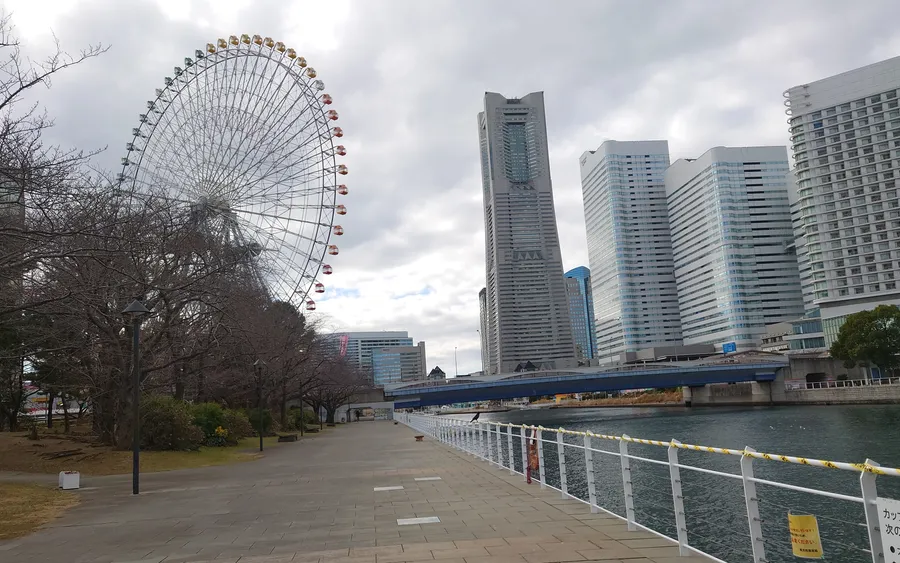
    Cosmo Clock 21, at the Cosmo World amusement park in Minato Mirai, is a 112.5-meter Ferris wheel with an actual clock built into its structure, briefly the tallest Ferris wheel in the world when it opened for the 1989 Yokohama Exposition. A full rotation takes about 15 minutes, long enough for a genuinely leisurely 360-degree view over the harbor and skyline, and it's especially striking after dark when its rim lights up in changing patterns visible across much of the waterfront.

    11:00 AM – 8:00 PM (weekdays); 11:00 AM – 10:00 PM (weekends & holidays), hours vary seasonally2-8-1 Shinko, Naka Ward, Yokohama, Kanagawa 231-0001
  2. CUPNOODLES MUSEUM, Yokohama2

    CUPNOODLES MUSEUM

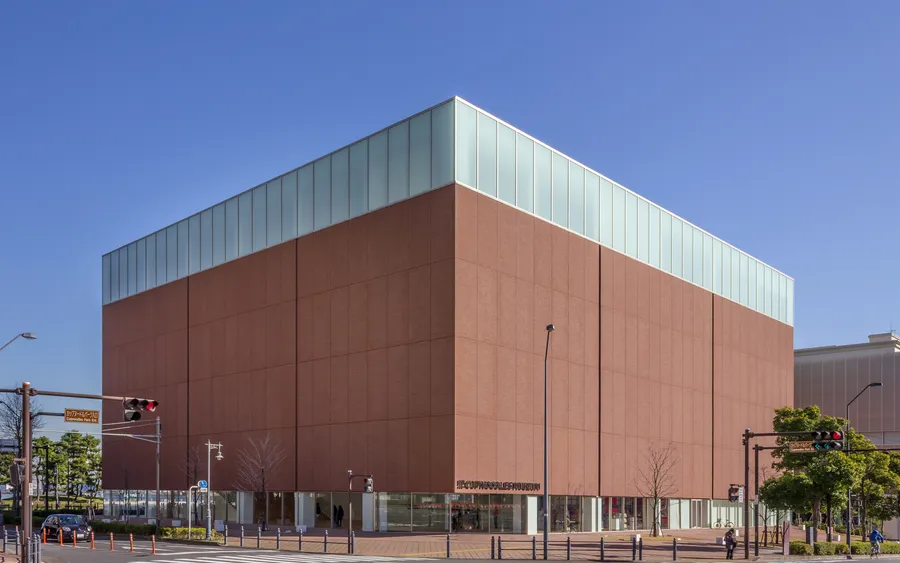
    The CUPNOODLES MUSEUM in Minato Mirai commemorates Momofuku Ando, the Nissin Foods founder who invented the world's first instant ramen — worked out in Osaka Prefecture, though the museum tells the story here. Its hands-on My CUPNOODLES Factory lets visitors design their own cup, choose from a range of soup and topping combinations, and seal and carry home a genuinely one-of-a-kind cup of noodles. It's aimed squarely at families and is one of the more reliably fun options in the city on a rainy day.

    10:00 AM – 6:00 PM, last admission 5:00 PM (closed Tuesdays)2-3-4 Shinko, Naka-ku, Yokohama 231-0001

Food

Japan's largest Chinatown, doing what it's always done best.

  1. Xiaolongbao, Yokohama Chinatown1

    Chinatown Street Food

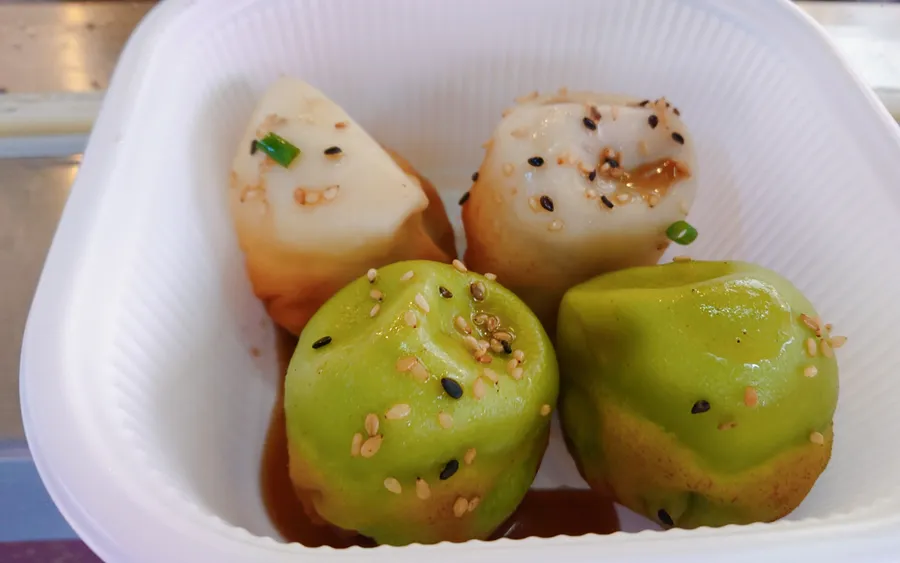
    Yokohama Chinatown is the city's signature food destination, serving both fairly authentic and Japanese-adapted Chinese cooking side by side — steamed buns, xiaolongbao soup dumplings, and other street snacks sold from open storefronts alongside full sit-down restaurants. Small stalls known for a single dish, like a particular restaurant's take on xiaolongbao, are often worth seeking out over generic buffet-style places nearby. It's easy to graze through several stalls in an afternoon without committing to a single sit-down meal.

Keep reading

More guides you might like

Nearby

Related destinations

Continue

Related services

Easy Travel in Japan