Skip to content
Easy Travel in Japan
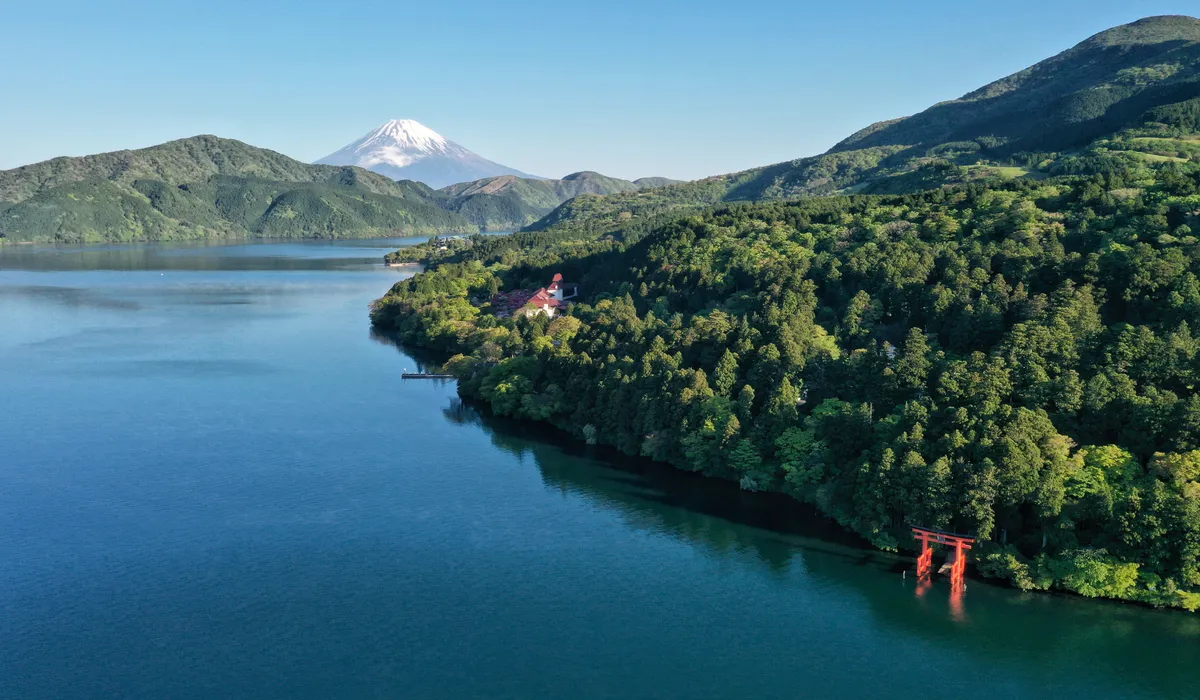
Lake Ashi, Mount Fuji, and the Hakone Shrine torii

The Ultimate Hakone Travel Guide

Hakone is a small volcanic hot-spring town about 90 minutes from Tokyo, built almost entirely around a caldera lake, a steaming valley, and over a thousand years of onsen culture. Here’s a closer look at the landmarks, flavors, and experiences that make it worth the trip, whether you’re doing it as a long day out or staying overnight in a ryokan.

Attractions

The volcanic scenery and lakeside landmarks that define a trip to Hakone.

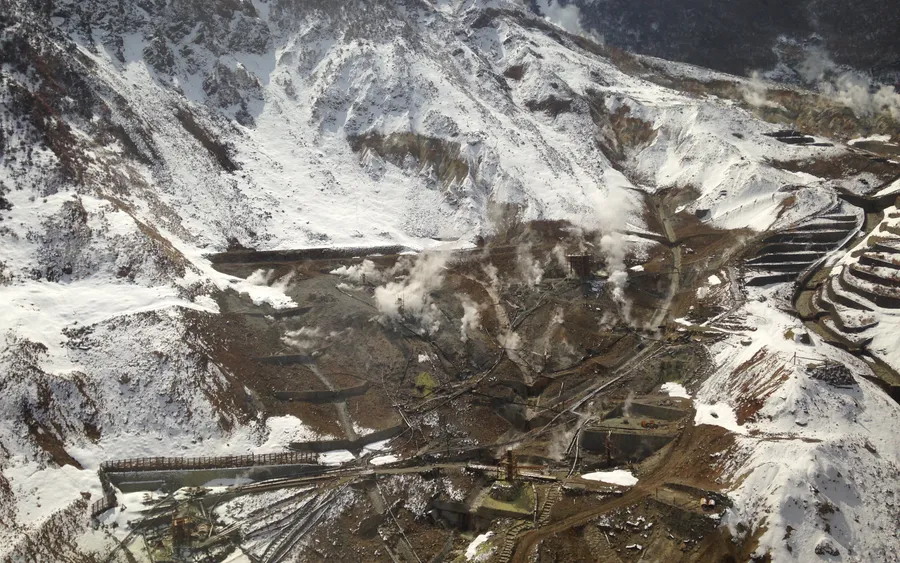
  1. Owakudani valley from the Hakone Ropeway1

    Owakudani

    Owakudani, the 'Great Boiling Valley,' is an active volcanic valley of sulfurous steam vents and hot streams formed roughly 3,000 years ago by Mount Hakone's last major eruption. The Hakone Ropeway glides directly over it, giving passengers a close-up view of the steaming, yellow-streaked hillside before continuing on toward Lake Ashi — and on a clear day, the same ropeway offers one of the better views of Mount Fuji in the whole Hakone area. It's also where the local kuro-tamago black eggs are boiled, so most visits combine the view with a quick snack stop.

    Ropeway: 9:00 AM – 4:45 PM (Feb–Nov); 9:00 AM – 4:15 PM (Dec–Jan)
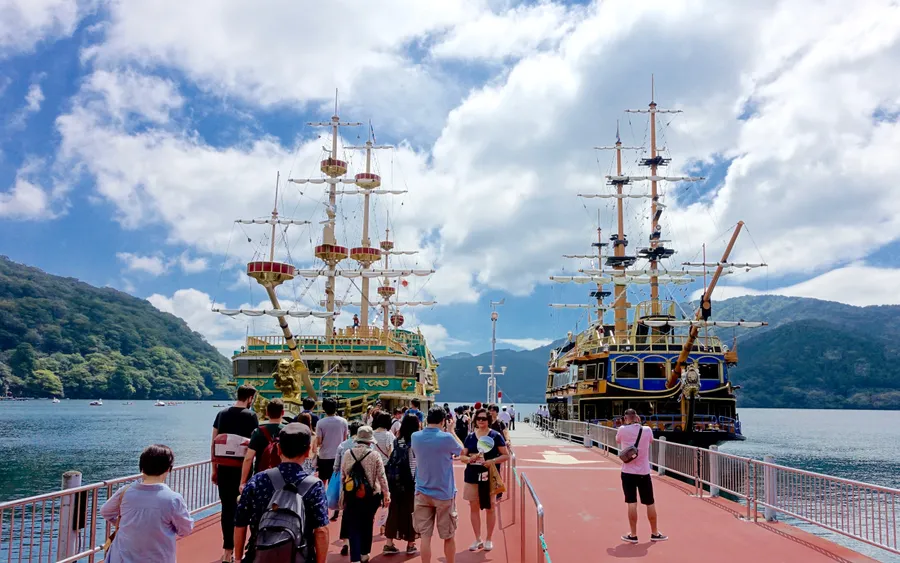
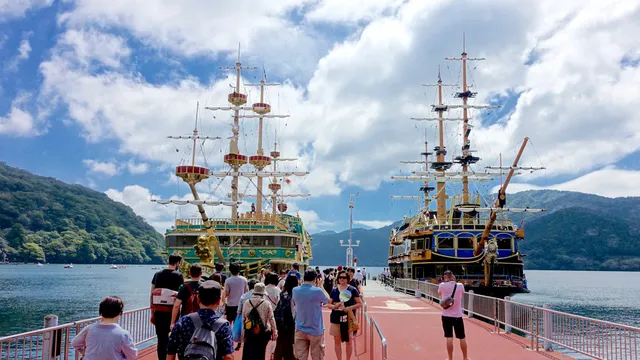
  2. Lake Ashi pirate ship cruise, Hakone2

    Lake Ashi

    Lake Ashi is the centerpiece of Hakone, a caldera lake ringed by mountains and, on a clear day, offering one of the classic postcard views of Mount Fuji rising beyond the water. Sightseeing cruises cross it aboard ships styled after 17th- and 18th-century European warships — a slightly odd but genuinely fun way to get between the Togendai ropeway station and the shrine and checkpoint sites clustered around Moto-Hakone and Hakone-machi. It's less about the destination than the crossing itself: mountains on every side, and Fuji dead ahead if the weather cooperates.

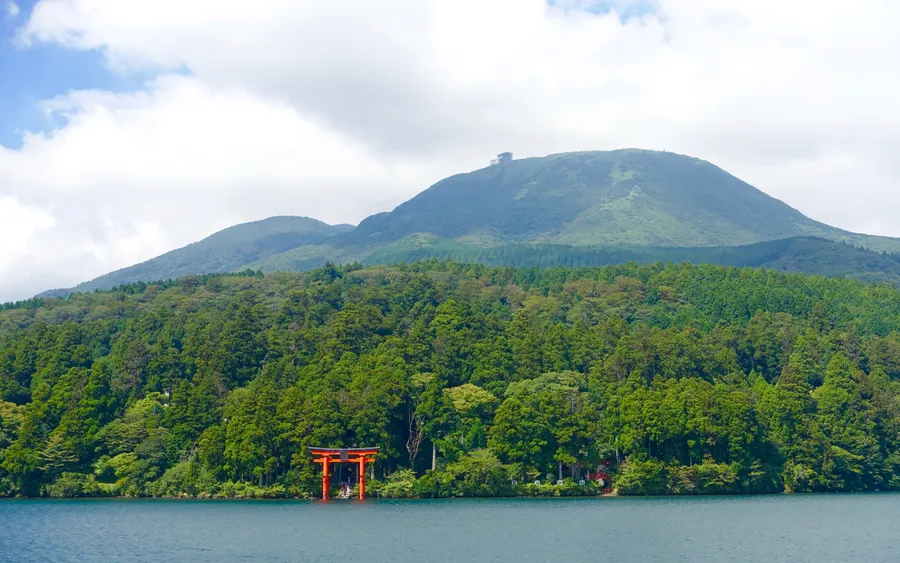
  3. Hakone Shrine torii, Lake Ashi3

    Hakone Shrine

    Hakone Shrine dates back over 1,200 years and is best known for the Heiwa no Torii, a red torii gate standing directly in the water of Lake Ashi, reached by a short forest approach lined with cedar trees and stone lanterns. It's one of the most photographed spots in the region, especially early in the morning before the day-trip crowds arrive from Tokyo, and the walk up through the cedar grove to the main shrine buildings is worth the extra few minutes even if you only came for the torii photo. The shrine sits right by Moto-Hakone port, making it an easy add-on to a Lake Ashi cruise.

    Grounds always open; treasure hall 9:00 AM – 4:30 PM (last admission 4:00 PM)80-1 Motohakone, Hakone-machi

Food

Two small, distinctly local flavors worth seeking out between sightseeing stops.

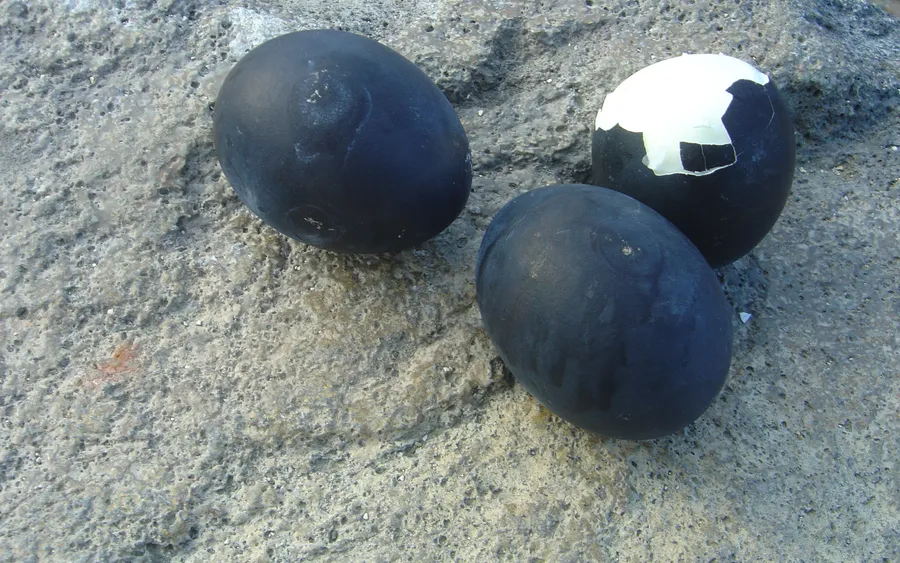
  1. Kuro-tamago (black eggs), Owakudani1

    Kuro-tamago

    Kuro-tamago, 'black eggs,' are ordinary hen's eggs hard-boiled in Owakudani's naturally hot, sulfurous spring water, which reacts with the shell and turns it a deep black while leaving the egg itself completely normal inside. Local legend holds that eating one adds seven years to your life, and they're sold right at the valley in bags of five, still warm, alongside a light sulfur smell that fades once you crack the shell. It's less a meal than a novelty snack, but it's genuinely one of the more memorable small food experiences in the Hakone area.

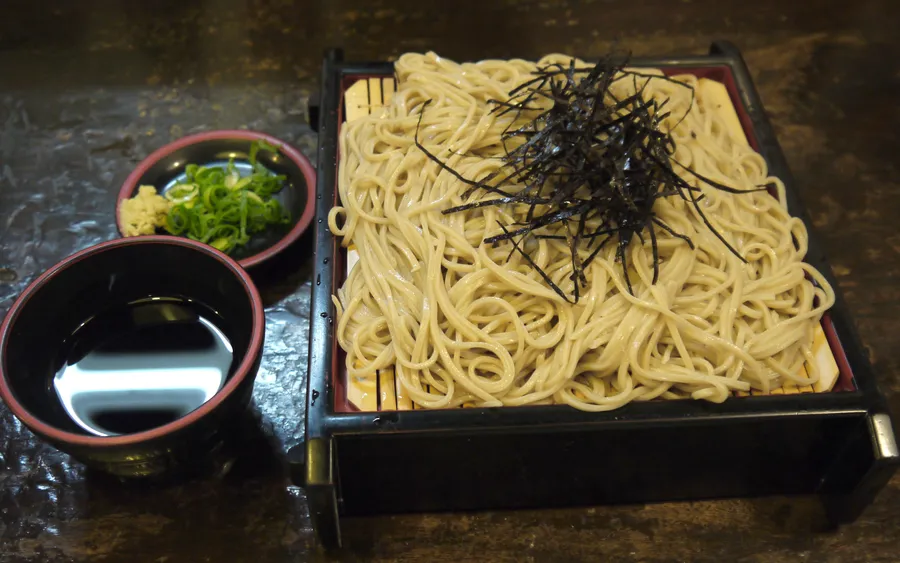
  2. Zaru soba (cold soba noodles)2

    Hakone Soba & Yuba

    Hakone's mountain spring water shows up on menus across the area, most notably in soba noodles made with it and in yuba, the delicate tofu skin skimmed from the surface of simmering soy milk, prized here for its smooth, almost silky texture. Neither dish is unique to Hakone the way kuro-tamago is, but the quality of the local water genuinely changes the result, and small soba shops along the old Tokaido road and around Yumoto make a good lunch stop between sightseeing. It's a lighter, more restrained counterpoint to the ryokan kaiseki dinners most overnight visitors end up eating.

Neighborhoods

A museum and a mountain town worth slowing down for.

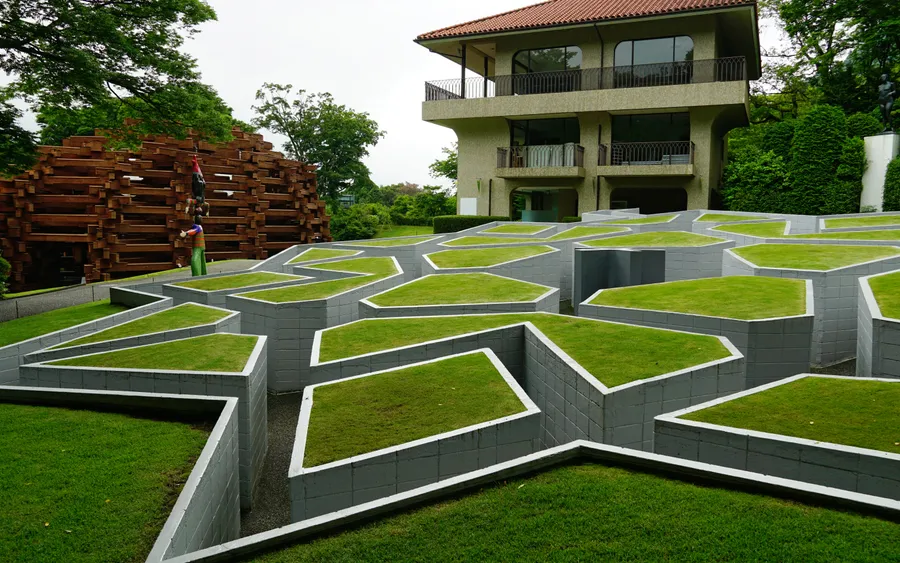
  1. Hakone Open-Air Museum1

    Hakone Open-Air Museum

    Opened in 1969 as Japan's first open-air museum, this sprawling sculpture park spreads more than 1,000 works, about 120 of them permanently on view, across mountainside lawns with Hakone's hills as a backdrop rather than white gallery walls. Names like Henry Moore and Joan Miro sit alongside a dedicated Picasso pavilion, and a hot-spring foot bath partway through the grounds lets you rest mid-visit without leaving the museum. It's an easy stop directly on the Hakone Tozan Railway line, with its own station, so it fits naturally into a loop rather than requiring a separate detour.

    9:00 AM – 5:00 PM (last admission 4:30 PM), open year-roundNinotaira 1121, Hakone-machi
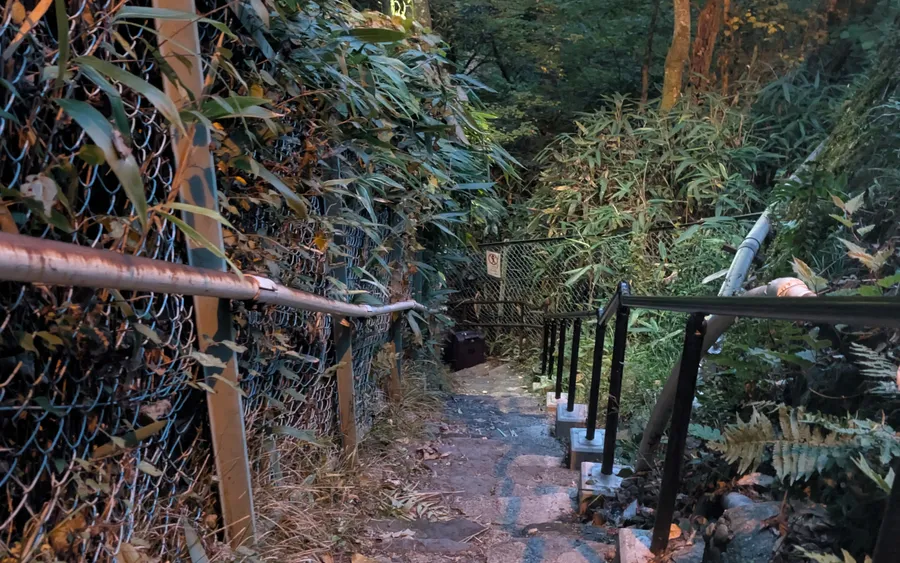
  2. Walking path in Gora town, Hakone2

    Gora

    Gora is the upper terminus of the Hakone Tozan Railway and the jumping-off point for the cable car up to Sounzan, but it's worth more than a quick transfer — a small, walkable mountain town with a handful of art museums, craft shops, and cafes tucked along sloped streets. It sits at a noticeably higher, cooler elevation than Hakone-Yumoto down in the valley, which makes it a pleasant place to break up a day of sightseeing with a coffee or a slow lunch. Gora Park, a French-style garden a short walk from the station, is a quiet detour if you want a break from the crowds elsewhere in Hakone.

Experiences

The two things most visitors actually come to Hakone for.

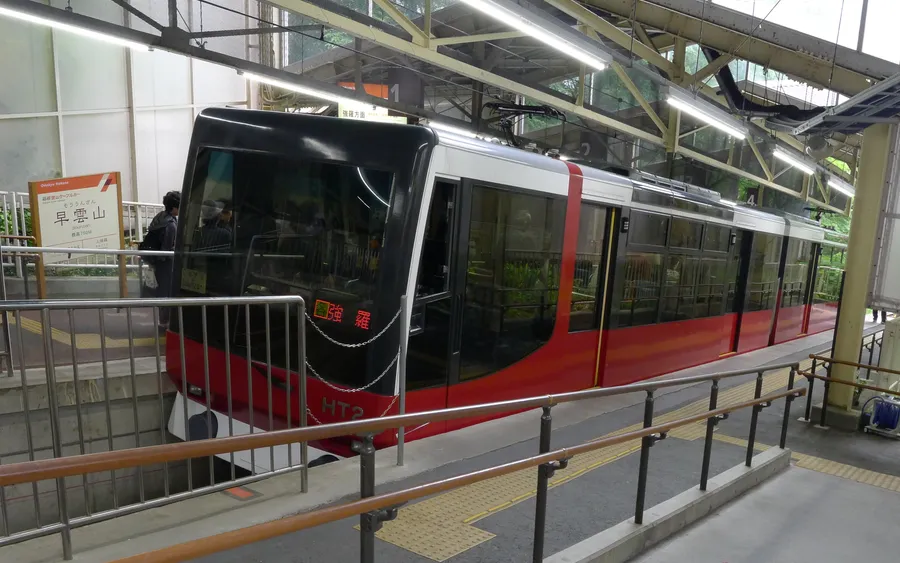
  1. Hakone Tozan Cable Car at Sounzan Station1

    The Hakone Loop

    The 'Hakone Loop' strings together every mode of transport the area is known for into one continuous circuit: the Hakone Tozan Railway's switchback climb from Hakone-Yumoto to Gora, a cable car up to Sounzan, the ropeway over Owakudani to Togendai, and finally the pirate-ship cruise back across Lake Ashi. The Hakone Freepass, sold by Odakyu, covers the whole loop plus regional trains and buses, and is by far the simplest way to do it without buying separate tickets at every stage. It's built to be done in a single long day, though most visitors find it far more relaxed spread across two.

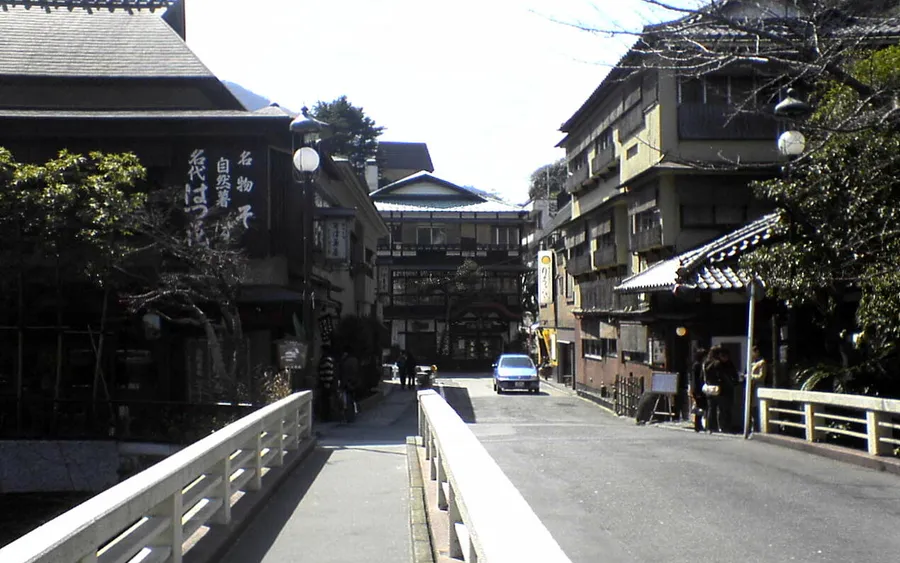
  2. Hakone-Yumoto Onsen Street2

    Onsen Ryokan Culture

    Hakone's hot-spring culture goes back to at least 738, when the area's first recorded bathhouse opened, and staying in a ryokan here is the difference between seeing Hakone and actually experiencing it — a multi-course kaiseki dinner, a yukata robe, and a soak in mineral-rich water piped straight from the volcanic ground beneath the town. Hakone-Yumoto's onsen street, the area's oldest and most concentrated hot-spring district, is lined with ryokan ranging from simple family-run inns to elaborate resorts, many offering private or communal baths with mountain views. Even a day-trip visitor can usually buy a few hours of bath access at a ryokan that allows non-staying guests.

Keep reading

More guides you might like

Nearby

Related destinations

Continue

Related services

Easy Travel in Japan