 Easy Travel in Japan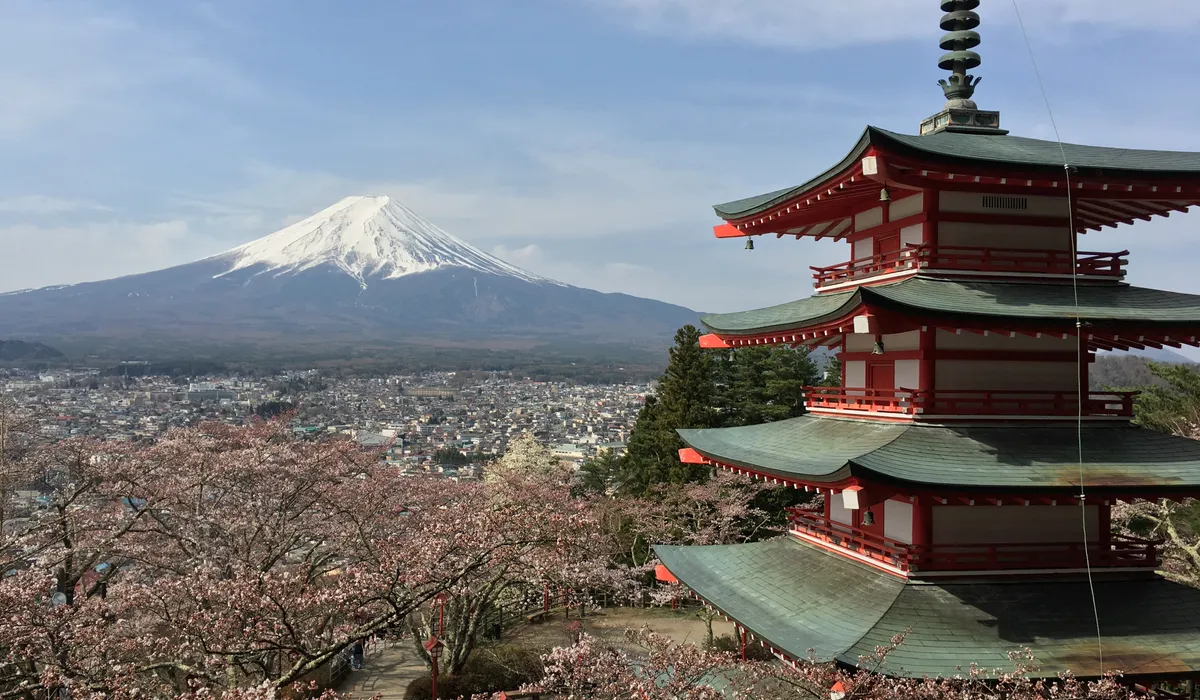
Mount Fuji & Fuji Five Lakes
Japan's iconic peak and the lakeside towns around it — the closest, most reliable place to see Fuji up close.
Mount Fuji is Japan’s highest mountain at 3,776 meters, an active volcano whose last eruption, in 1707–08, sent ash as far as Edo, over 100 km away. In 2013 it was inscribed as a UNESCO World Heritage Site — but as a Cultural, not Natural, site, recognizing centuries of religious pilgrimage and its enormous influence on Japanese art and literature rather than its geology alone. On its northern, Yamanashi Prefecture side, the Fuji Five Lakes — Kawaguchiko, Yamanakako, Saiko, Shojiko, and Motosuko, all formed by lava flows damming rivers — form the main base for visitors approaching from Tokyo, offering some of the mountain’s most famous views alongside lakes, forests, and hot springs within Fuji-Hakone-Izu National Park.
Highlights & things to do
Lake Kawaguchiko, the most accessible and developed of the five lakes, is the region’s sightseeing hub, with the best Fuji views from its northern shore and a ropeway climbing nearby Mount Tenjo for an elevated view over the lake and forest. Nearby in Fujiyoshida, the Chureito Pagoda, reached by a climb of nearly 400 steps, offers one of Japan’s most photographed views — a five-story pagoda framed against Mount Fuji, with cherry blossoms in season. Oshino Hakkai, a village between Kawaguchiko and Yamanakako, has eight spring-fed ponds formed by Fuji’s snowmelt filtering through volcanic rock over roughly 20 years. Fuji-Q Highland, a major amusement park at the mountain’s foot, is known for record-setting roller coasters, while Aokigahara, a dense forest grown on hardened lava, has marked boardwalk trails and accessible lava caves that stay near freezing year-round.
Food & local cuisine
Hoto, thick flat noodles simmered directly in a miso broth with seasonal vegetables like pumpkin, is Yamanashi’s signature dish, traditionally linked to the 16th-century warlord Takeda Shingen. Yoshida udon, a distinct specialty of nearby Fujiyoshida, is notably firm and chewy, served in a soy-miso broth often topped with boiled cabbage. Yamanashi is also Japan’s leading wine region, centered on the Koshu Valley, and Koshu, a pale, delicately flavored white grape, is grown almost exclusively here.
Culture & traditions
Mount Fuji has long been an object of Shinto worship, associated with the deity Konohanasakuya-hime, and from around the Heian period became a site of Shugendo mountain asceticism. In the early Edo period, the Fujiko pilgrimage confraternities turned the ascent into a religious rite, with climbers performing rituals at shrines like Kitaguchi Hongu Fuji Sengen Shrine, the traditional starting point of the north-side climbing route, before setting out in white pilgrimage garb. The area holds roughly 1,300 shrines dedicated to the mountain’s deity — the cultural weight behind its UNESCO listing.
Nature & scenery
Each of the five lakes has its own character: Kawaguchiko for accessibility and views, Yamanakako, the largest, for water sports, Saiko for its quieter shoreline near the ice caves and Aokigahara, tiny Shojiko for its “upside-down Fuji” reflection, and Motosuko, the deepest, for the view once printed on Japan’s old 1,000-yen note. On clear days around mid-October to late February, “Diamond Fuji” — the sun rising or setting exactly over the summit — can be seen from spots around the lakes.
Seasonal travel
The official climbing season runs roughly early July to early September, when mountain huts and facilities are open; climbing above the fifth stations outside this window is discouraged and can be dangerous. Winter and autumn generally offer the clearest skies for viewing the mountain, while summer cloud cover often obscures the peak even during climbing season. Spring pairs cherry blossoms with Fuji views at Chureito Pagoda, typically peaking in early-to-mid April. Autumn foliage centers on the Kawaguchiko Momiji Corridor, generally late October to mid-November, with night illuminations during the festival period.
Recommended experiences
Climb Mount Fuji via the Yoshida Trail during the official season — the most popular and best-equipped of the four routes, recommended for first-time climbers, though it now requires an entry fee and advance reservation on the Yamanashi side. Ride the Kawaguchiko ropeway for elevated views without climbing. Take a lake cruise, including glass-bottom boats on Lake Motosuko. Soak in an onsen with a Fuji view.
Getting there & practical info
From Shinjuku in Tokyo, the direct “Fuji Excursion” limited express train reaches Kawaguchiko Station in under two hours with no transfers; highway buses cover the same route in a similar time. From Hakone, the standard route runs via Gotemba, transferring from a Hakone-area bus to a Fujikyu bus onward to Kawaguchiko, in all around 1.5 to 2 hours.
Who this suits
A strong match for hikers during climbing season, photographers and nature lovers chasing the classic Fuji view, families drawn to Fuji-Q Highland and the lakes, and first-time visitors wanting an easy, iconic day trip or overnight from Tokyo.
A closer look at Mount Fuji & Fuji Five Lakes
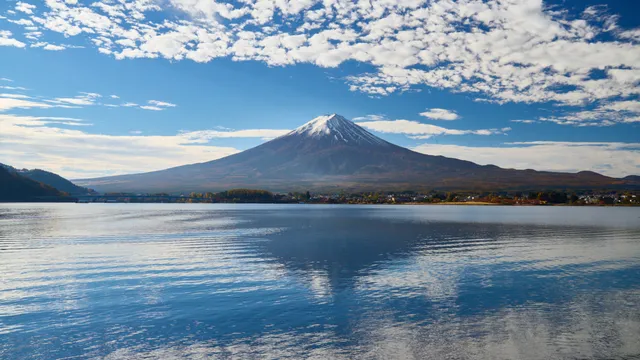
10 Best Things to Do in Mount Fuji & Fuji Five Lakes
A quick, friendly rundown of the Fuji Five Lakes' biggest highlights — from a pagoda framed against the summit to spring-fed ponds and a mountain-facing amusement park — a good starting point for a first visit to Japan's most iconic peak.
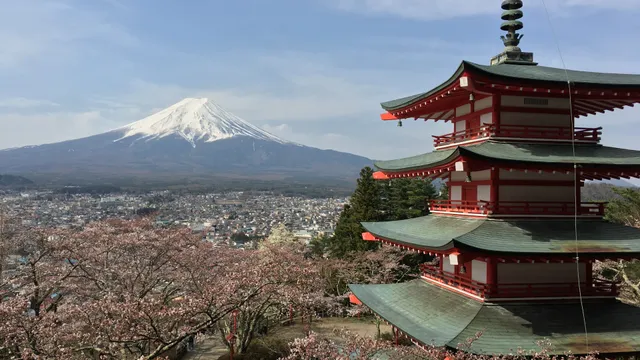
12 Best Things to Do in Japan
From Nara's bowing deer and Miyajima's floating torii to snow monkeys soaking in a Nagano hot spring, twelve unforgettable Japan experiences — and what to know before you visit each one.
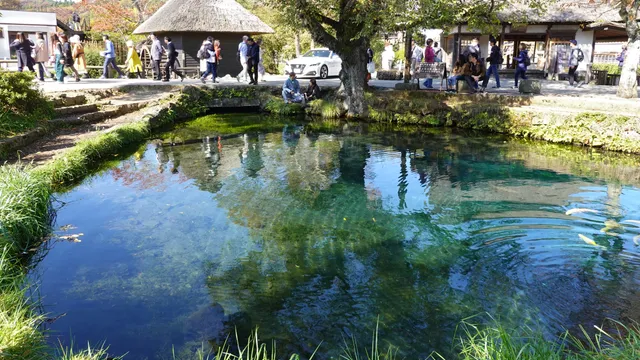
The Perfect 2-Day Mount Fuji Itinerary
A well-paced two days around the Fuji Five Lakes: the classic pagoda-and-lake views on day one, then spring-fed ponds, a lava forest, and a pilgrimage shrine on day two — everything you need for a proper visit, not just a rushed day trip from Tokyo.
Related destinations
Useful services for this trip
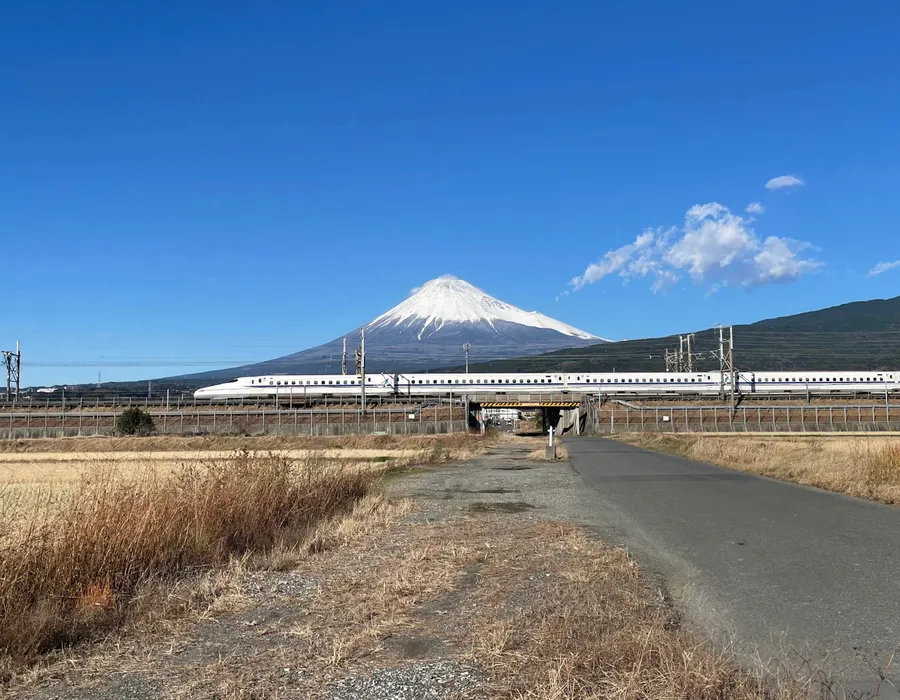
Train Tickets
Book shinkansen and local rail tickets in advance and skip the station ticket-counter queue.
Explore Train Tickets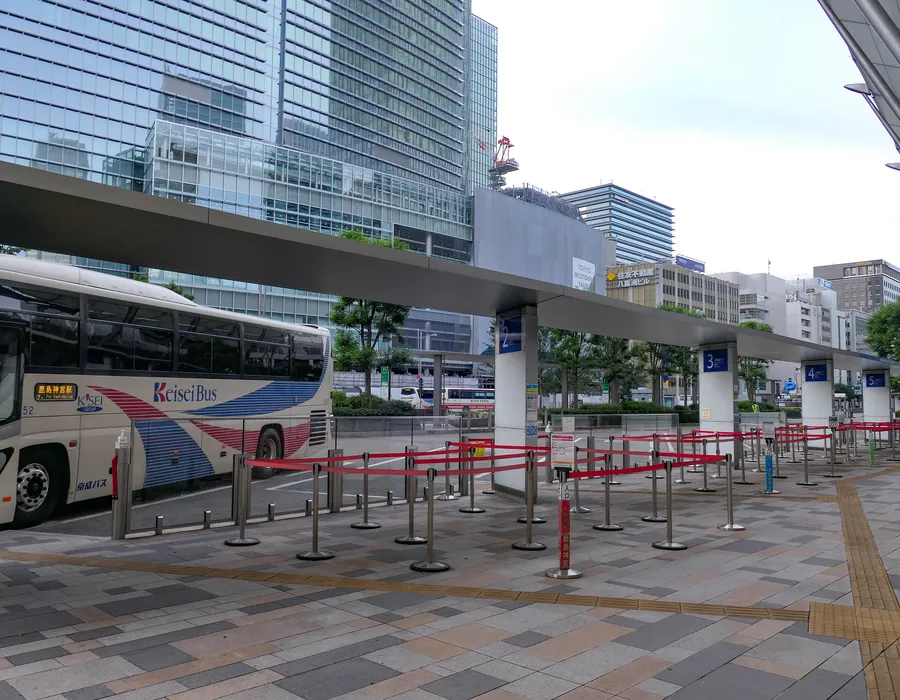
Bus Tickets
Book highway, overnight, and tour buses across Japan — an affordable way to reach cities and sights that trains skip.
Explore Bus Tickets
eSIM & Wi-Fi
Stay connected in Japan with an eSIM or pocket Wi-Fi, without hunting for a local SIM shop.
Explore eSIM & Wi-Fi