Skip to content
Easy Travel in Japan
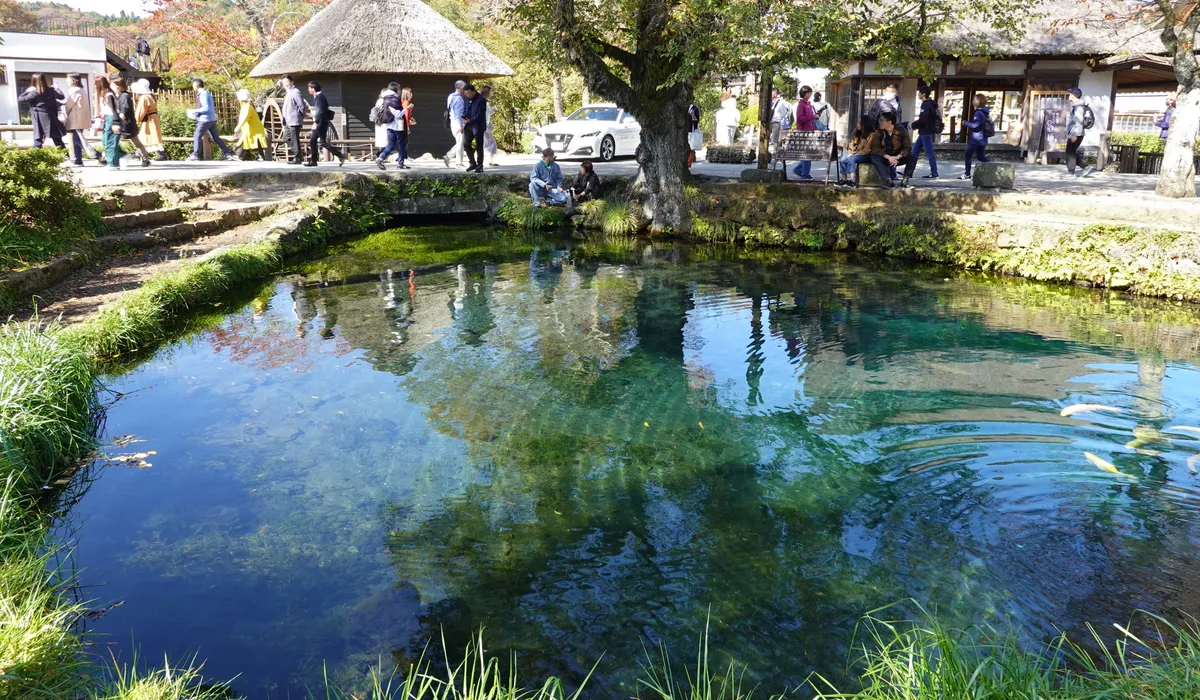
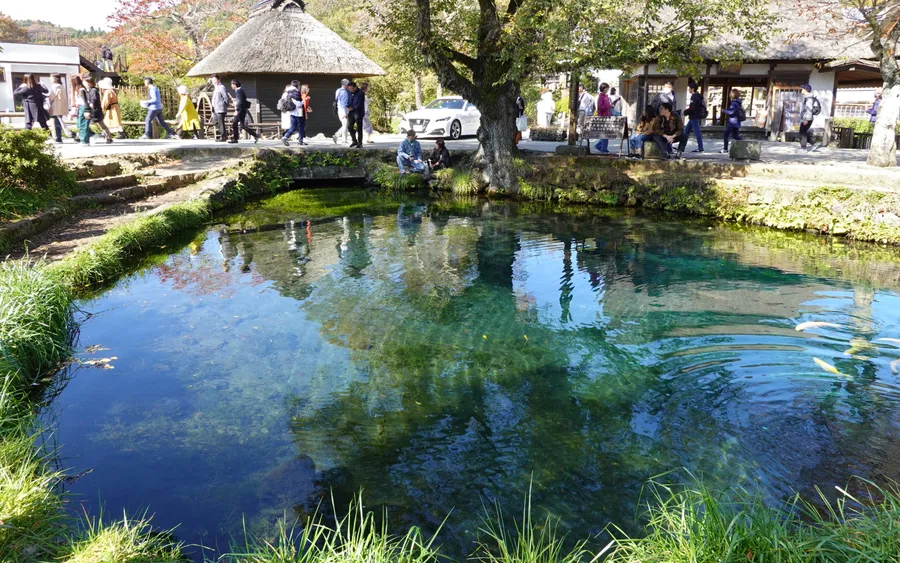
Waku-ike spring pond, Oshino Hakkai

The Perfect 2-Day Mount Fuji Itinerary

Two days gives the Fuji Five Lakes room to breathe rather than rushing the whole area into a single day trip. Day one covers the classic postcard views — Chureito Pagoda, the Kachikachi Ropeway, and Lake Kawaguchiko itself — with an onsen overnight by the water. Day two moves at a quieter pace through Oshino Hakkai’s spring-fed ponds, a walk through the Aokigahara lava forest, and the shrine that marks the traditional start of the climbing pilgrimage. Every leg is short, so there’s room to slow down anywhere the weather cooperates and Fuji actually shows itself.

Day 1: Kawaguchiko & the Classic Views

The postcard shots — a pagoda framed against the summit and the mountain reflected in the lake.

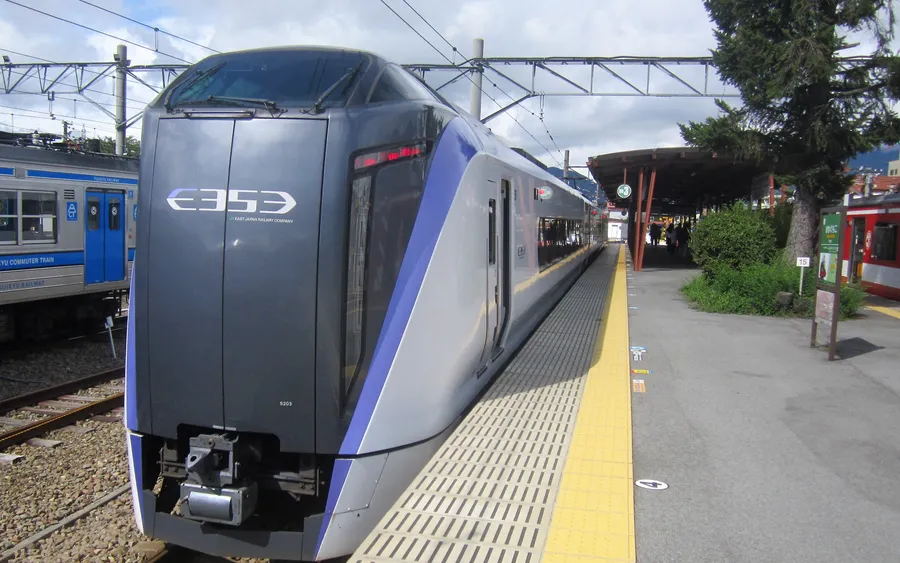
  1. JR East E353 "Fuji Excursion" at Kawaguchiko Station1

    9:00 AM — Tokyo to Kawaguchiko

    The direct 'Fuji Excursion' limited express train runs from Shinjuku to Kawaguchiko Station in under two hours with no transfers. Reserved seats are worth booking a few days ahead on weekends and during peak foliage or cherry blossom season.
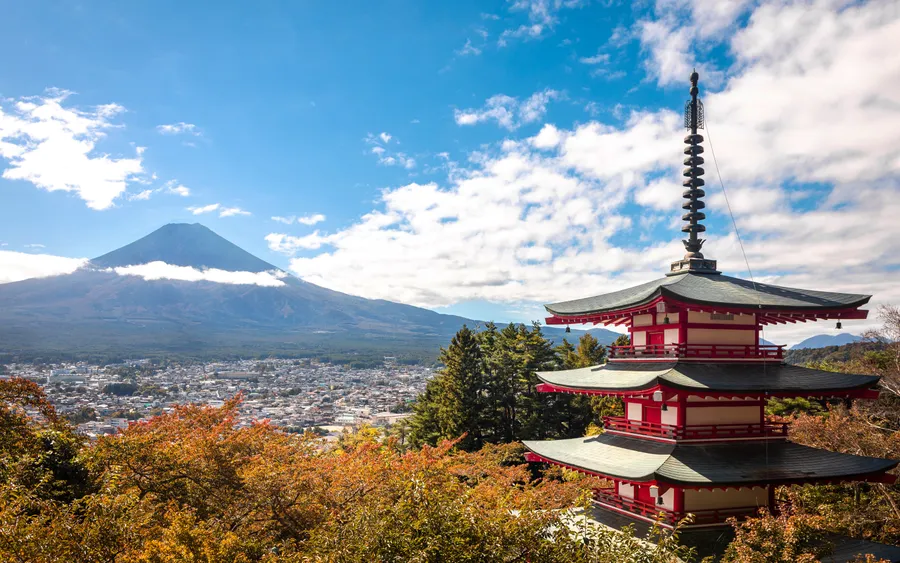
  2. Chureito Pagoda and Mount Fuji2

    11:00 AM — Chureito Pagoda

    A short bus or taxi ride from Kawaguchiko Station brings you to Fujiyoshida and the base of Arakurayama Sengen Park. Climb the 398 steps past Arakura Sengen Shrine to the pagoda and observation deck — arrive as close to opening as you can manage, since this exact view is one of the most photographed in Japan and fills with tripods fast on clear mornings.

    Park grounds always open, free; shrine 9:30 AM – 4:00 PM3353 Arakura, Fujiyoshida, Yamanashi
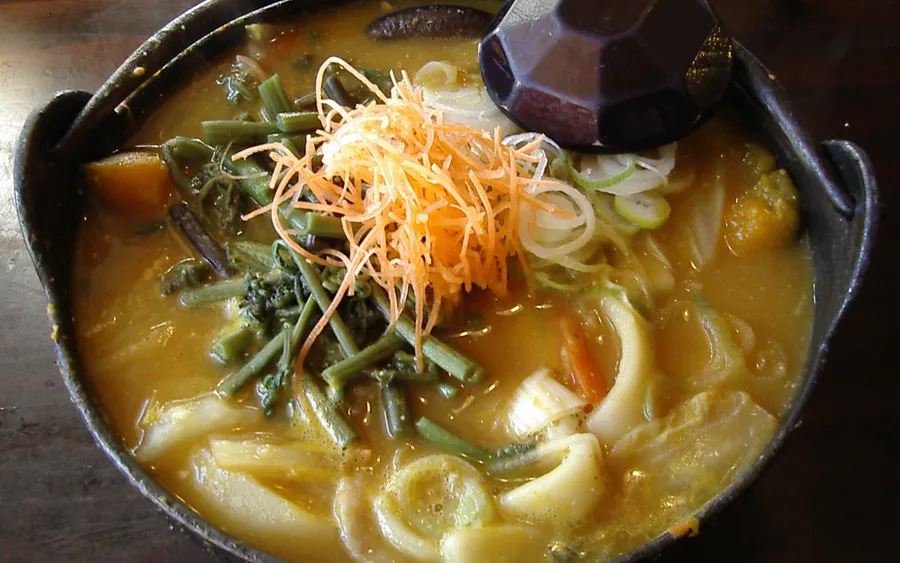
  3. Hoto, Yamanashi pumpkin miso noodle stew3

    1:00 PM — Lunch: Hoto

    Have lunch somewhere back near Kawaguchiko serving hoto, Yamanashi's thick hand-cut noodles simmered in a miso broth with pumpkin and seasonal vegetables. It's a filling, warming meal that suits a day spent mostly outdoors.

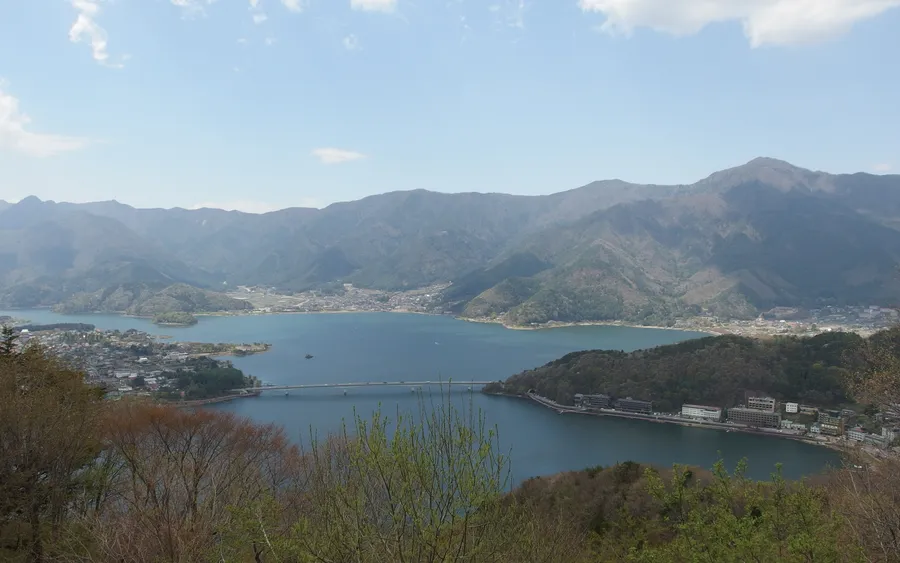
  4. Lake Kawaguchiko from the Kachikachi Ropeway, Mount Tenjo4

    2:30 PM — Kachikachi Ropeway, Mount Tenjo

    A 10 to 15 minute walk from central Kawaguchiko brings you to the Kachikachi Ropeway, which climbs Mount Tenjo in about three minutes for an elevated view over the lake and, on clear days, Fuji beyond it. Give it an hour including the short walking trail at the top station.

    9:00 AM – 5:10 PM (9:30 AM – 4:40 PM Dec–Feb)1163 Azagawa, Fujikawaguchiko-machi, Minamitsuru-gun, Yamanashi 401-0303
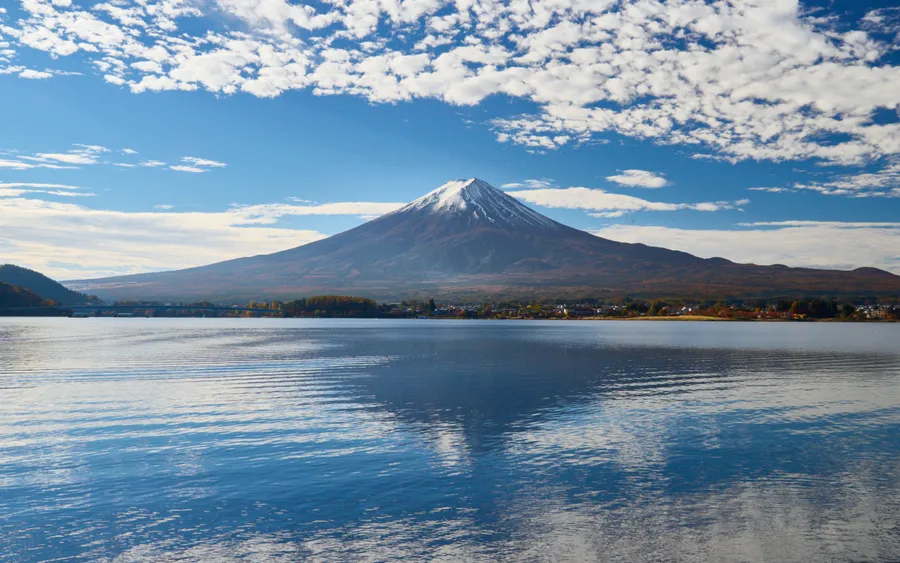
  5. Mount Fuji reflected in Lake Kawaguchiko5

    4:30 PM — Sunset & an Onsen by the Lake

    Close the day with a walk along Kawaguchiko's northern shore as the light drops, then check into a lakeside ryokan for the evening — many have onsen baths, some private, positioned specifically for a Fuji view while you soak. It's the difference between seeing the mountain and actually spending an evening with it in front of you.

Day 2: Oshino Hakkai, Aokigahara & the Shrine

A quieter day of spring-fed ponds, a lava forest, and the traditional start of the climbing pilgrimage.

  1. Waku-ike spring pond, Oshino Hakkai1

    9:00 AM — Oshino Hakkai

    A short bus ride from Kawaguchiko brings you to Oshino Hakkai, a village built around eight spring-fed ponds fed by Fuji's own snowmelt. Waku-ike, the clearest and most photographed of the eight, is worth the earliest slot you can manage before the day-trip crowds from Tokyo arrive.

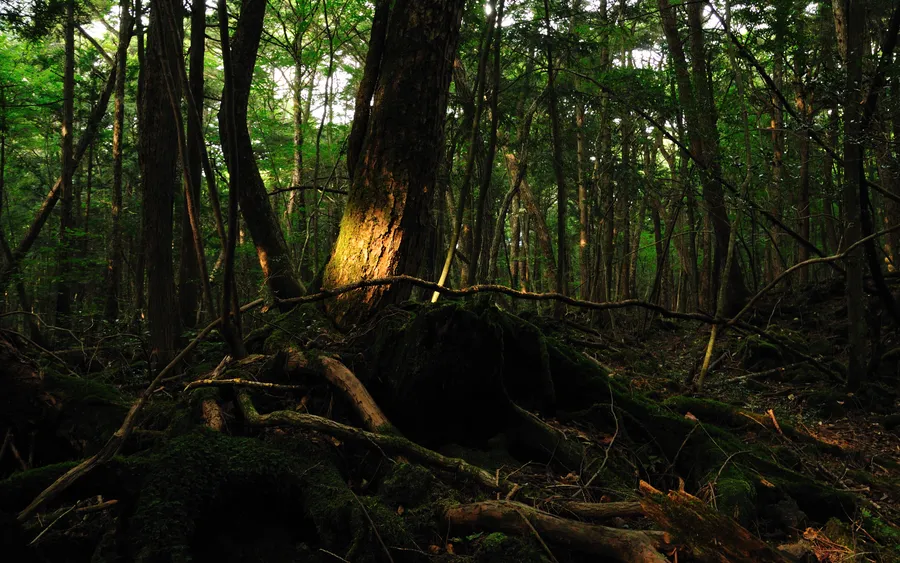
  2. Aokigahara forest floor2

    11:00 AM — Aokigahara Forest Walk

    From Oshino Hakkai, continue on to Aokigahara, a forest grown directly on hardened lava. Stick to the marked boardwalk trails near the Saiko Bat Cave or Narusawa Ice Cave entrances, both of which offer a short, easy walk into a lava tube that stays near freezing even in summer — bring a layer.

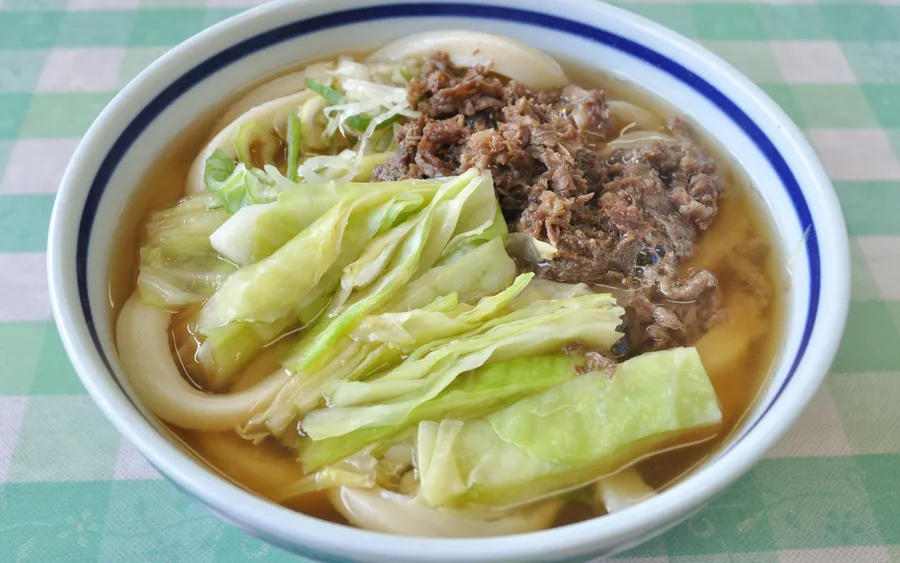
  3. Yoshida udon, Fujiyoshida3

    1:00 PM — Lunch: Yoshida Udon

    Head back toward Fujiyoshida for lunch and try Yoshida udon at one of the small, family-run shops near the station — firmer and chewier than standard udon, served in a soy-miso broth with boiled cabbage.

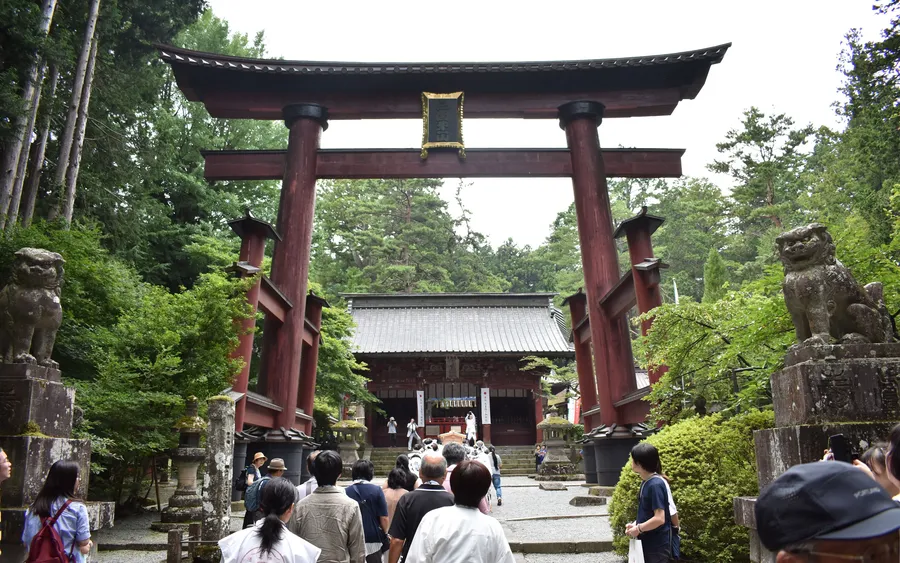
  4. Torii, Kitaguchi Hongu Fuji Sengen Shrine4

    2:30 PM — Kitaguchi Hongu Fuji Sengen Shrine

    Close the sightseeing with Kitaguchi Hongu Fuji Sengen Shrine, the traditional starting point of the north-side climbing route. The approach through centuries-old cedar trees is quiet and shaded, a calm way to end a day that's covered water, forest, and volcanic rock.

    Grounds always open, free
  5. JR East E353 "Fuji Excursion" at Kawaguchiko Station5

    4:00 PM — Back to Tokyo

    Return to Kawaguchiko Station for a 'Fuji Excursion' service back to Shinjuku, again under two hours with no transfers. If your dates fall outside the climbing season and you'd rather do more than sightsee, this is also the point where an extra day for Fuji-Q Highland or Lake Motosuko's quieter shore fits naturally into the trip.

Keep reading

More guides you might like

Nearby

Related destinations

Continue

Related services

Easy Travel in Japan