 Easy Travel in Japan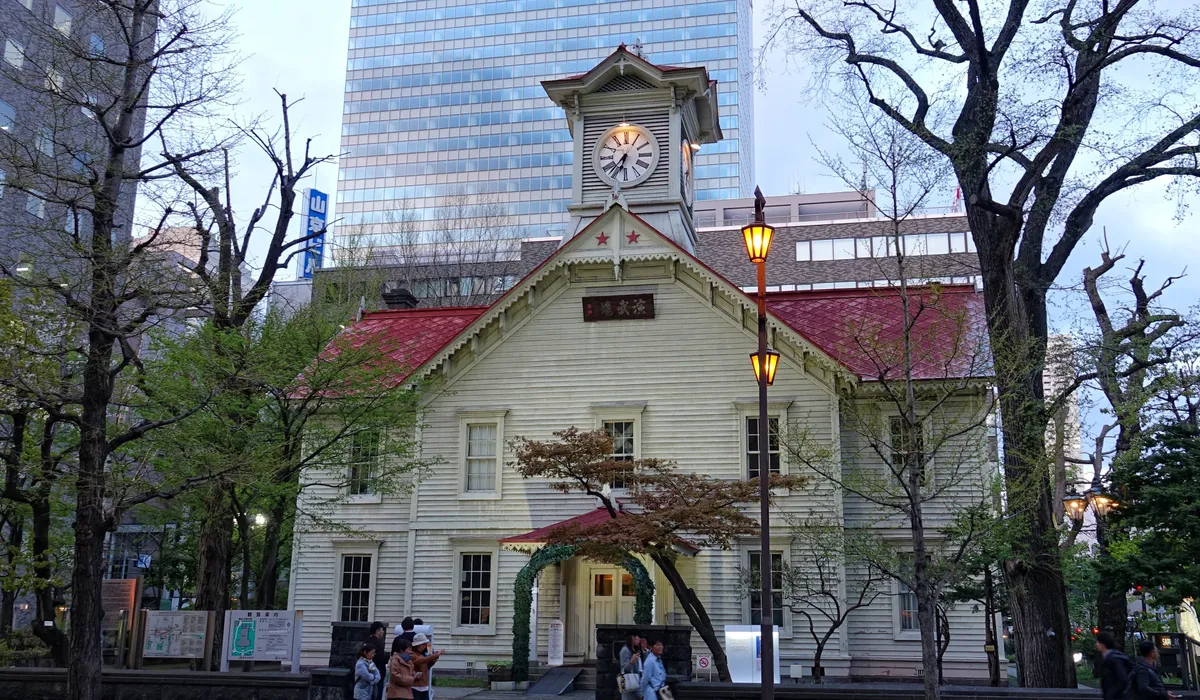
Sapporo
Hokkaido's largest city — a winter snow festival, fresh seafood, and easy access to hot springs and ski resorts.
Sapporo is the capital of Hokkaido, Japan’s northernmost main island, and the political and cultural gateway to it. The city was founded in 1868, at the start of the Meiji era, and laid out as a planned grid city with the guidance of American advisor Horace Capron — a right-angled street layout that still defines downtown Sapporo today. It hosted the 1972 Winter Olympics, the first Winter Games held in Asia, and with a population of nearly two million is confirmed as Japan’s fifth-largest city and by far the largest north of Tokyo.
Highlights & things to do
Odori Park, a roughly 1.5-kilometer green corridor through downtown, was originally built in 1871 as a firebreak and today hosts most of the city’s major events, including the Sapporo Snow Festival. At its eastern end stands the Sapporo TV Tower, built in 1957. Susukino, Japan’s largest entertainment district north of Tokyo, traces its roots to 1871 and today packs in thousands of bars and restaurants, including a dedicated ramen alley.
The Sapporo Clock Tower, built in 1878 as a drill hall for the precursor to Hokkaido University, still keeps time with a Boston-imported clock installed in 1881. The Sapporo Beer Museum, Japan’s only beer museum, traces the Sapporo brand back to a government brewery that began operating in 1876, making it Japan’s oldest beer label. Nijo Market, over a century old, sells fresh Hokkaido crab, sea urchin, and salmon roe, and is nicknamed “Sapporo’s Public Kitchen.” Moerenuma Park, a roughly 189-hectare park designed by sculptor Isamu Noguchi on a former landfill site, opened in stages and was completed in 2005, several years after Noguchi’s own death.
Food & local cuisine
Sapporo is credited as the birthplace of miso ramen, developed after WWII and commonly traced to a specific shop that put a miso-based bowl on its menu in 1950; Hokkaido is unusual in having three genuinely distinct city ramen styles — Sapporo’s miso, Hakodate’s salt, and Asahikawa’s soy sauce. Sapporo Beer, Japan’s oldest brand, still operates its historic brewery complex in the city. Fresh Hokkaido seafood — sea urchin, crab, salmon roe — is a highlight at Nijo Market and Susukino’s sushi counters. Genghis Khan (Jingisukan), grilled mutton and lamb cooked on a distinctive dome-shaped skillet, is a Hokkaido-wide specialty widely eaten throughout the city.
Culture & traditions
The Sapporo Snow Festival, held every February, began in 1950 when local high school students built six snow sculptures in Odori Park; the Japan Self-Defense Force joined in 1955 with large-scale sculptures, and the festival now draws over two million visitors annually across its Odori, Susukino, and Tsudome sites. Ainu communities lived in the Sapporo area before Japanese settlement, though the city itself isn’t a major center of living Ainu culture today — the flagship Ainu museums are located elsewhere in Hokkaido. Summer brings the Sapporo Summer Festival, including the Odori Beer Garden.
Nature & scenery
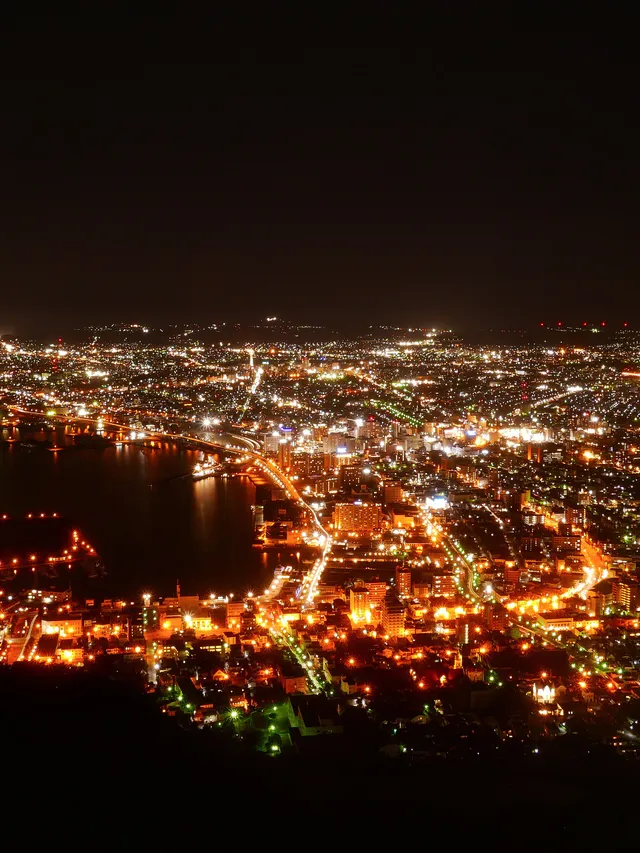
Moerenuma Park offers cherry blossoms in spring and cross-country skiing in winter across its Noguchi-designed landscape. Mount Moiwa, on the city’s edge, is reached by ropeway and mini cable car; its night view over the Ishikari Plain was named one of Japan’s “New Three Great Night Views” in 2015.
Seasonal travel
February brings the Sapporo Snow Festival. Spring cherry blossoms bloom later than mainland Japan, typically late April into mid-May, at spots like Maruyama Park and Hokkaido Shrine. Summer brings the Odori Beer Garden, roughly late July through mid-August. Autumn foliage generally peaks late October to early November.
Recommended experiences
Visit the Sapporo Beer Museum for its history and tastings. Have a seafood breakfast at Nijo Market. Ride the Moiwayama Ropeway up for the night view. Day-trip to Jozankei hot springs, about an hour south, or to the historic canal town of Otaru, about 30–40 minutes away by train.
Getting there & practical info
New Chitose Airport, roughly 45–50 km from the city, connects to Sapporo Station by direct JR rapid train in about 35–40 minutes. The Hokkaido Shinkansen does not yet reach Sapporo — it currently terminates at Shin-Hakodate-Hokuto, with the extension to Sapporo delayed to around the end of fiscal year 2038 — so most travelers reach the city by direct flight, or by Shinkansen to Shin-Hakodate-Hokuto followed by a limited express train (about 3 hours 40 minutes for that final leg).
Who this suits
A strong match for winter festival and snow enthusiasts, food and seafood lovers, city design and architecture fans drawn to the grid layout and Noguchi’s park, and anyone using Sapporo as a base for Hokkaido’s hot springs and ski resorts.
A closer look at Sapporo
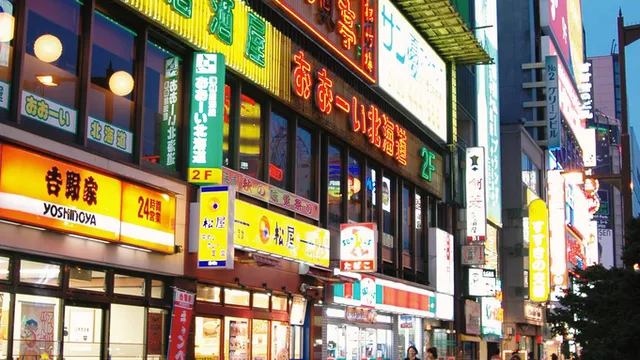
10 Best Things to Do in Sapporo
A quick, friendly rundown of Sapporo's biggest highlights — from the Snow Festival's giant sculptures to a bowl of the city's own miso ramen — a good starting point for a first visit.
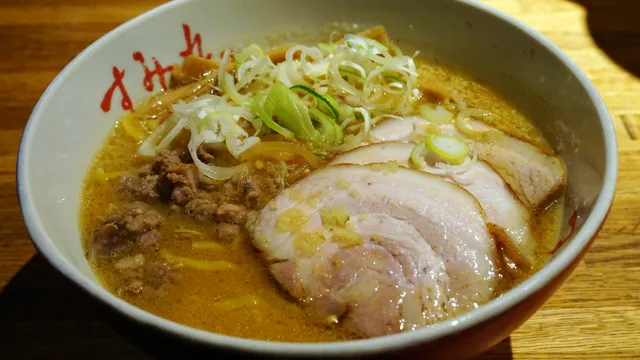
Sapporo's Best Miso Ramen Shops
From the tiny counter where miso ramen was born to a modern favorite built on a three-miso blend, five shops worth the wait for a bowl of Sapporo's signature dish.
The Ultimate Sapporo Travel Guide
Miso ramen, snow sculptures, a historic brewery, and a night view worth the trip up — a friendly starting point for planning your visit to Hokkaido's capital.
Related destinations
Useful services for this trip
Airport Transfers
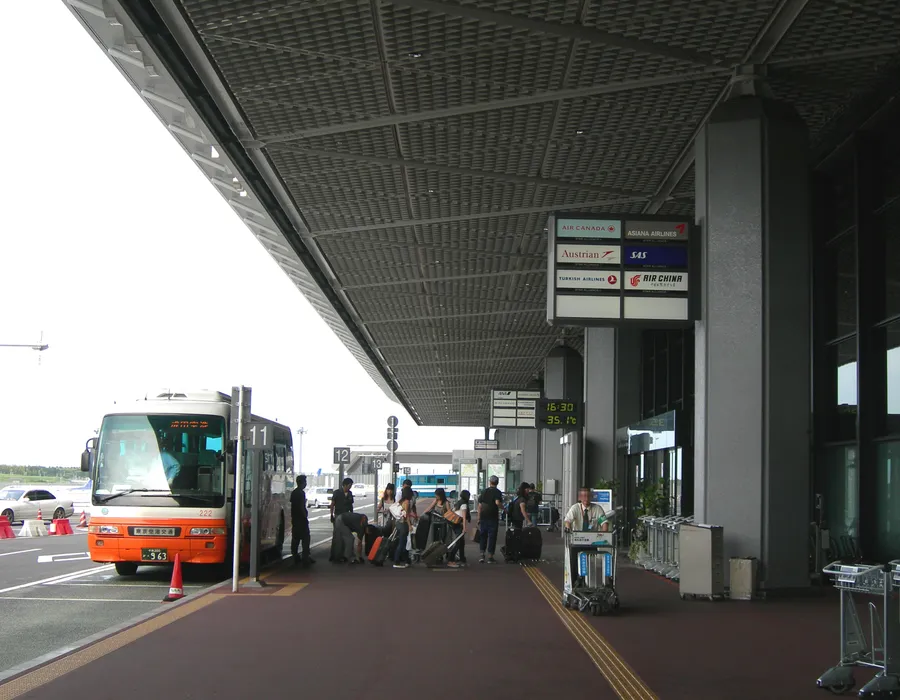
Book a fixed-price transfer from Haneda or Narita so arrival day is one less thing to figure out.
Explore Airport Transfers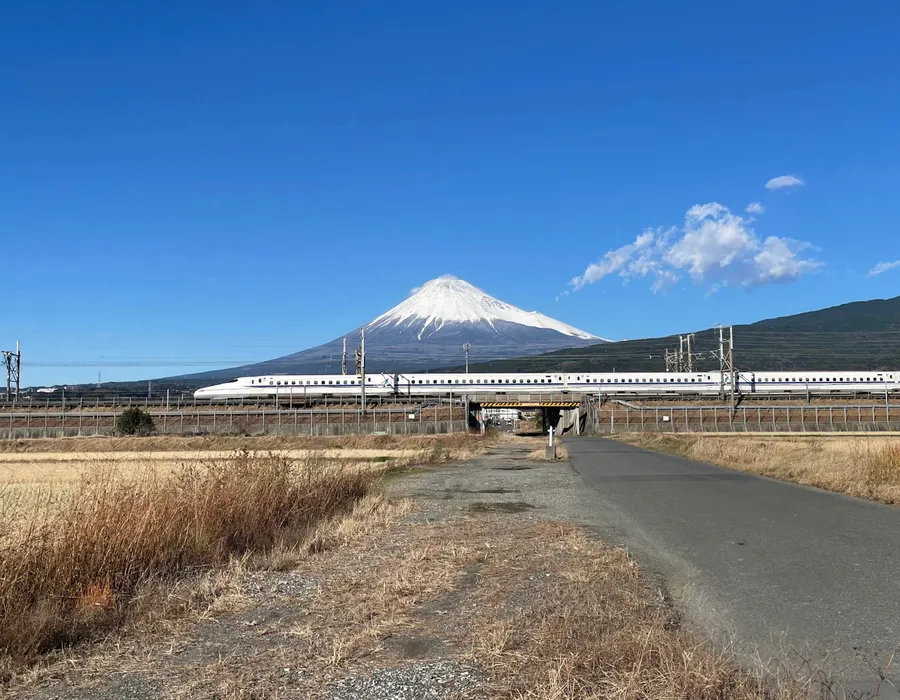
Train Tickets
Book shinkansen and local rail tickets in advance and skip the station ticket-counter queue.
Explore Train Tickets
eSIM & Wi-Fi
Stay connected in Japan with an eSIM or pocket Wi-Fi, without hunting for a local SIM shop.
Explore eSIM & Wi-Fi