 Easy Travel in Japan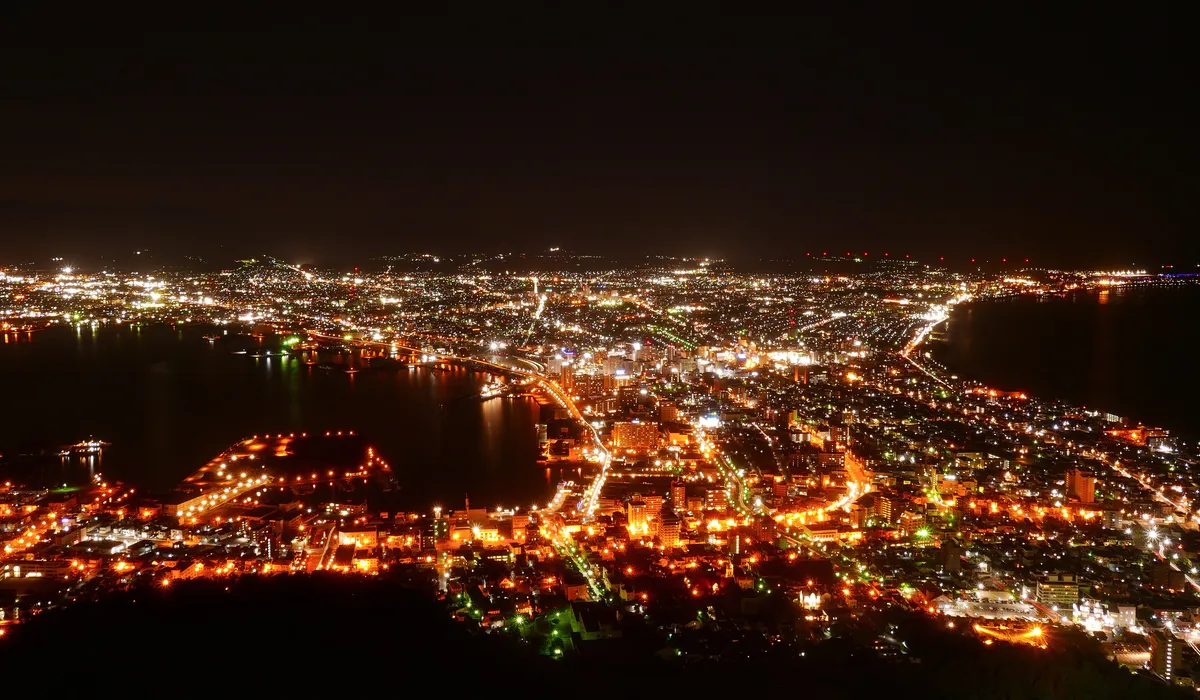
Hakodate
Hokkaido's historic port city — panoramic night views from Mount Hakodate and some of Japan's freshest seafood.
Hakodate is a port city at Hokkaido’s southern tip, facing the Tsugaru Strait. Following the 1854 Convention of Kanagawa, and fully from 1859 under the Treaty of Amity and Commerce, it became one of Japan’s first cities opened to foreign trade, alongside Yokohama and Nagasaki — a role that shaped its Western-influenced architecture and gave it a distinct history as Japan’s northern frontier gateway. That layered past, combined with a dramatic hourglass-shaped setting and some of Japan’s best seafood, makes Hakodate one of Hokkaido’s most rewarding cities to visit.
Highlights & things to do
Mount Hakodate, 334 meters and reached by ropeway, hiking trail, or car, offers a night view widely ranked among Japan’s three great night views, alongside Nagasaki’s Mount Inasa and Kobe’s Mount Rokko. Fort Goryokaku, Japan’s first Western-style fortification, was completed in 1864 as a five-pointed star designed with the influence of French military engineering; it became the last stronghold of former shogunate forces and the site of the Battle of Hakodate in 1869, the final battle of the Boshin War. The fort grounds are now a public park, with the modern Goryokaku Tower offering a full aerial view of the star shape.
The Motomachi district, on the hillside below Mount Hakodate, preserves Western-style buildings from the open-port era, including the Hakodate Orthodox Church, Japan’s first Russian Orthodox church, founded in 1858 with its current building dating to 1916, and the Motomachi Roman Catholic Church, one of Japan’s oldest Catholic churches. The Hakodate Morning Market, a short walk from the station, packs around 250 shops, including a “Rice Bowl Alley” of seafood-bowl restaurants, into a market that originated in 1945.
Food & local cuisine
Hakodate calls itself Japan’s “squid capital,” a title tied to its position on the Tsugaru Strait — live-squid dishes and squid sliced at the table are a local specialty, with the season beginning around June. Scallops, crab, and salmon roe are also market highlights. Hakodate ramen, one of Hokkaido’s three classic regional styles alongside Sapporo’s miso and Asahikawa’s soy sauce, is distinguished by a clear, light shio (salt) broth with thin, straight noodles.
Culture & traditions
Hakodate briefly served as the capital of the breakaway Republic of Ezo, proclaimed in December 1868 by former shogunate naval forces after their defeat in the Boshin War — a five-month episode notable for holding Japan’s first election, before being defeated by Imperial forces at the Battle of Hakodate in 1869, after which Ezo was renamed Hokkaido. The city’s post-1859 open-port heritage brought lasting Western influence still visible in Motomachi’s churches and former consulate buildings. The annual Hakodate Christmas Fantasy, held December 1–25 in the Bay Area, features an illuminated floating tree and nightly fireworks tied to that Western heritage.
Nature & scenery
Central Hakodate sits on a narrow sandbar connecting a hilly peninsula to the Hokkaido mainland, flanked by Hakodate Bay on one side and the open strait on the other — the “pinched” hourglass geography that produces the city’s famous night view. Onuma Quasi-National Park, about 20 km north and reachable by limited express train in around 20–30 minutes, centers on lakes with views of Mount Komagatake.
Seasonal travel
Winter brings heavy snowfall and the Hakodate Christmas Fantasy. Spring cherry blossoms bloom at Fort Goryokaku, where over 1,600 trees frame the star-shaped moat, typically late April to early May. Summer brings the start of squid season around June.
Recommended experiences
Ride the Mount Hakodate Ropeway up for the night view, ideally around sunset. Eat a seafood breakfast at the Morning Market. Walk Motomachi’s hillside slopes past its churches. Climb Goryokaku Tower for the star-shaped view, especially during cherry blossom season. Day-trip to Onuma Quasi-National Park.
Getting there & practical info
The Hokkaido Shinkansen reaches Shin-Hakodate-Hokuto Station from Tokyo in about 4 hours, but that station sits roughly 17 km from downtown, requiring a further 15–20 minute transfer on the local “Hakodate Liner” train into central Hakodate. From Sapporo, the JR Hokuto limited express runs directly to Hakodate Station in about 3.5–4 hours. Across the Tsugaru Strait, Aomori connects via the Seikan Tunnel by Shinkansen in around 2 hours 20 minutes, or by a slower, cheaper car ferry.
Who this suits
Suits night-view and scenery seekers, history enthusiasts drawn to the Republic of Ezo and treaty-port past, seafood lovers, and first-time Hokkaido travelers, since Hakodate is the most accessible gateway city from Honshu.
A closer look at Hakodate
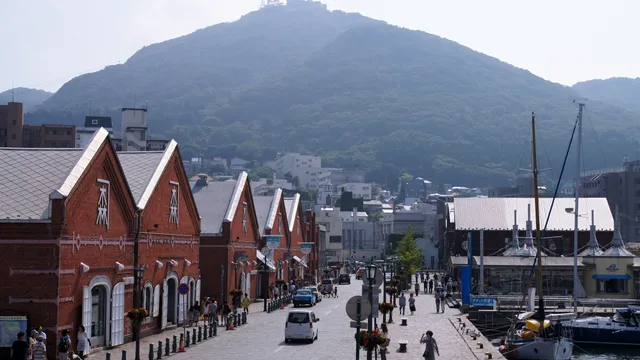
10 Best Things to Do in Hakodate
A quick, friendly rundown of Hakodate's biggest highlights — from the night view atop Mount Hakodate to fresh squid at the Morning Market — a good starting point for a first visit.
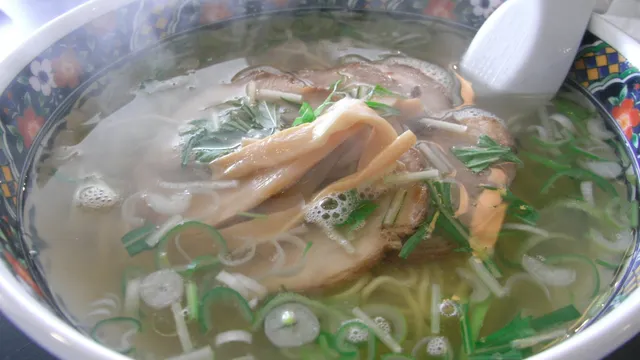
Hakodate's Best Ramen Shops & Squid Restaurants
From a 1930 shio ramen institution near Fort Goryokaku to a squid specialist that slices your catch to order, five places worth seeking out for Hakodate's two great food obsessions.
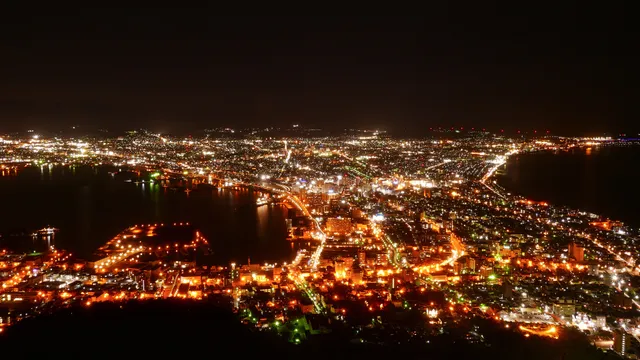
The Ultimate Hakodate Travel Guide
Night views, fresh squid, treaty-port streets, and a few festivals worth building a trip around — a friendly starting point for planning your visit to Hokkaido's historic gateway city.
Related destinations
Useful services for this trip
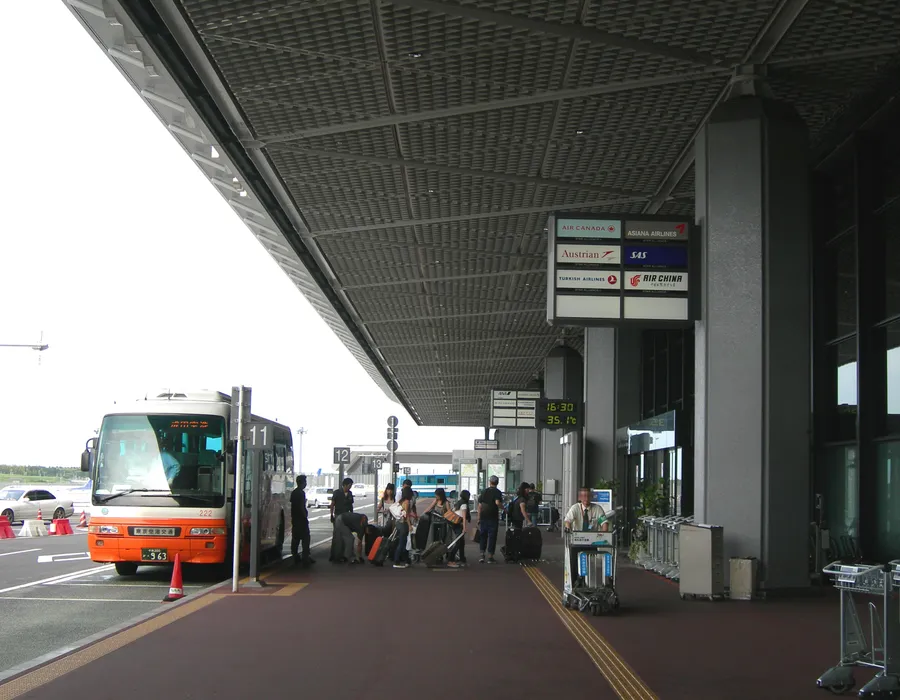
Airport Transfers
Book a fixed-price transfer from Haneda or Narita so arrival day is one less thing to figure out.
Explore Airport Transfers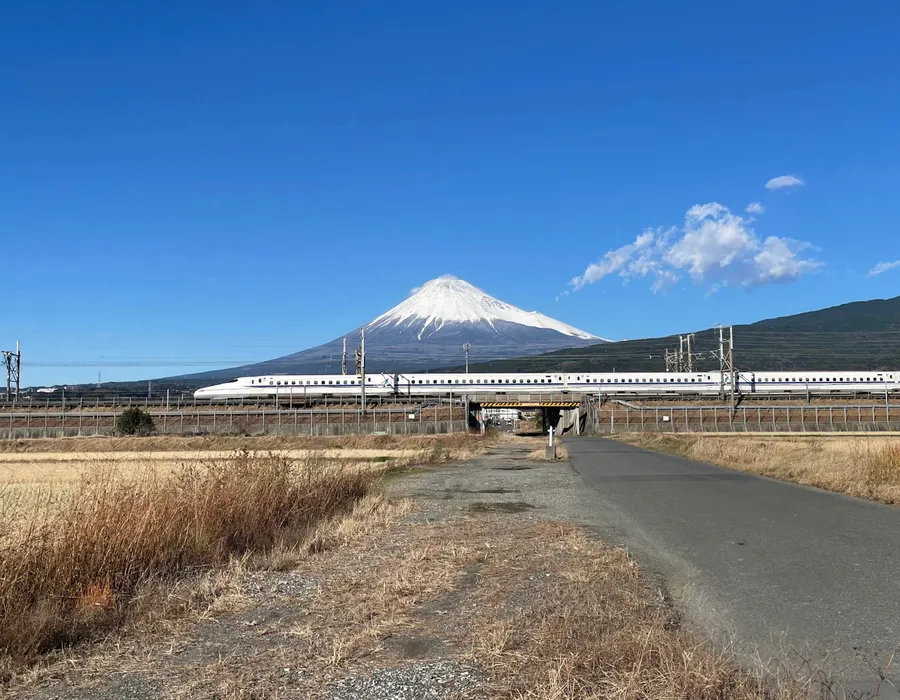
Train Tickets
Book shinkansen and local rail tickets in advance and skip the station ticket-counter queue.
Explore Train Tickets
eSIM & Wi-Fi
Stay connected in Japan with an eSIM or pocket Wi-Fi, without hunting for a local SIM shop.
Explore eSIM & Wi-Fi