Skip to content
Easy Travel in Japan
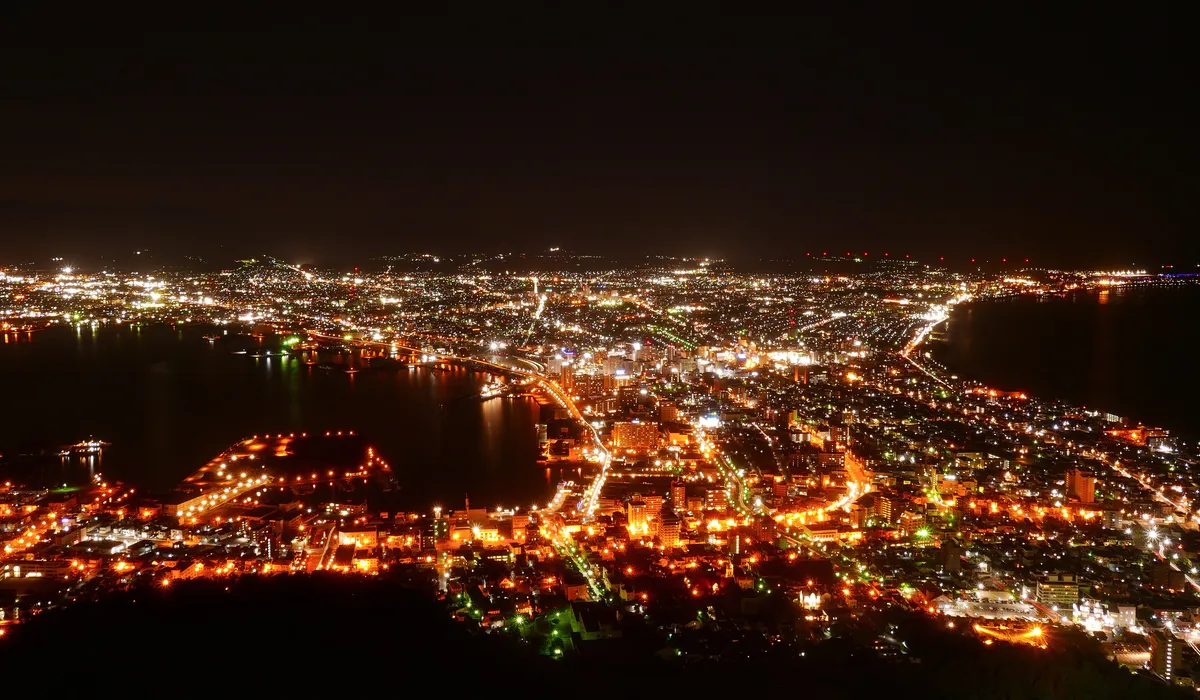
Night view of Hakodate from Mount Hakodate

The Ultimate Hakodate Travel Guide

Hakodate is Hokkaido’s most accessible gateway city — a port town shaped by its history as one of Japan’s first treaty ports, with a night view that regularly ranks among the country’s best and some of the freshest squid you’ll find anywhere. Here’s a closer look at the landmarks, flavors, neighborhoods, and experiences that make it worth exploring, whether you have a weekend or a full week in Hokkaido.

Attractions

The landmarks that have made Hakodate one of Hokkaido's most-visited cities for decades.

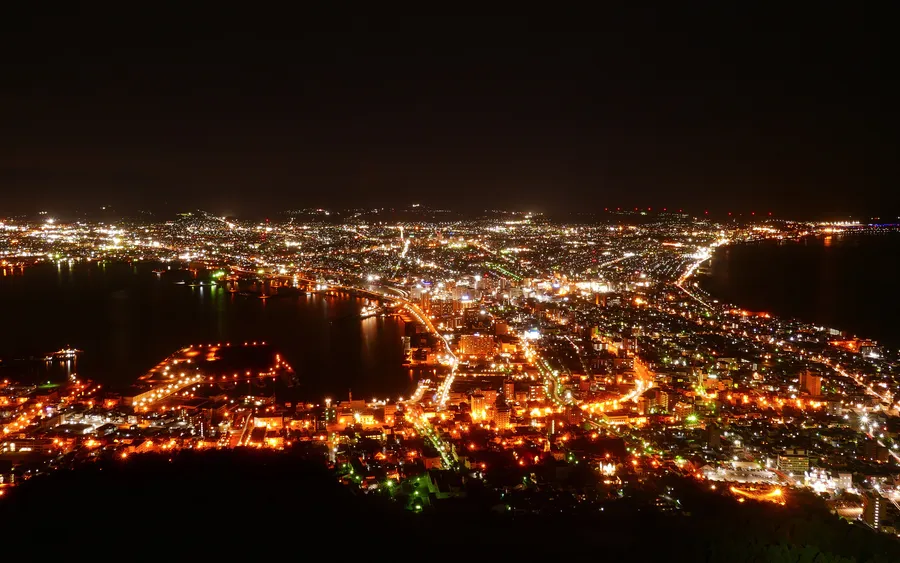
  1. Night view of Hakodate from Mount Hakodate1

    Mount Hakodate

    Mount Hakodate's night view has been ranked among Japan's three great night views for decades, alongside Nagasaki's Mount Inasa and Kobe's Mount Rokko, and once you're standing at the 334-meter summit it's easy to see why. The city's hourglass-shaped sandbar, pinched between Hakodate Bay and the open Tsugaru Strait, spreads out below in a scatter of lights that looks almost unreal from above. A ropeway gets you up in about three minutes, though a hiking trail and a toll road are also options if you'd rather take it slow. Go around sunset if you can time it — the sky, the bay, and the city lights all overlap for a few minutes, and it's worth the inevitable crowd at the observation deck.

    10:00 AM – 10:00 PM (until 9:00 PM Oct 1–Apr 19); ropeway closed for maintenance late Oct–early Nov19-7 Motomachi, Hakodate (ropeway base station)
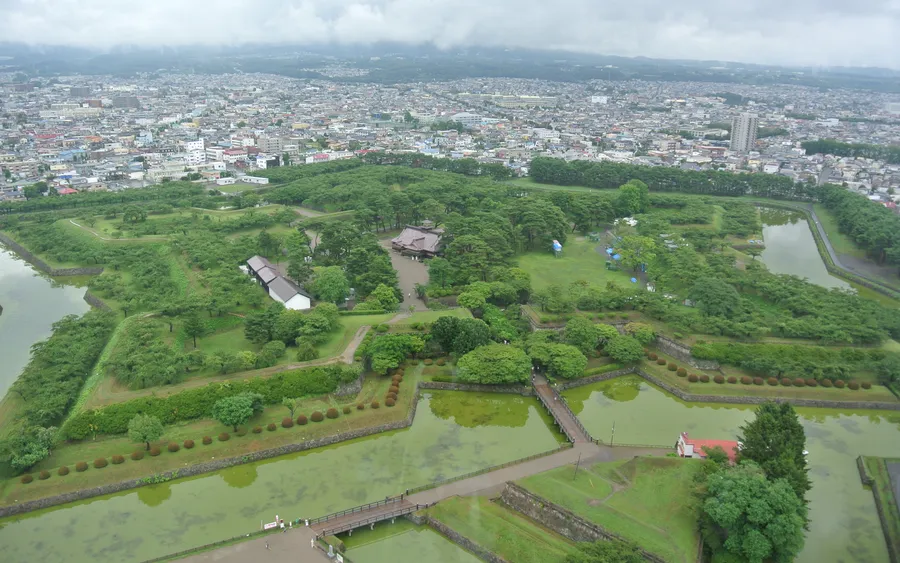
  2. Aerial view of the star-shaped Goryokaku fort from Goryokaku Tower2

    Fort Goryokaku

    Completed in 1866, Goryokaku was Japan's first Western-style fortification, designed by the scholar Takeda Ayasaburo after he studied European fortified cities — its five-pointed star shape was a deliberate choice, giving defenders far more gun coverage and fewer blind spots than a traditional Japanese castle wall. It became the last stronghold of shogunate loyalist forces during the Boshin War and the site of the Battle of Hakodate in 1869, the war's final battle. Today the moat and star-shaped grounds are a public park, best appreciated from above at the 107-meter Goryokaku Tower next door, which lines up the full star shape in one view. Come in late April or early May and the star is ringed by over 1,600 cherry trees in bloom, one of Hokkaido's best-known hanami spots.

    Goryokaku Tower: 9:00 AM – 6:00 PM (8:00 AM – 7:00 PM Apr 21–Oct 20)43-9 Goryokakucho, Hakodate
  3. Hakodate Morning Market (Asaichi)3

    Hakodate Morning Market

    Hakodate Asaichi has been running since 1945, and its roughly 250 stalls, just a couple of minutes' walk from Hakodate Station, are still where locals and visitors alike start the day. Squid is the main event — the market's live-squid fishing pond lets you catch your own, hand it to a nearby chef, and have it sliced into sashimi minutes later, its meat still faintly translucent and famously crunchy. Beyond that, stalls sell scallops, crab, and salmon roe piled onto rice for build-your-own seafood bowls, alongside an alley of seafood-bowl counters known as Dombura Yokocho. It thins out by early afternoon, so this is very much a breakfast stop, not a lunch one.

    5:00 AM – 2:00 PM (May–Dec), 6:00 AM – 2:00 PM (Jan–Apr); hours vary by stall9-19 Wakamatsu-cho, Hakodate

Food

Hakodate's food story comes down to two things: some of Japan's best squid, and the country's lightest ramen style.

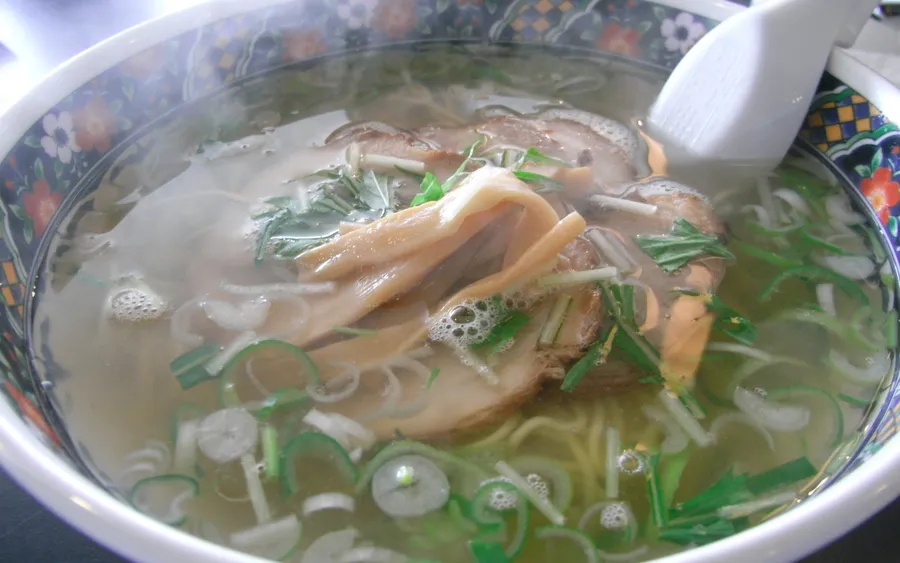
  1. Ajisai's shio (salt) ramen, Hakodate1

    Hakodate Shio Ramen

    Alongside Sapporo's miso and Asahikawa's soy sauce, Hakodate's shio (salt) ramen is one of Hokkaido's three defining regional ramen styles, and it's the lightest of the three — a clear broth built from pork and chicken bones simmered with kelp from the waters just offshore, finished simply with rock salt rather than a heavier tare. The noodles are thin, straight, and made to match the broth, letting the soup's flavor come through rather than compete with it. Ajisai, founded in 1930 near Fort Goryokaku, is generally credited as the shop that put the style on the map and remains the name most visitors are pointed toward first, though the city has plenty of decades-old shops with their own loyal followings.

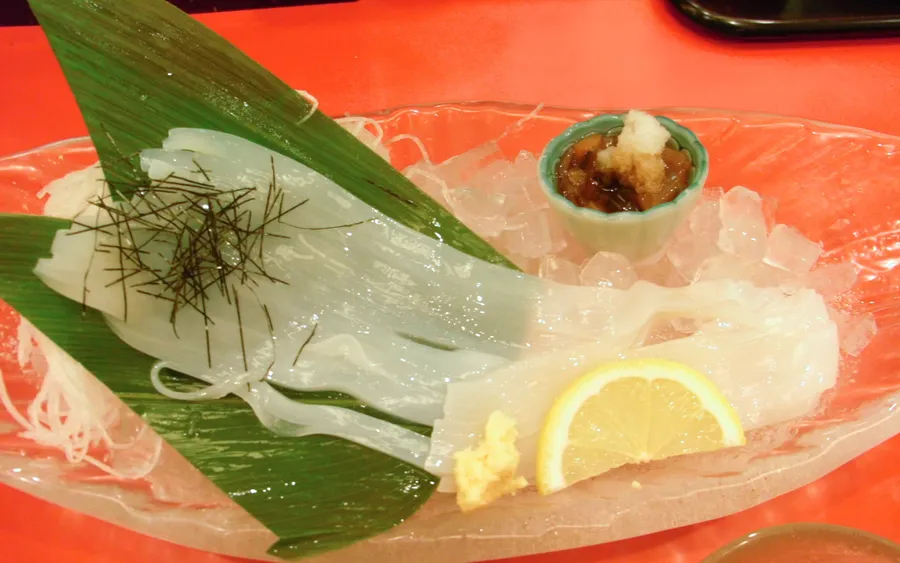
  2. Ika somen (squid sashimi), Hokkaido2

    Ika (Squid)

    Hakodate calls itself Japan's 'squid capital,' and it's not an idle boast — its position on the Tsugaru Strait, one of the country's richest squid grounds, has made ika the city's edible mascot. The season builds through the summer, and the local specialty is eating it as close to fresh-caught as possible: ika sashimi sliced paper-thin, prized for a sweetness and crunch that fades within hours of the catch. At the Morning Market, some stalls let you fish your own squid out of a tank and have it filleted table-side, as hands-on as seafood tourism gets.

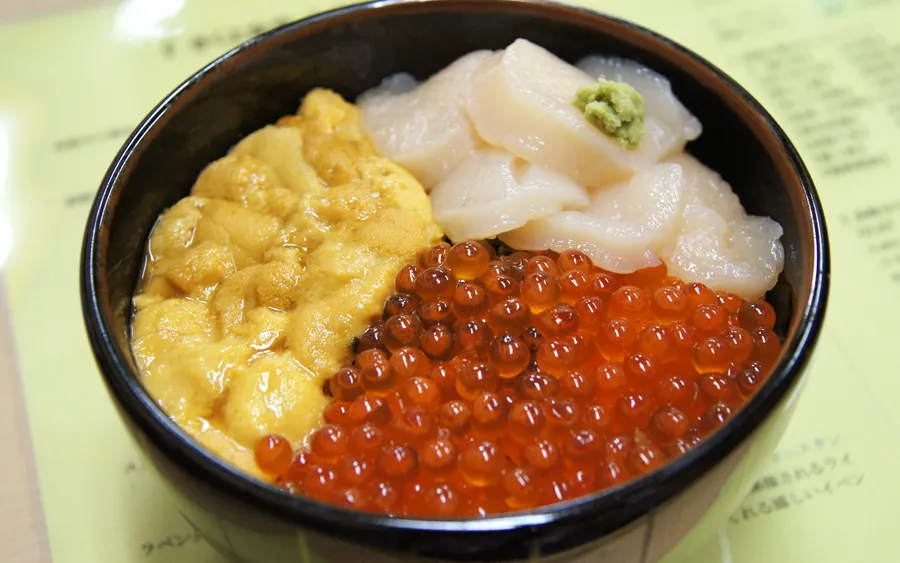
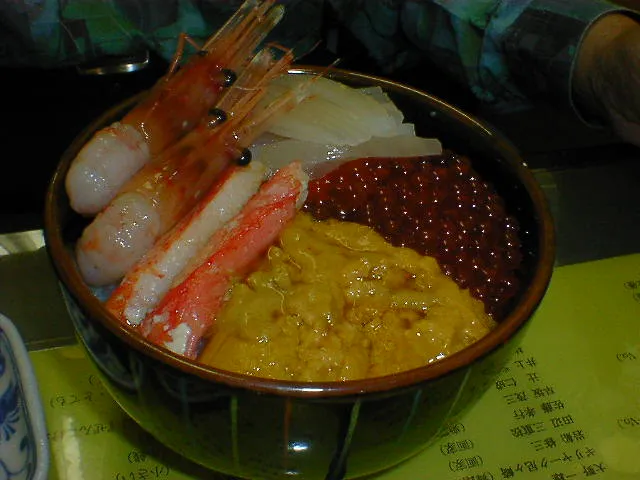
  3. Premium seafood rice bowl (kaisendon), Hakodate3

    Kaisendon

    A kaisendon is simply a bowl of rice topped with an assortment of raw seafood, but in a city with Hakodate's access to the catch, that simple formula turns into something special — scallops, salmon roe, crab, and sea urchin piled generously over rice, often built to order so you can choose your own mix. Morning Market restaurants specialize in it, and it's normal to see menus offering both fixed combinations and a build-your-own version priced by the topping. It's rich enough to double as lunch, but most people eat it early, while everything is still at its freshest.

Neighborhoods

Wander these streets and get a feel for the city's history as one of Japan's first treaty ports.

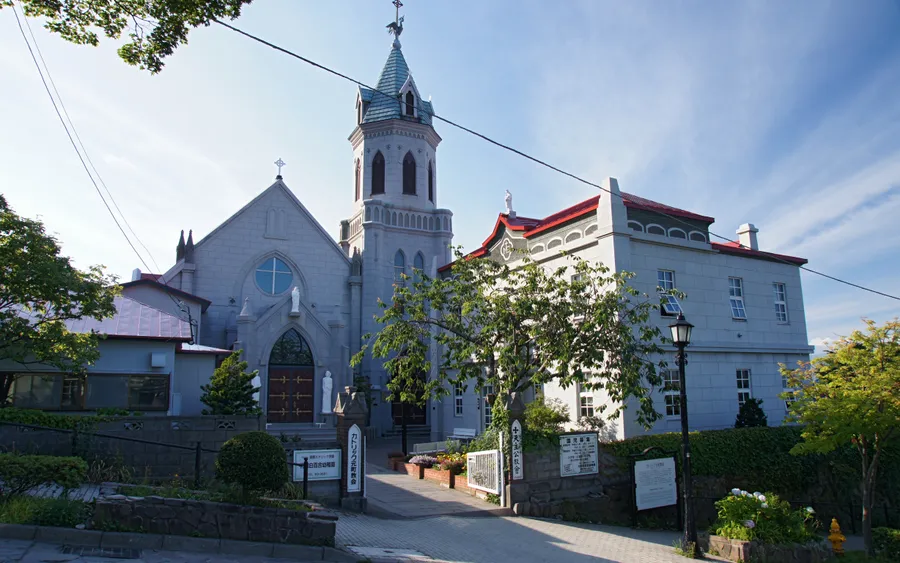
  1. Motomachi Catholic Church, Hakodate1

    Motomachi

    Motomachi climbs the hillside just below Mount Hakodate, and it's where the city's identity as one of Japan's first treaty ports, opened to foreign trade in 1859, is most visible today. The Hakodate Orthodox Church, Japan's first Russian Orthodox church, was founded here in 1858, though the current building dates to 1916 after a fire; a short walk away, the Motomachi Roman Catholic Church is one of the country's oldest Catholic churches. Sloped streets lined with former foreign consulates and merchant houses make this an easy, unhurried area to wander, and most routes eventually lead back down toward the bay, with the mountain rising behind you the whole way.

    Motomachi Catholic Church: Mon–Sat 10:00 AM–4:00 PM, Sun 12:00–4:00 PM (closed Dec 30–Jan 5)15-30 Motomachi, Hakodate
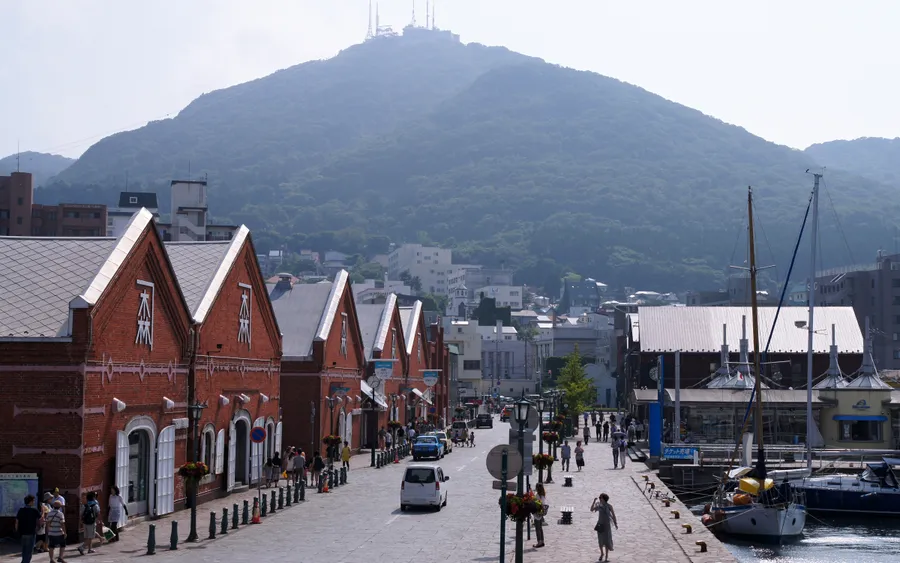
  2. Kanemori Red Brick Warehouse, Hakodate2

    Bay Area & Kanemori Red Brick Warehouses

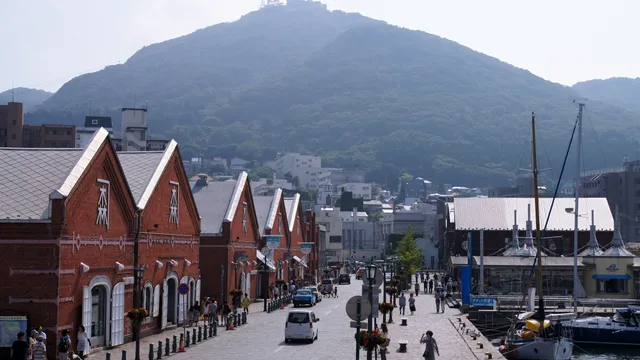
    Down at the waterfront, the Kanemori Red Brick Warehouses were built starting in 1887 as Japan's first Western-style commercial warehouses, rebuilt in their current brick form by 1909 after a fire, and converted into shops, cafes, and a beer hall in 1988. The bay itself, right in front of the warehouses, is where the city's Christmas tree floats every December, and it's a pleasant place to walk any time of year, with the mountain and the old consulate buildings of Motomachi visible just up the hill. It pairs naturally with a Motomachi walk — come down the slopes and end at the water, ideally around golden hour.

    9:30 AM – 7:00 PM (varies by shop)14-12 Suehiro-cho, Hakodate
  3. Yunokawa Onsen, Hakodate3

    Yunokawa Onsen

    A short tram ride from central Hakodate, Yunokawa is one of Hokkaido's three major hot spring towns, with a history locals trace back to the 1600s, when a feudal lord's wife was said to have been cured by its waters. It's a working onsen resort rather than a tourist replica — rows of ryokan and hotels along the water, many open to day visitors for a soak even if you're not staying the night. It sits close to Hakodate Airport, which makes it a genuinely convenient way to end a trip: a hot bath and an early night before an early flight.

Experiences

A few ways to see the city at a slower pace, or catch it during its best time of year.

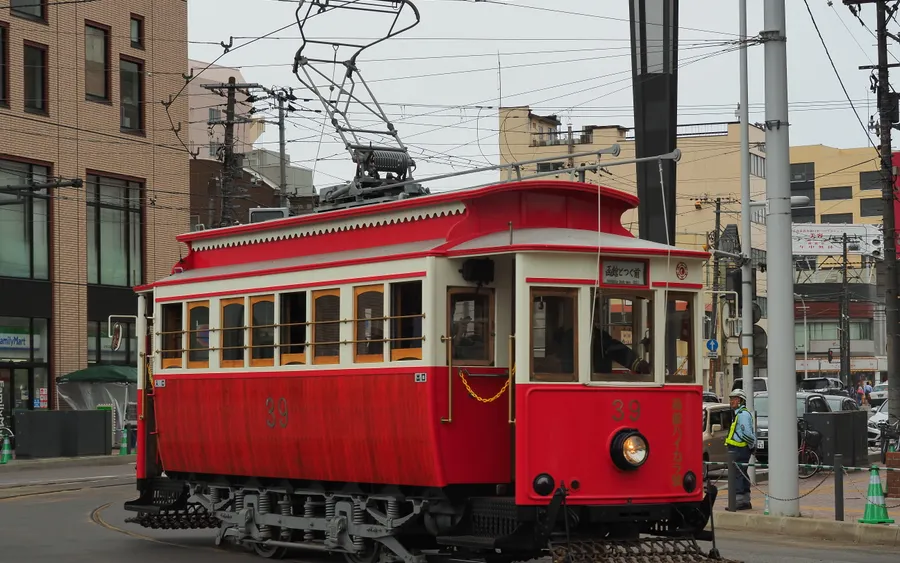
  1. A vintage Hakodate City Tram streetcar1

    Hakodate's retro streetcars

    Hakodate's tram network has been running since 1913, and it's still the easiest way to get between the station, Motomachi, Yunokawa, and the bay without a car. The real draw for rail fans is the fleet's mix of eras — alongside modern cars, the city still runs a handful of vintage streetcars from the 1950s and 60s, restored and kept in circulation rather than retired to a museum. Hopping on one, even just for a couple of stops, is a small, easy way to feel the city's older rhythms rather than just read about them.

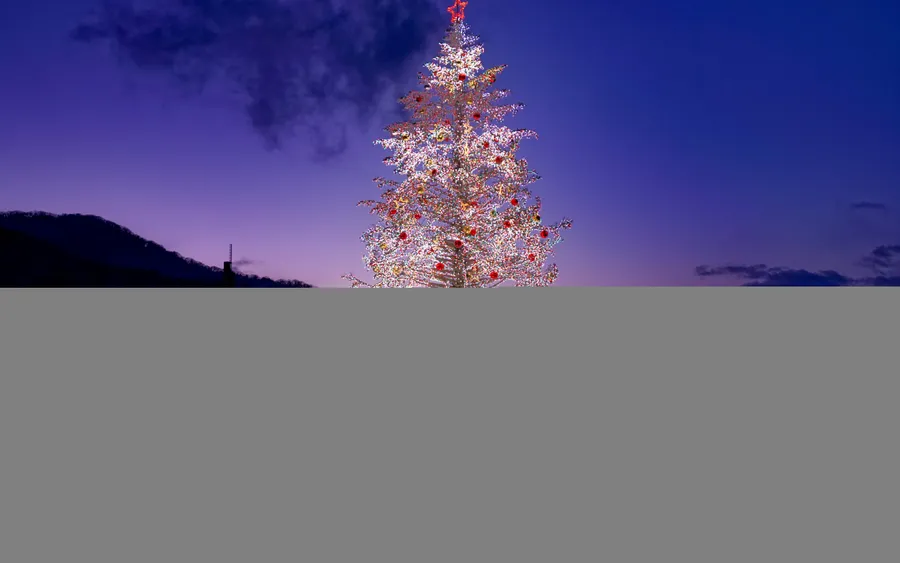
  2. Hakodate Christmas Fantasy tree at sunset2

    Hakodate Christmas Fantasy

    Every December 1st through 25th, an enormous Christmas tree floats anchored in the bay directly in front of the Kanemori Red Brick Warehouses, strung with around 150,000 lights that switch on each evening alongside fireworks at 6 PM. Soup stalls and other cold-weather food set up nearby, giving the whole event the feel of a proper winter festival rather than just a light display. It's a nice bookend to a Bay Area walk if your trip happens to line up with December — Hakodate's harbor rarely looks better than it does with the tree lit up against the dark water.

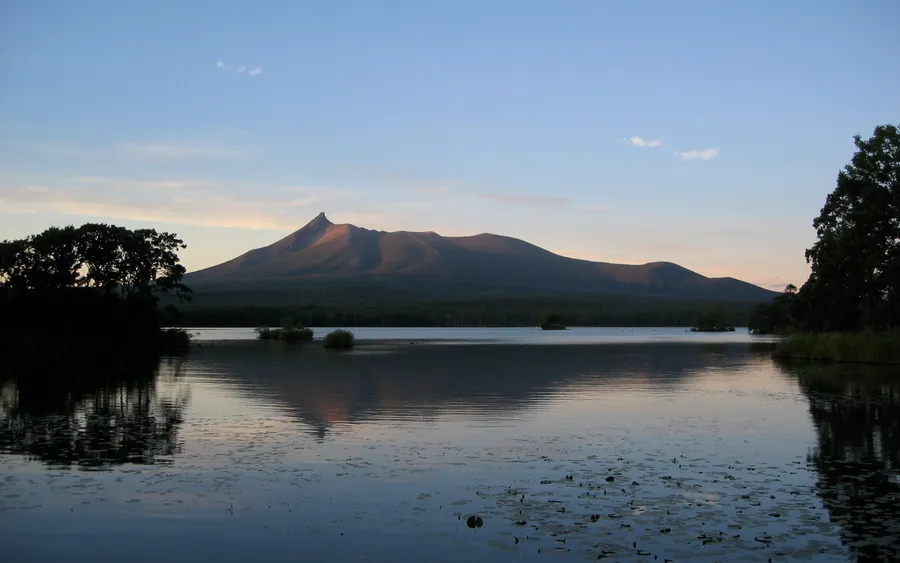
  3. Mount Komagatake over Onuma pond at dusk3

    Onuma Quasi-National Park

    About 20 minutes north of Hakodate by limited express train, Onuma Quasi-National Park centers on a cluster of island-dotted ponds formed when volcanic mudflows from Mount Komagatake dammed up the surrounding valleys centuries ago. Birch and maple forest rings the water, and a network of easy walking trails and small bridges link the little islands, making it an approachable half-day trip even without a car. Autumn is when it's busiest, as the maples turn and the whole park reflects back in the water, but the mountain views are worth the trip in any season.

Keep reading

More guides you might like

Nearby

Related destinations

Continue

Related services

Easy Travel in Japan