Skip to content
Easy Travel in Japan
Sapporo Clock Tower

The Ultimate Sapporo Travel Guide

Sapporo is Hokkaido’s capital and its gateway — a planned Meiji-era grid city that gave Japan miso ramen, its oldest beer label, and a winter festival that draws millions. Here’s a closer look at the landmarks, flavors, neighborhoods, and experiences that make it worth exploring, whether you’re passing through or basing a whole Hokkaido trip here.

Attractions

The landmarks that have anchored Sapporo since its founding as a planned Meiji-era city.

  1. Sapporo TV Tower and Odori Park1

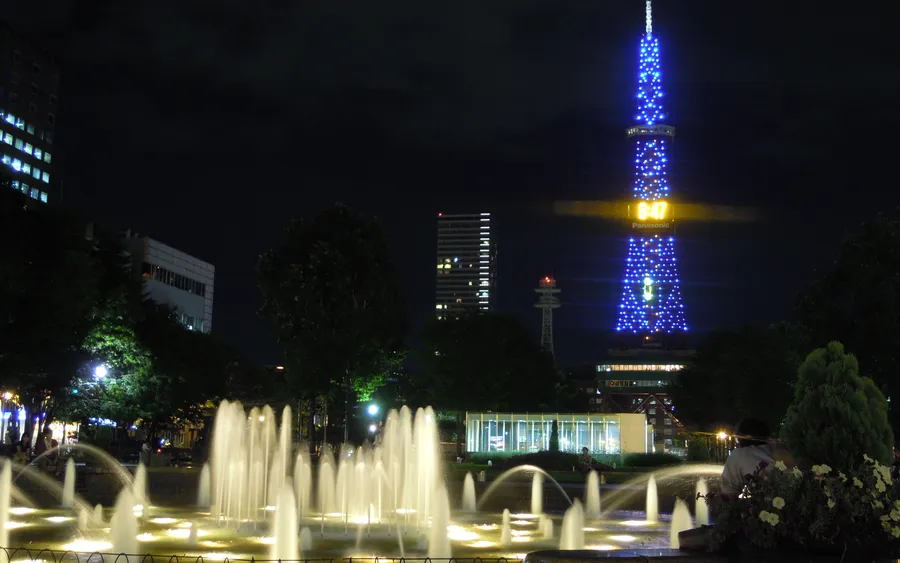
    Odori Park & Sapporo TV Tower

    Odori Park cuts a roughly 1.5-kilometer green corridor straight through downtown Sapporo, and though it was originally laid out in 1871 as a firebreak between the city's government and merchant districts, it's since become the stage for almost every major event the city holds, from the Snow Festival to summer's beer garden. At its eastern end stands the Sapporo TV Tower, built in 1957 by the same architect behind Tokyo Tower, with an observation deck 90 meters up that lines up the full length of the park below. It's as much a daily thoroughfare for locals as a tourist stop, so there's rarely a bad time to walk through — just expect it to look completely different depending on the season.

    TV Tower observation deck: 9:00 AM – 9:50 PMOdori Nishi 1-chome, Chuo-ku, Sapporo
  2. Sapporo Clock Tower2

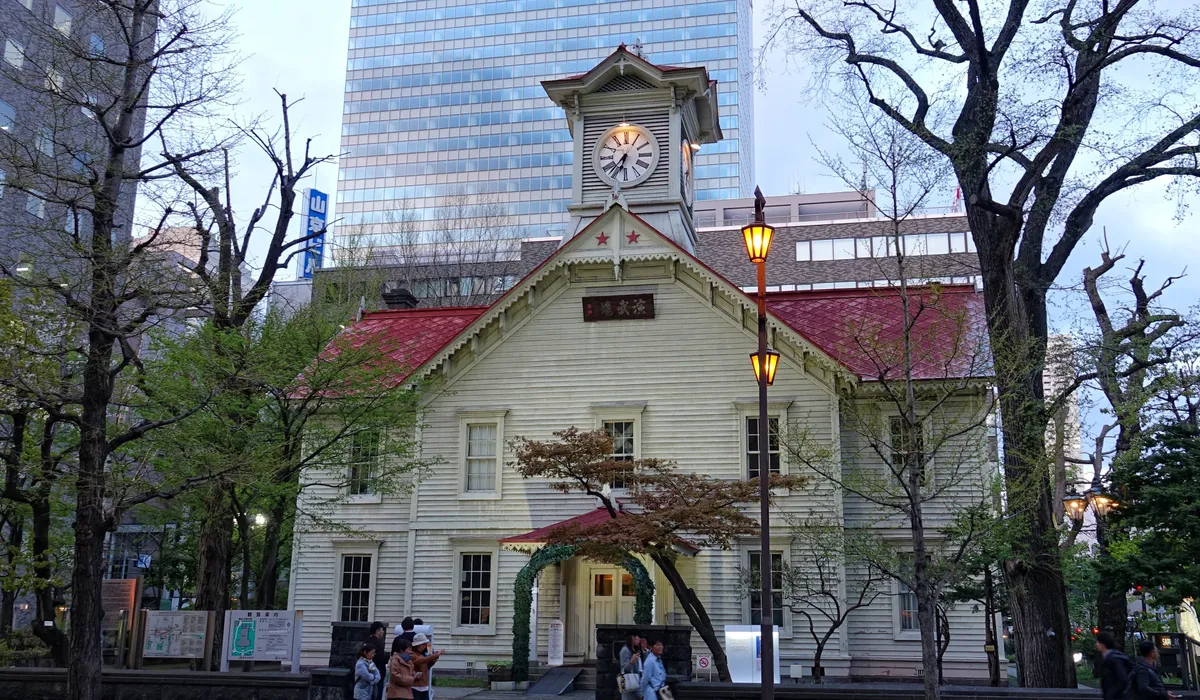
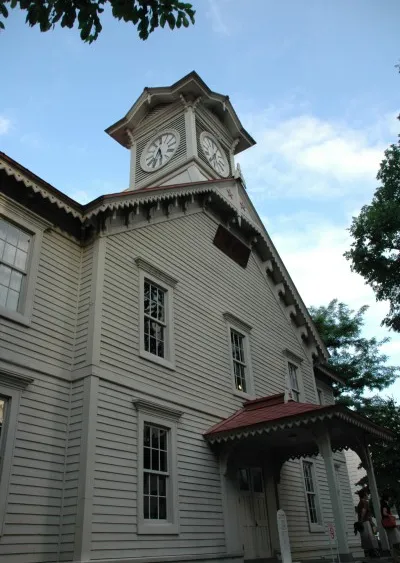
    Sapporo Clock Tower

    Built in 1878 as the drill hall for what would become Hokkaido University, the Clock Tower is the oldest of its kind still keeping time in Japan, thanks to a Boston-imported clock mechanism installed in 1881 that's been running with only routine maintenance ever since. It's a small, plain American-style wooden building, and visitors sometimes admit it's less dramatic in person than in photos — but that modesty is part of the story, a reminder of Sapporo's founding as a Meiji-era planned city built with American advisors. Inside, a small museum covers that early agricultural-college history.

  3. Sapporo Beer Museum3

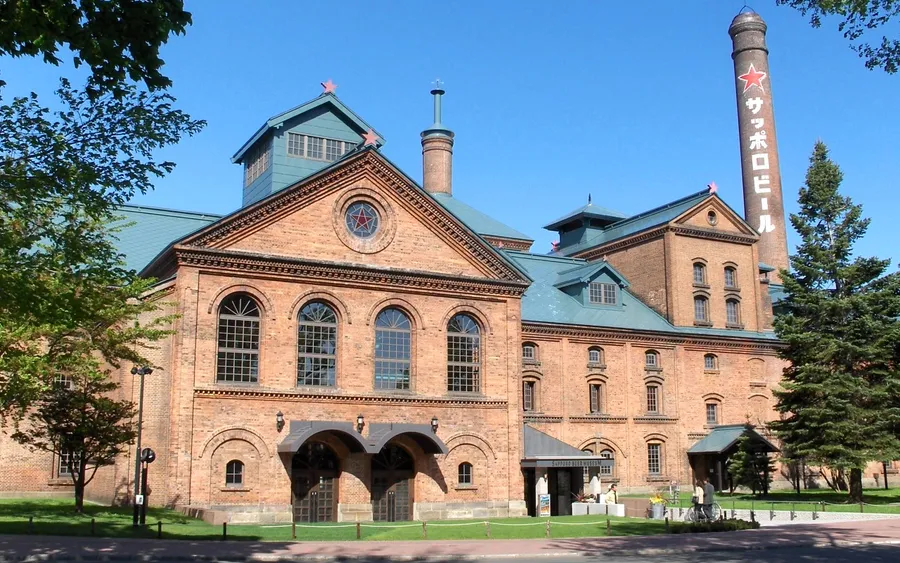
    Sapporo Beer Museum

    Japan's only beer museum sits inside a red-brick building put up in 1890, originally a sugar factory before Sapporo Breweries took it over; the museum itself opened in 1987, tracing the Sapporo brand back to a government-run brewery that started operating in 1876, making it Japan's oldest beer label. A free self-guided tour covers that history floor by floor, while a paid tasting course lets you sample several Sapporo beers not sold elsewhere. It's an easy pairing with the adjoining beer garden if you want to turn the visit into a proper lunch.

    11:00 AM – 6:00 PM (closed Mondays)Kita 7-jo Higashi 9-chome 1-1, Higashi-ku, Sapporo

Food

Sapporo gave Japan miso ramen, and it hasn't stopped experimenting with hearty, cold-weather food since.

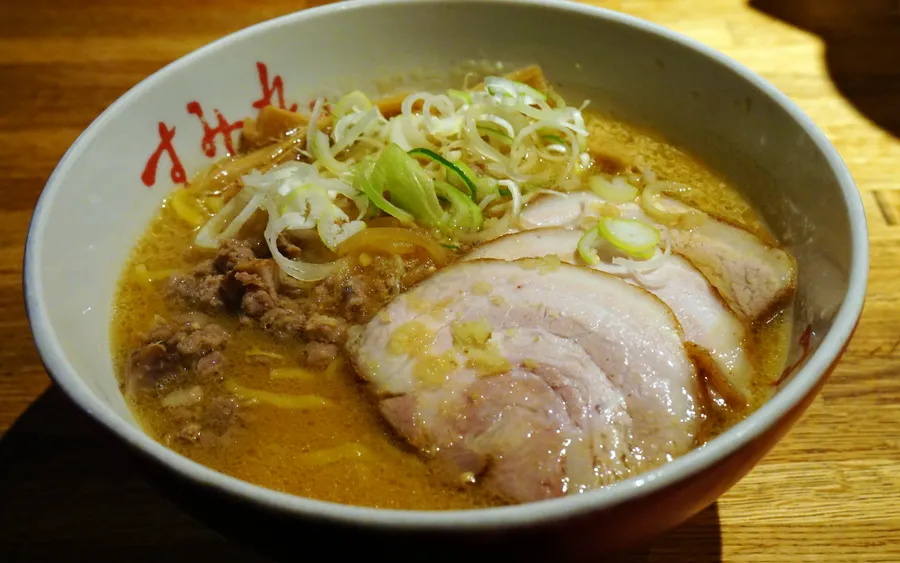
  1. Miso ramen at Sumire, Susukino, Sapporo1

    Sapporo Miso Ramen

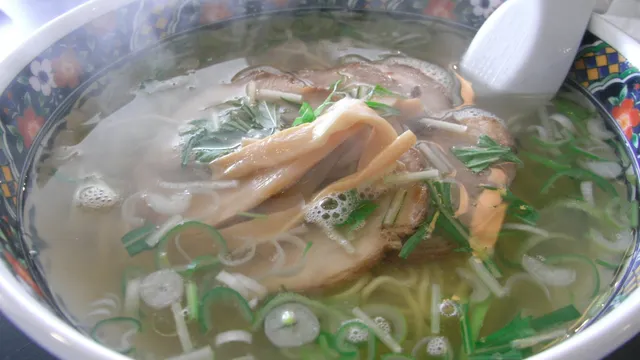
    Sapporo is credited as the birthplace of miso ramen, generally traced to a bowl introduced at a small Susukino shop called Aji no Sanpei sometime in the 1950s — before that, ramen across Japan was overwhelmingly a shoyu (soy sauce) dish. The Sapporo version pairs a rich, fermented miso broth with thick, curly noodles built to hold up to it, and it's traditionally finished with a pat of butter and a scoop of sweet corn, both nods to Hokkaido's dairy and agricultural output. Hokkaido is unusual in having three genuinely distinct city ramen styles — Sapporo's miso, Hakodate's salt, and Asahikawa's soy sauce — and Sapporo's is easily the richest and most filling of the three.

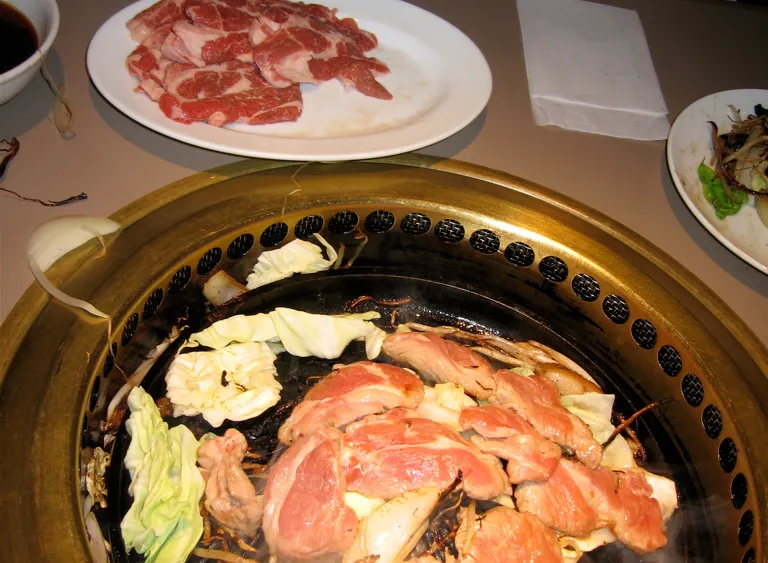
  2. Jingisukan (grilled mutton), Hokkaido2

    Genghis Khan (Jingisukan)

    Jingisukan is Hokkaido's take on barbecue: thin-sliced mutton and lamb grilled on a distinctive dome-shaped iron skillet, with vegetables like onion, bean sprouts, and cabbage cooked in the meat juices that run down into a moat around the rim. Despite the name, it has nothing to do with the actual Genghis Khan — the dish emerged in early-20th-century Hokkaido as a way to popularize lamb, which was more available locally than beef or pork at the time. It's a communal, DIY kind of meal, usually eaten at long tables with a round skillet built into the center, and it pairs about as naturally with a cold Sapporo beer as any dish gets.

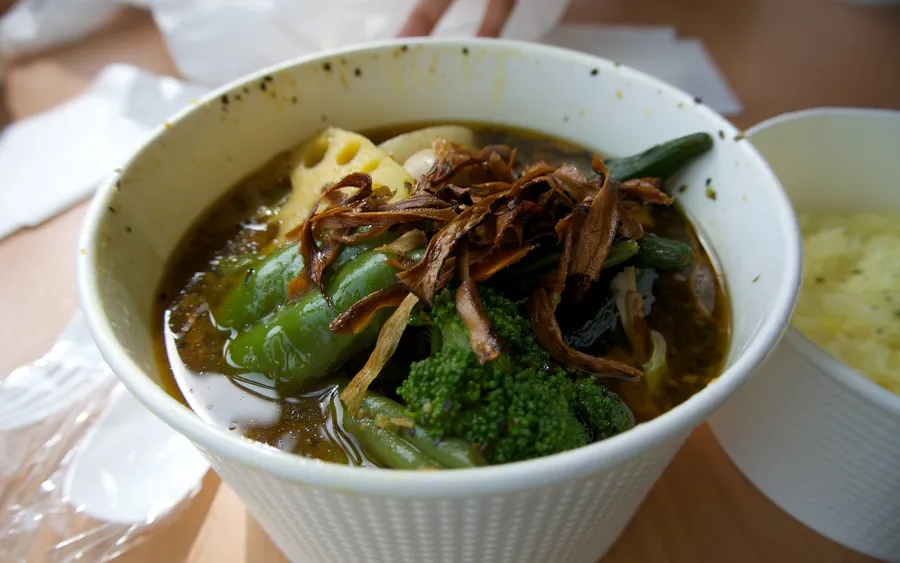
  3. A soup curry dish, Sapporo3

    Soup Curry

    Soup curry is Sapporo's other signature dish, and despite the name it's closer to a spiced, clear broth than the thick roux-based curry most people picture — a base built from chicken or pork stock, layered with spices, and served with big, mostly whole vegetables like pumpkin, eggplant, and lotus root simmered until just tender. It emerged in Sapporo in the 1970s and 80s and has since spread across Japan, but the city is still where it's taken most seriously, with entire menus built around adjusting spice level, protein, and vegetable mix to order. It's lighter than it sounds, and a genuinely good option if you want something warming without the heaviness of ramen.

Neighborhoods

Wander these areas and get a feel for how the city works, day and night.

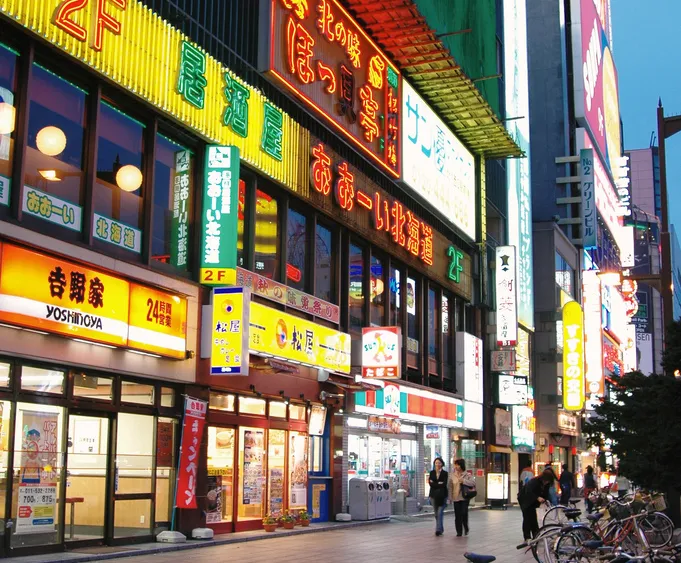
  1. Susukino entertainment district, Sapporo, at night1

    Susukino

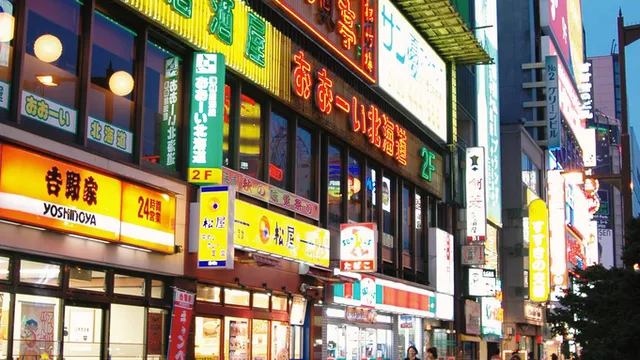
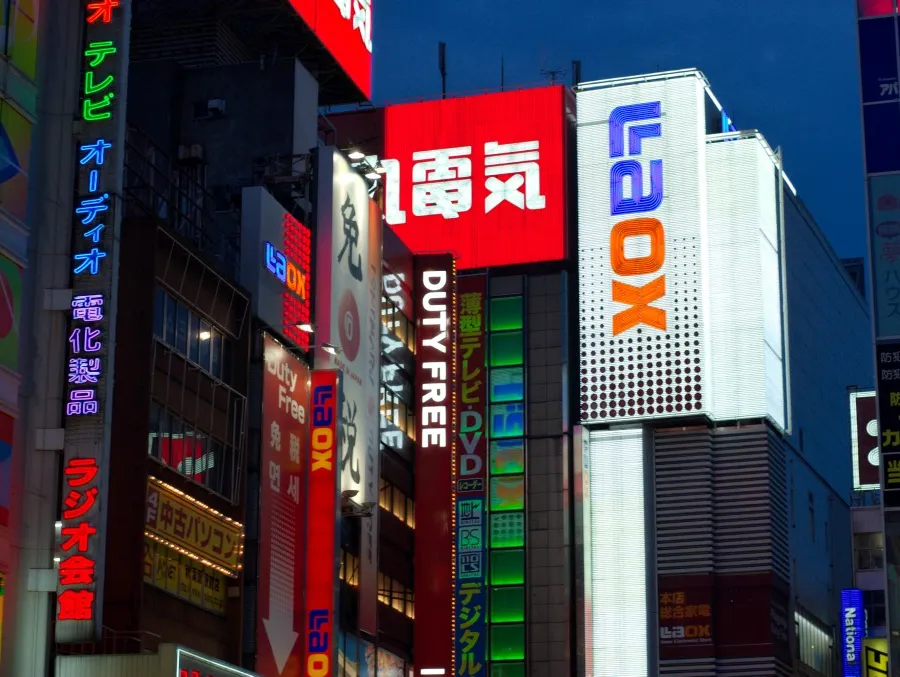
    Susukino is the largest entertainment district north of Tokyo, tracing its roots back to 1871 when the city's early planners designated it as a licensed pleasure quarter, and today it's a dense grid of bars, restaurants, karaoke boxes, and a dedicated ramen alley packed into a few blocks. It's easily Sapporo's most photogenic stretch after dark, all neon signage and crowded sidewalks, and it's also one of the Snow Festival's three official sites every February, with ice sculptures lining the main street. During the day it's quieter and mostly unremarkable, so this is very much a nighttime destination.

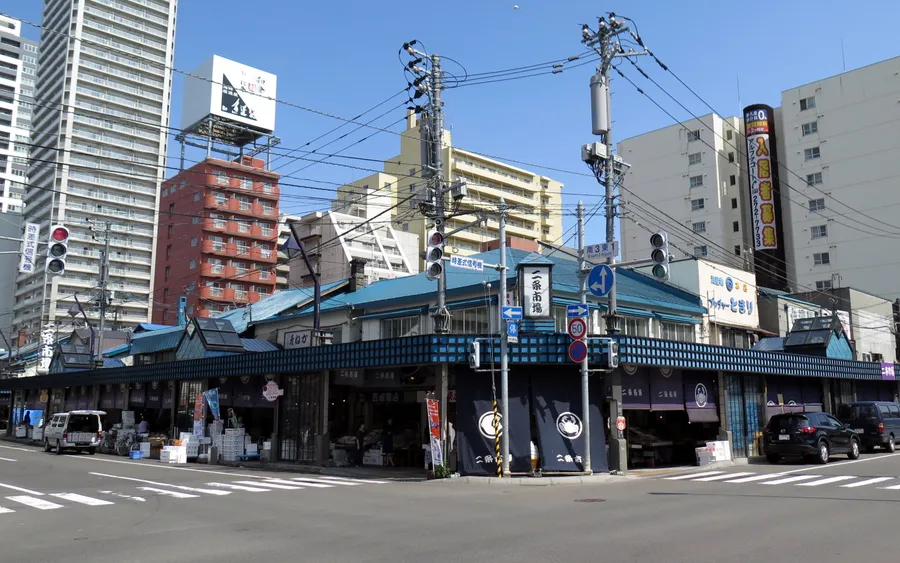
  2. Nijo Fish Market, Sapporo2

    Nijo Market

    Nijo Market has sold fresh Hokkaido seafood since the early Meiji period, and it's kept its nickname, 'Sapporo's Kitchen,' well into the present — a few dozen stalls selling crab, sea urchin, salmon roe, and scallops, several with counters where you can eat what you just bought. It's smaller and easier to navigate than some of Japan's bigger fish markets, which makes it a good stop even if you're not used to market shopping. Go for breakfast or an early lunch — like most fish markets, it's built around the morning catch and winds down by mid-afternoon.

    7:00 AM – 6:00 PM (hours vary by stall)Minami 2-jo 1-chome, Chuo-ku, Sapporo
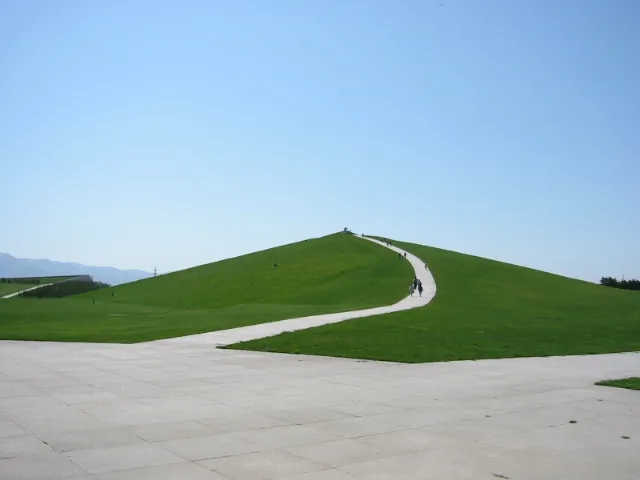
  3. Moerenuma Park, Sapporo3

    Moerenuma Park

    Moerenuma Park is a nearly 189-hectare park built on a former landfill and designed almost entirely by the sculptor Isamu Noguchi, who treated the whole site as a single artwork rather than a collection of separate features — a glass pyramid, a stepped 'Play Mountain,' a fountain plaza, and sweeping lawns all sit within one unified plan. Construction began in 1988 but wasn't finished until 2005, several years after Noguchi's death, so the finished park is really a posthumous realization of his design. It's a fair distance from downtown, but the payoff is a genuinely different, more sculptural kind of green space than the city's other parks.

Experiences

A few ways to catch Sapporo at its best — most of them tied to a specific season.

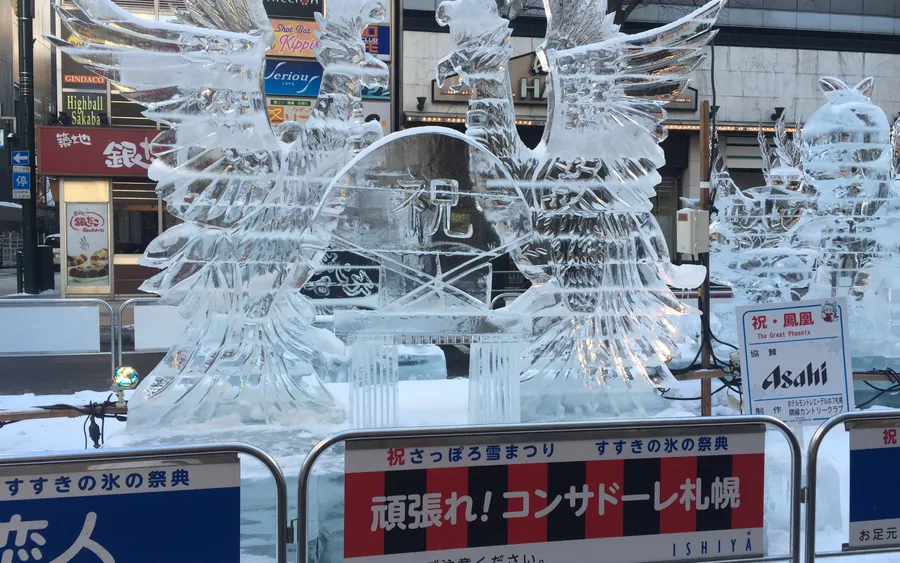
  1. Phoenix ice sculpture, Sapporo Snow Festival, Susukino site1

    Sapporo Snow Festival

    Held every February, the Sapporo Snow Festival began in 1950 when local high school students built six snow sculptures in Odori Park — a small, spontaneous event that's since grown into one of Japan's biggest winter festivals, drawing over two million visitors in a typical year. The festival now spans three sites: Odori Park, with its massive sculptures, some over 10 meters tall, built by teams from around the world since an international contest started in 1974; Susukino, known for finely detailed ice sculptures and ice bars; and the Tsudome site, aimed at families with snow slides and mazes. It runs for about a week and draws crowds accordingly, so book accommodation well ahead if your trip lines up with it.

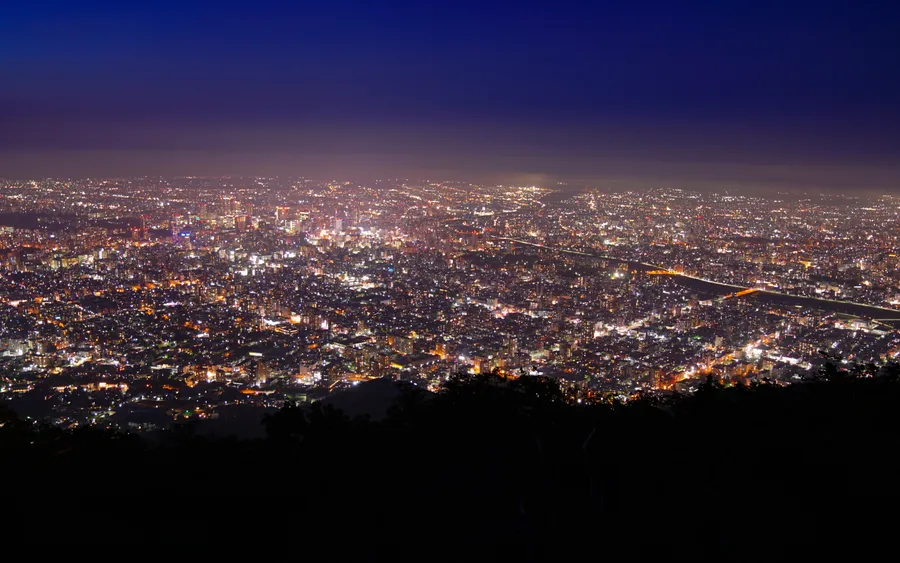
  2. Night view of Sapporo from Mount Moiwa2

    Mount Moiwa's night view

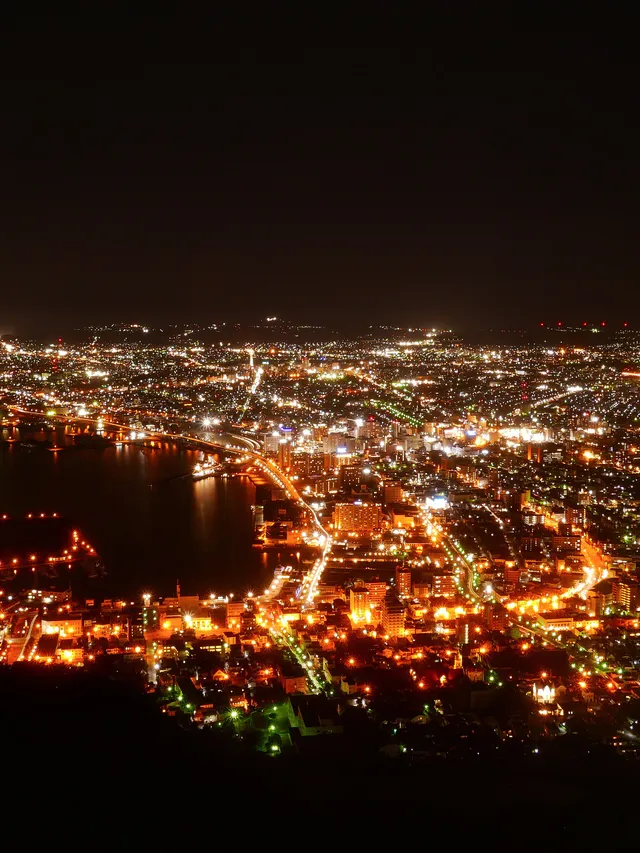
    At 531 meters, Mount Moiwa rises just southwest of central Sapporo, and its night view was named one of Japan's 'New Three Great Night Views' in 2015 — a ropeway and a short cable car get you to the summit observation deck, where the whole grid of the city spreads out toward Ishikari Bay. Unlike Sapporo's flat, right-angled street plan by day, the view at night turns the city into a dense field of light with the bay's darkness marking where it ends. It's a straightforward half-day trip from downtown, and worth timing for dusk so you catch the transition from daylight to full night.

    Ropeway: 11:00 AM – 10:00 PM5-3-7 Fushimi, Chuo-ku, Sapporo
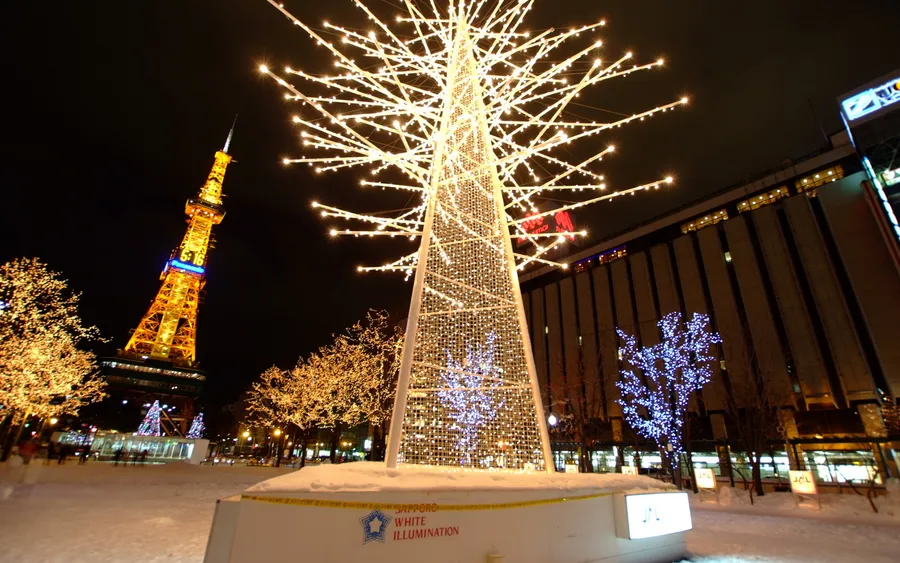
  3. Sapporo White Illumination3

    Sapporo White Illumination

    Sapporo White Illumination has run every winter since 1981, making it one of Japan's longest-running light displays, and it now spreads across Odori Park and several other downtown sites from late November into mid-March. Odori Park's stretch also hosts a German-style Christmas market, run in partnership with Sapporo's sister city Munich since 2002, with mulled wine, ornaments, and food stalls set up beneath the lights. It overlaps neatly with the tail end of the Snow Festival season, so a February visit can catch both the sculptures and the lights in the same trip.

Keep reading

More guides you might like

Nearby

Related destinations

Continue

Related services

Easy Travel in Japan