 Easy Travel in Japan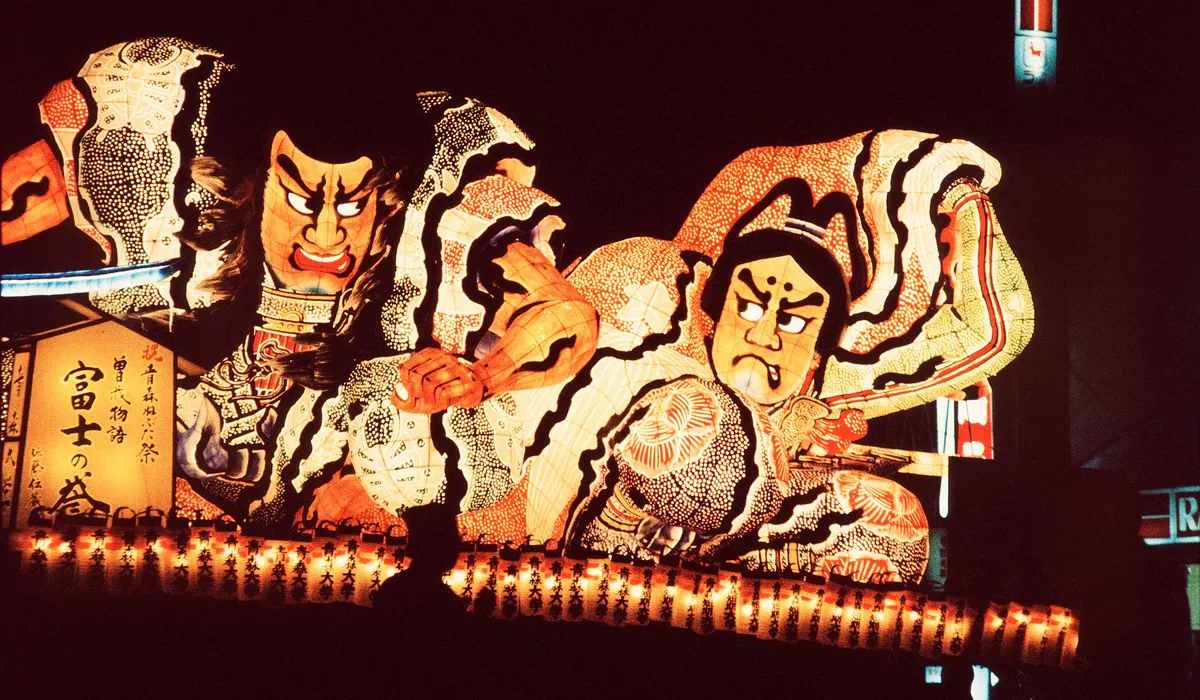
Aomori
Tohoku's northern gateway — the lantern floats of Nebuta Matsuri and some of the freshest fish markets in Japan.
Aomori is the northernmost prefectural capital on the island of Honshu, sitting at the head of Mutsu Bay. The area has been settled since the Jomon period, with major archaeological remains dating back roughly 5,900 years, while the modern port city itself traces to 1624. Much of Aomori was destroyed in WWII bombing and rebuilt afterward as a rail and ferry hub linking Honshu to Hokkaido. Today it’s best known for the Nebuta Matsuri, one of Tohoku’s largest summer festivals, alongside its Jomon-era archaeology and a prefecture that grows roughly 60% of Japan’s apples.
Highlights & things to do
Nebuta Museum Wa Rasse, beside Aomori Station, displays a rotating exhibit of actual illuminated paper floats from the most recent festival, letting visitors experience the Nebuta Matsuri’s craftsmanship outside its short August run. The Sannai-Maruyama Site, one of Japan’s largest and best-preserved Jomon-period settlements, was occupied for roughly 2,000 years starting around 3900 BCE and forms part of the UNESCO World Heritage listing “Jomon Prehistoric Sites in Northern Japan,” inscribed in 2021.
At the Furukawa Fish Market, visitors buy a bowl of rice and a set of tickets, then exchange them at stalls for toppings to build a custom seafood bowl known as nokke-don. The Auga Fresh Market, a short walk from the station, sells scallops, uni, and salmon roe from Aomori’s own port, best visited in the morning. The Aomori Museum of Art, whose trench-like galleries deliberately echo the neighboring archaeological site, holds one of the world’s largest collections of work by Aomori-born artist Yoshitomo Nara, including the 8.5-meter outdoor sculpture “Aomori-ken.”
Food & local cuisine
Aomori Prefecture produces roughly 60% of Japan’s apples, the largest share of any prefecture. Mutsu Bay is a major scallop-farming region, its enclosed, mineral-rich waters credited with producing especially large, sweet scallops. Fresh seafood generally — tuna, uni, salmon roe, squid — is the city’s culinary centerpiece, best experienced through the build-your-own nokke-don format at Furukawa and Auga markets.
Culture & traditions
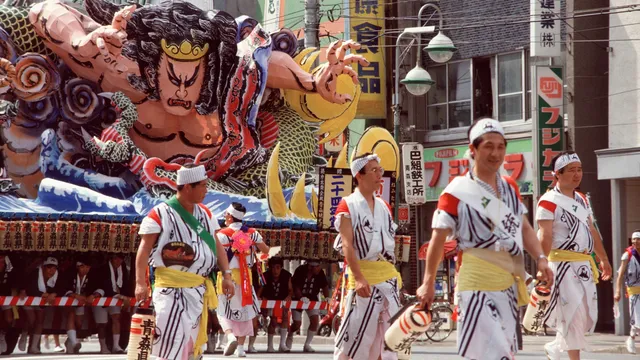
The Nebuta Matsuri, held every August 2–7, fills the streets with roughly two dozen illuminated floats up to nine meters wide, built from washi paper over wire and lit from within, depicting warriors and mythical scenes, accompanied by drummers and costumed dancers chanting as they parade a roughly 3-kilometer route. The festival’s true origins are debated, with the most credible theory tying it to a local purification custom blended with Tanabata-related lantern traditions. It carries Japan’s national Important Intangible Folk Cultural Property designation, though — despite a common assumption — it is not part of the UNESCO Intangible Cultural Heritage float-festival listing that includes Takayama; Aomori Prefecture’s entry on that list is a different festival, the Hachinohe Sansha Taisai.
Nature & scenery
The Hakkoda Mountains, about an hour south of the city, are reachable by ropeway to a summit station with short circular hiking trails. Mutsu Bay itself, ringed by mountains with a narrow ocean outlet, provides the calm waters behind the region’s scallop aquaculture.
Seasonal travel
Summer is dominated by the Nebuta Matsuri, August 2–7, the prefecture’s single biggest draw. Spring cherry blossoms are best seen at Hirosaki Castle, about 30 minutes away by express train, with roughly 2,600 trees around the moat. Autumn foliage at Oirase Gorge and Lake Towada, about two hours away by bus, typically peaks from late October into early November.
Recommended experiences
Visit Nebuta Museum Wa Rasse to see real festival floats and try taiko drumming. Build a custom nokke-don bowl at Furukawa Fish Market. Browse Auga Market in the morning for fresh scallops and uni. Day-trip to the Hakkoda Mountains for the ropeway and short hikes, or to Hirosaki for cherry blossom season.
Getting there & practical info
Shin-Aomori Station is the terminus of the Tohoku Shinkansen from Tokyo, reached in around 3 hours 40 minutes on the fastest Hayabusa service, and also the starting point of the Hokkaido Shinkansen through the Seikan Tunnel toward Hakodate and Sapporo. Aomori Airport connects domestically to Tokyo, Osaka, Sapporo, and other cities. A separate ferry service still crosses the Tsugaru Strait to Hakodate in about 3 hours 20 minutes.
Who this suits
A must for festival enthusiasts timing a trip around Nebuta Matsuri, history and archaeology fans drawn to Sannai-Maruyama, seafood lovers, and nature travelers using Aomori as a base for the Hakkoda Mountains or Lake Towada.
A closer look at Aomori
10 Best Things to Do in Aomori
A quick, friendly rundown of Aomori's biggest highlights — from illuminated Nebuta floats to a build-your-own seafood bowl — a good starting point for a first visit.
Aomori's Apple Country & Seafood Markets
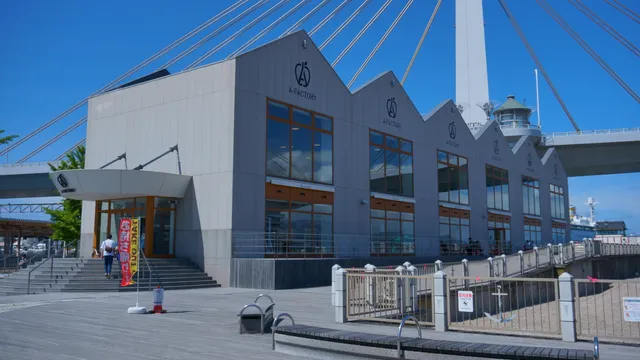
Where to actually eat in Aomori — a build-your-own seafood bowl at Furukawa Market, cider straight from the source at A-FACTORY, and the ginger-spiked oden that keeps the city warm all winter.
The Ultimate Aomori Travel Guide
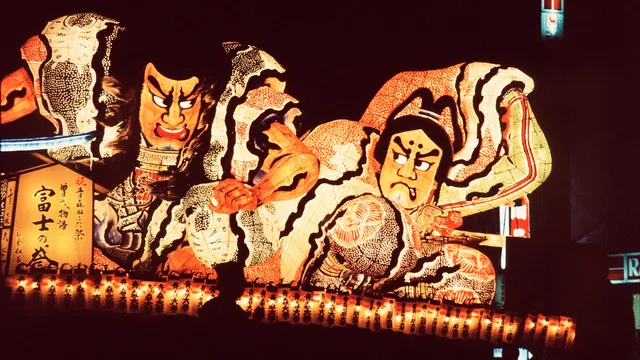
Illuminated festival floats, Jomon-era ruins, Japan's best apples, and a gorge that turns brilliant red in autumn — a friendly starting point for planning your visit to Tohoku's northern gateway.
Related destinations
Useful services for this trip
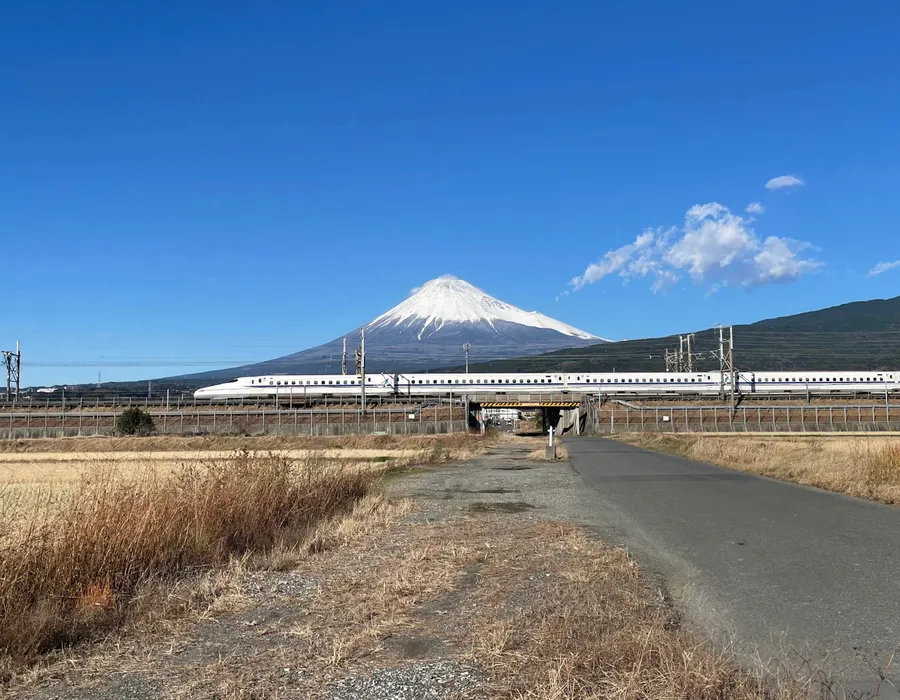
Train Tickets
Book shinkansen and local rail tickets in advance and skip the station ticket-counter queue.
Explore Train Tickets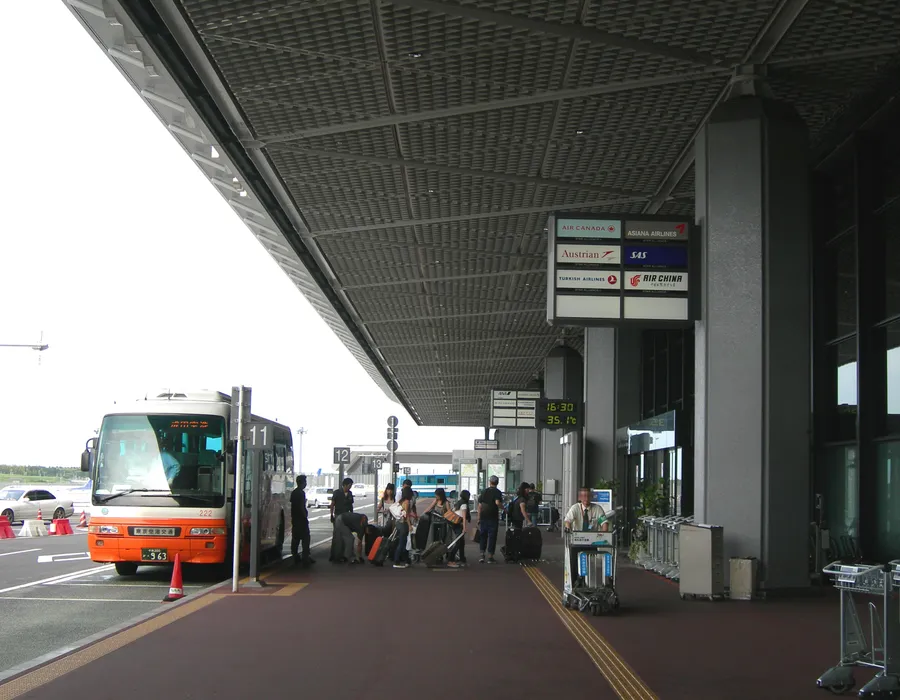
Airport Transfers
Book a fixed-price transfer from Haneda or Narita so arrival day is one less thing to figure out.
Explore Airport Transfers
eSIM & Wi-Fi
Stay connected in Japan with an eSIM or pocket Wi-Fi, without hunting for a local SIM shop.
Explore eSIM & Wi-Fi