Skip to content
Easy Travel in Japan
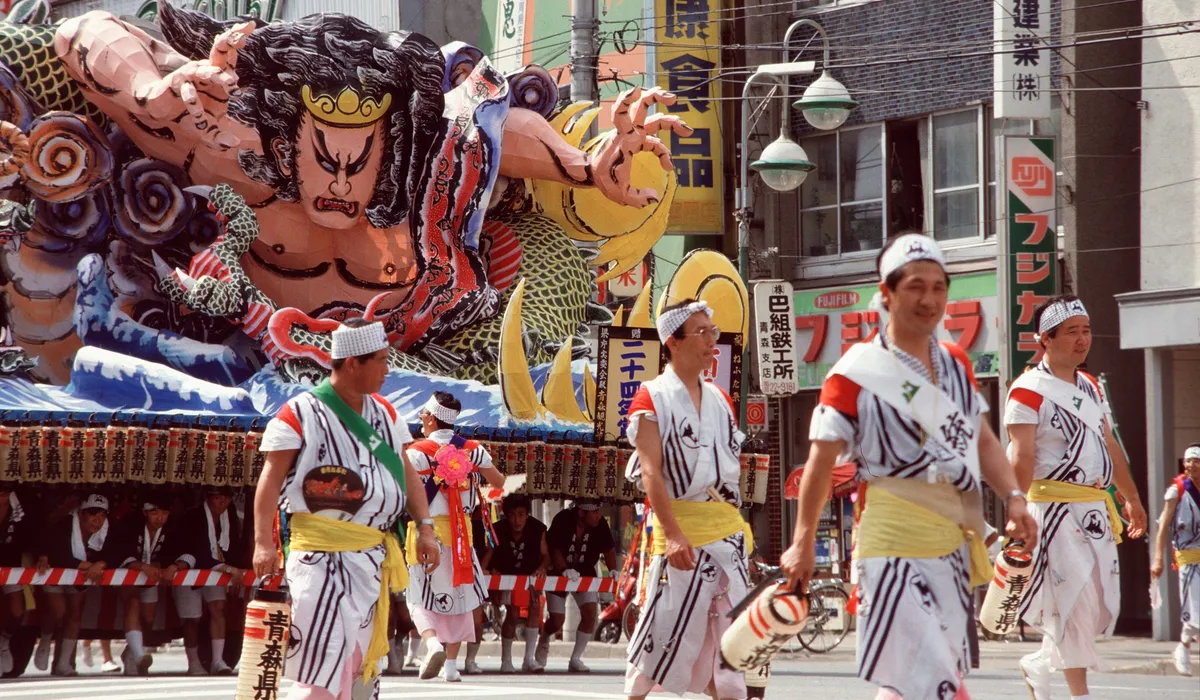
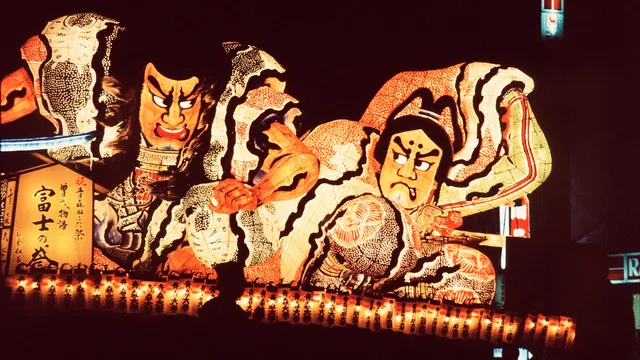
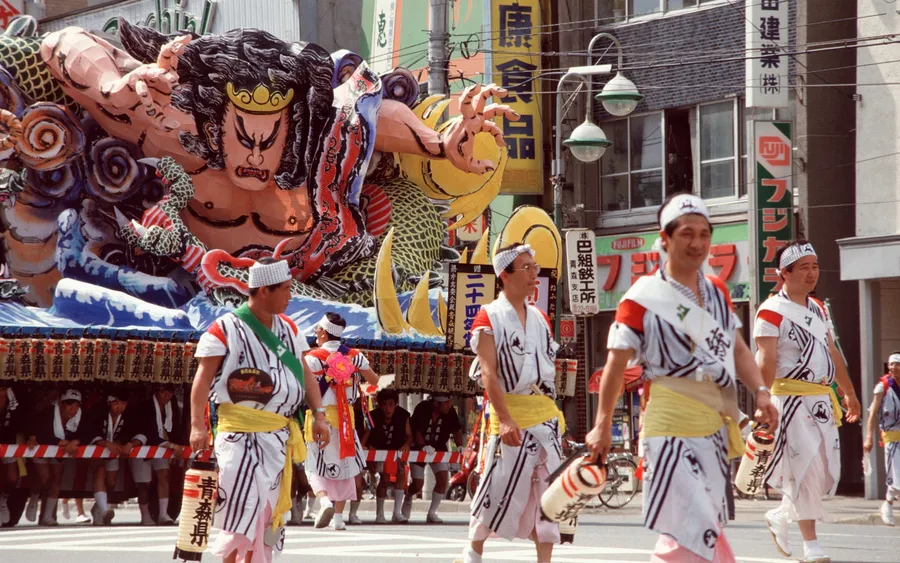
A float from the Aomori Nebuta Matsuri

10 Best Things to Do in Aomori

Short on time in Aomori? Here are ten places and experiences first-time visitors and repeat travelers both keep coming back to — a quick list to work from if you’d rather not plan every hour of your trip.

  1. Nebuta Museum Wa Rasse, Aomori1

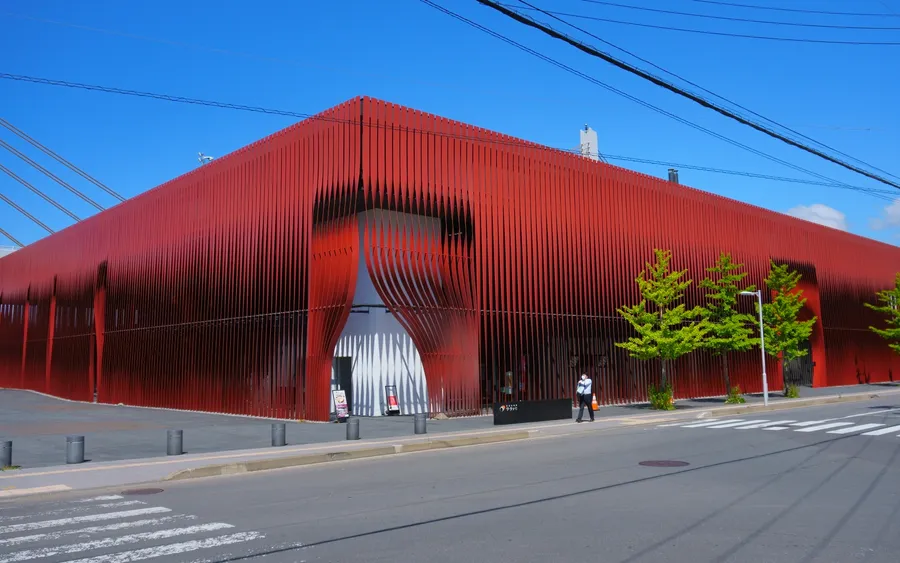
    Nebuta Museum Wa Rasse

    Opened in 2011 beside Aomori Station, Wa Rasse is wrapped in 820 vertical steel ribbons finished in a deep red meant to evoke sunlight filtering through nearby old-growth beech forests. Inside, a rotating display of actual illuminated floats from the most recent Nebuta Matsuri lets you see the craftsmanship up close year-round, some of these washi-paper giants standing nine meters wide. It's a good first stop for understanding what all the fuss is about before you've seen the real thing in the streets.
  2. A float from the Aomori Nebuta Matsuri2

    Nebuta Matsuri

    Every August 2 to 7, Aomori's streets fill with roughly two dozen illuminated floats, some up to nine meters wide, built from washi paper stretched over wire and lit from within. Drummers and flutists lead the way while haneto dancers in colorful costumes hop and chant 'Rasserā' alongside each float along a roughly 3-kilometer route. It carries Japan's Important Intangible Folk Cultural Property designation, and nothing else in the city comes close to it for sheer scale and noise.

  3. Sannai-Maruyama Site, Aomori3

    Sannai-Maruyama Site

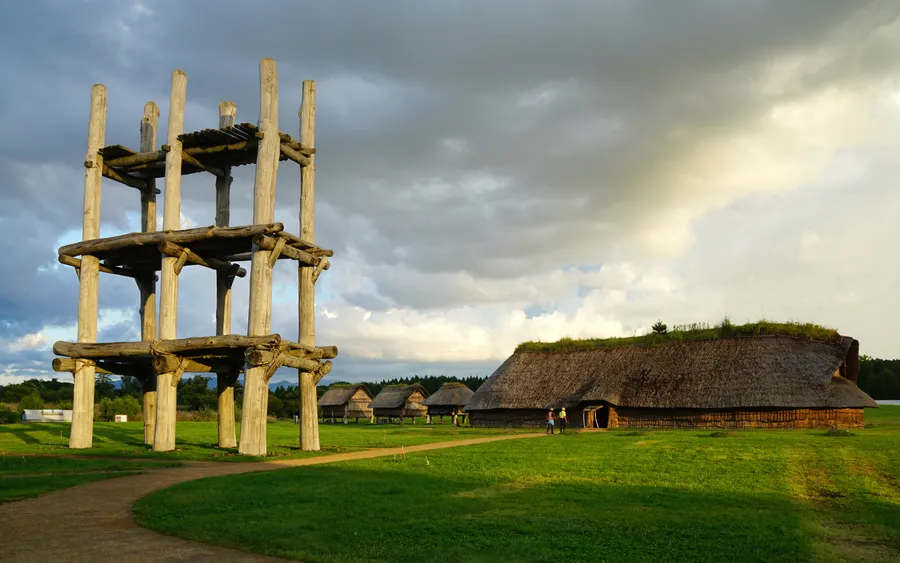
    Sannai-Maruyama is one of Japan's largest and best-preserved Jomon-period settlements, occupied for roughly 2,000 years starting around 3900 BCE. Reconstructed longhouses and a six-pillar tower now stand where the originals once did, giving the site a genuinely walkable, three-dimensional feel. It's part of the UNESCO World Heritage listing 'Jomon Prehistoric Sites in Northern Japan,' inscribed in 2021.

    9:00 AM – 5:00 PM (Oct–May); 9:00 AM – 6:00 PM (Jun–Sep & Golden Week)Maruyama-305 Sannai, Aomori
  4. Aomori Museum of Art4

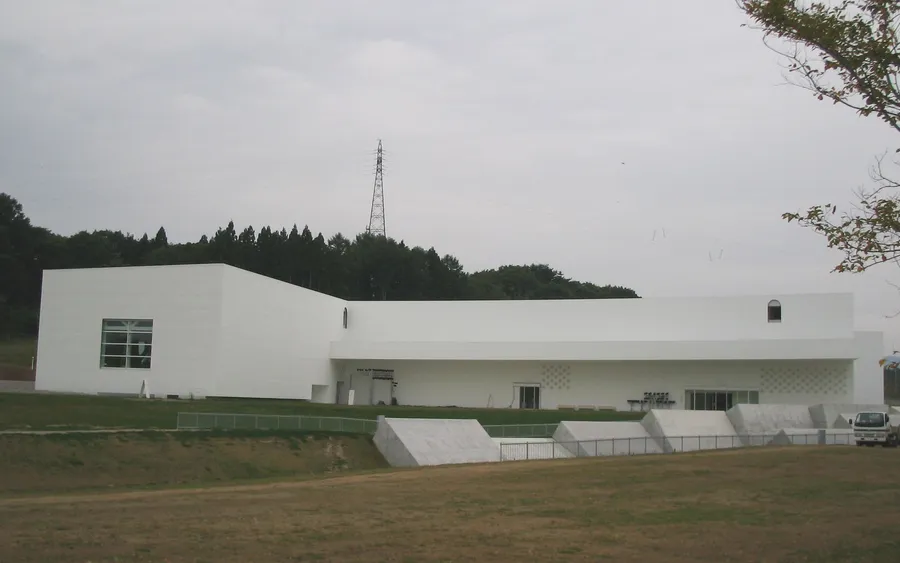
    Aomori Museum of Art

    The Aomori Museum of Art deliberately echoes its neighbor, the Sannai-Maruyama site, with trench-like white galleries that seem cut into the earth. It holds one of the world's largest collections of work by Aomori-born artist Yoshitomo Nara, including the 8.5-meter outdoor sculpture 'Aomori-ken' that's become something of an unofficial city mascot. It's a strong, regionally rooted collection rather than a generic survey.

    9:30 AM – 5:00 PM (last admission 4:30 PM); closed 2nd & 4th Monday and Dec 26–Jan 1185 Chikano, Yasuta, Aomori
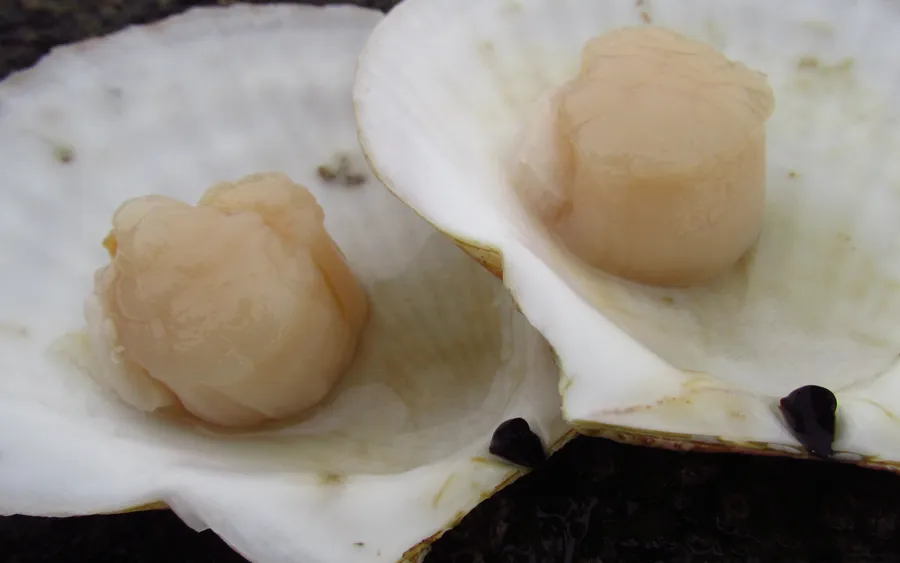
  5. Mutsu Bay scallops, Hiranai, Aomori5

    Furukawa Fish Market

    At Furukawa, you buy a bowl of rice and a set of tickets, then trade those tickets for toppings — tuna, scallops, salmon roe, sea urchin — at whichever of the market's stalls catch your eye, building a custom seafood bowl called nokke-don. It turns breakfast into a small, satisfying scavenger hunt, and there's no wrong way to build the bowl. Go early; like most fish markets, it winds down by early afternoon.

    7:00 AM – 4:00 PM, closed Tuesdays1-11-16 Furukawa, Aomori
  6. Hakkoda Ropeway in winter6

    Hakkoda Mountains

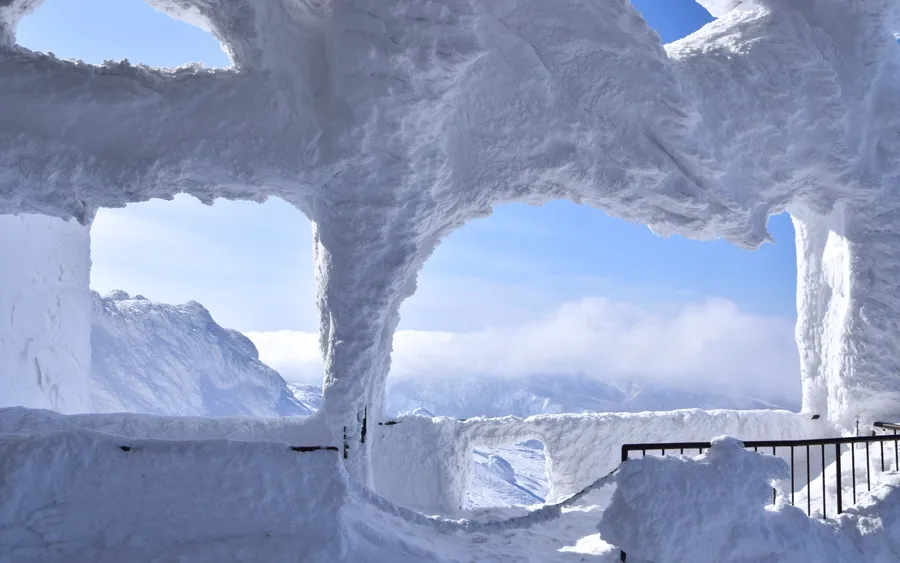
    About an hour south of the city, the Hakkoda Mountains are reached by a ropeway that climbs Mount Tamoyachi, with short circular hiking trails looping out from the summit station. In winter, the peaks are famous for their juhyo — 'snow monsters,' trees so thickly coated in windblown ice that they turn into ghostly white sculptures. It's an easy half-day trip that feels much further from the city than it actually is.

    Hours vary by season; typically 9:00 AM with last ascent 3:40–4:00 PMKansuizawa-1-12 Arakawa, Aomori
  7. Oirase Stream, Towada-Hachimantai National Park7

    Oirase Gorge & Lake Towada

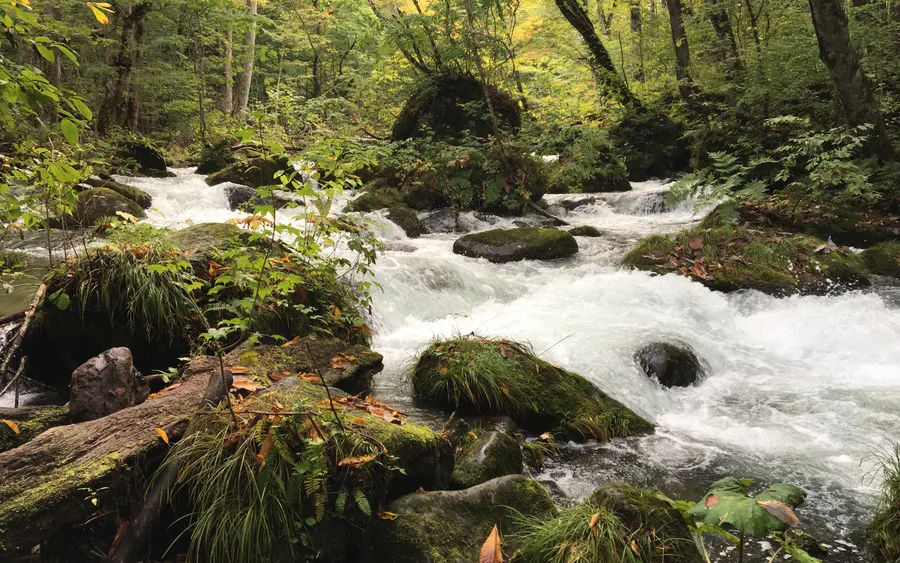
    Oirase Gorge follows a roughly 14-kilometer mountain stream between Lake Towada and the town of Yakeyama, with a walking trail past mossy boulders, waterfalls, and old-growth forest that turns brilliant red and gold in autumn. At the gorge's upper end, Lake Towada, a caldera lake, adds still water and mountain reflections to the same trip. It's about two hours from Aomori by bus, so plan for a full day.

  8. Hirosaki Castle with cherry blossoms8

    Hirosaki Castle

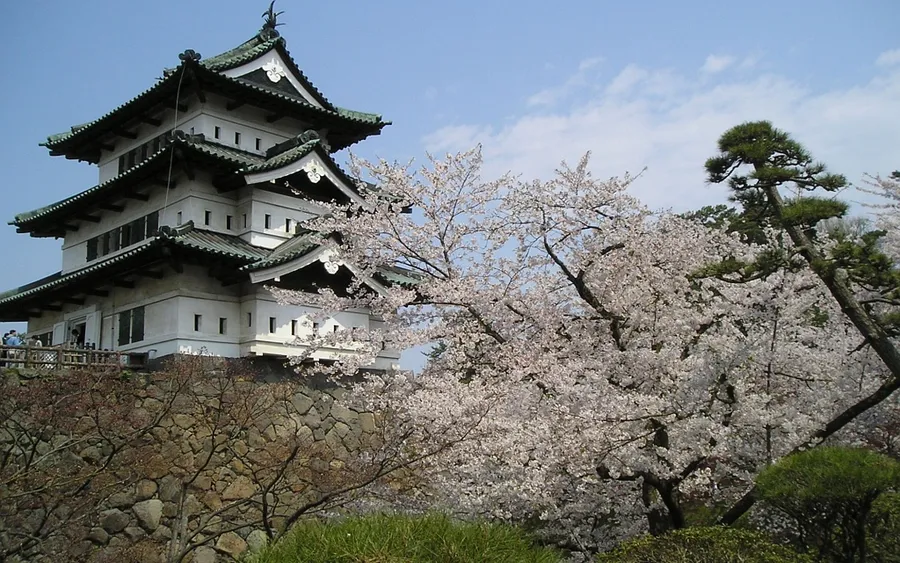
    About 30 minutes from Aomori by express train, Hirosaki Castle anchors a park ranked among Japan's three best cherry blossom spots, thanks to roughly 2,600 trees planted around the moat since 1895. The current three-story keep dates to 1810. Come for the Hirosaki Cherry Blossom Festival in late April, when fallen petals blanket the moat and the whole park turns pink.

    9:00 AM – 5:00 PM (mid-Apr–Nov 23); extended to 6:00 PM during the Sakura Festival; closed late Nov–Mar1 Shimoshirogane-cho, Hirosaki
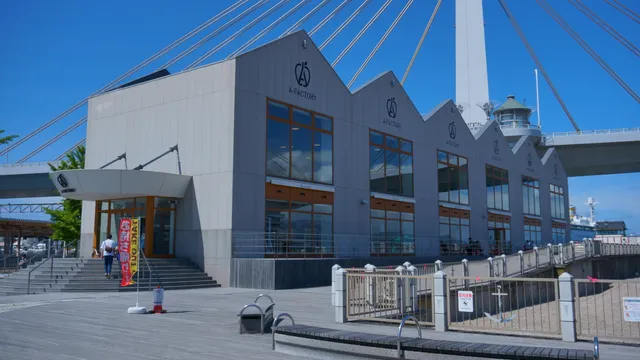
  9. A-FACTORY waterfront, Aomori9

    A-FACTORY

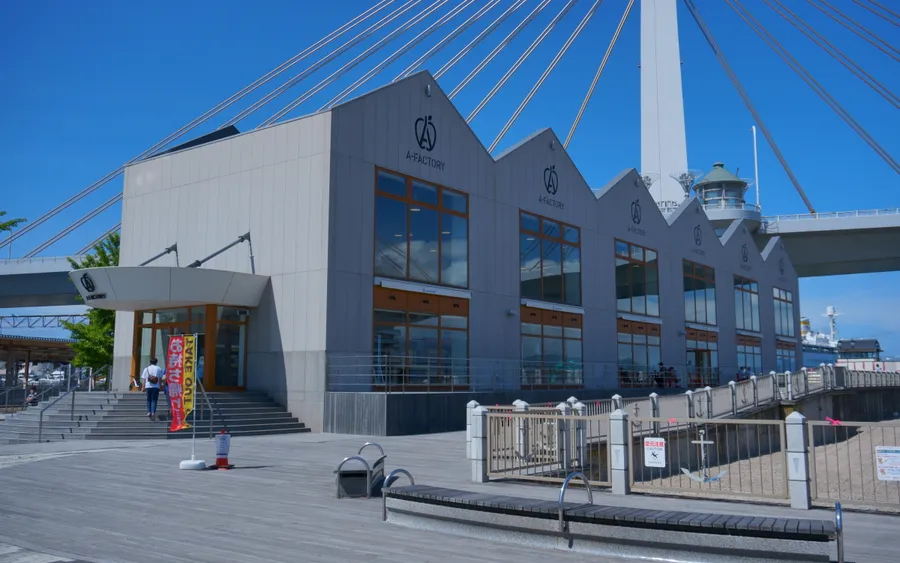
    A-FACTORY sits a one-minute walk from Aomori Station's east exit, built around an apple cider factory where you can watch the cidre being made through glass windows and taste it fresh, alongside stalls selling apple sweets and other Aomori products. It's a good rainy-day stop or a place to pick up souvenirs before catching a train, and the waterfront setting, right on Aomori Bay, makes it worth the short walk even if you're not buying anything.

    Shopping 9:00 AM – 8:00 PM; restaurants 11:00 AM – 8:00/9:00 PM1-4-2 Yanagawa, Aomori
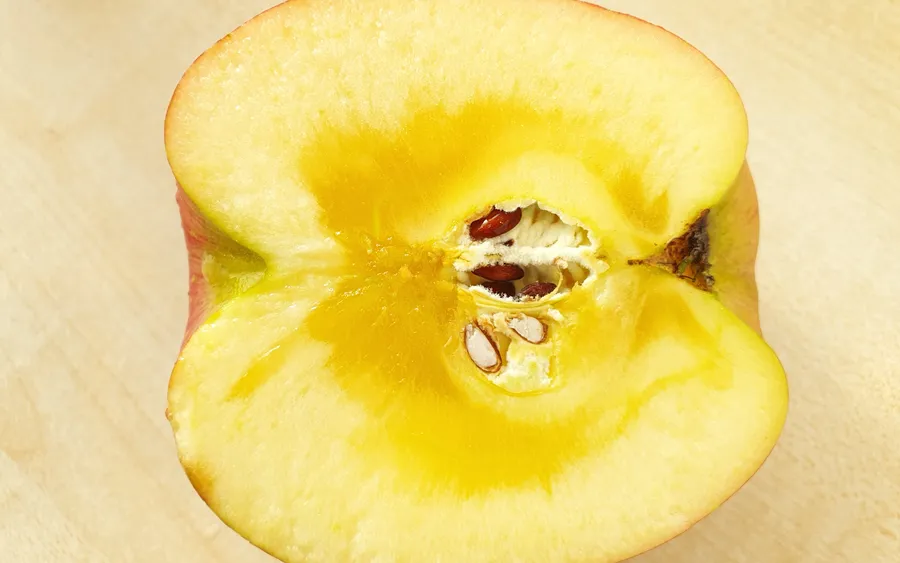
  10. A Sanfuji apple from Aomori10

    Aomori's local cuisine

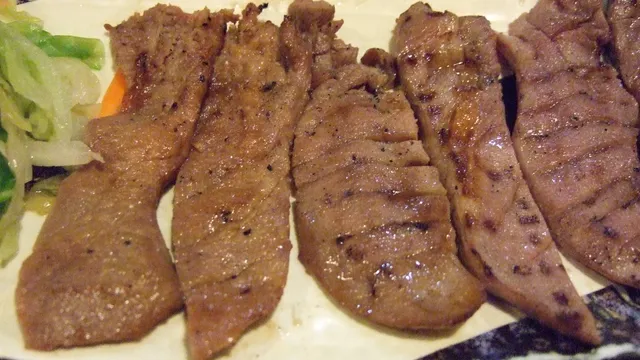
    Aomori Prefecture grows roughly half of all apples sold in Japan, and the Fuji variety was developed right here, in the town of Fujisaki, in 1939. Mutsu Bay's scallops, along with tuna, salmon roe, and sea urchin, are best tried as nokke-don, a build-your-own seafood rice bowl unique to the city. And once the weather turns cold, look for Aomori ginger miso oden — daikon, konjac, and fish cakes in a thick, ginger-spiked miso sauce that's been warming up locals near Aomori Station since around 1945.

Keep reading

More guides you might like

Nearby

Related destinations

Continue

Related services

Easy Travel in Japan