 Easy Travel in Japan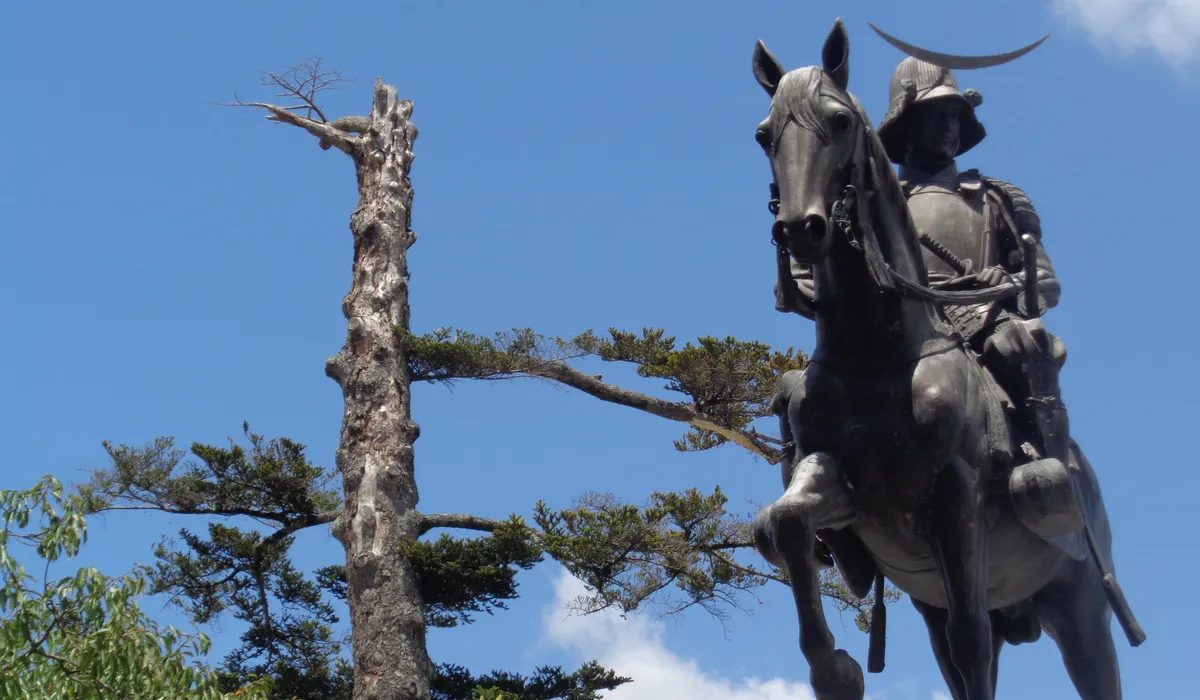
Sendai
Tohoku's largest city — Date Masamune's castle legacy, grilled beef tongue, and a gateway to Matsushima Bay.
Sendai, the largest city in the Tohoku region with around 1.1 million residents, was founded in 1600 by the daimyo Date Masamune, who began building his castle on Mount Aoba that year after being granted the territory following the Battle of Sekigahara. Masamune named the city by drawing on a Chinese poem praising an emperor’s palace, and much of Sendai’s sightseeing still centers on his legacy. The city carries the long-standing nickname “Mori no Miyako,” the “City of Trees,” tracing to Edo-period tree-planting traditions still visible today along its zelkova-lined boulevards. Sendai’s central districts were largely spared the worst of the 2011 Tohoku earthquake and tsunami, which struck hardest along the coast, and the rebuilt city today functions as a compact, walkable gateway to the wider region.
Highlights & things to do
Zuihoden, the mausoleum of Date Masamune, was originally built in 1637 in lavish Momoyama style — black lacquer, gold leaf, polychrome carving — destroyed by fire in a WWII air raid, and rebuilt by 1979. The ruins of Aoba Castle now form a park with surviving stone walls, a reconstructed side turret, and a bronze statue of Masamune on horseback, illuminated nightly. Osaki Hachimangu Shrine, built in 1607 as the Date clan’s guardian shrine, is a National Treasure known for its black-lacquered, gold-leafed main hall. Rinnoji Temple, a Date family temple relocated to Sendai in the early 1600s, holds one of Tohoku’s most highly regarded strolling gardens.
Food & local cuisine
Gyutan, grilled beef tongue, was created in 1948 by Keishiro Sano at his Sendai restaurant amid postwar food shortages, after being introduced to the ingredient by a French chef — a popular story crediting it to discarded American military rations is not accurate. The dish is now central to the city’s identity, with a dedicated Gyutan-dori restaurant street. Zunda mochi, mochi topped with sweetened mashed edamame, is another signature specialty, though its exact origin is genuinely uncertain, with several competing folk explanations. Sasa kamaboko, a bamboo-leaf-shaped fish cake invented in the early Meiji period, is thought to echo the Date clan’s own crest.
Culture & traditions
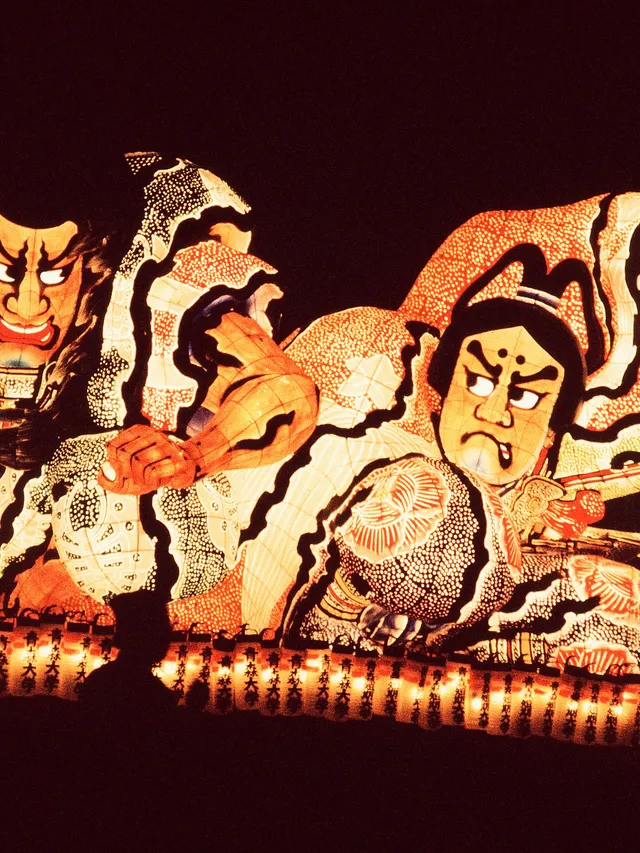
Date Masamune is popularly remembered as “Dokuganryu,” the One-Eyed Dragon, after losing sight in one eye to smallpox as a child. The Sendai Tanabata Matsuri, held every August 6–8, is widely considered the largest Tanabata festival in Japan, filling the city’s shopping arcades with large handcrafted paper streamers, and is one of the “Three Great Festivals of Tohoku” alongside Akita’s Kanto Matsuri and Aomori’s Nebuta Matsuri. The Aoba Matsuri, held the third weekend of May near the anniversary of Masamune’s death, reenacts his procession from the castle with elaborate floats and hundreds of costumed performers.
Nature & scenery
Sendai’s zelkova-lined streets, particularly Jozenji-dori and Aoba-dori, turn gold in autumn and give the city its “City of Trees” character. Matsushima Bay, roughly 25 km northeast and reachable in about 25–40 minutes by train, is dotted with some 260 small pine-covered islands and is officially one of Japan’s traditional “Three Views,” alongside Miyajima and Amanohashidate.
Seasonal travel
Spring cherry blossoms peak in early-to-mid April, with Nishi Park, the city’s oldest, among the best viewing spots. August 6–8 brings the Tanabata Matsuri. Autumn foliage generally runs from mid-October through late November, with a light-up event at Zuihoden. Winter’s Pageant of Starlight, running from early December through New Year’s Eve, strings roughly half a million lights through the zelkova trees of Jozenji-dori.
Recommended experiences
Take a Matsushima Bay sightseeing cruise among the pine islets. Visit Zuihoden for Date Masamune’s tomb and its ornate architecture. Have a gyutan dinner on Gyutan-dori. Walk the illuminated Jozenji-dori during the Pageant of Starlight if visiting in December.
Getting there & practical info
The Tohoku Shinkansen’s fastest Hayabusa service reaches Sendai from Tokyo in around 90 minutes. Sendai Airport, in neighboring Natori City, connects by dedicated rail line to the city center. Sendai’s Shinkansen hub status makes it a practical base for day trips to Matsushima and onward travel further into Tohoku.
Who this suits
A strong match for history and samurai-culture enthusiasts, festival-goers timing a visit around Tanabata or the winter illuminations, food travelers after gyutan and zunda, and anyone using Sendai as a base for the wider Tohoku region.
A closer look at Sendai
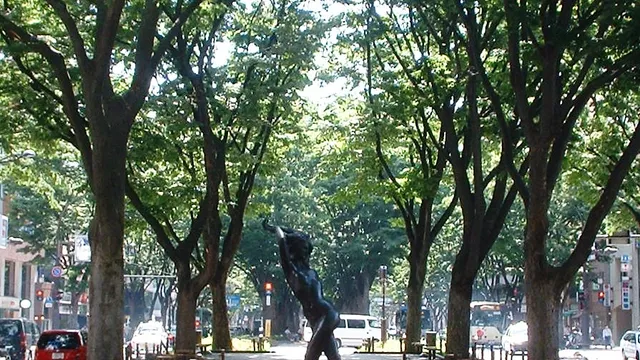
10 Best Things to Do in Sendai
A quick, friendly rundown of Sendai's biggest highlights — from Date Masamune's mausoleum to the pine-covered islands of Matsushima Bay — a good starting point for a first visit.
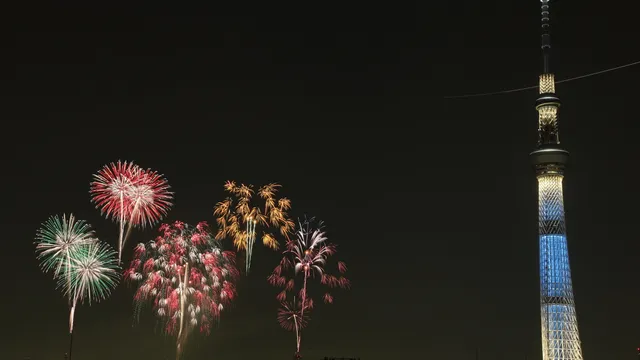
Best Fireworks Festivals in Japan
Japan's hanabi season runs roughly June through September, with some of the country's oldest and largest firework displays lighting up rivers, lakes, and coastlines nationwide. Here's where to see them and roughly when.
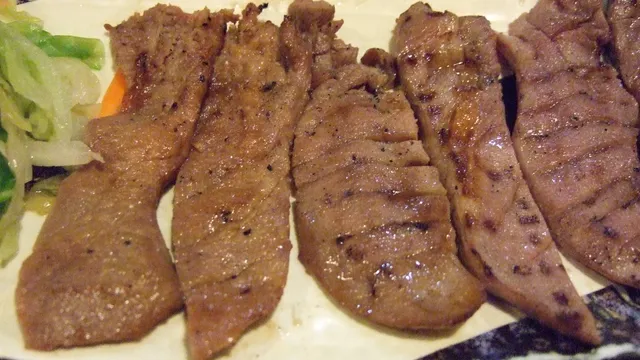
Sendai's Best Gyutan Restaurants
From the counter where grilled beef tongue was invented in 1948 to the chains that carried it national, three places worth the wait for a proper gyutan set in the city that started it all.
Related destinations
Useful services for this trip
Train Tickets
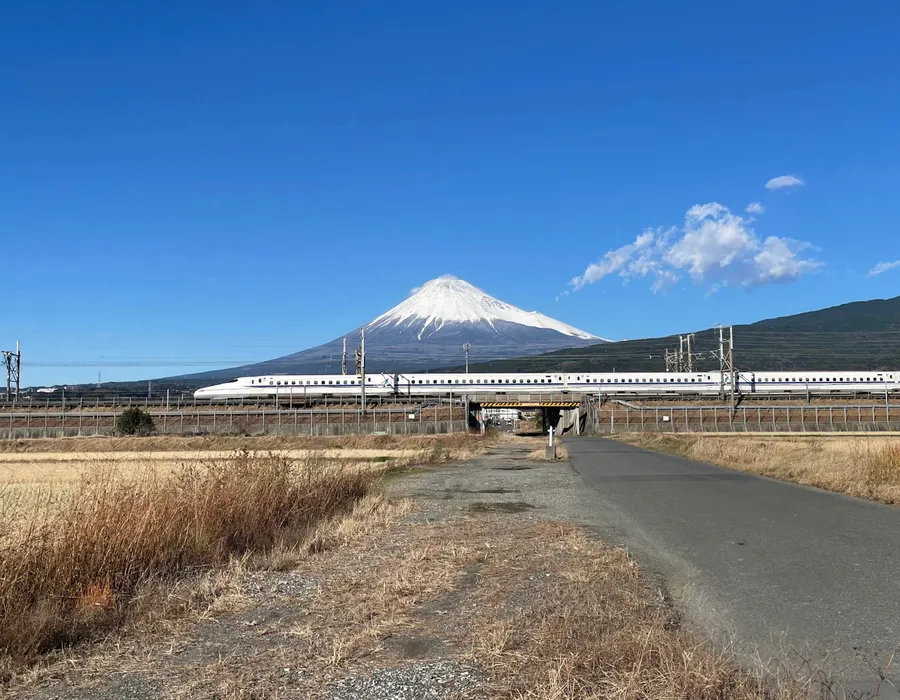
Book shinkansen and local rail tickets in advance and skip the station ticket-counter queue.
Explore Train Tickets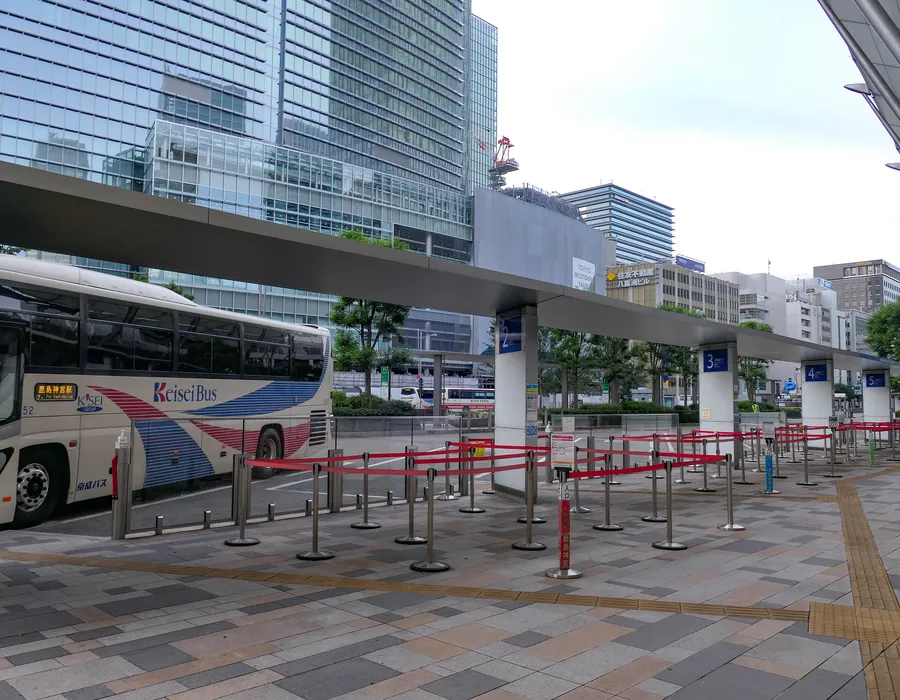
Bus Tickets
Book highway, overnight, and tour buses across Japan — an affordable way to reach cities and sights that trains skip.
Explore Bus Tickets
eSIM & Wi-Fi
Stay connected in Japan with an eSIM or pocket Wi-Fi, without hunting for a local SIM shop.
Explore eSIM & Wi-Fi