Skip to content
Easy Travel in Japan
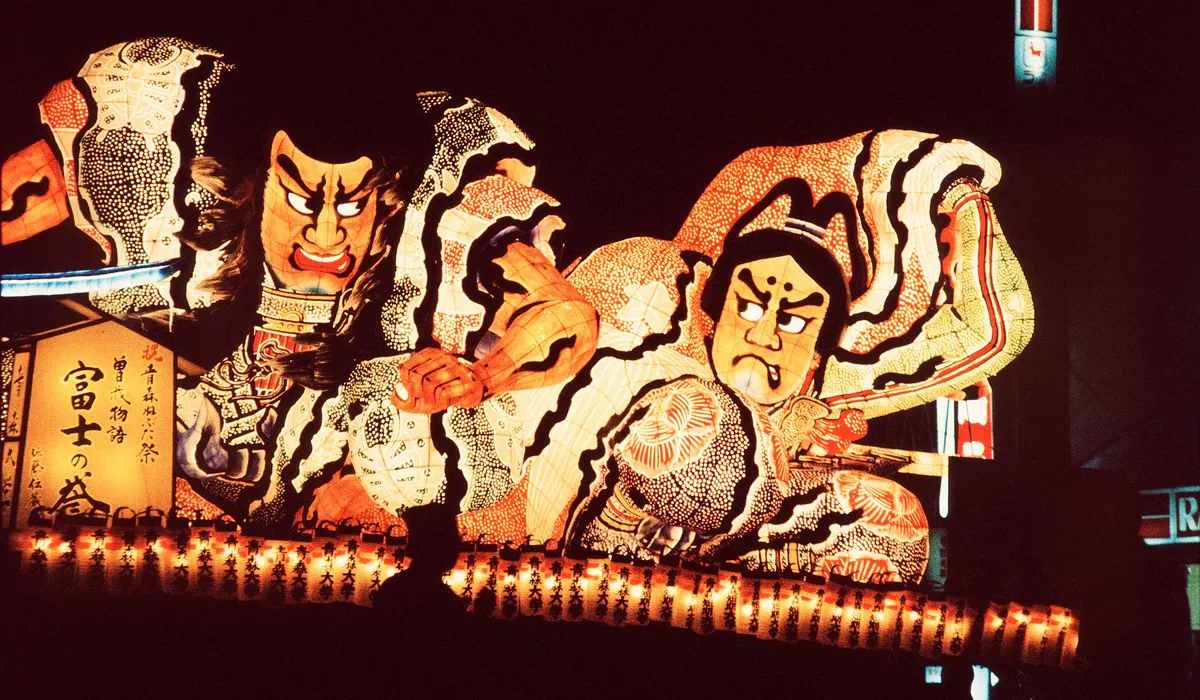
Nebuta Matsuri lantern float, Aomori

The Ultimate Aomori Travel Guide

Aomori sits at Honshu’s northern tip, a rebuilt port city best known for one of Japan’s most spectacular summer festivals, a Jomon-era settlement thousands of years older than written history, and a prefecture that grows more apples than anywhere else in the country. Here’s a closer look at the landmarks, flavors, and seasonal experiences that make it worth the trip north, whether you’re passing through on the Shinkansen or building a whole Tohoku itinerary around it.

Attractions

The landmarks that anchor Aomori, from a Jomon-era village to a museum built around one of its own artists.

  1. Nebuta Museum Wa Rasse, Aomori1

    Nebuta Museum Wa Rasse

    Opened in 2011 beside Aomori Station, Wa Rasse is wrapped in 820 vertical steel ribbons finished in a deep red meant to evoke sunlight filtering through the old-growth beech forests of nearby Shirakami-Sanchi, and the color genuinely shifts with the weather and time of day. Inside, a rotating display of actual illuminated floats from the most recent Nebuta Matsuri lets you see the craftsmanship up close year-round rather than only during the festival's brief August run — some of these washi-paper giants stand nine meters wide. It's a good first stop for understanding what all the fuss is about before you've even seen the real thing in the streets.
  2. Sannai-Maruyama Site, Aomori2

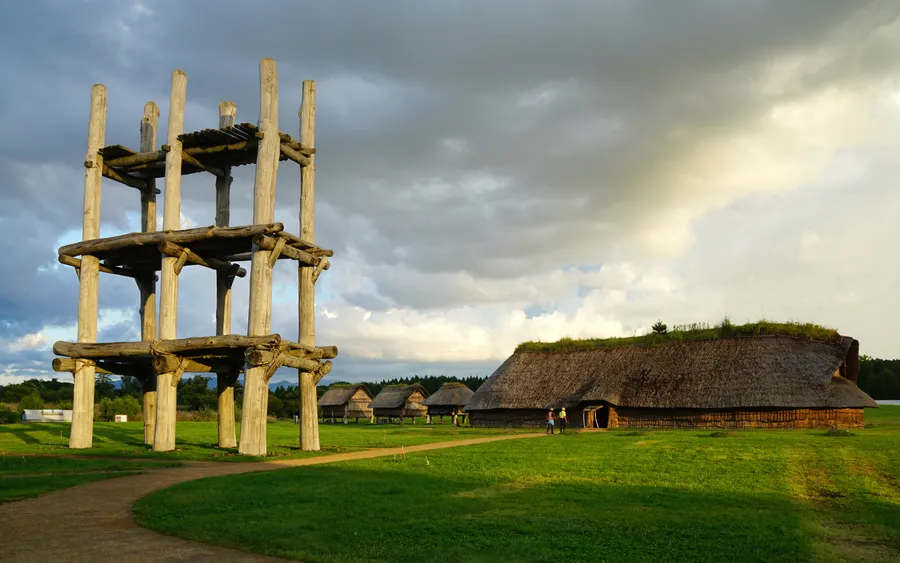
    Sannai-Maruyama Site

    Sannai-Maruyama is one of Japan's largest and best-preserved Jomon-period settlements, occupied for roughly 2,000 years starting around 3900 BCE, and excavations that began in 1992 uncovered pit-dwellings, burial grounds, pottery, and jade ornaments that reshaped how archaeologists understood Jomon society's scale and permanence. Reconstructed longhouses and a six-pillar tower now stand where the originals once did, giving the site a genuinely walkable, three-dimensional feel rather than just foundations behind glass. It's part of the UNESCO World Heritage listing 'Jomon Prehistoric Sites in Northern Japan,' inscribed in 2021, and a small on-site museum displays finds including dogu figurines and early pottery.

    9:00 AM – 5:00 PM (Oct–May); 9:00 AM – 6:00 PM (Jun–Sep & Golden Week)Maruyama-305 Sannai, Aomori
  3. Aomori Museum of Art3

    Aomori Museum of Art

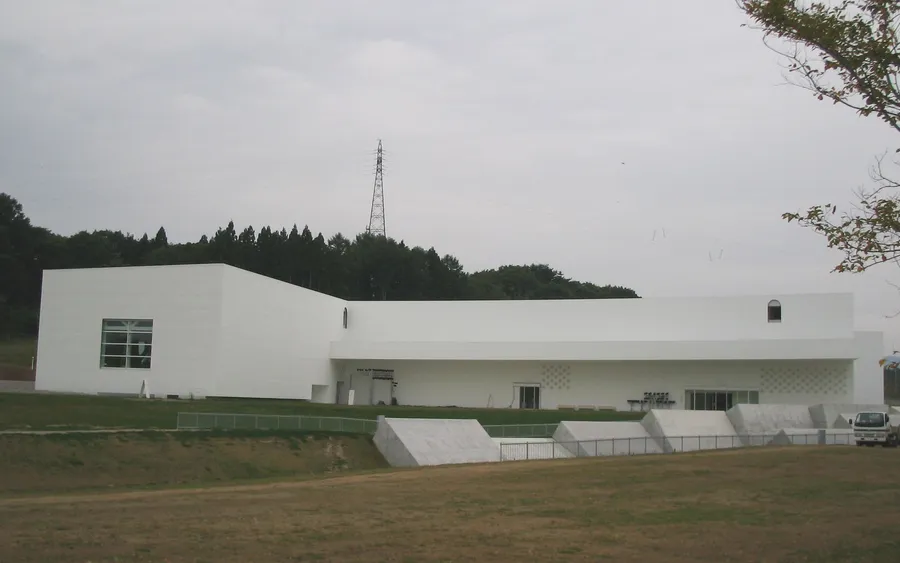
    The Aomori Museum of Art deliberately echoes its neighbor, the Sannai-Maruyama site, with trench-like white galleries that seem cut into the earth rather than built on top of it. It holds one of the world's largest collections of work by Aomori-born artist Yoshitomo Nara — over 170 pieces built up since the museum began collecting in the 1990s — including the 8.5-meter outdoor sculpture 'Aomori-ken' that's become something of an unofficial city mascot. The museum also covers other Aomori-born artists, including printmaker Shiko Munakata, giving the collection a strong regional identity rather than a generic survey.

    9:30 AM – 5:00 PM (last admission 4:30 PM); closed 2nd & 4th Monday and Dec 26–Jan 1185 Chikano, Yasuta, Aomori

Food

Aomori Prefecture grows roughly half of Japan's apples, and its seafood is just as central to the local table.

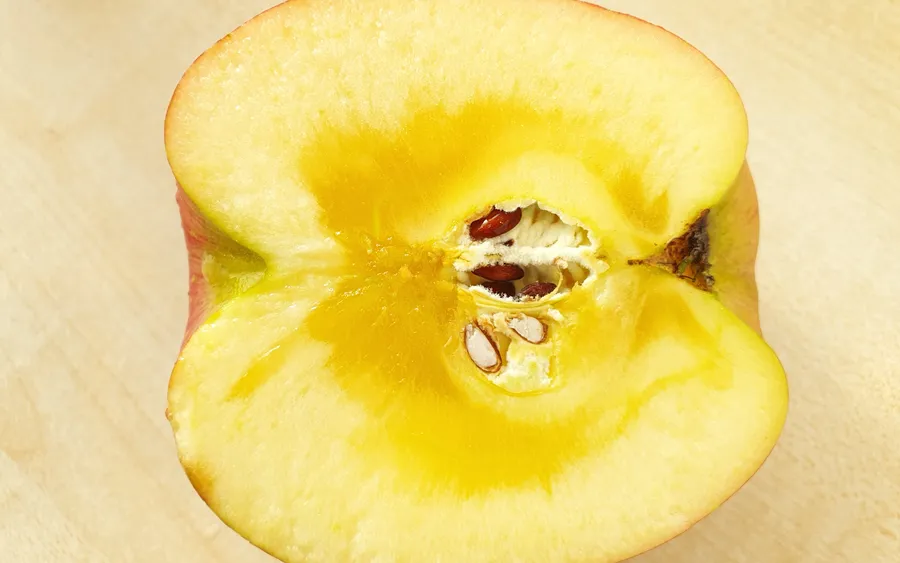
  1. A Sanfuji apple from Aomori1

    Aomori Apples

    Aomori Prefecture grows roughly half of all apples sold in Japan, more than any other prefecture by a wide margin, and the most famous variety of all, Fuji, was actually developed here — bred in the town of Fujisaki starting in 1939 and registered in 1962, it takes its name from the town rather than the mountain. Orchards ring the region, especially around Hirosaki, and the fruit shows up everywhere: eaten fresh, pressed into cider, baked into pie, and sold in every souvenir shop in the city. If you only try one, make it a fresh Sanfuji straight off a market stall — crisp, dense, and noticeably sweeter than the apples most travelers are used to.

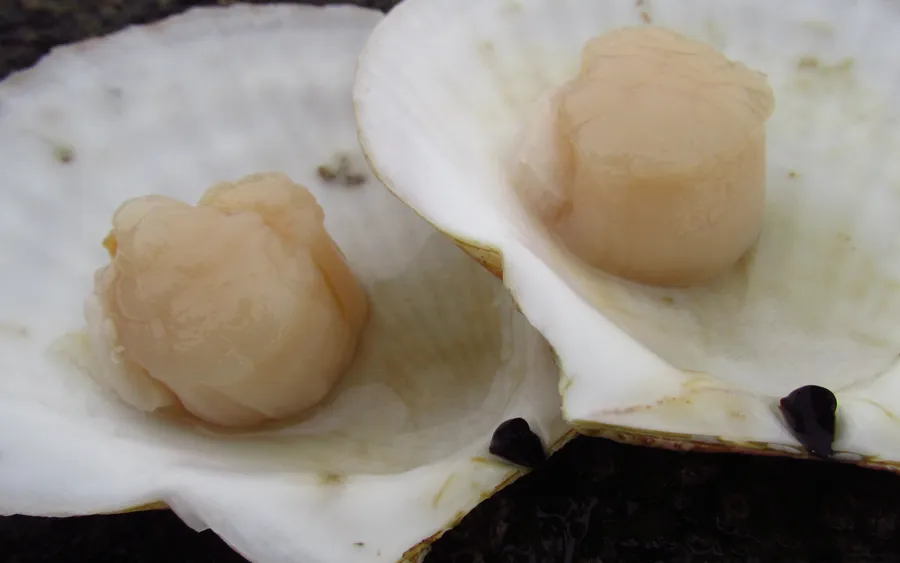
  2. Mutsu Bay scallops, Hiranai, Aomori2

    Mutsu Bay Scallops & Nokke-don

    Mutsu Bay's calm, mineral-rich, enclosed waters make it one of Japan's major scallop-farming regions, and the scallops that come out of it are prized for their size and sweetness. The best way to try them, along with tuna, salmon roe, and sea urchin, is nokke-don — a build-your-own seafood rice bowl unique to Aomori, where you buy a bowl of rice and a set of tickets at Furukawa Fish Market, then trade those tickets for toppings at whichever stalls catch your eye. It turns breakfast into a small, satisfying scavenger hunt, and there's no wrong way to build the bowl.

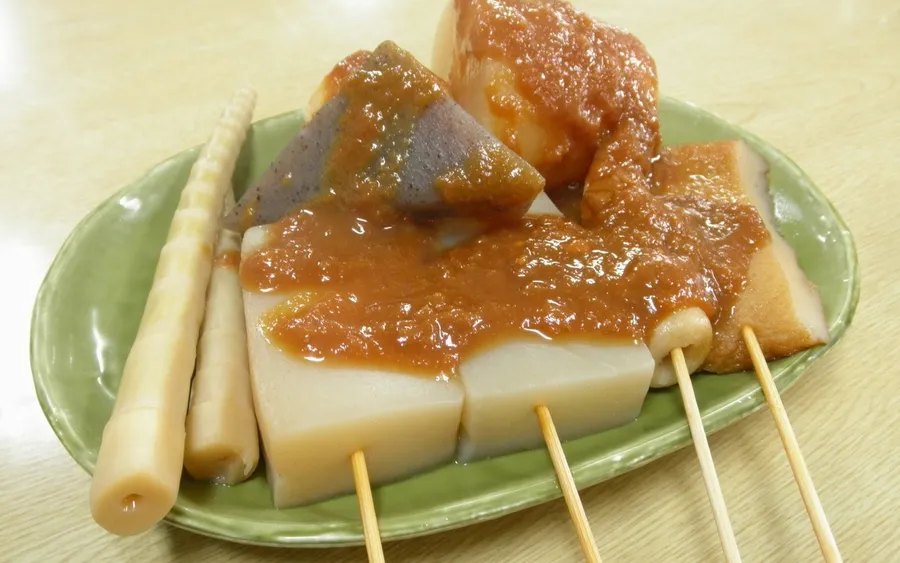
  3. Aomori ginger miso oden3

    Aomori Ginger Miso Oden

    This regional twist on oden dates back to around 1945, when vendors near Aomori Station started adding freshly grated ginger to the miso-based sauce that coats the daikon, konjac, eggs, and fish cakes, giving the whole pot an extra kick of warmth against the region's brutal winters. It's thicker and sweeter than the lighter broths oden gets served in further south, closer to a rich, sweet-savory glaze than a simple soup, and it's become a genuine cold-weather comfort food across the Tsugaru region. Look for it at street stalls and local izakaya once the weather turns.

Nature & Festivals

The reasons to build a whole day, or a whole trip, around a single season here.

  1. A float from the Aomori Nebuta Matsuri1

    Nebuta Matsuri

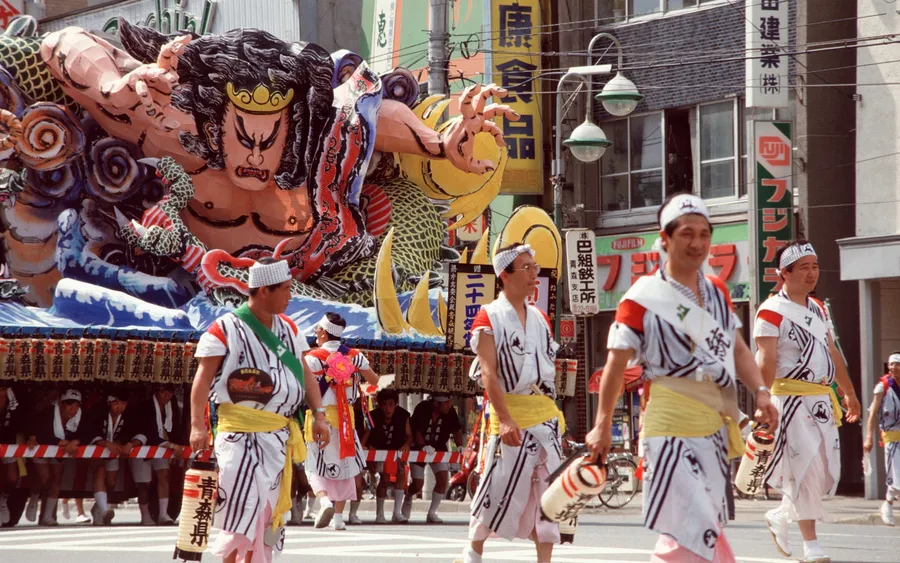
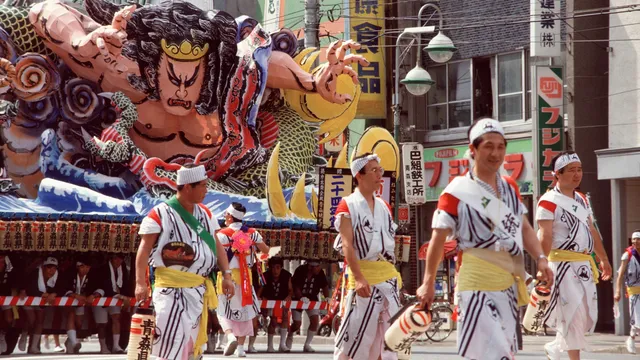
    Every August 2 to 7, Aomori's streets fill with roughly two dozen illuminated floats, some up to nine meters wide, built from washi paper stretched over wire frames and lit from within, depicting warriors and mythical figures painted in dramatic, theatrical detail. Drummers and flutists lead the way while haneto dancers in colorful costumes hop and chant 'Rasserā' alongside each float along a roughly 3-kilometer route through downtown. The festival's exact origins are debated, but it carries Japan's Important Intangible Folk Cultural Property designation, and nothing else in the city comes close to it for sheer scale and noise.

  2. Hakkoda Ropeway in winter2

    Hakkoda Mountains

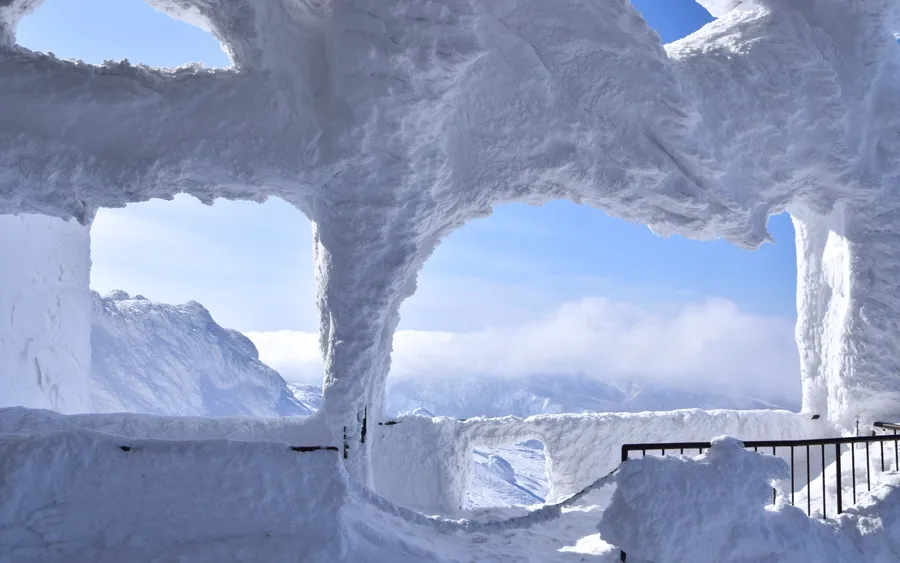
    About an hour south of the city, the Hakkoda Mountains are reached by a ropeway that opened in 1968 and climbs Mount Tamoyachi, with short circular hiking trails looping out from the summit station across alpine terrain dramatically different from the coastal city below. In winter, the peaks are famous for their juhyo — 'snow monsters,' trees so thickly coated in windblown ice and rime that they turn into ghostly white sculptures; in warmer months, the same ropeway carries hikers up for wildflower meadows and long views back toward Mutsu Bay. It's an easy half-day trip that feels much further from the city than it actually is.

    Hours vary by season; typically 9:00 AM with last ascent 3:40–4:00 PMKansuizawa-1-12 Arakawa, Aomori
  3. Oirase Stream, Towada-Hachimantai National Park3

    Oirase Gorge & Lake Towada

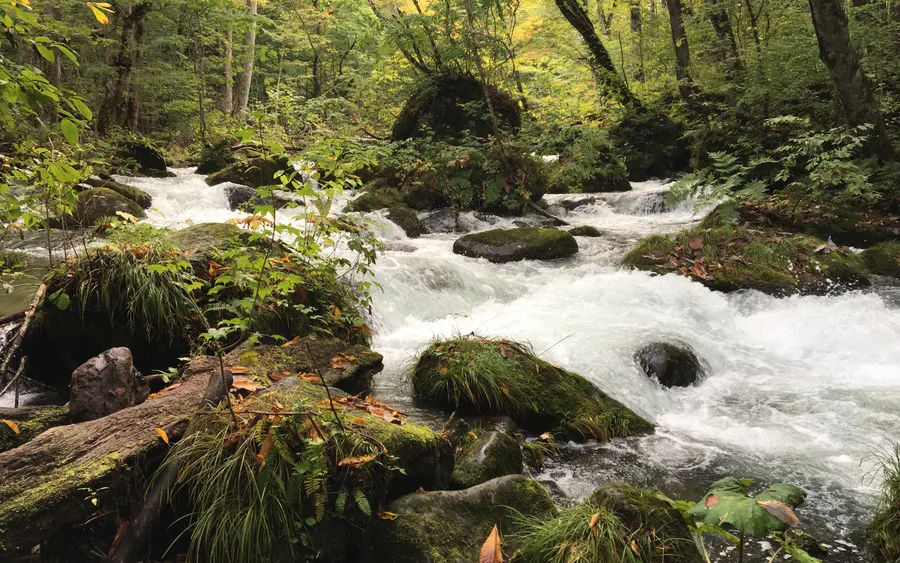
    Oirase Gorge follows a roughly 14-kilometer mountain stream between Lake Towada and the town of Yakeyama, with a walking trail running the whole length past mossy boulders, waterfalls, and old-growth forest that turns brilliant red and gold in autumn, typically peaking from late October into early November. At the gorge's upper end, Lake Towada, a caldera lake formed by volcanic eruptions, adds still water and mountain reflections to the same trip. It's about two hours from Aomori by bus, which makes it a full-day rather than half-day excursion, but it's consistently ranked among Tohoku's best foliage destinations for a reason.

  4. Hirosaki Castle with cherry blossoms4

    Hirosaki Castle

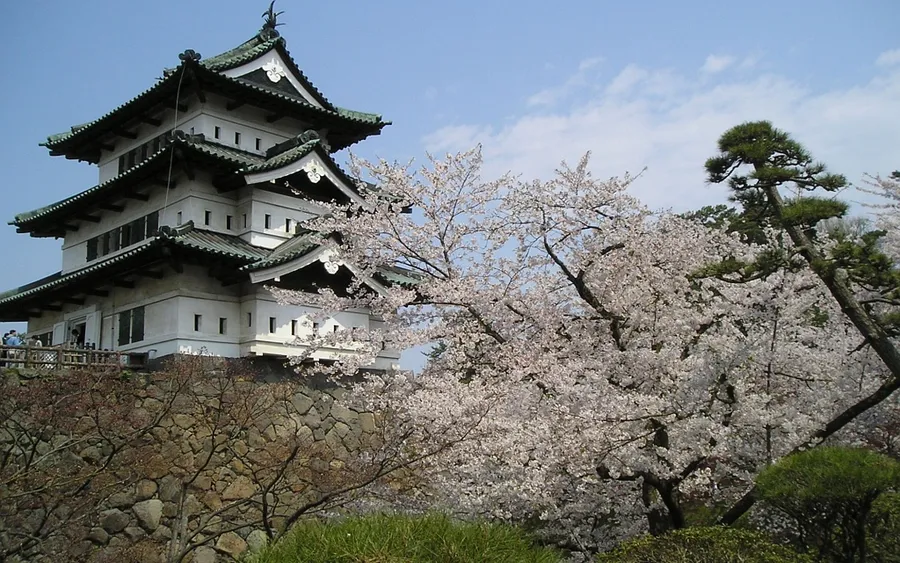
    About 30 minutes from Aomori by express train, Hirosaki Castle anchors a park that's been ranked among Japan's three best cherry blossom spots, thanks to roughly 2,600 trees across 52 varieties planted around the castle's moat and grounds since the park opened in 1895. The current three-story keep dates to 1810, a modest replacement for the original that burned down in 1627. Come for the Hirosaki Cherry Blossom Festival in late April, when fallen petals blanket the moat and the whole park turns pink, but it's a worthwhile detour in any season.

    9:00 AM – 5:00 PM (mid-Apr–Nov 23); extended to 6:00 PM during the Sakura Festival; closed late Nov–Mar1 Shimoshirogane-cho, Hirosaki
Keep reading

More guides you might like

Nearby

Related destinations

Continue

Related services

Easy Travel in Japan