Easy Travel in Japan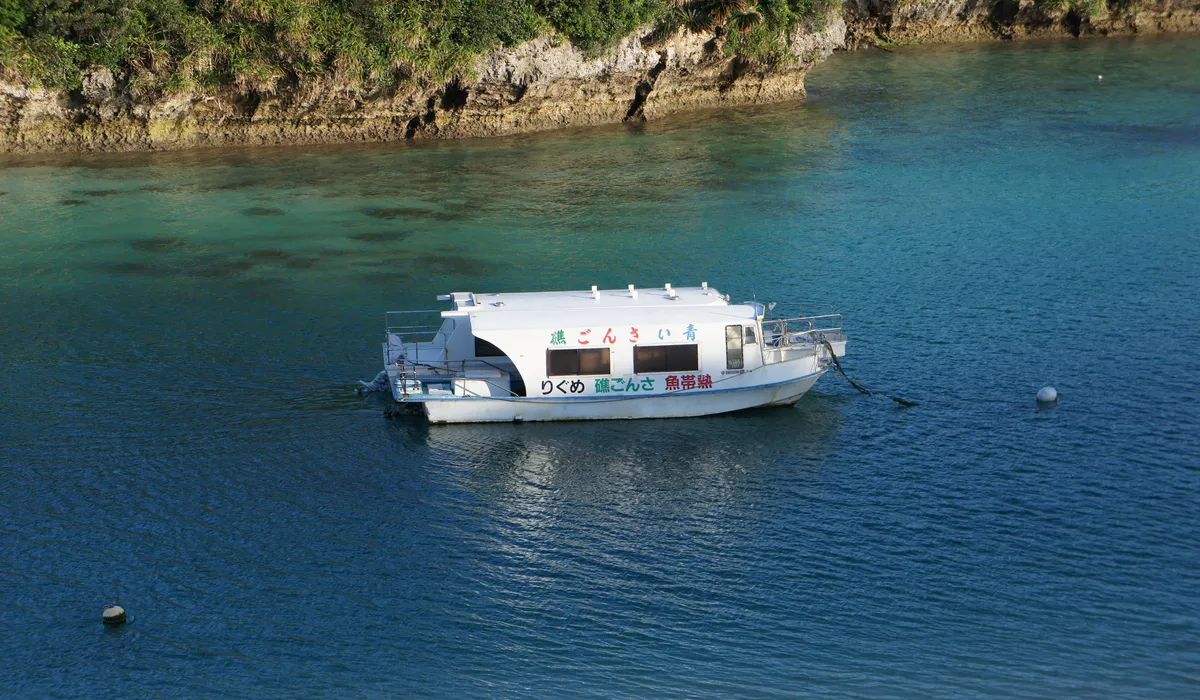
Ishigaki
A subtropical outer island in Okinawa, with some of the region's best beaches, snorkeling, and manta ray diving.
Ishigaki is part of the Yaeyama Islands, Okinawa Prefecture’s southwesternmost island group, roughly 1,900 km from Tokyo and about 411 km southwest of Okinawa’s main island. Ishigaki City is Japan’s southernmost urban center and functions as the transport and business hub for the entire Yaeyama archipelago, which sits closer to Taiwan than to mainland Japan. Much of the island and its surrounding waters fall within Iriomote-Ishigaki National Park, and most visitors use Ishigaki as a base for both its own beaches and reefs and as a gateway to the smaller islands nearby.
Highlights & things to do
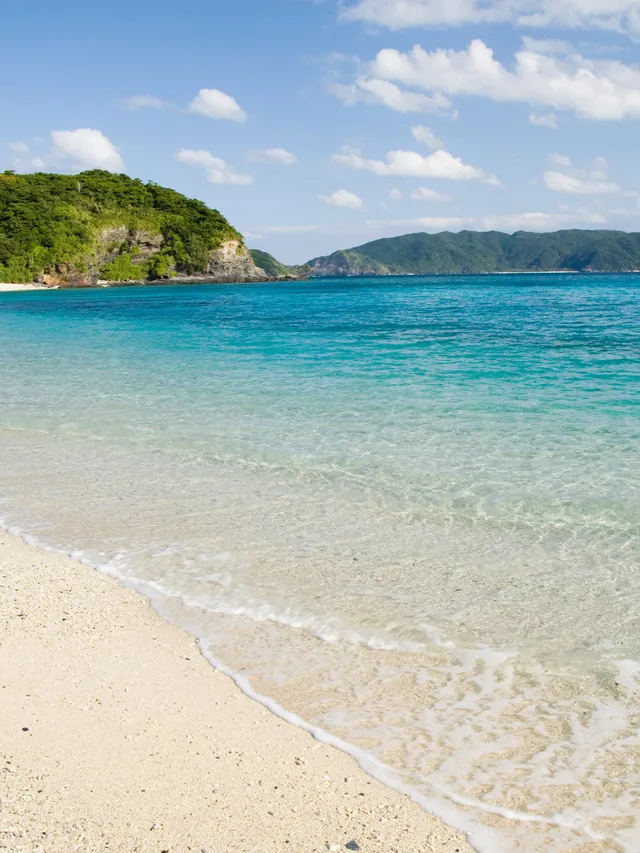
Kabira Bay, a nationally designated Place of Scenic Beauty, is the island’s signature view — swimming in the main bay is prohibited due to black pearl cultivation and strong currents, so glass-bottom boat tours are the standard way to see its coral and marine life. Yonehara Beach offers direct reef access for snorkeling, Fusaki Beach is known for sunsets, and Sukuji Beach has calm, shallow water suited to families. Mount Omoto, at 525.5 meters the highest peak in Okinawa Prefecture, is a roughly 60–90 minute hike with island-wide views. Divers head to the Kabira/Ishizaki “Manta Scramble,” one of the more reliable manta ray sighting spots in Japan, roughly May through mid-October. The Ishigakijima Astronomical Observatory houses the largest optical telescope in the Kyushu/Okinawa region, reflecting the island’s near-300 clear nights a year.
Food & local cuisine
Ishigaki beef, a Kuroge Wagyu brand raised specifically in the Yaeyama region, is prized for its tenderness. Yaeyama soba, wheat noodles in a pork-bone and bonito broth, differs from mainland Okinawa soba mainly in its rounder, thinner noodle shape. Okinawa Prefecture is Japan’s largest mango-producing region, with the season running mid-June through mid-August, and awamori, Okinawa’s distilled rice spirit, is produced locally by established distillers on the island.
Culture & traditions
The Yaeyama Islands have their own distinct Ryukyuan language, classified separately from the Okinawan spoken around Naha and now considered severely endangered. Tsunahiki, a harvest-thanksgiving tug-of-war held after Obon, and Angama, a distinctive Obon custom in which masked elder figures visit homes with dancers and drummers, are unique to the Yaeyama region. The Ishigaki Island Festival, the island’s largest, is held the first weekend of November and traces back to a 1953 commerce festival.
Nature & scenery
Sekisei Lagoon, between Ishigaki and Iriomote, is Japan’s largest coral reef area, home to over 350 coral species, though it has suffered significant bleaching in recent years. The island’s mountainous interior centers on the Omoto range, while the scenic Hirakubo Peninsula extends to the northeast.
Seasonal travel
Manta ray season runs roughly May through mid-October. Typhoon season runs roughly July through October, with August and September the highest risk. Diving and snorkeling are best from March through October, and beach season generally runs April to November — watch for box jellyfish roughly June through October, when protective netting is used at beaches. Okinawa Prefecture broadly sees Japan’s earliest cherry blossoms, sometimes as early as January, though the largest dedicated festivals are held on the main island rather than Ishigaki itself.
Recommended experiences
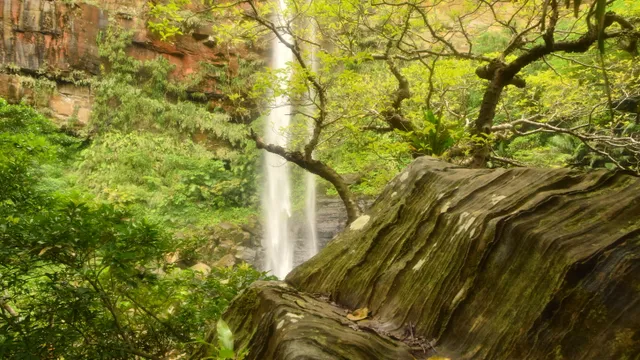
Take a glass-bottom boat tour of Kabira Bay. Snorkel or dive at Yonehara Beach or the Manta Scramble. Day-trip by ferry to Taketomi Island, about 15 minutes away, for its preserved traditional village and water buffalo cart tours. Day- or multi-day-trip to Iriomote Island, about 40–60 minutes away, for mangrove kayaking and jungle waterfalls. Join a stargazing session at the island’s observatory.
Getting there & practical info
New Ishigaki Airport, opened in 2013, connects directly to Naha in about an hour and to Tokyo Haneda in roughly 3 to 3.5 hours. There is currently no passenger ferry between Naha and Ishigaki — that route was discontinued in 2008 — so flying is the only way to reach the island from Okinawa’s main island or mainland Japan. A rental car is recommended once there, since most attractions are a 30–45 minute drive from Ishigaki City and public transit is limited.
Who this suits
Best suited to divers and snorkelers chasing manta rays and coral reefs, island-hopping travelers using Ishigaki as a base for Taketomi and Iriomote, nature and outdoor enthusiasts, and stargazers drawn to its clear subtropical skies.
A closer look at Ishigaki
10 Best Things to Do in Ishigaki
A quick, friendly rundown of a bay too scenic to swim in, the island's best shore snorkeling, a manta ray cleaning station divers fly across the world for, Okinawa's highest peak, a preserved buffalo-cart village, and an island that's 90% jungle — a good starting point for a first visit to this subtropical outer island in Okinawa.
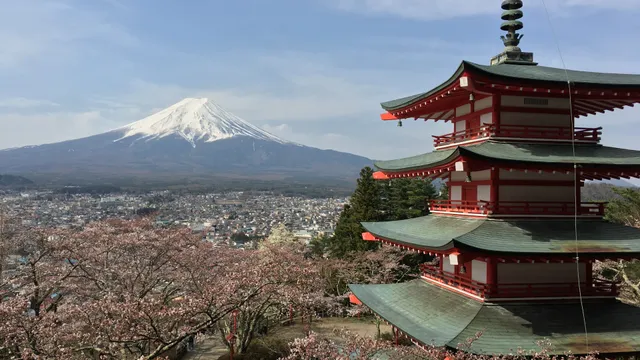
12 Best Things to Do in Japan
From Nara's bowing deer and Miyajima's floating torii to snow monkeys soaking in a Nagano hot spring, twelve unforgettable Japan experiences — and what to know before you visit each one.
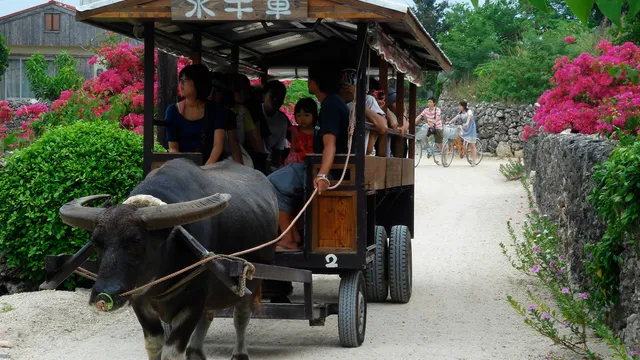
The Perfect 3-Day Ishigaki Itinerary
Three well-paced days: Kabira Bay, Yonehara Beach, manta ray diving, and Ishigaki beef on day one, a ferry day trip to Taketomi Island's water buffalo carts and traditional village on day two, then mangrove kayaking and Pinaisara Falls on Iriomote Island by day, capped with stargazing at Japan's southernmost observatory.