Easy Travel in Japan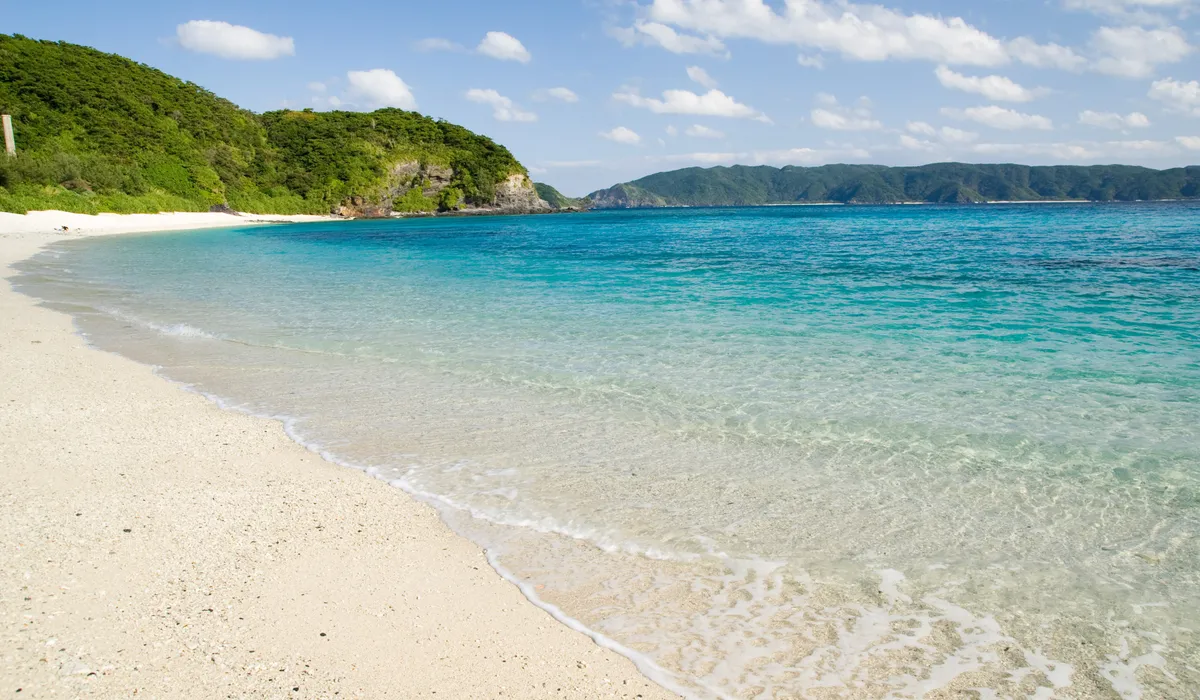
Okinawa
A subtropical island chain with its own distinct culture, beaches, and cuisine, a flight away from mainland Japan.
Okinawa is Japan’s southernmost prefecture, a chain of subtropical islands in the East China Sea, with the main island — home to the prefectural capital Naha — the most developed of the group. From 1429 to 1879, Okinawa was the independent Ryukyu Kingdom, ruled from Shuri Castle and maintaining its own language, religion, and trade relationships with China and Southeast Asia, until Japan formally annexed it in 1879. In 1945, Okinawa became the site of the Battle of Okinawa, one of the bloodiest engagements of the Pacific War, in which more people died than in the atomic bombings of Hiroshima and Nagasaki combined. That layered history, together with a subtropical climate, coral reefs, and cuisine and traditions distinct from mainland Japan, makes Okinawa one of the country’s most singular destinations.
Highlights & things to do
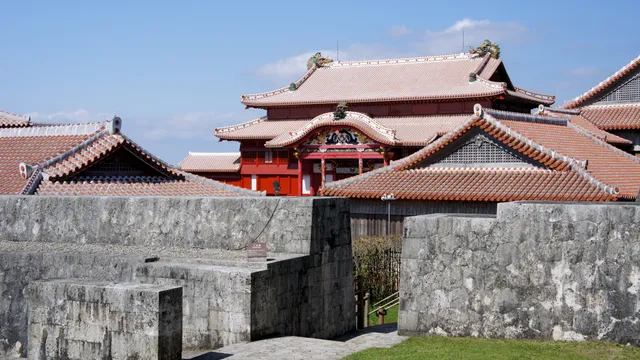
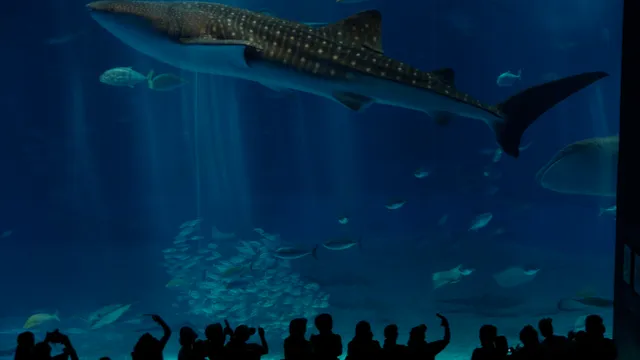
Shuri Castle, the former royal palace of the Ryukyu Kingdom, is part of the UNESCO World Heritage listing “Gusuku Sites and Related Properties of the Kingdom of Ryukyu” — though the designation covers the stone walls and archaeological remains rather than the reconstructed wooden buildings themselves. A fire in October 2019 destroyed the main hall, the castle’s fifth destruction in its history; reconstruction has been underway since, with the main hall’s public reopening targeted for autumn 2026 — visitors can currently view the rebuilding in progress from an on-site walkway and exhibition hall. The Okinawa Churaumi Aquarium, in Motobu to the north, houses whale sharks and manta rays in its large Kuroshio Sea tank, among the world’s largest aquarium tanks when built, though since surpassed by others.
Kokusai-dori, a roughly 1.6-kilometer strip in Naha nicknamed “Miracle 1 Mile,” developed after WWII into the city’s main shopping and dining street. The Okinawa Prefectural Peace Memorial Park, in Itoman, commemorates the Battle of Okinawa with the Cornerstone of Peace, inscribed with the names of everyone who died in the battle regardless of nationality. Ryukyu Mura, an open-air cultural park in Onna Village, relocates historic Ryukyuan homes and stages daily Eisa dance performances. The Kerama Islands, a national marine park easily reached by ferry from Naha, are known for exceptional water clarity and coral diversity.
Food & local cuisine
Goya champuru, a stir-fry of bitter melon, egg, tofu, and pork, is Okinawa’s signature home-style dish. Okinawa soba is made entirely from wheat flour rather than buckwheat — a naming exception specifically recognized by Japan’s Fair Trade Commission in 1978 — often served as soki soba topped with stewed pork ribs. Rafute, pork belly slow-braised in awamori and soy sauce, reflects the region’s pork-centric cuisine. Awamori itself, Okinawa’s traditional distilled rice spirit made with black koji mold, is considered the oldest distilled spirit in Japan. Taco rice, invented in 1984 near a US Marine base by a restaurant owner adapting taco flavors into a rice-bowl format, has become a modern Okinawan classic.
Culture & traditions
Ryukyuan culture — its own language, textile traditions like bingata dyeing, and music built around the three-stringed sanshin — developed through centuries as an independent, trade-facing kingdom rather than as part of the Japanese state. Karate developed in the Ryukyu Kingdom from a fusion of Chinese martial arts with an indigenous fighting art, later spreading to mainland Japan and internationally in the early 20th century through Okinawan-born Gichin Funakoshi. Eisa, Okinawa’s traditional Bon dance, honors ancestral spirits with taiko drums and sanshin music; Naha’s “10,000 Eisa Dancers Parade” runs the first Sunday of August. Okinawa is also one of the world’s original “Blue Zones,” identified through demographic research including the long-running Okinawa Centenarian Study, tied to traditional diet and strong community ties — a documented finding about older generational cohorts rather than a claim about the population as a whole.
Nature & scenery
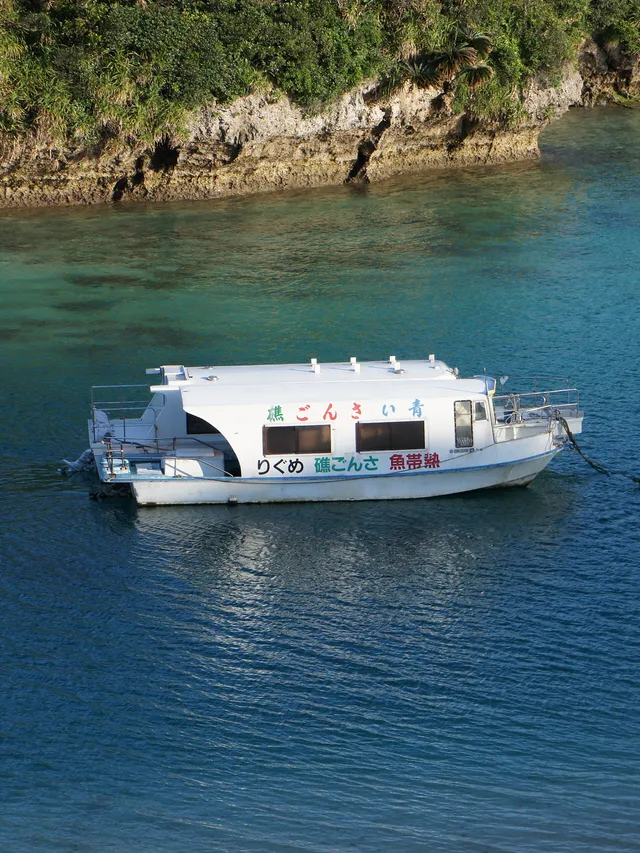
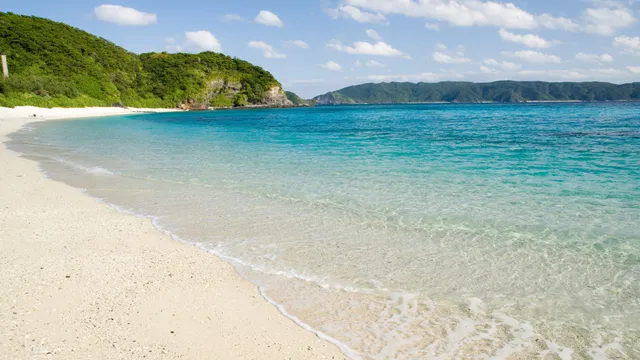
Coral reefs ring the main island and its surrounding chain, and the Kerama Islands’ marine park, home to over 248 coral species, has water so distinctively clear it has its own recognized shade name, “Kerama Blue.”
Seasonal travel
Typhoon season runs roughly June through November, peaking in August. Okinawa sees Japan’s earliest cherry blossoms, the deep-pink Kanhizakura variety blooming as early as mid-January, well ahead of the mainland’s Somei Yoshino season. Eisa season centers on Obon in mid-August, including Naha’s citywide dancer parade.
Recommended experiences
Visit Shuri Castle to see its ongoing reconstruction. Spend a day at the Churaumi Aquarium. Walk Kokusai-dori and the adjoining Makishi Public Market. Visit the Peace Memorial Park in Itoman. Take a day trip to the Kerama Islands for diving or snorkeling.
Getting there & practical info
Naha Airport connects directly to Tokyo Haneda in around 2 hours 43 minutes, with further routes from Osaka and other major cities. The Yui Rail monorail runs from the airport through central Naha, with a stop near Shuri Castle, and is Okinawa’s only rail line — travel beyond Naha requires a rental car, bus, or taxi. Onward travel to outer islands like Ishigaki is by domestic flight or ferry, not rail.
Who this suits
Suits history buffs drawn to the Ryukyu Kingdom and WWII history, beach and nature lovers, divers and snorkelers heading to the Kerama Islands, and food travelers curious about a cuisine distinct from the rest of Japan.
A closer look at Okinawa
10 Best Things to Do in Okinawa
A quick, friendly rundown of the former royal palace of the Ryukyu Kingdom, a memorial park holding the names of everyone lost in the Battle of Okinawa, an aquarium tank big enough for whale sharks, islands with water clear enough to have their own shade of blue, and the bitter-melon stir-fry and rice spirit that make Okinawan food unlike anywhere else in Japan — a good starting point for a first visit to this subtropical island chain.
The Perfect 3-Day Okinawa Itinerary
Three well-paced days: Shuri Castle, Okinawa soba, the Peace Memorial Park, and Kokusai-dori on day one, a northern day trip to Churaumi Aquarium and Ryukyu Mura on day two, then diving or snorkeling in the Kerama Islands followed by awamori and goya champuru on day three.
The Ultimate Okinawa Travel Guide
A subtropical island chain with its own distinct culture, built around the former royal palace of the independent Ryukyu Kingdom, a memorial park holding the names of everyone lost in the Battle of Okinawa, and an aquarium tank big enough for whale sharks — plus the drum-driven Eisa dance, the island where modern karate began, and the bitter-melon stir-fry, distinct noodle, and rice spirit that make Okinawan food unlike anywhere else in Japan.