Skip to content
Easy Travel in Japan
Shuri Castle, Naha

10 Best Things to Do in Okinawa

Okinawa carries a genuinely different Japan into a single island chain: the former royal palace of an independent kingdom, a memorial park holding the names of everyone lost in one of the Pacific War’s bloodiest battles, an aquarium tank big enough for whale sharks, and islands with water clear enough to have their own shade of blue. Ten things worth building a visit around, from the castle and the culture to the bitter-melon stir-fry and rice spirit that make Okinawan food unlike anywhere else in Japan.

  1. Shuri Castle, Naha1

    Visit Shuri Castle

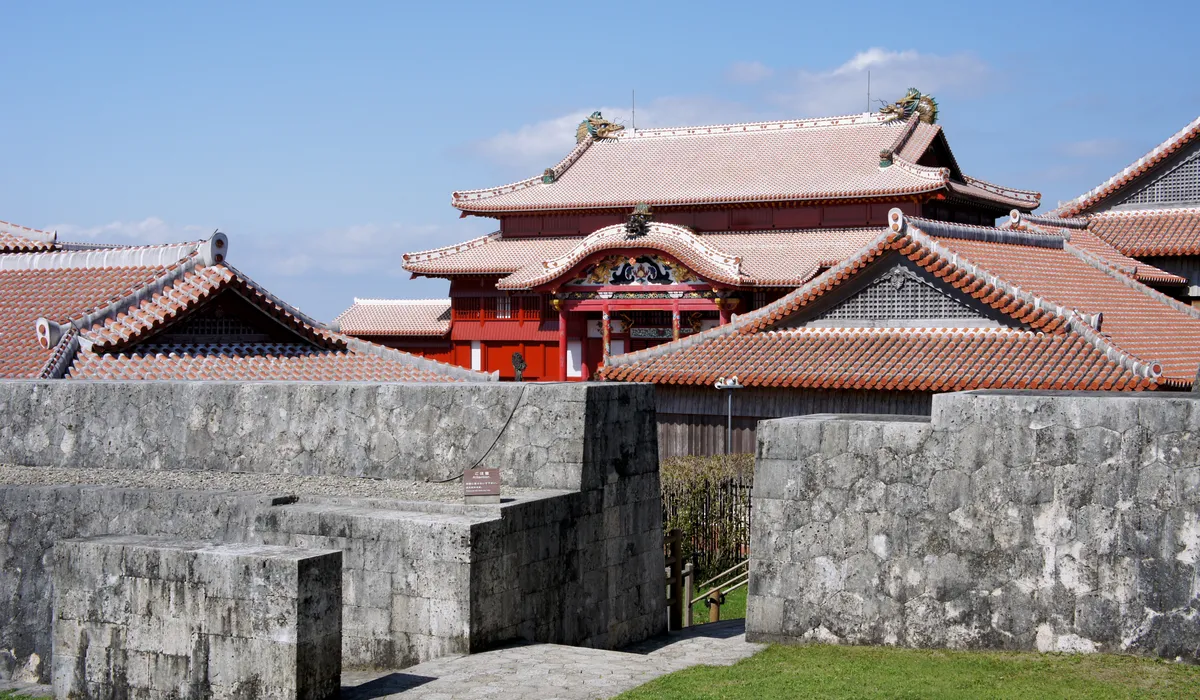
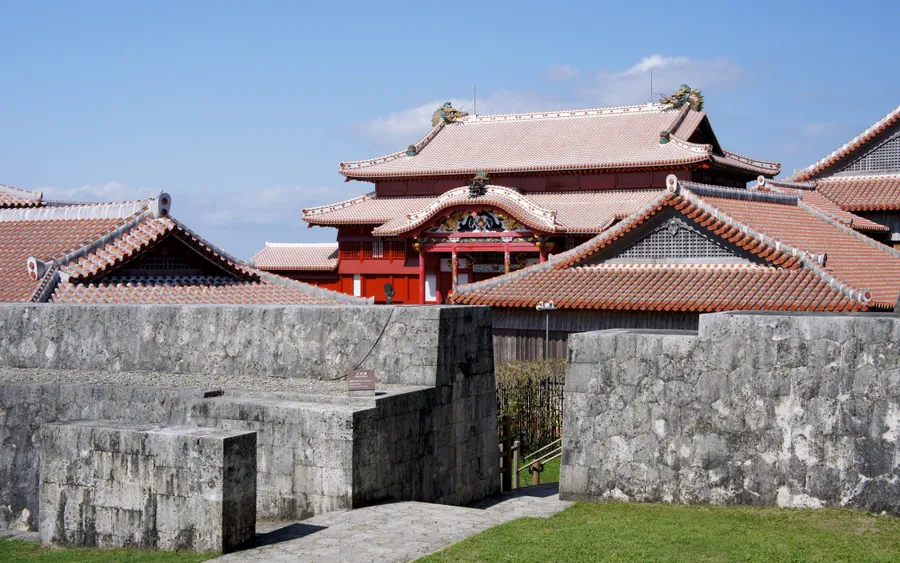
    For roughly 450 years, Shuri Castle was the royal palace of the independent Ryukyu Kingdom, the seat from which its kings ruled and traded with China and Southeast Asia until Japan formally annexed the kingdom in 1879. Fire has destroyed the castle five times across its history, most recently on October 31, 2019, when an electrical fire tore through the main hall and two adjoining structures; reconstruction has been underway since, using traditional 15th-century Ryukyuan building techniques, with the rebuilt main hall's public reopening targeted for November 23, 2026. In the meantime, visitors can watch the reconstruction itself up close from an on-site walkway and exhibition hall — an unusual, genuinely interesting way to see a UNESCO World Heritage site being rebuilt rather than simply finished.
    Park grounds: 8:00 AM – 7:30 PM (hours vary by area and season); castle park admission ¥4001-2 Shurikinjocho, Naha 903-0815
  2. Cornerstone of Peace, Okinawa Peace Memorial Park2

    Pay Respects at the Peace Memorial Park

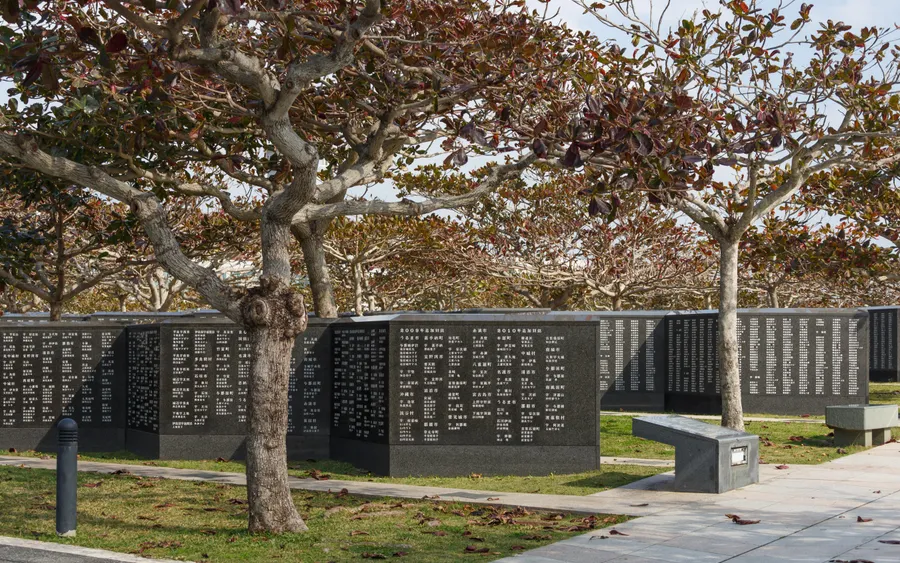
    In Itoman, on the site of some of the fiercest fighting in the final weeks of the 1945 Battle of Okinawa — one of the bloodiest engagements of the Pacific War, with more deaths than the atomic bombings of Hiroshima and Nagasaki combined — the Okinawa Prefectural Peace Memorial Park centers on the Cornerstone of Peace, a series of black granite walls inscribed with the names of roughly 200,000 people who died in the battle, civilians and soldiers from both sides alike, regardless of nationality. That decision to list everyone together, rather than separating friend from enemy, is often described as a distinctly Okinawan approach to memorializing the war. The adjoining Peace Memorial Museum adds detailed context, and the park's clifftop setting overlooking the ocean makes it one of the most visually striking as well as most solemn sites on the island.

    Park grounds: always open, free; Museum: 9:00 AM – 5:00 PM, closed Mondays614-1 Mabuni, Itoman 901-0333
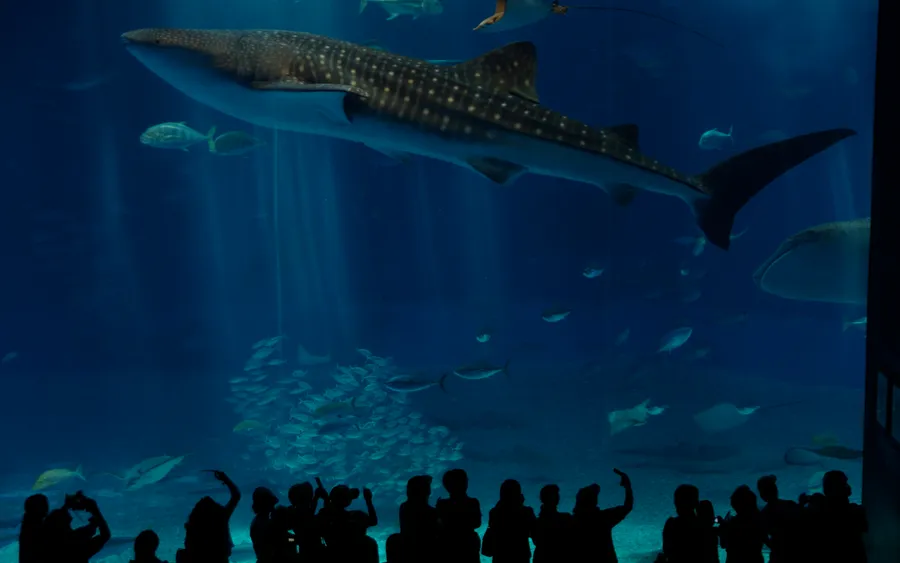
  3. Whale shark, Okinawa Churaumi Aquarium3

    See Whale Sharks at Churaumi Aquarium

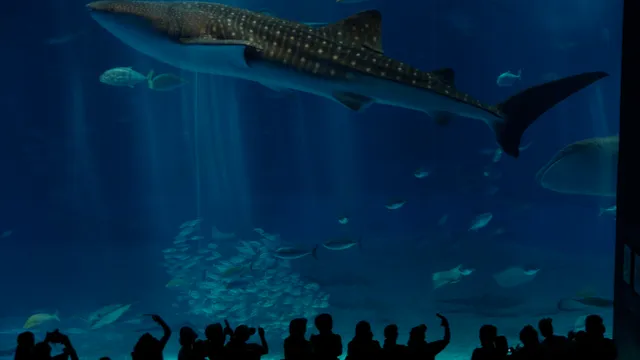
    In Motobu, on the island's northern coast within Ocean Expo Park, the Okinawa Churaumi Aquarium centers on the Kuroshio Sea tank — 35 meters across, 10 meters deep, and holding 7,500 cubic meters of water — where whale sharks and manta rays swim together with schools of smaller fish behind what was, when built, among the largest single aquarium viewing panels in the world. Feeding times are worth timing a visit around: manta rays around 9:30 a.m. and whale sharks at 3:00 and 5:00 p.m. Beyond the main tank, the aquarium covers everything from a touch pool to a deep-sea exhibit, and Ocean Expo Park itself adds a beach, botanical garden, and dolphin show, enough to fill most of a day.

    8:30 AM – 6:30 PM (extended to 8:00 PM in peak season), last admission 1 hr before close424 Ishikawa, Motobu, Kunigami District, Okinawa 905-0206
  4. Kokusai-dori, Naha4

    Walk Kokusai-dori

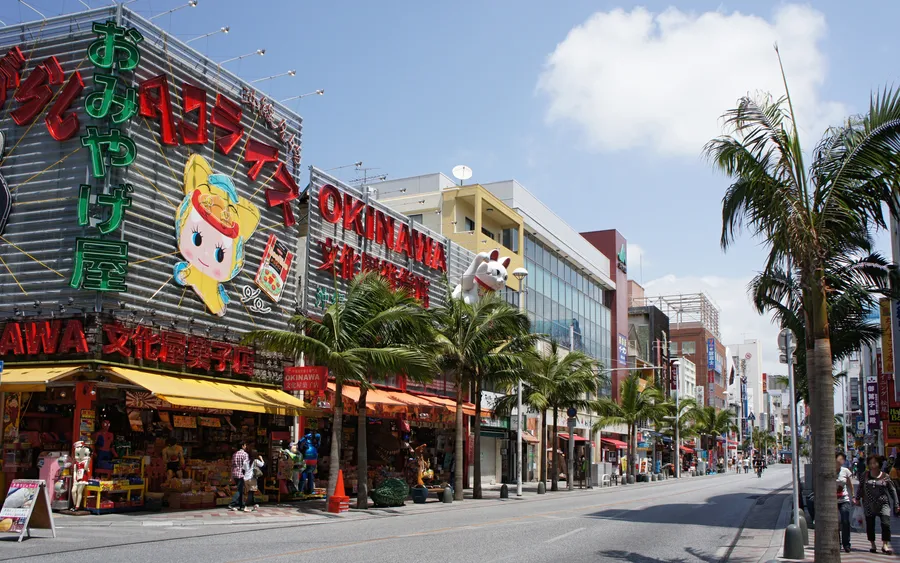
    Kokusai-dori, or 'International Street,' runs about 1.6 kilometers through central Naha and earned its nickname 'Miracle Mile' by being among the first parts of the war-flattened city to recover, growing up around a 1,000-seat movie theater named for the war correspondent Ernie Pyle that opened in 1948. Today it's Naha's main shopping and dining strip, lined with souvenir shops, awamori bars, and restaurants selling everything from Okinawa soba to taco rice, busy well into the evening in a way much of the rest of the island isn't. First Makishi Public Market, tucked just off the street, anchors the southern end and is worth a detour for its fish, meat, and produce stalls.

  5. Beach, Kerama Islands5

    Dive or Snorkel the Kerama Islands

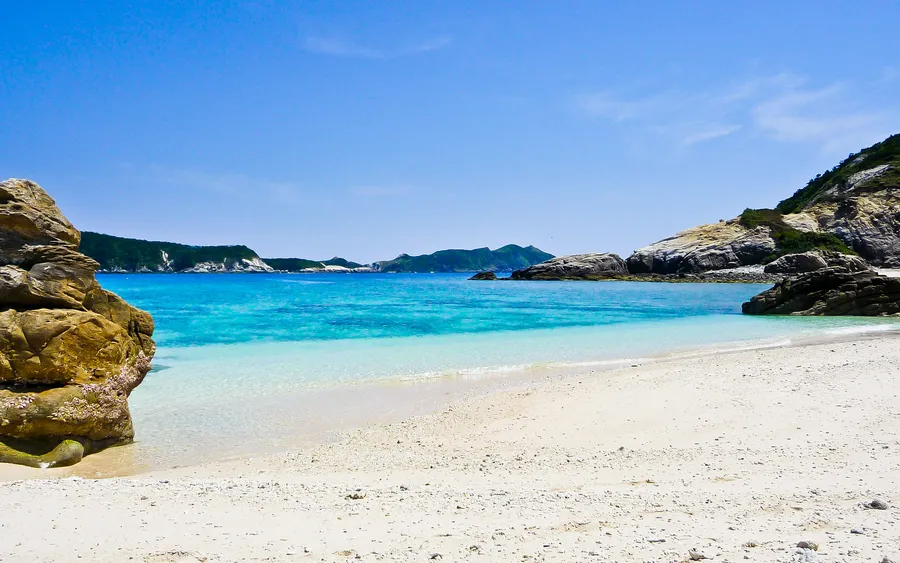
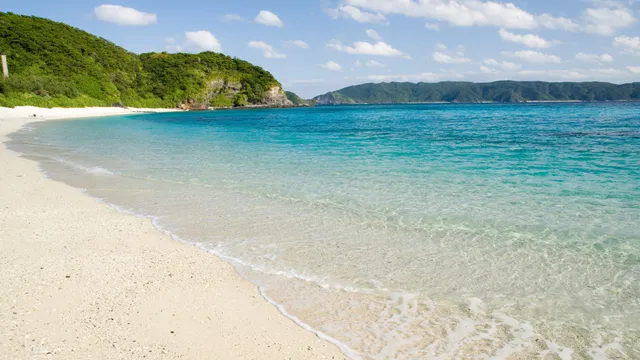
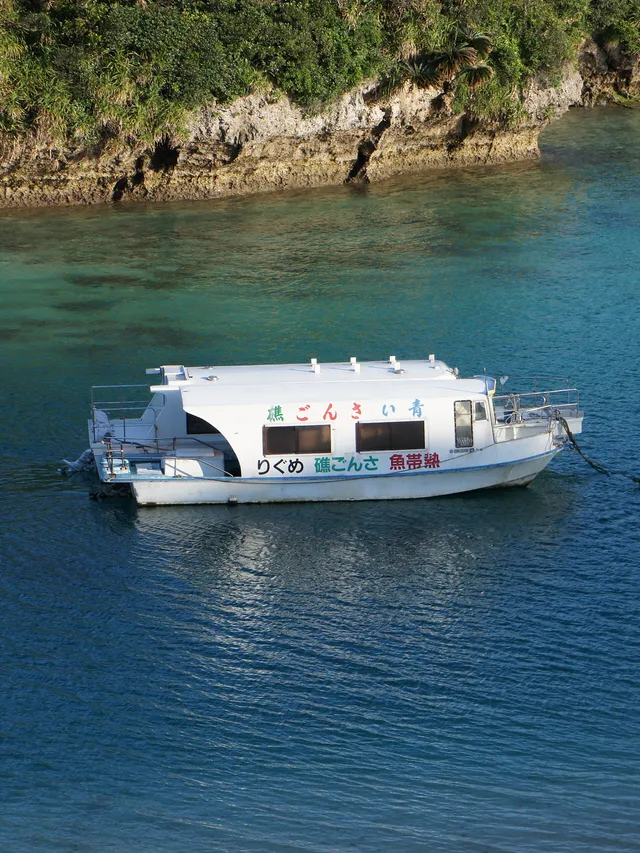
    A cluster of small islands roughly 40 to 70 minutes by high-speed ferry from Naha's Tomari Port, the Kerama Islands sit within a national marine park known for exceptional water clarity — over 30 meters of visibility in good conditions — and a shade of turquoise distinctive enough to have its own recognized name, 'Kerama Blue.' More than 250 coral species and a notably high rate of sea turtle encounters make the islands one of Okinawa's best diving and snorkeling destinations, easily reachable as a day trip rather than requiring an overnight stay, with Tokashiki, Zamami, and Aka the three most-visited islands.

    Ferries from Tomari Port, Naha: Tokashiki ~40 min, Zamami ~50–70 min, Aka ~50 min (high-speed); slower ferries available
  6. Eisa dance performance6

    Watch Eisa Dance

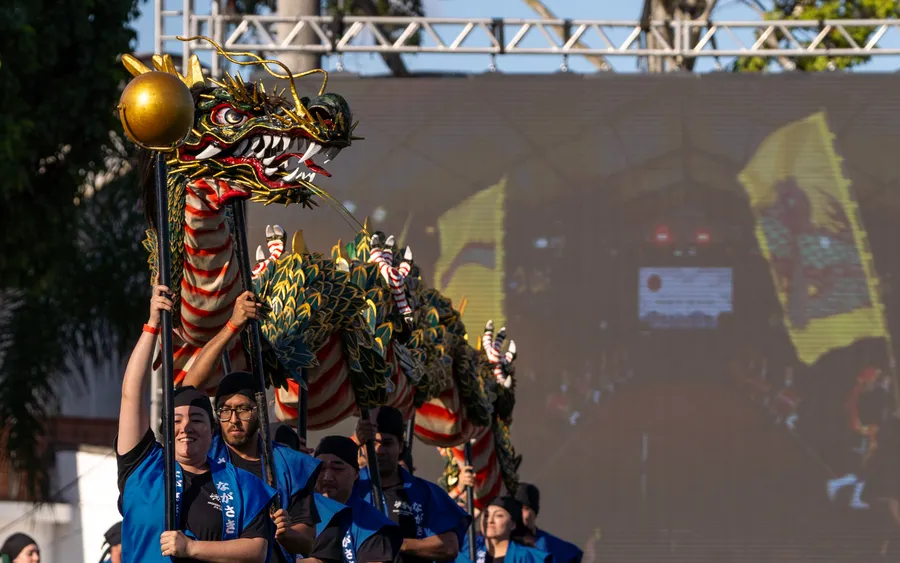
    Eisa is Okinawa's version of Bon Odori, performed on the final night of Obon by youth associations from individual neighborhoods, who parade through their own communities with taiko drums and sanshin music to welcome and send off the spirits of ancestors. Naha's 10,000 Eisa Dancers Parade, first held in 1995 and now run annually on the first Sunday of August, brings dozens of these neighborhood groups together on Kokusai-dori for a single citywide event, drums audible for blocks before the dancers themselves come into view. It's louder, more communal, and more genuinely local than most festivals aimed at visitors.

    10,000 Eisa Dancers Parade: first Sunday of August, on Kokusai-dori
  7. Okinawa Karate Kaikan, Tomigusuku7

    Learn About Karate's Okinawan Origins

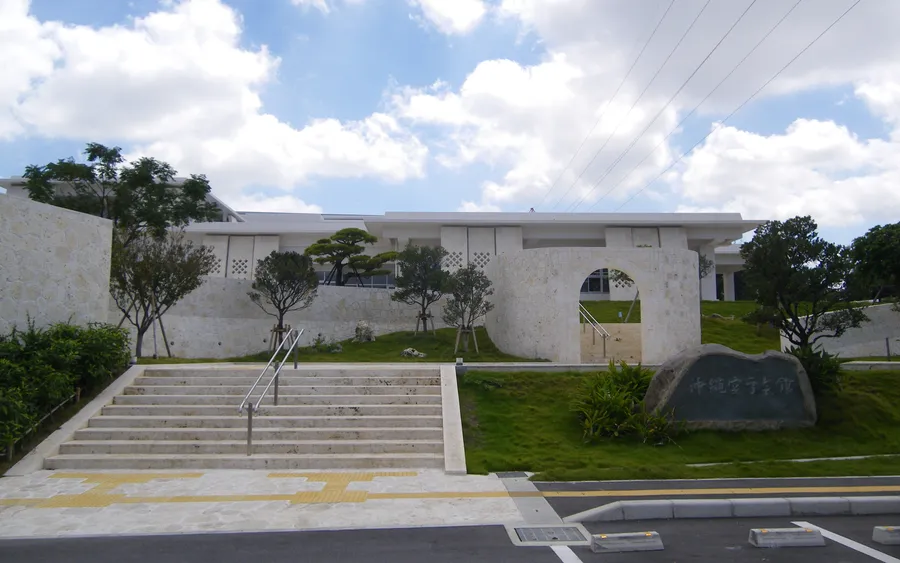
    Karate developed in the Ryukyu Kingdom out of tegumi, an indigenous grappling art, fused over generations with striking and kicking techniques introduced through trade with China, producing a fighting style known locally simply as 'te,' or hand. Gichin Funakoshi, born in Shuri in 1868, was invited to Tokyo in 1922 to demonstrate the art to the Japanese Ministry of Education, a turning point that carried karate to the Japanese mainland and, eventually, the rest of the world. Okinawa still treats karate as a living local tradition, and the Okinawa Karate Kaikan in Tomigusuku, a dedicated training and exhibition hall, hosts demonstrations and welcomes visiting practitioners curious to see the art at its source.

  8. Goya champuru8

    Eat Goya Champuru

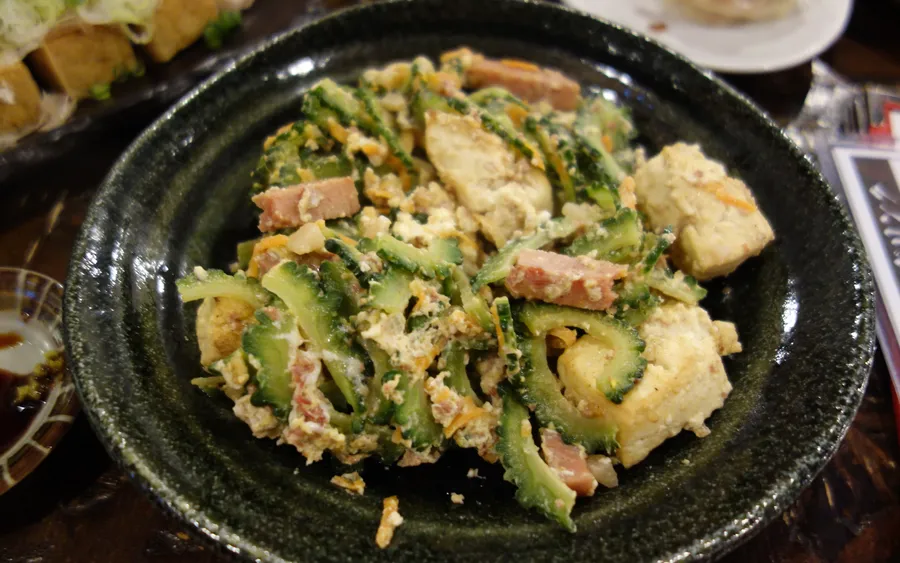
    Goya champuru stir-fries goya, Okinawa's bitter melon, with tofu, egg, and usually pork or Spam, in a dish whose name — champuru, meaning roughly 'something mixed' — is reserved in Okinawan cooking specifically for stir-fries that include tofu. It started as a simpler tofu-and-vegetable dish before the addition of pork and, later, canned meat introduced through postwar American influence, and its bitterness is treated locally as a genuinely refreshing quality in Okinawa's hot, humid summers. It's the closest thing Okinawa has to a national home-style dish, found on nearly every izakaya menu and in nearly every household kitchen.

  9. Soki soba, Naha9

    Try Okinawa Soba

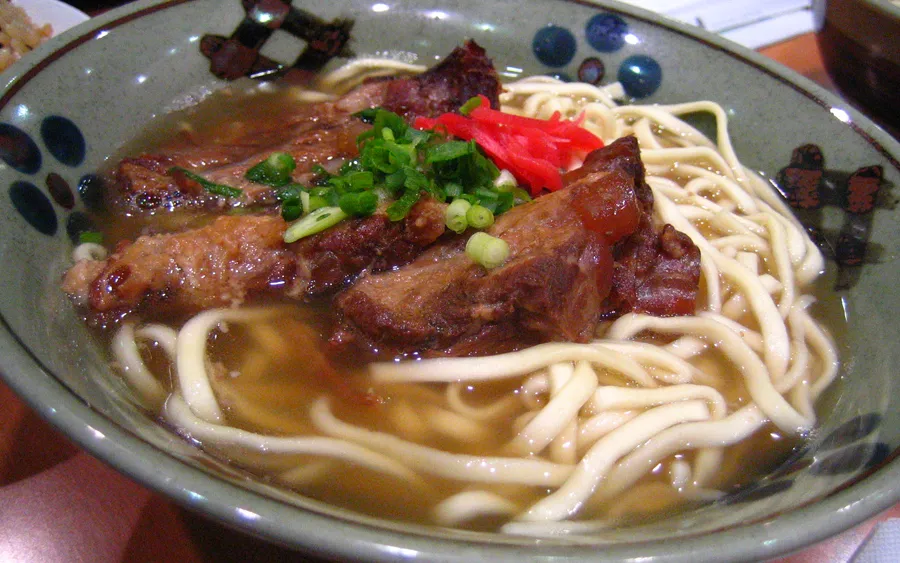
    Okinawa soba is made entirely from wheat flour rather than the buckwheat mainland soba requires, a distinction that became a genuine legal dispute in 1976, when Japan's Fair Trade Commission notified Okinawan noodle makers that their product, containing no buckwheat at all, couldn't legally carry the name 'soba.' After two years of negotiation, the commission agreed to a compromise allowing the specific name 'Okinawa soba' to stand, a decision still celebrated every October 17 as Okinawa Soba Day. The most common version, soki soba, tops the noodles and pork-bone broth with soki — stewed pork ribs — along with kamaboko fish cake, pickled ginger, and scallions.

  10. Kikunotsuyu awamori10

    Taste Awamori

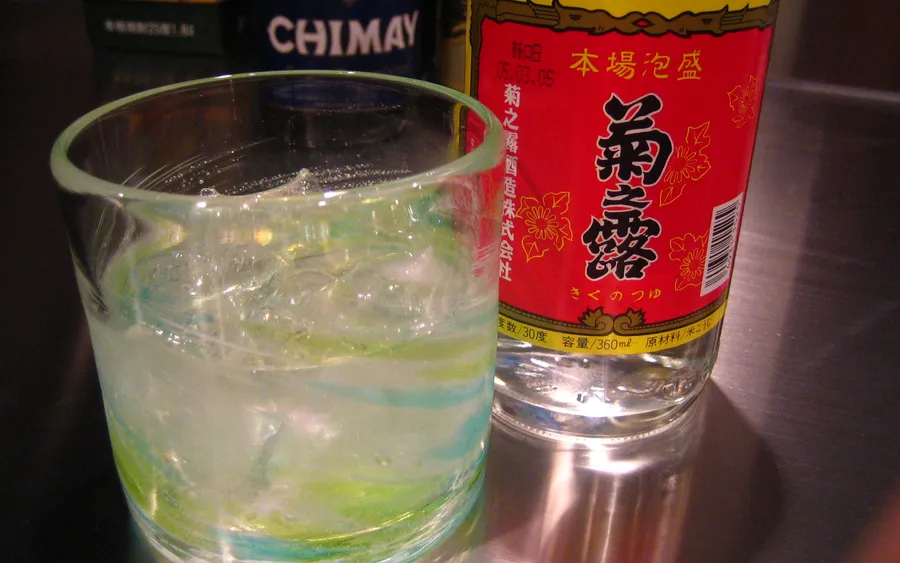
    Awamori is Okinawa's traditional distilled spirit and generally considered the oldest distilled liquor in Japan, made with black koji mold rather than the koji used in mainland sake or shochu, a technique believed to have reached the Ryukyu Kingdom from Thailand by way of trade with China and Southeast Asia. Production was historically concentrated around Shuri, close to the royal court that consumed it, and the drink remains closely tied to Okinawan identity in a way mainland sake never quite paired with Honshu. Aged awamori, called kusu, is matured for years or decades in ceramic jars and priced accordingly, and bars around Kokusai-dori commonly offer flights across different ages for visitors curious to taste the difference for themselves.

Keep reading

More guides you might like

Nearby

Related destinations

Continue

Related services

Easy Travel in Japan