Skip to content
Easy Travel in Japan
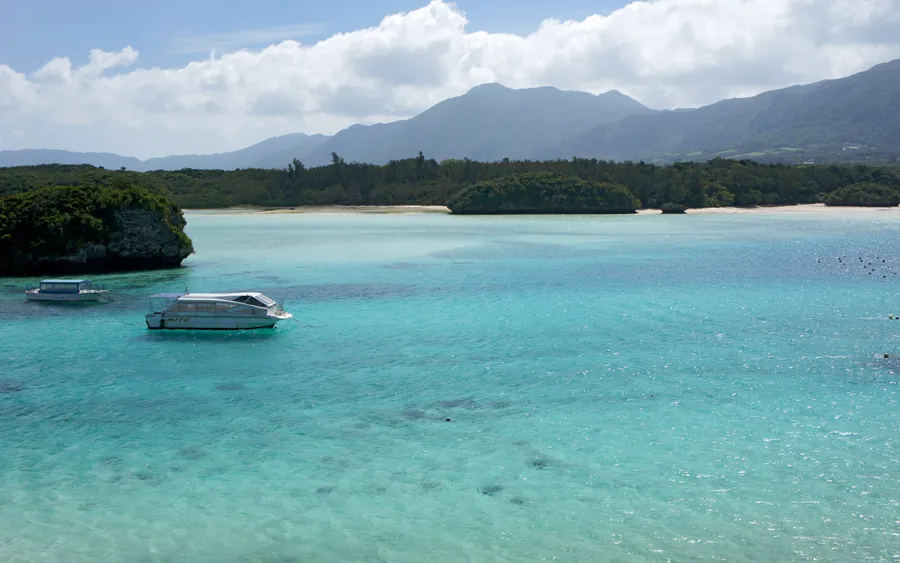
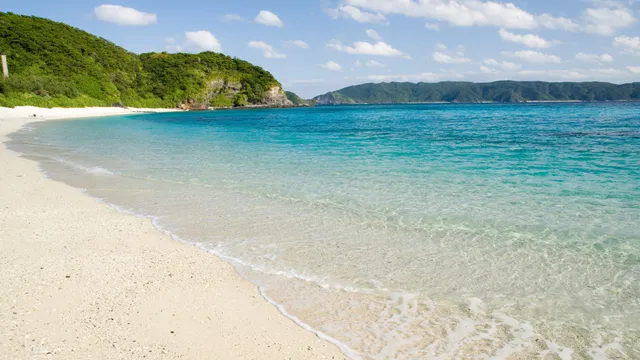
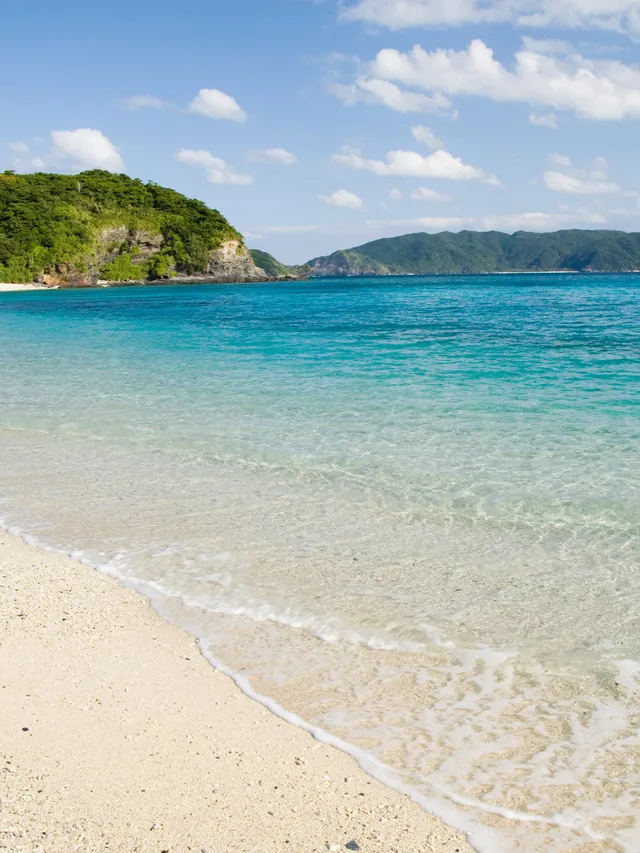
Turquoise water at Kabira Bay, Ishigaki Island

The Ultimate Ishigaki Travel Guide

Ishigaki is part of the Yaeyama Islands, Okinawa Prefecture’s southwesternmost island group, sitting closer to Taiwan than to mainland Japan and serving as the transport and business hub for the whole archipelago. Much of the island and its surrounding waters fall within Iriomote-Ishigaki National Park, and most visitors use it as a base for both its own beaches and reefs and as a gateway to the smaller islands nearby — Taketomi’s preserved village and Iriomote’s mangrove jungle are both easy day trips by ferry. Here’s a closer look at the beaches, the diving, the day trips, and the food that make Ishigaki one of Japan’s most distinctive island escapes.

Beaches & Diving

A bay too scenic to swim in, the island's best shore snorkeling, a manta ray cleaning station divers fly across the world for, and two calmer beaches for sunsets and families.

  1. Kabira Bay, Ishigaki Island1

    Kabira Bay

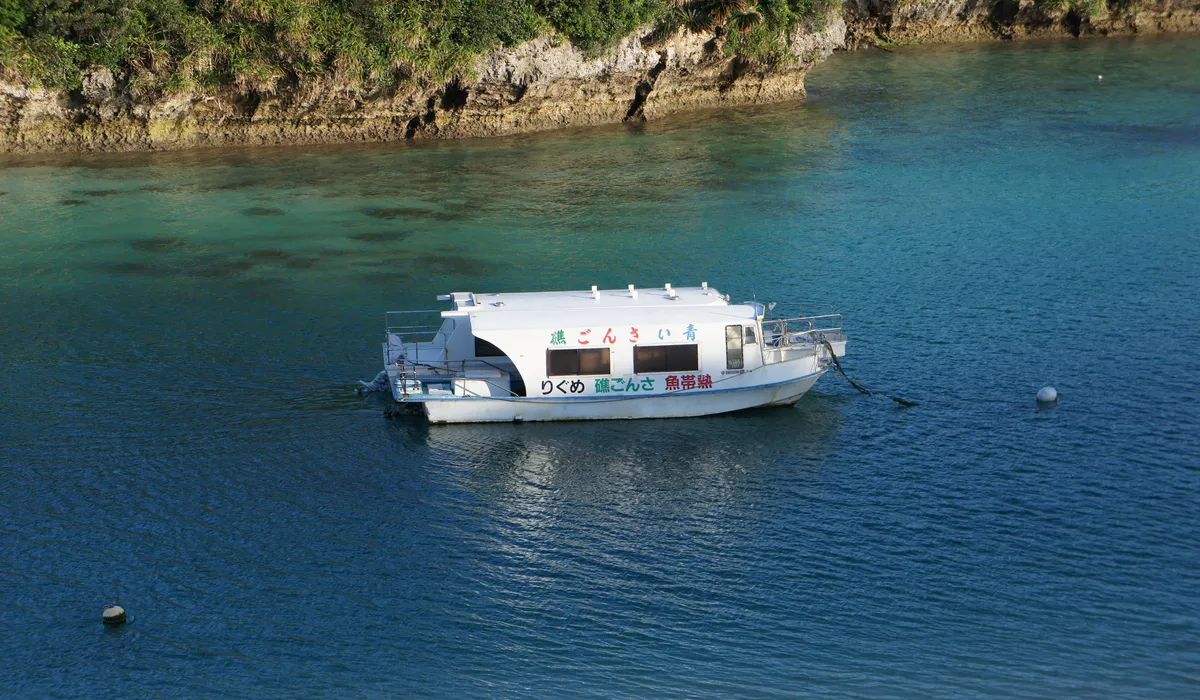
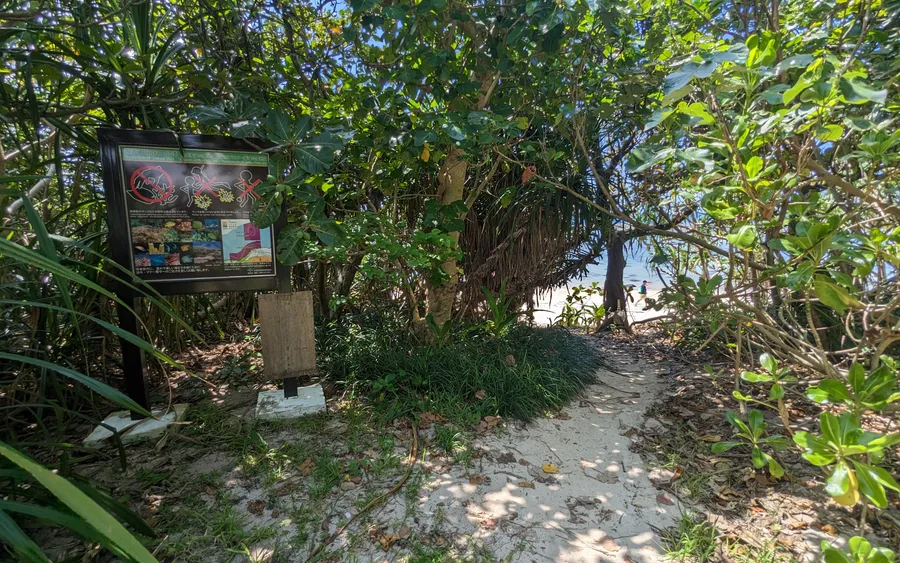
    Kabira Bay is Ishigaki's signature view, a curve of turquoise water framed by forested hills and dotted with small islands, its coral formations visible in startling detail through the shallows even without diving in. Swimming is prohibited here — the bay has been used for black pearl cultivation since it became the first place in the world to successfully farm black butterfly pearls, and strong currents make it unsafe regardless — so the standard way to see the coral and marine life up close is a roughly 30-minute glass-bottom boat tour, departing every 15 to 20 minutes with no reservation needed. A short walk along the beach path leads past a pearl jewelry shop explaining the cultivation process, an easy add-on before or after the boat ride.
    Glass-bottom boats: roughly 9:00 AM – 5:00 PM; around ¥1,000 per person912-1 Kabira, Ishigaki 907-0453
  2. Yonehara Beach, Ishigaki2

    Yonehara Beach

    Yonehara Beach offers some of the easiest reef access on the island, with coral visible just a few meters offshore and a wide range of fish, sea snakes, and the occasional sea turtle reported close to the sand — a genuine draw for snorkelers who'd rather not book a boat tour to see marine life. Timing matters more here than at most beaches: the coral sits close enough to the surface that low tide can make swimming over it difficult or damage the reef, so aim for high tide or close to it. There are no lifeguards or jellyfish nets, and currents in the bay can run strong, so it rewards a cautious, self-sufficient approach rather than a casual dip.

  3. Manta ray diving3

    Manta Scramble

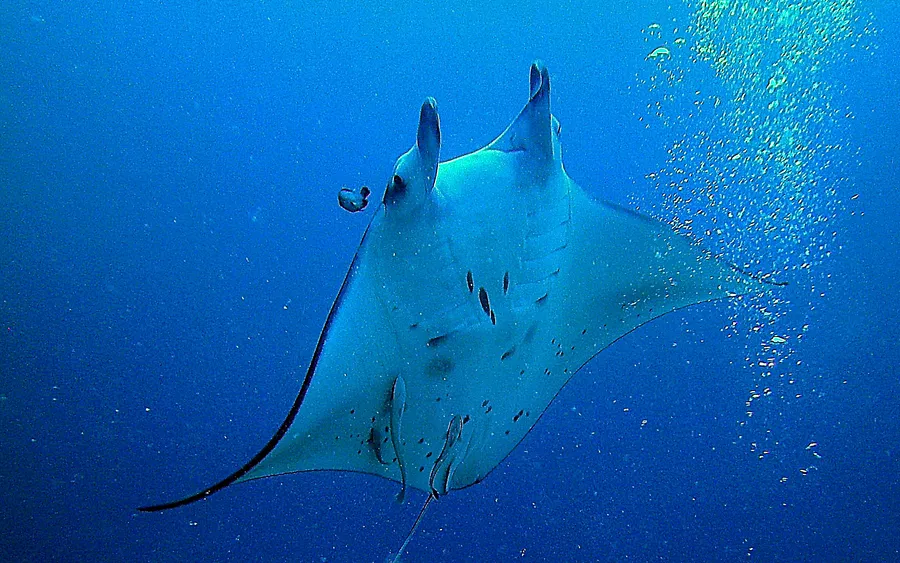
    Off the coast near Kabira Bay, Manta Scramble is a natural cleaning station where reef manta rays gather to have parasites removed by smaller fish, drawing divers and snorkelers from around the world hoping for a close encounter. First discovered by local dive guides in the 1980s, it remains one of Japan's most reliable manta-sighting spots, with encounters possible year-round but concentrated roughly June through October and peaking around August and September. Shallow depth and generally calm, clear water make it accessible to snorkelers as well as certified divers, a rarer combination for a site this consistently productive.

    Manta season: roughly Jun–Oct, peak Aug–Sep
  4. Fusaki Beach, Ishigaki4

    Fusaki Beach & Sukuji Beach

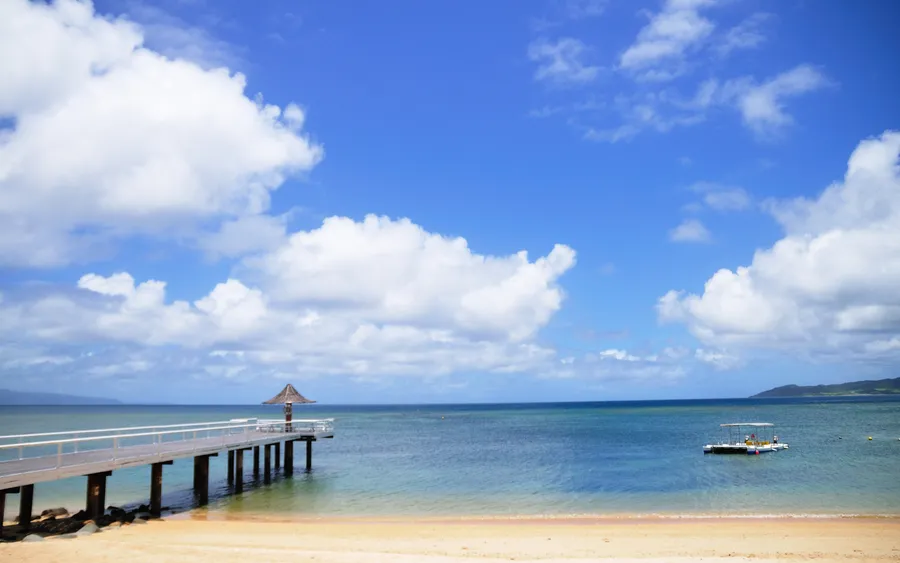
    Fusaki Beach, on the island's west coast, is better known for its sunsets and resort facilities than for snorkeling, a relaxed spot to watch the sky change color with a drink in hand rather than a serious reef destination. Sukuji Beach, a short distance away, sits in a sheltered bay with shallow, sandy-bottomed water that makes it the island's most reliably calm beach for young children, with jellyfish netting installed through the summer months just as at Fusaki. Neither delivers the reef access of Yonehara or the scenery of Kabira, but together they cover the gentler, more relaxed end of what Ishigaki's beaches offer.

Nature & Day Trips

Okinawa's highest peak, a preserved buffalo-cart village, an island that's 90% jungle, and an observatory built for the region's nearly 300 clear nights a year.

  1. Peak of Mount Omoto, Ishigaki1

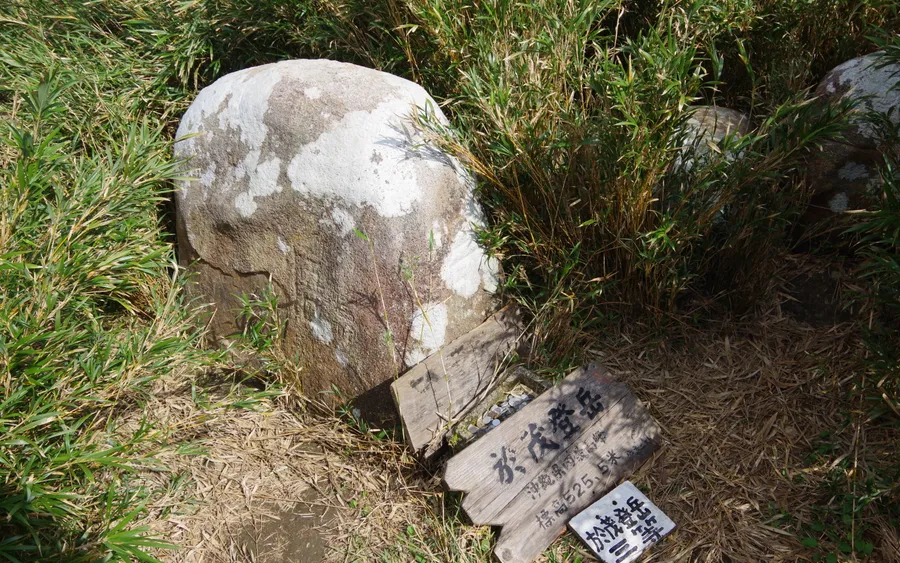
    Mount Omoto

    At 525.5 meters, Mount Omoto is the highest point in all of Okinawa Prefecture, and its roughly 6-kilometer trail climbs through dense subtropical jungle — native Ryukyu pine, tall ferns, and small waterfalls along the way — to a summit with panoramic views over Ishigaki and the wider Yaeyama Islands. The hike takes somewhere between 90 minutes and two and a half hours depending on pace and conditions, and the trail can turn slippery and overgrown in patches, so September through November or March through April, outside Okinawa's May–June rainy season, are the most comfortable months to attempt it. It's a genuinely different side of Ishigaki from the beaches — quiet, humid, and green rather than turquoise.

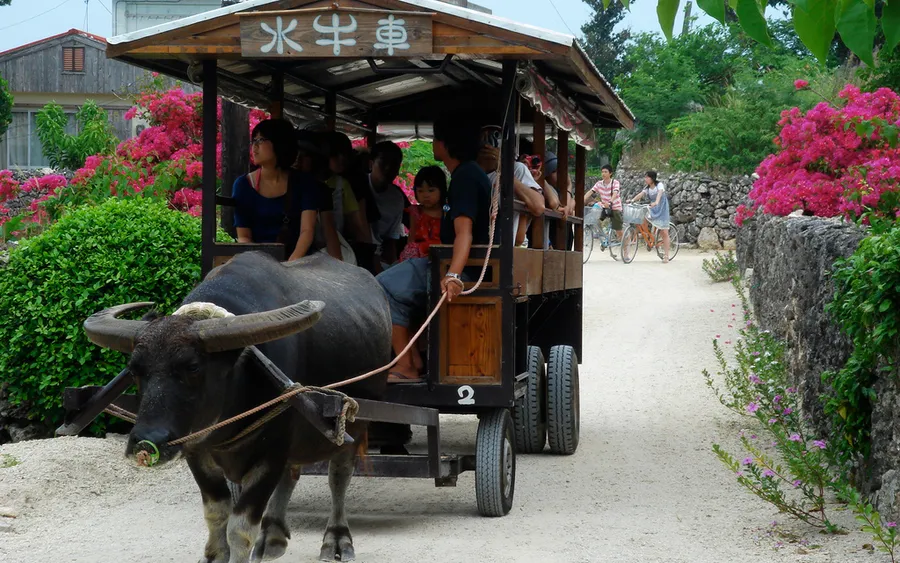
  2. Water buffalo cart, Taketomi Island2

    Taketomi Island

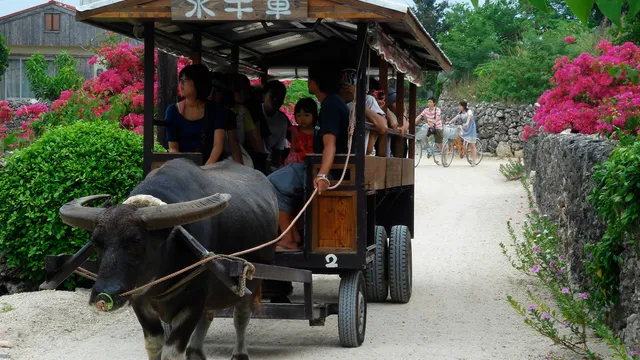
    A roughly 10-minute high-speed ferry from Ishigaki, Taketomi preserves what's often described as the last intact traditional Okinawan village landscape — single-story houses behind coral-stone walls, red-tiled roofs topped with shisa lion figures, and narrow sand lanes designated a national Important Preservation District for Groups of Traditional Buildings. The classic way to see it is a roughly 30-minute water buffalo cart tour through the village, the cart driver often singing along on a sanshin, the three-stringed Okinawan instrument, as the buffalo plods along at its own unhurried pace. Ferries run frequently enough — every 30 to 60 minutes through the day — that Taketomi works comfortably as a half-day trip rather than requiring an overnight stay.

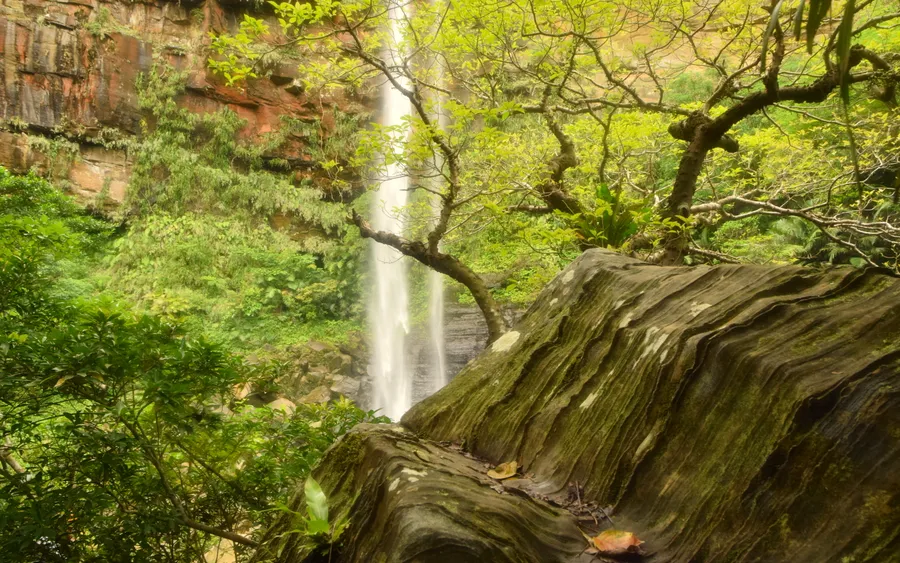
  3. Pinaisara Falls, Iriomote Island3

    Iriomote Island

    More than 90% covered in subtropical jungle and mangrove forest, Iriomote is the wildest of the Yaeyama Islands and the core of Iriomote-Ishigaki National Park, a UNESCO World Heritage Site since 2021 and home to the critically endangered Iriomote cat, found nowhere else on Earth. The Nakama River's mangrove forest, a designated Natural Monument, is the island's most popular kayaking destination, while Pinaisara Falls — at about 55 meters, Okinawa's tallest waterfall — is usually reached by kayaking up the Pinai River before trekking the final stretch through jungle. High-speed ferries from Ishigaki take 40 to 50 minutes depending on the port, making Iriomote workable as a long day trip, though its size and depth of nature reward staying longer if the schedule allows.

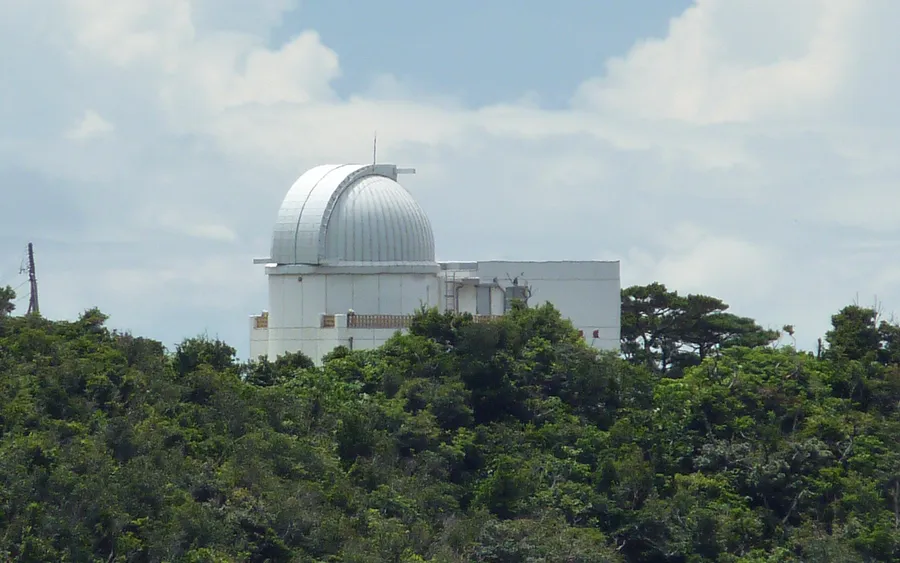
  4. Ishigakijima Astronomical Observatory4

    Ishigakijima Astronomical Observatory

    Home to the Murikabushi Telescope, a 105-centimeter reflector that's the largest optical-infrared telescope in the Kyushu-Okinawa region, the observatory takes advantage of Ishigaki's nearly 300 clear nights a year and its position far enough south to see stars invisible from most of mainland Japan, including the Southern Cross. Daytime visits let you tour the facility and learn about the telescope itself, but the real draw is the reservation-only nighttime stargazing sessions, held Saturdays, Sundays, and holidays and booked by phone in advance. It sits well outside the city center, with no public transport out, so a rental car or taxi is the only practical way to reach it.

    10:00 AM – 5:00 PM, last admission 4:30 PM, closed Mon–Tue; ¥400 adult admission; nighttime stargazing by reservation, weekends & holidays only1024-1 Shinkawa, Ishigaki 907-0024

Culture & Traditions

A distinct island language, a masked Obon custom found nowhere else in Japan, and the tug-of-war and festival that round out the local calendar.

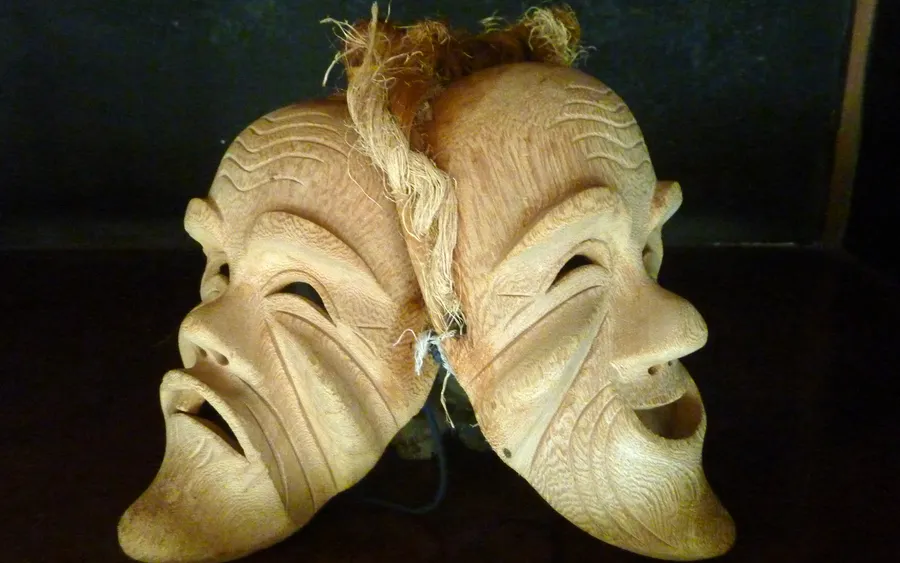
  1. Angama Obon custom, Ishigaki1

    Angama & Yaeyama Traditions

    The Yaeyama Islands maintain their own Ryukyuan language, distinct from the Okinawan spoken around Naha and now classified as severely endangered — one of several ways the region has kept a cultural identity separate from the rest of Okinawa Prefecture. Angama, held during Obon, sends masked figures representing an elderly ancestral couple from house to house accompanied by dancers and drummers, welcomed inside to bless the household in a custom found only in the Yaeyama region. Tsunahiki, a harvest-thanksgiving tug-of-war held after Obon, and the Ishigaki Island Festival, the island's largest annual event held the first weekend of November and tracing back to a 1953 commerce festival, round out a local calendar that runs on its own distinct rhythm from the rest of Japan.

    Angama: during Obon (mid-Aug, dates shift yearly); Ishigaki Island Festival: first weekend of November

Food

Wagyu beef good enough for a G8 summit, a lighter regional take on Okinawa soba, Japan's best mangoes, and the black-koji rice spirit Okinawa calls its own.

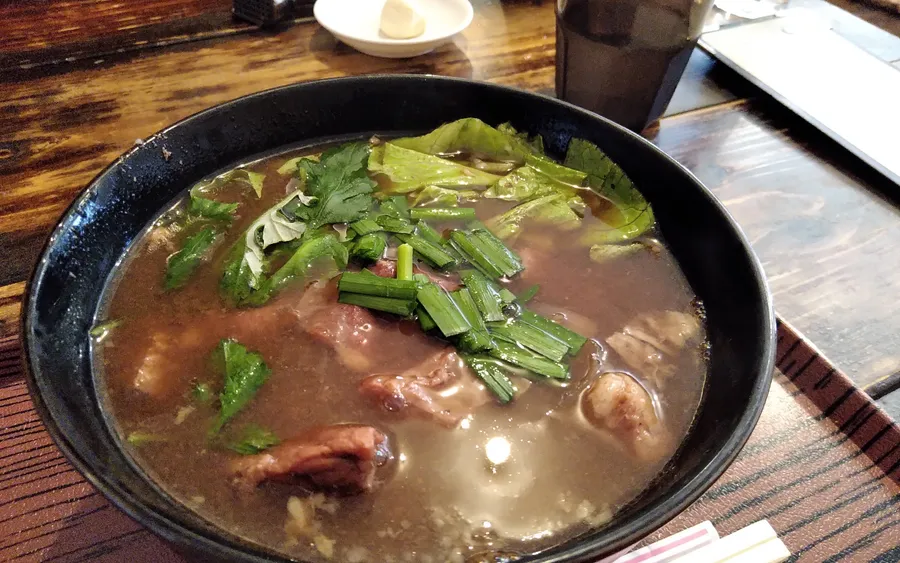
  1. Gyu-jiru (beef soup), Ishigaki1

    Ishigaki Beef

    Ishigaki beef comes from purebred Japanese black cattle raised for at least 20 months within the Yaeyama district, each animal tracked with a full production history certificate, and it reached international attention when it was served as the main dish at the G8 summit in 2000. Its fat is prized for melting at a lower temperature than most wagyu, giving it a texture that dissolves almost immediately rather than requiring much chewing, and it turns up across the island as yakiniku, steak, and in gyu-jiru, a simple, deeply savory beef soup that's closer to everyday Yaeyama home cooking than a special-occasion dish. Restaurants around Ishigaki City range from casual yakiniku grills to higher-end steakhouses built specifically around the local beef's reputation.

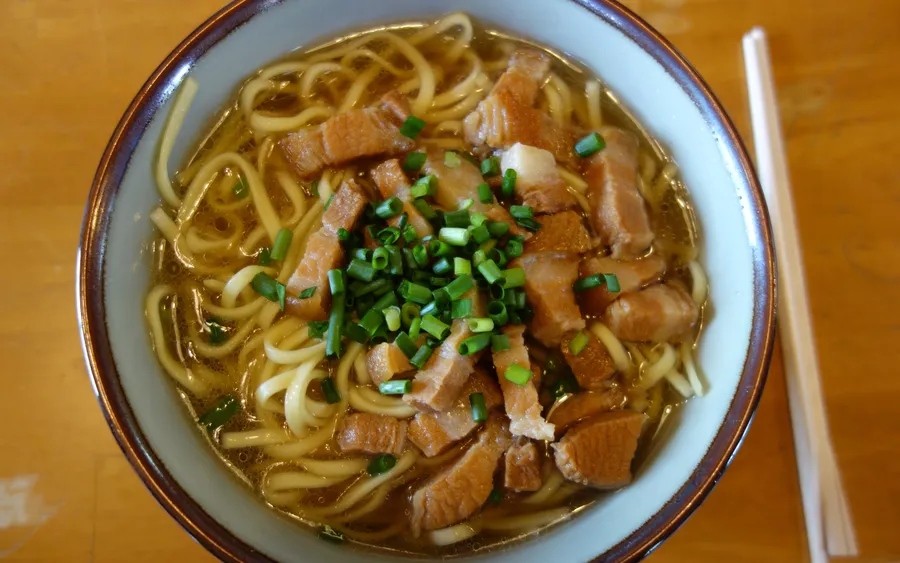
  2. Yaeyama soba2

    Yaeyama Soba

    Yaeyama soba is a wheat noodle soup in a pork-bone and bonito broth, closely related to mainland Okinawa soba but distinguished mainly by its noodles — rounder and thinner than the flatter, wider noodles used further north on Okinawa's main island. Toppings typically include sliced pork belly or stewed pork rib, kamaboko fish cake, and scallions, and bowls are usually smaller and lighter than a full meal, making it a common breakfast or light lunch across the island rather than an evening dish. It's sold everywhere from simple roadside stalls to sit-down restaurants, and trying it more than once at different shops is a reasonable way to spend a rainy afternoon on Ishigaki.

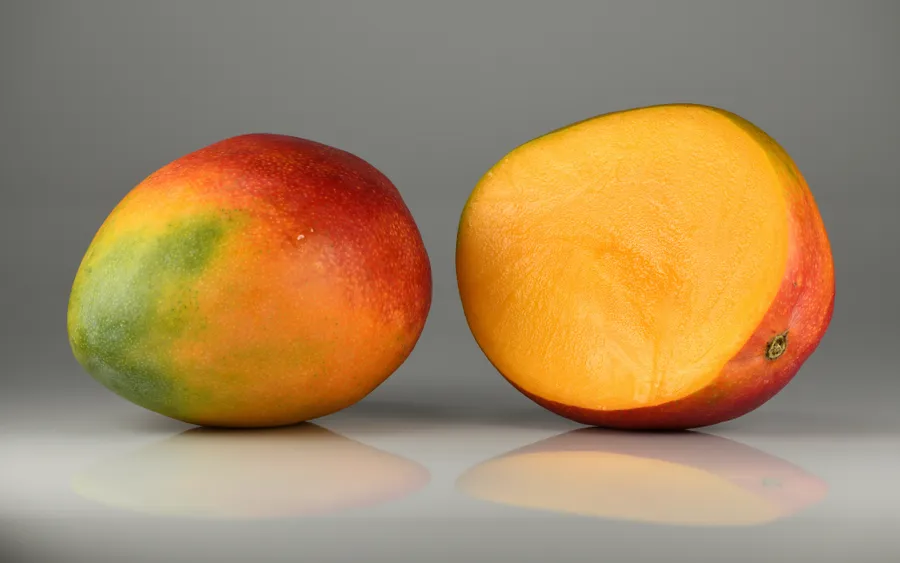
  3. Mango, single and halved3

    Mango

    Okinawa Prefecture is Japan's largest mango-producing region, and the Irwin variety grown here — deep red-skinned, intensely sweet, and far juicier than most mangoes sold in mainland Japan — is treated as a genuine luxury fruit, sold in gift boxes at premium prices during its short season from mid-June through mid-August. Ishigaki's warm, sunny climate suits mango cultivation particularly well, and the fruit shows up beyond the fresh form too, in soft-serve, smoothies, and sweets sold at cafes and roadside stands across the island through the summer. Outside the short growing season, mango-flavored products remain widely available even when the fresh fruit itself isn't.

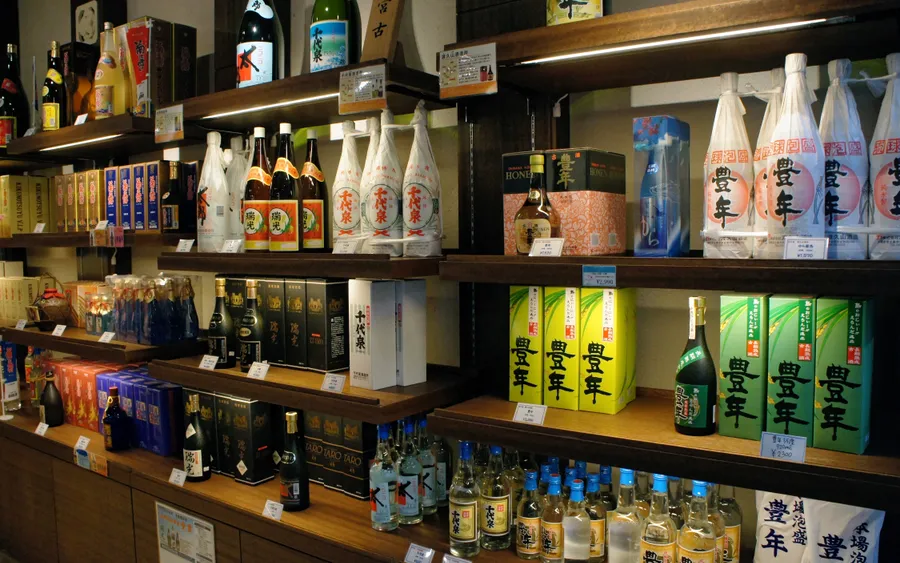
  4. Awamori, Okinawa4

    Awamori

    Awamori is Okinawa's distilled rice spirit, made with black koji mold rather than the rice used in mainland sake or shochu, a distillation technique believed to have arrived from Thailand via China during the Ryukyu Kingdom era, roughly the 15th to 19th centuries. Ishigaki has its own established distilleries producing the spirit locally, and aged awamori, called kusu, is prized the way an aged whisky would be, with some bottles matured for a decade or more in ceramic jars. It's typically served on the rocks or mixed with water, and trying a flight across different ages or distilleries is a common way for visitors to get a feel for the range within what looks, at first, like a single category of drink.

Keep reading

More guides you might like

Nearby

Related destinations

Continue

Related services

Easy Travel in Japan