Skip to content
Easy Travel in Japan
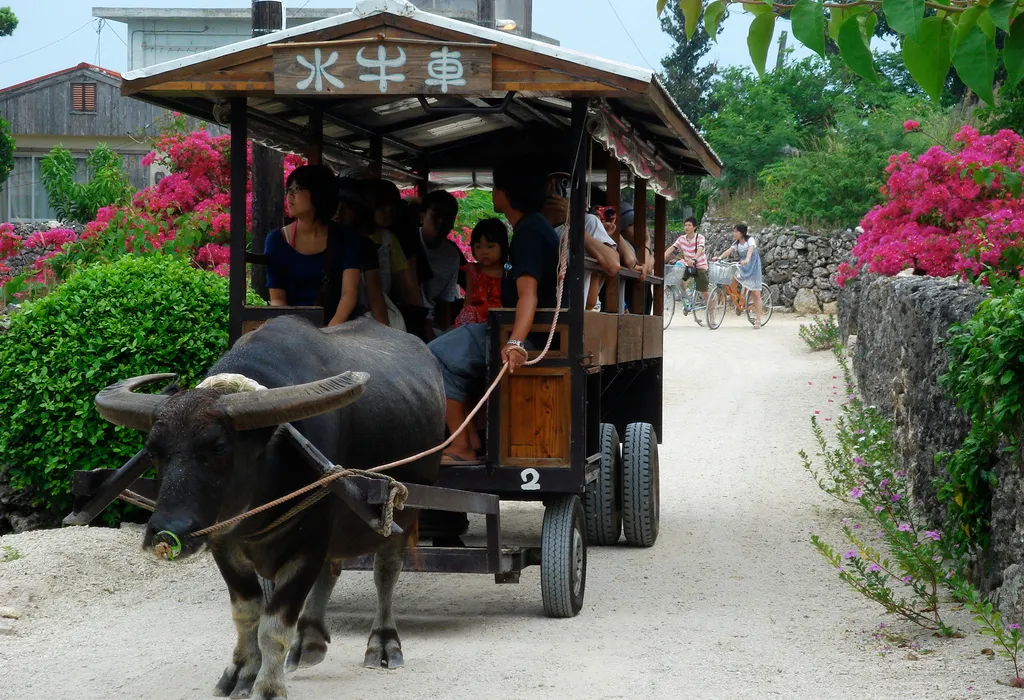
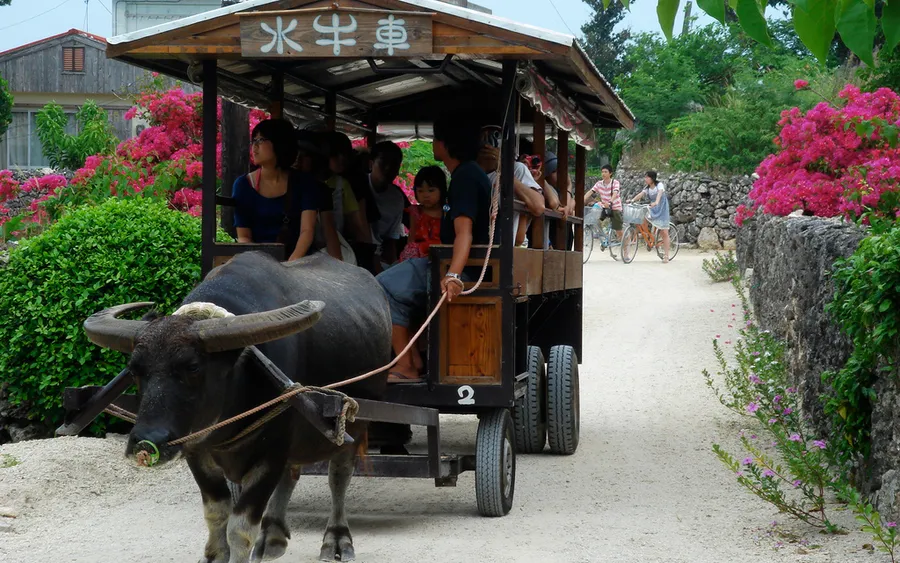
Water buffalo cart, Taketomi Island

The Perfect 3-Day Ishigaki Itinerary

Ishigaki rewards three full days more than a rushed beach stop: day one covers the island’s own bay, beach, and manta rays; day two heads out to Taketomi for a slower, village-paced afternoon; and day three pushes into Iriomote’s jungle before closing with some of the clearest night skies in Japan. It’s built as a standalone three-day trip, with a rental car recommended throughout since most of Ishigaki’s own sights sit a 30-to-45-minute drive from the city center.

Day 1: Ishigaki Island

The bay, the beach, and the manta rays that make Ishigaki itself worth a full day before island-hopping begins.

  1. Kabira Bay, Ishigaki Island1

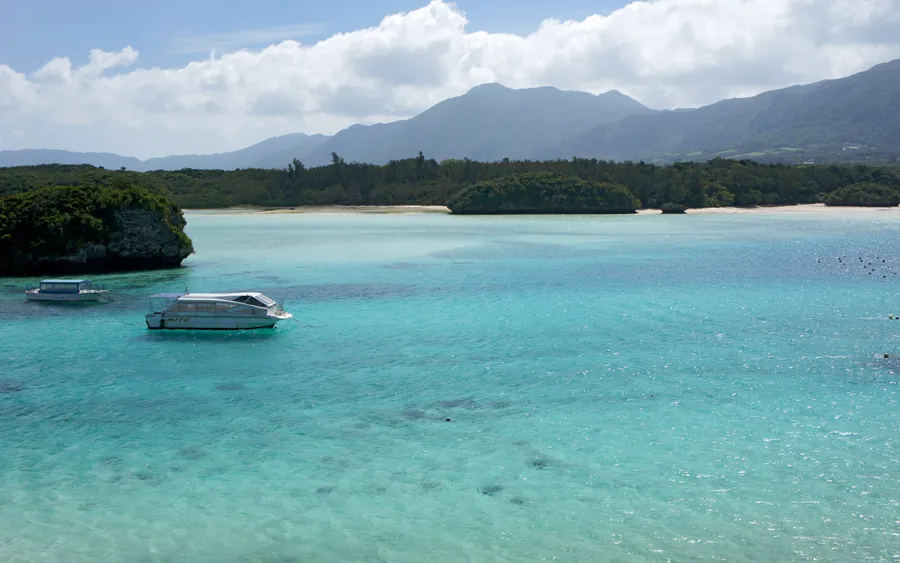
    9:00 AM — Kabira Bay

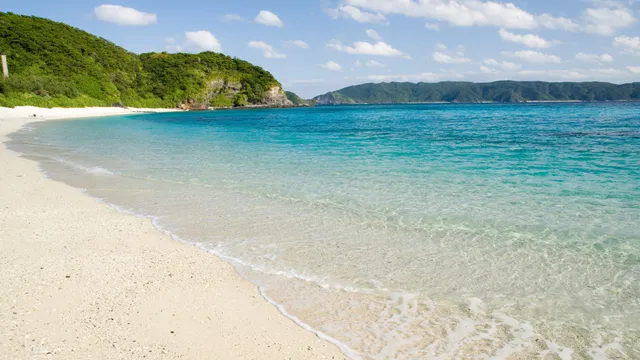
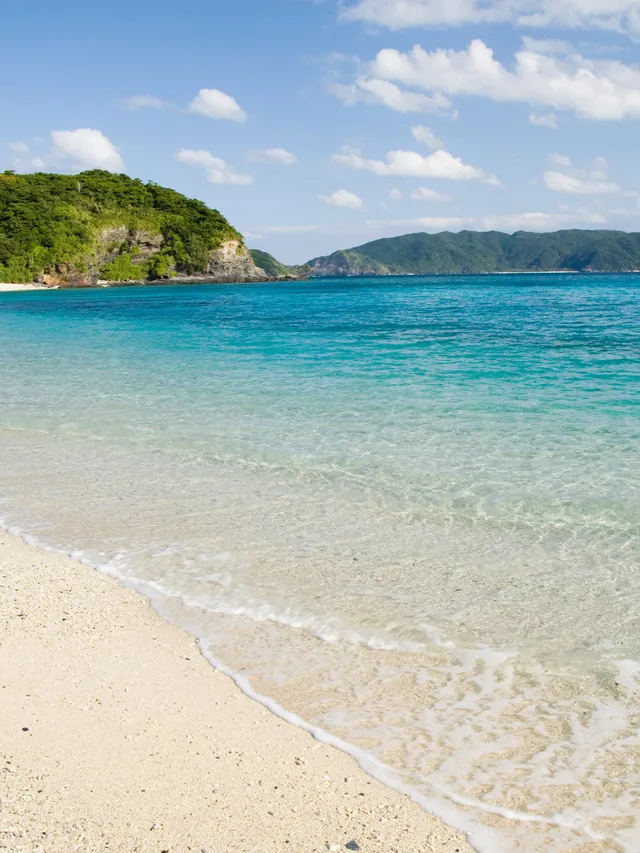
    Start at Kabira Bay, Ishigaki's signature view — a curve of turquoise water framed by forested hills, its coral visible in startling detail through the shallows. Swimming is prohibited due to black pearl cultivation and strong currents, so take the roughly 30-minute glass-bottom boat tour instead, departing every 15 to 20 minutes with no reservation needed.

    Glass-bottom boats: roughly 9:00 AM – 5:00 PM; around ¥1,000 per person912-1 Kabira, Ishigaki 907-0453
  2. Yonehara Beach, Ishigaki2

    11:00 AM — Yonehara Beach

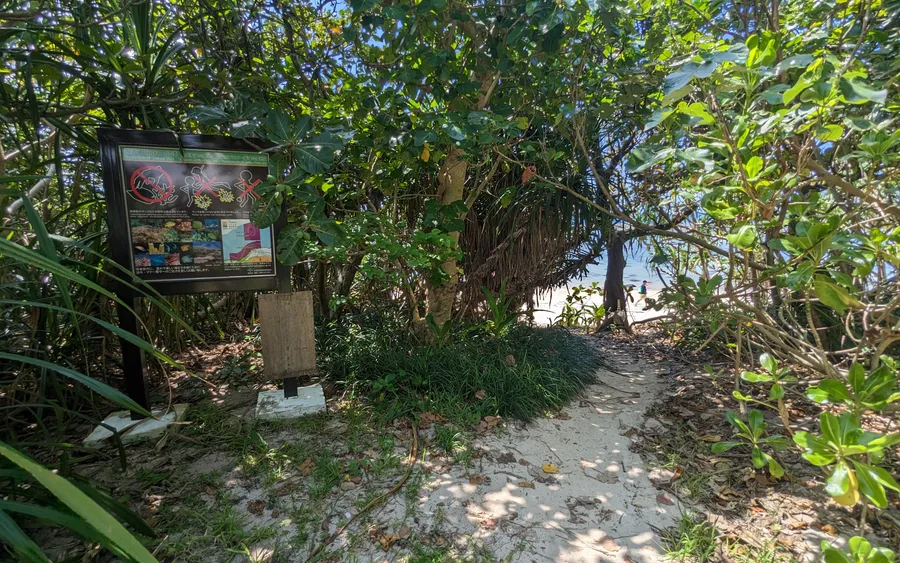
    A short drive from Kabira, Yonehara Beach offers some of the island's easiest reef access, with coral visible just a few meters offshore. Time it around high tide for the best snorkeling, since the coral sits close enough to the surface that low tide can make swimming over it difficult — and note there are no lifeguards or jellyfish nets here.

  3. Manta ray diving3

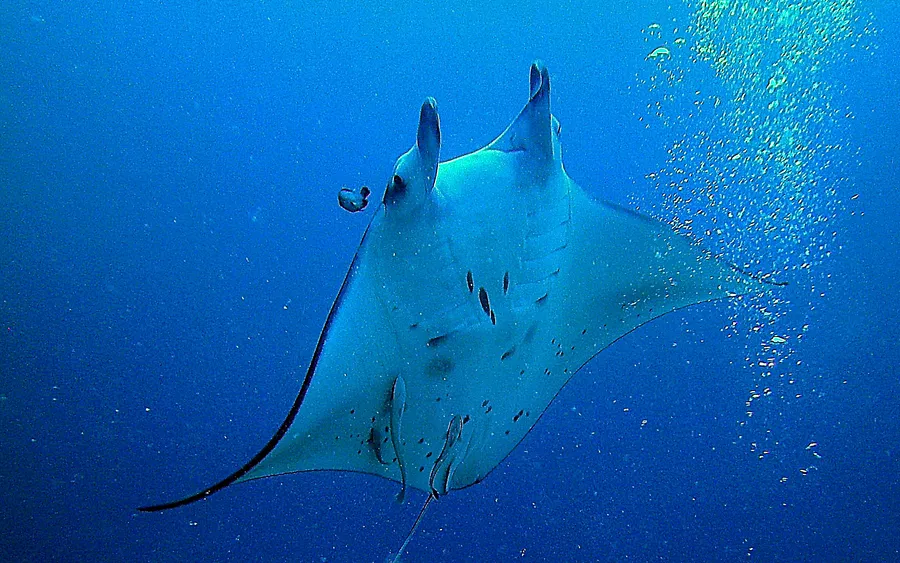
    2:00 PM — Manta Ray Diving at Manta Scramble

    Join a dive or snorkel tour out to Manta Scramble, a natural cleaning station off Kabira Bay where reef manta rays gather to have parasites removed — one of Japan's most reliable manta-sighting spots, especially from June through October. Shallow depth and generally calm water make it workable for snorkelers as well as certified divers, so book whichever level suits your experience.

    Manta season: roughly Jun–Oct, peak Aug–Sep
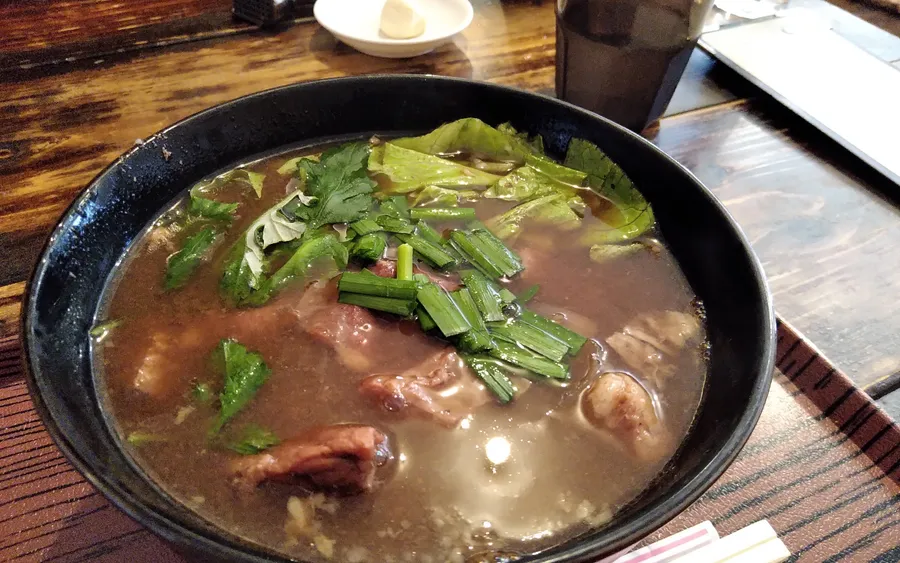
  4. Gyu-jiru (beef soup), Ishigaki4

    7:00 PM — Ishigaki Beef Dinner

    Close out the day with Ishigaki beef, purebred Japanese black cattle raised locally for at least 20 months and served across Ishigaki City as yakiniku, steak, or gyu-jiru, a simple beef soup closer to everyday home cooking than a special-occasion dish. It's a fitting way to end a day spent mostly in the water.

Day 2: Taketomi Island Day Trip

A short ferry to the last intact traditional Okinawan village landscape, seen at a water buffalo's unhurried pace.

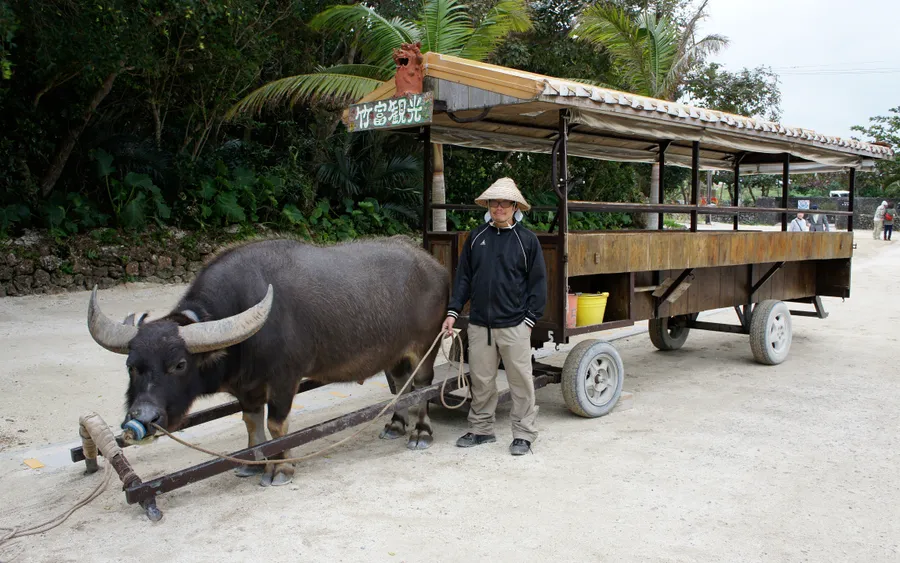
  1. Water buffalo cart, Taketomi Island1

    8:00 AM — Ferry to Taketomi Island

    Catch an early high-speed ferry from Ishigaki Port to Taketomi, a roughly 10-minute crossing with boats departing every 30 to 60 minutes from 7:30 a.m. An early start gets you to the village before the tour groups build up, which matters more here than at most of Ishigaki's sights given how compact the village is.

  2. Taketomi Island village2

    9:00 AM — Water Buffalo Cart & Village Walk

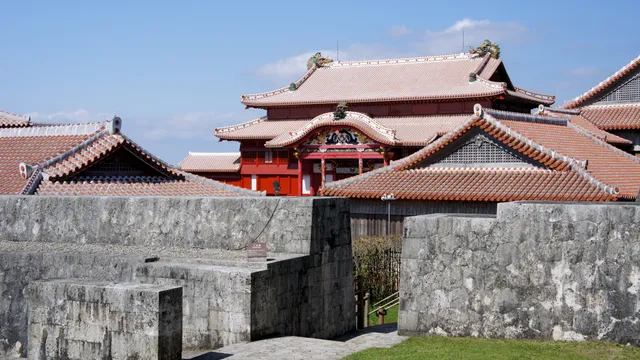
    Take a roughly 30-minute water buffalo cart tour through Taketomi's preserved village, its single-story houses behind coral-stone walls and red-tiled roofs topped with shisa figures, often with the cart driver singing along on a sanshin. Afterward, walk the sandy lanes at your own pace — the whole village is small enough to cover on foot within an hour or two.

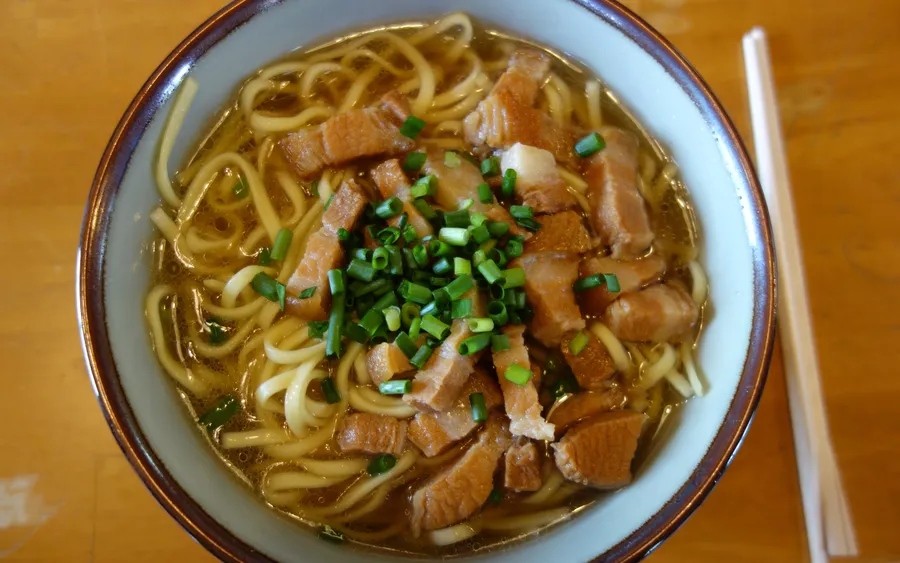
  3. Yaeyama soba3

    1:00 PM — Yaeyama Soba Lunch

    Have lunch on Taketomi or back in Ishigaki with Yaeyama soba, a wheat noodle soup in pork-bone and bonito broth distinguished by its rounder, thinner noodles compared to mainland Okinawa soba. It's a light, easy meal that won't slow down the rest of the afternoon, whether that means catching the ferry back or staying to explore Taketomi's quiet beaches.

Day 3: Iriomote Island & Stargazing

A day deep in Japan's wildest subtropical jungle, closing with the clearest night skies in the country.

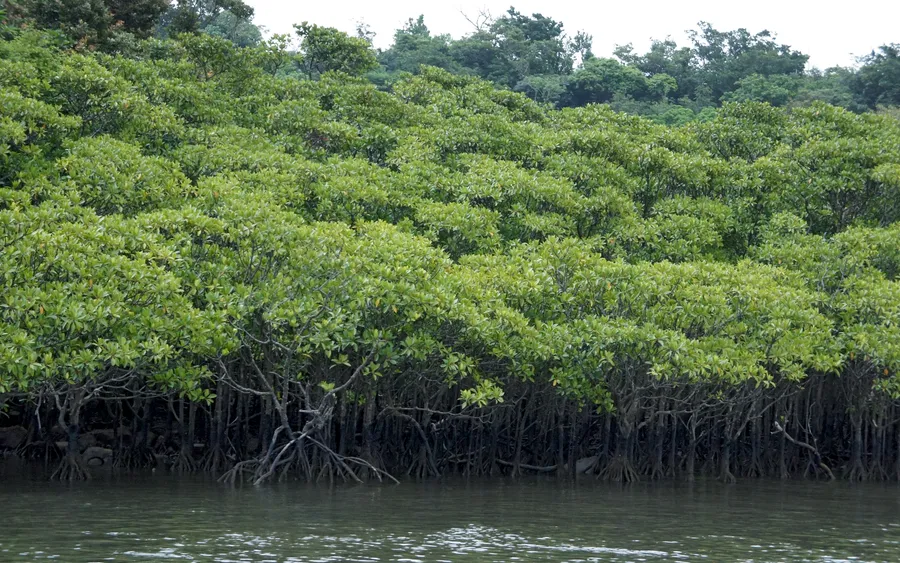
  1. Nakama River mangroves, Iriomote Island1

    8:00 AM — Ferry to Iriomote & Mangrove Kayaking

    Take the high-speed ferry to Iriomote, 40 to 50 minutes depending on the port, then head straight for the Nakama River's mangrove forest, a designated Natural Monument and the island's most popular kayaking spot. Guided tours are the easiest way to navigate the mangrove channels and learn what you're looking at along the way.

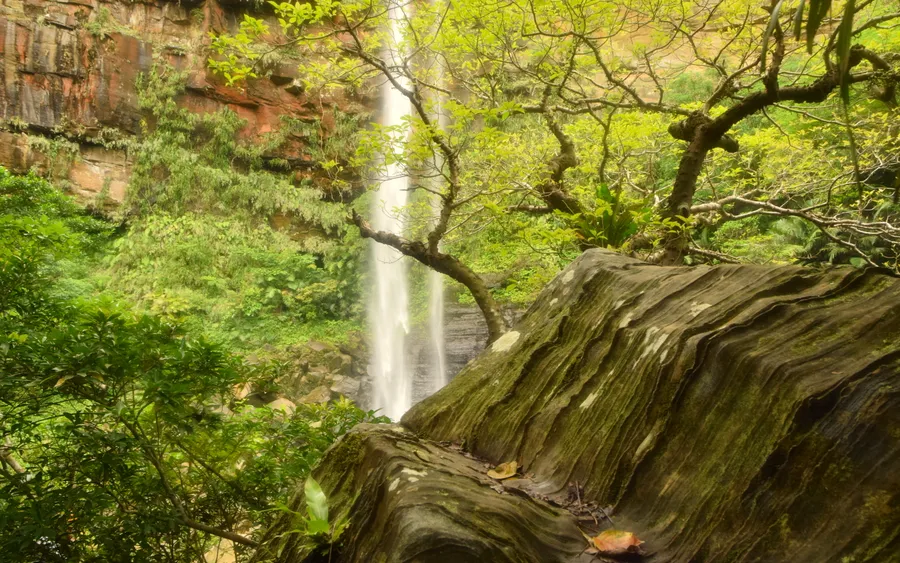
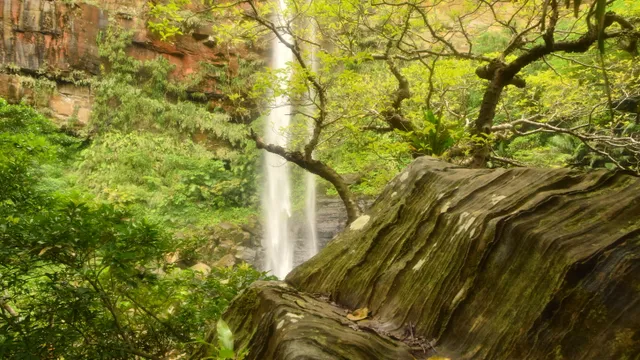
  2. Pinaisara Falls, Iriomote Island2

    12:00 PM — Pinaisara Falls Trek

    Continue on to Pinaisara Falls, Okinawa's tallest waterfall at about 55 meters, usually reached by kayaking up the Pinai River before trekking the final stretch through jungle. It's a physical afternoon, but the falls are worth the effort, and most tour operators bundle the kayaking and trekking into a single package from Ishigaki.

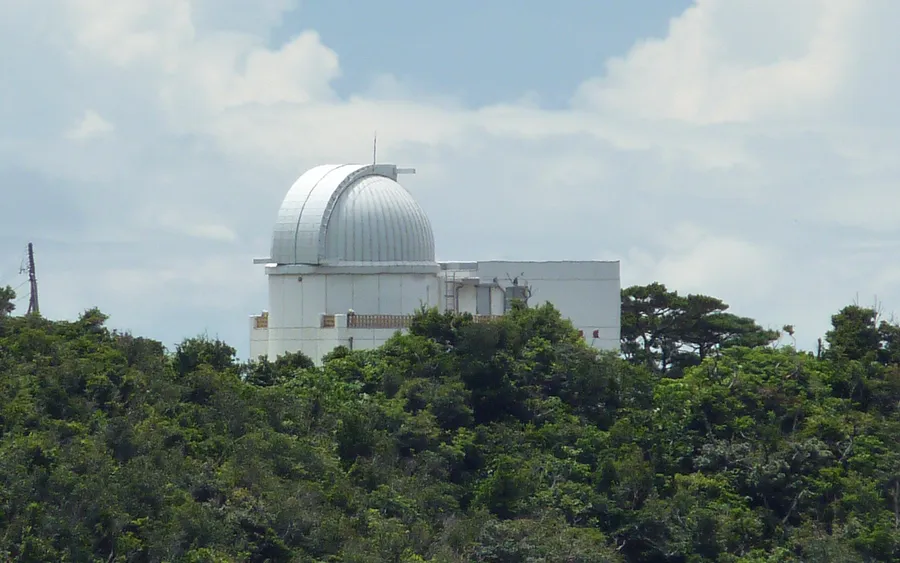
  3. Ishigakijima Astronomical Observatory3

    8:00 PM — Stargazing at the Observatory

    Back on Ishigaki for the evening, close out the trip with a reserved nighttime stargazing session at the Ishigakijima Astronomical Observatory, home to the largest optical-infrared telescope in the Kyushu-Okinawa region. Sessions run only on Saturdays, Sundays, and holidays and must be booked by phone in advance, so plan this stop into the itinerary early rather than as an afterthought.

    Nighttime stargazing by reservation, weekends & holidays only1024-1 Shinkawa, Ishigaki 907-0024
Keep reading

More guides you might like

Nearby

Related destinations

Continue

Related services

Easy Travel in Japan