Easy Travel in Japan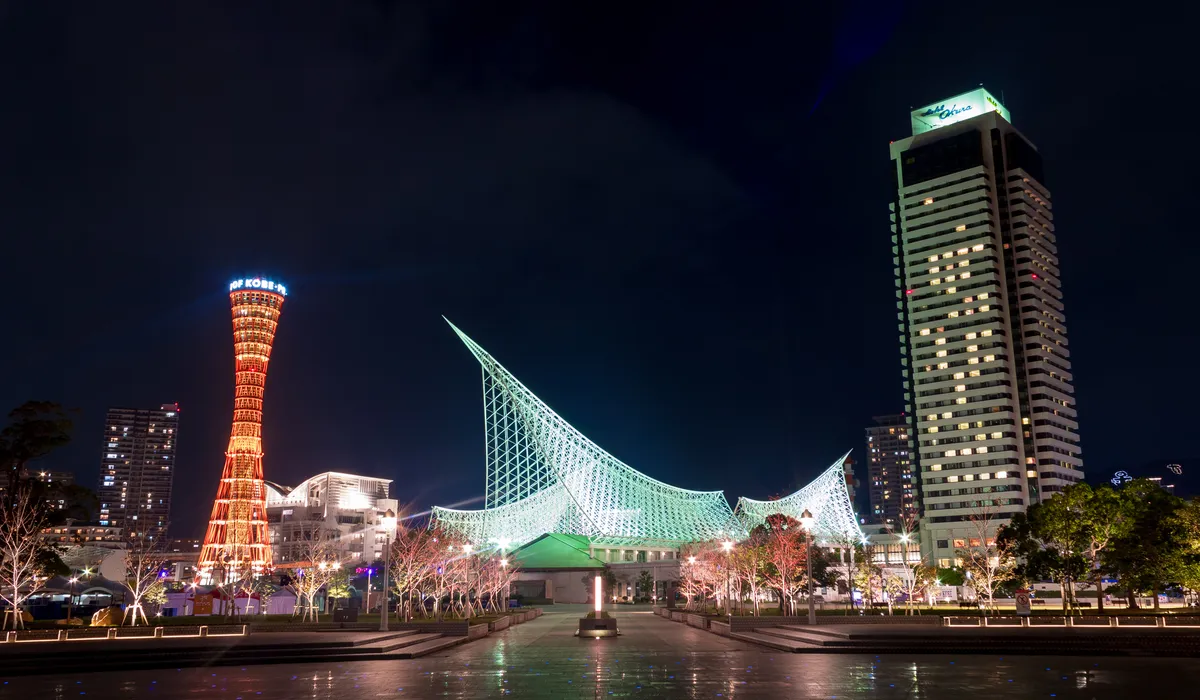
Kobe
A cosmopolitan port city wedged between mountains and sea, known for Kobe beef and its historic foreign quarter.
Kobe is the capital of Hyogo Prefecture, a port city squeezed onto a narrow strip of land between Osaka Bay and the Rokko mountain range. The Port of Kobe opened to foreign trade on January 1, 1868, one of Japan’s first treaty ports, and the Western, American, and Chinese merchants who settled here gave the city a cosmopolitan, “haikara” character still visible in its architecture and food today. On January 17, 1995, the Great Hanshin earthquake struck the region, killing more than 6,000 people and severely damaging the port, but Kobe rebuilt quickly — manufacturing was back to 98% of pre-quake levels within 15 months. With almost no flat land to build on, the city even moved earth from its mountains to create artificial islands in the bay, a literal expression of its mountains-to-sea geography.
Highlights & things to do
Kitano-cho, a hillside neighborhood above the city center, preserves around 30 Western-style houses built by 19th- and early-20th-century foreign residents, with roughly 16 open to the public showing British, French, Italian, and Chinese architectural styles. Nankinmachi, Kobe’s Chinatown, grew up after the 1868 port opening and is now the largest of Japan’s three major Chinatowns in the Kansai region, packed with around 100 restaurants and food stalls. Down at the water, Meriken Park and Kobe Harborland form the city’s waterfront core, anchored by the red Kobe Port Tower and the Kobe Maritime Museum.
Mount Rokko’s night view is ranked among the “Three Great Night Views of Japan,” alongside Nagasaki’s Mount Inasa and Hakodate’s Mount Hakodate. The Kobe Nunobiki Herb Garden, Japan’s largest, spreads roughly 75,000 herbs and flowers across 12 themed gardens, reached by a short ropeway from near Shin-Kobe Station with views back over the city and bay. The Nada district, home to more than 40 sake breweries, is considered Japan’s top sake-producing region, with museums like the Hakutsuru and Sawanotsuru breweries open for tastings. Ikuta Shrine, one of Japan’s oldest, said to date to around 201 AD, gave the city its name — “Kobe” derives from “Kanbe,” the households historically assigned to maintain it.
Food & local cuisine
Kobe beef is a strictly certified product: only purebred Tajima-lineage Wagyu cattle born, raised, and slaughtered within Hyogo Prefecture qualify, meeting exacting marbling and grading standards that only around 3,000 to 5,000 head meet in a given year. Nankinmachi offers Chinese street food reflecting the district’s merchant origins. Kobe is also widely credited as the birthplace of Japan’s modern coffee culture, home to UCC, the country’s largest coffee company, and its bakeries — a tradition traced to European bakers who set up shop near the foreign settlement after 1868 — have earned it a reputation as one of Japan’s leading bread cities.
Culture & traditions
Kobe’s cosmopolitan identity flows directly from its 1868 opening to foreign trade, and the Kitano foreign-settlement houses remain a living reminder of that history. Kobe Luminarie, an elaborate light-archway display, was first held in December 1995 to commemorate the earthquake’s victims and symbolize the city’s recovery; since 2024 it has shifted to late January and early February, closer to the January 17 anniversary. Kobe Jazz Street, running since 1981, reflects the city’s history as a regular stop for international ships, credited with helping jazz culture take root here.
Nature & scenery
Mount Rokko anchors Kobe’s mountain side, its night view and Garden Terrace among the city’s signature scenic spots. Nunobiki Falls, on the path up to the herb garden, is one of Japan’s noted classical waterfalls. The city’s built environment tells its own nature story: Port Island and Rokko Island, both artificial, were built using earth carried down from the surrounding mountains to create usable land where none existed.
Seasonal travel
Winter now centers on Kobe Luminarie in late January and early February, a solemn but striking commemoration of the 1995 earthquake. Spring cherry blossoms are best seen at nearby Shukugawa Park, with around 1,700 trees along the riverbank, and at Kitano Tenman Shrine’s sakura-lined staircase. Autumn brings foliage to Mount Rokko, paired with the mountain’s famous night views.
Recommended experiences
Have a Kobe beef dinner at a teppanyaki restaurant. Walk the Kitano foreign-residence district. Ride the ropeway up to the Nunobiki Herb Garden. Take in Mount Rokko’s night view from the Garden Terrace. Tour a Nada sake brewery.
Getting there & practical info
From Osaka, the Shinkansen reaches Shin-Kobe in under 15 minutes, while JR rapid trains reach the more central Sannomiya Station in 20 to 40 minutes. From Kyoto, the Shinkansen to Shin-Kobe takes about 30 minutes. Kobe Airport, on a man-made island, connects to Sannomiya by automated train in under 20 minutes. Kobe also makes an easy half-day extension to Himeji Castle, about 15 minutes further by Shinkansen.
Who this suits
Strong appeal for food travelers and gourmets chasing certified Kobe beef and Nada sake, history and architecture fans drawn to the Kitano foreign quarter, night-view seekers, and day-trippers looking to pair Kobe with Osaka, Kyoto, or Himeji.
A closer look at Kobe
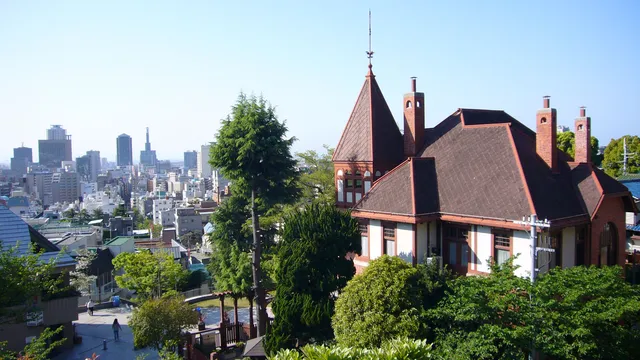
10 Best Things to Do in Kobe
A quick, friendly rundown of Kobe's historic foreign quarter, Chinatown, waterfront, mountaintop night view, and famous beef — a good starting point for a first visit to this cosmopolitan port city between the mountains and the sea.
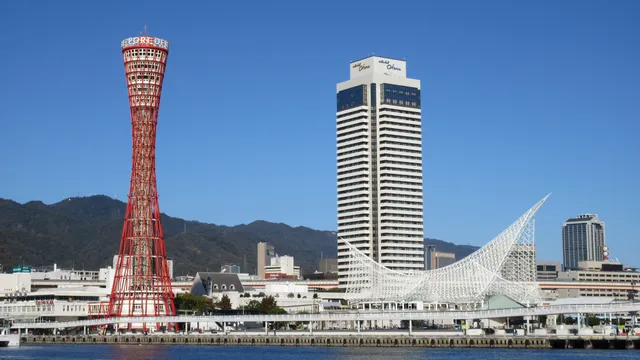
The Perfect 2-Day Kobe Itinerary
A well-paced two days through Kobe: the foreign quarter, Chinatown, and waterfront on day one, then bakeries, the herb garden ropeway, a sake brewery, and the mountaintop night view on day two — everything you need for a proper visit to this port city, not just a beef dinner on the way through.
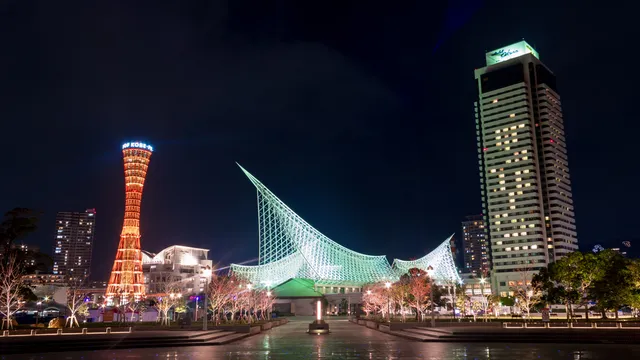
The Ultimate Kobe Travel Guide
A cosmopolitan port city wedged between the Rokko mountains and Osaka Bay, known worldwide for Kobe beef but shaped just as much by its 1868 opening to foreign trade — the historic Kitano foreign quarter, Chinatown, a working sake district, and one of Japan Three Great Night Views.