 Easy Travel in Japan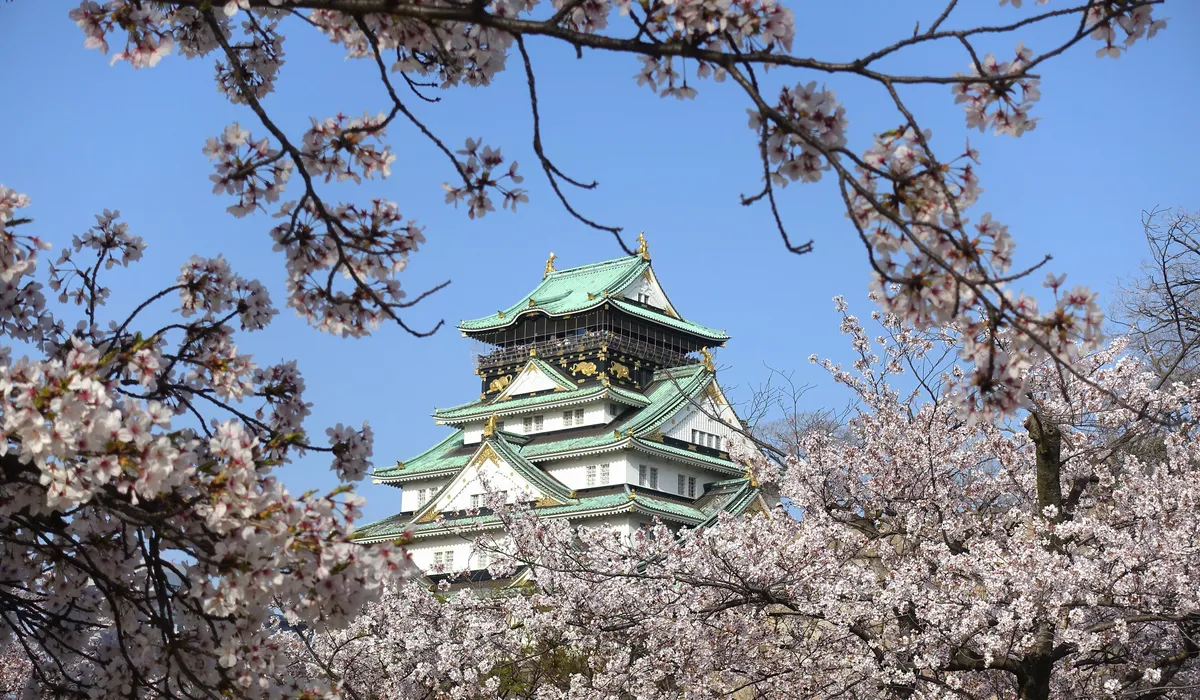
Osaka
Japan's food capital — Dotonbori's neon canal-side streets, Osaka Castle, and a livelier pace than Kyoto or Tokyo.
Osaka is the largest city in the Kansai region, historically known as Naniwa and a port linking Japan to China and Korea since ancient times. It rose to prominence in the 16th century under warlord Toyotomi Hideyoshi, who built Osaka Castle in 1583, and by the Edo period had become Japan’s commercial and rice-trading hub, run by a powerful merchant class that earned it the nickname “the kitchen of Japan.” That merchant heritage of practical frugality alongside a love of good food shaped a civic identity that’s still distinct from the courtly refinement of nearby Kyoto — Osaka is louder, funnier, and built around eating well without much pretension.
Highlights & things to do
Osaka Castle, first built in 1583, was destroyed and rebuilt multiple times through the centuries; today’s main tower is a 1931 reconstruction functioning as a history museum, set within 106 hectares of parkland. Dotonbori, a canal district dating to 1612, became Osaka’s entertainment hub by the 1620s and today is known for its neon signage and restaurants, including the illuminated Glico “running man” sign, a fixture since 1935. Shinsekai, meaning “New World,” grew up around a 1912 amusement park and is anchored by Tsutenkaku Tower, rebuilt in its current form in 1956, with an old-fashioned arcade of shops known as Janjan Yokocho nearby.
Osaka Aquarium Kaiyukan, which opened in 1990 as the largest public aquarium in the world at the time, centers on a deep tank housing whale sharks. Universal Studios Japan, one of six Universal parks worldwide, opened in 2001 and is Japan’s most-visited theme park. Shitennoji Temple, established in 593, is Japan’s oldest officially state-administered Buddhist temple, faithfully rebuilt multiple times to its original 6th-century layout. Namba, Osaka’s premier entertainment and shopping district, centers on the covered Shinsaibashi arcade and the youth-fashion streets of Amerikamura.
Food & local cuisine
Takoyaki, octopus-filled batter balls, were invented in Osaka in 1935 by street vendor Tomekichi Endo. Okonomiyaki, the Osaka-style savory pancake, traces to a cheap prewar street food called issen yoshoku, with the name and modern cabbage-heavy version taking shape from the late 1930s onward. Kushikatsu, deep-fried skewers, are said to have originated in Shinsekai in 1929 as an affordable meal for local laborers — local etiquette calls for one ingredient per skewer and no double-dipping in the shared sauce. All of this feeds into kuidaore, “eat until you drop,” the term Osaka uses to describe its own food-obsessed culture.
Culture & traditions
Bunraku puppet theater originated in Osaka in the early 17th century and took its modern form in the 1680s through the partnership of playwright Chikamatsu Monzaemon and chanter Takemoto Gidayu; it’s now UNESCO-recognized Intangible Cultural Heritage, performed at the National Bunraku Theatre near Namba. Manzai, a two-person comic-duo format, is strongly associated with Osaka, professionalized by the entertainment company Yoshimoto Kogyo, founded in 1912 — a reputation that’s earned the city the nickname “city of comedy.” The Tenjin Matsuri, centered on Osaka Tenmangu Shrine and tracing back to 951, is held every July 24–25 and is considered one of Japan’s three greatest festivals, featuring a river procession of around 100 boats and a fireworks finale.
Nature & scenery
Osaka Castle Park, surrounding the castle, holds about 3,000 cherry trees plus plum and apricot groves, offering a substantial green space within the city center. Osaka’s bay area has also been developed as a waterfront promenade combining outdoor space with attractions like the aquarium and Universal Studios.
Seasonal travel
Spring cherry blossoms typically peak from late March through early-to-mid April, with Osaka Castle Park among Japan’s most popular viewing spots. Summer centers on the Tenjin Matsuri in late July. Winter brings large-scale illuminations, including the Midosuji Illumination along the city’s main boulevard, generally running from November through the end of December.
Recommended experiences
Do a Dotonbori food crawl covering takoyaki, okonomiyaki, and kushikatsu. Tour Osaka Castle and its surrounding park. Spend a day at Universal Studios Japan. Watch a live manzai show or a Bunraku puppet performance for something distinctly Osakan.
Getting there & practical info
Kansai International Airport connects to Namba via the Nankai Railway’s Rapi:t limited express in around 38 minutes. Osaka Itami Airport, for domestic flights, reaches downtown in around 30–40 minutes by monorail and train. Shin-Osaka Station is a Tokaido/Sanyo Shinkansen hub, roughly 2.5 hours from Tokyo and just 13–15 minutes from Kyoto, making Osaka an easy base for exploring the wider Kansai region.
Who this suits
A natural fit for food lovers drawn to Osaka’s street food, families and theme-park fans headed to Universal Studios or the aquarium, first-time visitors wanting an energetic, accessible introduction to Japan, and anyone chasing Osaka’s distinctive comedy and nightlife scene.
A closer look at Osaka
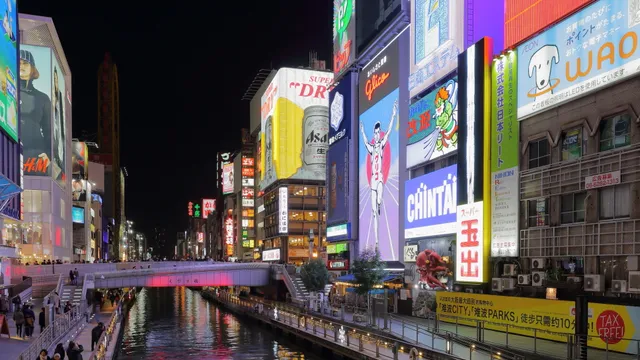
10 Best Things to Do in Osaka
A quick, friendly rundown of Osaka's biggest highlights — from Dotonbori's neon streets to Osaka Castle — a good starting point for a first visit.
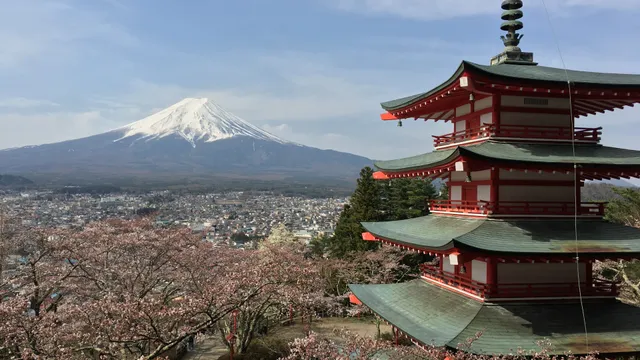
12 Best Things to Do in Japan
From Nara's bowing deer and Miyajima's floating torii to snow monkeys soaking in a Nagano hot spring, twelve unforgettable Japan experiences — and what to know before you visit each one.
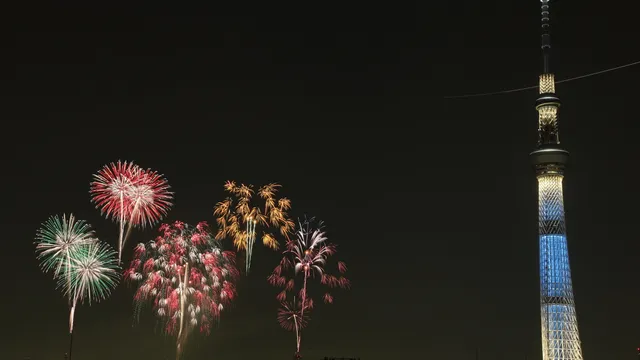
Best Fireworks Festivals in Japan
Japan's hanabi season runs roughly June through September, with some of the country's oldest and largest firework displays lighting up rivers, lakes, and coastlines nationwide. Here's where to see them and roughly when.
Related destinations
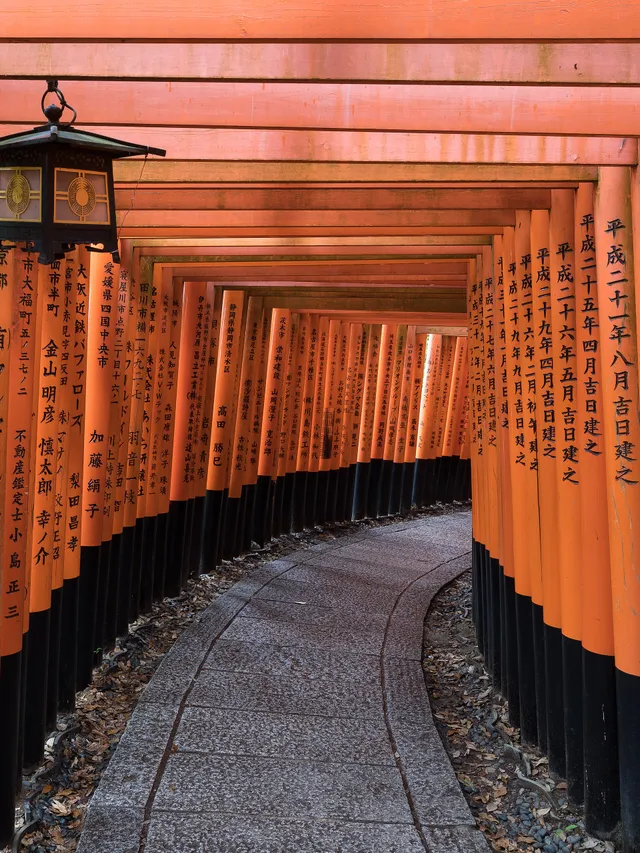
Kyoto
Japan's former capital — temples, gardens, and historic streets, best explored slowly and often on foot.
Explore Kyoto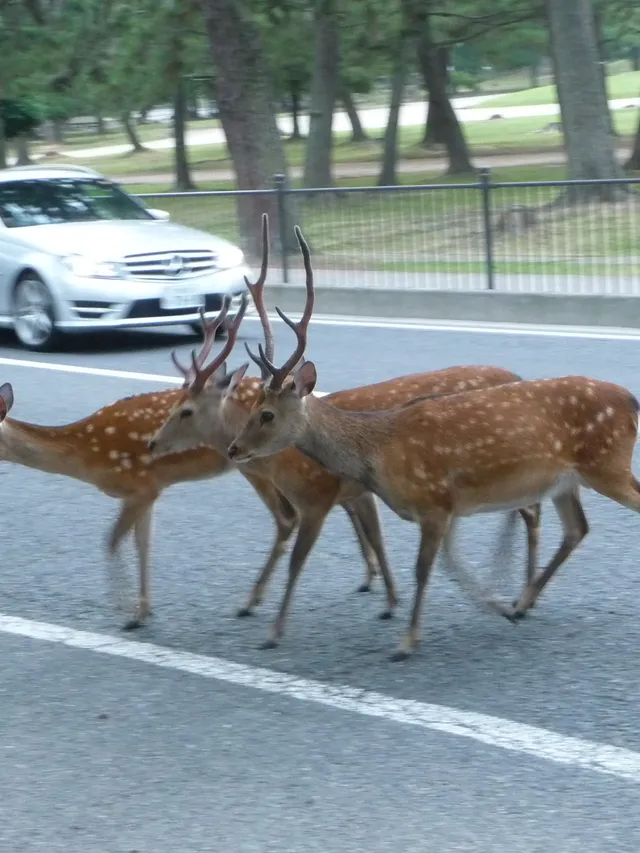
Nara
Japan's ancient capital — the Great Buddha of Todai-ji and the freely roaming deer of Nara Park.
Explore Nara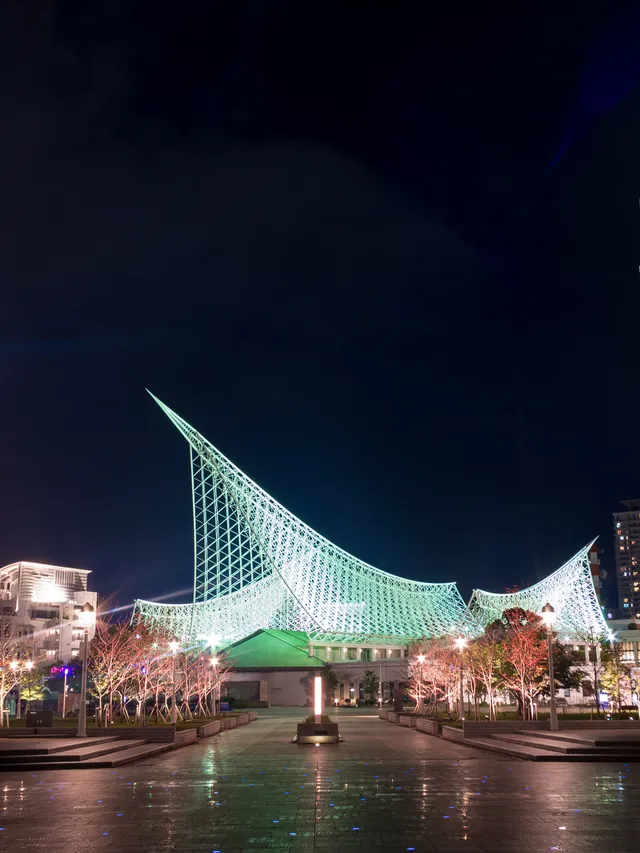
Kobe
A cosmopolitan port city wedged between mountains and sea, known for Kobe beef and its historic foreign quarter.
Explore KobeUseful services for this trip
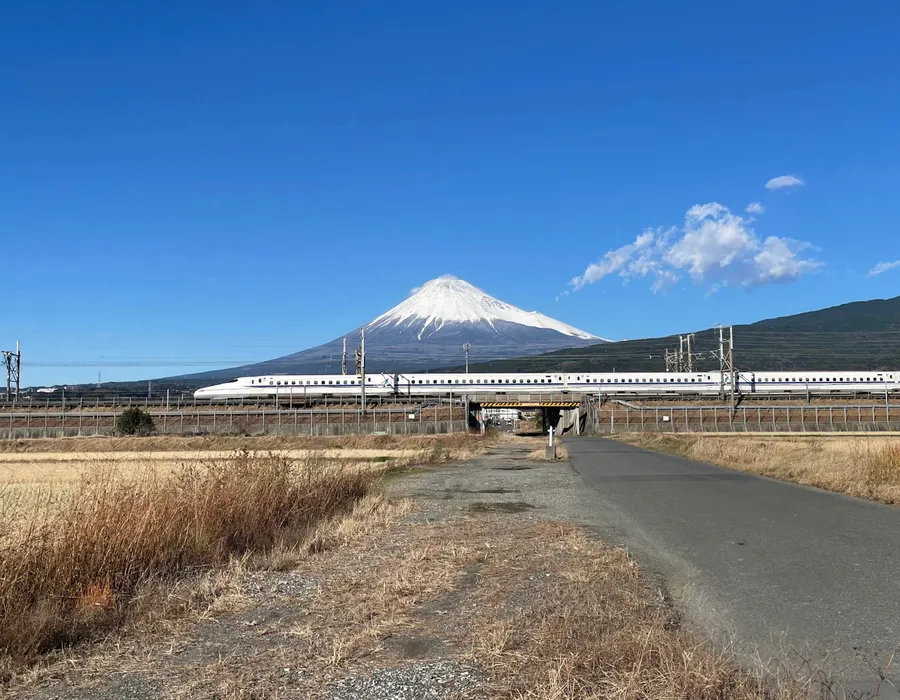
Train Tickets
Book shinkansen and local rail tickets in advance and skip the station ticket-counter queue.
Explore Train Tickets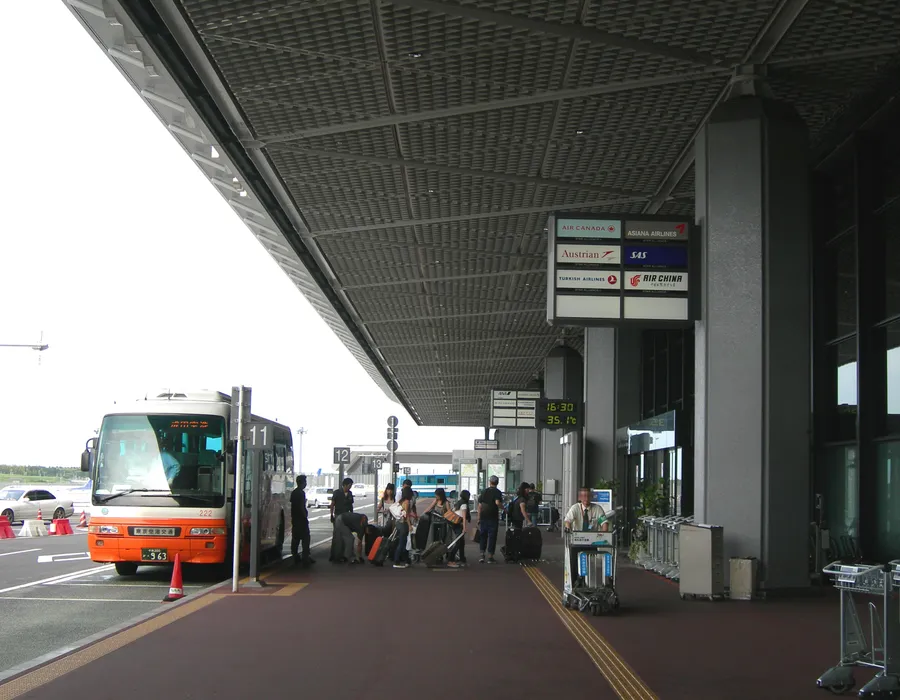
Airport Transfers
Book a fixed-price transfer from Haneda or Narita so arrival day is one less thing to figure out.
Explore Airport Transfers
eSIM & Wi-Fi
Stay connected in Japan with an eSIM or pocket Wi-Fi, without hunting for a local SIM shop.
Explore eSIM & Wi-Fi