Skip to content
Easy Travel in Japan
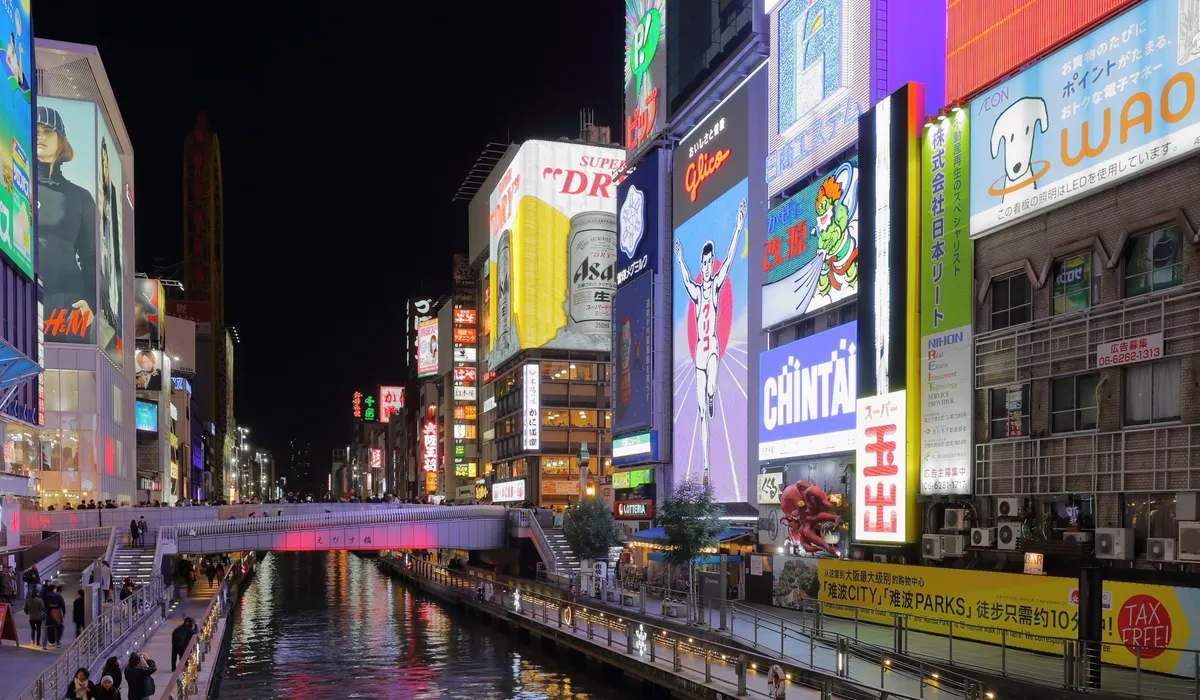
Dotonbori canal lit up with neon signs at night

10 Best Things to Do in Osaka

Short on time in Osaka? Here are ten places locals and first-time visitors both keep coming back to — a quick list to work from if you’d rather not plan every hour of your trip.

  1. The globe entrance sign at Universal Studios Japan1

    Universal Studios Japan

    Japan's most-visited theme park, USJ opened in 2001 as one of only six Universal parks in the world, and it's built almost entirely around franchises most travelers already know — the Wizarding World of Harry Potter and Super Nintendo World are the two most talked-about lands right now. It's a short train ride from central Osaka via Universal City Station, so it's easy to fold into a day trip rather than a whole separate stop on your itinerary. Good for families, but honestly also a fun day out for adults who grew up on the movies and games it's built around.
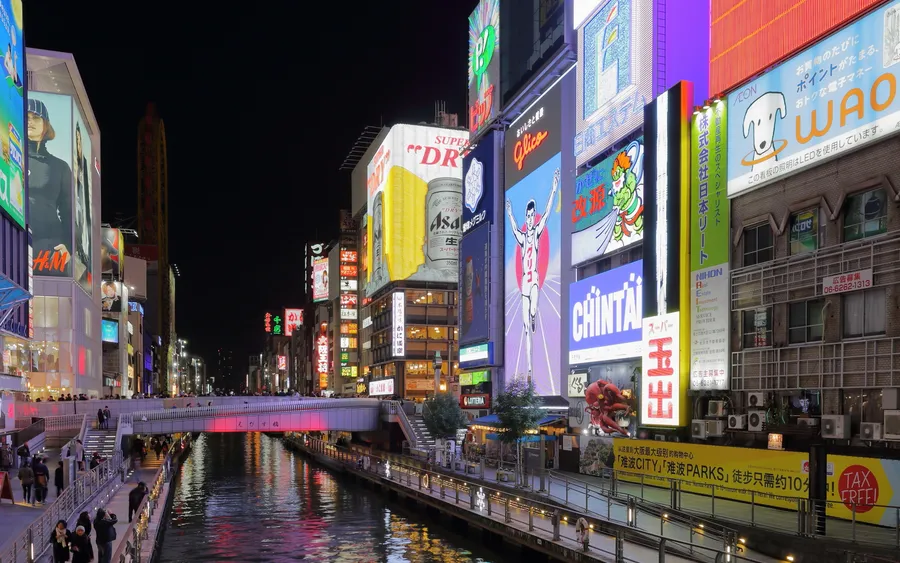
  2. Dotonbori canal lit up with neon signs at night2

    Dotonbori

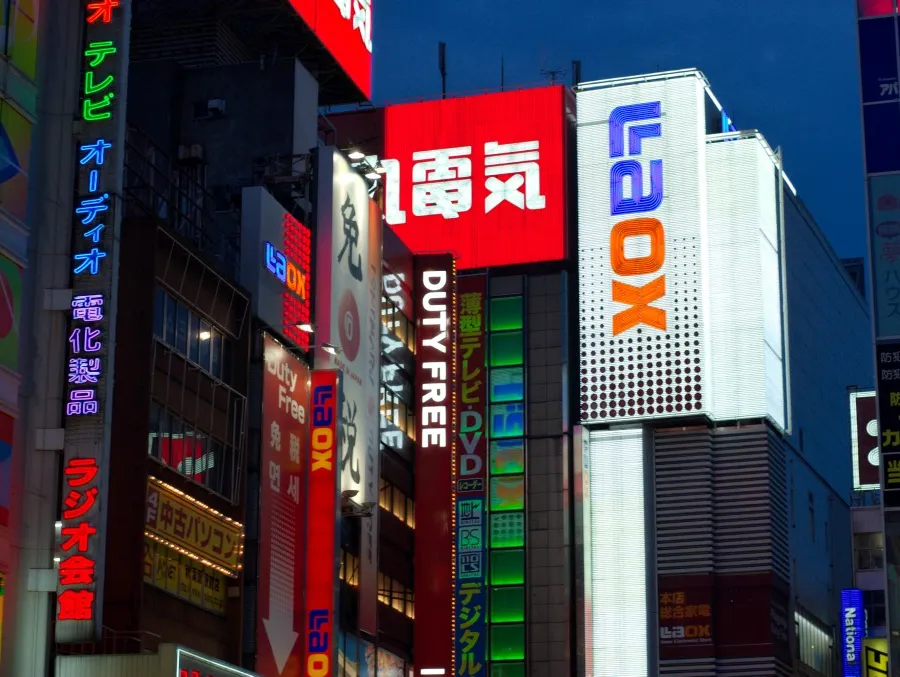
    Osaka's most photographed street, Dotonbori has been an entertainment district since the 1620s, when the canal that runs through it first drew theaters and restaurants to its banks. Today it's known for its wall-to-wall neon — giant mechanical crabs, dragons, and the glowing Glico 'running man' billboard that's been lighting up the canal since 1935. It's loud and more than a little chaotic most nights of the week, but that's exactly the appeal: this is where Osaka's after-dark energy is most on display, and it's best experienced on foot once the sun goes down.

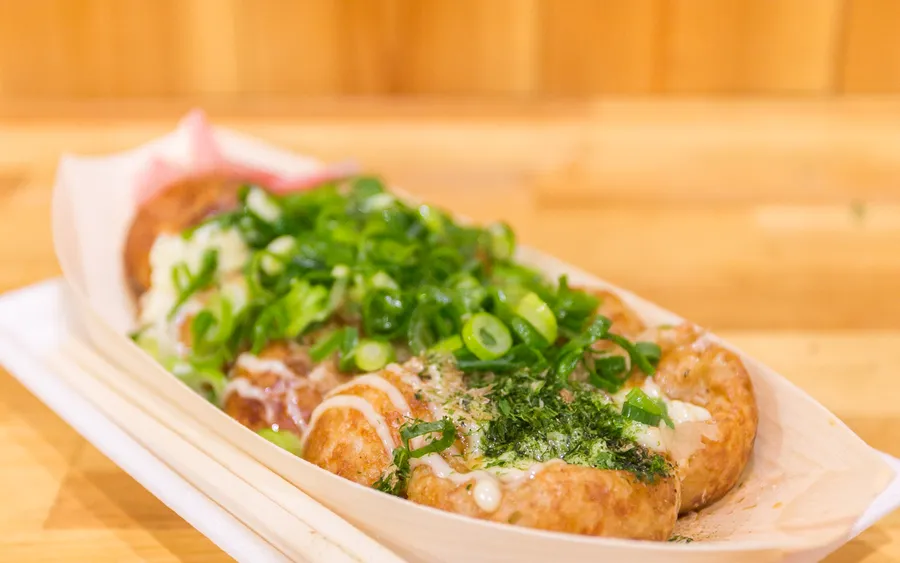
  3. A serving of fresh takoyaki topped with bonito flakes3

    Osaka's local cuisine

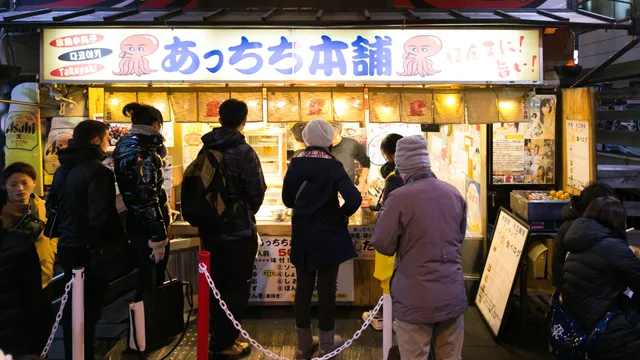
    Osaka calls itself kuidaore — 'eat until you drop' — and once you start working through the local menu, you'll understand why. Takoyaki, those octopus-filled batter balls invented here in 1935, are the classic street snack; okonomiyaki, a cabbage-and-batter dish often cooked right at your table, is the one locals are proudest of; and kushikatsu, breaded skewers eaten standing at a counter, come with a strict no-double-dipping rule for the shared sauce. Trying all three at a stand or a standing counter, rather than a sit-down restaurant, is really part of the experience.

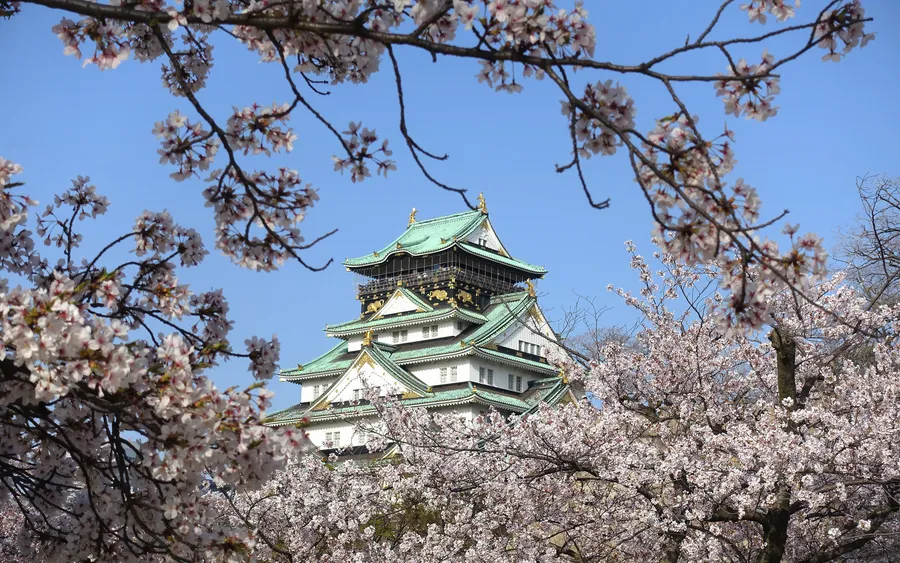
  4. Osaka Castle surrounded by cherry blossoms4

    Osaka Castle

    One of Osaka's most recognizable landmarks, first built in 1583 by the warlord Toyotomi Hideyoshi and rebuilt in its current form in 1931 after centuries of fire and war. Inside, the tower doubles as a small history museum, and climbing to the top rewards you with one of the best views over the city. The 106-hectare park around it is an easy, unhurried place to spend an afternoon, especially in spring when thousands of cherry trees come into bloom and the whole grounds fill with picnicking locals.

    9:00 AM – 5:00 PM (last entry 4:30 PM)1-1 Osakajo, Chuo Ward, Osaka
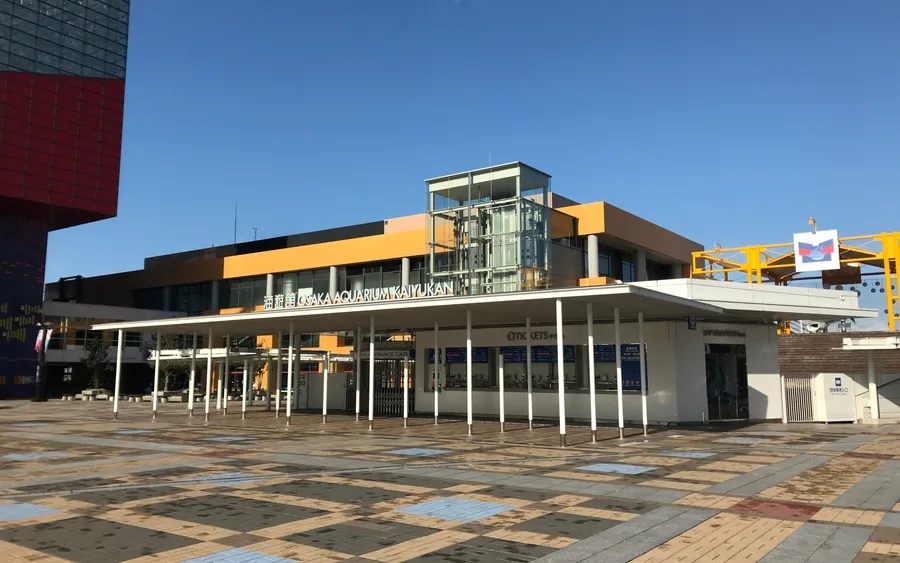
  5. Entrance building of Osaka Aquarium Kaiyukan5

    Osaka Aquarium Kaiyukan

    A favorite with families, Kaiyukan opened in 1990 as the largest public aquarium in the world at the time, and it still impresses. The whole building is built around one enormous central tank, home to gentle whale sharks drifting past floor-to-ceiling glass, and a spiral walkway takes you gradually downward past smaller tanks recreating different corners of the Pacific Rim along the way. It's an easy, unhurried few hours by the bay, and a nice change of pace if you've been temple-hopping all week.

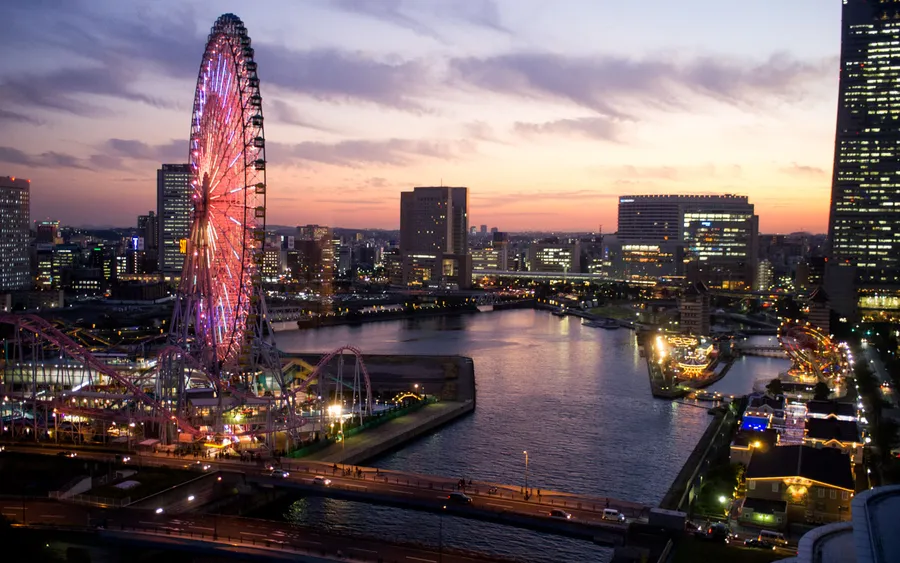
  6. Tempozan Ferris Wheel lit up over Osaka Bay at dusk6

    Tempozan Ferris Wheel

    Right next door to the aquarium, this giant harbor-side wheel rises about 112 meters over Osaka Bay, and one loop in a gondola gives you a good fifteen minutes or so to take in the view — long enough to actually enjoy it rather than rush through. It lights up with colored LEDs after dark, and locally it's known for a fun quirk: the color is sometimes set to match the next day's weather forecast. It's at its best around dusk, when the bay and the city skyline catch the last of the light together, and it's a slow, easy way to get your bearings on the city from above.

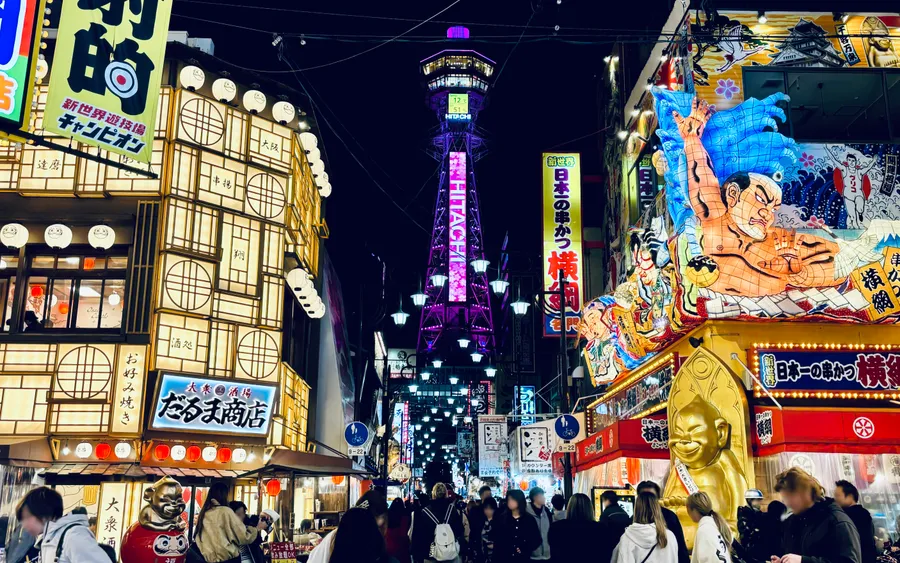
  7. Tsutenkaku Tower lit up above the streets of Shinsekai7

    Shinsekai & Tsutenkaku Tower

    Shinsekai grew up around an amusement park that opened here in 1912 and is long gone now, but the neighborhood has kept that old-world, slightly time-capsule feel — hand-painted signs, retro arcades, and kushikatsu counters that look like they haven't changed in decades. Tsutenkaku Tower, rebuilt in its current form in 1956 after the original burned down, still rises above it all as the district's landmark. Duck into the covered Janjan Yokocho arcade nearby for a look at a side of Osaka that feels a world away from the glossier streets of Shinsaibashi.

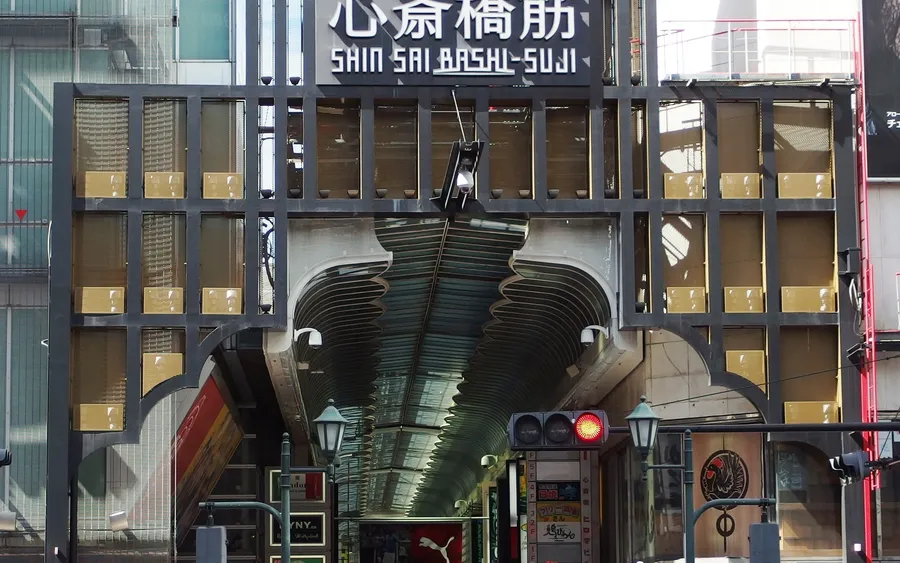
  8. Entrance to the covered Shinsaibashi shopping arcade8

    Shinsaibashi

    Shinsaibashi-suji is a covered shopping arcade running about 600 meters through the heart of the city, glass roof overhead the whole way, so it's an easy place to duck into if the weather turns without giving up on sightseeing for the day. Department stores, international brands, and small local shops all sit under the same roof, and the crowds here rarely thin out, day or night. It runs almost straight into Dotonbori at its southern end, so the two are easy to combine into one long walk.

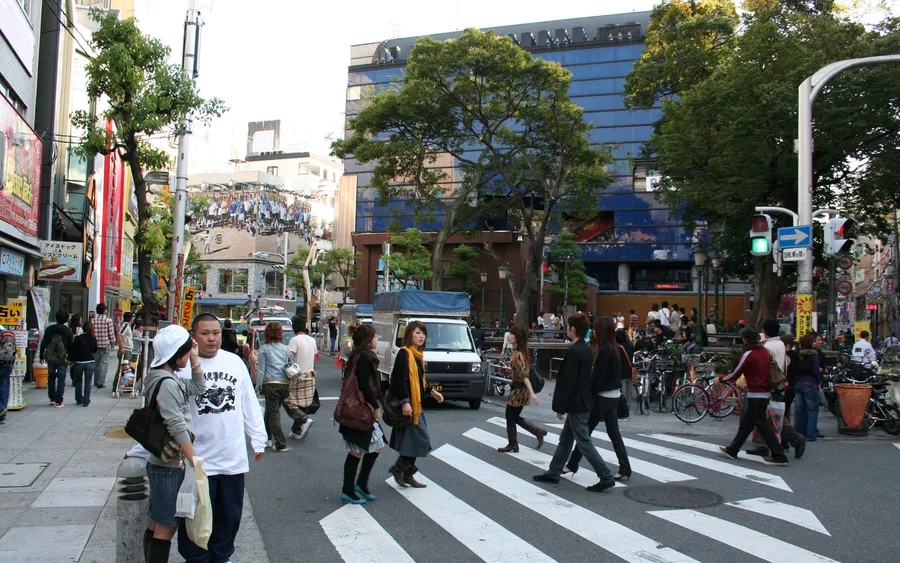
  9. A busy street crossing in Amerikamura, Osaka9

    Amerikamura

    Amerikamura — literally 'American Village' — is Osaka's streetwear and youth-culture pocket, a few blocks of vintage shops, record stores, and cafes just west of Shinsaibashi. It grew up as a hangout for young people chasing imported fashion and music, and that scrappier, more independent spirit still shows in the street art and small shops packed into the area. Triangle Park, a small plaza at its center, is where a lot of the street style and people-watching happens — a fun detour if you want a break from temples and department stores for an hour.

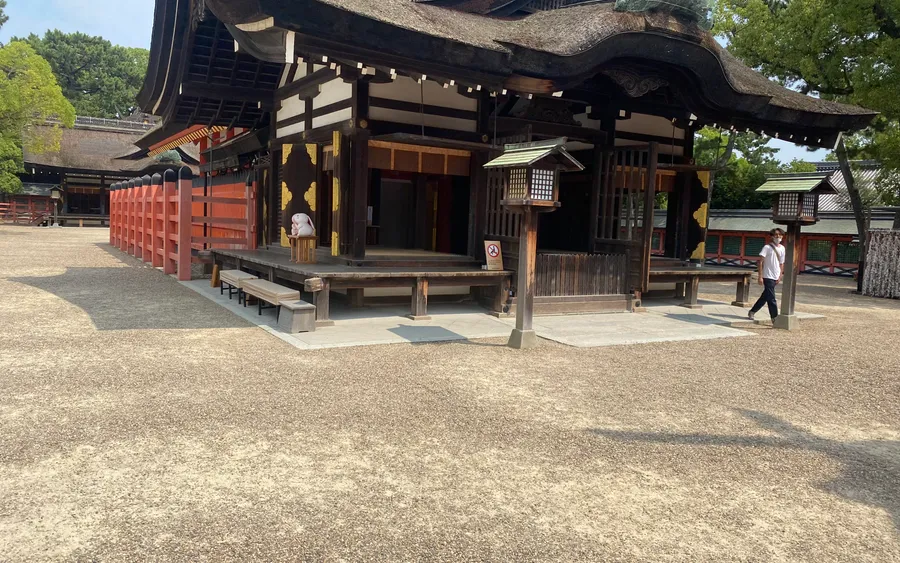
  10. Sumiyoshi Taisha Shrine, Osaka10

    Sumiyoshi Taisha Shrine

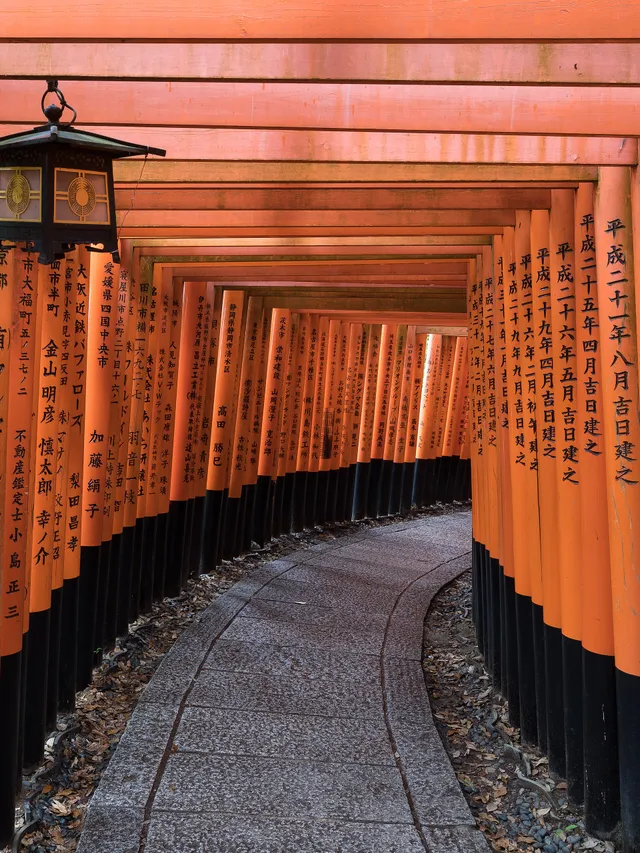
    Sumiyoshi Taisha is one of Japan's oldest Shinto shrines, said to date back to the 3rd century, and its four main halls are built in a style — Sumiyoshi-zukuri — that predates the Buddhist architectural influence you'll see at most other shrines: straight rooflines, vermillion beams against black-painted walls. The steeply arched Taiko-bashi bridge near the entrance is the shrine's best-known photo spot. It's quieter than the city-center sights most of the year, though it draws enormous crowds over New Year's, and on an ordinary day it's a good stop if you want a slower, more contemplative morning.

Keep reading

More guides you might like

Nearby

Related destinations

Continue

Related services

Easy Travel in Japan