Easy Travel in Japan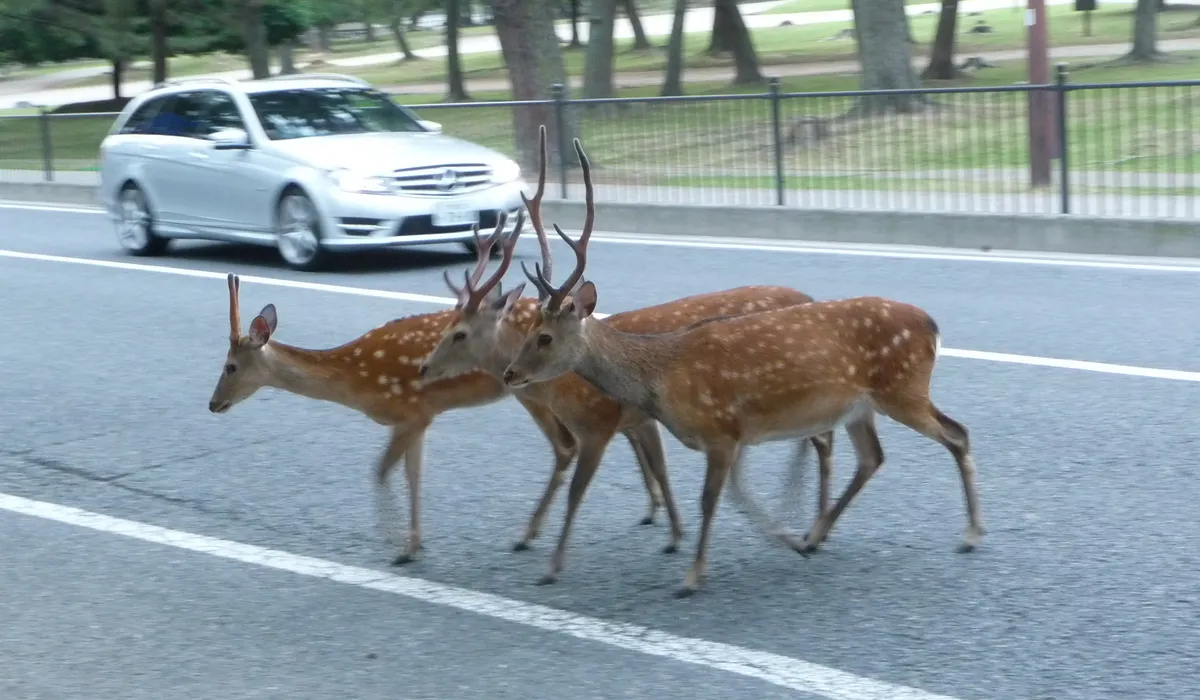
Nara
Japan's ancient capital — the Great Buddha of Todai-ji and the freely roaming deer of Nara Park.
Nara was established as Heijo-kyo, Japan’s first permanent capital, in 710, when Empress Genmei moved the seat of government there and laid the city out on a grid modeled on the Tang-dynasty Chinese capital. During the Nara period that followed, Buddhism became deeply established as a state religion and the city grew into a wellspring of early Japanese art and Buddhist scholarship, before the capital moved on to Kyoto in 794. That relatively brief but formative era left Nara with an unusually dense cluster of 8th-century temples and shrines, alongside the city’s best-known modern draw: roughly 1,200 to 1,500 sacred sika deer that roam freely through Nara Park.
Highlights & things to do
Todai-ji’s main hall, the Daibutsuden, is described by the temple itself as the largest wooden structure in the world, even though the current Edo-period reconstruction is narrower than the 8th-century original. Inside stands the Great Buddha, a bronze statue of Vairocana Buddha roughly 15 meters tall, one of the largest bronze Buddhas in Japan. Kasuga Taisha, founded in 768 by the Fujiwara clan, is known for roughly 3,000 lanterns — around 2,000 stone lanterns lining its approach and 1,000 bronze lanterns hung from its buildings, donated by worshippers over the centuries. Kofuku-ji’s five-story pagoda, first built in 730 and rebuilt five times after fire, is Japan’s second-tallest wooden pagoda at just over 50 meters. A short distance outside the city center, Horyu-ji, founded by Prince Shotoku in 607, holds what are widely recognized as the oldest surviving wooden buildings in the world, and was Japan’s first-ever UNESCO World Heritage listing, separate from Nara’s own inscription.
Isuien and the adjoining Yoshikien gardens, both a short walk from Todai-ji, use borrowed-scenery techniques that fold views of the surrounding temples into their landscaped grounds. Behind Todai-ji, the grassy slopes of Mount Wakakusa make for an easy climb with panoramic views over the city and the former Heijo Palace site.
Food & local cuisine
Kakinoha-zushi, salt-marinated fish over vinegared rice wrapped in persimmon leaves, developed roughly 300 years ago in landlocked Nara, where the leaves’ natural properties helped preserve the fish before refrigeration. Nara-zuke are vegetables pickled for an extended period in sake lees, producing a deep amber, umami-rich pickle. Chagayu, a loose rice porridge simmered in roasted hojicha tea, has reportedly been eaten by Todai-ji’s monks before ceremonies for over a thousand years.
Culture & traditions
In the Shinto tradition tied to Kasuga Taisha, deer are considered sacred messengers of the gods, and Nara’s deer carry official protected status as Natural Monuments under Japan’s Cultural Properties Protection Act. Todai-ji is the head temple of the Kegon sect of Buddhism, centered on reverence for the cosmic Buddha described in the Kegon Sutra. Its Omizutori fire ritual, held every March 1–14, culminates in monks carrying massive flaming torches along the hall’s balcony, a tradition said to go back over 1,250 years. Together with Kasuga Taisha, Kofuku-ji, three other temples, the former Heijo Palace site, and a primeval forest, Todai-ji forms the UNESCO World Heritage listing “Historic Monuments of Ancient Nara,” inscribed in 1998.
Nature & scenery
Nara Park spreads across roughly 500 hectares at the foot of Mount Wakakusa, combining forest, ponds, and open lawns where the deer roam freely among the grounds of Todai-ji, Kofuku-ji, and Kasuga Taisha. Mount Wakakusa itself, a gentle 342-meter grass-covered hill, offers an easy climb with sweeping views over the city.
Seasonal travel
Spring cherry blossoms typically peak from late March to early April, with Nara Park’s roughly 1,500 cherry trees among Japan’s top 100 viewing spots. Autumn brings staggered foliage — ginkgo trees turning in late October, followed by around 800 maple trees peaking from mid-November into early December. Winter is marked by the Wakakusa Yamayaki, an annual grass-burning festival on the fourth Saturday of January that sets the entire mountainside ablaze after a fireworks display.
Recommended experiences
Feed the sacred deer shika senbei crackers sold throughout the park. Visit Todai-ji’s Daibutsuden and try passing through the wooden pillar said to share the Great Buddha’s nostril dimensions, popularly believed to bring good luck. Climb Mount Wakakusa for a panoramic view. Stroll Isuien and Yoshikien gardens. Time a visit around Omizutori in March or Wakakusa Yamayaki in January.
Getting there & practical info
From Kyoto, the Kintetsu limited express reaches Nara in around 35 minutes; from Osaka, it takes about the same from Namba Station, while JR rapid trains from either city take somewhat longer. Nara’s compact core of sights makes it a comfortable single day trip from either city, though some travelers choose to stay overnight to see the park and temples in the quieter early morning before day-trip crowds arrive.
Who this suits
Nara suits history and culture enthusiasts drawn to its 8th-century temples, families and animal lovers coming for the deer, easy day-trippers from Kyoto or Osaka, and photographers interested in some of the world’s oldest and largest wooden buildings.
A closer look at Nara
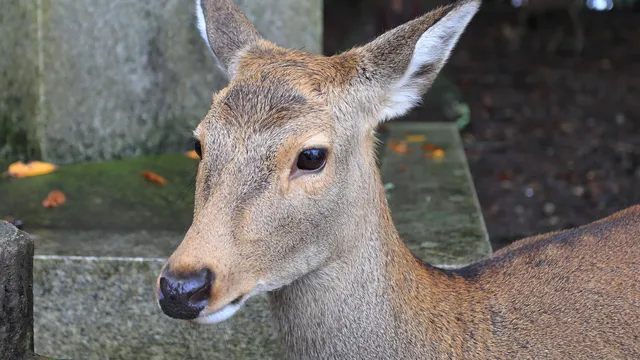
10 Best Things to Do in Nara
A quick, friendly rundown of Nara's free-roaming sacred deer, the bronze Great Buddha of Todai-ji, lantern-lined shrine paths, and a fire ritual over 1,250 years old — a good starting point for a first visit to Japan's first permanent capital.
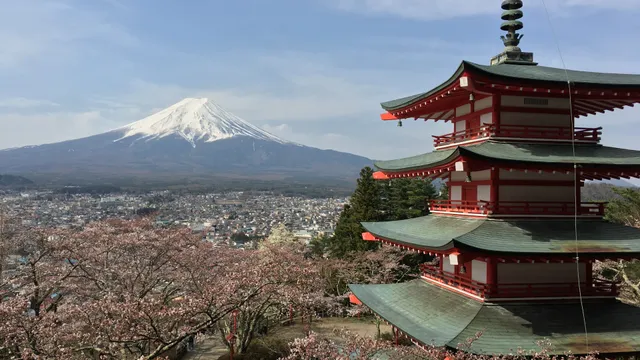
12 Best Things to Do in Japan
From Nara's bowing deer and Miyajima's floating torii to snow monkeys soaking in a Nagano hot spring, twelve unforgettable Japan experiences — and what to know before you visit each one.
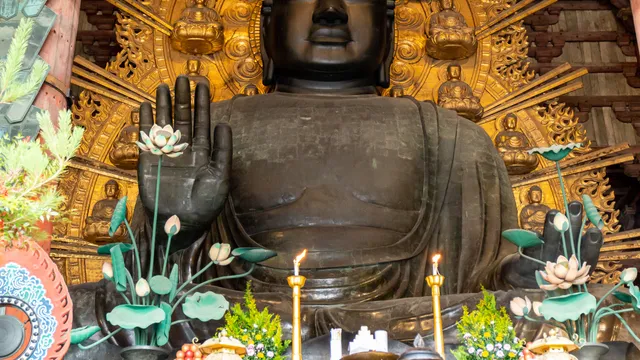
The Perfect 1-Day Nara Itinerary
A well-paced day through Nara's free-roaming deer, the Great Buddha of Todai-ji, a lantern-lined shrine path, and a hilltop view — everything you need to see the highlights in a single day trip from Kyoto or Osaka.