Skip to content
Easy Travel in Japan
Great Buddha (Vairocana), Todai-ji, Nara

The Perfect 1-Day Nara Itinerary

Nara’s compact core of temples and gardens makes it one of the most comfortable single-day trips in the Kansai region, easily reached from either Kyoto or Osaka in around 35 minutes. This itinerary starts with Kofuku-ji and the deer of Nara Park, builds through Todai-ji’s Great Buddha and the lantern path at Kasuga Taisha, then winds down with the gardens, a hilltop view from Mount Wakakusa, and a last stop for pickles in the old Naramachi quarter — all before an easy evening train back.

  1. Sika deer, Nara Park1

    8:30 AM — Kyoto or Osaka to Nara

    The Kintetsu limited express reaches Nara Station in around 35 minutes from either Kyoto Station or Osaka's Namba Station, with no transfer needed — JR rapid trains cover the same routes but take somewhat longer. An 8:30 departure gets you into Nara with a full day ahead and, just as important, before the afternoon tour-bus crowds build up around the park.
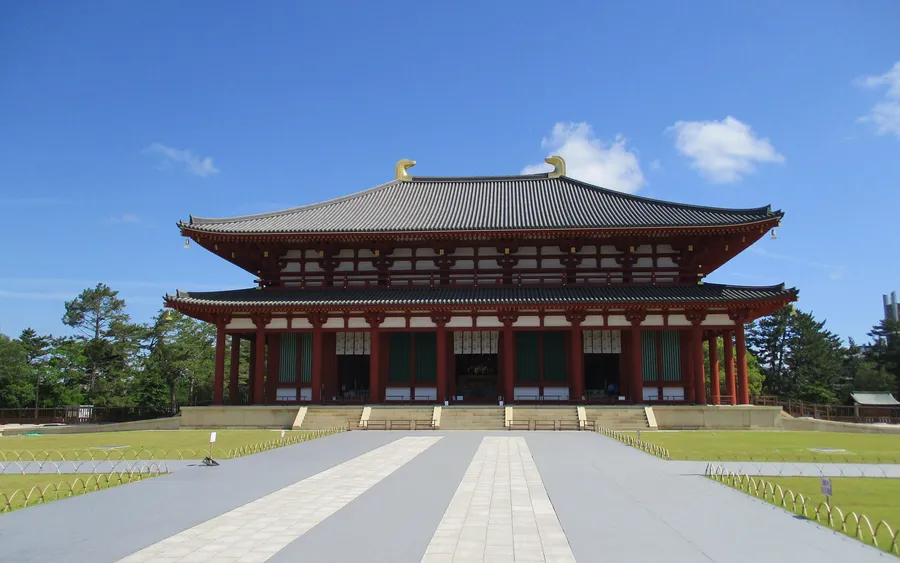
  2. Chukondo (Central Golden Hall), Kofuku-ji, Nara2

    9:15 AM — Kofuku-ji's Golden Hall

    A five-minute walk from Kintetsu Nara Station, Kofuku-ji makes an easy first stop before the park proper. Its five-story pagoda is currently wrapped in scaffolding for a repair project running until 2034, but the Chukondo, or Central Golden Hall, faithfully rebuilt in 2018 to the original Nara-period design, and the National Treasure Museum's Buddhist statuary are both worth the short visit on your way in.

    Halls & museum: 9:00 AM – 5:00 PM, last entry 4:45 PM48 Noborioji-cho, Nara, Nara 630-8213
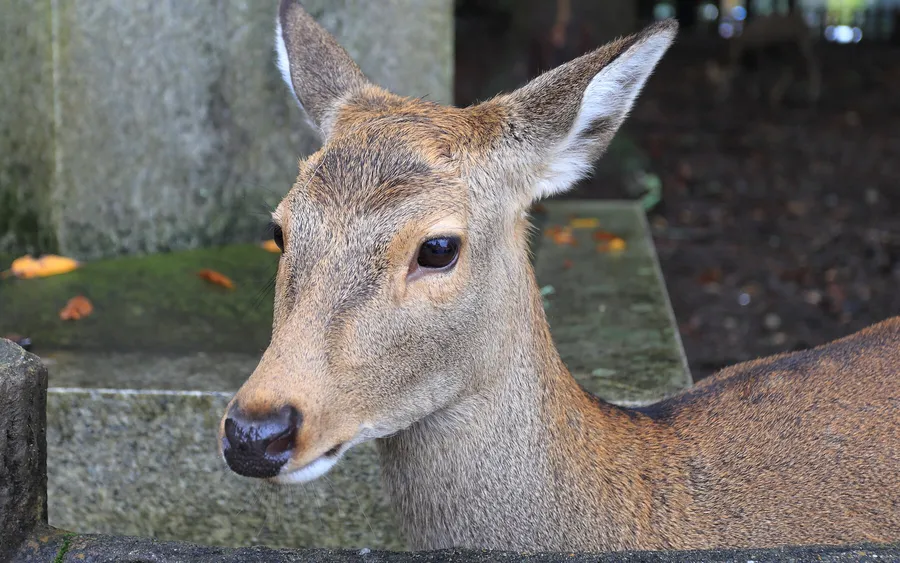
  3. Sika deer, Nara Park3

    10:00 AM — Nara Park & the Sacred Deer

    From Kofuku-ji, it's a short walk into Nara Park, where roughly 1,200 to 1,500 sika deer roam freely and wander in and out of the temple grounds. Pick up a stack of shika senbei from one of the vendors along the way and expect a polite, head-bowing crowd the moment the crackers come out — a good half hour here before the day's bigger sights.

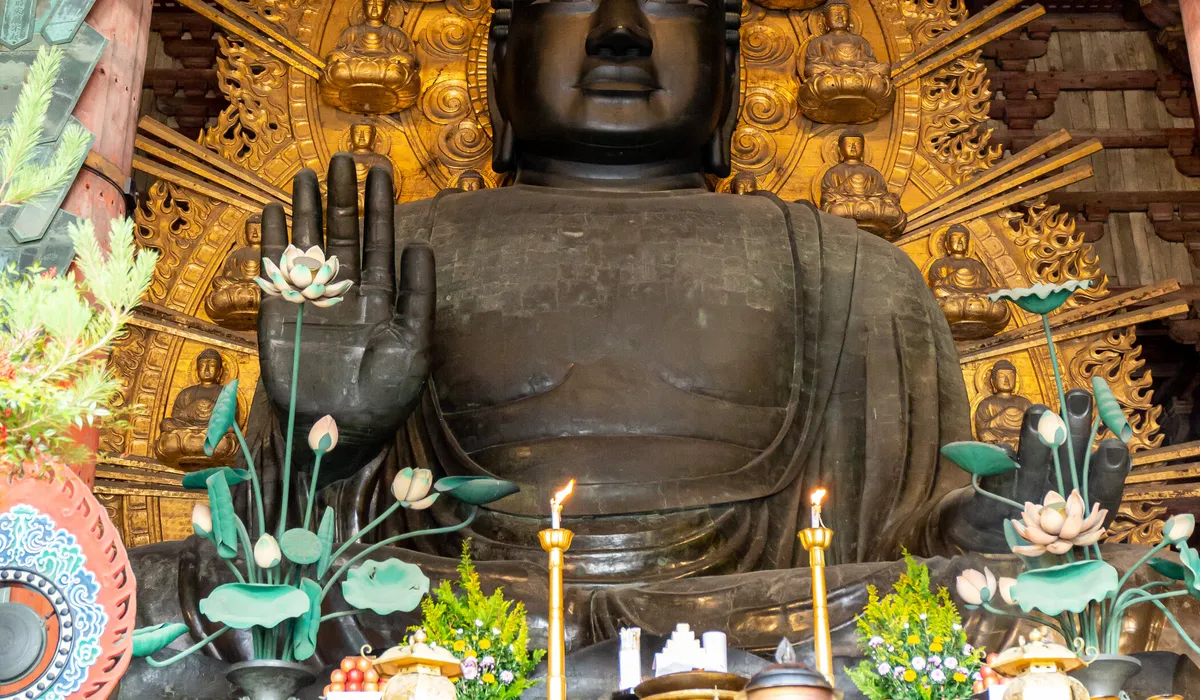
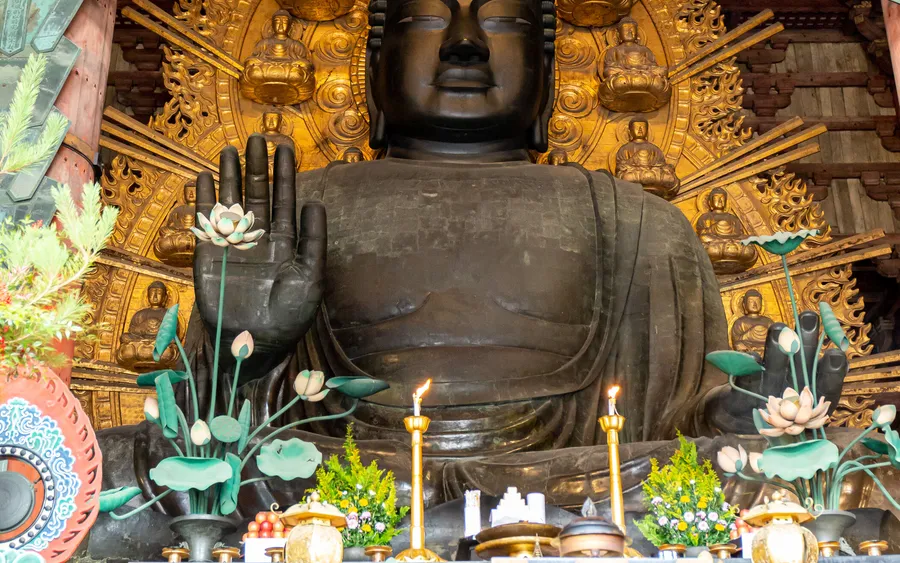
  4. Great Buddha (Vairocana), Todai-ji, Nara4

    10:45 AM — Todai-ji & the Great Buddha

    Todai-ji's Daibutsuden, the largest wooden structure in the world by the temple's own description, houses the Great Buddha, a bronze Vairocana Buddha roughly 15 meters tall cast not long after Nara became the capital in 710. Give it a good hour, and look for the wooden pillar with a hole cut to match the Great Buddha's nostril — squeezing through it is popularly believed to bring good luck.

    Daibutsuden: 7:30 AM – 5:30 PM (Apr–Oct), 8:00 AM – 5:00 PM (Nov–Mar)406-1 Zoshi-cho, Nara, Nara 630-8211
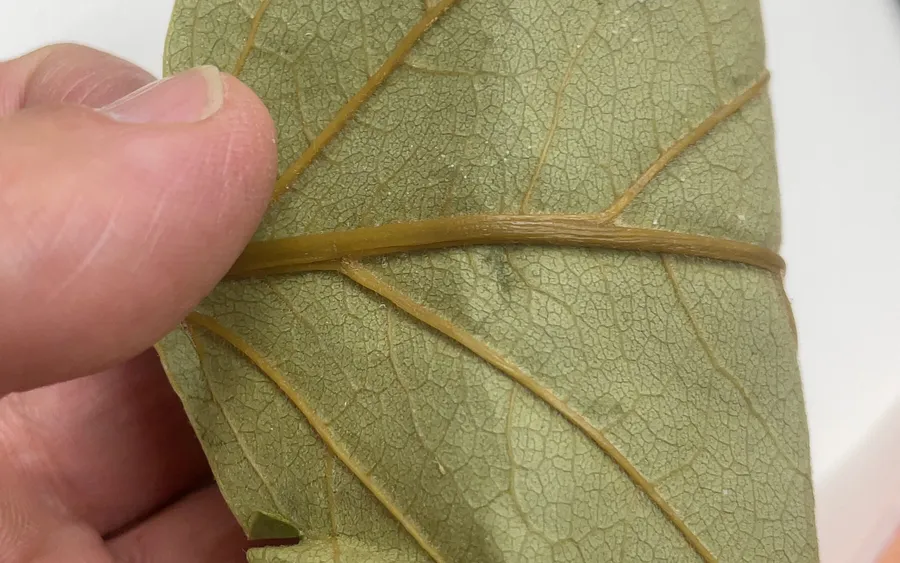
  5. Kakinoha-zushi (persimmon-leaf sushi)5

    12:15 PM — Kakinoha-zushi Lunch

    Break for lunch with kakinoha-zushi, salt-marinated fish pressed over vinegared rice and wrapped in a persimmon leaf — a Nara specialty that developed roughly 300 years ago as a way to preserve fish on the journey inland from the coast. It's sold at restaurants and kiosks all around the park area, an easy, portable lunch that doesn't eat into the afternoon's schedule.

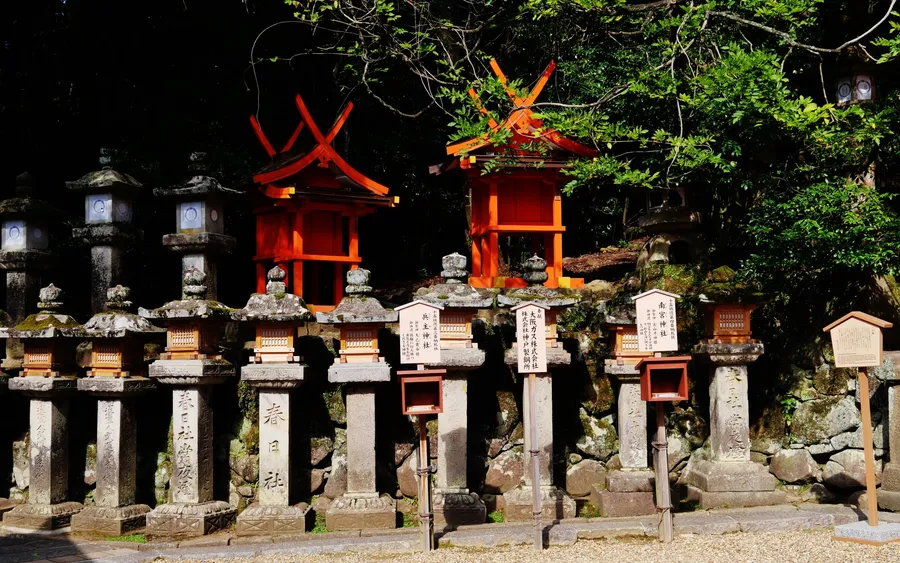
  6. Stone lanterns, Kasuga Taisha, Nara6

    1:15 PM — Kasuga Taisha

    From central Nara Park, walk or take a short bus ride to Kasuga Taisha, founded in 768 by the Fujiwara clan and known for its roughly 3,000 lanterns — around 2,000 stone lanterns lining the mossy forest approach and another 1,000 bronze lanterns hung from the shrine buildings. The walk in is one of the most atmospheric stretches of the whole day, deer and all.

    6:30 AM – 5:30 PM (Mar–Oct), 7:00 AM – 5:00 PM (Nov–Feb)160 Kasugano-cho, Nara, Nara 630-8212
  7. Isuien Garden, Nara7

    2:45 PM — Isuien & Yoshikien Gardens

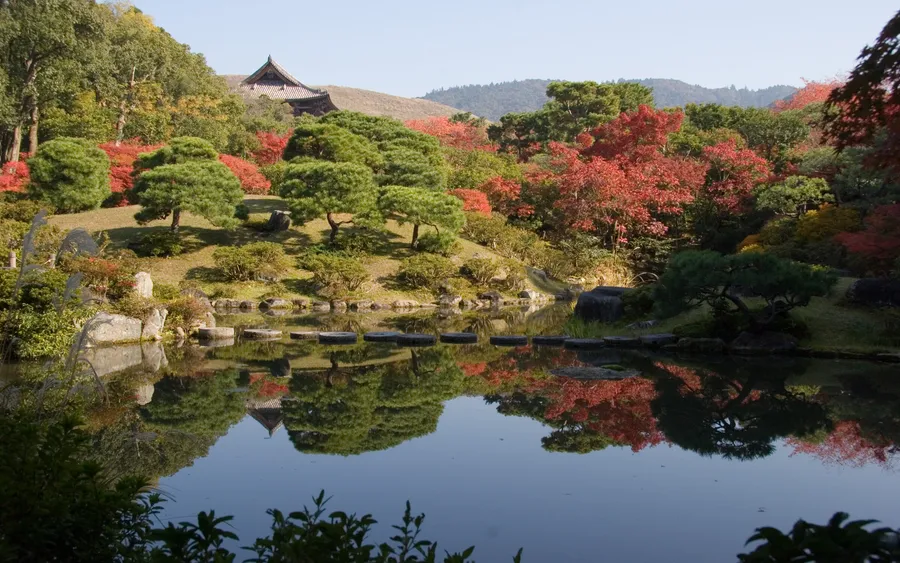
    Head back toward Todai-ji for a quieter interlude at Isuien and the adjoining Yoshikien, two landscaped gardens that use borrowed-scenery techniques to fold views of the surrounding hills and temple rooftops into their grounds. Isuien charges admission that includes the small Neiraku Museum; Yoshikien next door is free for travelers on a foreign passport — a calm 30 to 45 minutes after a morning of crowds.

    Isuien: 9:00 AM – 5:00 PM, closed Tuesdays except Apr, May, Oct & Nov74 Suimon-cho, Nara, Nara 630-8208
  8. Mount Wakakusa, Nara8

    3:45 PM — Climb Mount Wakakusa

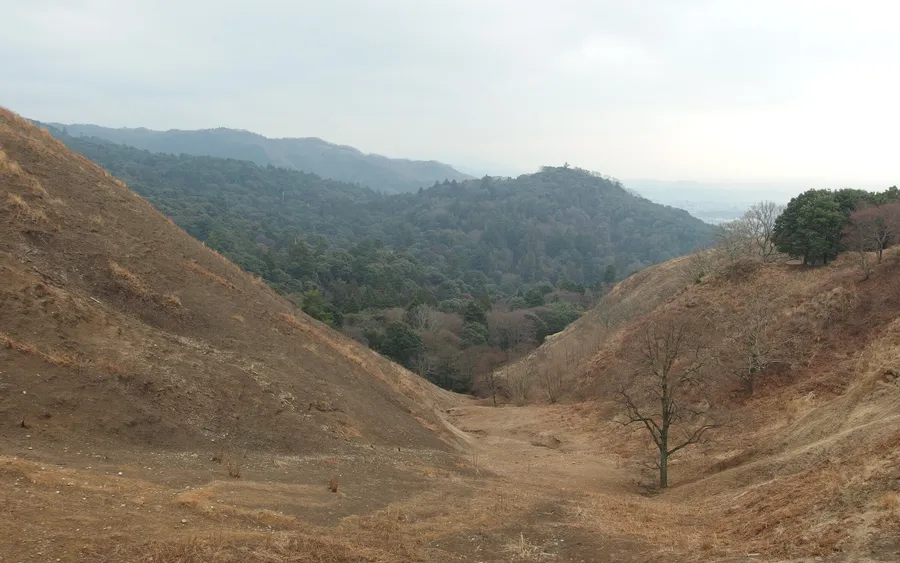
    Behind Todai-ji, Mount Wakakusa rises to just 342 meters, an easy 30-to-40-minute climb that opens onto panoramic views over Nara Park and the former Heijo Palace site as the afternoon light turns golden. The mountain is only open to climbers from the third Saturday in March through the second Sunday in December, so check the season before counting on this stop.

    9:00 AM – 5:00 PM, open 3rd Saturday of March – 2nd Sunday of December only; ¥150 adult admission
  9. Nara-zuke pickles9

    5:00 PM — Nara-zuke Shopping in Naramachi

    Wind down the day in Naramachi, the old merchant quarter southwest of Nara Park, where narrow lanes of preserved wooden townhouses hold shops specializing in nara-zuke — vegetables pickled for months in sake lees into a deep amber, umami-rich condiment. It's an easy, unhurried way to pick up something to take home before heading back to the station.

  10. Sika deer, Nara Park10

    6:00 PM — Back to Kyoto or Osaka

    From Kintetsu Nara Station, the limited express returns to Kyoto or Osaka's Namba Station in around 35 minutes, putting you back in the city in plenty of time for dinner. If you're tempted to stay longer, note that the deer, the gardens, and the temple grounds all feel noticeably different in the quiet of early morning, before the day-trip crowds from Kyoto and Osaka arrive.

Keep reading

More guides you might like

Nearby

Related destinations

Continue

Related services

Easy Travel in Japan