Easy Travel in Japan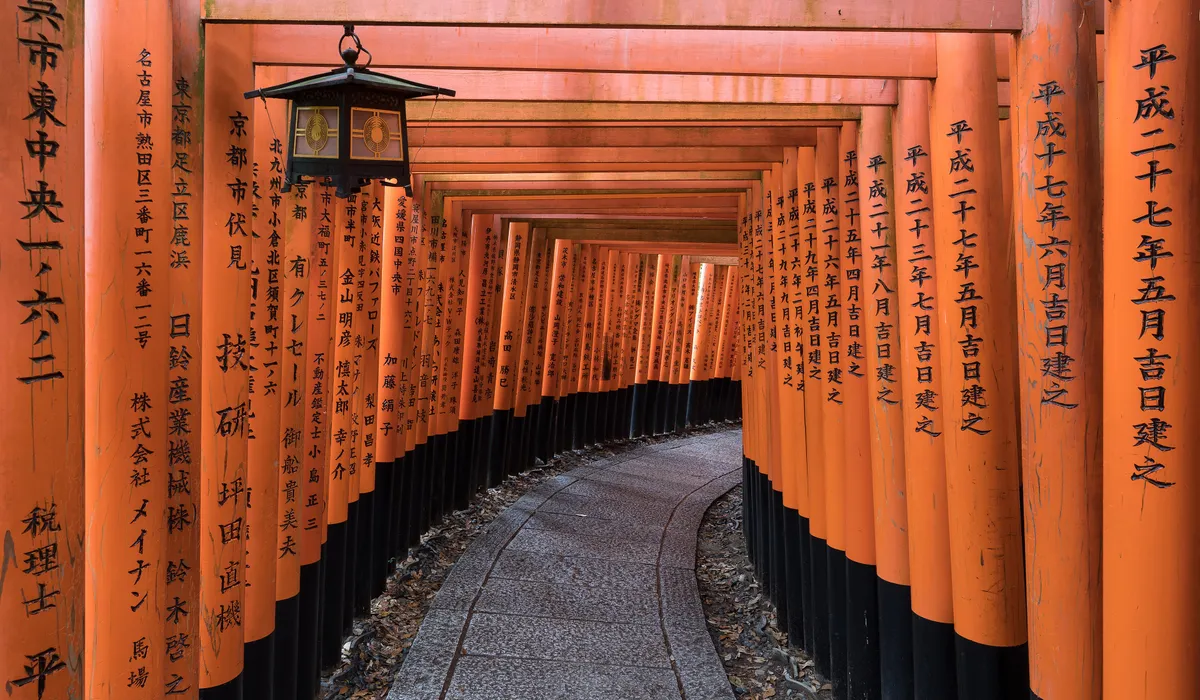
Kyoto
Japan's former capital — temples, gardens, and historic streets, best explored slowly and often on foot.
Kyoto was Japan’s imperial capital from 794, when Emperor Kammu founded the city as Heian-kyo, until 1868, when the emperor moved to Tokyo. Because of its historical significance, Kyoto was removed from Allied target lists in WWII and largely spared the bombing that reshaped so many other Japanese cities, leaving an unmatched concentration of centuries-old temples, shrines, and traditional streets intact. Over more than a thousand years as capital, Kyoto also became the origin point for much of what’s now considered classical Japanese culture — tea ceremony, kaiseki cuisine, traditional crafts — much of which is still practiced here today. It rewards a slower pace than Tokyo or Osaka; many sights are best visited early or late in the day.
Highlights & things to do
Fushimi Inari Taisha, founded in 711, is the head shrine of over 30,000 Inari shrines across Japan; its trail up Mount Inari is lined with an estimated 10,000 vermilion torii gates, donated by companies and individuals seeking business prosperity. Kinkakuji, the Golden Pavilion, was built in 1397 as a shogun’s retirement villa before becoming a temple; the current gold-leafed building is a 1955 reconstruction after the original was destroyed by arson in 1950. Kiyomizudera, founded even earlier, in 778, is known for its wooden stage built without nails, jutting out over the hillside — most of the current buildings date to a 1633 reconstruction.
Arashiyama’s bamboo grove, a roughly 400-meter path near Tenryuji Temple, is one of Kyoto’s most photographed spots, close to the Togetsukyo Bridge, whose name recalls a Heian-era moon-viewing party. Gion, Kyoto’s most famous geisha district, has hosted teahouses since medieval times and was formally sanctioned by the Tokugawa shogunate in 1772; it remains home to working geiko and maiko today. Nijo Castle, built in 1603 as Tokugawa Ieyasu’s Kyoto residence, is famous for “nightingale floors” that chirp underfoot as a security measure. At Ryoanji, a Zen rock garden created around 1500 arranges 15 stones so that at least one is always hidden from any single viewing angle. Nishiki Market, a covered arcade known as “Kyoto’s Kitchen,” has sold fresh food since at least the Edo period, and the Philosopher’s Path, a canal-side walk between Ginkakuji and Nanzenji, is named for a philosopher who reportedly meditated along it during his daily commute.
Food & local cuisine
Kyoto’s cuisine developed over its centuries as the imperial capital, giving rise to refined kaiseki, a multi-course style rooted in the tea ceremony. Obanzai is the city’s traditional home cooking — simmered vegetables, grilled fish, tofu, and pickles built around local Kyoto heirloom vegetables. Yudofu, simple hot-water-simmered tofu, is closely associated with temple cuisine. Nearby Uji has grown tea since the 11th century and is regarded as producing some of Japan’s finest matcha, commonly paired with wagashi, traditional sweets tied to the tea ceremony tradition.
Culture & traditions
Geiko and maiko in Gion study traditional dance and perform publicly each April in the Miyako Odori. Nishijin textile weaving, dating to workshops established soon after Kyoto’s founding, and Kiyomizu-yaki pottery are among the city’s best-known living crafts. The Gion Matsuri, one of Japan’s most famous festivals, fills the entire month of July, with its major hand-assembled float processions on July 17 and 24; it originated in 869 as a ritual to appease deities blamed for a citywide plague. The Jidai Matsuri, held every October 22, was established in 1895 to mark the 1,100th anniversary of the city’s founding, with roughly 2,000 costumed participants recreating eight historical eras.
Nature & scenery
Beyond the Arashiyama bamboo grove, the Kamo River runs through central Kyoto and is a traditional summer dining spot, with restaurants building platforms out over the water. The city’s many temple and villa gardens, including Ryoanji’s rock garden, are considered some of the finest examples of Japanese landscape design.
Seasonal travel
Spring cherry blossoms typically bloom from late March through mid-April, progressing from south to north across the city. Summer brings the month-long Gion Matsuri in July. Autumn foliage generally peaks from mid-to-late November into early December, starting in the northern hills before reaching the major Higashiyama temples — a longer viewing window than cherry blossom season. Winter brings seasonal illumination events at temples like Kodaiji, though specific events change from year to year.
Recommended experiences
Take a guided tea ceremony, some paired with kimono rental for exploring Gion or Higashiyama in traditional dress. Join a food-tasting walk through Nishiki Market. Time a visit for the Gion Matsuri in July or the Jidai Matsuri procession in October.
Getting there & practical info
The Tokaido Shinkansen connects Kyoto to Tokyo in around 2 hours 15 minutes on the fastest Nozomi service, and to Osaka in as little as 12–15 minutes. From Kansai International Airport, the JR Haruka limited express reaches Kyoto Station directly in around 70–80 minutes. Kyoto rewards at least 2–3 full days to cover its eastern, northern, western, and central highlights, and connects easily to Osaka and Nara for day trips.
Who this suits
Kyoto suits history and culture enthusiasts, first-time visitors wanting a classic introduction to traditional Japan, food travelers drawn to kaiseki and matcha, and photographers chasing cherry blossoms, bamboo groves, or autumn color.
A closer look at Kyoto
10 Best Things to Do in Kyoto
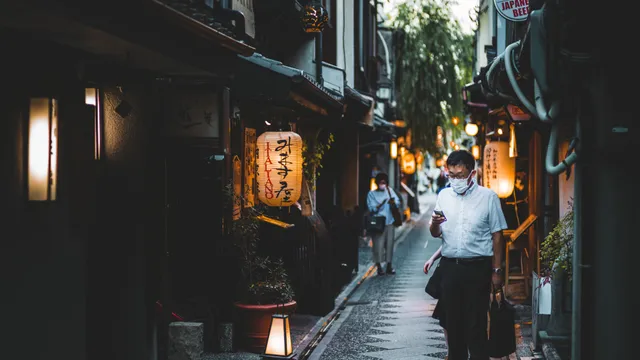
A quick, friendly rundown of Kyoto's biggest highlights — from Fushimi Inari's torii gates to the lantern-lit lanes of Pontocho — a good starting point for a first visit.
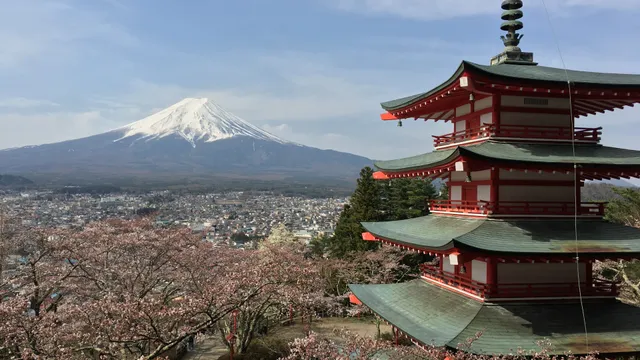
12 Best Things to Do in Japan
From Nara's bowing deer and Miyajima's floating torii to snow monkeys soaking in a Nagano hot spring, twelve unforgettable Japan experiences — and what to know before you visit each one.
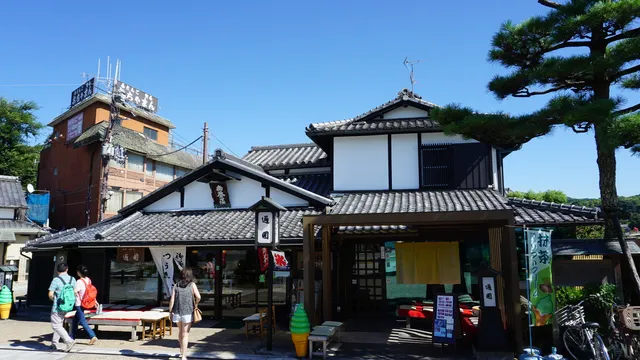
Kyoto's Best Tea Houses & Matcha Shops
From a tea house that has stood by Uji Bridge since 1160 to a modern flagship café overlooking Arashiyama, five places worth seeking out for real Kyoto tea.
Related destinations
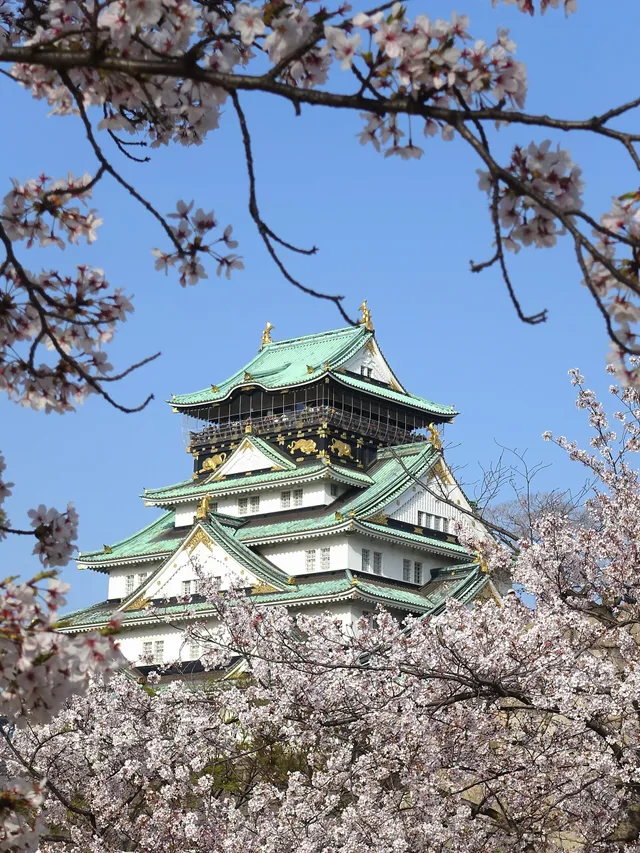
Osaka
Japan's food capital — Dotonbori's neon canal-side streets, Osaka Castle, and a livelier pace than Kyoto or Tokyo.
Explore Osaka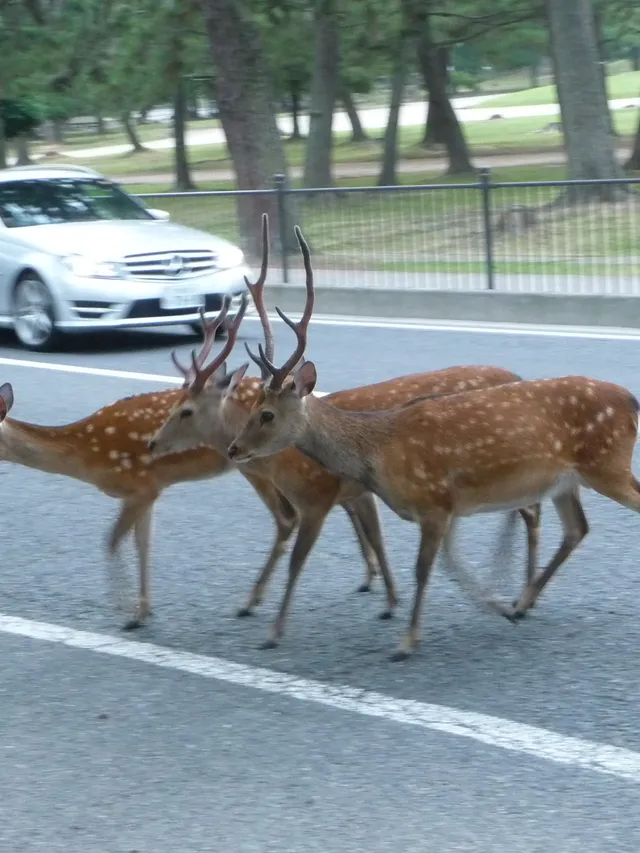
Nara
Japan's ancient capital — the Great Buddha of Todai-ji and the freely roaming deer of Nara Park.
Explore Nara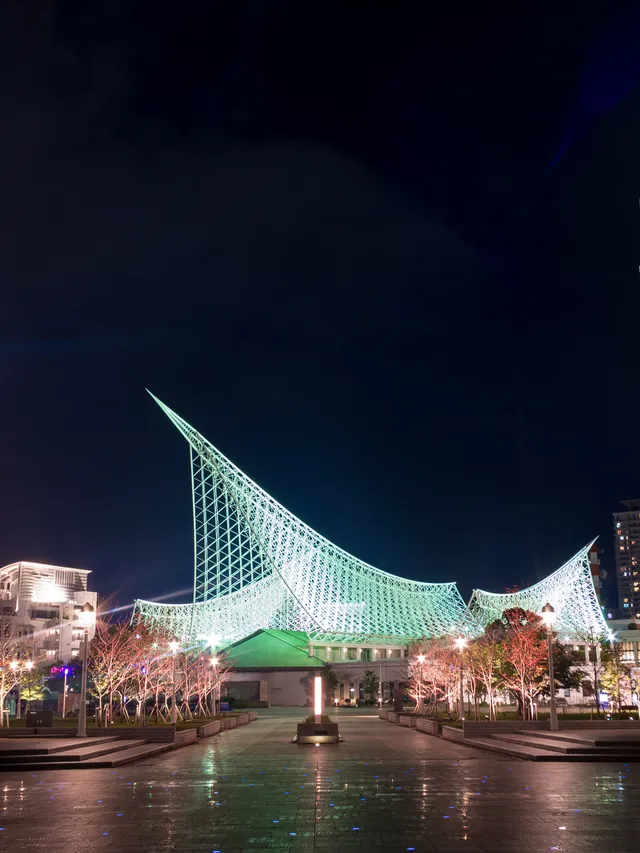
Kobe
A cosmopolitan port city wedged between mountains and sea, known for Kobe beef and its historic foreign quarter.
Explore Kobe